15 Dangers Astronauts Face in Deep Space
Space travel has always captured our imagination, but the reality of venturing beyond Earth’s protective embrace is far more treacherous than most people realize. While we marvel at stunning images from Mars rovers and celebrate successful missions, the astronauts who make these achievements possible face an array of life-threatening challenges that would make even the most extreme Earth-based adventures seem tame.
The further humans travel from our home planet, the more hostile the environment becomes, with dangers that can kill in seconds or slowly deteriorate the human body over months and years.
Cosmic Radiation
Space doesn’t mess around with radiation exposure. Beyond Earth’s magnetosphere, astronauts get bombarded by high-energy particles that slice through spacecraft walls like they’re made of paper.
The cumulative dose on a Mars mission would exceed a lifetime’s worth of safe exposure limits. Cancer rates skyrocket.
DNA damage accumulates faster than the body can repair it.
Solar Particle Events
When the sun decides to throw a tantrum (which happens more often than you’d think), it launches billions of high-energy protons directly at anything unlucky enough to be in the way. And here’s the thing about solar storms: they can kill an unprotected astronaut in hours — not days, not weeks, but hours.
The radiation dose from a major solar event can cause immediate radiation sickness, leading to nausea, vomiting, and eventually organ failure if astronauts can’t reach adequate shielding in time. So spacecraft designers have started building “storm shelters” into deep space vehicles, essentially reinforced compartments where crew members can huddle together like they’re waiting out a tornado.
But unlike tornadoes, solar storms can last for days, and you never know when the next one is coming until it’s already on its way.
Bone Density Loss

Picture your skeleton as a construction site where workers are constantly tearing down old bone and building new bone to replace it. On Earth, gravity keeps this renovation project humming along at a steady pace.
Remove gravity, and the demolition crew keeps showing up for work while the construction crew calls in sick indefinitely. Astronauts lose bone mass at roughly ten times the rate of an elderly person with severe osteoporosis.
The bones become so brittle that a simple stumble upon returning to Earth — or landing on Mars — could result in multiple fractures. Even worse, the bones that bear the most weight on Earth (hips, spine, legs) suffer the most dramatic deterioration, turning astronauts into walking fragility experiments.
Muscle Atrophy
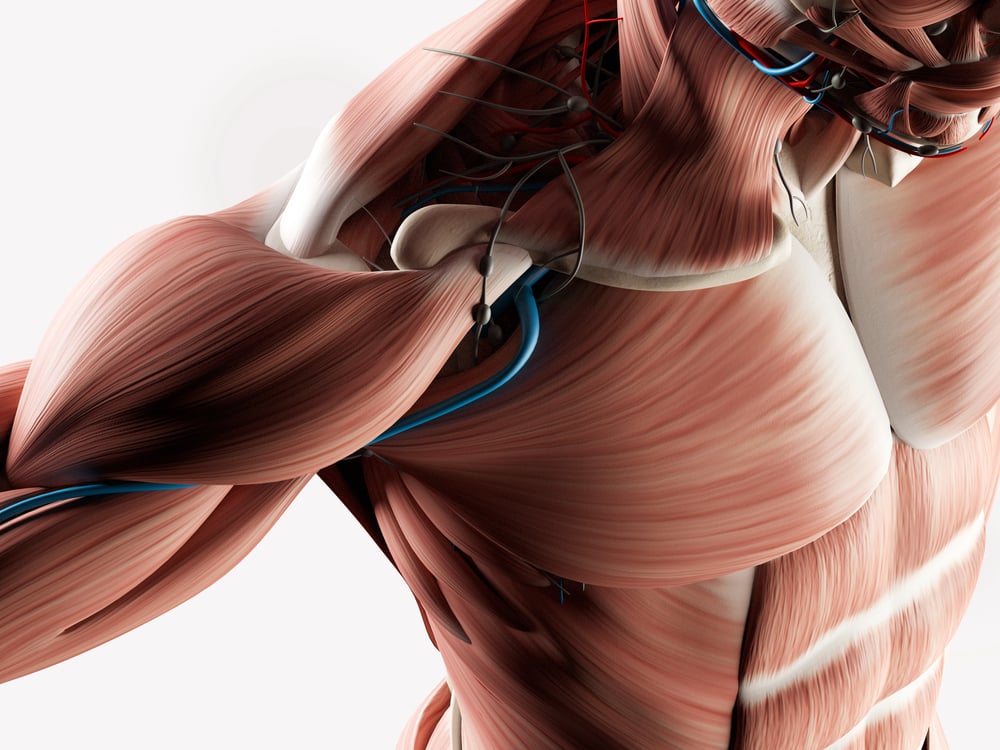
Muscle atrophy in space is merciless. Two hours of daily exercise can’t compete with 24 hours of weightlessness pulling your body apart.
Your heart shrinks because it doesn’t need to pump blood upward anymore. The numbers don’t lie: astronauts can lose up to 20% of their muscle mass in just five to eleven days.
Fair enough for a short mission, but devastating for the multi-year journey to Mars. By the time they need those muscles most — during landing and surface operations — astronauts may barely have the strength to walk, let alone perform complex tasks or handle emergencies.
Cardiovascular Deconditioning
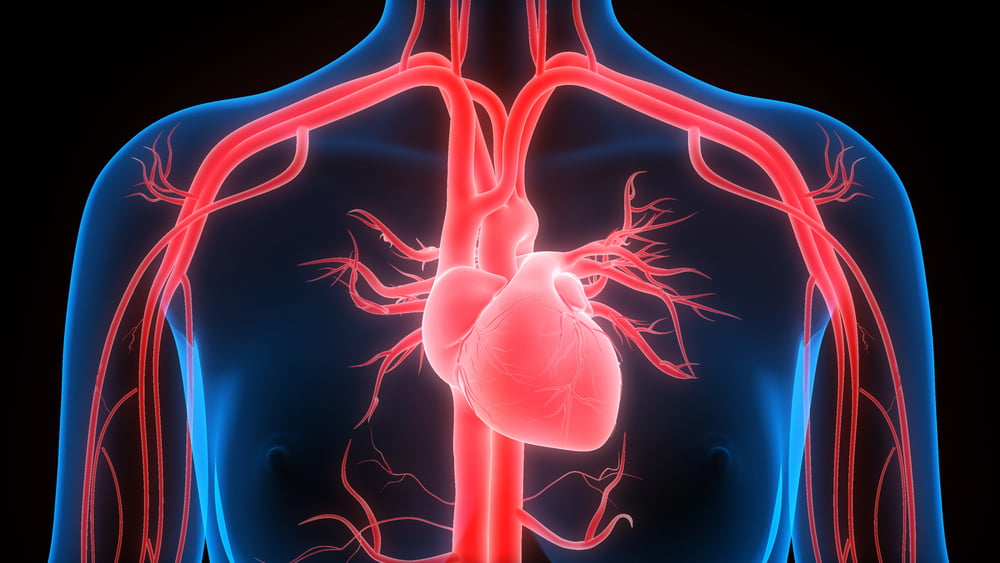
The heart becomes lazy in microgravity, and who can blame it. Blood doesn’t pool in the legs anymore, so the cardiovascular system essentially decides it’s been working too hard for decades and takes an extended vacation.
Blood volume decreases, the heart muscle weakens, and blood vessels lose their ability to constrict properly when gravity eventually returns. When astronauts stand up after returning to Earth, their blood pressure can drop so dramatically that they faint within seconds.
During long-duration missions, this deconditioning becomes so severe that some astronauts require weeks or months of rehabilitation just to walk normally again. On Mars, with its reduced but still significant gravity, a deconditioned cardiovascular system could prove fatal during critical mission phases.
Psychological Isolation

The human mind wasn’t designed for the kind of isolation that deep space imposes. Earth disappears until it becomes just another dot of light, and suddenly the psychological weight of that distance settles in like a fog that never lifts.
Astronauts report a profound sense of disconnection that goes beyond simple homesickness. Communication delays with Earth grow longer as the distance increases — on Mars, conversations become impossible when radio signals take up to 24 minutes for a round trip.
The silence between words stretches into an eternity of doubt about whether anyone back home even remembers you exist. And yet, this isolation must be endured for years, not months, while maintaining peak performance and making life-or-death decisions with a clarity of mind that most people can’t manage during a difficult week at the office.
Equipment Failure
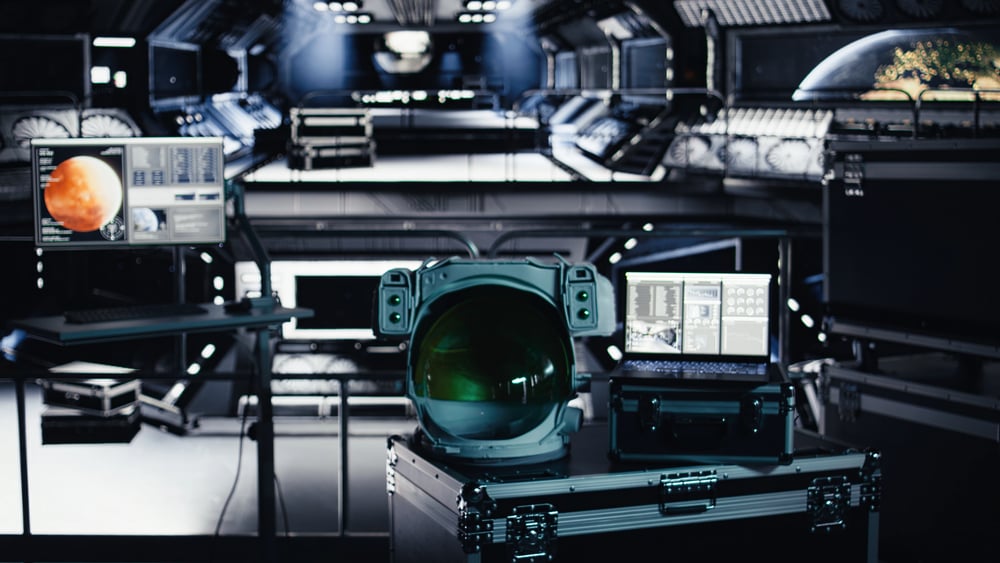
Space hardware fails. Period. The question isn’t whether critical systems will break down during a multi-year deep space mission, but when and how catastrophically.
Unlike the International Space Station, where supply ships arrive every few months with spare parts and emergency equipment, deep space missions operate under a harsh rule: fix it with what you brought, or die. A failed water recycling system becomes a death sentence measured in days.
A malfunctioning air scrubber turns the spacecraft into a tomb. Even seemingly minor failures cascade into major emergencies when you’re millions of miles from the nearest repair shop.
The psychological pressure of knowing that every mechanical sound, every warning light, every unusual reading could signal the beginning of the end creates a constant state of hypervigilance that wears down even the most experienced astronauts.
Micrometeorite Impacts
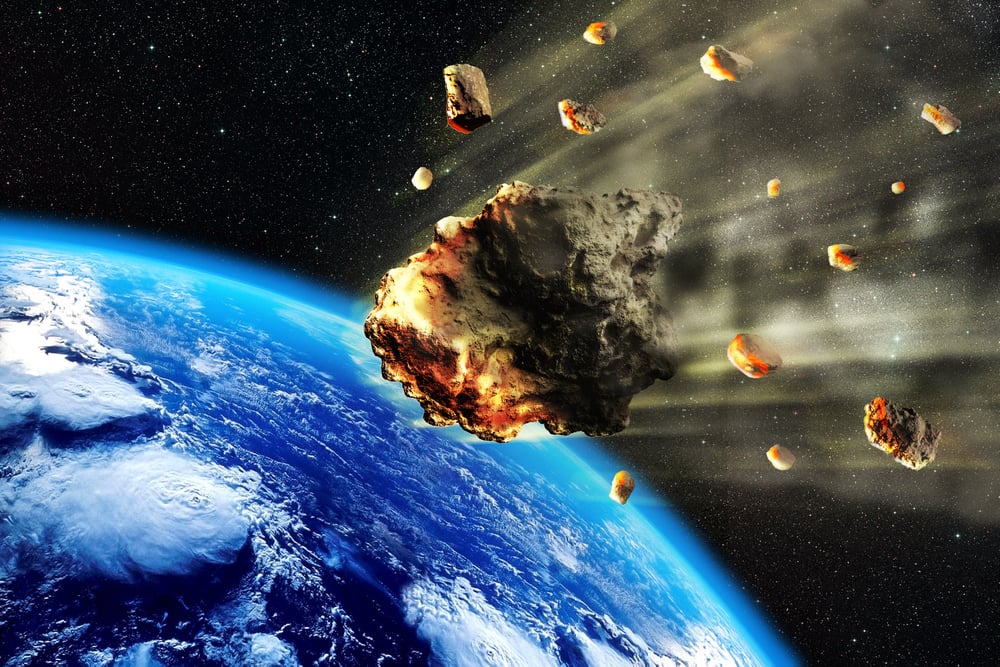
Space is not empty. It’s filled with tiny projectiles traveling at velocities that make bullets seem sluggish — some reaching speeds of up to 45 miles per second. A paint fleck at that velocity can crack a spacecraft window, and a grain of sand can punch through metal like a hot knife through butter.
Deep space missions spend years traveling through this cosmic shooting gallery, accumulating thousands of micrometeorite impacts on their hull. Each impact represents a potential breach, and spacecraft designers can only do so much to armor against projectiles that carry more kinetic energy per gram than explosives.
The constant bombardment slowly weakens structural integrity while creating an ever-present risk of catastrophic decompression that could kill the entire crew in minutes.
Decompression
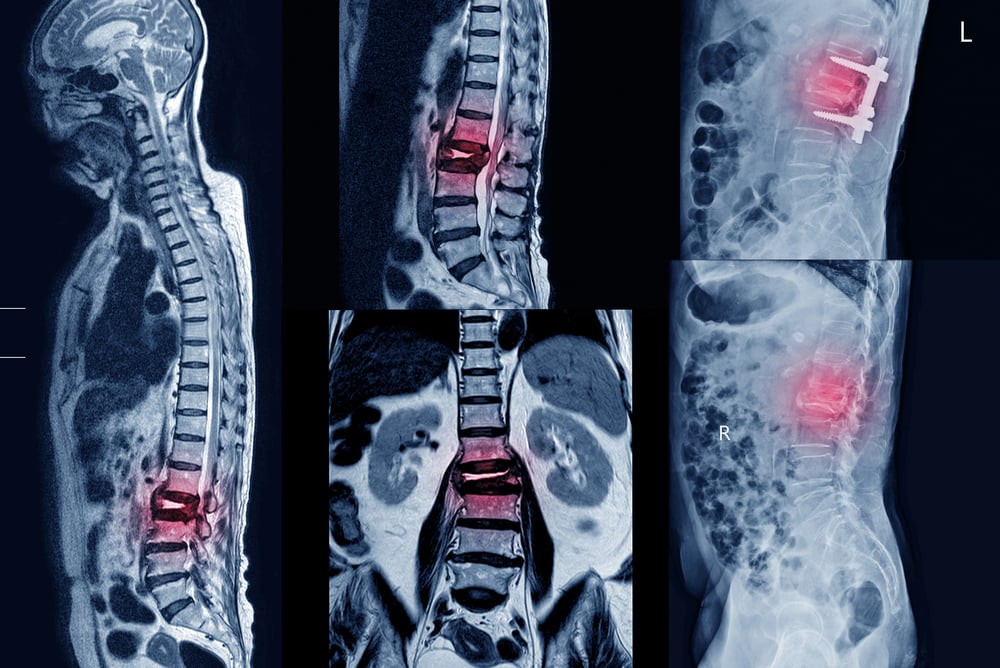
Explosive decompression doesn’t work quite like the movies suggest, but that doesn’t make it any less lethal. You wouldn’t instantly freeze or explode, but you would have roughly 15 seconds of useful consciousness before hypoxia shuts down your brain.
The real killer isn’t the initial pressure loss — it’s what happens next. In the vacuum of space, your body becomes a leaky balloon. Air escapes from your lungs, saliva boils on your tongue, and your blood begins to bubble as dissolved gases come out of solution.
You might survive a brief exposure if rescued quickly, but any delay measured in minutes rather than seconds becomes fatal. And in deep space, rescue might not be coming at all.
Temperature Extremes

Space operates on a simple temperature rule: if you’re in sunlight, you roast, and if you’re in shadow, you freeze. There’s no atmosphere to moderate these extremes or distribute heat evenly.
Spacecraft surfaces can swing from 250°F in direct sunlight to -250°F in shadow, and these temperature cycles repeat every orbit or rotation. This constant expansion and contraction gradually weakens materials, creates stress fractures, and causes seals to fail.
For astronauts working outside the spacecraft, a malfunctioning heating or cooling system in their suit becomes immediately life-threatening. Too hot, and hyperthermia shuts down the body within minutes.
Too cold, and hypothermia does the same. The margin for error simply doesn’t exist when the environment outside your suit is actively trying to kill you.
Communication Delays
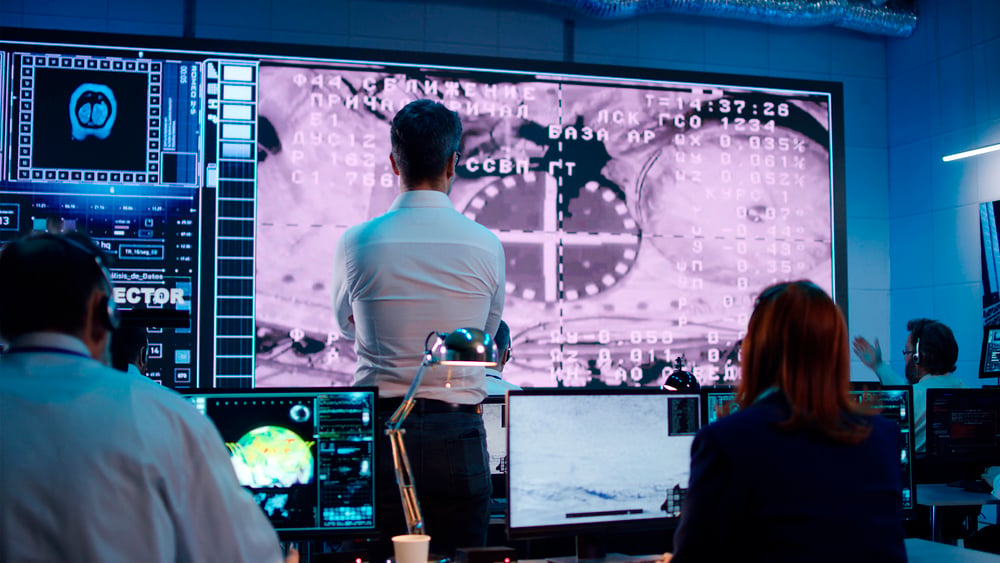
The speed of light seems fast until you’re trying to have a conversation across interplanetary distances, then it becomes agonizingly slow. As spacecraft travel deeper into the solar system, the communication delay with Earth stretches from seconds to minutes to nearly half an hour at Mars’ furthest point.
This delay transforms every emergency into a solo performance. When something goes wrong — and something always goes wrong — astronauts can’t rely on real-time guidance from mission control.
They must diagnose problems, make critical decisions, and implement solutions entirely on their own, knowing that by the time their distress signal reaches Earth and help is sent back, they’ll either have solved the problem or be dead. The psychological weight of this responsibility, combined with the isolation it creates, pushes human decision-making abilities to their absolute limits.
Sleep Disruption

Sleep becomes a luxury that space refuses to provide. Without the natural day-night cycle that regulates human circadian rhythms, astronauts find themselves fighting their own biology every time they close their eyes.
The spacecraft doesn’t observe bedtime — life support systems hum, equipment beeps, and the constant awareness that you’re hurtling through the void makes deep sleep nearly impossible. Sleep deprivation compounds every other danger on this list.
Tired astronauts make poor decisions, miss critical warning signs, and lack the physical coordination needed for emergency procedures. After months of disrupted sleep patterns, cognitive function deteriorates to the point where simple tasks become challenging and complex problem-solving becomes nearly impossible.
Yet these same sleep-deprived astronauts must maintain peak performance throughout the mission, because there’s no such thing as calling in sick when you’re the only crew member qualified to operate critical systems.
Galactic Cosmic Rays
Think of galactic cosmic rays as space bullets fired by exploding stars billions of years ago, and they’re still traveling at nearly the speed of light when they reach our solar system. Unlike solar radiation, which comes in predictable bursts, cosmic rays provide a constant bombardment that no practical amount of shielding can completely stop.
These high-energy particles penetrate deep into human tissue, causing DNA damage that accumulates over time. Extended exposure leads to increased cancer risk, cataracts, and potentially severe damage to the central nervous system.
Some scientists worry that cosmic ray exposure could cause cognitive impairment severe enough to compromise mission success, essentially turning astronauts into confused shadows of themselves by the time they reach their destination.
Medical Emergencies
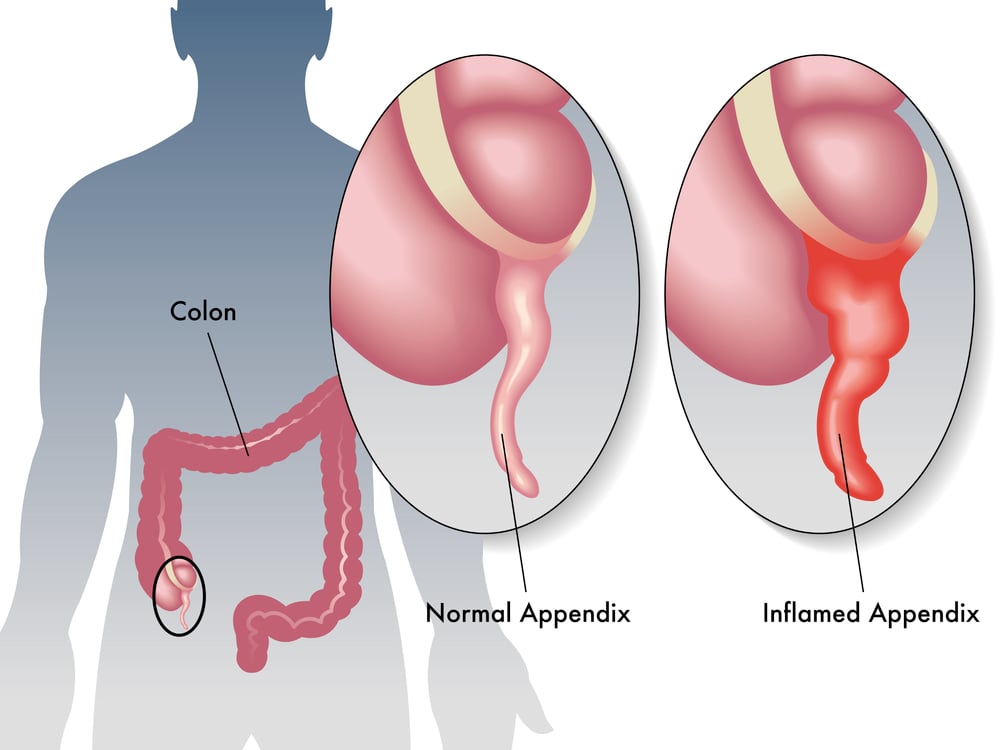
Appendicitis becomes a death sentence when the nearest surgeon is 50 million miles away. So does a broken bone, a severe allergic reaction, or any of the countless medical emergencies that we take for granted can be treated quickly on Earth.
Deep space missions must prepare for the possibility that crew members will need to perform surgery on each other using whatever medical supplies they brought along. The psychological pressure of being your crewmate’s only hope for survival adds another layer of stress to an already impossible situation.
Imagine having to amputate a colleague’s infected limb with limited anesthesia while traveling through space, knowing that any mistake could kill the patient and potentially doom the entire mission. These scenarios aren’t science fiction — they’re realistic contingencies that mission planners must prepare for, even though the training can never fully simulate the reality of operating on someone you’ve lived with in a confined space for months or years.
Fire in Microgravity

Fire behaves like an alien entity in microgravity. Flames burn as small, blue spheres that consume oxygen more efficiently than Earth fires while producing more toxic gases.
They don’t flicker upward — they expand outward in all directions, making them harder to extinguish and easier to spread. But the real danger isn’t the fire itself — it’s the smoke and toxic gases that have nowhere to go in a sealed spacecraft.
On Earth, hot gases rise and disperse. In space, they accumulate in deadly pockets that can poison crew members even after the fire is extinguished. A small electrical fire that would be merely annoying on Earth becomes a life-threatening emergency in space, requiring immediate action with equipment that may not work as expected in microgravity.
And unlike Earth emergencies, there’s no fire department coming to help and nowhere to evacuate if things go wrong.
Into the Dark
The vastness of space has a way of putting human ambition into perspective. Every technological marvel we build, every safety system we design, every contingency plan we develop — all of it feels small when measured against the indifference of the universe.
Yet astronauts continue volunteering for these missions, fully aware of the dangers they face, driven by something stronger than self-preservation. Perhaps that’s what makes these extreme dangers so compelling to contemplate.
They represent the outer edge of human capability, the point where our species pushes against the fundamental limits of survival itself. The astronauts who face these risks aren’t just exploring space — they’re expanding the definition of what it means to be human in an environment that has no interest in our survival.
More from Go2Tutors!

- The Romanov Crown Jewels and Their Tragic Fate
- 13 Historical Mysteries That Science Still Can’t Solve
- Famous Hoaxes That Fooled the World for Years
- 15 Child Stars with Tragic Adult Lives
- 16 Famous Jewelry Pieces in History
Like Go2Tutors’s content? Follow us on MSN.