15 Countries Where Christmas is Barely Celebrated
Christmas lights, carolers, and decorated trees seem to be everywhere this time of year. But walk through the streets of many countries and you won’t find a single trace of the holiday.
Some nations don’t recognize December 25th as anything special, while others have their own traditions that overshadow it completely. The reasons vary from religious beliefs to historical context, but the result is the same: Christmas just isn’t part of the culture.
Let’s take a look at places around the world where Christmas barely makes an appearance, if it shows up at all.
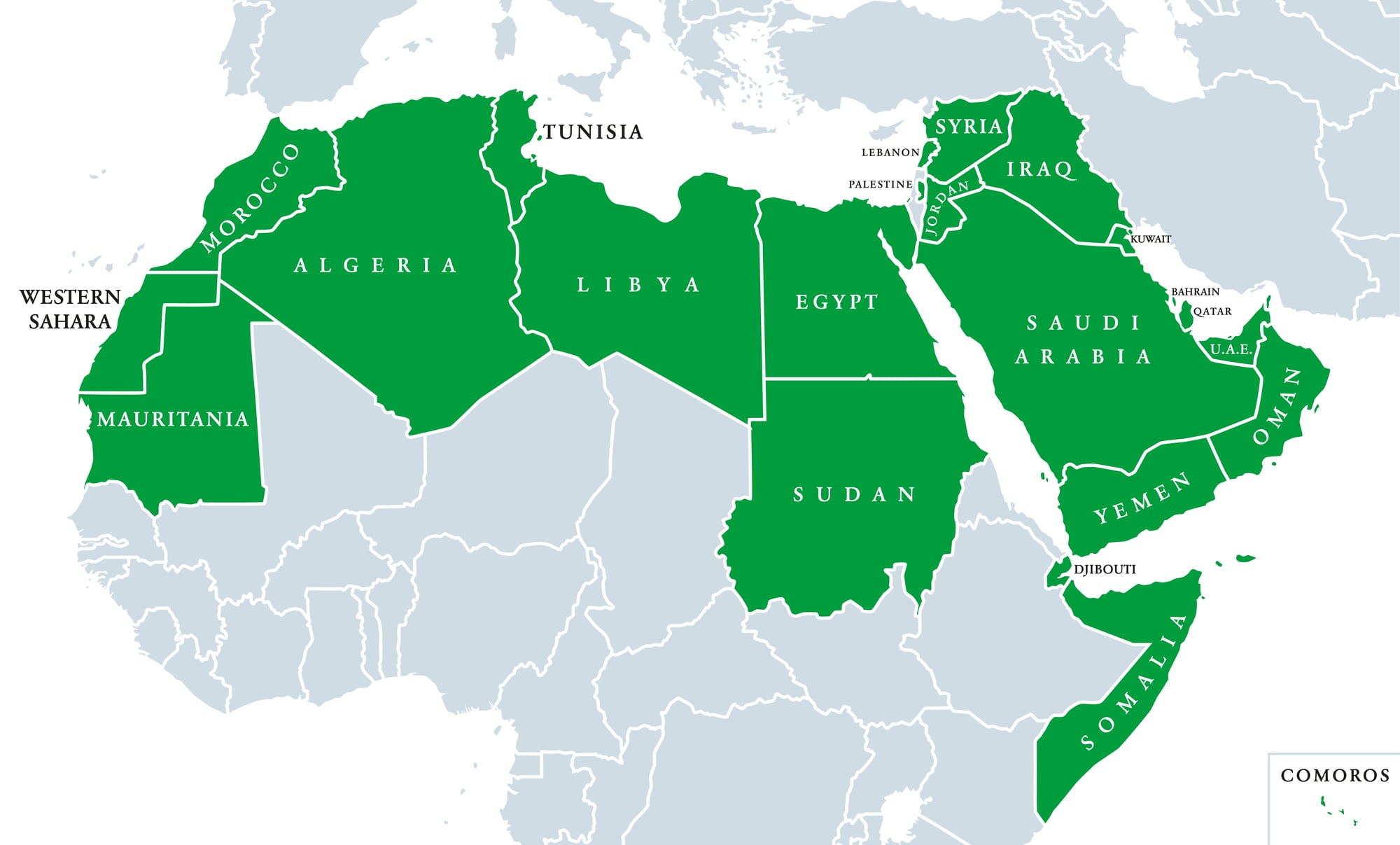
Saudi Arabia
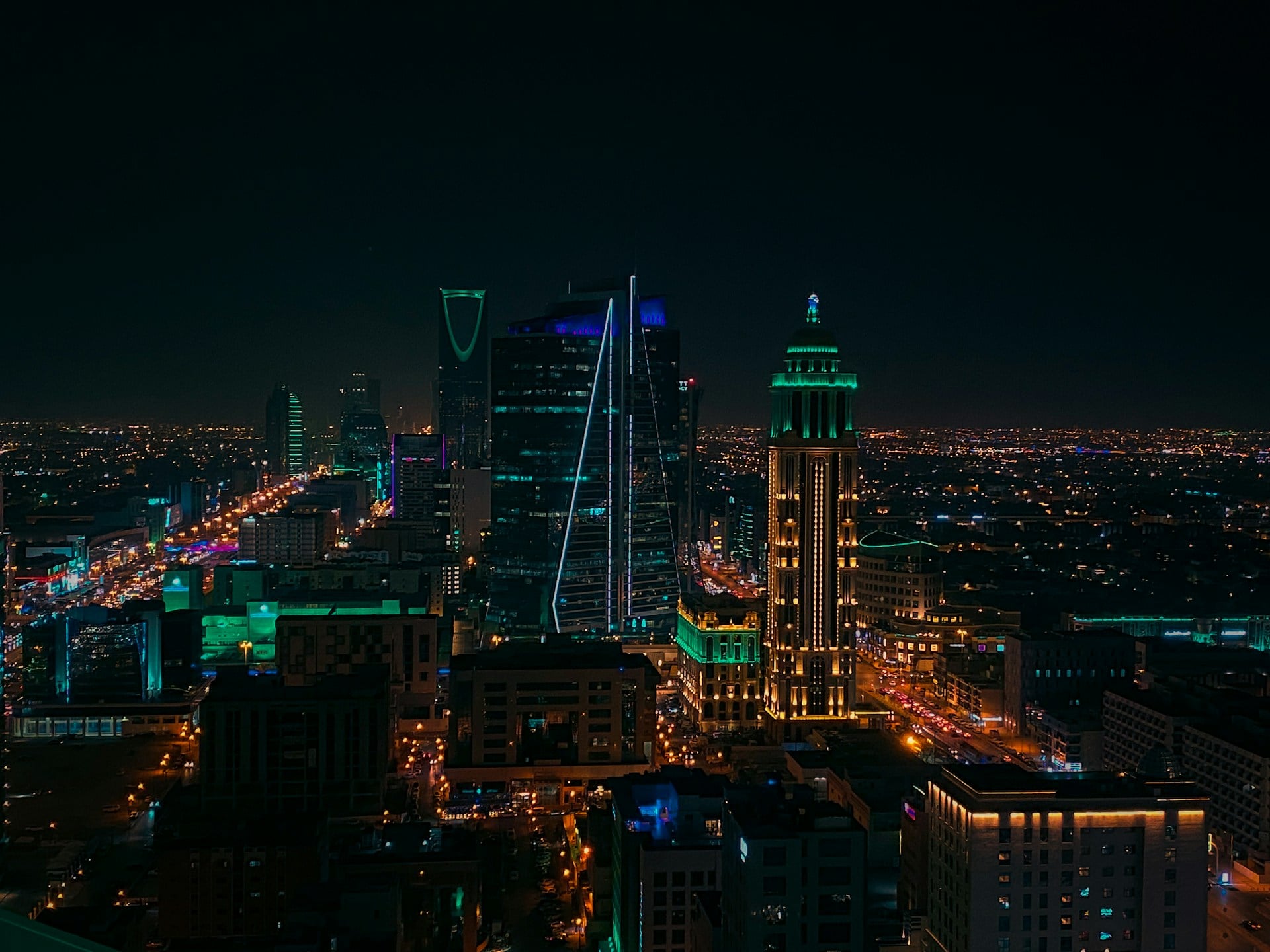
The kingdom prohibits public Christmas celebrations entirely. The government follows a strict interpretation of Islamic law that bans the observance of non-Islamic holidays.
Foreign workers who make up a large portion of the population sometimes celebrate privately in their homes, but they have to be extremely discreet. Getting caught with Christmas decorations or hosting a party can lead to serious consequences.
The religious police have been known to raid gatherings and confiscate anything related to the holiday.
Afghanistan
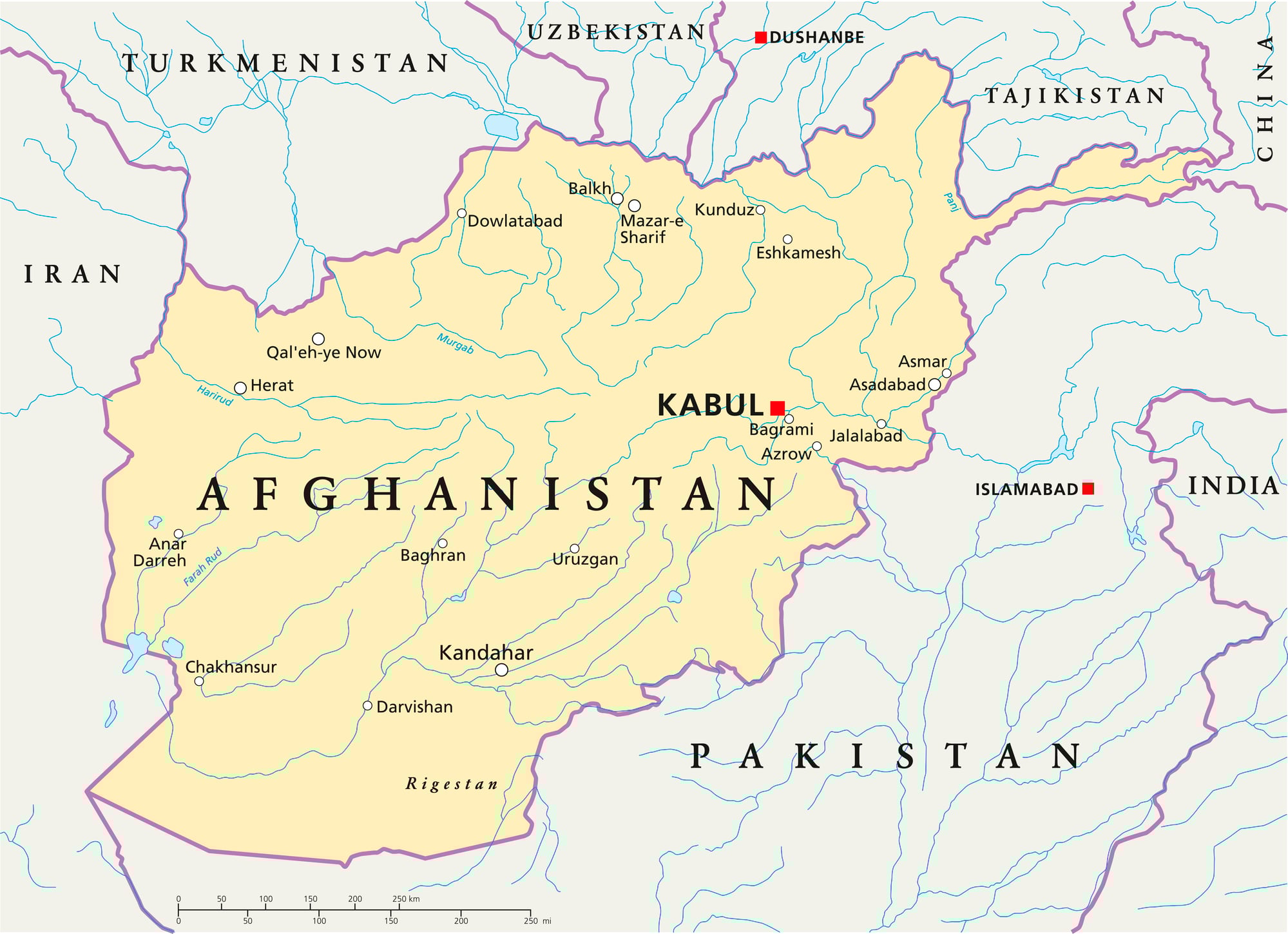
Decades of conflict and Taliban rule have made Christmas nearly invisible here. The country’s tiny Christian population, which numbers only in the hundreds, keeps their faith completely hidden.
Public worship of any religion besides Islam isn’t allowed, and converting from Islam carries severe penalties. Even before the Taliban’s return to power, Christians practiced in secret.
The few international aid workers who remain sometimes mark the day quietly among themselves, but there’s no public acknowledgment whatsoever.
Algeria
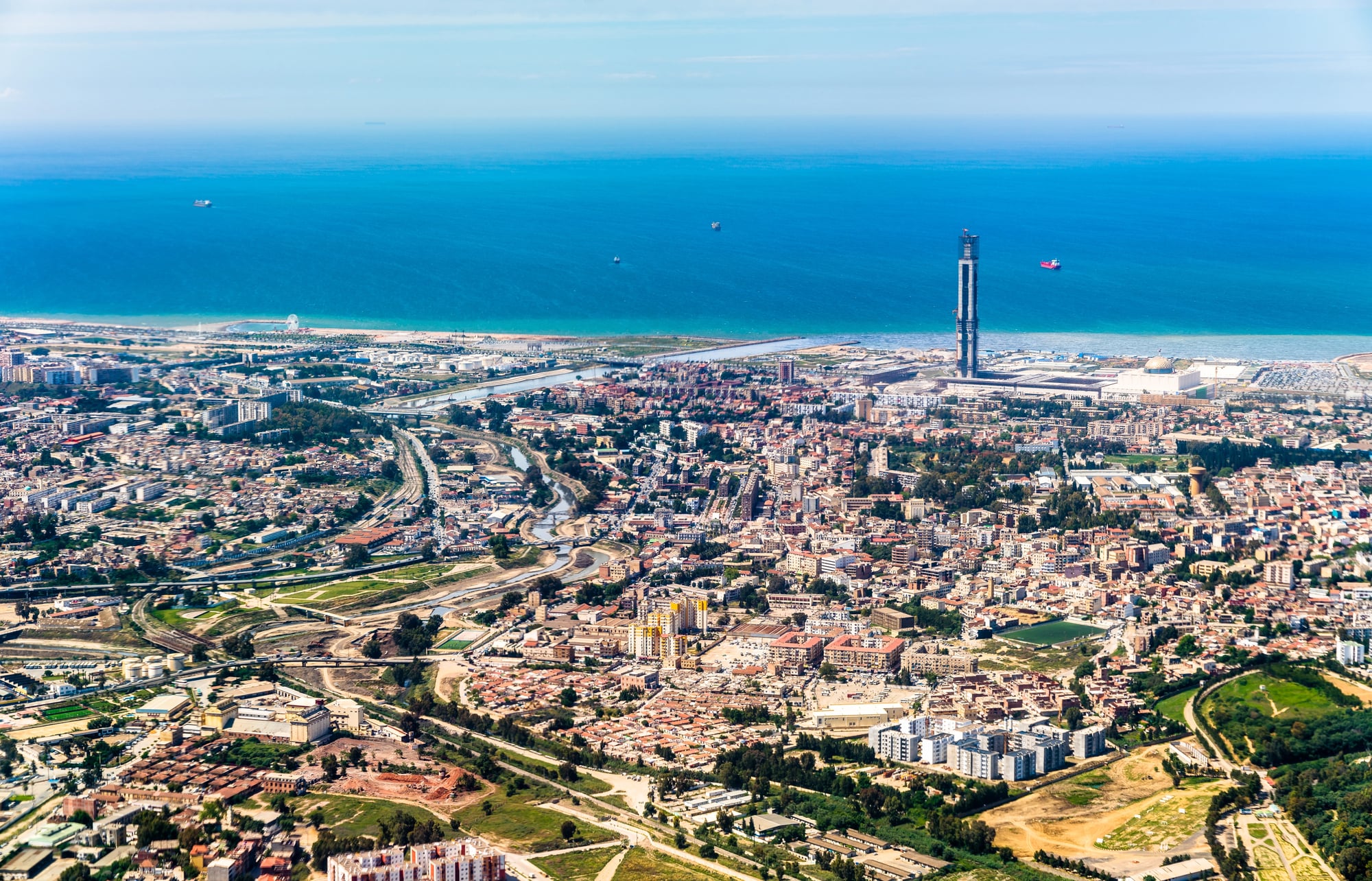
This North African nation’s constitution declares Islam as the state religion, and that shapes everything about public life. Christians make up less than one percent of the population, and most are foreign residents or converts who worship in private.
The government doesn’t recognize Christmas as a holiday, so offices and businesses operate normally. Some hotels catering to European tourists might put up a small tree, but that’s about it.
Walking through Algiers on December 25th feels like any other winter day.
Mauritania
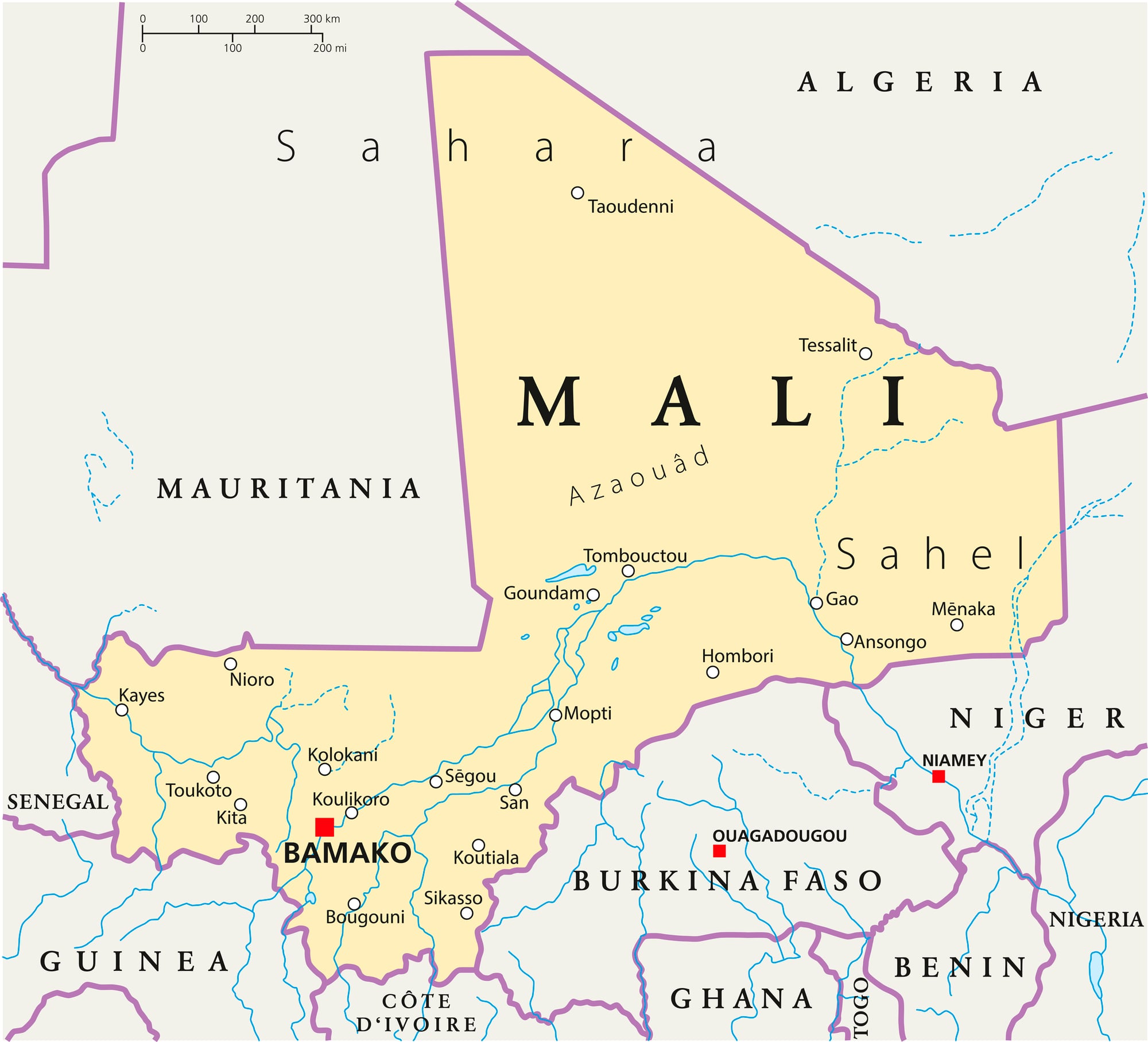
Almost everyone in this West African country follows Islam, with Christians representing less than half of one percent. The government restricts religious freedom and monitors non-Islamic worship closely.
Foreign Christians sometimes gather for private services, but they avoid drawing attention. Local converts face harassment and discrimination if their faith becomes known.
Christmas trees and decorations simply don’t exist in stores or homes. The day passes without any special meaning for nearly all residents.
Libya
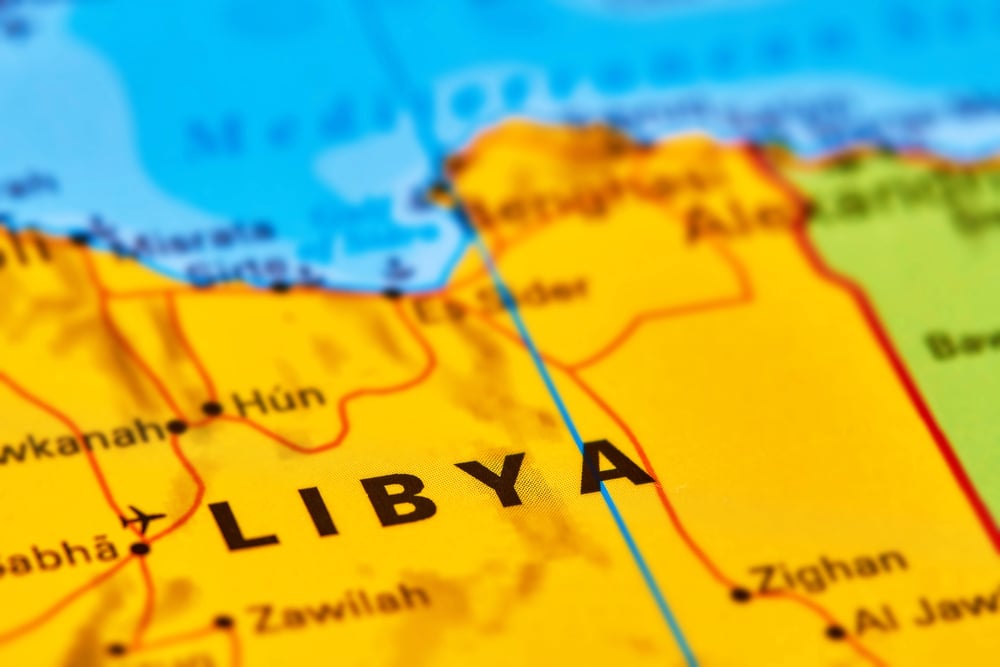
Political instability and conservative Islamic influence keep Christmas celebrations minimal. The country’s small Christian community, mostly foreign workers and a few Coptic families, stays quiet about their faith.
Public religious displays that aren’t Islamic face opposition from both the government and militant groups. Many areas remain too dangerous for Christians to gather openly.
Even private celebrations carry risk, as neighbors might report activities they consider inappropriate. Foreign embassies sometimes hold small events, but they’re heavily secured and not publicized.
Morocco
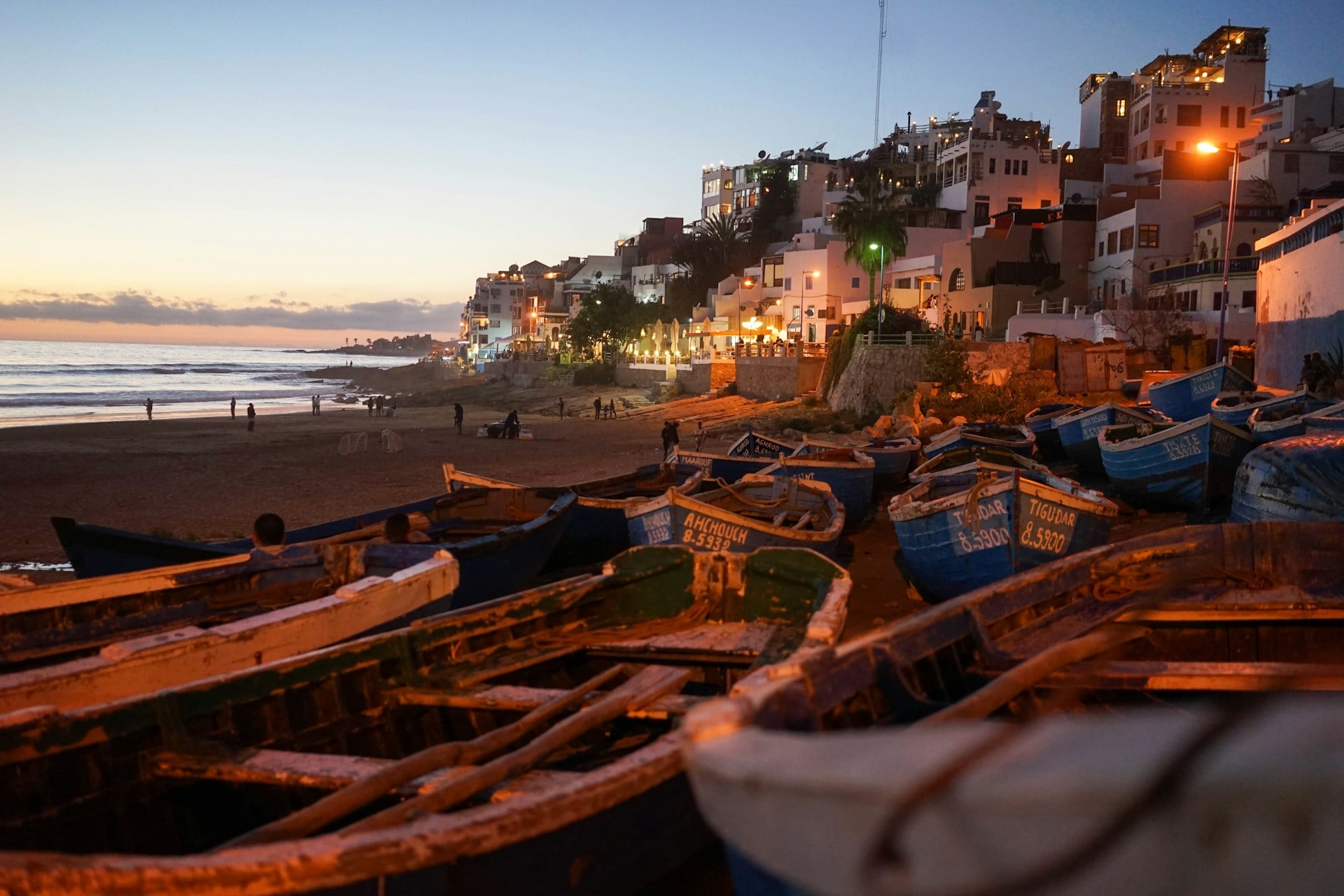
Despite a growing tourism industry that brings European visitors, Christmas remains a foreign concept to most Moroccans. The country’s constitution identifies Islam as the state religion, though it generally allows Christians to worship privately.
A small expatriate community and some tourist areas might have decorations, but local Moroccans don’t participate. Proselytizing is illegal and converting from Islam is socially unacceptable.
Markets stay open, people work regular hours, and life continues without pause. Some upscale hotels in Marrakech or Casablanca offer Christmas dinners, but they’re aimed entirely at tourists.
Somalia
This East African nation’s ongoing civil conflict and strict Islamic governance leave no room for Christmas. The extremist group Al-Shabaab controls large areas and has violently opposed any non-Islamic practices.
Somalia’s few Christians, mostly from other African countries, keep their faith completely hidden. Even international aid organizations avoid any Christmas references in their work.
The atmosphere of fear surrounding religious minorities makes public celebration impossible. Most people wouldn’t recognize Christmas symbols if they saw them.
Maldives
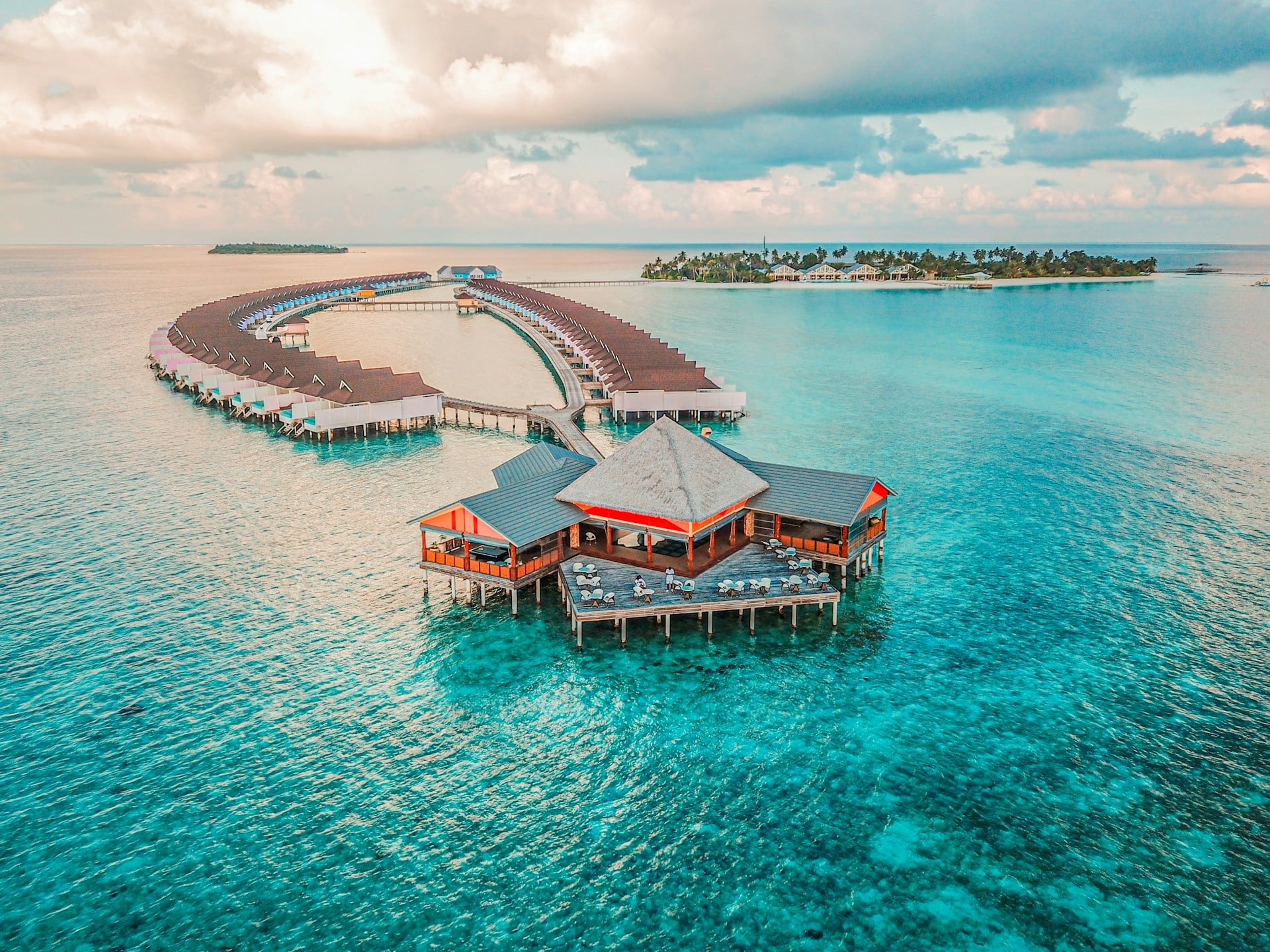
These tropical islands attract thousands of tourists each year, but Christmas isn’t part of local life. The constitution requires all citizens to be Muslim, and practicing other religions publicly is forbidden.
Tourists can celebrate at their resorts, which often put on special events and decorations. But step outside those resort boundaries and Christmas vanishes.
Import restrictions prevent religious items from entering the country for local use. Maldivian staff at resorts understand the holiday as something their guests observe, not something that belongs to their culture.
Tunisia
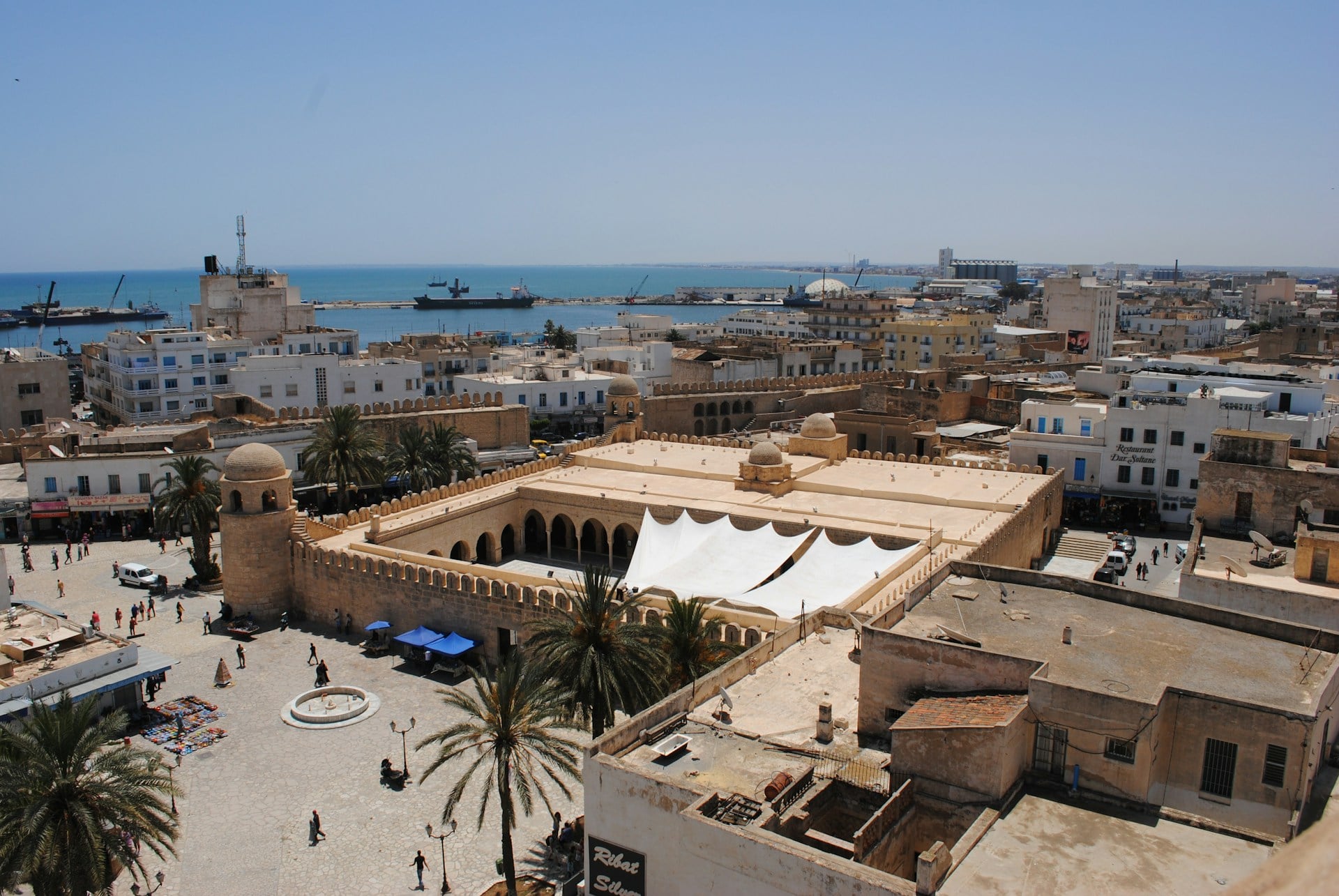
This North African country follows a secular government model, but Islam deeply influences daily life. Christians represent about one percent of the population, mostly foreigners and a small number of locals.
The government doesn’t ban Christmas, but it doesn’t recognize it as a holiday either. Some international schools and foreign cultural centers hold celebrations for their communities.
A few stores in tourist areas might sell Christmas items, but they’re marketed toward Europeans. Most Tunisians view December 25th as an ordinary workday with no special significance.
Uzbekistan
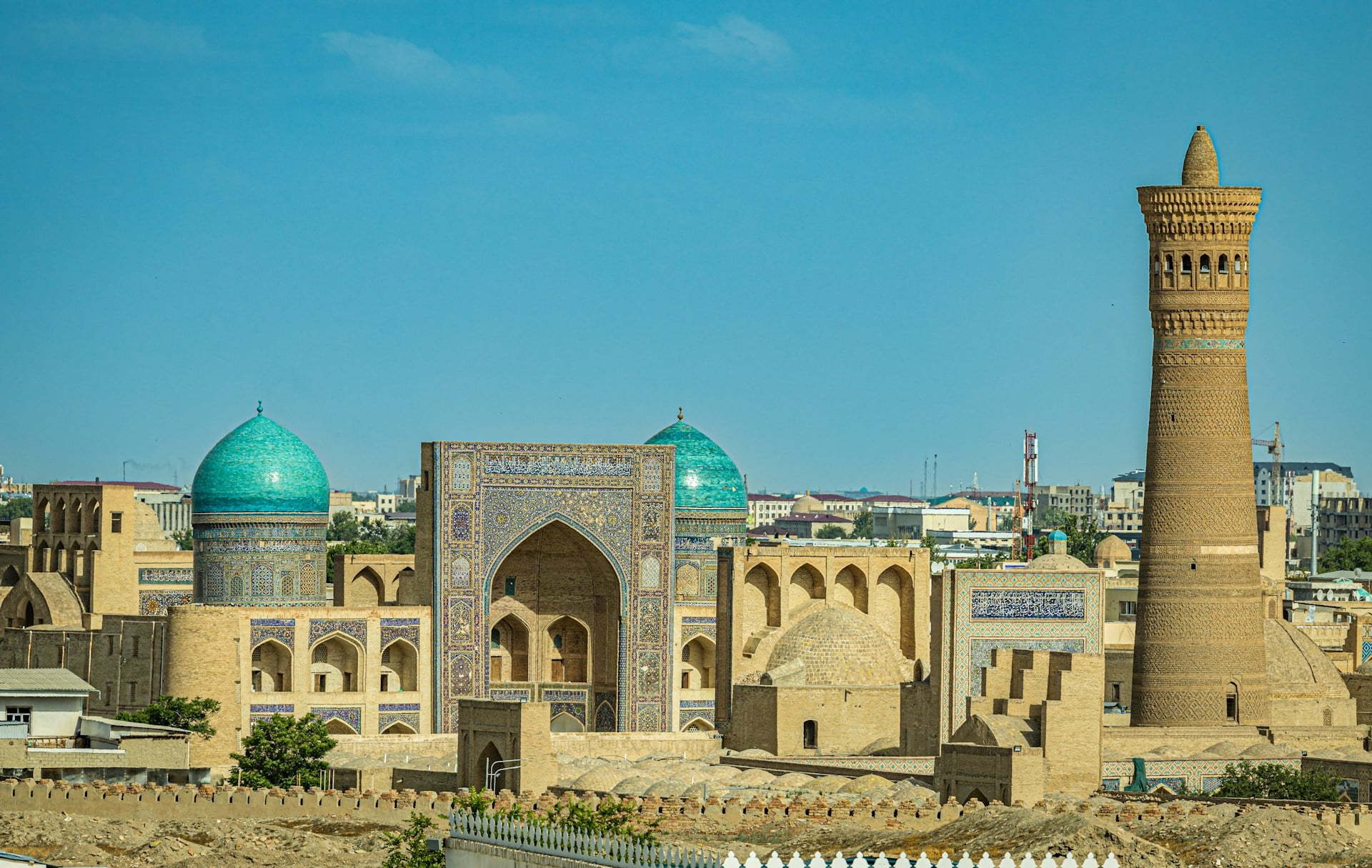
Soviet-era suppression of religion and current government restrictions keep Christmas quiet. The country’s small Christian population, primarily Orthodox Russians and Koreans, can worship but faces bureaucratic hurdles.
Churches need special permission to operate, and authorities monitor religious activities. Many Christians celebrate in January following the Orthodox calendar anyway, but even those celebrations stay low-key.
Public spaces don’t feature Christmas decorations, and stores don’t sell holiday merchandise. Most citizens associate December 25th with nothing in particular.
Turkmenistan
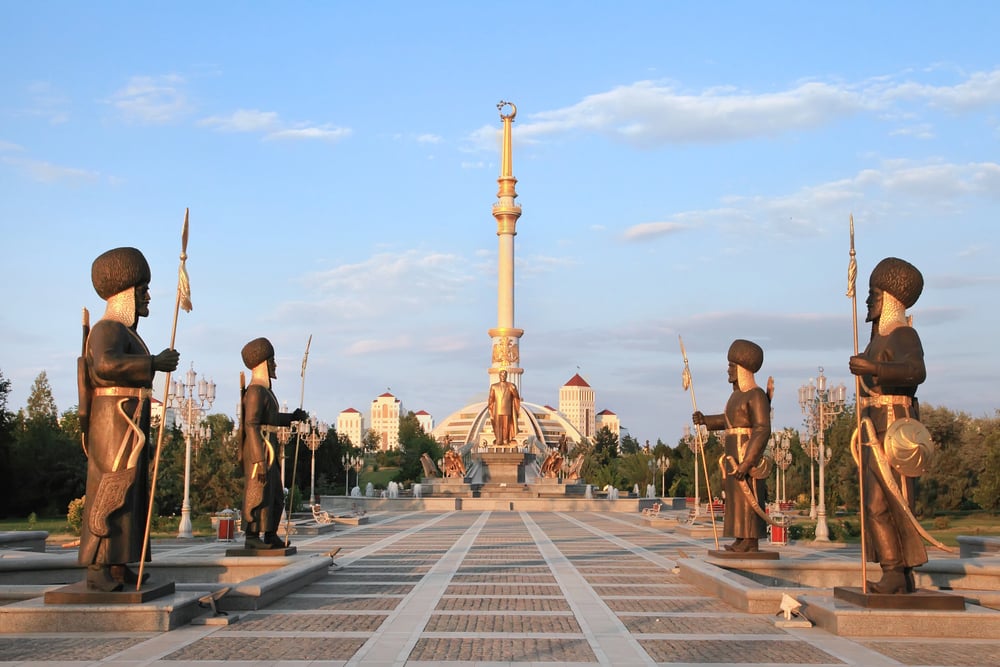
This Central Asian nation maintains tight control over religious expression. The government recognizes only two mosques and two Orthodox churches officially, making organized Christian worship difficult.
Foreign residents sometimes gather privately, but they avoid attracting attention. Christmas items don’t appear in local markets, and the government-controlled media never mentions the holiday.
Most people follow Islam or practice no religion at all. The Soviet legacy combined with current authoritarianism means religious holidays outside the approved list simply don’t exist in public consciousness.
Comoros
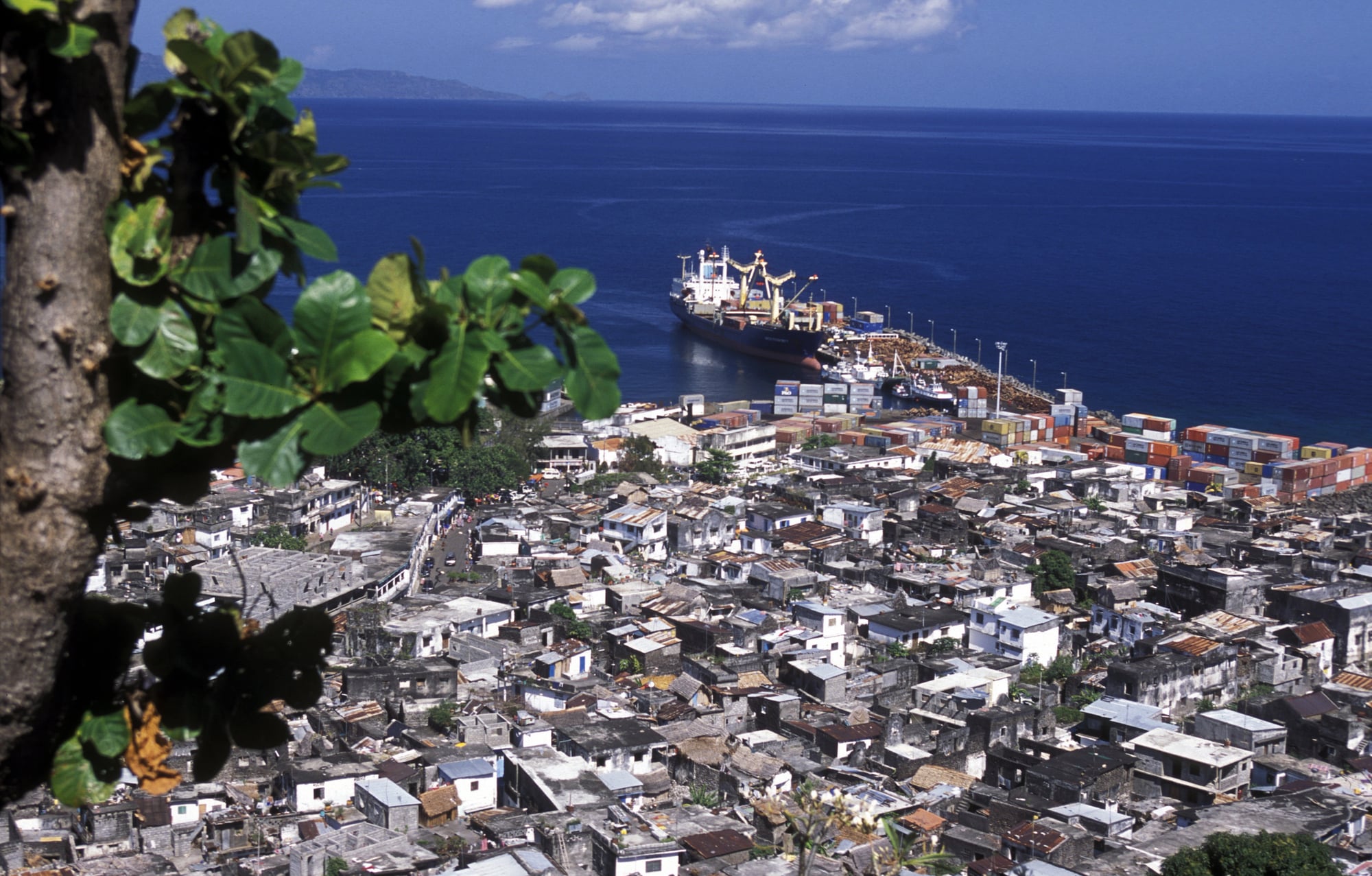
This small country near Africa counts among the most Muslim places on Earth. Its founding laws name Islam as the official faith, so almost all people practice it.
Some outsiders from abroad may follow Christianity, yet they lack church buildings or spots to meet openly. The holiday of Christmas doesn’t register at all with locals.
Daily life continues without pause – kids go to school, workers head to jobs. No stores decorate or sell special items tied to that day.
Still, most locals aren’t familiar with Christmas as a Christian event. Because the islands are cut off and mostly share one faith, foreign celebrations don’t take root easily.
Brunei
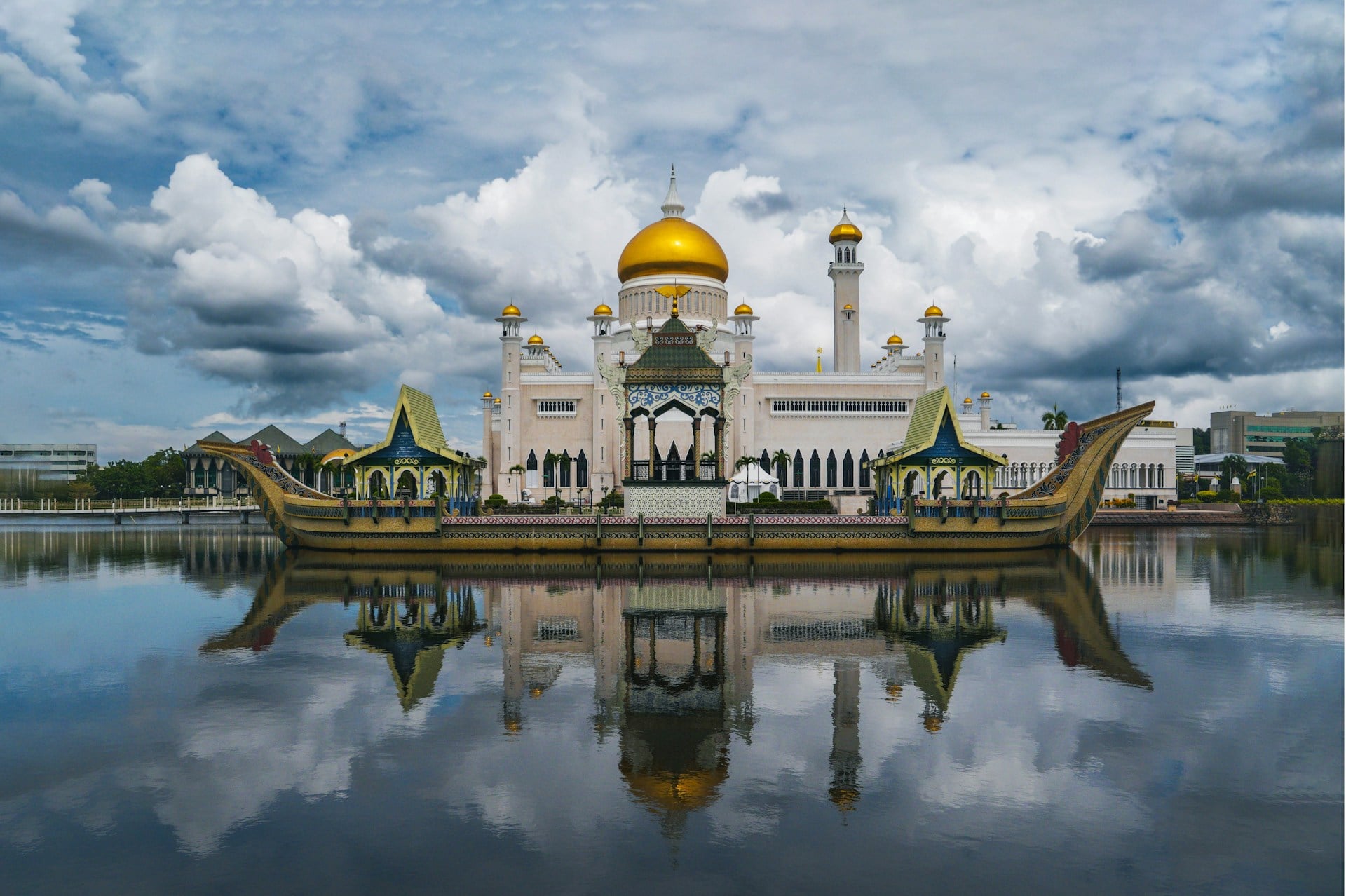
This tiny country in Southeast Asia follows Islamic law, so other religions face limits. Since 2015, the ruler’s administration stopped people holding Christmas events outdoors – yet this rule isn’t always applied.
About one in ten residents are Christian; they’re allowed private observances but need to watch their step. Putting up outdoor lights or blasting holiday songs might lead to penalties.
Some churches run services yet stay low-key, tone down excitement. Still, while loud joy feels off-limits, no strict rule shuts it out completely.
Tajikistan
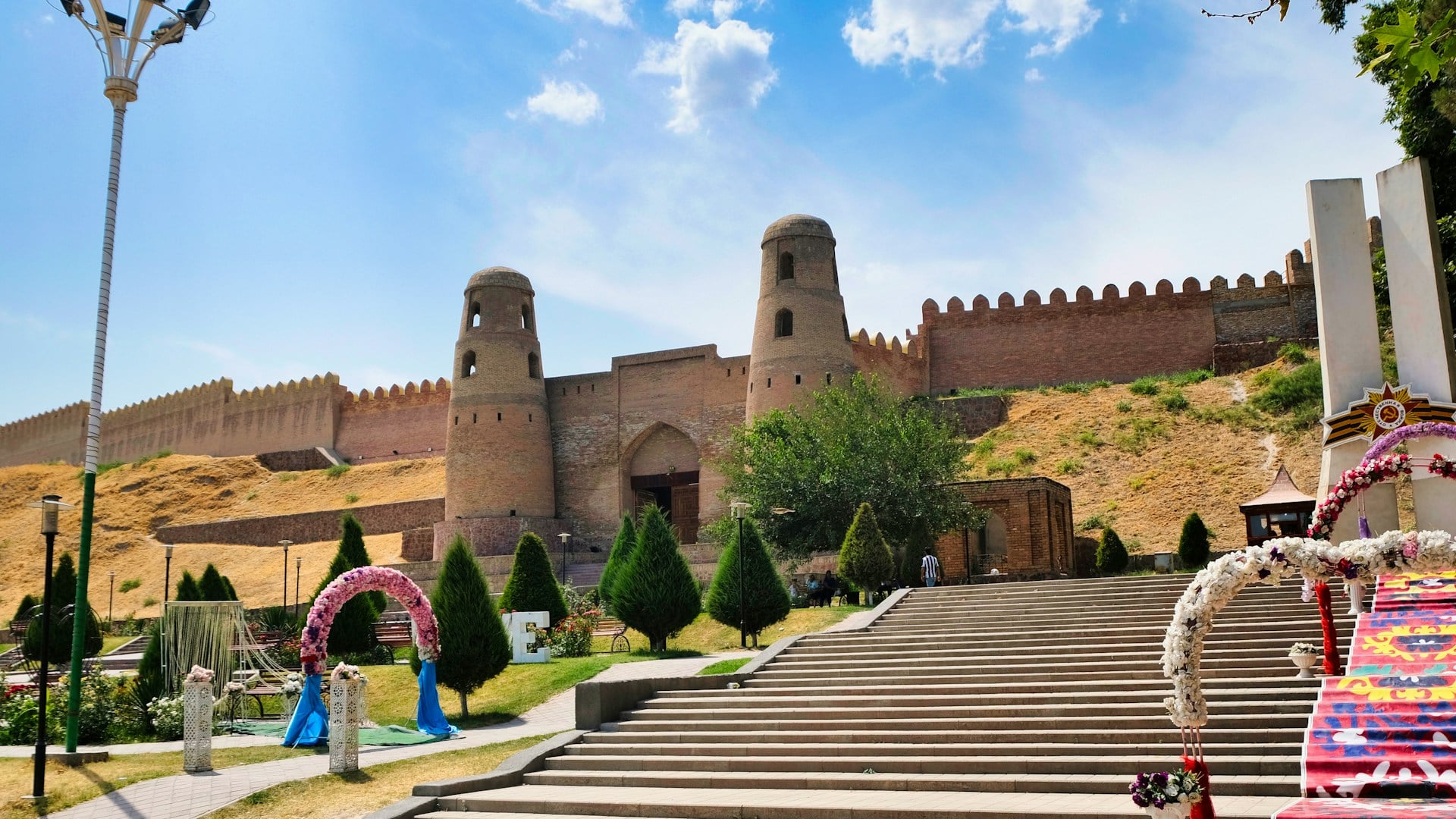
The government lately’s been cracking down more on religion. Instead of allowing holiday symbols, leaders pushed back – calling them outside influences.
A tiny group of Christians, mainly from Russian backgrounds, now struggles to celebrate openly. Fearing radical Islam, officials have started clamping down – not just on mosques but everywhere faith gathers without approval.
On December 25, it’s just like any other day – no official holiday here. While folks of Russian descent may meet up quietly at home, festivities stay out of sight.
Most people head to work or school without much thought.
Yemen
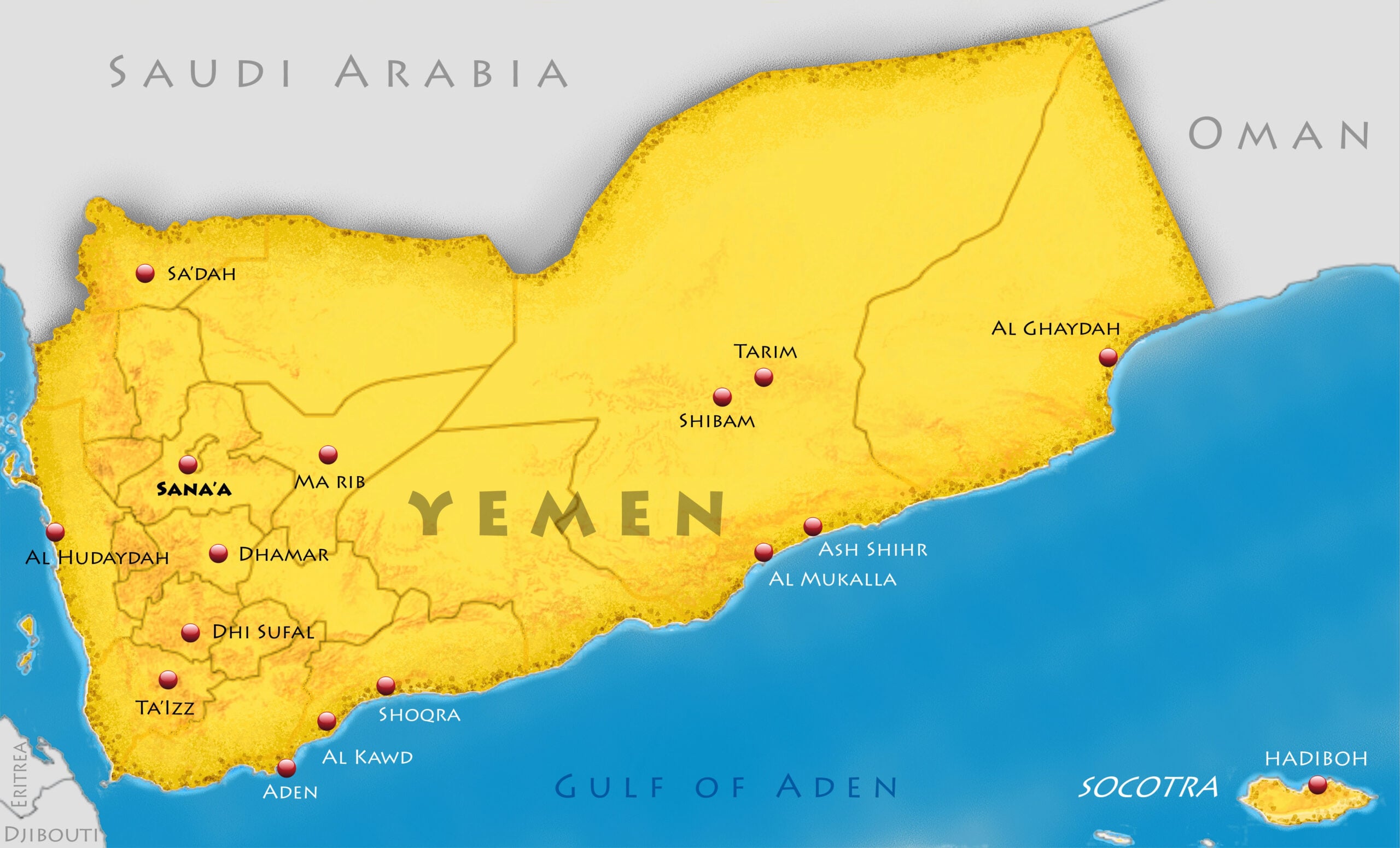
Years of fighting plus a collapsing aid system mean most people aren’t celebrating – especially events outside Islam. The Christian community in Yemen is tiny, just a few thousand, with lots fleeing the chaos.
Anyone still there hides their beliefs to stay safe. Various militias run different zones; certain factions push harsh religious laws.
Putting up holiday signs or meeting for services could spark backlash – or worse. International aid staff might mention the day now and then, yet most people there don’t relate to it at all.
Staying alive matters more than festivities in a place shattered by war.
Where old ways go separate directions
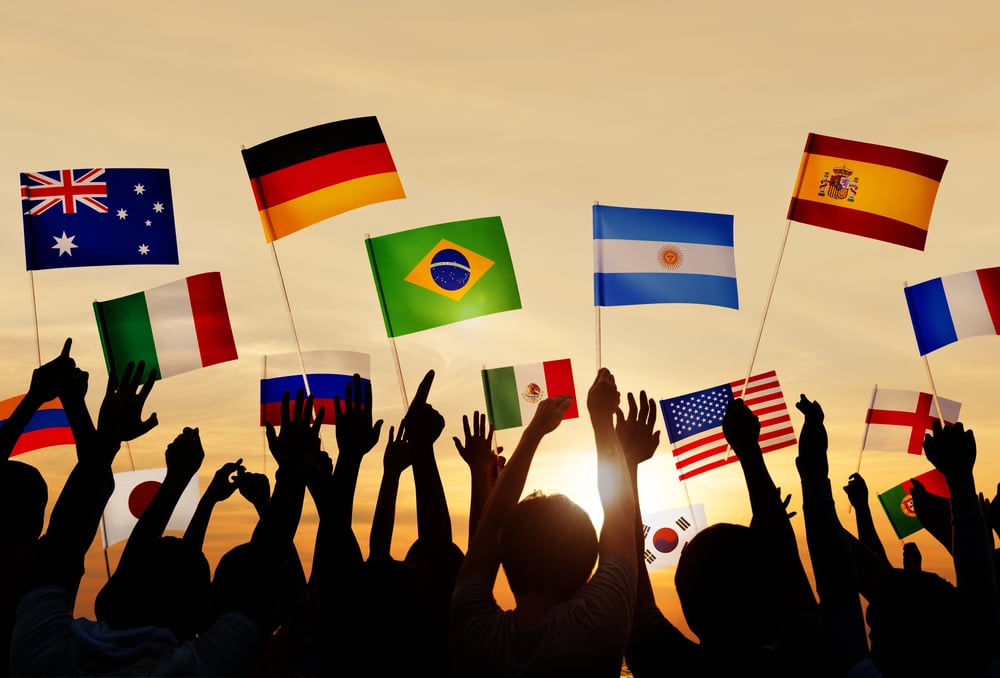
Different places prove how beliefs guide celebrations. In one region something big might mean nothing somewhere else.
As folks move around more, knowing this stuff becomes key. Not celebrating Christmas here doesn’t mean less happiness or togetherness – just that they share it differently, on their own timeline.
Seeing how many never mark December 25 changes how you view the season worldwide.
More from Go2Tutors!

- The Romanov Crown Jewels and Their Tragic Fate
- 13 Historical Mysteries That Science Still Can’t Solve
- Famous Hoaxes That Fooled the World for Years
- 15 Child Stars with Tragic Adult Lives
- 16 Famous Jewelry Pieces in History
Like Go2Tutors’s content? Follow us on MSN.