10 Everyday Items Romans Used That Seem Outdated Now
The Roman Empire stretched across more than a thousand years. During this time, Romans came up with some brilliant ways to handle everyday problems. Their roads still carry traffic today, their concrete outlasts modern versions, and legal systems worldwide still borrow from Roman law. Not everything they invented, though, has stood the test of time quite so well.
Romans were definitely innovative, yet many things they used daily would leave us completely baffled. Some turned out to be impractical, others got replaced by much better options, and a few just seem downright strange by today’s standards.
Here is a list of 10 everyday items Romans used that would seem completely outdated now.
Strigils for Body Cleaning

Instead of soap, Romans covered their bodies in olive oil and scraped it off with curved metal tools called strigils. The idea was that oil would pick up dirt and sweat — then the scraping would remove everything at once. Try explaining that routine to someone at your local gym and watch their face.
Amphorae for Storage and Transport
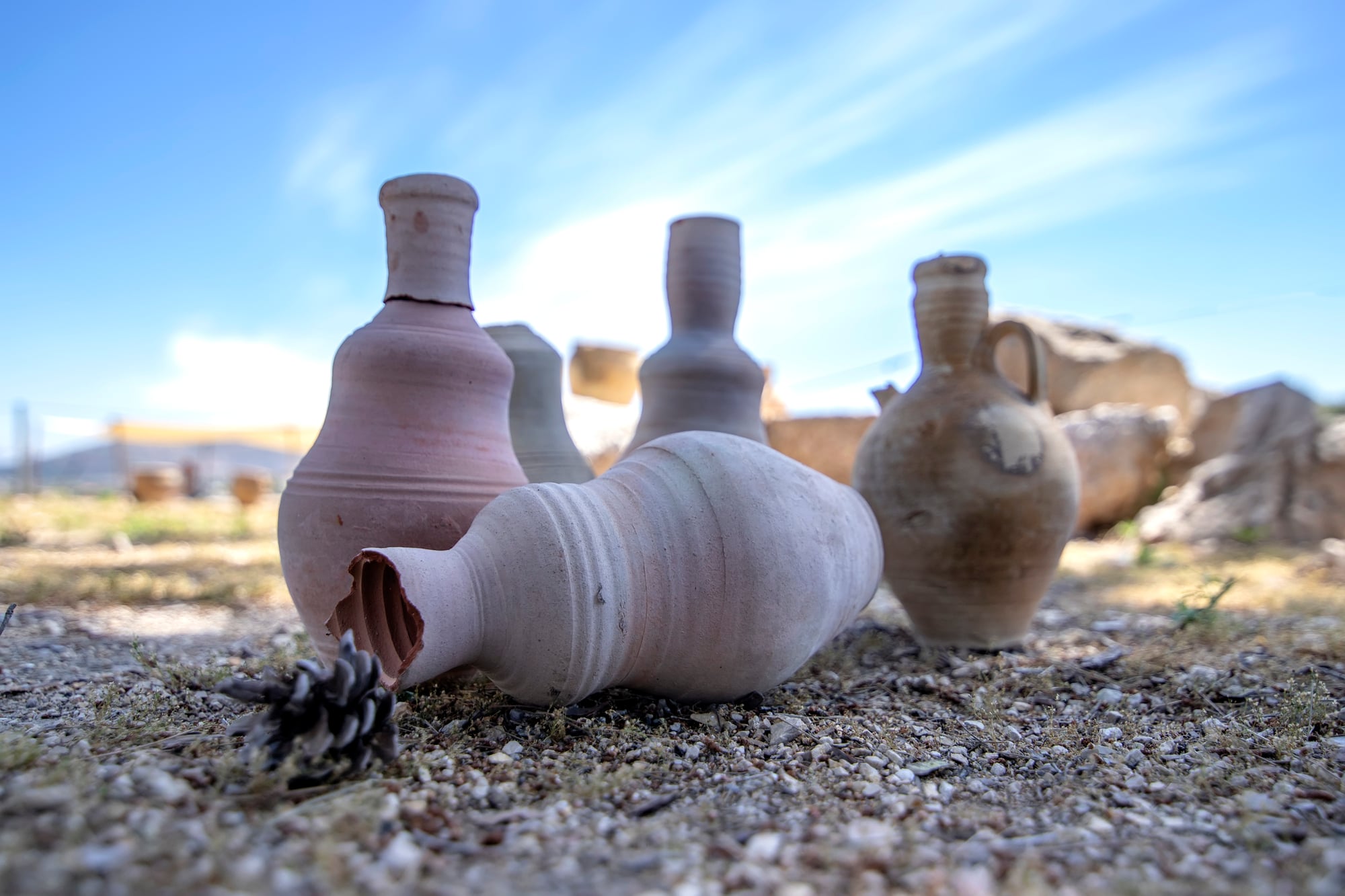
These big clay jars were absolutely everywhere in Roman life, holding and moving everything from wine to olive oil to that funky fish sauce they loved. Each type of amphora had its own shape — Romans could tell what was inside just by looking at the jar’s outline.
Today’s plastic containers and cardboard boxes do the same job with way less weight and zero chance of shattering.
Like Go2Tutors’s content? Follow us on MSN.
Lead Pipes for Water Systems

Roman engineering was impressive, but their choice of materials wasn’t always the smartest. They used lead all over their water systems — pipes, joints, storage tanks, you name it.
The Latin word for someone who worked with lead was ‘plumbarius,’ which is where we get ‘plumber.’ Now we know lead poisoning causes serious health problems, making this one Roman innovation we’re lucky to have ditched.
Oil Lamps for Lighting

Roman houses depended on small clay lamps that burned olive oil or animal fat. These things gave off weak, flickering light and needed constant attention — refilling oil, trimming wicks, the whole nine yards.
A typical home might have dozens scattered around, creating fire hazards that would give modern safety inspectors nightmares.
Garum for Flavoring Food

This fermented fish sauce appeared on almost every table and was Rome’s equivalent of ketchup. It was made by exposing salt and fish guts to the sun for months until they transformed into an odorous liquid.
Its pungent, salty flavor made Romans go berserk. Although fish sauce is still used in Asian cookery, the Romans had to manufacture it outside of the city limits since it was reportedly so foul-smelling.
Like Go2Tutors’s content? Follow us on MSN.
Gladius Swords for Protection

For personal defense, Roman citizens, particularly the wealthy, frequently carried gladii, which are short swords. These two-foot-long, double-edged swords were made to stab rather than slash in close quarters. Today, carrying a sword around would get you arrested before you could say “gladiator.”
Fibulae for Fastening Clothes
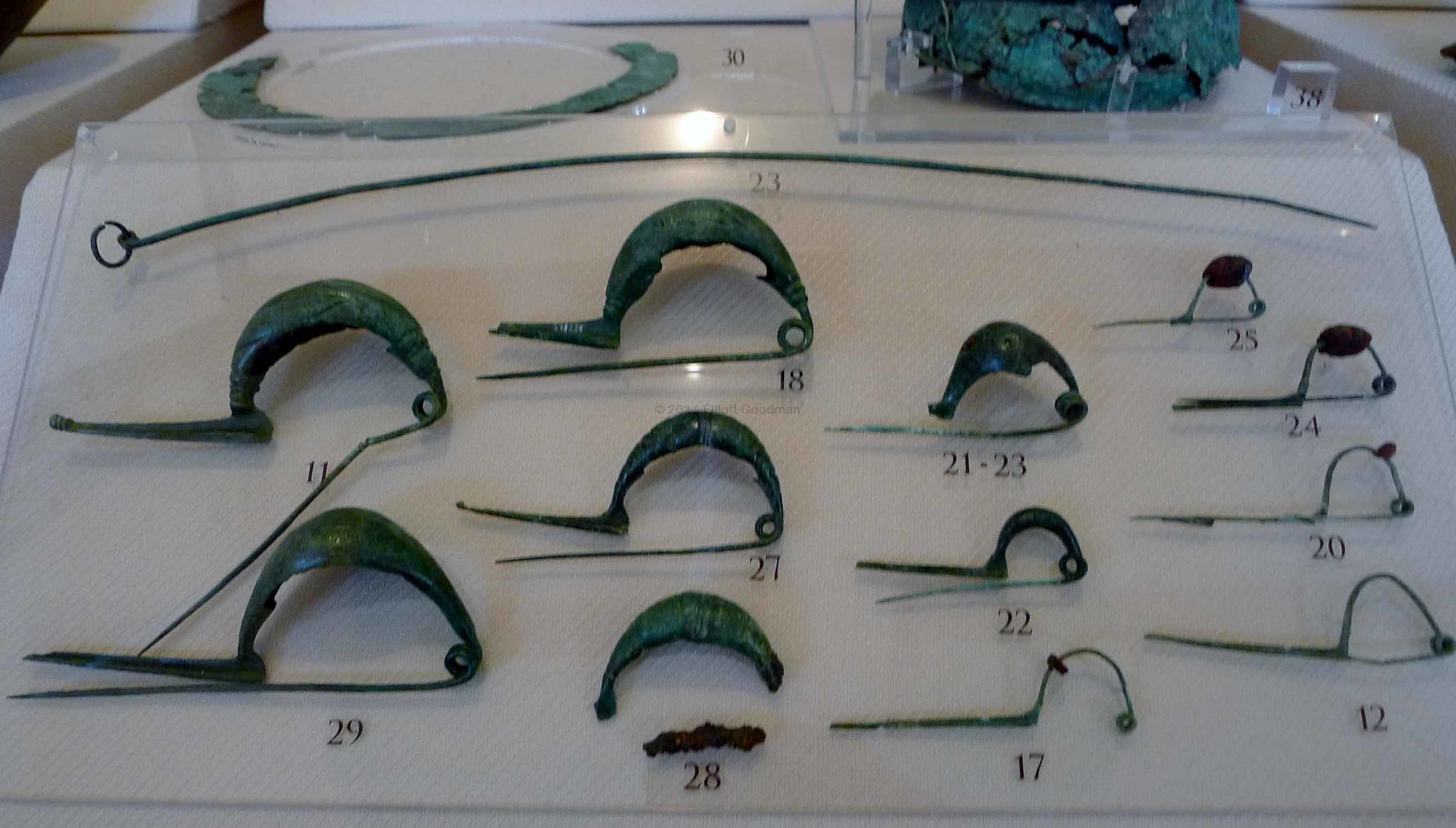
Romans used these elegant metal pins to secure their garments together; they were much more ornamental than safety pins. Fibulae, which were frequently crafted from gold or silver and existed in thousands of designs, were used as both practical fasteners and fashion accessories.
These ornate clasps are no longer essential thanks to modern buttons, zippers, and velcro.
Ballistae for Warfare
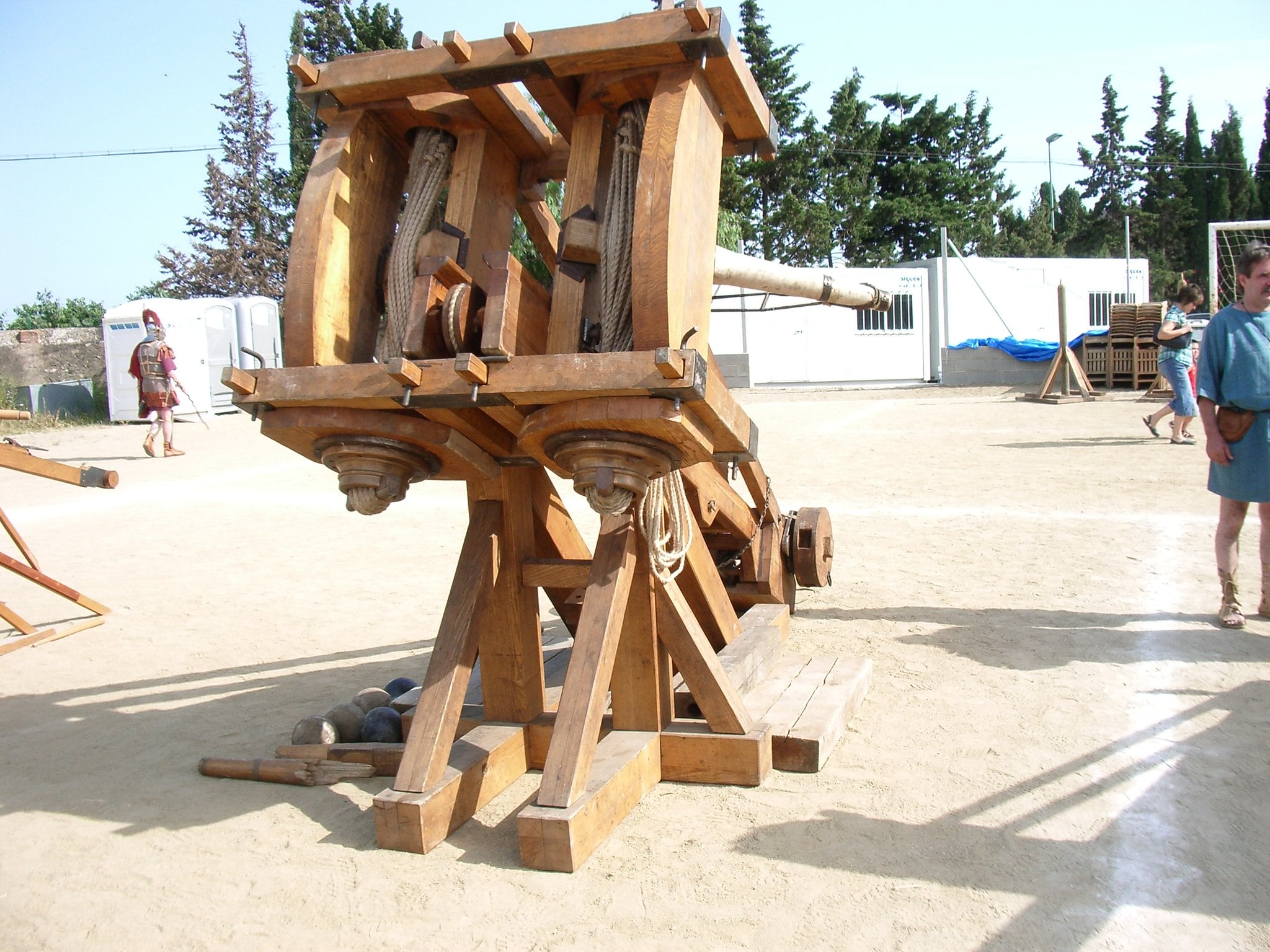
While not exactly household items, these giant crossbow-like machines were common enough in Roman military life that regular soldiers knew how to build and operate them. Ballistae could shoot massive stones or arrows with deadly accuracy over long distances.
Modern warfare has moved way beyond these mechanical beasts — though they were pretty amazing engineering for their time.
Like Go2Tutors’s content? Follow us on MSN.
Abacus for Calculations

Roman merchants and accountants did math using counting boards with movable beads or stones. These devices required serious skill to use quickly and accurately, and it was easy to make mistakes during complicated calculations.
Modern calculators and computers have turned the abacus into a charming antique rather than a useful tool.
Sundials for Timekeeping
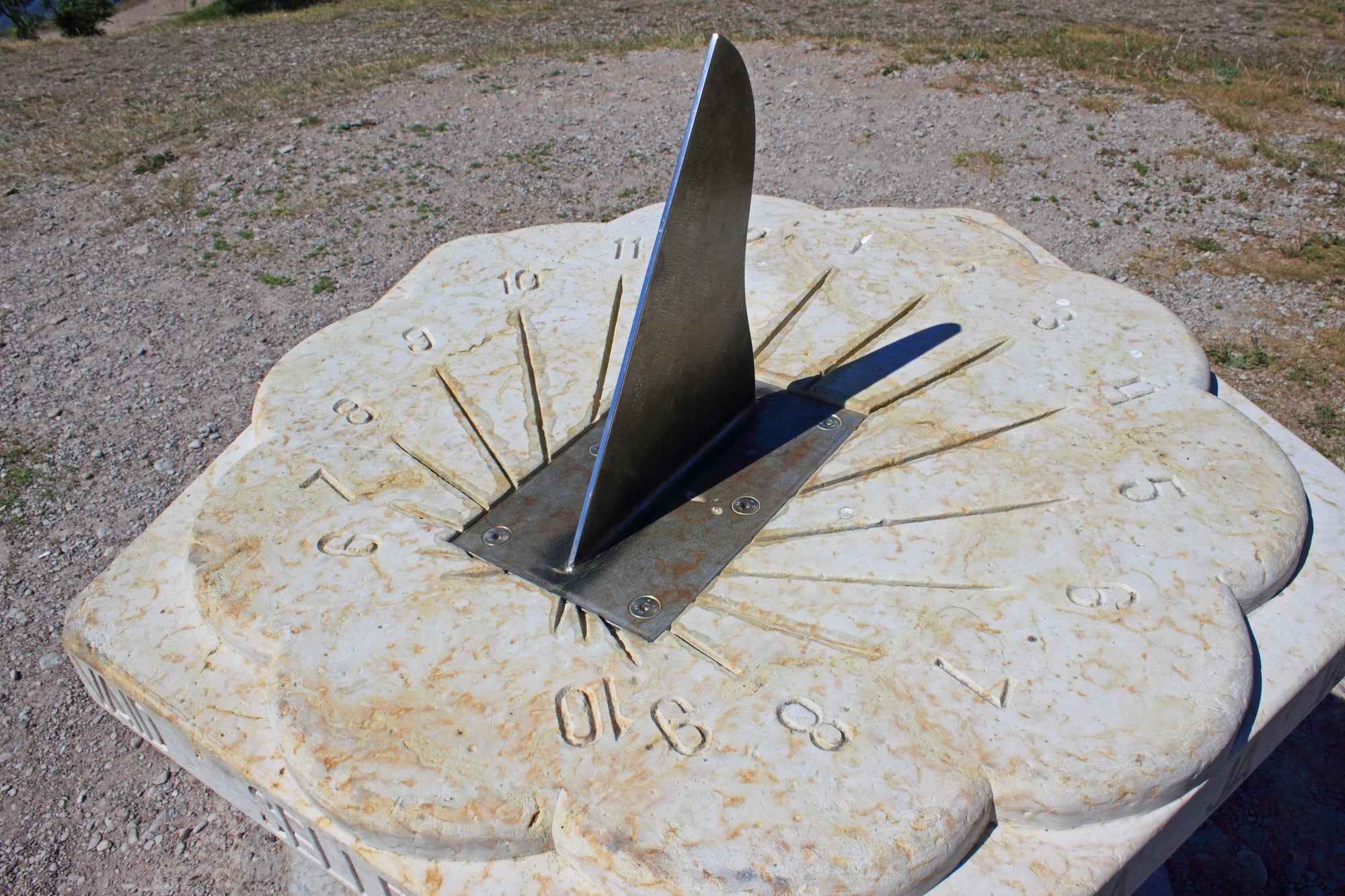
Romans told time by watching shadows move across marked stone or metal surfaces positioned to catch sunlight. Public sundials were everywhere in Roman cities, while rich families had private ones in their gardens.
Obviously, sundials were useless at night, during storms, or on cloudy days, making them far less reliable than even the cheapest digital watch today.
When Old Meets New
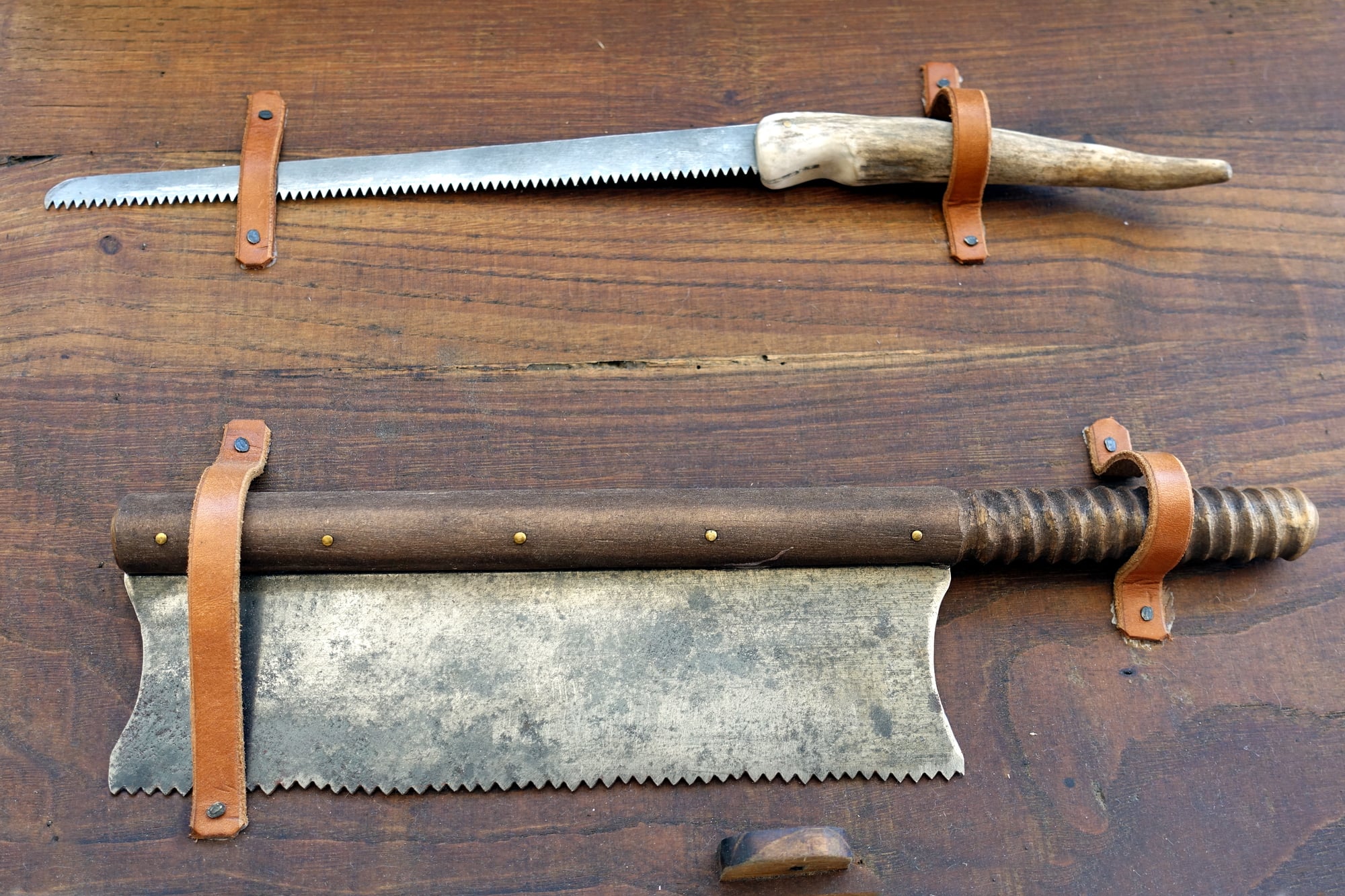
Looking at these Roman inventions shows just how much our daily lives have changed through better technology and understanding of health and safety. Many things that made perfect sense to Romans now seem dangerous, inefficient, or just plain weird.
Still, Romans were working with what they had available, often coming up with surprisingly clever solutions that worked for their society for hundreds of years. Our modern conveniences might look just as outdated to people living a thousand years from now.
Like Go2Tutors’s content? Follow us on MSN.
More from Go2Tutors!

- 16 Restaurant Chains That Went Too Fast
- 12 Things Sold in the 80s That Are Now Illegal
- 15 Strange Things People Have Tried to Ban (And Failed)
- 16 Collectibles People Tossed Out Too Soon
- 17 Myths from Your Childhood That Were Actually Based on Real Things
Like Go2Tutors’s content? Follow us on MSN.