The Dark History Behind the World’s Most Beloved Fairy Tales
Growing up, fairy tales felt like pure magic. The enchanted forests, talking animals, and happily-ever-after endings created a safe space where good always triumphed and love conquered all. These stories tucked us into bed with comfort and wonder, promising that even the darkest situations could transform into something beautiful.
But the Brothers Grimm didn’t write bedtime stories. Neither did Charles Perrault or Hans Christian Andersen. The fairy tales that shaped childhood imaginations across generations began as something far more sinister—cautionary tales born from humanity’s deepest fears and darkest impulses. Strip away the Disney polish, and you’ll find stories that would make modern horror writers blush.
Cinderella

The stepsisters didn’t just try on the glass slipper and walk away disappointed. They mutilated themselves for it. One cut off her toes, the other sliced away part of her heel, each trying to squeeze into what might be her ticket to royalty. Blood filled the slipper. Birds had to warn the prince that he’d chosen the wrong bride—twice.
The Brothers Grimm version ends at the wedding, where those same helpful birds peck out the stepsisters’ eyes as punishment for their cruelty. The Chinese version, “Ye Xian,” predates the European tale by nearly a thousand years and includes a stepmother who gets crushed to death by falling rocks. These weren’t stories about finding true love—they were about the lengths people would go to escape poverty and the brutal consequences of envy.
Little Red Riding Hood
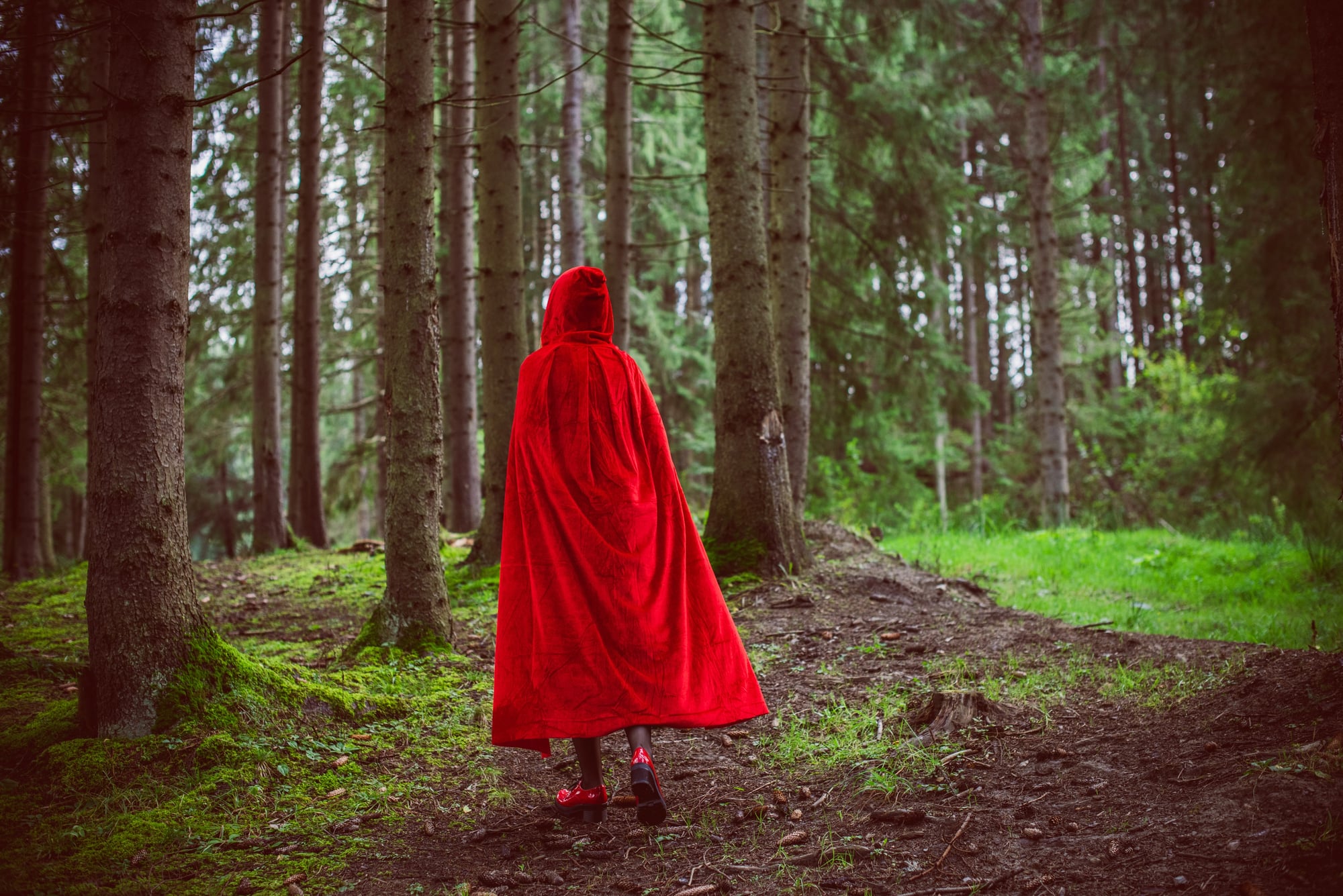
She gets eaten. That’s it. No woodsman bursts through the door at the last minute, no clever escape plan, no moral redemption. In Charles Perrault’s 1697 version, the wolf devours both grandmother and granddaughter, then presumably goes about his day. The story ends with a warning that young ladies shouldn’t talk to strangers, especially charming ones.
Some earlier oral versions get much stranger (and darker): Red Riding Hood unknowingly eats her grandmother’s flesh and drinks her blood before climbing into bed with the wolf. The cannibalism wasn’t accidental—it was the point. These stories taught children that the world contained predators who would not only destroy them but trick them into participating in their own destruction.
Hansel and Gretel
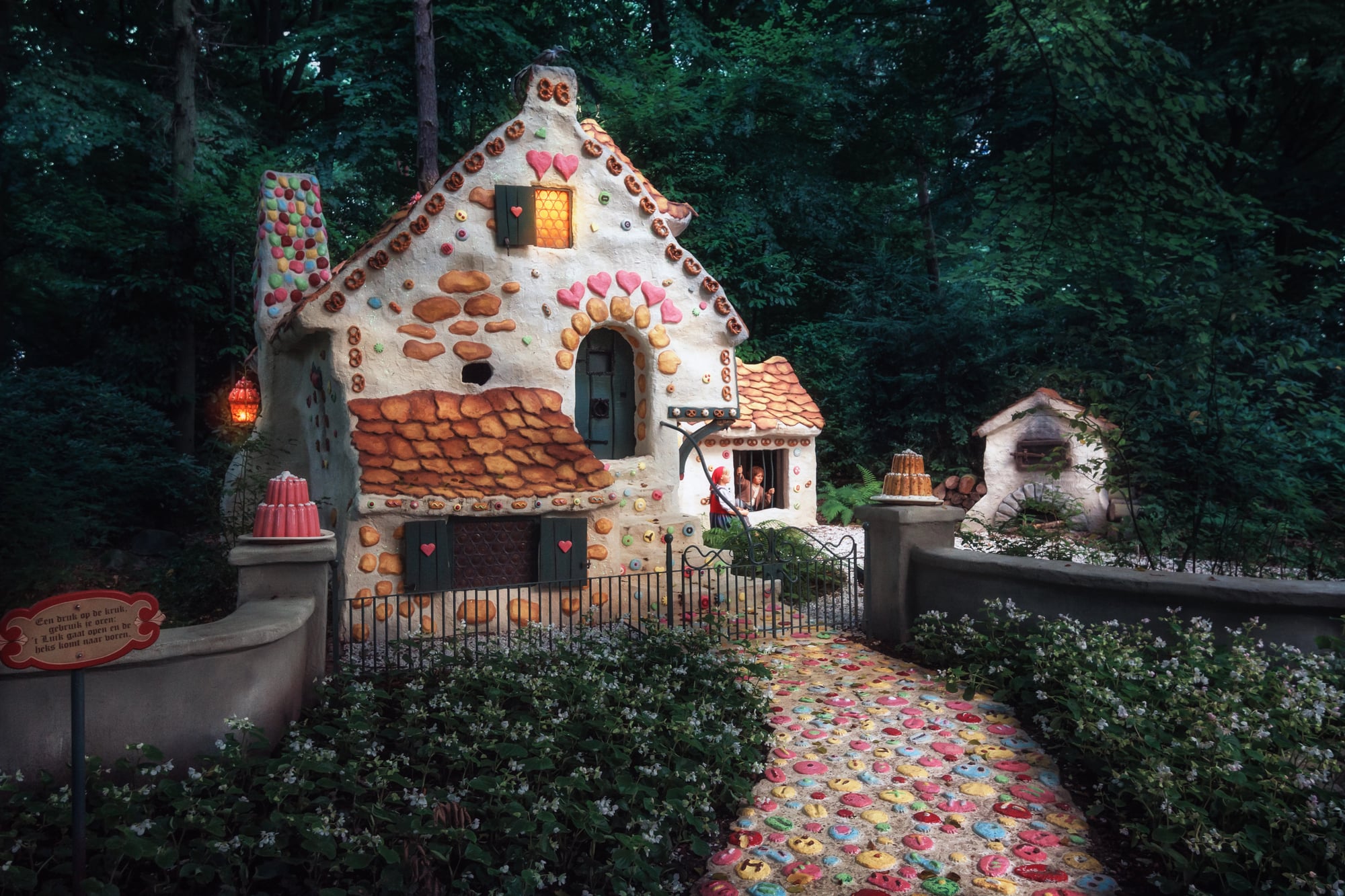
Parents abandoning their children during famine wasn’t a fairy tale plot device—it was Tuesday. The Brothers Grimm collected this story during a time when infanticide and child abandonment were genuine survival strategies for families facing starvation. The witch in the gingerbread house represents every real fear a hungry child might have: that adults who offered food might want something terrible in return.
But here’s what gets overlooked in modern retellings: Hansel and Gretel don’t just escape from the witch (they’re not the ones who died when times got hard, after all). They steal her jewels and return home wealthy enough that their family never faces hunger again. The story taught children that sometimes survival requires becoming just as ruthless as the people trying to destroy you. And yet the image that survives in our collective memory is the candy house—sweet enough to forget the desperation that brought two children to its door.
Sleeping Beauty
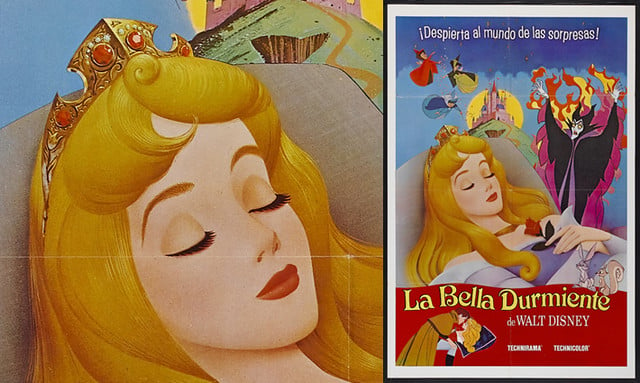
The prince doesn’t wake her with a kiss. He rapes her while she’s unconscious, and she gives birth to twins nine months later. One of the babies sucks the cursed splinter from her finger while nursing, which finally wakes her up. She has no idea who the father is or what happened to her during the years she spent unconscious.
The prince, already married to someone else, eventually returns to find Sleeping Beauty awake with his children. His wife discovers the affair and orders the cook to kill the twins and serve them for dinner. The cook hides the children and serves lamb instead, but the wife figures out the deception and builds a fire to burn Sleeping Beauty alive. Only then does the prince intervene—not to save Sleeping Beauty from assault, but to save her from murder.
Snow White
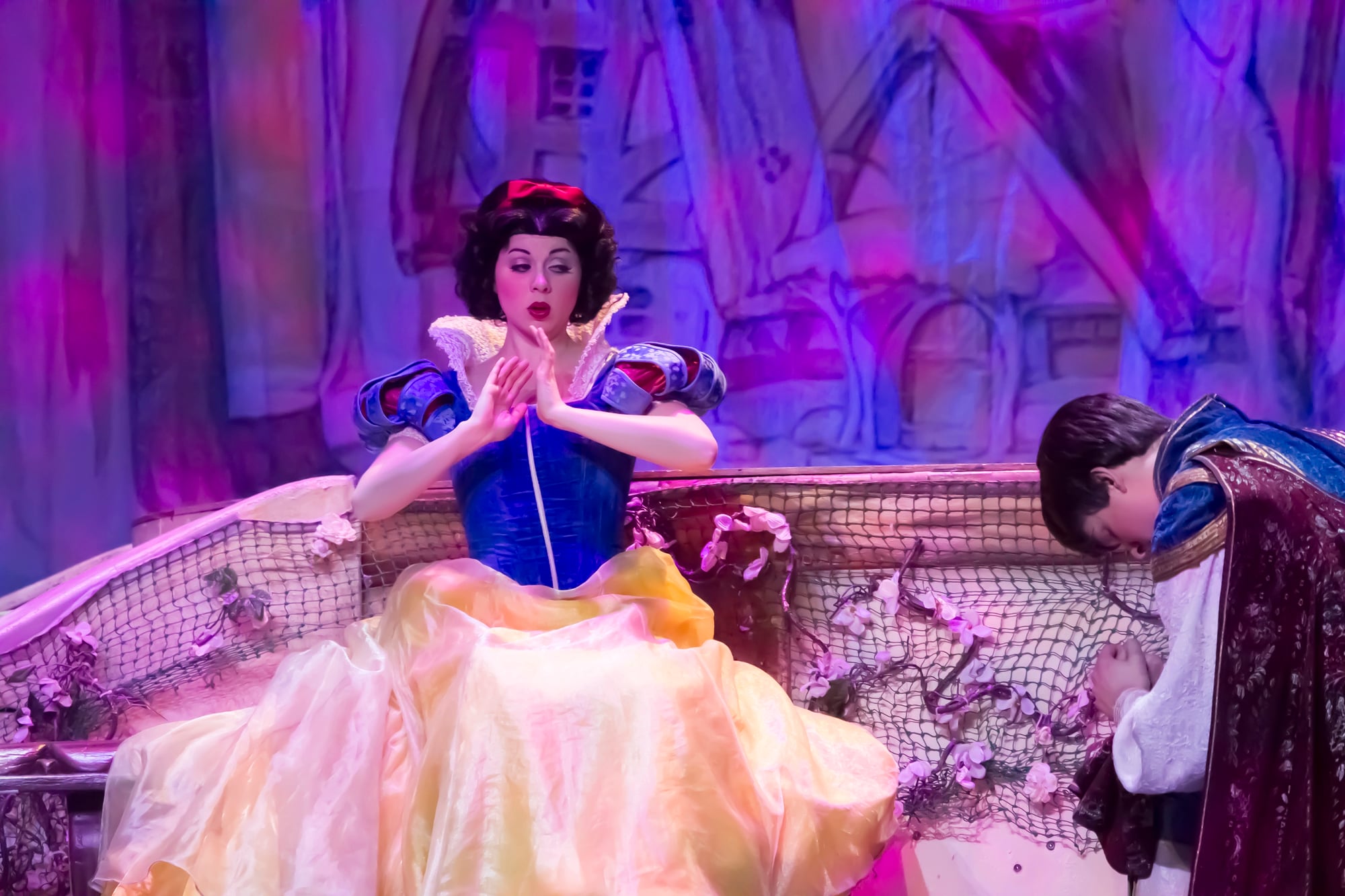
The evil queen doesn’t just want Snow White dead—she wants to eat her liver and lungs. She orders the huntsman to bring back these organs as proof of the murder, planning to consume them herself. When he brings back a pig’s organs instead, she eats those with relish, believing she’s devouring the remains of her stepdaughter.
The dwarfs don’t live in a cozy cottage. They’re miners who keep Snow White as an unpaid housekeeper in exchange for protection. When she finally appears to die from the poisoned apple, they can’t bear to bury her, so they keep her body in a glass coffin where they can look at her. The prince doesn’t fall in love with a living person—he becomes obsessed with a beautiful corpse and demands to buy it.
The Little Mermaid
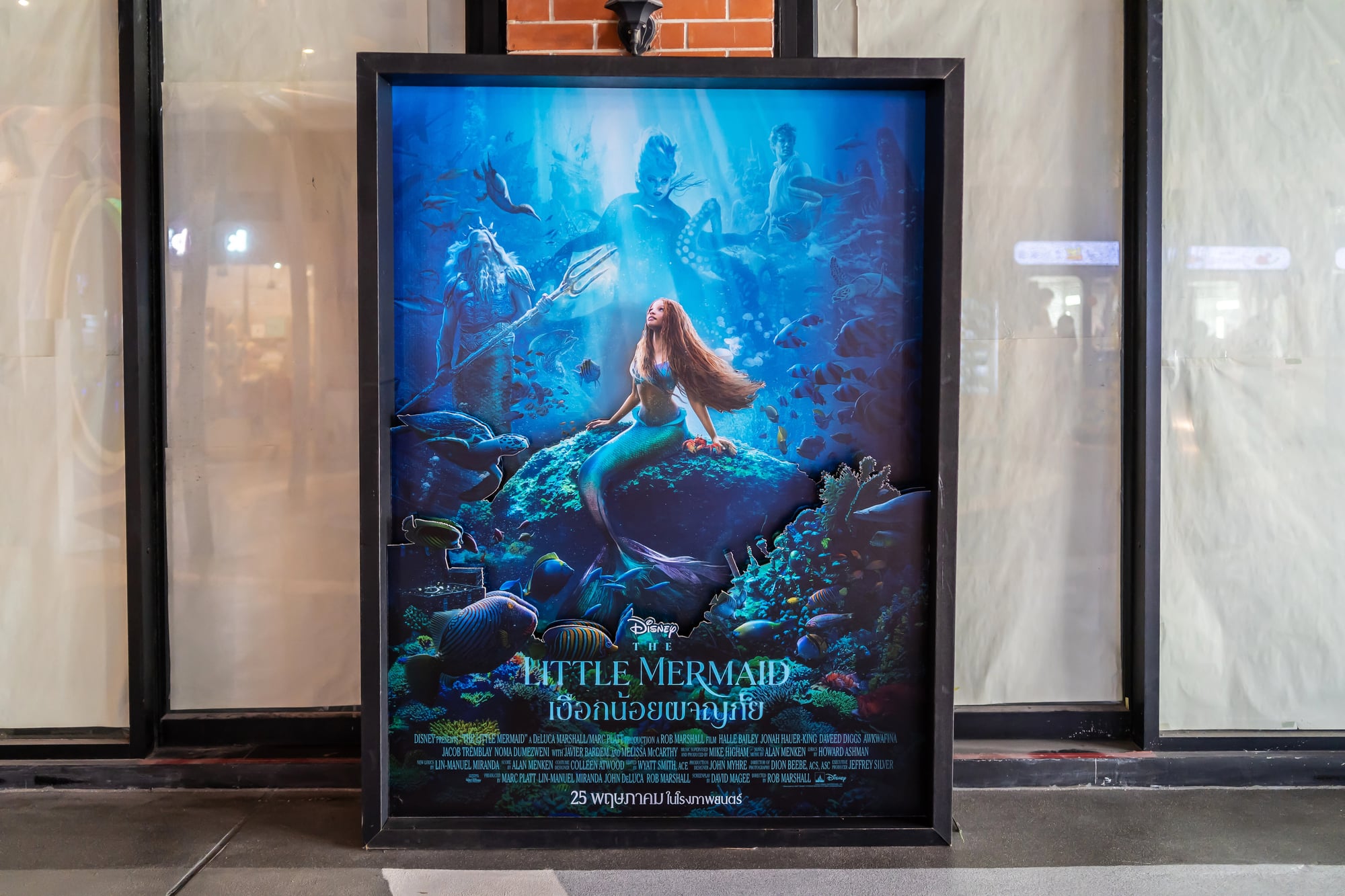
Every step she takes on land feels like walking on knives. Hans Christian Andersen made sure readers understood that the mermaid’s transformation came with constant, excruciating pain. She gives up her voice for legs that torture her, and the prince never falls in love with her. He marries someone else.
The mermaid’s sisters sell their hair to buy her a knife and tell her that if she kills the prince on his wedding night and lets his blood drip on her feet, she can return to the sea and end her suffering. She chooses to throw herself into the ocean instead, dissolving into sea foam. Andersen wrote this as a Christian allegory about suffering for love and redemption through self-sacrifice, but the story he actually told was about a young woman who mutilated herself for a man who never noticed her pain.
Rapunzel

The prince doesn’t climb up her hair once—he climbs up regularly to have relations with her, and she gets pregnant. When the witch discovers this, she cuts off Rapunzel’s hair and banishes her to a desert to give birth alone. The witch uses the severed hair to trap the prince, then pushes him from the tower into a thorn bush that blinds him.
Years later, the prince stumbles through the wilderness and finds Rapunzel living in poverty with their twins. Her tears restore his sight, and they live happily ever after—but only after she’s spent years as a single mother in exile, and he’s spent years blind and homeless. The Brothers Grimm revised this story to remove the obvious implications about what was happening during those tower visits, but the pregnancy subplot made the original intent pretty clear.
Goldilocks and the Three Bears
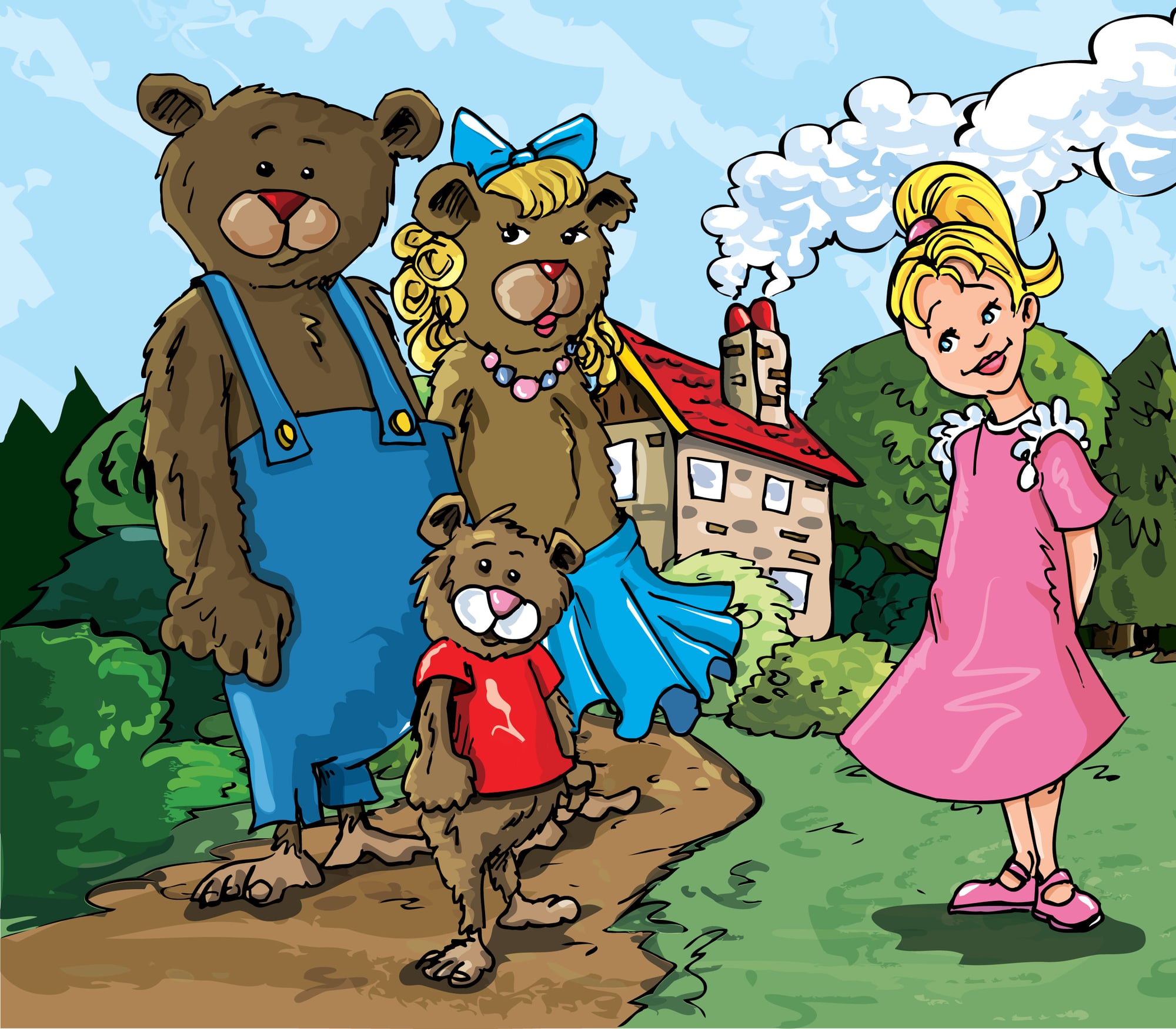
The original 1837 version features an old woman who breaks into the bears’ house, and she’s not lost or curious—she’s described as impudent and bad-tempered. When the bears find her, they consider various punishments: drowning her, burning her, or impaling her. They settle on throwing her out the window, and she either breaks her neck or runs away—the story doesn’t specify which.
Earlier oral versions were even harsher. The intruder was sometimes a fox who gets thrown into a fire, or an old woman who gets thrown onto church spires. The bears weren’t a cute family—they were dangerous wild animals whose home had been violated. The story taught children that entering someone else’s house without permission could get them killed.
Rumpelstiltskin
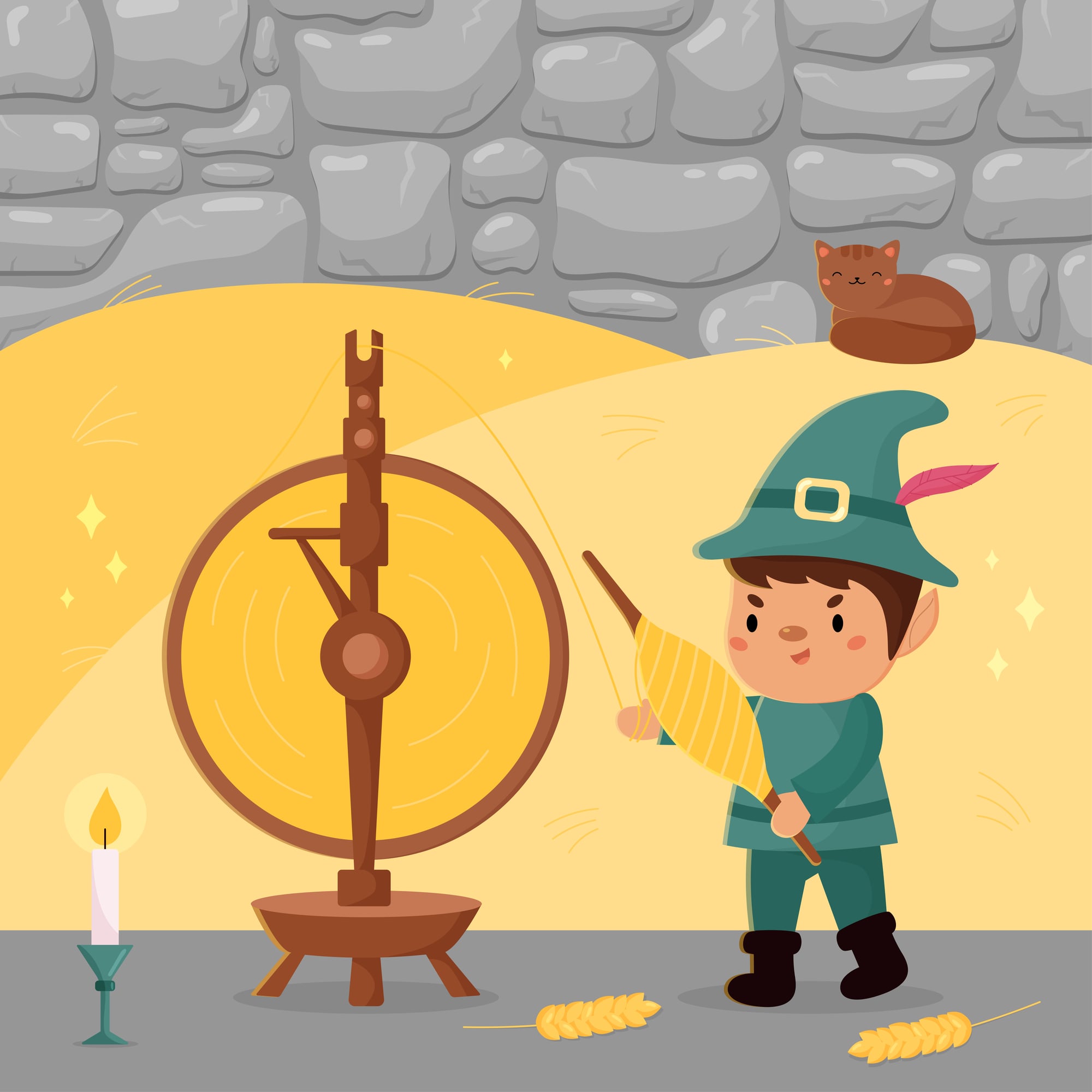
The little man doesn’t just want the queen’s firstborn as payment—he wants to raise the child as his own because he’s lonely and believes this is the only way he’ll ever have a family. When she guesses his name and breaks their contract, he doesn’t just disappear in a puff of smoke. In the Brothers Grimm version, he gets so angry that he stamps his foot so hard it gets stuck in the ground, then he pulls so violently to free himself that he tears his own body in half.
Some versions have him flying away on a cooking ladle, which sounds whimsical until you realize that it’s probably a euphemism for something much darker. The story was collected during times when people genuinely believed in malevolent spirits who would steal children, and the violence of Rumpelstiltskin’s end reflected how seriously these communities took such threats.
Beauty and the Beast

Belle’s father doesn’t just stumble onto the Beast’s property—he steals a rose from the garden. The Beast’s punishment for this theft is that the father must either die or send one of his daughters to die in his place. Belle volunteers, but she’s going to what she believes is certain death, not an adventure.
The Beast doesn’t just look frightening—he’s genuinely dangerous. Early versions emphasize that Belle lives in constant fear that he might kill her, and his nightly marriage proposals aren’t romantic—they’re reminders that she’s completely at his mercy. The story only becomes about love conquering differences after Belle spends months in what amounts to captivity, developing what modern psychology might recognize as Stockholm syndrome.
The Pied Piper of Hamelin
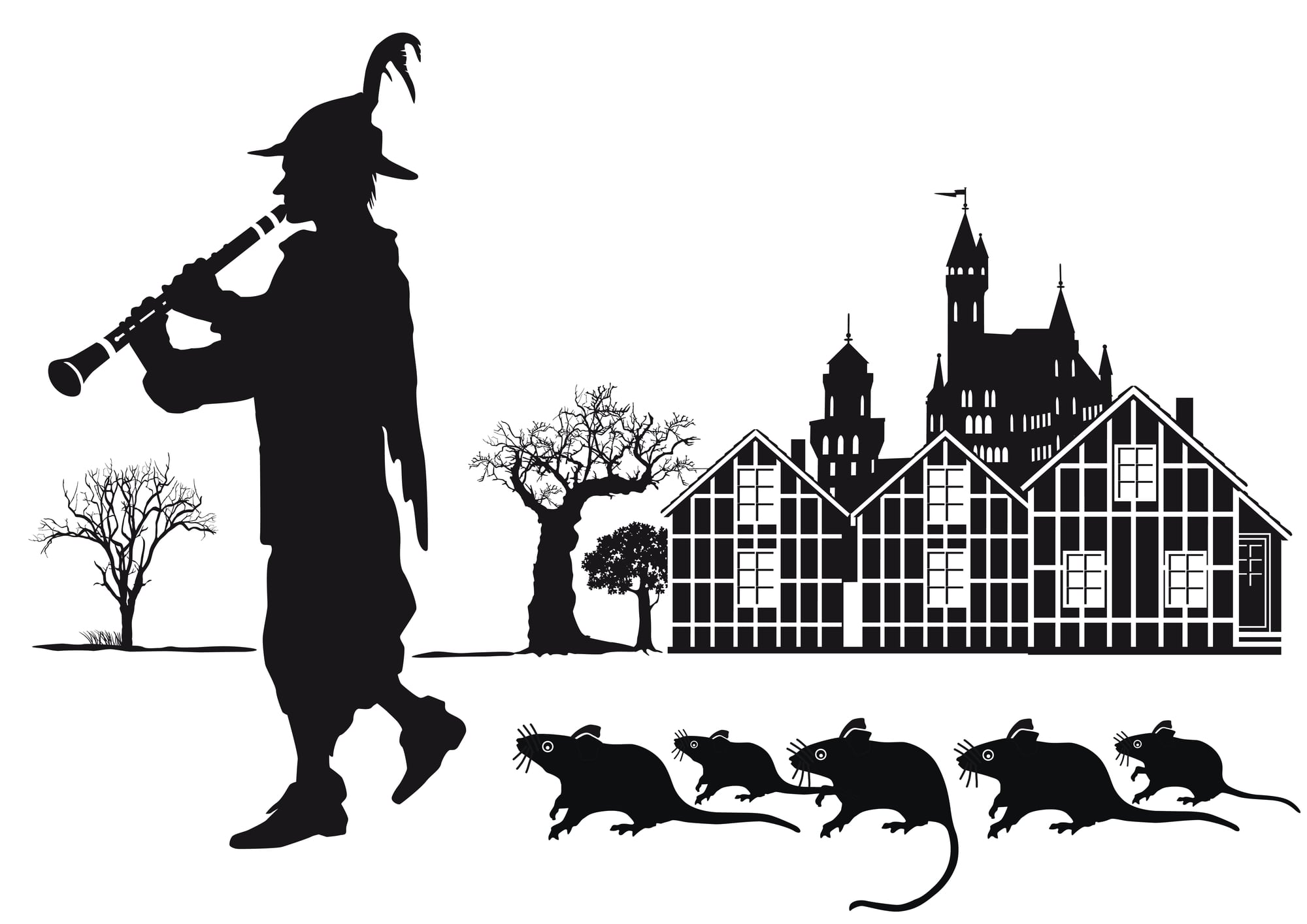
The piper doesn’t lead the children to some magical realm where they live happily ever after. They disappear forever. One hundred thirty children follow him into a mountain, and none of them ever return. The town of Hamelin loses an entire generation in a single day.
This wasn’t a fairy tale—it was based on a real event that happened in 1284. The historical records are sparse, but something catastrophic definitely happened to the children of Hamelin that year. Some historians think it was a plague, others believe it was a landslide or flood, and some suggest the children were recruited for a crusade or to settle new territories in Eastern Europe. The piper was added later to explain the unexplainable, but the core truth remains: an entire generation of children vanished, and their parents never saw them again.
The Little Match Girl

She freezes to death on New Year’s Eve while wealthy people celebrate inside warm houses around her. Hans Christian Andersen doesn’t save her at the last minute or reveal that it was all a dream. A small child dies of cold and hunger while surrounded by people who could help her but don’t.
The visions she sees while dying—the warm stove, the roast goose, the Christmas tree—aren’t magical. They’re hallucinations caused by hypothermia. Her grandmother doesn’t actually come to take her to heaven; the child dies alone on the street, and people find her frozen body the next morning. Andersen wrote this as social commentary about how society treats its most vulnerable members, and he didn’t soften the ending because the point was supposed to hurt.
Bluebeard
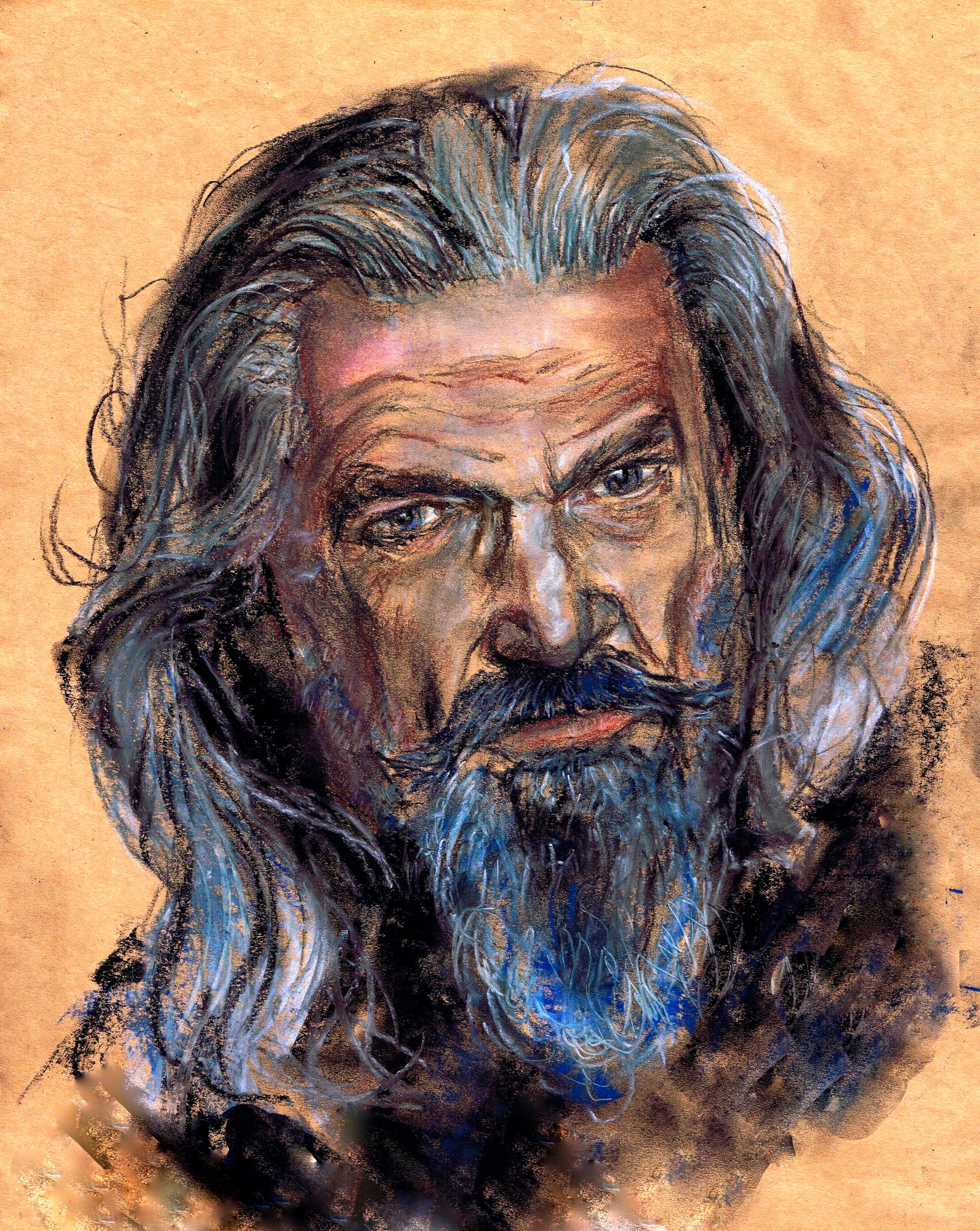
The locked room contains the corpses of all his previous wives, hanging from hooks on the walls with their throats cut. When his newest wife discovers this, she realizes that he’s been systematically murdering every woman he marries, and she’s about to become the latest addition to his collection.
Charles Perrault’s 1697 version describes the room in detail: blood covering the floor, bodies in various stages of decay, some women who had been tortured before they were killed. The wife only survives because her brothers arrive just as Bluebeard is about to cut her throat. This wasn’t a story about curiosity being dangerous—it was a story about how charming, wealthy men could be predators, and how women needed to stay alert to survive marriage.
When Darkness Served a Purpose

Fairy tales weren’t meant to traumatize children—they were meant to prepare them. These stories emerged from societies where infant mortality rates hovered around 50%, where famines regularly killed entire communities, where children faced genuine threats from human predators, wild animals, and natural disasters.
The darkness wasn’t gratuitous. It was educational. Children who heard these stories learned that the world contained people who would hurt them, that adults weren’t always trustworthy, that survival sometimes required violence, and that happy endings had to be fought for rather than expected. The magic and wonder were there too, but they existed alongside harsh realities that children would inevitably face.
Modern versions have scrubbed away the blood and terror, leaving behind sanitized stories that teach children the world is fundamentally safe and fair. That’s not necessarily wrong—childhood should contain wonder and security when possible. But something has been lost in translation. The original stories acknowledged that life contained genuine darkness, and they suggested that people could survive it through cleverness, courage, and sometimes ruthlessness. They were survival guides disguised as entertainment, wisdom wrapped in fantasy, truth hidden inside lies that were somehow more honest than facts.
More from Go2Tutors!

- The Romanov Crown Jewels and Their Tragic Fate
- 13 Historical Mysteries That Science Still Can’t Solve
- Famous Hoaxes That Fooled the World for Years
- 15 Child Stars with Tragic Adult Lives
- 16 Famous Jewelry Pieces in History
Like Go2Tutors’s content? Follow us on MSN.