16 Strange Things Discovered Inside Egyptian Pyramids
The pyramids of Egypt have captivated human imagination for millennia, their massive stone blocks holding secrets that archaeologists are still uncovering today. While most people picture gold treasures and ornate sarcophagi when they think of pyramid discoveries, the reality is far more intriguing.
Ancient Egyptians buried items that range from the practical to the downright bizarre, creating a fascinating snapshot of life and death in one of history’s most remarkable civilizations.
Some discoveries make perfect sense when you understand Egyptian burial practices, while others leave even seasoned Egyptologists scratching their heads in wonder.
Ancient Board Games

Senet boards turn up everywhere in Egyptian tombs. The game resembled checkers but carried spiritual weight that modern board games never touch.
Egyptians believed playing Senet in the afterlife would help navigate the journey to eternal paradise.
Multiple pyramid chambers contained elaborate game sets carved from ivory and ebony. Some boards bore silver inlays and precious stones marking the squares.
The dead apparently needed entertainment for eternity.
Thousands of Wooden Boats

The Great Pyramid contained an entire fleet of disassembled cedar ships, each one meticulously crafted and sealed in limestone chambers.
These weren’t toy boats or symbolic offerings (though those turn up too) — they were full-sized vessels that could have sailed the Nile.
Two major solar boats were discovered at Khufu’s pyramid, with the first comprising 1,224 wooden components.
Why would pharaohs need multiple ships in the afterlife?
Some theories suggest they were meant for different stages of the spiritual journey.
Living Servants Sealed Inside

Egyptian pyramids contained evidence of human sacrifice on a scale that would make the Aztecs pause.
Servants were buried alive alongside their pharaohs.
Archaeological evidence shows struggle. Skeletons found in cramped positions, hands bound, clear signs of suffocation.
The practice stopped during the Middle Kingdom when Egyptians figured out shabti dolls could serve the same purpose without the screaming.
Some chambers held dozens of bodies.
Perfectly Preserved Meat Cuts

Entire sides of beef, duck, and antelope were found wrapped in linen and treated with natron salt.
These storage chambers functioned like an eternal delicatessen.
The meat was arranged with care, labeled in hieroglyphs, and placed according to strict religious protocols.
Archaeologists have identified over forty animal species.
Some cuts even show seasoning with herbs and spices.
The dead were essentially provided gourmet meals for eternity.
Cursed Letters and Threatening Notes

Ancient Egyptians wrote angry letters to dead people.
These weren’t prayers. They were complaints.
Widows demanded their husbands stop haunting them. Children asked dead parents to stop causing nightmares.
Some letters threatened divine courts or destruction of tombs if the behavior continued.
Egyptian customer service extended beyond the grave.
Cosmetic Kits with Modern-Looking Tools
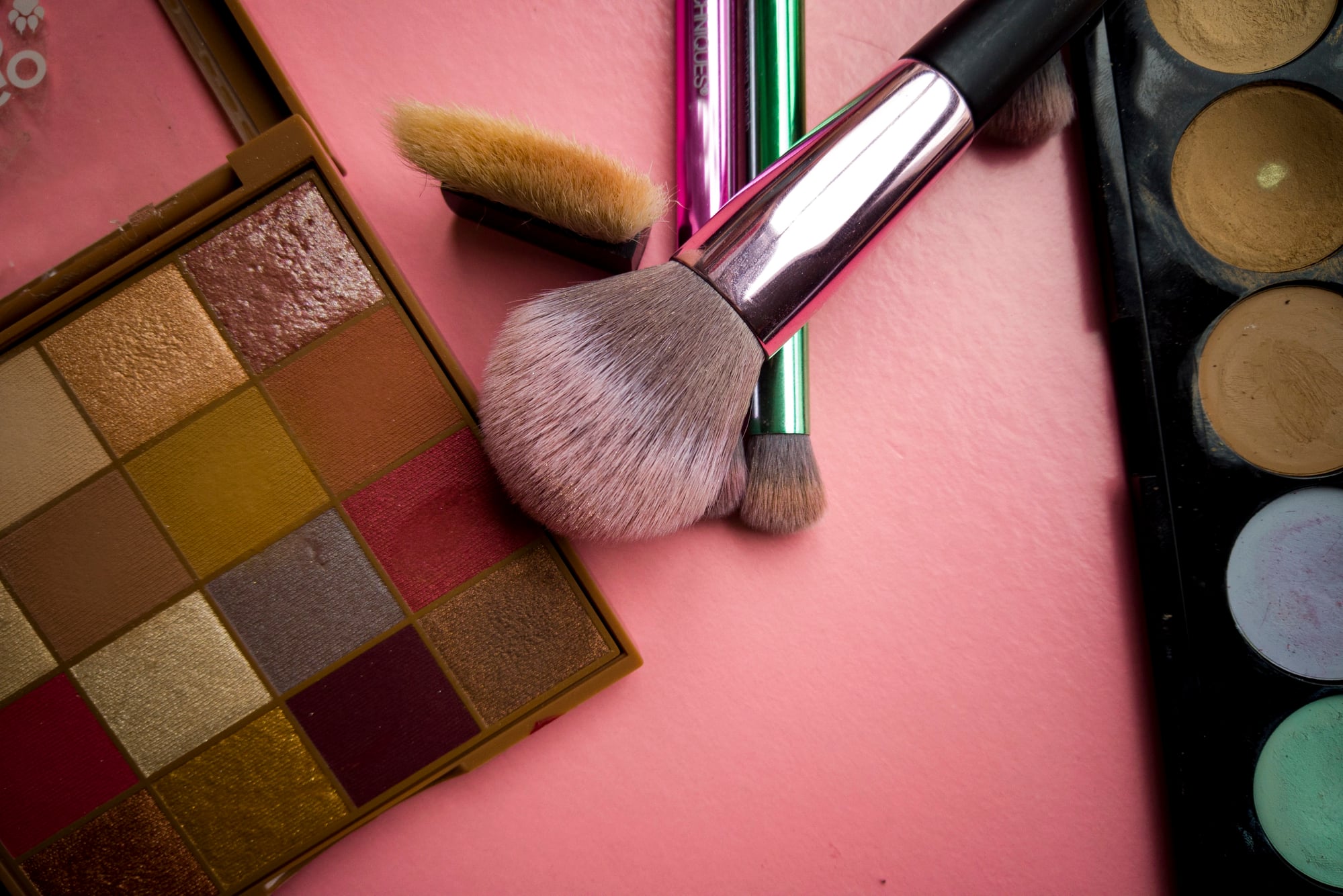
Makeup cases found in pyramids look strikingly modern, but were made from gold, stone, and ivory.
They contained mirrors, applicators, and finely engineered cosmetic tools.
Chemical analysis reveals formulas that included mineral-based eye shadows and antibacterial compounds.
Egyptian cosmetics functioned as beauty products, medicine, and protection.
They were far more advanced than expected for their time.
Advanced Surgical Instruments

Egyptian medical kits include scalpels, forceps, and bone saws that resemble modern tools.
Skull surgeries, including trepanation, were performed with surprising success.
Some patients survived multiple operations.
Bone healing confirms that complex surgeries were not only attempted but often successful.
Egyptian doctors had a sophisticated understanding of anatomy and surgical procedure.
Jars Full of Preserved Organs
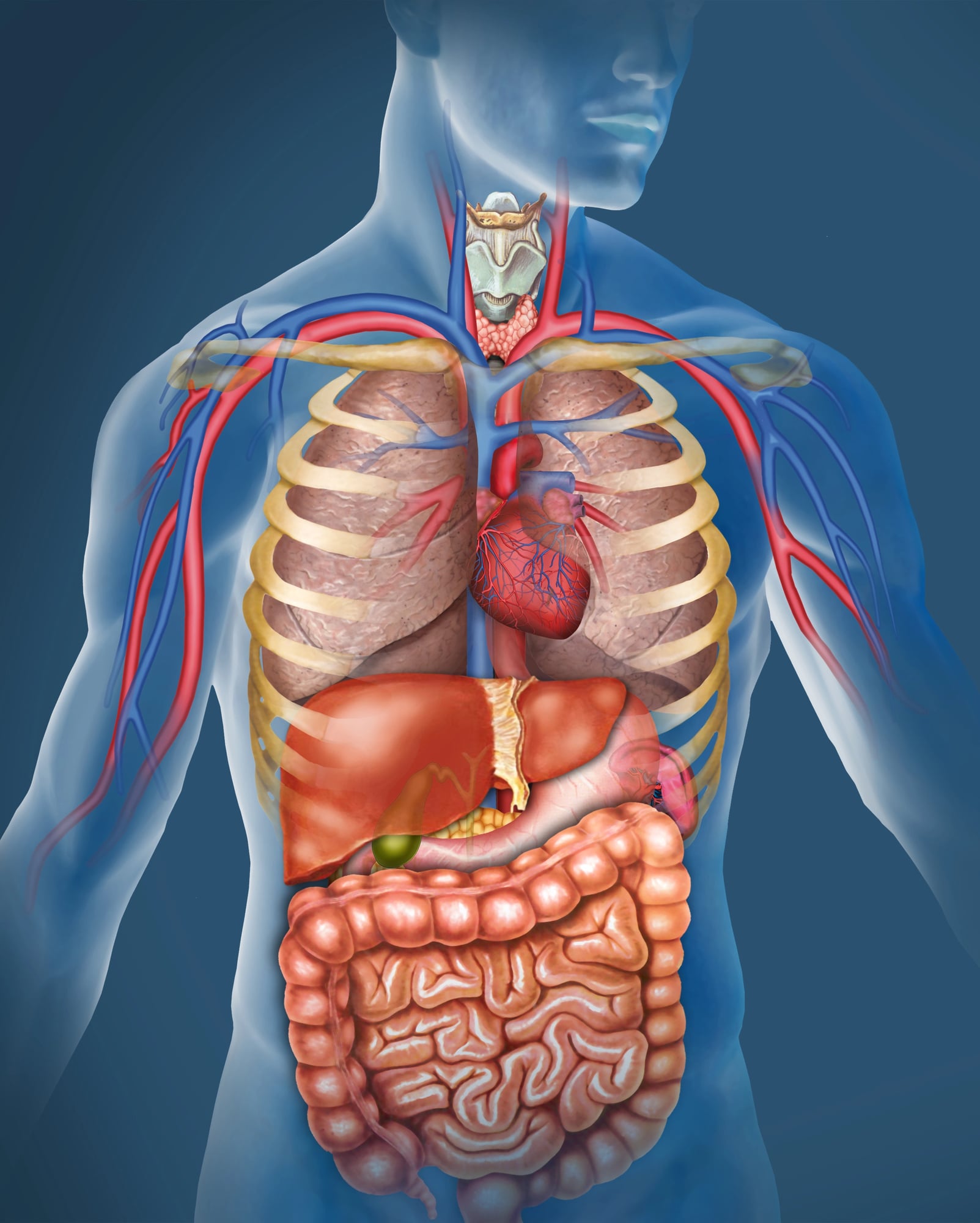
Canopic jars contained organs removed during mummification.
Each organ was assigned to a specific deity for protection.
The liver, lungs, stomach, and intestines were carefully preserved and stored.
The brain, however, was discarded.
This system reflects advanced anatomical understanding paired with religious belief.
Boxes of Precious Stones and Unfinished Jewelry

Jewelry workshops found in pyramids contain unfinished gold pieces and sorted gemstones.
Work appears to have been interrupted mid-design.
Craftsmanship is extremely precise, with microscopic detailing in some pieces.
Artisans likely expected to continue their work in the afterlife.
Death was treated as a continuation of professional life.
Complex Astronomical Instruments
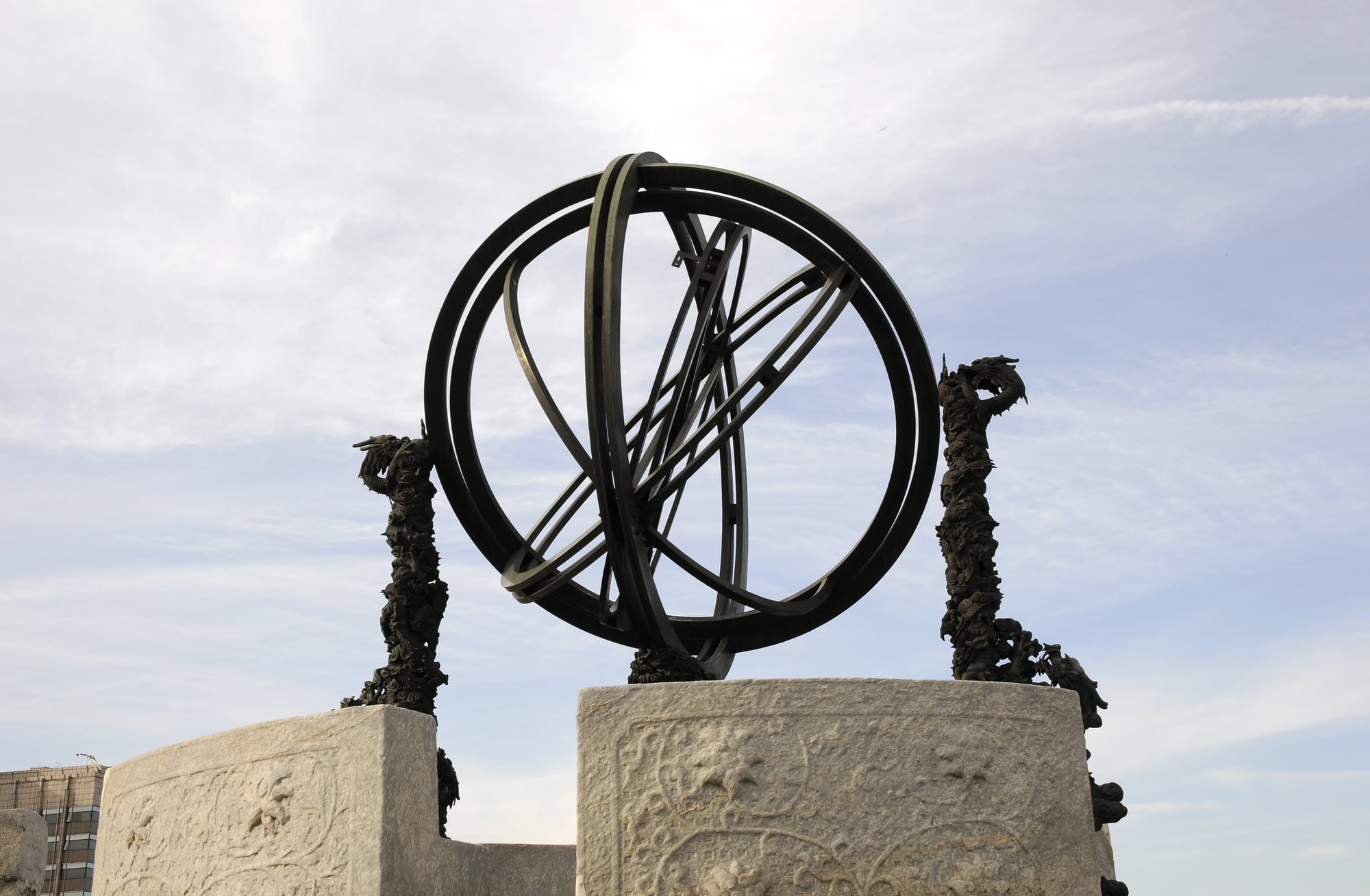
Egyptian pyramids contained tools used to track stars and celestial events.
These included star charts, water clocks, and sighting instruments.
They could calculate astronomical movements with surprising accuracy.
Some devices were designed for specific religiously significant stars.
Astronomy and religion were deeply intertwined disciplines.
Mummified Pets and Sacred Animals
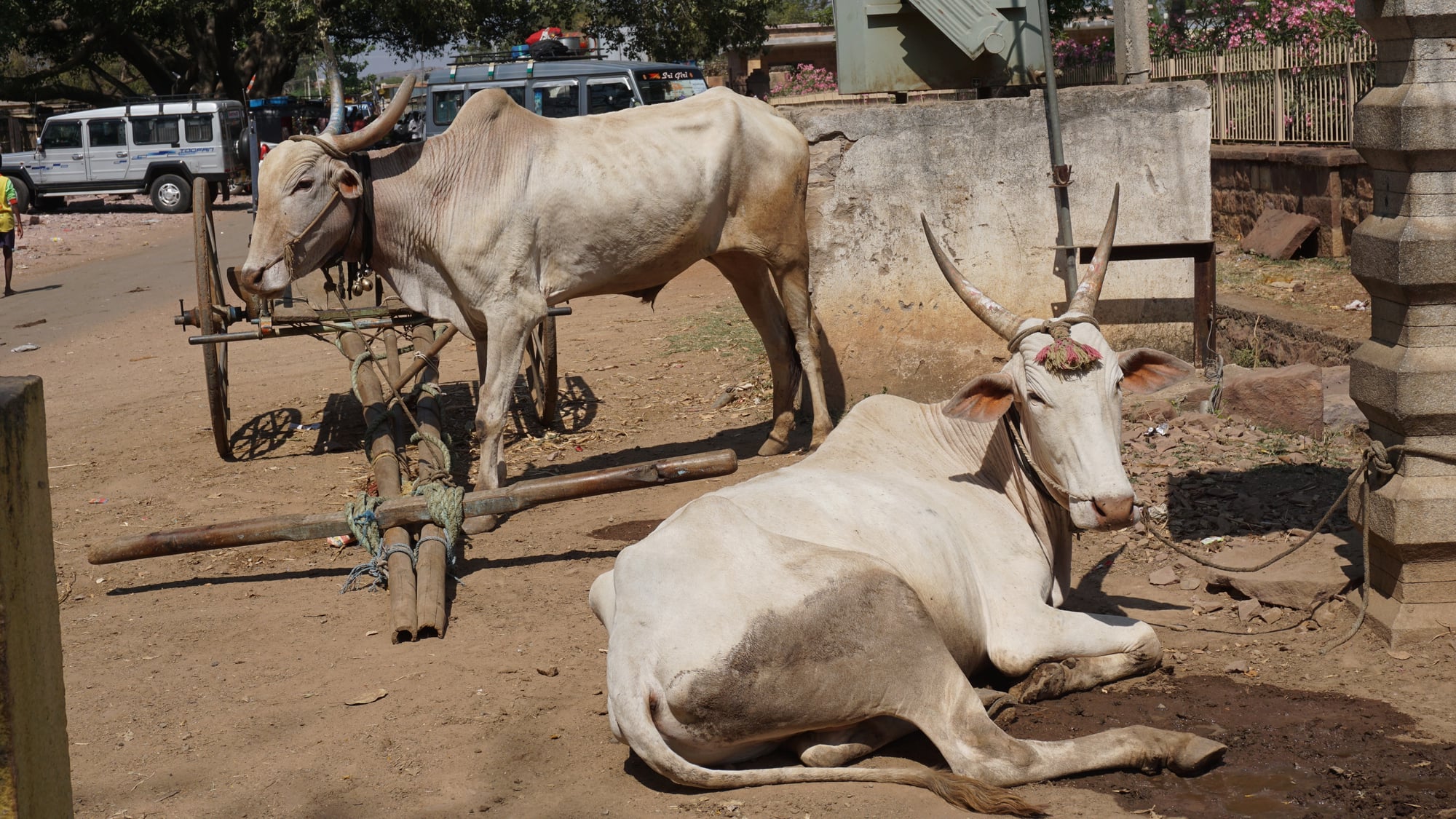
Cats, crocodiles, ibises, and other animals were mummified in large numbers.
Some were buried with jewelry and ornaments.
Entire animal cemeteries contained millions of mummified creatures.
At Tuna el-Gebel, over four million ibis mummies were discovered.
Animal burial was a major religious practice in ancient Egypt.
Hidden Chambers with Unknown Purposes
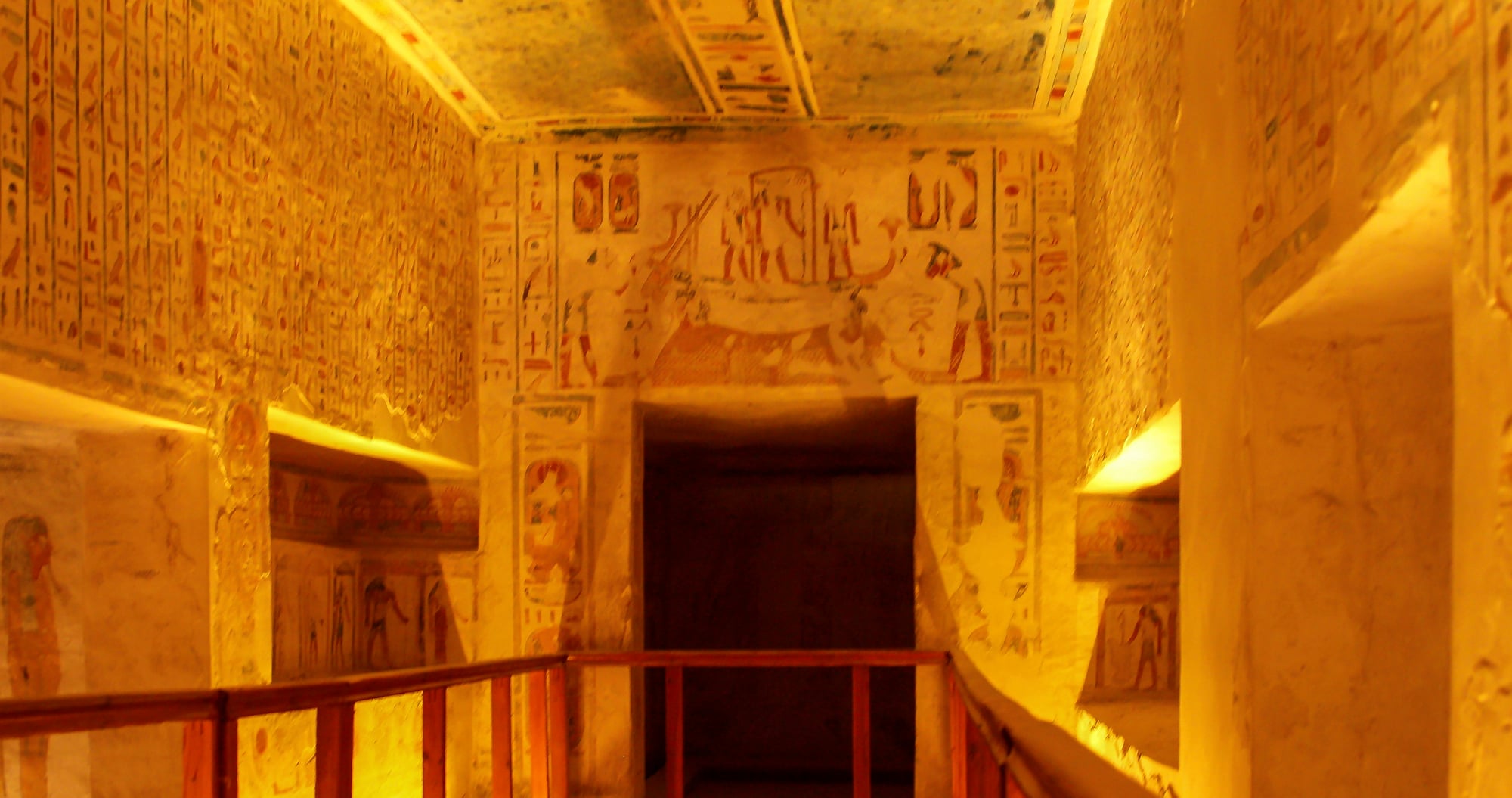
Modern scanning reveals sealed rooms with no clear function.
Some contain only a single object or no contents at all.
Others appear completely empty but deliberately sealed.
These chambers follow no consistent pattern.
Their purpose remains one of Egyptology’s enduring mysteries.
Ancient Egyptian Prescription Bottles

Medical containers found in pyramids contain identifiable drug residues.
They include painkillers, antibiotics, and mood-altering compounds.
Some prescriptions list patient names and dosages.
Egyptian medicine used combination treatments and careful dosing.
Many ancient remedies still show measurable effectiveness today.
Elaborate Mechanical Contraptions

Egyptian engineering included gears, pulleys, and mechanical systems.
Some devices appear to be early automation tools.
Others may have been used for temple rituals or tomb security.
The precision of these mechanisms suggests advanced engineering knowledge.
They resemble later European mechanical innovations by centuries.
Perfectly Preserved Papyrus Libraries
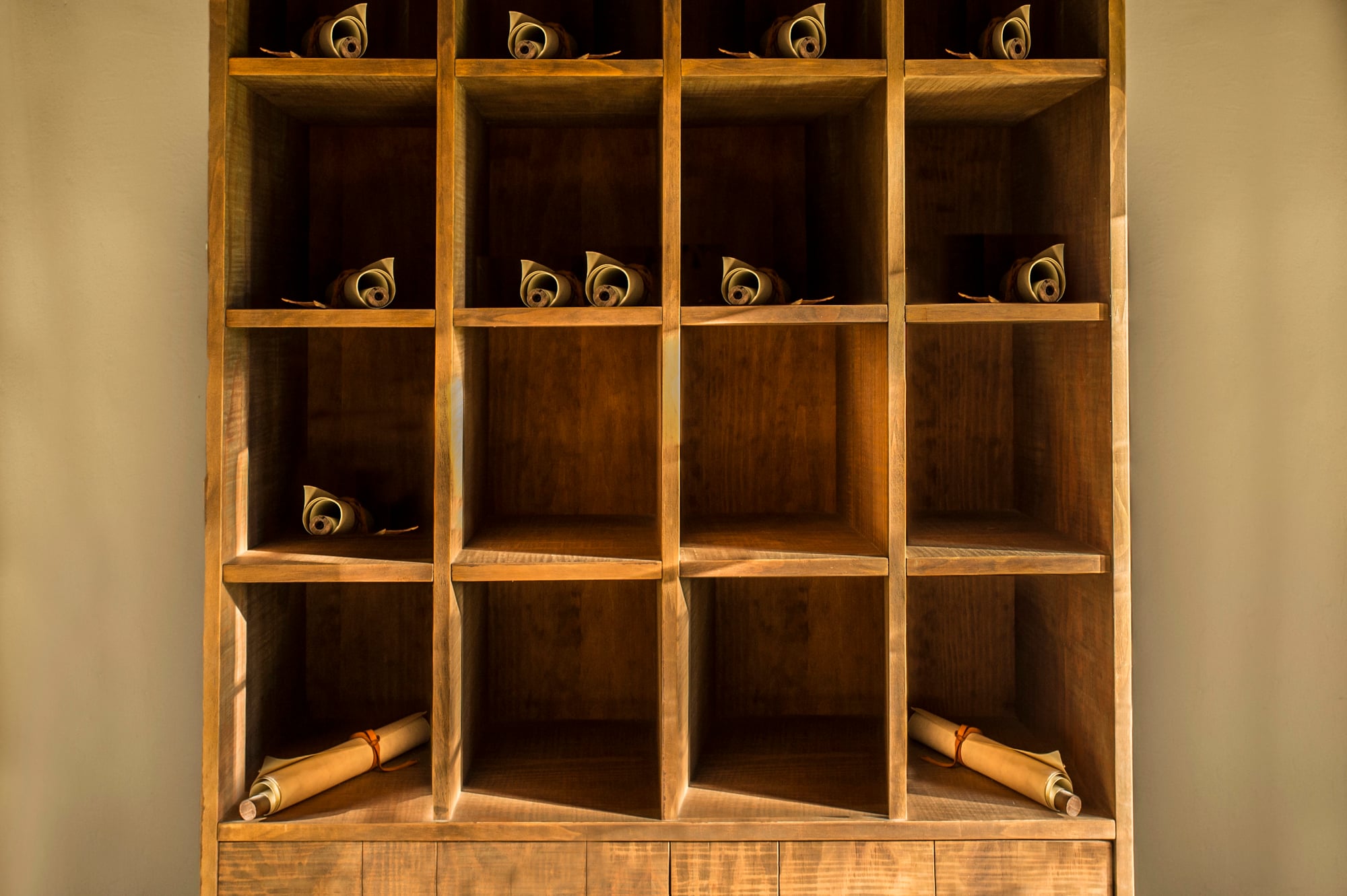
Papyrus scrolls contain administrative, scientific, and personal documents.
They include math texts, legal records, and engineering instructions.
Some scrolls preserve everyday life details like letters and shopping lists.
Handwriting analysis allows identification of individual scribes.
These archives offer direct insight into Egyptian society.
Collections of Exotic Seeds and Plants

Pyramids contained seeds from across the ancient world.
Some were clearly intended for symbolic afterlife farming.
Others suggest agricultural experimentation and crossbreeding.
A few unidentified seeds have been successfully germinated in modern labs.
These collections preserved genetic diversity lost elsewhere in history.
Echoes Across Time
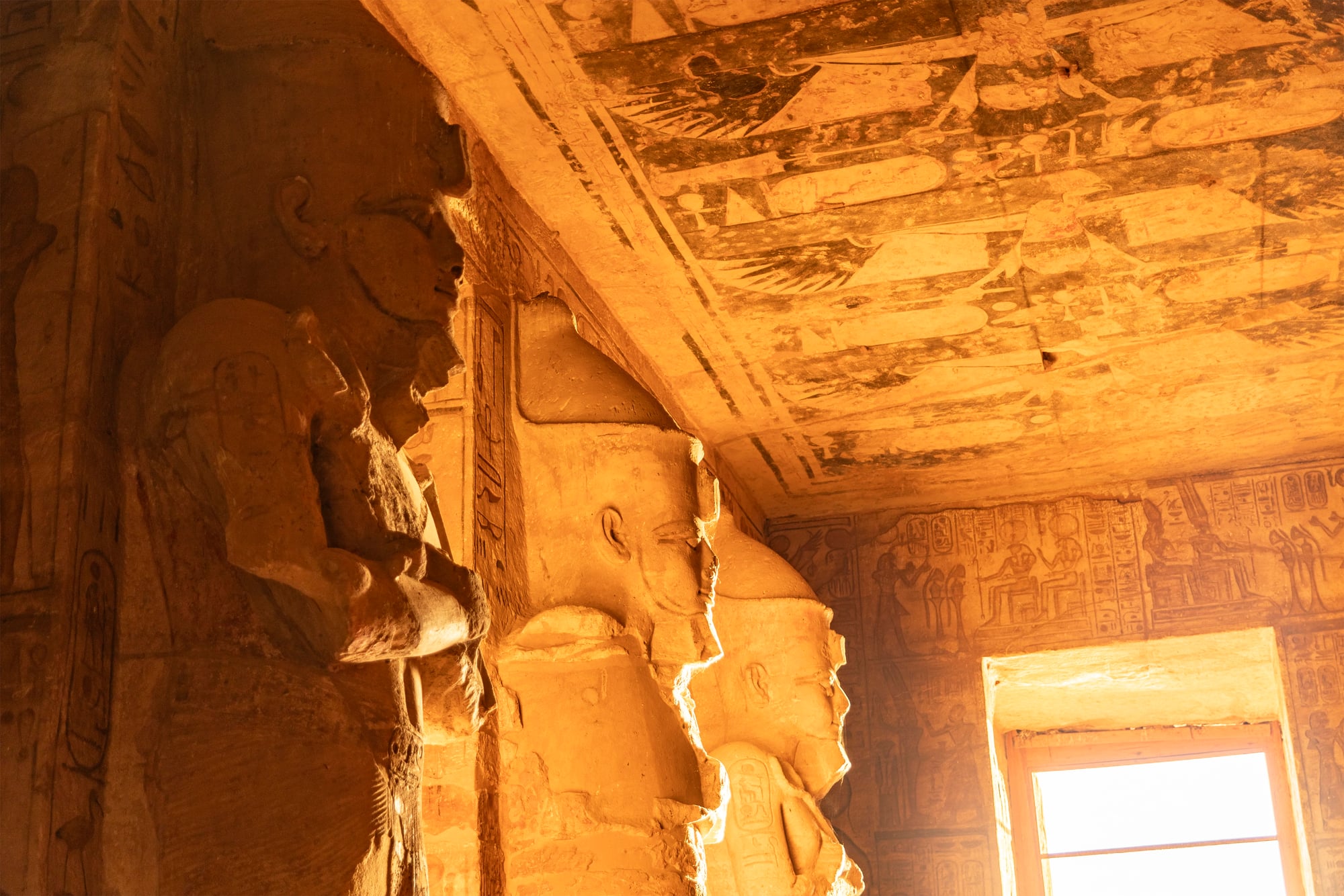
These discoveries reshape how ancient Egypt is understood.
The pyramids were not only tombs but carefully constructed archives of civilization.
They preserved medicine, science, agriculture, and daily life alongside religious belief.
Far from primitive, Egyptian society shows deep sophistication and systematic knowledge preservation.
The strangest finds reveal not mystery alone, but continuity.
Human curiosity, creativity, and organization have always been far more advanced than we often assume.
More from Go2Tutors!

- The Romanov Crown Jewels and Their Tragic Fate
- 13 Historical Mysteries That Science Still Can’t Solve
- Famous Hoaxes That Fooled the World for Years
- 15 Child Stars with Tragic Adult Lives
- 16 Famous Jewelry Pieces in History
Like Go2Tutors’s content? Follow us on MSN.



