Terrifying Ways The Black Plague Changed History
The Black Death wasn’t just a disease that killed people and disappeared into history books. It was a force so devastating that it literally rewrote the rules of civilization.
Between 1347 and 1351, this bacterial nightmare wiped out somewhere between 75 to 200 million people across Europe, Asia, and North Africa — roughly 30 to 60 percent of Europe’s entire population at the time.
The numbers alone don’t capture what really happened. Entire bloodlines vanished.
Social structures that had stood for centuries crumbled overnight. Economic systems collapsed and rebuilt themselves in completely different forms.
Religious beliefs shifted so dramatically that the Catholic Church never fully recovered its medieval authority. The plague didn’t just kill people — it killed the old world and forced survivors to create something entirely new from the wreckage.
Labor Shortages Crushed Feudalism

Feudalism died with the serfs. When half the peasant population vanished in four years, the survivors suddenly held all the cards.
Lords who had spent centuries treating workers like property now found themselves begging peasants to stay. The old system of binding people to land became impossible when there weren’t enough people left to bind.
Serfs walked away from their lords and never looked back.
Wages Skyrocketed For The First Time

The plague created Europe’s first major labor shortage. Surviving workers could name their price — and they did.
Wages doubled, tripled, sometimes increased fivefold within a decade. Peasants who had lived on scraps suddenly ate meat regularly.
They wore better clothes, lived in better houses, and for the first time in European history, ordinary people had economic leverage over the wealthy.
The Catholic Church Lost Its Iron Grip
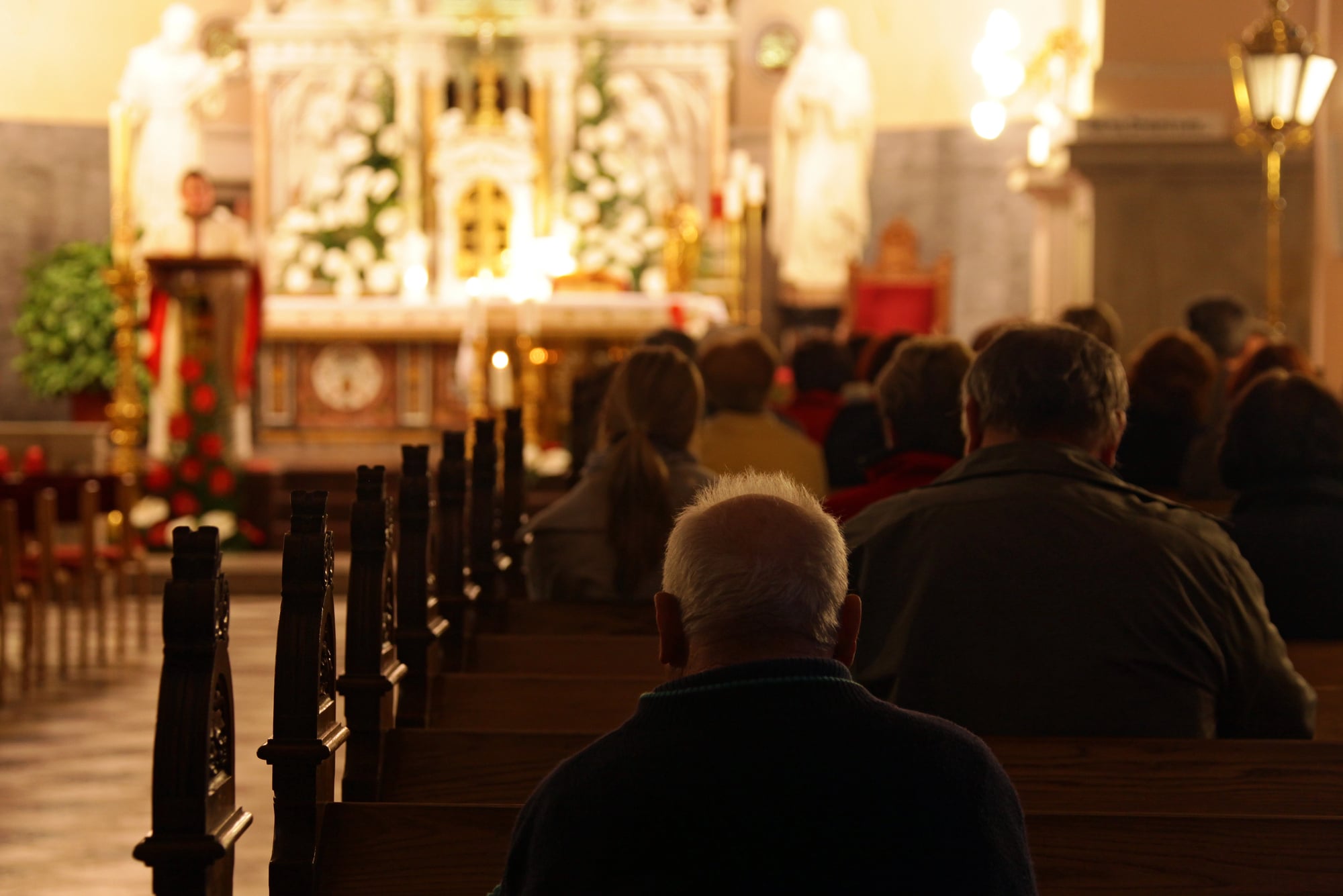
There’s something that happens when you watch half the clergy die while praying for divine intervention that never comes — faith starts to feel negotiable rather than absolute. And the Church, which had positioned itself as the sole intermediary between God and humanity, suddenly found that people weren’t buying what they were selling with the same desperate certainty they once had.
Priests had died at the same horrific rates as everyone else (actually higher, since they kept administering last rites to plague victims), which made their supposed special relationship with the divine seem less convincing. So when the survivors looked around at the corpse-strewn landscape and asked where God had been during all of this, the Church’s traditional answers started sounding hollow — and people began seeking spiritual meaning in places the Catholic hierarchy couldn’t control.
The rise of mysticism, lay religious movements, and eventually the Protestant Reformation all trace back to this moment when organized religion proved it couldn’t protect anyone from anything that actually mattered. People still believed in God, but they stopped believing they needed the Church to find Him.
Art Became Obsessed With Death
Medieval art before the plague was all gold halos and serene saints ascending to heaven. After the Black Death, European artists couldn’t stop painting skeletons.
The “danse macabre” — or dance of death — became the defining artistic theme of the late medieval period. Paintings showed Death leading kings, peasants, bishops, and merchants in an eternal dance.
Everyone dies, the art seemed to say. Status means nothing when the plague comes calling.
This wasn’t just a morbid phase. It was an entire civilization processing collective trauma through brushstrokes and sculptures.
Anti-Semitic Violence Reached New Extremes
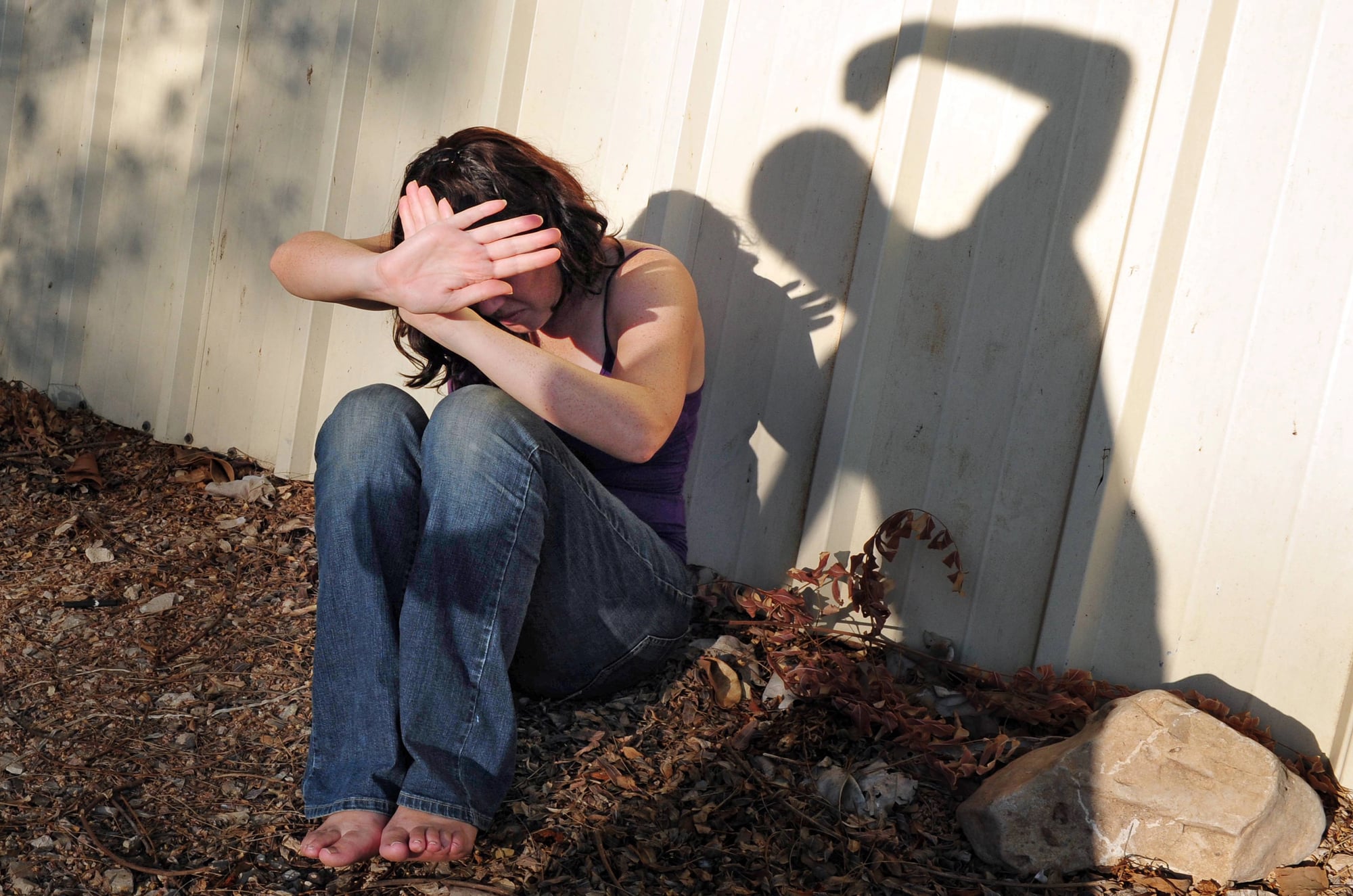
The Black Death didn’t just kill bodies — it poisoned minds with conspiracy theories that would echo through history for centuries to come. When people desperately needed someone to blame for the incomprehensible horror unfolding around them, European communities turned on Jewish populations with a savagery that shocked even medieval observers (and medieval Europe wasn’t exactly known for its tolerance).
Entire Jewish communities were accused of poisoning wells, practicing dark magic, or somehow causing the plague through their mere existence. The violence was so systematic and widespread that it essentially wiped out Jewish communities across vast swaths of Central Europe — communities that had existed for centuries simply vanished in months of mob attacks and state-sanctioned massacres.
And here’s the thing that makes this even more twisted: many of these Jewish communities actually had lower plague mortality rates, probably because of religious practices around hygiene and food preparation that accidentally provided some protection.
But instead of people thinking “maybe we should learn from their practices,” the lower death rates were taken as evidence of guilt rather than innocence. The conspiracy theories born during the Black Death became templates for anti-Semitic persecution that would resurface again and again throughout European history.
Medical Knowledge Took A Giant Leap Forward

Doctors had no idea what they were dealing with when the plague hit. Their medieval understanding of disease — based on “bad air” and imbalanced bodily humors — was completely useless against a bacterial infection spread by fleas.
The failure was so complete that it forced a medical revolution. Physicians started dissecting corpses to understand anatomy.
They began keeping detailed records of symptoms and treatments. The scientific method emerged partly because medieval medical theory failed so spectacularly during the plague years.
Universities started requiring more rigorous training for doctors. Medical schools proliferated across Europe.
The plague essentially forced medicine to grow up.
Population Patterns Shifted Permanently
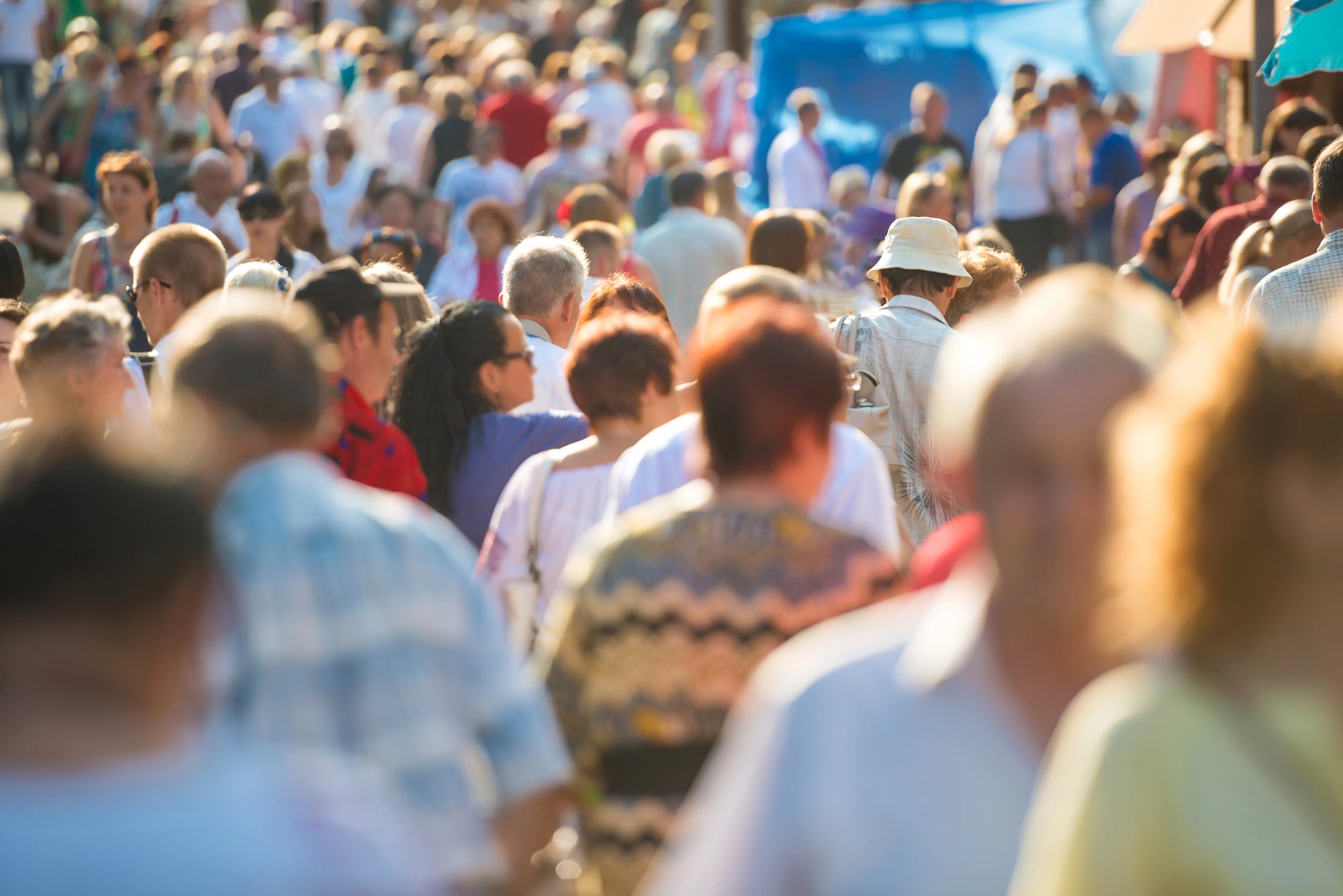
The Black Death didn’t kill people evenly — it carved through densely populated areas like a scythe through wheat, while leaving sparse rural communities relatively untouched. Cities, which had been growing steadily throughout the High Middle Ages, suddenly became death traps where the disease spread from house to house with ruthless efficiency.
Trade routes that had connected Europe to Asia became highways for bacterial transmission, and port cities suffered some of the highest mortality rates on the continent. So the survivors learned to spread out.
The tight-packed medieval cities gave way to less dense settlements. People became suspicious of crowds, of trade gatherings, of anywhere humans clustered together in large numbers.
This shift in how people thought about population density would influence European urban planning for centuries. The plague taught an entire civilization that putting too many people in one place was an invitation to disaster.
Religious Art Got Weird And Personal
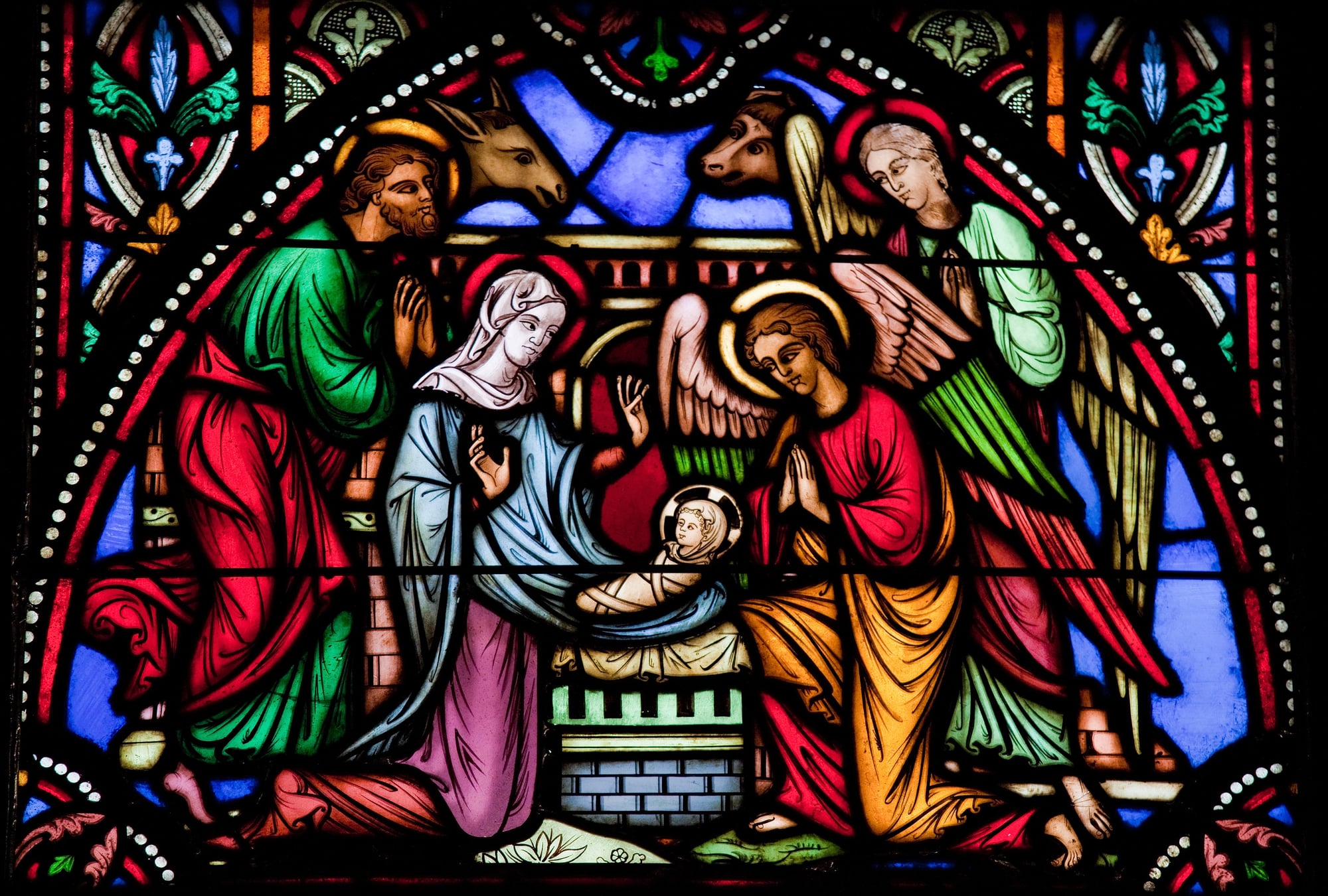
The plague broke religious art free from institutional control. People wanted personal relationships with the divine, not grand cathedral statements about Church authority.
Private devotional art exploded in popularity. Small paintings for home worship.
Personal prayer books with custom illustrations. Religious imagery that emphasized individual suffering and redemption rather than collective salvation through Church hierarchy.
The art got more emotional, more human, more focused on personal pain and private faith. It was like watching an entire culture develop intimacy with God for the first time.
Trade Routes Completely Reorganized

The same maritime networks that spread the plague across three continents had to be completely reimagined once the dying stopped — and when the survivors looked at their decimated populations and empty ports, they realized that the old patterns of trade had died along with the merchants who maintained them. Venice and Genoa, which had dominated Mediterranean commerce for centuries, suddenly found themselves competing with northern European cities that had suffered less severe population losses and could therefore rebuild faster.
The Hanseatic League gained power as Mediterranean trade struggled to recover from workforce shortages. Atlantic exploration became more appealing partly because the traditional Asian trade routes were still associated with disease and death (even though people didn’t understand the actual transmission mechanisms, they knew the plague had followed the Silk Road westward, and that knowledge made them nervous about continuing those connections).
And here’s what’s remarkable: this reshuffling of trade networks accidentally positioned Western Europe perfectly for the Age of Exploration that would begin a century later.
The Portuguese and Spanish expeditions that would “discover” the Americas were partly motivated by a desire to find new routes to Asian goods — routes that wouldn’t follow the same paths the Black Death had taken.
Taxes And Government Revenue Collapsed

Medieval governments ran on people, not technology. When the plague killed a third of the tax base, royal treasuries emptied fast.
Kings who had funded wars and grand building projects through peasant taxes suddenly couldn’t pay their armies. The English gave up major territorial ambitions in France partly because they couldn’t afford to keep fighting.
Government administration shrank to skeleton crews.
This forced European rulers to find new revenue sources. They started taxing trade more heavily.
They began borrowing money from Italian banking houses. Modern government finance emerged partly from plague-driven necessity.
Marriage And Family Structures Transformed

When death becomes random and frequent, people stop planning for the future the same way. Marriage patterns shifted dramatically in post-plague Europe.
People married younger because waiting felt dangerous. Widows and widowers remarried faster.
Extended family structures broke down as entire bloodlines disappeared, forcing survivors to create new kinship networks based on proximity rather than genetics.
The nuclear family started becoming more important than clan relationships. When you can’t count on your extended family surviving, you invest everything in your immediate household.
Urban Planning Changed Forever

Medieval cities before the plague were mazes of narrow streets and cramped living quarters. After watching disease spread through these tight spaces, survivors rebuilt with different priorities.
Streets got wider. Houses were spaced further apart.
Public sanitation became a government concern rather than a private problem. The idea that city planning could prevent disease took hold for the first time.
These weren’t just practical changes — they represented a completely new understanding of how human settlements should work.
What We’re Still Living With

The Black Death didn’t just change medieval Europe — it created the foundation for everything that came after. The weakening of feudalism made capitalism possible.
The decline of Church authority opened space for scientific thinking. The labor shortages that drove wage increases planted the first seeds of workers’ rights movements that wouldn’t fully flower for another five centuries.
Even the way we think about disease and public health traces back to lessons learned during those terrible years between 1347 and 1351. The plague taught humanity that microscopic threats could topple civilizations, and we’ve been trying to prepare for the next pandemic ever since.
Some things change gradually over generations. Others arrive like a bacterial storm and remake the world in four years.
The Black Death was the second kind of change, and we’re still living in the world it created.
More from Go2Tutors!

- The Romanov Crown Jewels and Their Tragic Fate
- 13 Historical Mysteries That Science Still Can’t Solve
- Famous Hoaxes That Fooled the World for Years
- 15 Child Stars with Tragic Adult Lives
- 16 Famous Jewelry Pieces in History
Like Go2Tutors’s content? Follow us on MSN.