15 Buildings That Shift Shape With the Seasons
Architecture has evolved far beyond static structures these days. Some of the world’s most innovative buildings actually transform throughout the year — responding to weather patterns, temperature changes, and seasonal shifts like living organisms. These adaptive structures challenge our traditional understanding of what buildings can be.
From facades that open and close like flower petals to entire sections that rotate with the sun, these architectural marvels demonstrate how modern design can work in harmony with nature’s rhythms. Here’s a list of 15 buildings that literally change shape with the seasons.
Al Bahar Towers
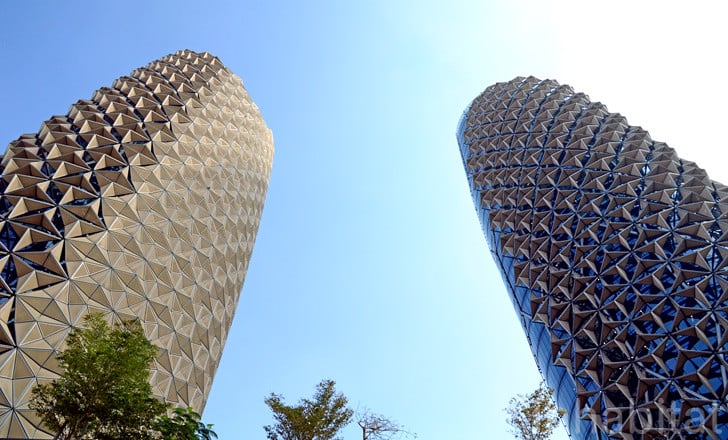
Dubai’s Al Bahar Towers feature a stunning responsive facade system that reacts to the sun’s position throughout the day and across seasons. The building’s exterior consists of umbrella-like panels — they automatically open and close based on solar conditions. During Dubai’s intense summer months, these panels provide crucial shade, yet in cooler winter periods, they’ll allow more sunlight to penetrate the building.
One Ocean Thematic Pavilion

Located in South Korea, this remarkable structure was designed to mimic ocean waves and marine life movement. The building’s kinetic facade shifts continuously — panels undulate like breathing gills of a fish. Movement patterns actually change with seasonal weather conditions, becoming more active during windy spring months while growing more subdued during calm winter periods.
Media-TIC Building
— Photo by yasemin ozdemir
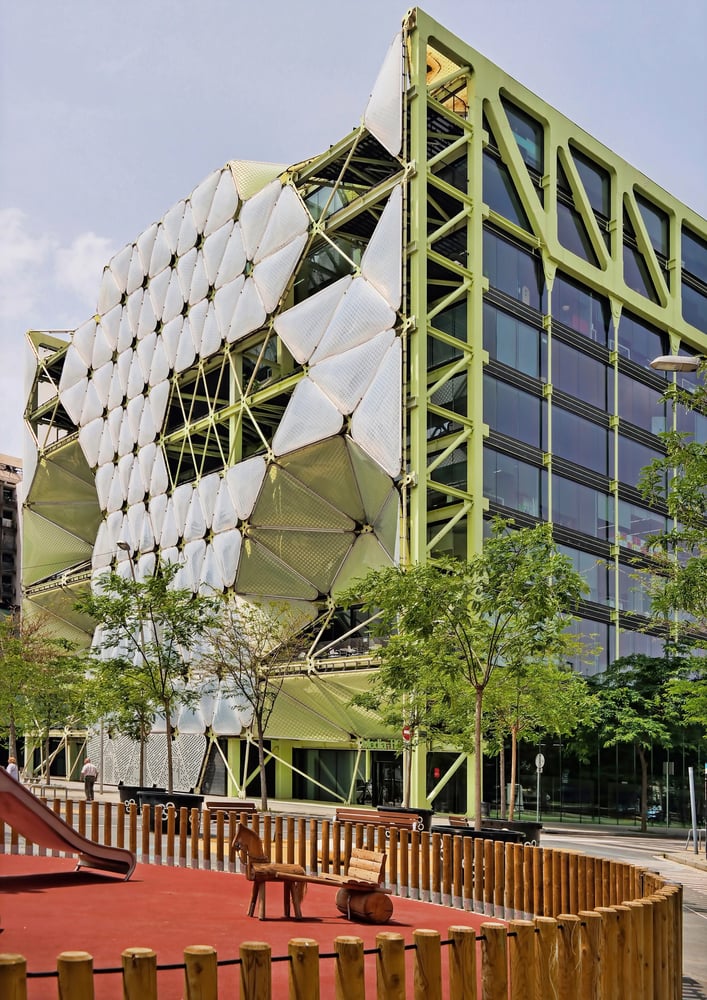
Barcelona’s Media-TIC building sports a unique facade made of inflatable ETFE cushions that expand and contract based on temperature and sunlight intensity. These cushions act like the building’s skin — providing insulation during winter months while deflating to allow better ventilation in summer. The entire structure appears to breathe as these pneumatic elements respond to seasonal climate variations.
BIQ House
— Photo by ricochet69
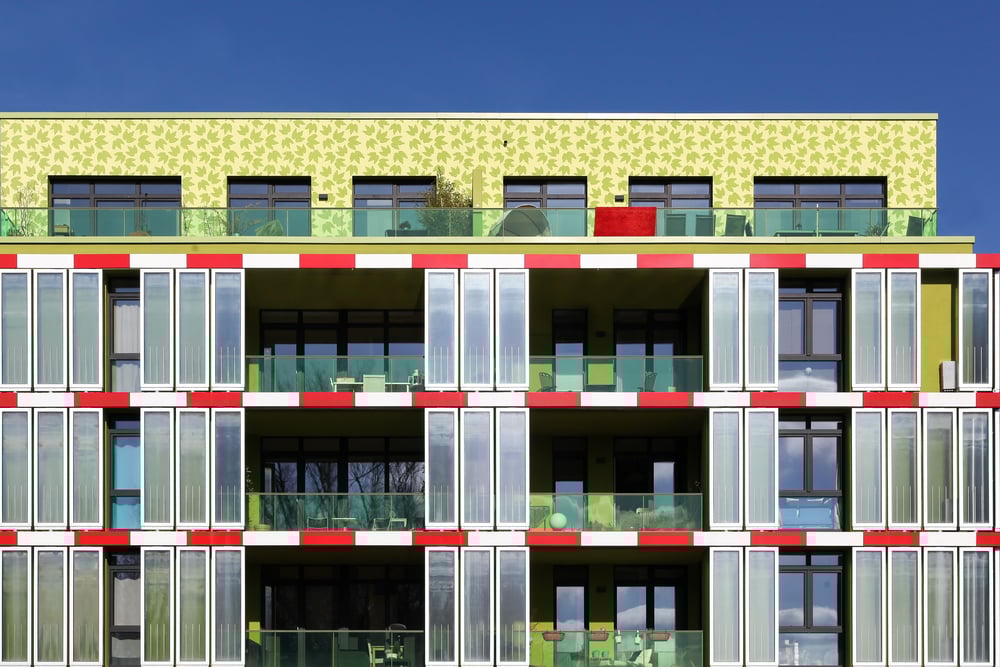
Hamburg’s BIQ House takes seasonal adaptation to a biological level with its living algae facade. The building’s bio-reactive panels actually grow and change color throughout the seasons — becoming lush and green during warm months while remaining dormant in winter. This algae system also generates energy and provides natural insulation, making the building more efficient during different seasonal conditions.
Homeostatic Facade System
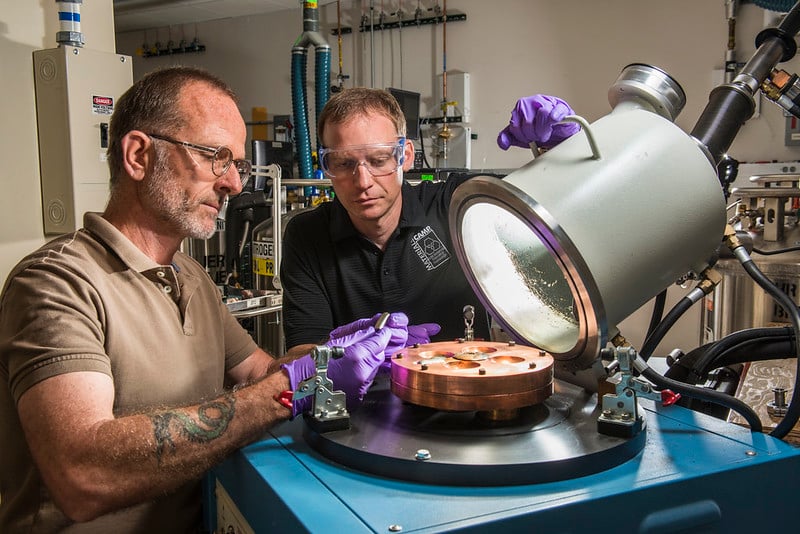
This experimental building system developed by architects uses shape-memory alloys that physically change form based on temperature fluctuations. The facade elements curl and straighten like leaves responding to seasonal temperature changes. During hot summer months — the panels curl to provide shade, yet in winter they straighten to maximize solar gain.
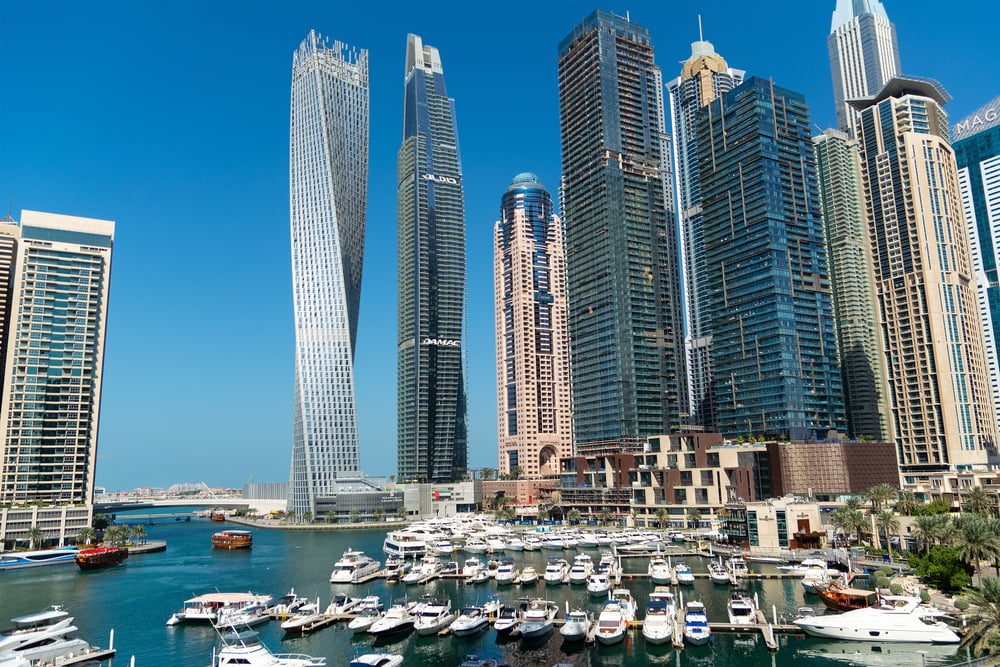
Dynamic Tower
— Photo by SeaRain
This proposed rotating skyscraper in Dubai would literally spin its floors independently based on wind conditions and seasonal patterns. Each floor can rotate 360 degrees — allowing residents to follow the sun during winter months for warmth or turn away during intense summer heat. The building’s shape would constantly evolve as different floors orient themselves according to seasonal preferences.
Heliotrope
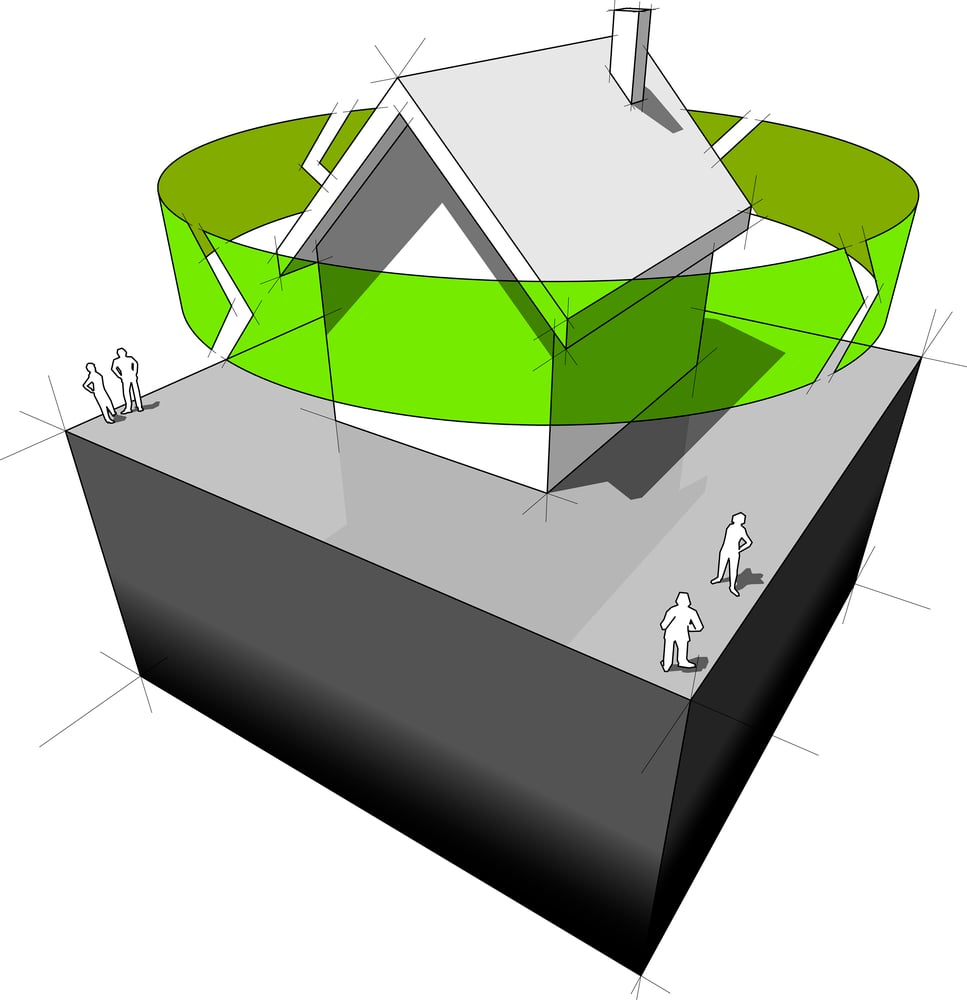
Germany’s Heliotrope house rotates on its axis to follow the sun’s path, which varies dramatically between summer and winter months. During long summer days — the house makes nearly a complete rotation, though winter movements are more limited due to the sun’s lower arc. The building’s solar panels and windows always face the optimal direction for each season.
Adaptive Building Elements
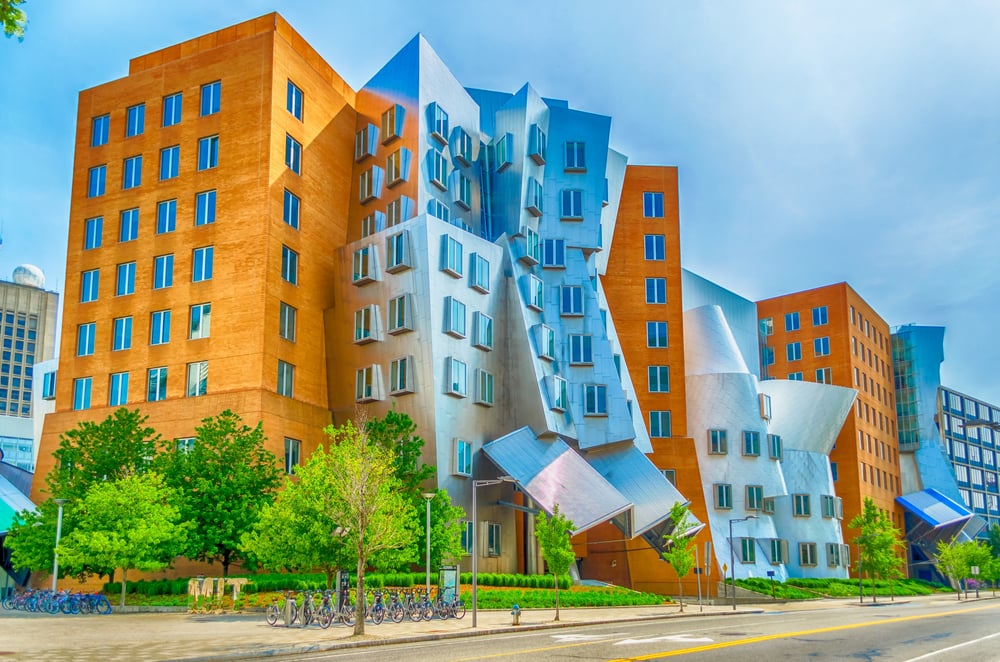
MIT’s experimental adaptive building features walls that physically expand and contract based on humidity and temperature changes throughout the seasons. The building materials themselves are programmed to respond to environmental conditions — creating a structure that literally grows and shrinks with seasonal weather patterns. These responsive elements help regulate interior climate without mechanical systems.
Bloom Pavilion
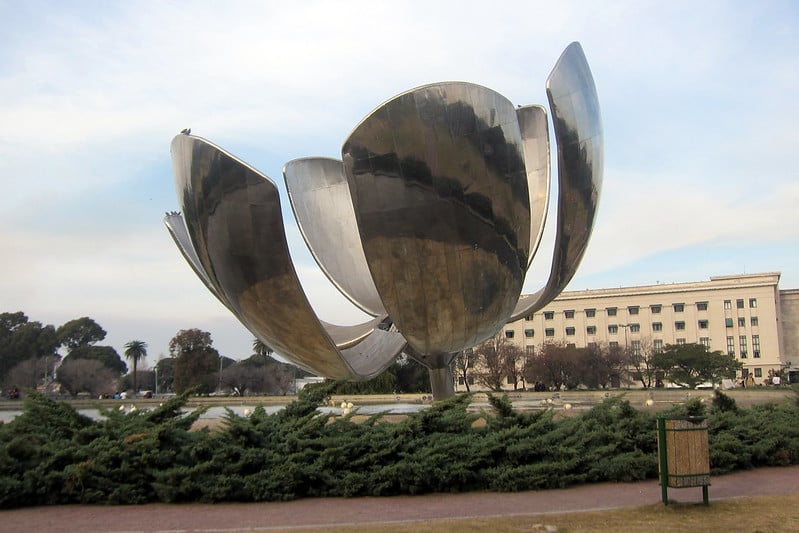
This temporary installation features hundreds of aluminum flowers that open and close in response to people’s body heat and seasonal temperature changes. During warm summer months — the flowers remain predominantly open, creating a canopy effect. In cooler seasons, they’ll close more frequently, creating a more intimate, enclosed feeling within the space.
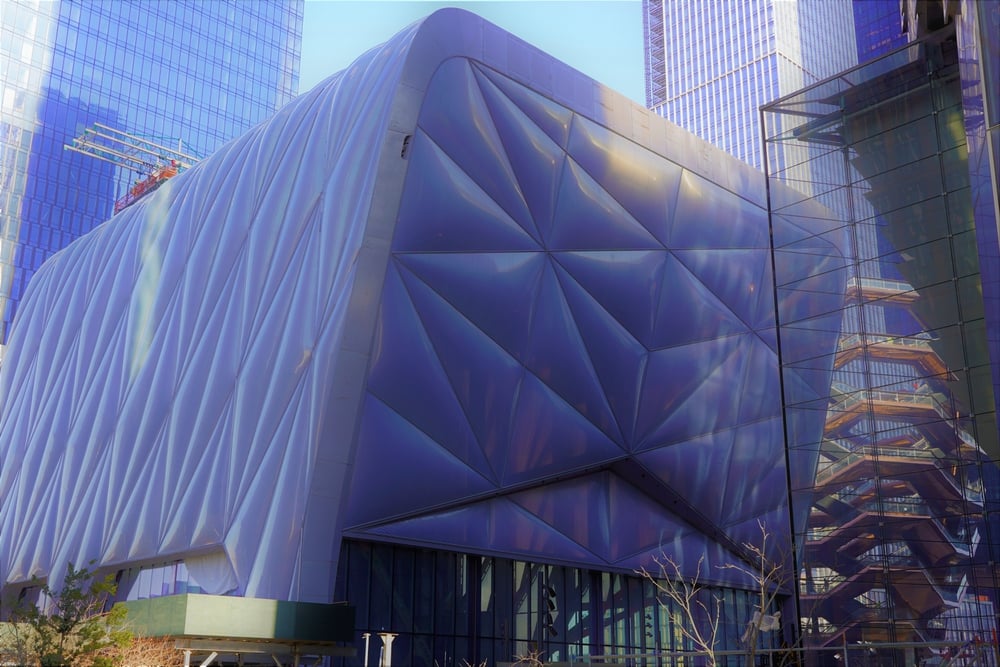
The Shed
— Photo by MrNikolay
New York’s cultural venue features a massive movable shell that can telescope in and out depending on programming needs and seasonal weather conditions. During harsh winter months — the shell provides complete protection, while summer events might use the open configuration to blur indoor and outdoor boundaries. The building’s form literally adapts to seasonal usage patterns.
Hygroscope Meteorosensitive Pavilion

This experimental structure uses natural wood veneer that curls and straightens based on humidity levels that change dramatically with seasons. The pavilion’s shape transforms from open and airy during dry winter months to more closed and protective during humid summer periods. The building responds purely through material properties without any mechanical intervention.
Kiefer Technic Showroom

Austria’s Kiefer Technic building features a facade of metal louvers that automatically adjust their angle throughout the day and seasons. Winter positioning allows maximum solar gain for heating, though summer angles provide optimal shading. The building’s exterior appearance changes constantly as these thousands of individual elements respond to seasonal sun angles.
Living Machine
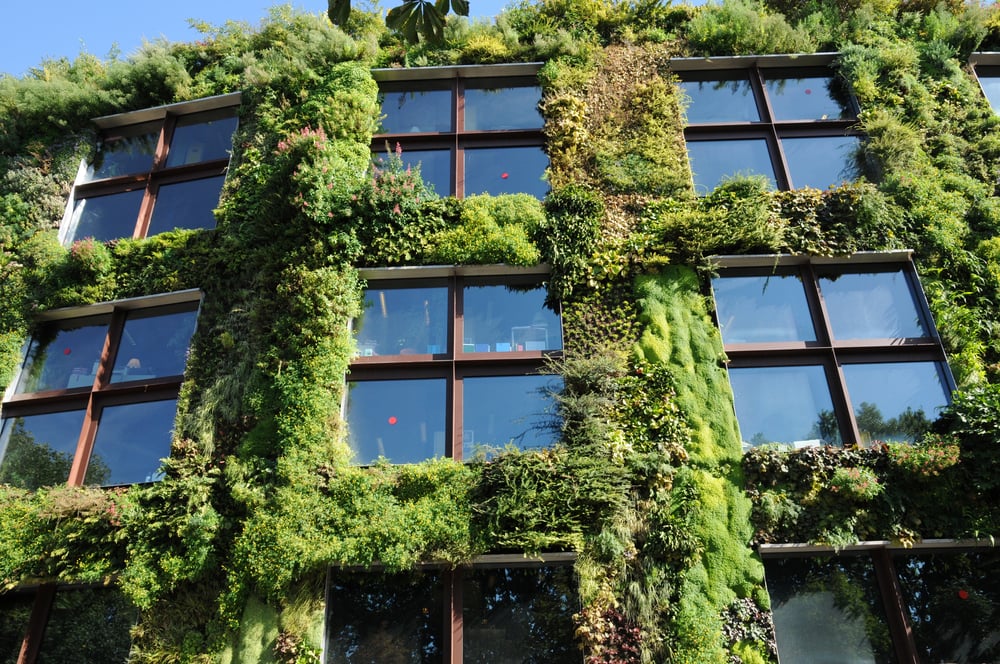
This bio-responsive building concept incorporates living plants directly into its structural system, creating walls that literally grow and change with seasonal cycles. The vegetation becomes lush and full during growing seasons yet appears more sparse in winter months. The building’s thermal properties and appearance transform naturally with these biological rhythms.
Flare Solar System
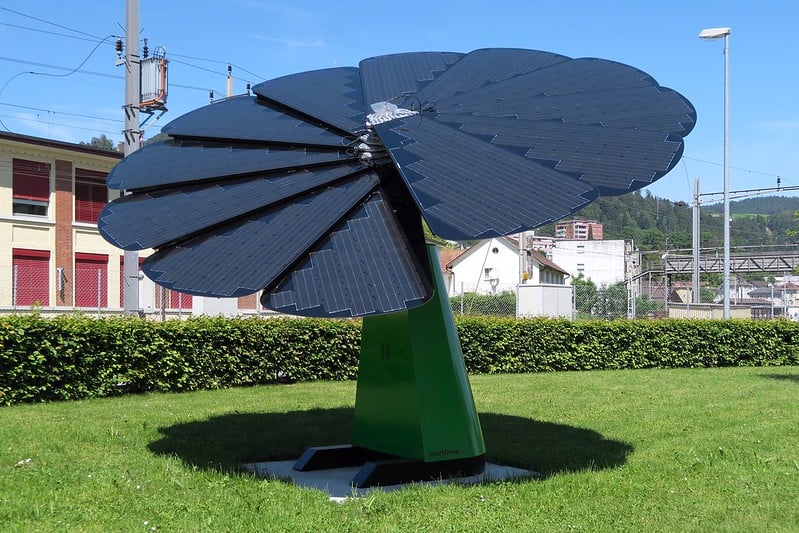
The Netherlands’ Flare building features flower-like solar collectors that track the sun’s movement and change their configuration based on seasonal sun angles. During summer’s high sun, the collectors spread wide like blooming flowers, while winter’s low sun causes them to orient more vertically. The building’s energy generation and visual appearance shift dramatically with these seasonal movements.
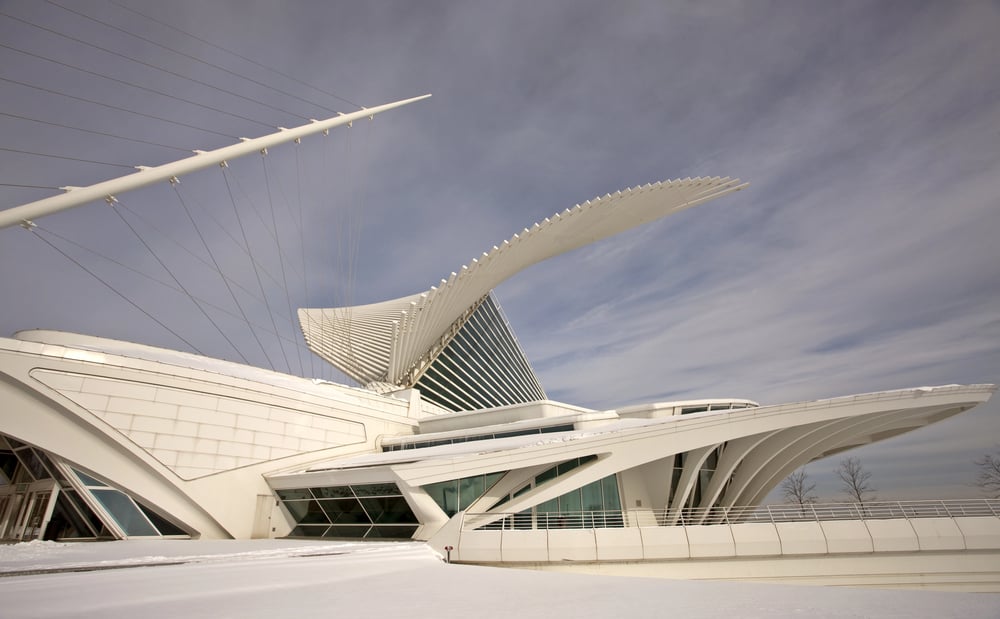
Milwaukee Art Museum
— Photo by pictureguy
The museum’s famous Burke Brise Soleil wing system opens and closes like enormous bird wings in response to wind conditions and seasonal weather patterns. During winter storms, the wings remain closed for protection, though calm summer days see them spread wide. The building’s iconic silhouette changes dramatically as these massive mechanical wings respond to seasonal conditions.
Nature’s Blueprint in Steel and Glass
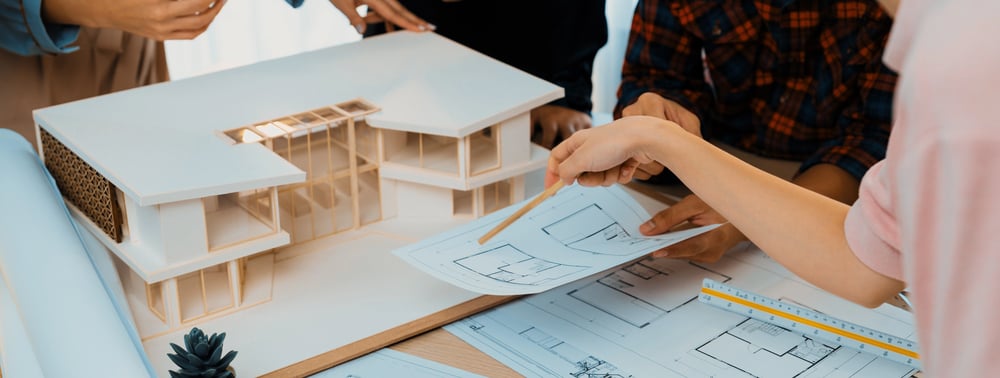
These shape-shifting buildings represent a fundamental change in how we think about architecture’s relationship with the environment. Rather than fighting against seasonal changes, these structures embrace nature’s rhythms and use them as design opportunities. They prove that buildings can be both high-tech and harmonious with natural cycles. As climate challenges grow more pressing, this adaptive approach offers a glimpse into architecture’s future where buildings work with the seasons rather than against them.
More from Go2Tutors!

- 16 Historical Figures Who Were Nothing Like You Think
- 12 Things Sold in the 80s That Are Now Illegal
- 15 VHS Tapes That Could Be Worth Thousands
- 17 Historical “What Ifs” That Would Have Changed Everything
- 18 TV Shows That Vanished Without a Finale
Like Go2Tutors’s content? Follow us on MSN.