16 Legendary Army Forts and Their Stories
America’s military history comes alive through the weathered walls and ramparts of its historic forts. These strongholds witnessed pivotal moments that shaped the nation, from colonial settlements defending against native raids to massive coastal fortresses guarding against foreign invasion.
Each fort tells a unique story of courage, strategy, and sacrifice that helped forge the United States we know today.From the rocky shores of New England to the desert landscapes of the Southwest, these legendary outposts served as the backbone of American defense for centuries.
Here is a list of 16 remarkable army forts and the compelling stories behind their creation and legacy.
Fort McHenry
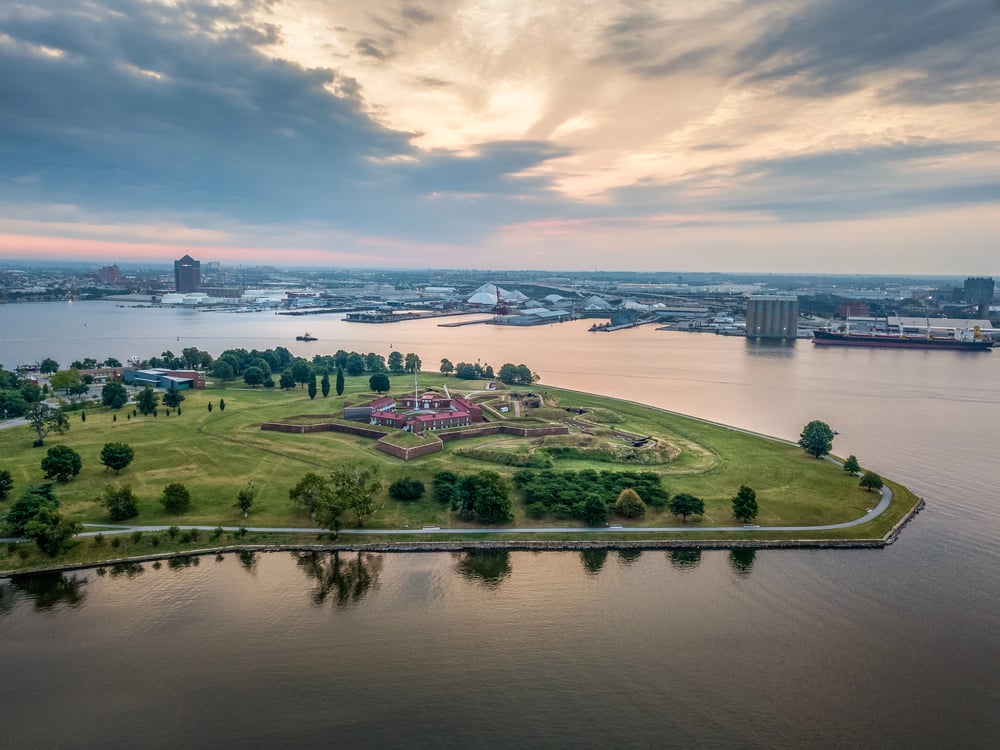
This star-shaped fortress in Baltimore Harbor earned its place in American legend during the War of 1812. When British warships bombarded the fort for 25 hours straight in September 1814, Major George Armistead’s garrison held firm against the relentless assault.
The sight of the massive American flag still flying over the ramparts at dawn inspired Francis Scott Key to pen the words that became our national anthem, ‘The Star-Spangled Banner.’
Fort Sumter
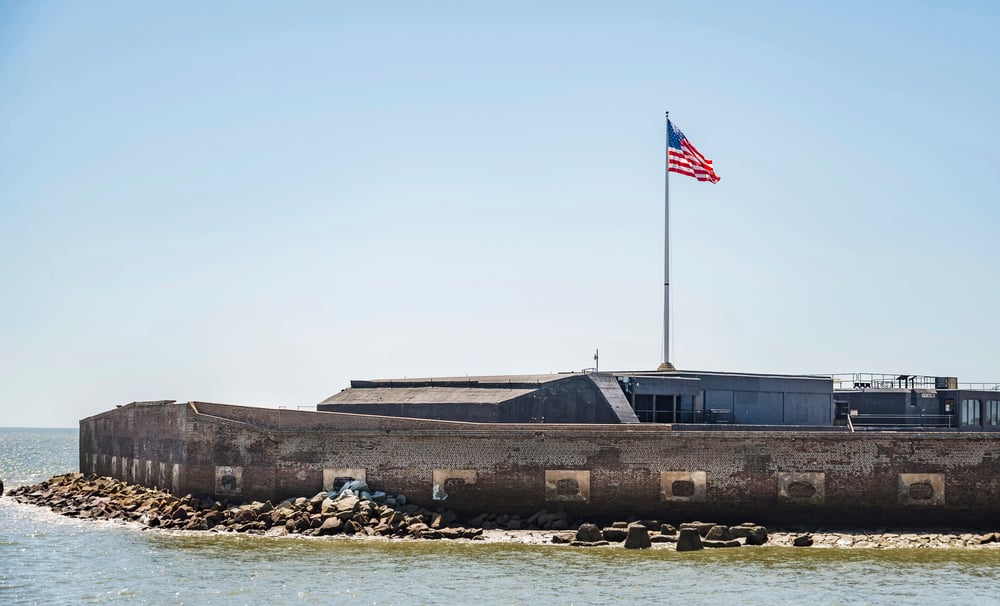
The first shots of the Civil War rang out from this Charleston Harbor fortress on April 12, 1861. Confederate forces under General P.G.T. Beauregard bombarded the federal garrison commanded by Major Robert Anderson, who had retreated there as South Carolina seceded.
After 34 hours of shelling, Anderson surrendered the fort, marking the beginning of America’s bloodiest conflict that would rage for four long years.
Fort Independence
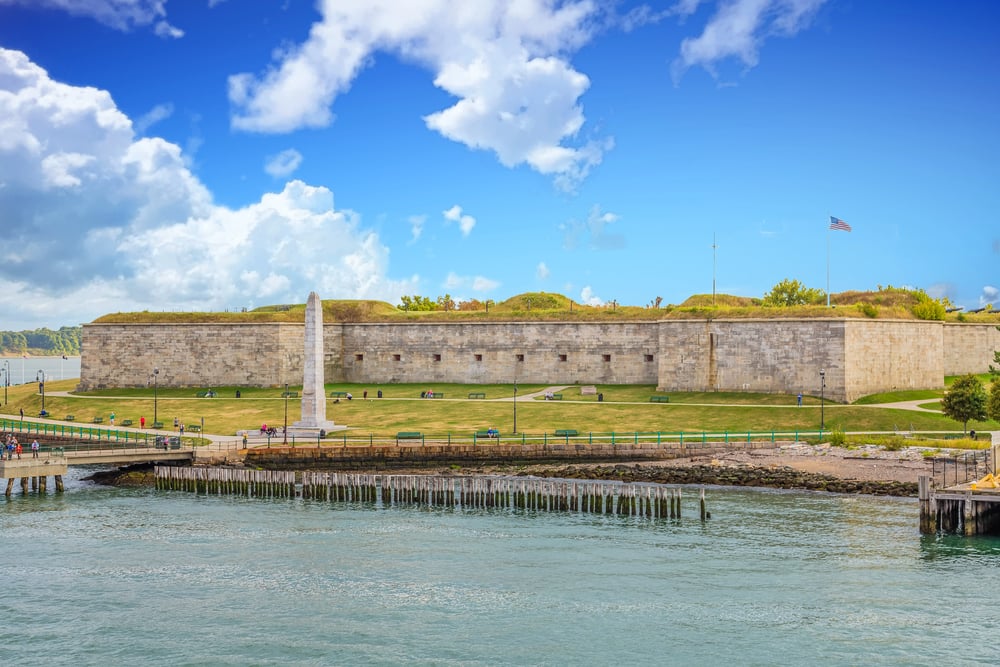
Standing on Castle Island in Boston Harbor since 1634, this location holds the distinction of being the oldest continuously fortified site of English origin in America. The current granite star fort was built between 1833 and 1851, replacing earlier structures that defended the colonial port.
Edgar Allan Poe was stationed here as a young soldier in 1827, and some say the fortress inspired elements of his famous short story ‘The Cask of Amontillado.’
Fort Ticonderoga
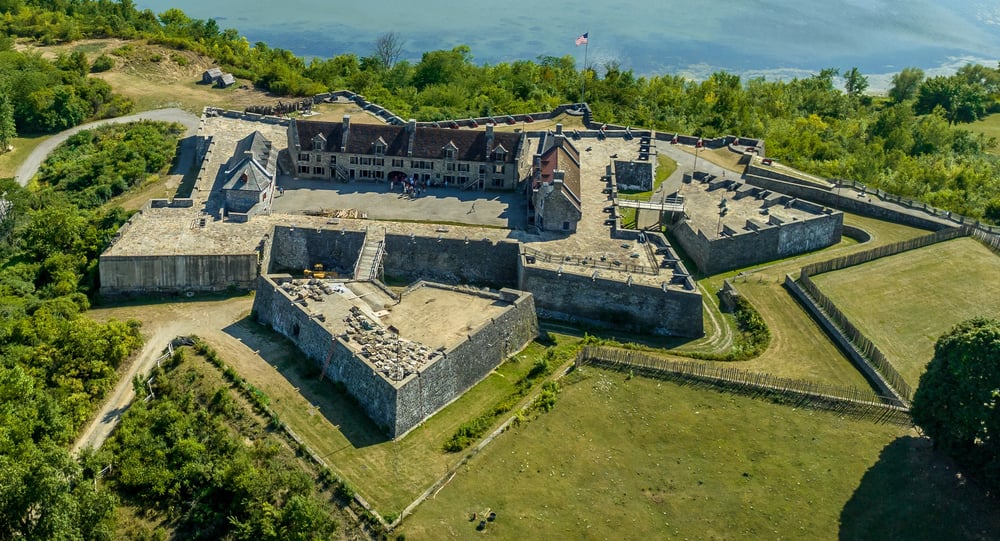
Perched on a bluff overlooking Lake Champlain, this strategic fortress controlled the vital water route between Canada and the American colonies. Ethan Allen and his Green Mountain Boys captured it from the British in May 1775, providing the Continental Army with much-needed cannons that were later dragged to Boston.
The young Henry Knox’s winter journey transporting these guns through the wilderness became one of the Revolutionary War’s most remarkable logistical achievements.
The Alamo
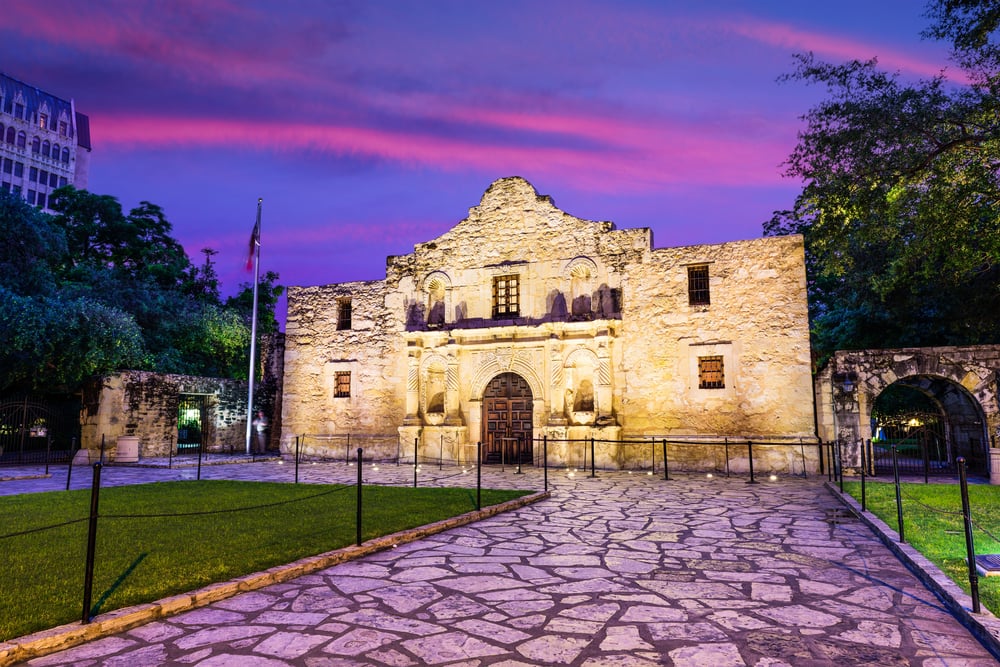
Originally built as Mission San Antonio de Valero in 1718, this Spanish mission was converted into a military fortress. The most famous chapter in its history unfolded during the Texas Revolution when 189 defenders, including Davy Crockett and Jim Bowie, made their legendary last stand against Santa Anna’s army in March 1836.
Though the battle was lost, the cry ‘Remember the Alamo!’ became the rallying call that led to Texas independence.
Fort Knox
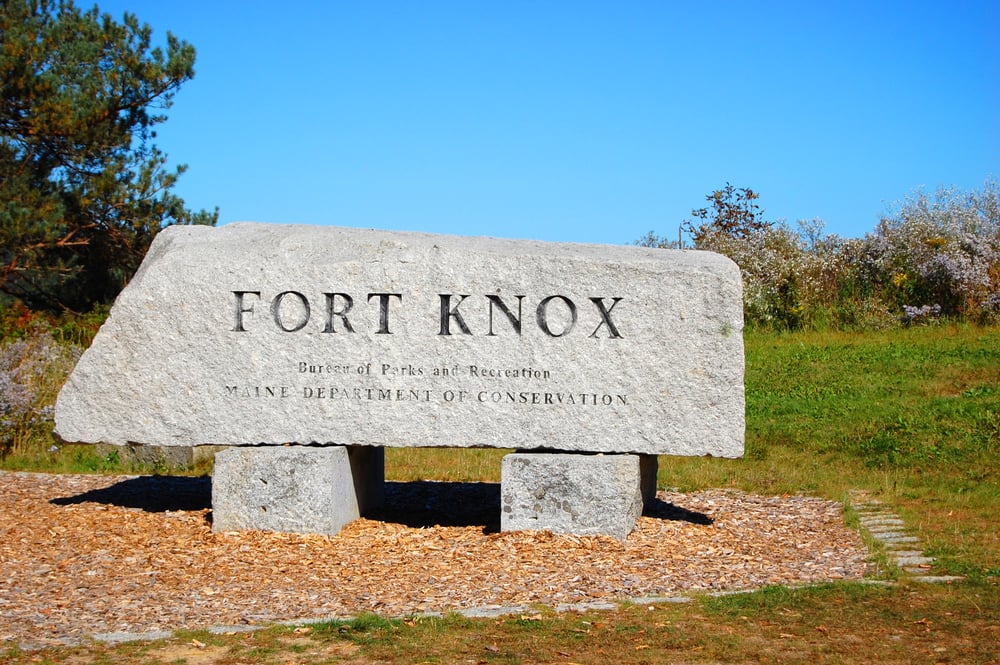
No, not the gold repository, but the original Fort Knox built between 1844 and 1869 to guard the Penobscot River in Maine. This massive granite fortress represents the pinnacle of coastal defense engineering from the mid-19th century.
Its distinctive architecture features curved walls designed to deflect incoming artillery shells, and its underground chambers could house a garrison of 500 soldiers during wartime.
Fort Apache
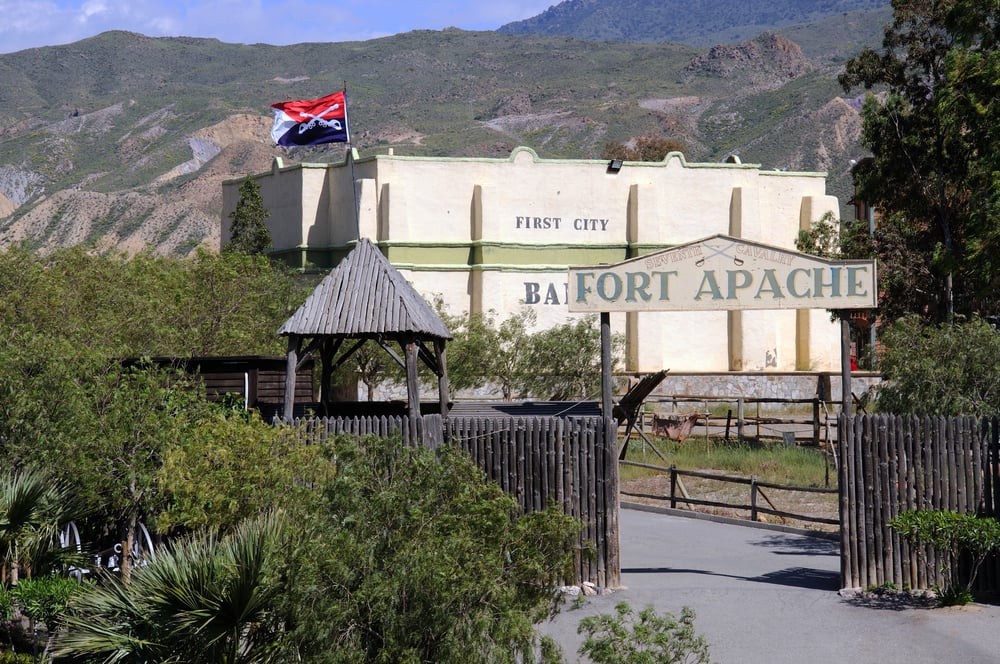
Established in 1870 in the rugged mountains of eastern Arizona, this frontier outpost played a crucial role during the Apache Wars. The fort served as headquarters for military operations against Geronimo and other Apache leaders who resisted forced relocation to reservations.
The harsh desert conditions and constant threat of attack made life at Fort Apache one of the most challenging assignments in the U.S. Army’s frontier service.
Fort Laramie
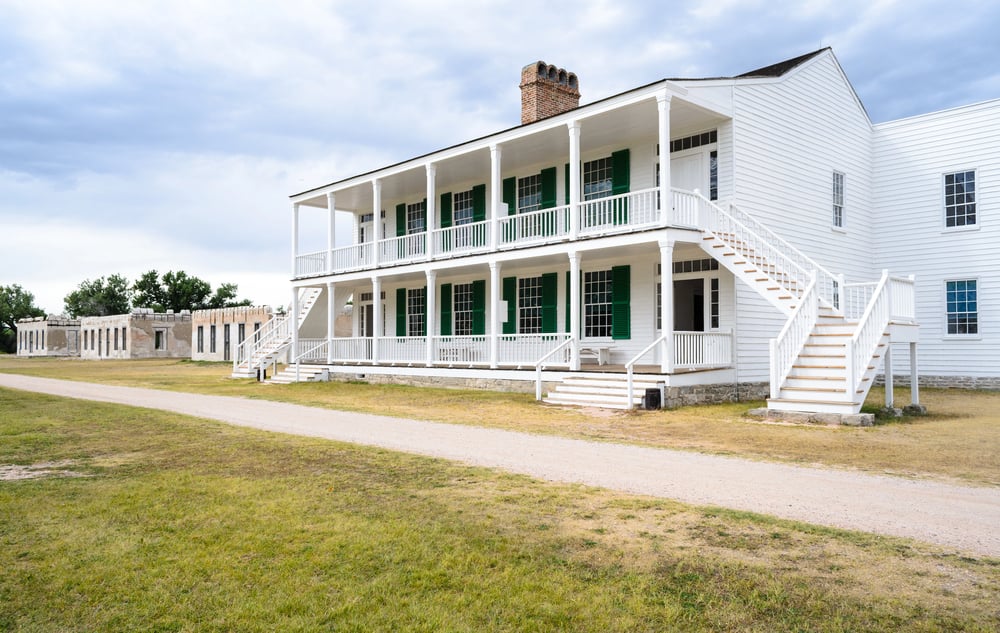
Built along the Oregon Trail in 1834 as a fur trading post, Fort Laramie became a vital way station for thousands of westward-bound pioneers. The fort later served as an army post protecting wagon trains and played host to important treaty negotiations with Plains Indian tribes.
Its strategic location made it a crossroads of American expansion, witnessing both the hopes of settlers and the struggles of displaced Native American peoples.
Fort Jefferson

This massive hexagonal fortress sits on a remote island in the Dry Tortugas, 70 miles west of Key West. Built to control the Florida Straits during the Civil War era, Fort Jefferson earned the nickname ‘America’s Devil’s Island’ when it served as a military prison.
Its most famous prisoner was Dr. Samuel Mudd, who treated John Wilkes Booth’s broken leg after Lincoln’s assassination.
Fort Niagara
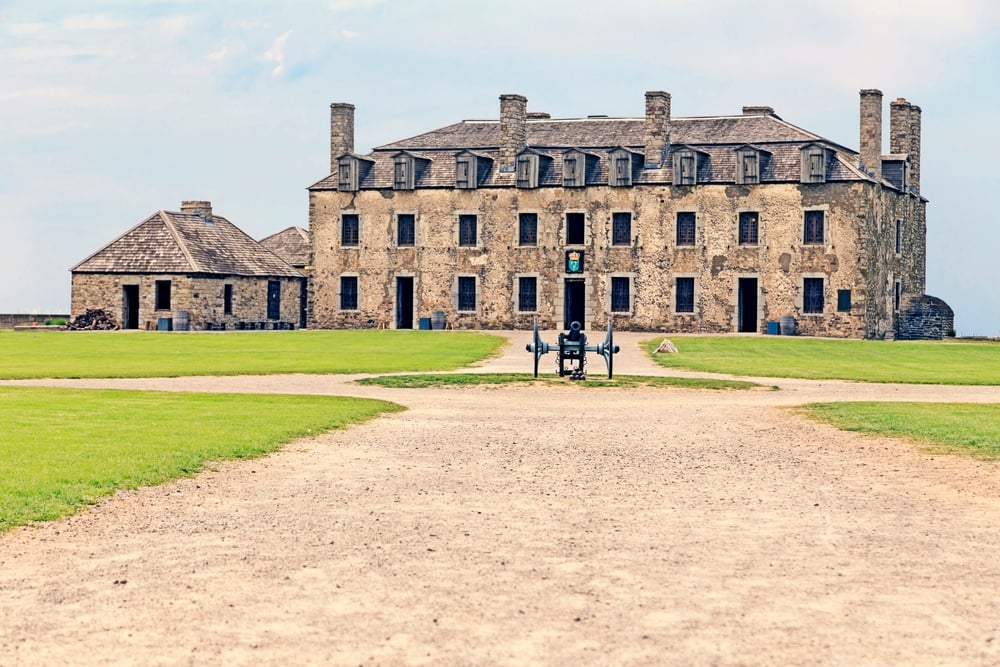
Commanding the mouth of the Niagara River since 1726, this fortress changed hands between French, British, and American forces multiple times. The stone castle at its heart is one of the oldest buildings in the Great Lakes region.
During the War of 1812, British forces launched their successful assault on Washington D.C. partly from this strategic base, making it a thorn in America’s side for decades.
Fort Union
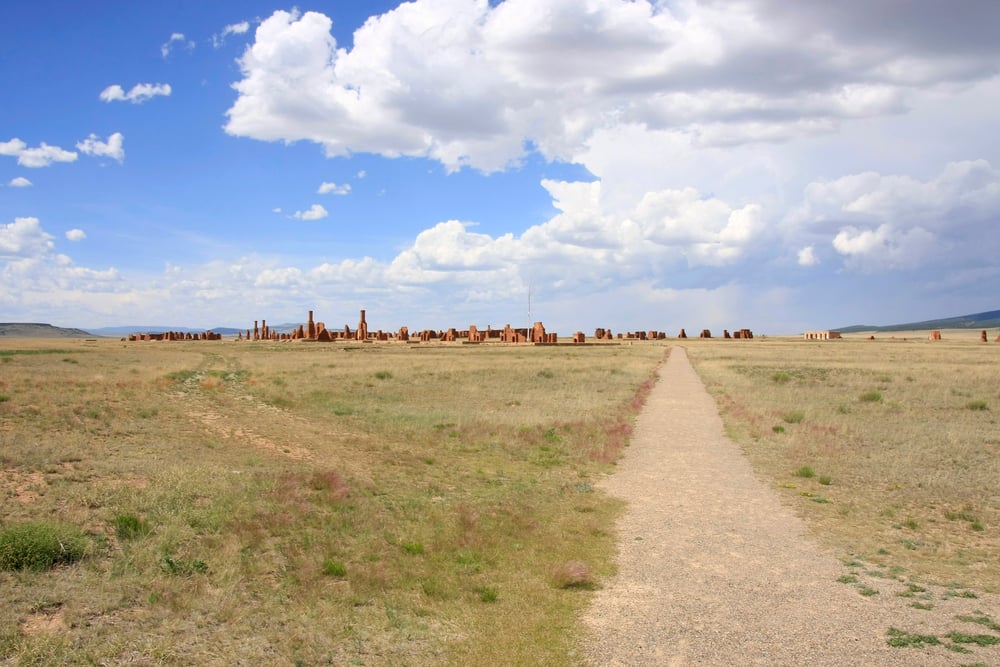
Three different forts bearing this name stood in New Mexico between 1851 and 1891, serving as the military headquarters for the entire Southwest. The second Fort Union’s star-shaped earthworks helped defeat Confederate forces advancing from Texas during the Civil War.
Later, the third fort became the largest military depot in the region, supplying dozens of smaller outposts scattered across the frontier.
Fort Pulaski
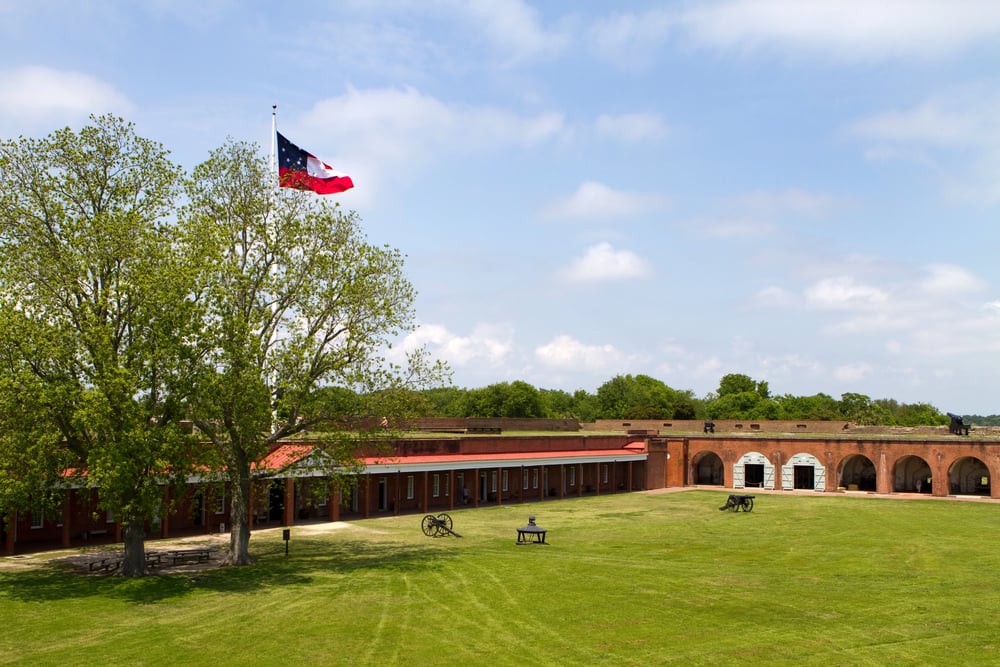
This imposing brick fortress guarded the approach to Savannah, Georgia, and became a proving ground for new military technology during the Civil War. When Union forces bombarded it with rifled cannons in April 1862, the devastating effect on its supposedly impregnable walls marked the end of the era of masonry fortifications.
The successful siege demonstrated that new artillery could breach any traditional fort design.
Fort Stevens
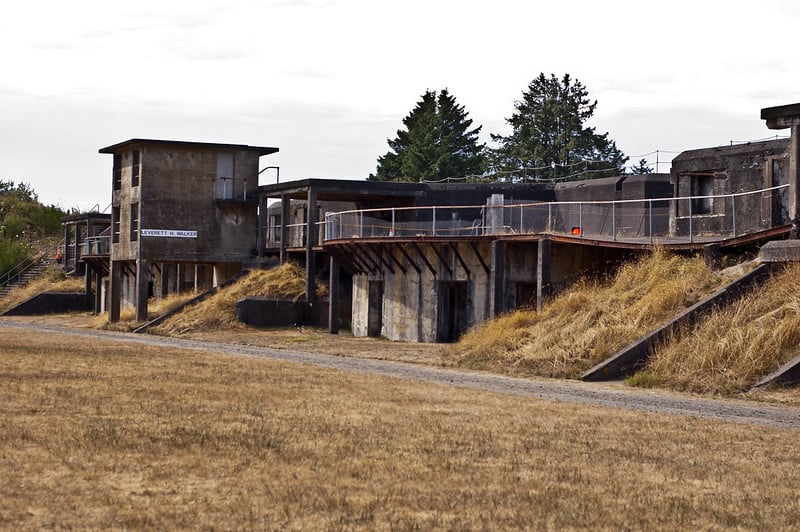
Built to defend Washington D.C. during the Civil War, this earthwork fortress was the site of the only Civil War battle fought within the current boundaries of the District of Columbia. In July 1864, Confederate General Jubal Early’s forces advanced to within sight of the Capitol before being repelled.
President Abraham Lincoln himself came under enemy fire while observing the battle from the fort’s ramparts.
Fort Mifflin
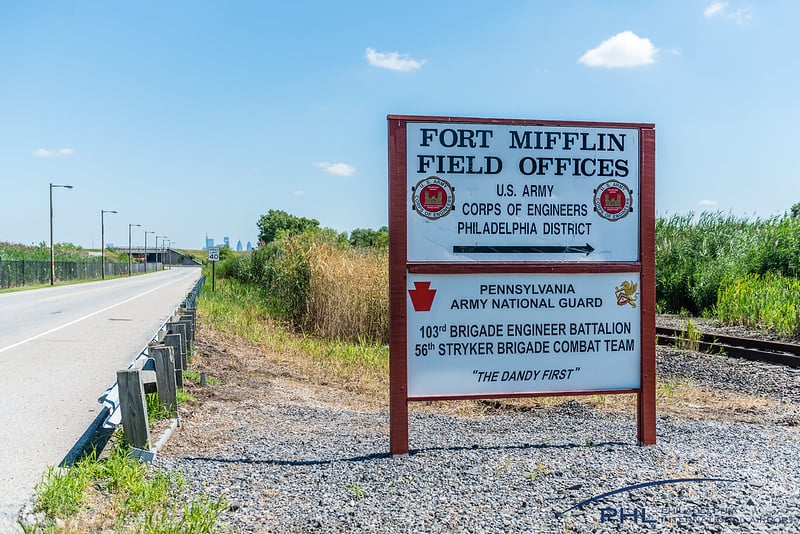
Known as ‘the fort that saved America,’ this Delaware River fortress endured one of the longest bombardments in military history during the Revolutionary War. For 40 days in 1777, the small garrison held out against British warships and land batteries, buying precious time for Washington’s army to reach winter quarters at Valley Forge.
The fort’s heroic defense prevented the British from cutting off supplies to the Continental Army.
Fort Wagner

This Confederate earthwork fortress on Morris Island, South Carolina, became famous for the courageous assault by the 54th Massachusetts Infantry Regiment in July 1863. The all-black regiment’s charge against the fort’s walls, though unsuccessful, proved the valor of African American soldiers and helped change attitudes about military service.
The story of their sacrifice was later immortalized in the film ‘Glory.’
Fort Davis
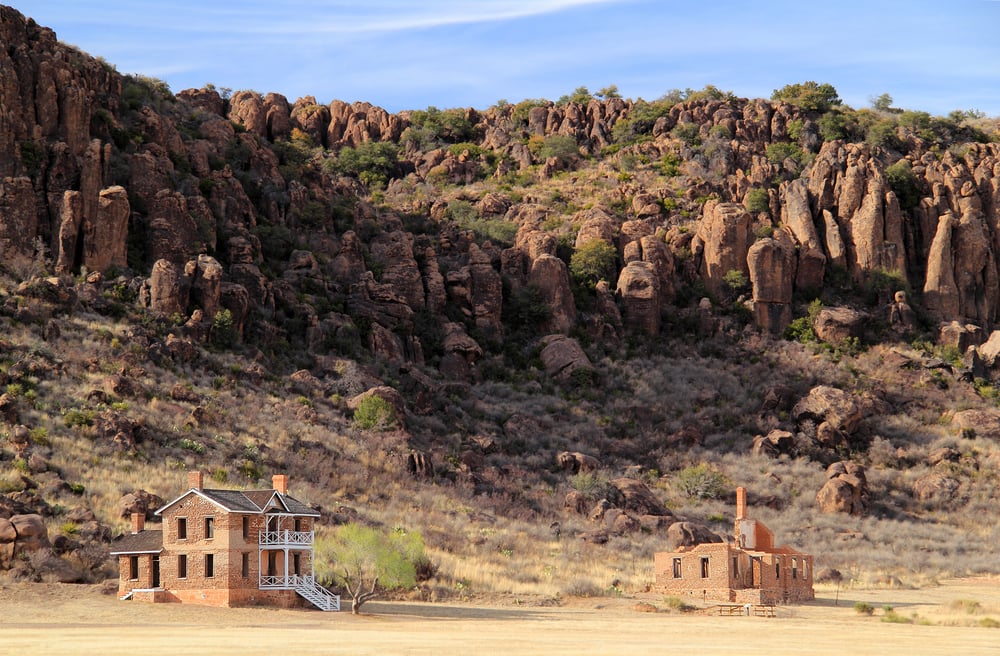
Perched high in the Chihuahuan Desert of West Texas, this frontier post protected travelers on the San Antonio-El Paso road from Apache and Comanche raids. The fort’s remote location and harsh climate made it one of the most isolated assignments in the army.
Buffalo Soldiers of the 9th and 10th Cavalry regiments served here with distinction, earning respect from both their officers and their adversaries.
Where History Still Stands
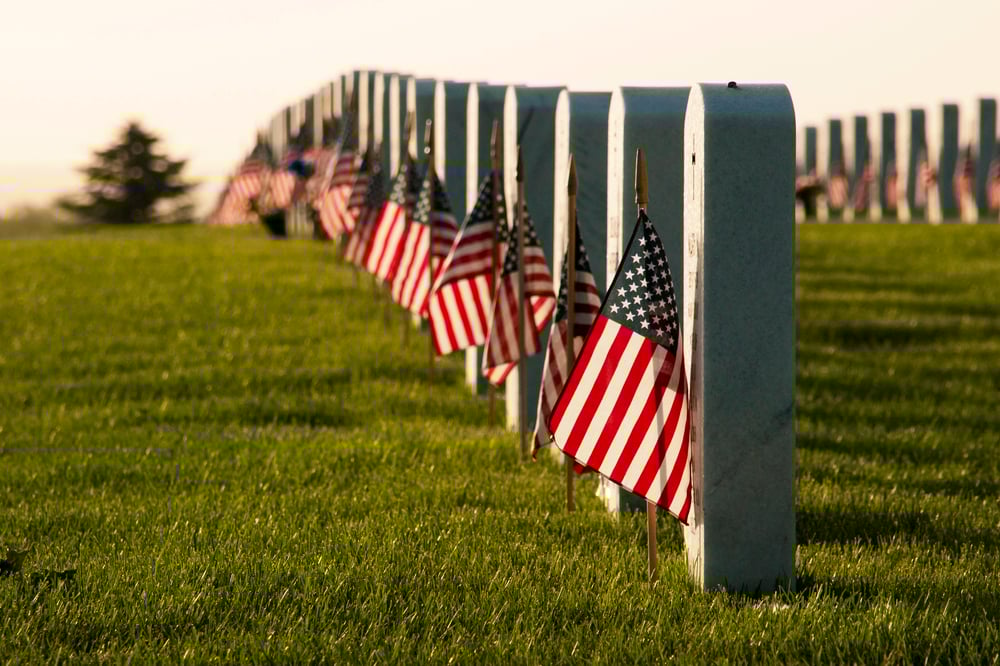
These legendary forts remind us that American history isn’t just found in books but carved into stone and earth across our landscape. Many have been preserved as national monuments and state parks, allowing visitors to walk the same ground where soldiers once stood guard.
Their stories of courage, sacrifice, and determination continue to inspire new generations, proving that some walls are built not just to defend territory, but to protect the ideals that define a nation. Whether crumbling ruins or fully restored monuments, these fortresses remain powerful symbols of the price of freedom and the enduring strength of the American spirit.
More from Go2Tutors!

- The Romanov Crown Jewels and Their Tragic Fate
- 13 Historical Mysteries That Science Still Can’t Solve
- Famous Hoaxes That Fooled the World for Years
- 15 Child Stars with Tragic Adult Lives
- 16 Famous Jewelry Pieces in History
Like Go2Tutors’s content? Follow us on MSN.



