Photos Of Vintage Perfume Bottles Worth a Fortune
There’s something mesmerizing about stumbling across an old perfume bottle at an estate sale or tucked away in a dusty antique shop. The intricate glasswork, the faded labels, the way light catches the curves of crystal that once held someone’s signature scent.
What many people don’t realize is that some of these forgotten treasures are worth serious money. Collectors around the world pay thousands, sometimes tens of thousands, for the right vintage bottle.
The perfume inside might be long gone, but the artistry and history captured in glass can be worth a fortune.
Lalique Art Nouveau Bottles
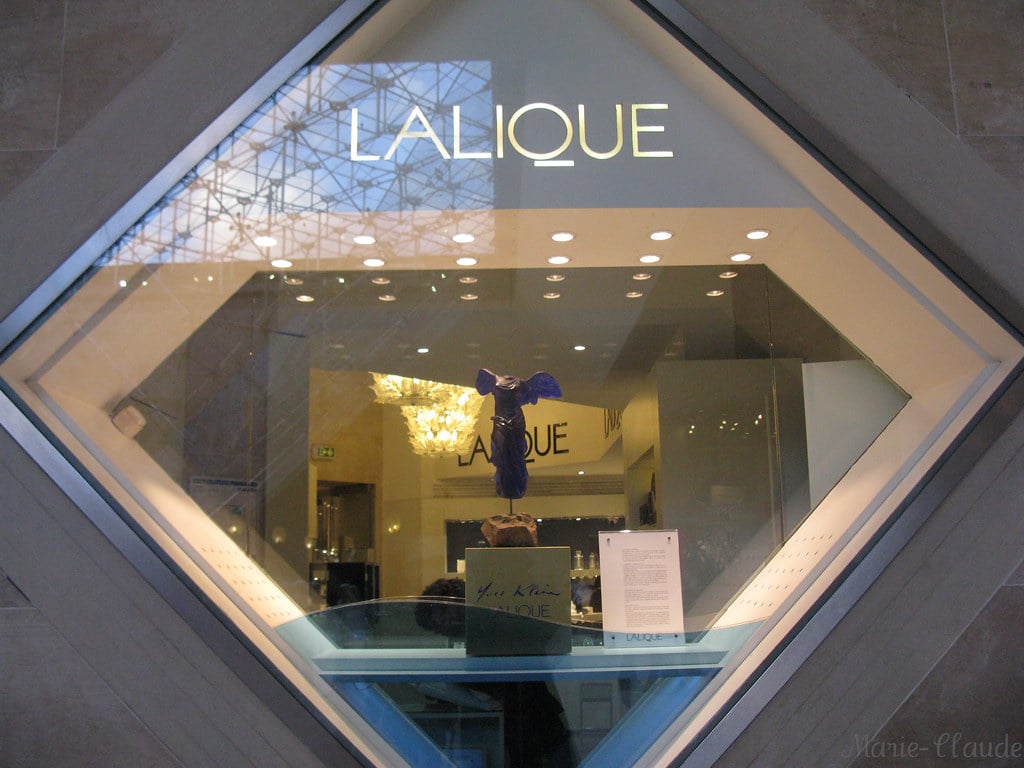
These bottles don’t mess around. René Lalique created perfume bottles that were essentially glass sculptures with a practical purpose.
His work from the early 1900s commands astronomical prices at auction.
Baccarat Crystal Bottles For Guerlain
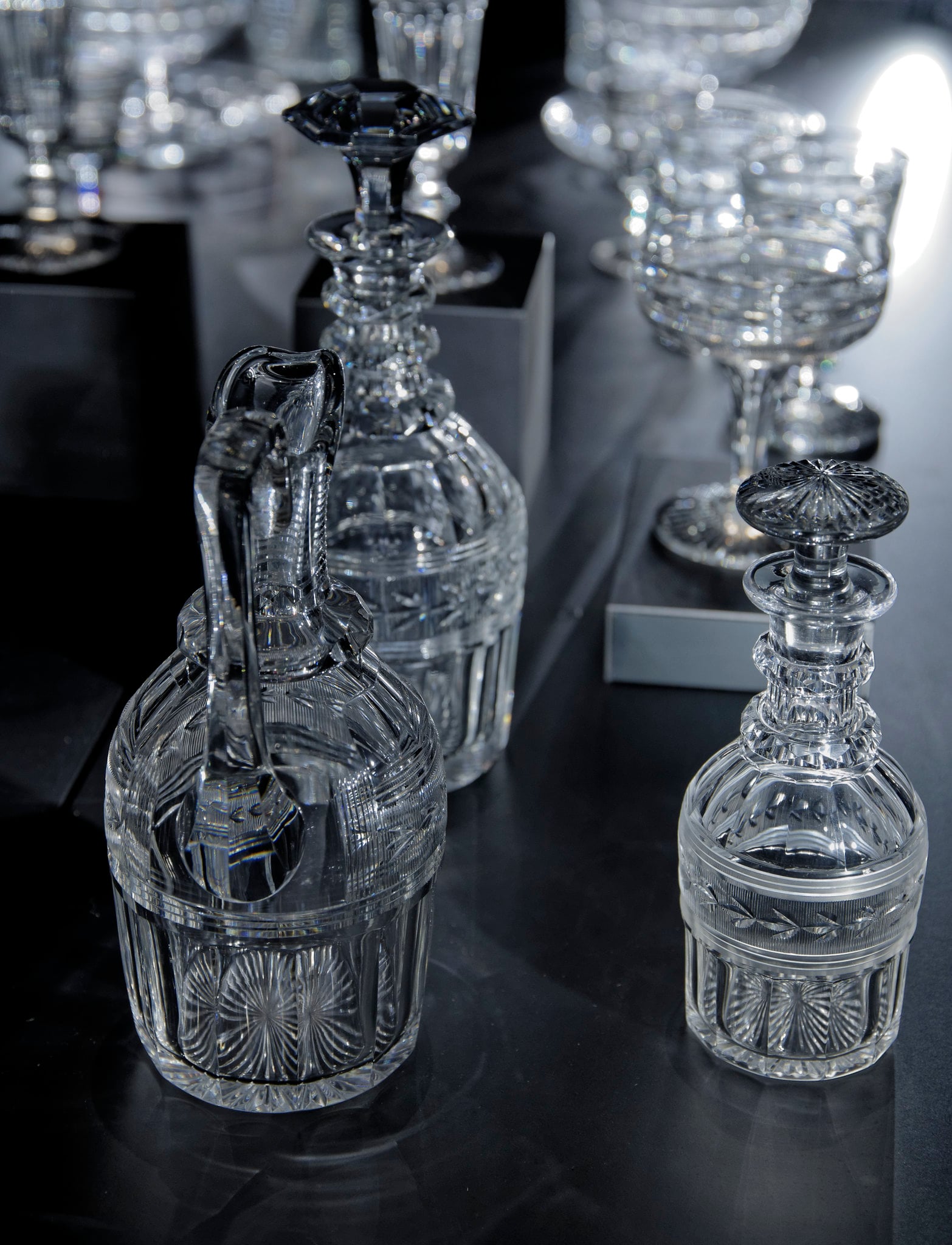
You’re looking at perfume bottles that blur the line between fragrance vessel and museum piece (and honestly, that’s exactly what Baccarat intended when they started crafting these crystal masterpieces for Guerlain in the mid-1800s).
The French crystal house didn’t just make containers — they created what amounts to liquid architecture, where each facet catches light in ways that make the perfume inside seem almost secondary to the experience.
But here’s where it gets interesting: some of these early collaborations, particularly the ones from the 1860s and 1870s, weren’t produced in large quantities because crystal cutting was still largely done by hand, which meant each piece took considerably longer to complete than anyone today would have patience for.
Worth the wait, clearly.
So when you find an authentic Baccarat bottle for Guerlain’s early fragrances, you’re not just holding a perfume container.
You’re holding a piece of glassmaking history that happened to smell incredible.
Chanel No. 5 Original Bottles
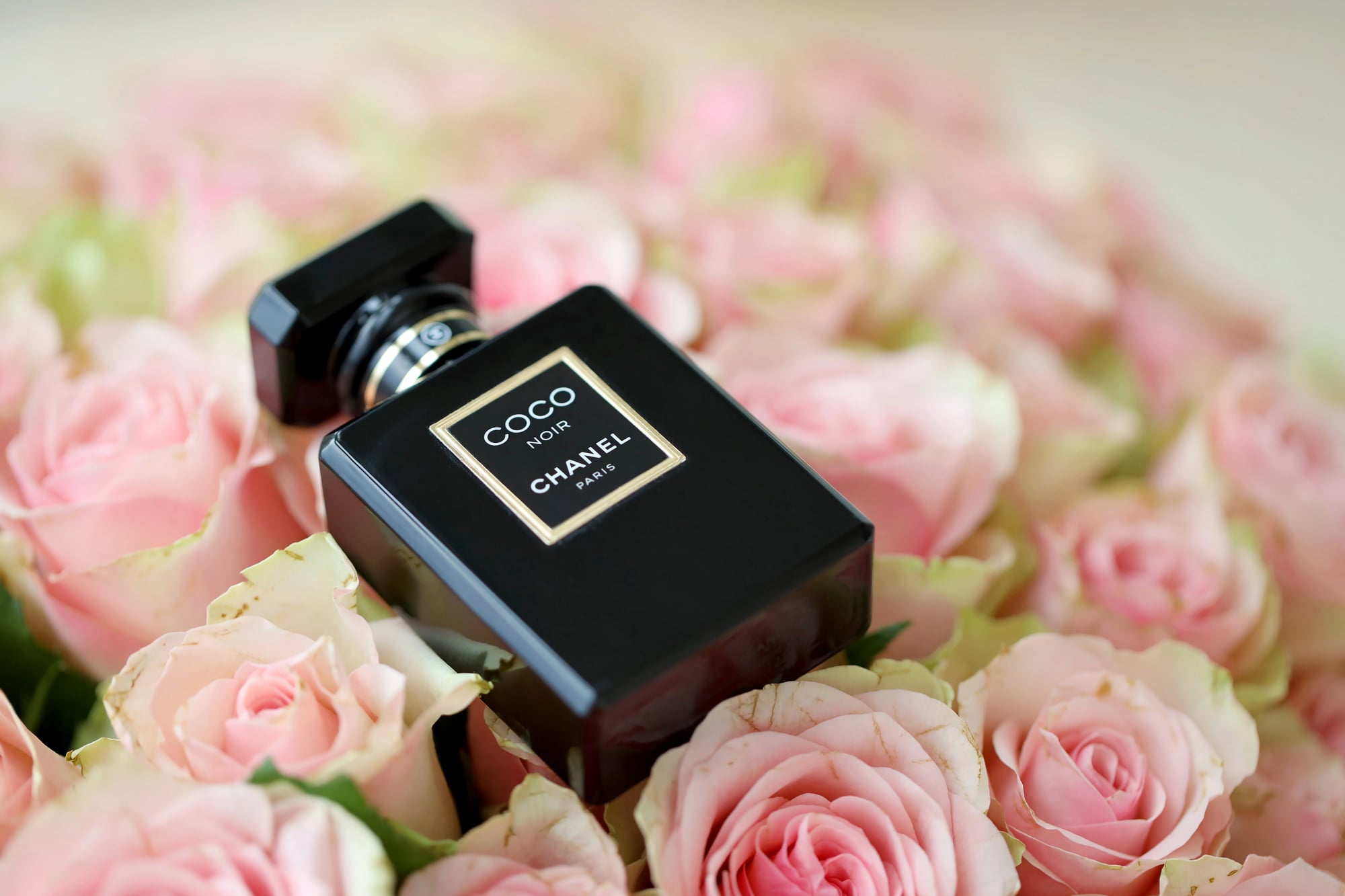
The first bottles of Chanel No. 5 were studies in deliberate restraint. Coco Chanel wanted something that looked more like a whiskey decanter than the ornate, flowery bottles that dominated perfume counters in 1921.
The bottle was supposed to disappear, to let the fragrance speak for itself.
That austere approach created something unexpectedly timeless.
The geometric lines, the simple rectangular stopper, the complete absence of unnecessary decoration — it was perfume minimalism decades before minimalism had a name.
Original bottles from the 1920s, especially the larger sizes, carry price tags that would make even serious collectors pause.
The irony isn’t lost: a bottle designed to be unremarkable became one of the most recognizable silhouettes in luxury goods.
Coty L’Origan Bottles By René Lalique
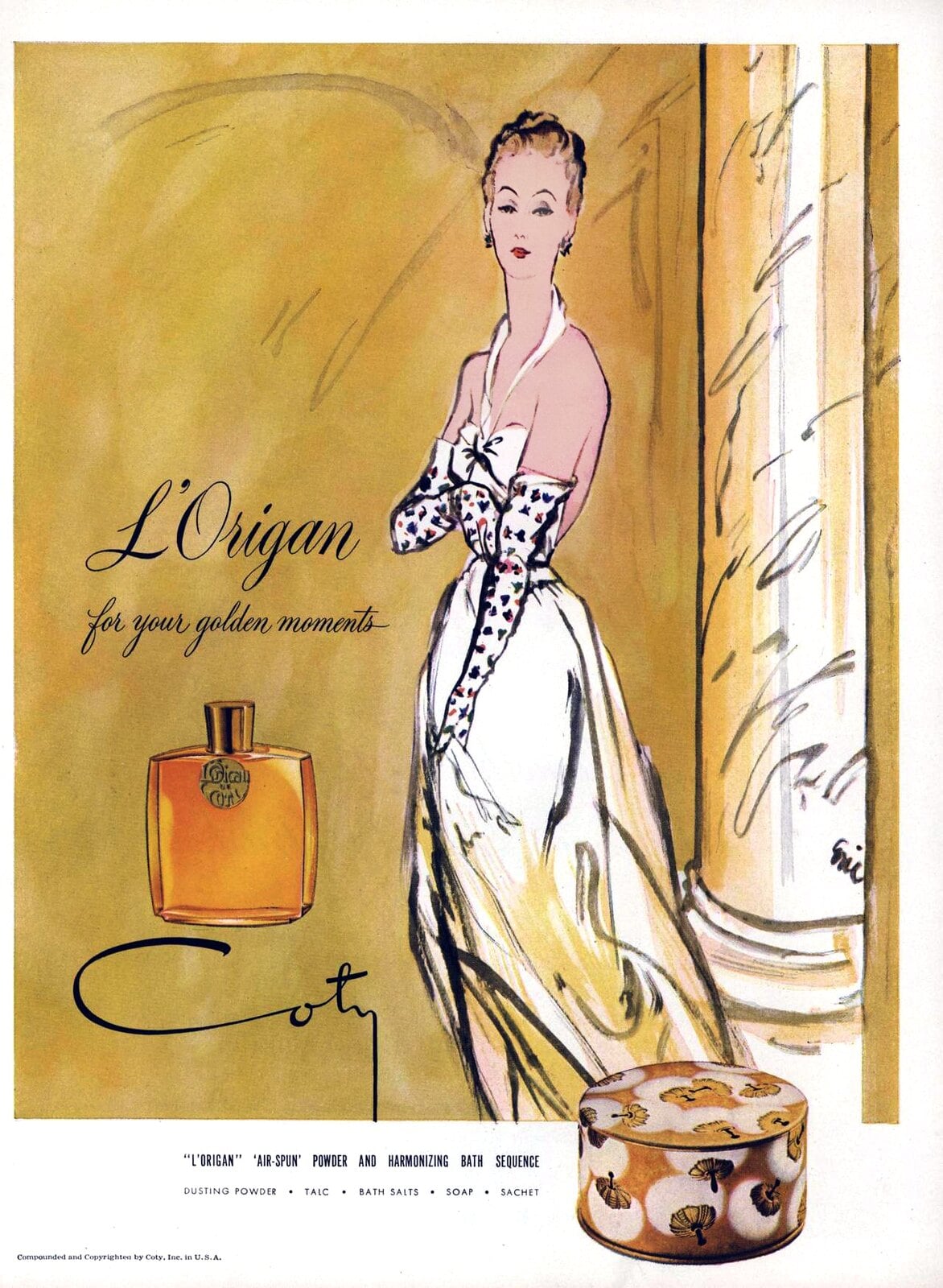
Coty knew what they were doing when they commissioned Lalique. These bottles from 1905 onward weren’t just containers — they were advertising made tangible.
Smart business.
Guerlain Shalimar Bottles
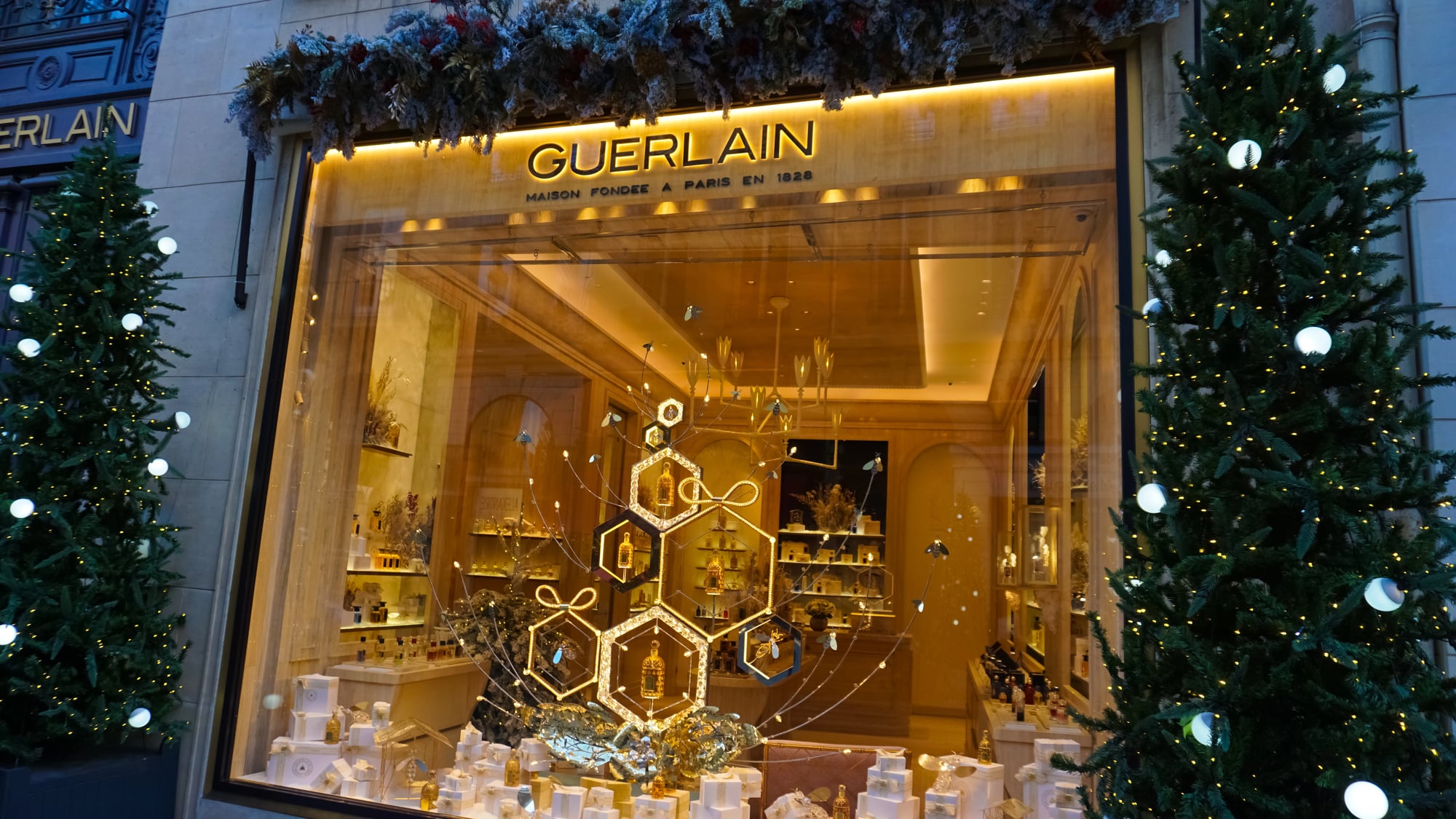
The original Shalimar bottles were designed to echo the fountains at the Taj Mahal. Guerlain wasn’t being subtle about the inspiration — this was luxury with a story attached, and collectors pay accordingly.
Schiaparelli Shocking Pink Bottles
Here’s the thing about Elsa Schiaparelli: she understood that shock value could be sophisticated if you executed it correctly (and she had the artistic background to pull it off, having worked alongside surrealists like Salvador Dalí, who influenced more than just her clothing designs).
Her “Shocking” perfume bottle, shaped like a woman’s torso and cast in her signature bright pink, should have been a gimmick that aged poorly, but instead it became one of the most sought-after collectibles in vintage perfume — which says something about the difference between calculated provocation and genuine artistic vision, though the line between those two things was always blurrier in Schiaparelli’s work than most people cared to admit.
But that’s precisely why it worked.
And here’s what’s particularly fascinating: the bottles were produced in different sizes, and the smaller ones, which you’d think would be worth less, sometimes command higher prices because fewer people saved them.
Go figure.
Art Deco Czech Perfume Bottles
Between the wars, Czechoslovakian glassmakers created perfume bottles that captured everything compelling about Art Deco design. These weren’t mass-market pieces — they were handcrafted works where geometric precision met an almost reckless use of color and pattern.
The glass itself seems to pulse with energy, all sharp angles and bold cuts that catch light like scattered jewels.
The bottles feel like they belong in a 1920s jazz club rather than on a vanity table.
They’re confident in a way that modern perfume bottles rarely manage, carrying themselves with the swagger of an era that believed tomorrow would always be more glamorous than today.
That optimism got frozen in glass, and collectors recognize it immediately.
Volnay Bottles

Volnay bottles are expensive because they’re rare. The French company produced intricate bottles in limited quantities before World War II disrupted everything.
Scarcity drives value.
Worth Je Reviens Bottles
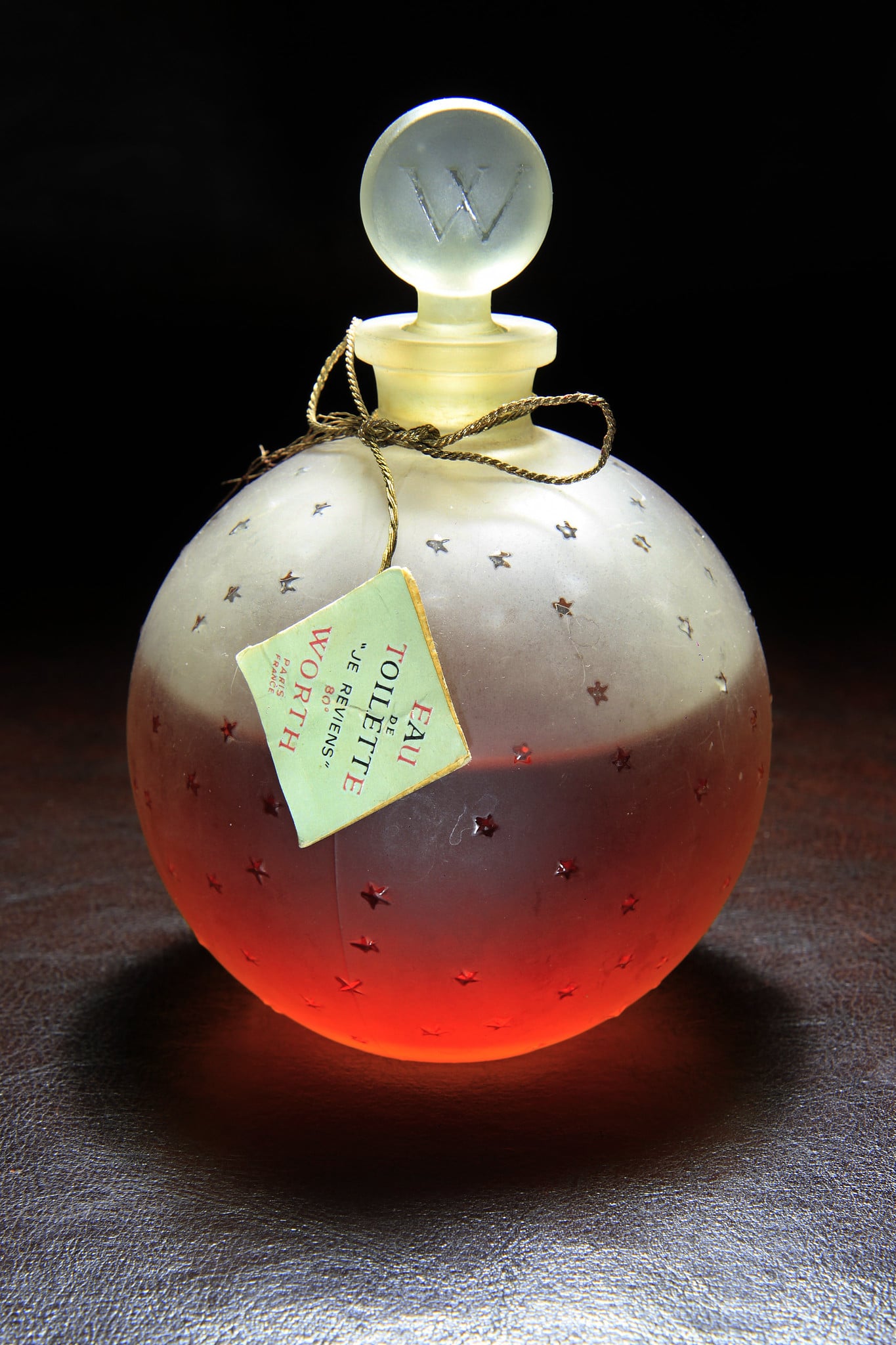
Je Reviens bottles from the 1930s were designed with an almost architectural sensibility. Worth understood that perfume bottles needed to feel substantial, weighty enough to justify the luxury inside them.
Molinard Bottles
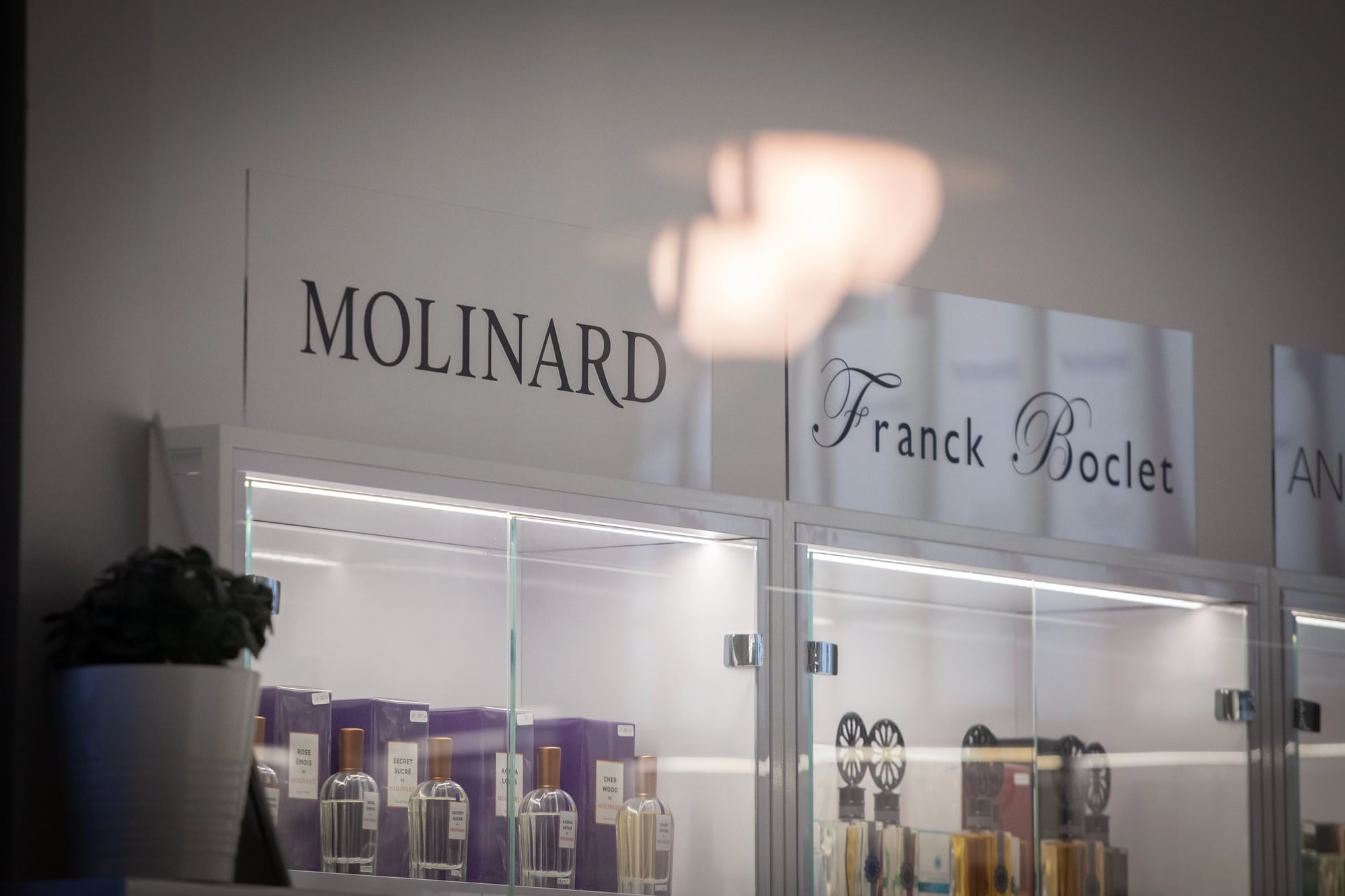
The thing about Molinard bottles is they never tried to compete with the flashier names in perfume (and this restraint, which might have hurt them commercially, ended up being exactly what serious collectors appreciate most about the brand’s aesthetic choices from the early to mid-20th century).
Their approach was quieter, more focused on craftsmanship than on making a statement — you can see it in the way they finished the glass, in the attention paid to proportions that feel just right in your hand, in design decisions that prioritize elegance over drama, which was a bold choice when everyone else seemed to be reaching for maximum visual impact.
So their bottles aged well.
And since Molinard wasn’t producing in the same quantities as the bigger houses, finding their vintage bottles in good condition requires patience.
The payoff, both aesthetically and financially, makes the search worthwhile.
D’Orsay Bottles
D’Orsay bottles represent perfume design before marketing departments took over. These were created when bottle design was still considered a craft rather than a branding exercise, and the difference shows in every detail.
Caron Bottles
Caron bottles were designed by Felicie Bergaud, one of the few women working in luxury packaging design during the early 1900s.
Her approach was distinctive — more architectural than decorative, with clean lines that aged better than many of her contemporaries’ work.
Houbigant Quelques Fleurs Bottles
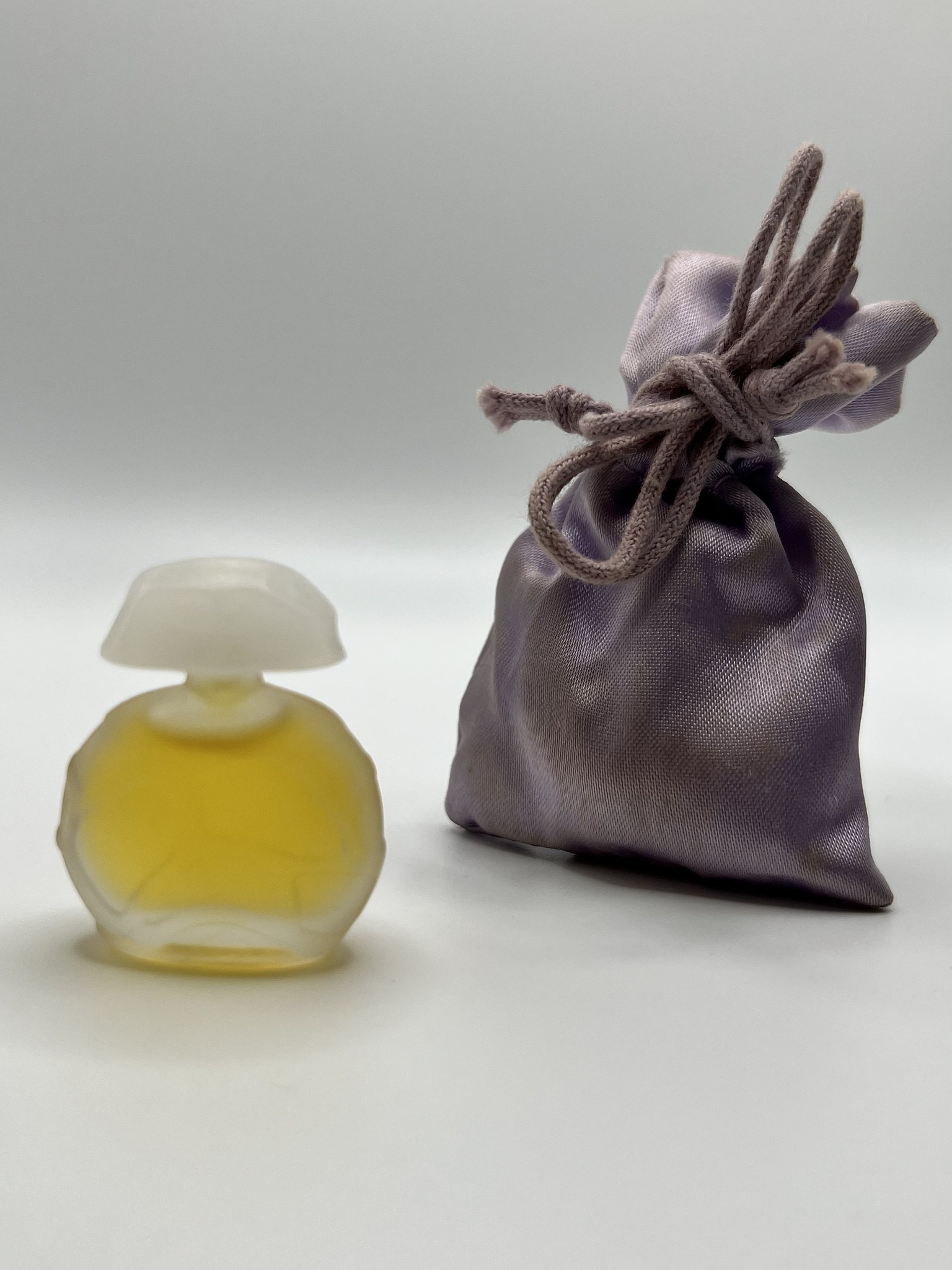
Some bottles become valuable because they represent a specific moment in perfume history. Quelques Fleurs, launched in 1912, was one of the first true multi-floral fragrances, and its bottles carry the weight of that innovation.
The early bottles were substantial, made from heavy glass with intricate stoppers that required real skill to manufacture.
Houbigant wasn’t cutting corners on presentation, and collectors today appreciate that commitment to quality.
These bottles feel important in your hand — which, considering what they represent in perfume development, seems appropriate.
Bottles That Transcend Time
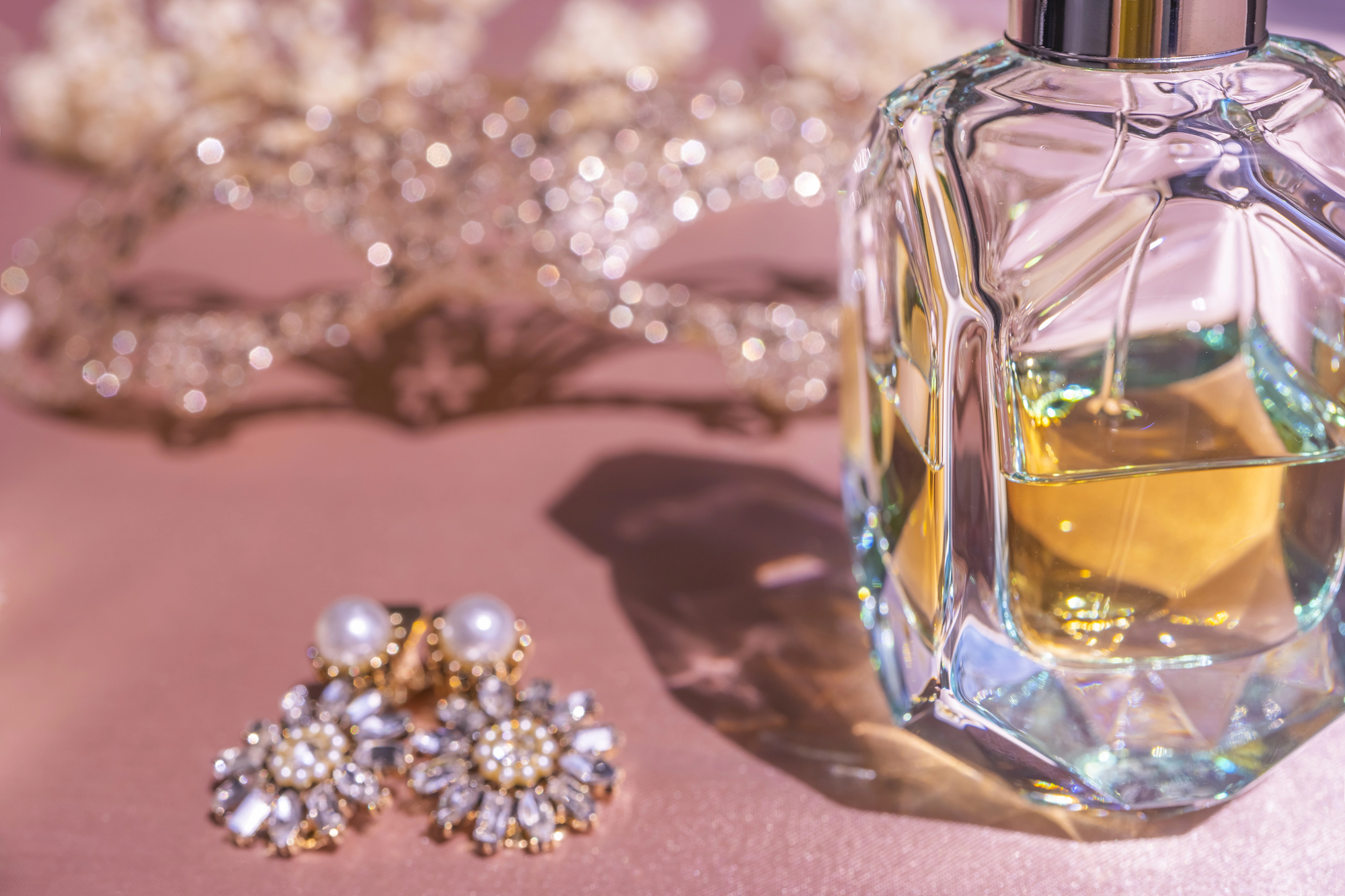
The most valuable vintage perfume bottles share something beyond rarity or brand recognition. They capture a moment when fragrance houses understood that the container was part of the experience, not just a delivery system.
These bottles were designed by people who believed that luxury should feel substantial, that beauty should serve a purpose, that the ritual of applying perfume deserved objects worthy of the ceremony.
That philosophy shows in every curve, every facet, every carefully considered detail.
Which explains why collectors are willing to pay thousands for empty bottles that once held fragrances they’ll never smell.
More from Go2Tutors!

- The Romanov Crown Jewels and Their Tragic Fate
- 13 Historical Mysteries That Science Still Can’t Solve
- Famous Hoaxes That Fooled the World for Years
- 15 Child Stars with Tragic Adult Lives
- 16 Famous Jewelry Pieces in History
Like Go2Tutors’s content? Follow us on MSN.



