17 Times a Brand’s Most Iconic Feature Was a Total Accident
Behind many of the world’s most recognizable products lies an unexpected origin story. The features we associate most strongly with certain brands weren’t always the result of careful planning or deliberate design.
Sometimes, the most distinctive aspects of famous products emerged through happy accidents, manufacturing mishaps, or unintended consequences that ultimately defined their success. Here is a list of 17 times when a brand’s most iconic feature came about completely by accident, proving that innovation often happens when we least expect it.
Coca-Cola’s Formula

Coca-Cola’s original recipe came about through a pharmaceutical accident. In 1886, Atlanta pharmacist John Pemberton was trying to create a headache remedy when he mixed together various ingredients including coca leaves and kola nuts.
Instead of just another medicinal syrup, he accidentally created what would become the world’s most famous soft drink. The distinctive taste that billions now recognize worldwide was never intended to be a beverage at all.
Champagne’s Bubbles

The signature bubbles in champagne were initially considered a winemaking failure. Monks in the Champagne region of France struggled with their wine unexpectedly developing bubbles during secondary fermentation due to the region’s cold winters temporarily halting the fermentation process.
When temperatures warmed, fermentation would restart in sealed bottles, creating carbonation. What was once seen as a flaw eventually became the defining characteristic of this luxury beverage.
Levi’s Rivets

The copper rivets that strengthen Levi’s jeans—perhaps their most recognizable design feature—weren’t part of the original design. In 1872, a customer complained to tailor Jacob Davis about constantly ripping pockets on his work pants.
Davis improvised by using copper rivets from horse blankets to reinforce stress points. This solution worked so well that Davis partnered with Levi Strauss to patent the idea, creating the iconic riveted jeans we know today.
Post-it Notes’ Adhesive

The gentle adhesive that makes Post-it Notes so useful was actually a failed experiment. In 1968, 3M scientist Spencer Silver was attempting to develop a super-strong adhesive but instead created one that was remarkably weak.
The adhesive would stick to objects but could be easily lifted off without leaving residue. This ‘failure’ sat unused until colleague Art Fry realized it could solve his problem of bookmarks falling out of his hymnal, leading to the creation of one of the world’s most ubiquitous office supplies.
WD-40’s Name
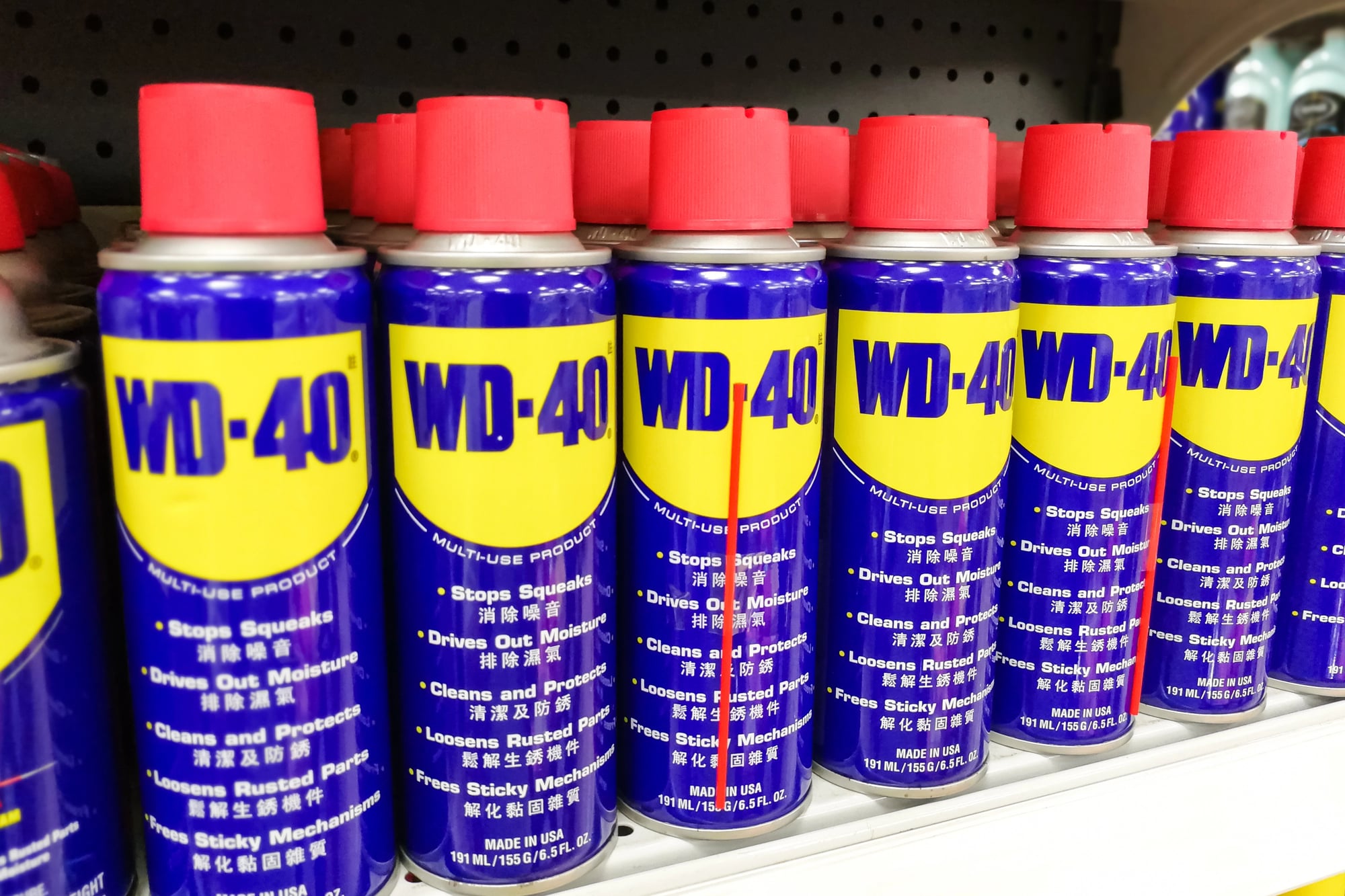
WD-40’s unusual name reveals its accidental development process. The lubricant was created by the Rocket Chemical Company while trying to develop a formula to prevent corrosion in nuclear missiles.
‘WD’ stands for ‘Water Displacement,’ and the ’40’ represents the fortieth experimental formula. The first 39 attempts failed to achieve the desired results. What was initially developed for the aerospace industry became a household staple only after employees began sneaking it home for personal projects.
Popsicle’s Invention
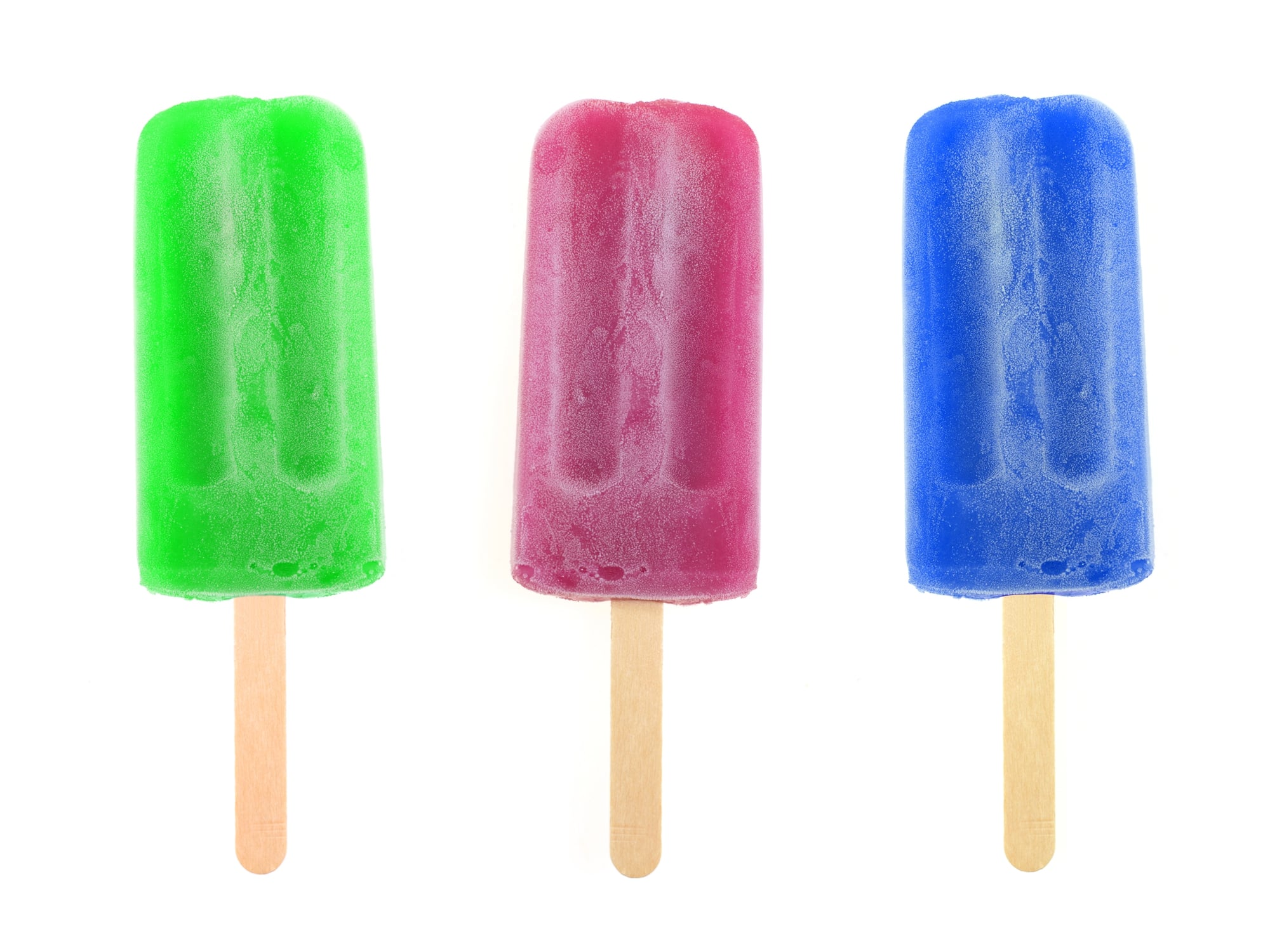
The Popsicle came into existence when 11-year-old Frank Epperson accidentally left a cup of powdered soda and water with a stirring stick on his porch overnight during a cold San Francisco evening in 1905. The mixture froze, creating a frozen treat on a stick.
Epperson initially called his invention the ‘Epsicle’ before changing the name to Popsicle years later when he began commercial production. His childhood mistake created an entirely new category of frozen treats.
Play-Doh’s Purpose
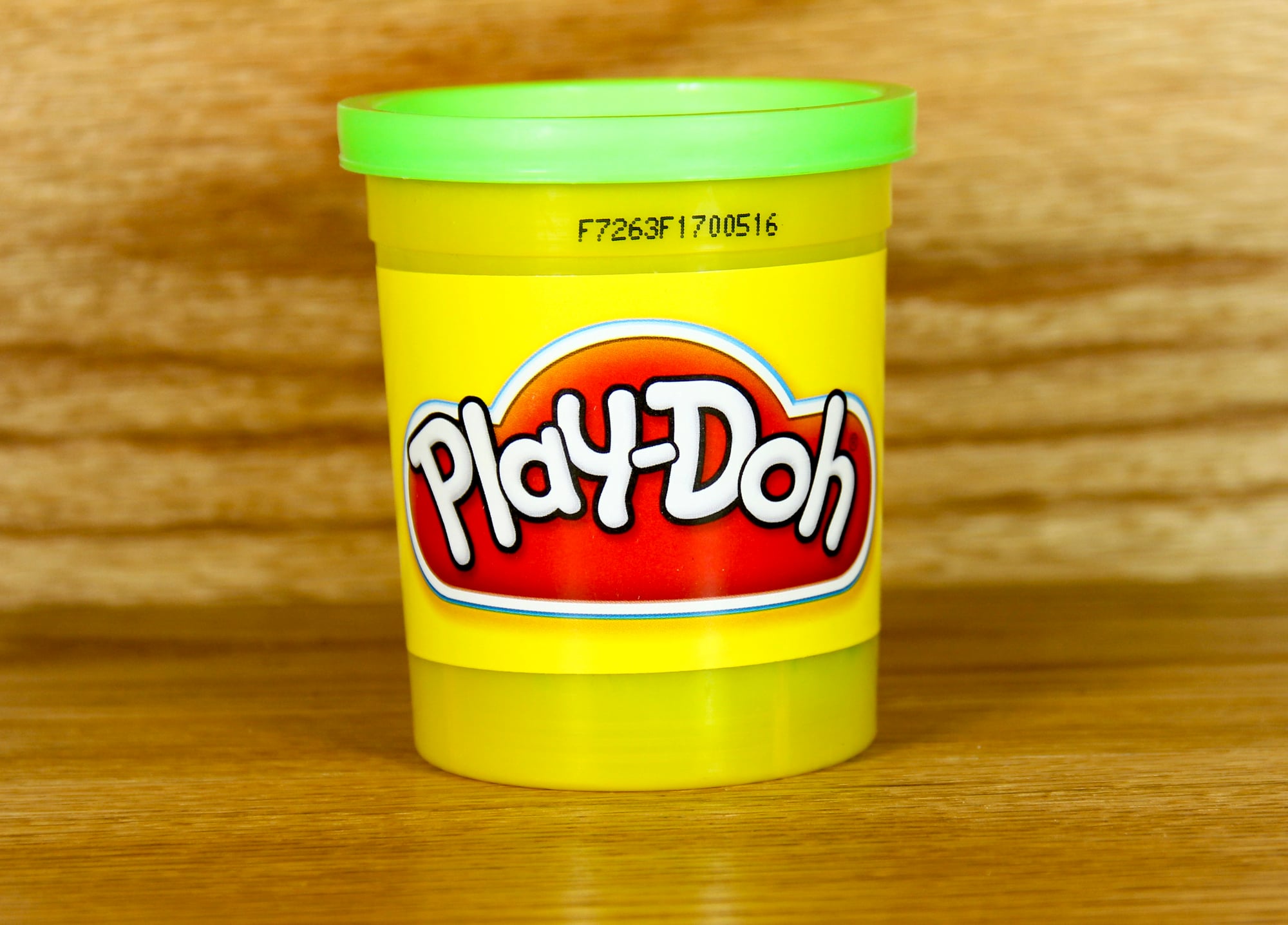
Play-Doh was originally manufactured as a wallpaper cleaner. In the 1930s, Kutol Products created a putty-like substance for removing soot from wallpaper in coal-heated homes.
When heating systems modernized and the demand for wallpaper cleaners plummeted, the company faced bankruptcy. Fortunately, the sister-in-law of one of the owners discovered that children were using the cleaner as a modeling compound in school art projects. This observation saved the company and created a childhood staple.
Potato Chips’ Origin
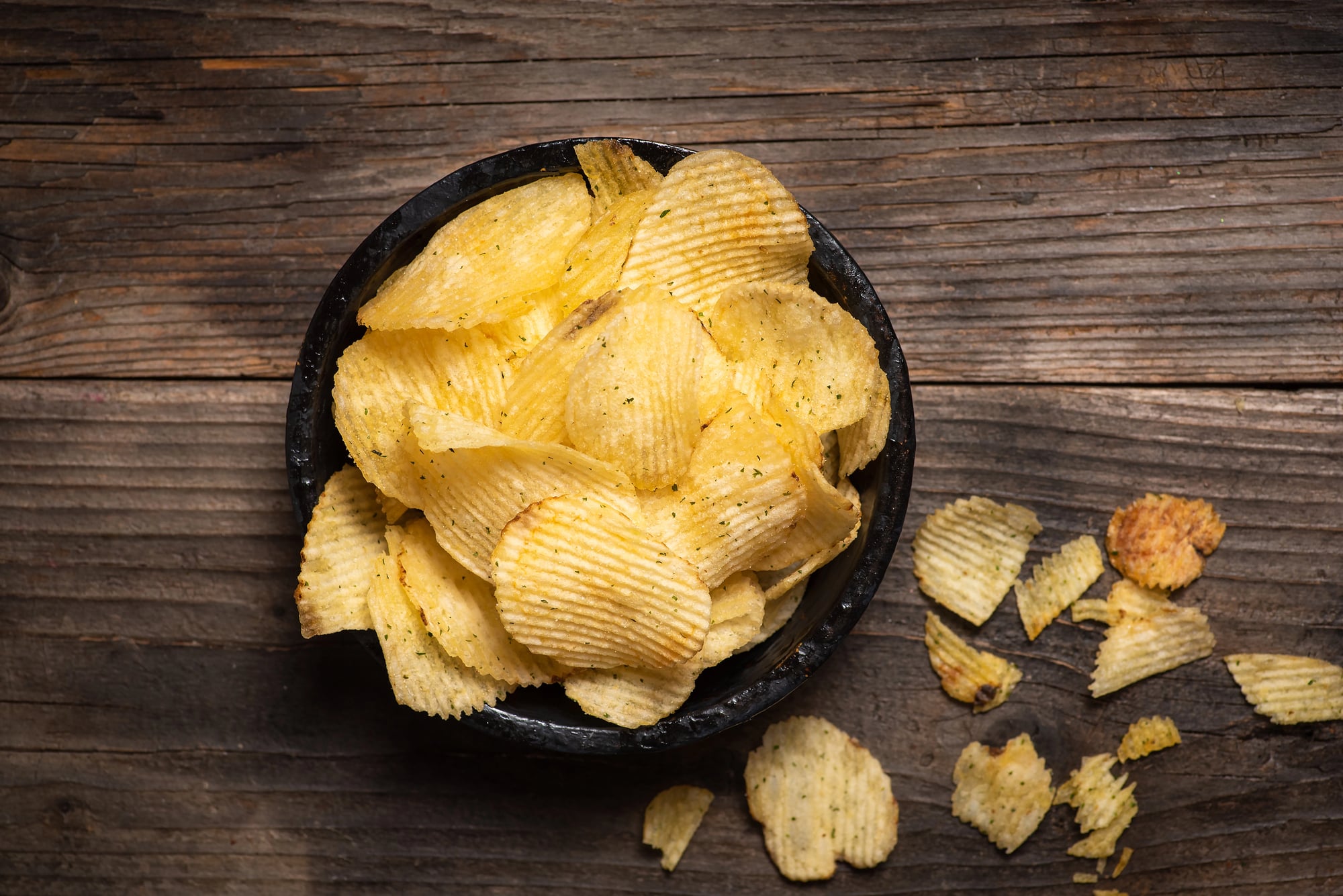
The potato chip emerged from a restaurant customer’s complaint. In 1853, a diner at Moon’s Lake House in Saratoga Springs repeatedly sent back his fried potatoes, complaining they were too thick and soggy.
Frustrated chef George Crum sliced the potatoes paper-thin and fried them to a crisp as a spiteful response. Instead of being offended, the customer loved them, and ‘Saratoga Chips’ became a restaurant specialty before evolving into one of America’s favorite snacks.
Wheaties’ Recipe

The wheat flake recipe for Wheaties came about through an accident. In 1921, a health clinician at the Washburn Crosby Company (later General Mills) spilled wheat bran mixture on a hot stove while preparing a health biscuit for patients.
The resulting flakes tasted better than the original biscuits, leading to experimentation with different wheat mixtures. This accident eventually produced Wheaties cereal, which became famous as ‘The Breakfast of Champions.’
Microwave Cooking

The microwave oven’s food-heating capability was discovered when engineer Percy Spencer was working with active radar equipment. While standing near a magnetron, Spencer noticed the candy bar in his pocket had melted.
Rather than dismissing this observation, he began experimenting by placing popcorn kernels near the magnetron, which promptly popped. This accidental discovery led to the development of the first microwave oven in 1945, revolutionizing home cooking.
Chocolate Chip Cookies
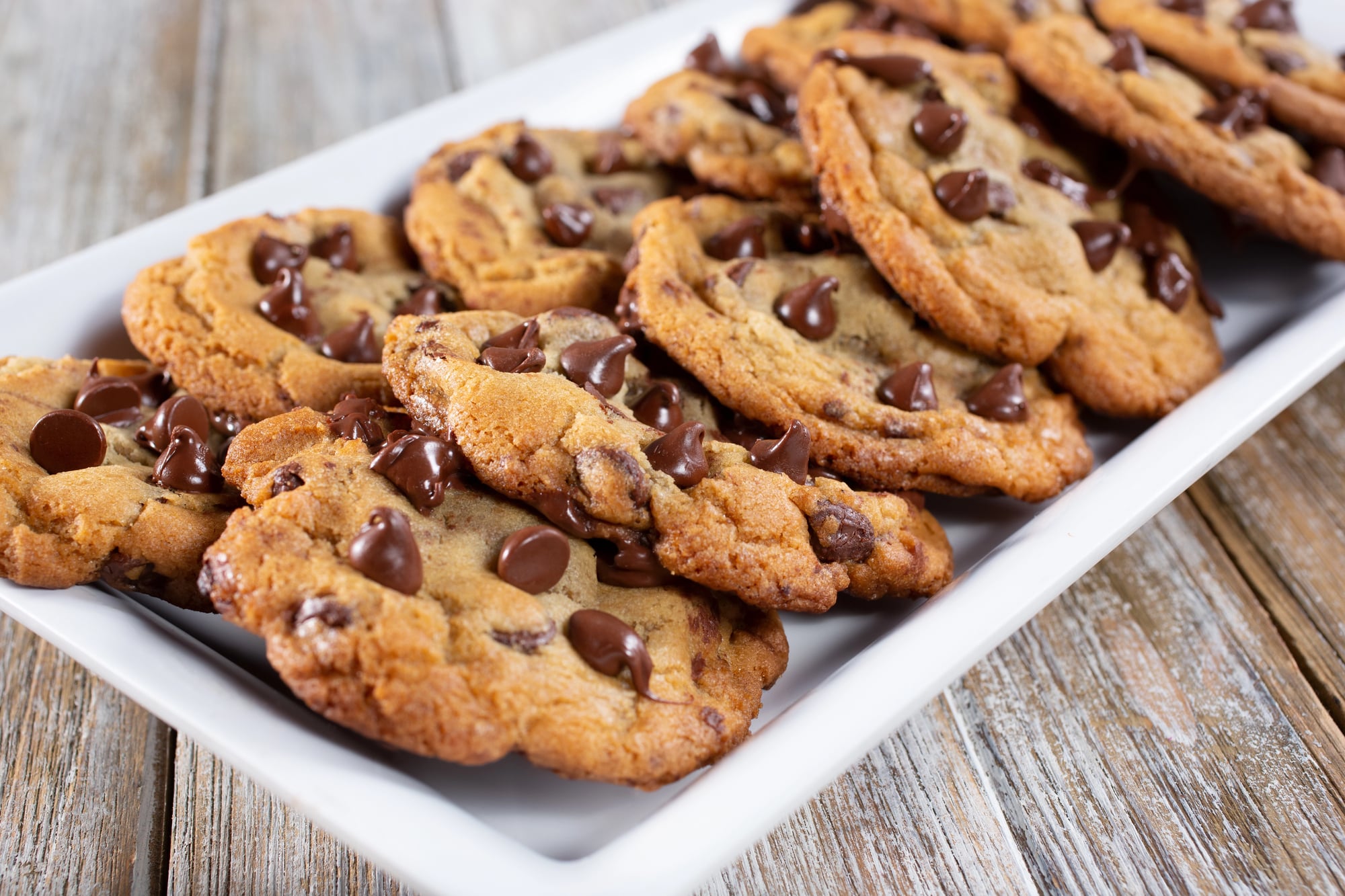
The chocolate chip cookie was born from a recipe substitution. In 1930, Ruth Wakefield, owner of the Toll House Inn, was making chocolate cookies when she realized she was out of baker’s chocolate.
She substituted broken pieces of Nestlé semi-sweet chocolate, expecting them to melt and distribute through the dough. Instead, the chocolate pieces kept their shape, creating a new cookie variety that became so popular that Nestlé eventually printed Wakefield’s recipe on their chocolate packaging.
Viagra’s Purpose
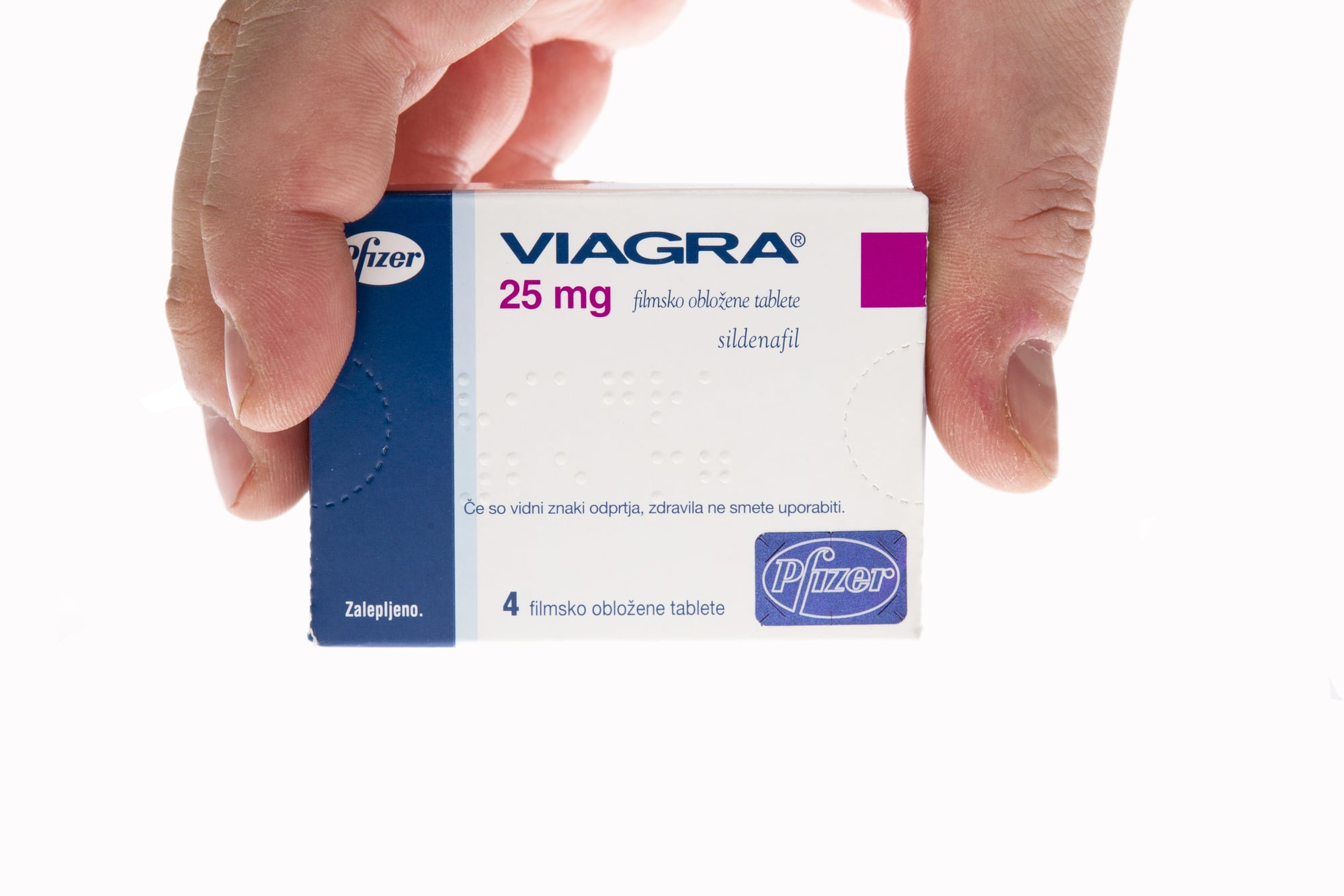
Viagra’s famous effect was discovered during clinical trials for a heart medication. In the early 1990s, Pfizer was testing sildenafil citrate as a treatment for angina and hypertension.
While the drug proved ineffective for its intended purpose, male participants reported an unexpected side effect—improved erections. Recognizing the potential, Pfizer pivoted their research, eventually releasing Viagra in 1998. This accidental discovery created a multi-billion dollar market for erectile dysfunction treatments.
Bubble Wrap’s Function

Bubble Wrap was originally designed as textured wallpaper. In 1957, engineers Alfred Fielding and Marc Chavannes sealed two shower curtains together, creating a pattern of air bubbles they thought would make trendy wallpaper.
When this idea flopped, they pivoted to marketing it as greenhouse insulation, which also failed. Only when IBM used the material to protect shipments of computer equipment during transit did Bubble Wrap find its true purpose as protective packaging.
Silly Putty’s Purpose

Silly Putty resulted from research into synthetic rubber substitutes during World War II. Engineer James Wright was experimenting with silicone oils and boric acid when he created a substance that bounced, stretched, and could transfer newspaper print.
While it failed as a rubber substitute, this ‘nutty putty’ found unexpected success as a toy after marketing consultant Peter Hodgson repackaged it in plastic eggs in 1950. The accident became a cultural phenomenon with over 300 million eggs sold worldwide.
Pink Insulation Color

The distinctive pink color of Owens Corning fiberglass insulation was originally a manufacturing accident. In 1956, a new batch of fiberglass insulation emerged from production with a pink hue due to a dye mishap.
Rather than discard the batch, the company realized the color made their product instantly recognizable among competitors. Owens Corning embraced the mistake, eventually trademarking the color pink for insulation products and adopting the Pink Panther as their mascot.
Super Glue’s Stickiness
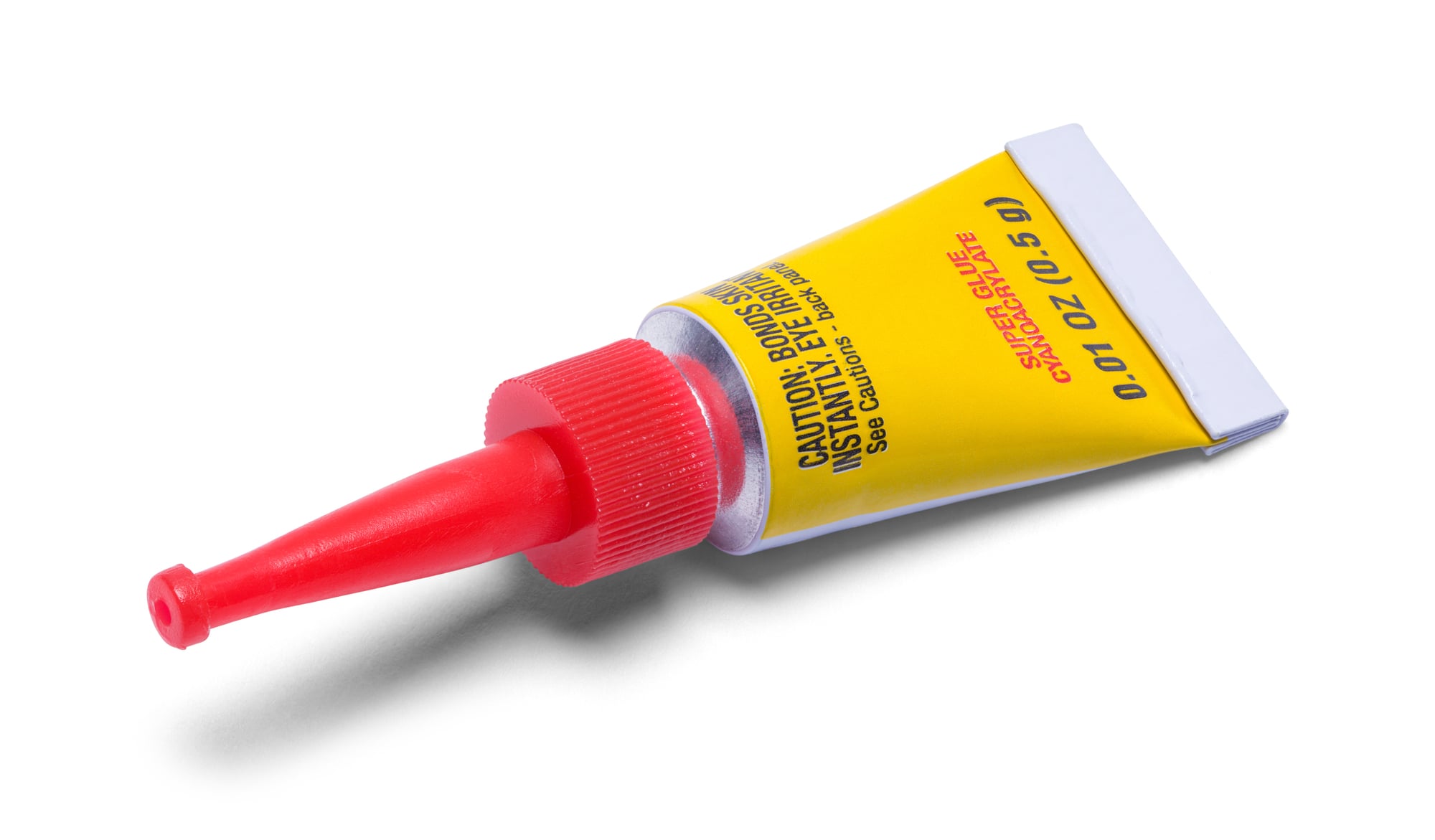
Super Glue’s incredible adhesive properties were discovered when scientist Harry Coover was trying to make clear plastic gun sights during World War II. In 1942, Coover created cyanoacrylate but rejected it because it stuck to everything it touched.
Nine years later, while working on heat-resistant jet canopies, he rediscovered the substance and realized its potential as an adhesive. This overlooked ‘failure’ eventually became one of the strongest commercial glues available, capable of supporting thousands of pounds per square inch.
Scotchgard’s Spill Resistance
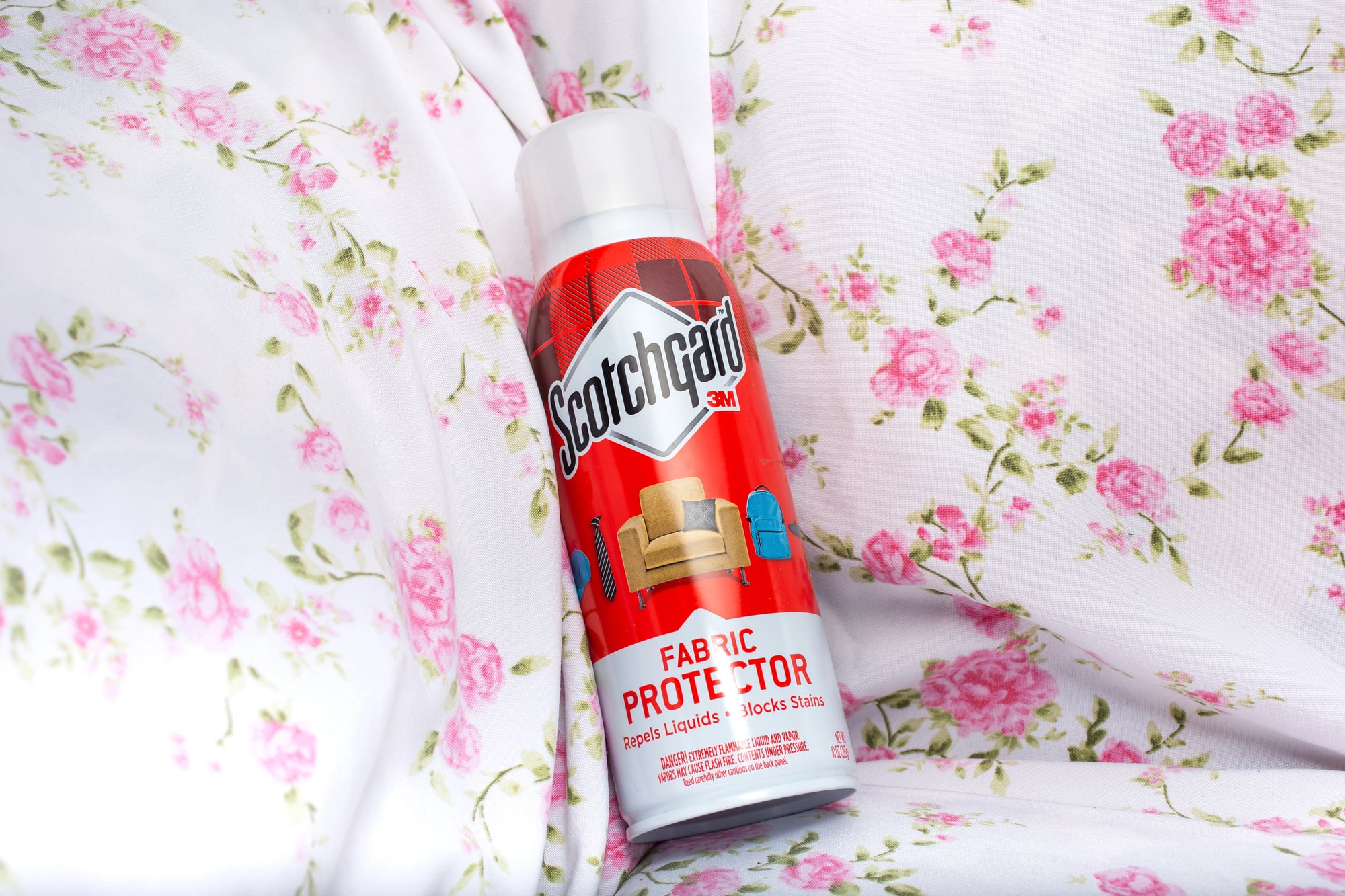
Scotchgard’s protective formula was discovered through a laboratory spill. In 1952, 3M researcher Patsy Sherman was working on a rubber material for jet aircraft fuel lines when an assistant accidentally dropped a bottle of synthetic latex on her tennis shoe.
Sherman noticed that while the spot wouldn’t wash out, it also repelled water, oil, and other liquids. This observation led to the development of Scotchgard fabric protector, a product that revolutionized stain protection for fabrics and upholstery.
Fortunate Failures

These accidental innovations remind us that some of the most successful products weren’t born from careful planning but from recognizing value in unexpected results. The history of these iconic features demonstrates the importance of observation, adaptation, and seeing potential where others might see only mistakes.
What seems like failure often contains the seeds of breakthrough innovation, proving that sometimes getting it ‘wrong’ is actually getting it right in ways we couldn’t have imagined.
More from Go2Tutors!

- The Romanov Crown Jewels and Their Tragic Fate
- 13 Historical Mysteries That Science Still Can’t Solve
- Famous Hoaxes That Fooled the World for Years
- 15 Child Stars with Tragic Adult Lives
- 16 Famous Jewelry Pieces in History
Like Go2Tutors’s content? Follow us on MSN.



