Painful-Looking Vintage Exercise Machines People Used
The human pursuit of fitness has never been rational. Throughout history, people have subjected themselves to contraptions that look more like medieval torture devices than exercise equipment.
These vintage machines, popular from the early 1900s through the mid-century, promised miraculous results through methods that would make today’s fitness enthusiasts wince. The sheer determination of people willing to strap themselves into these mechanical monstrosities speaks to an enduring truth: the quest for physical improvement has always required a certain suspension of common sense.
The Vibrating Belt Machine
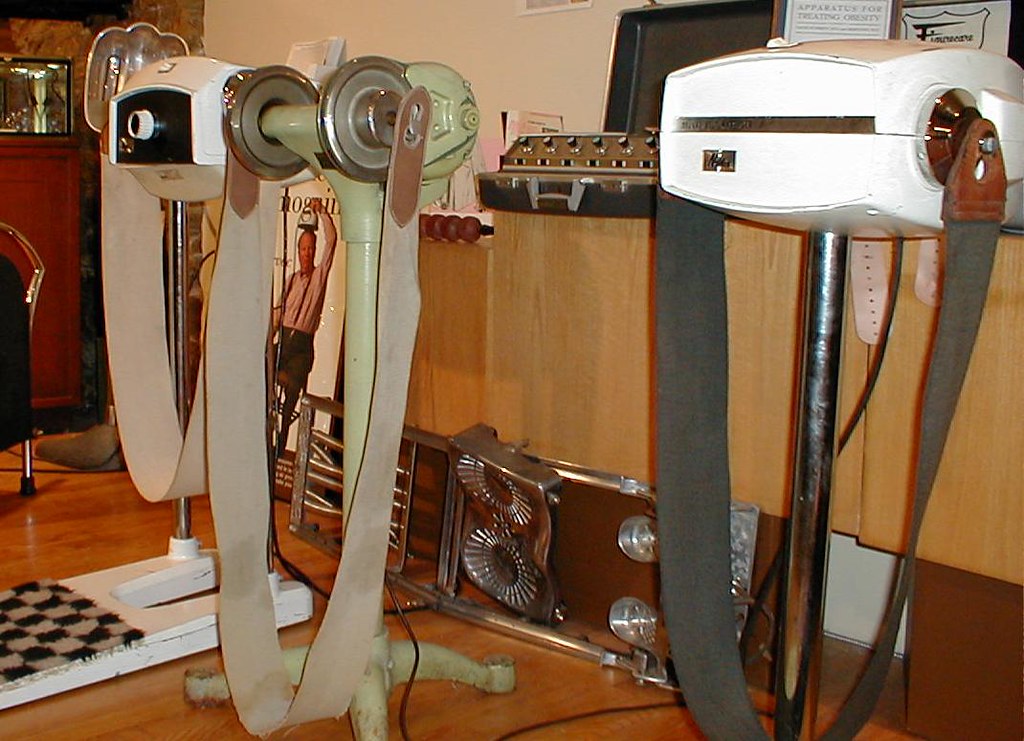
This thing looked exactly like what it was supposed to be: a punishment. A wide leather belt wrapped around your waist, hips, or thighs, connected to a motor that shook you senseless.
Stand there and take it. The promise was simple.
Vibrations would somehow jiggle the fat right off your body. Most people who used these machines just got dizzy.
Dr. Zander’s Mechanotherapy Machines
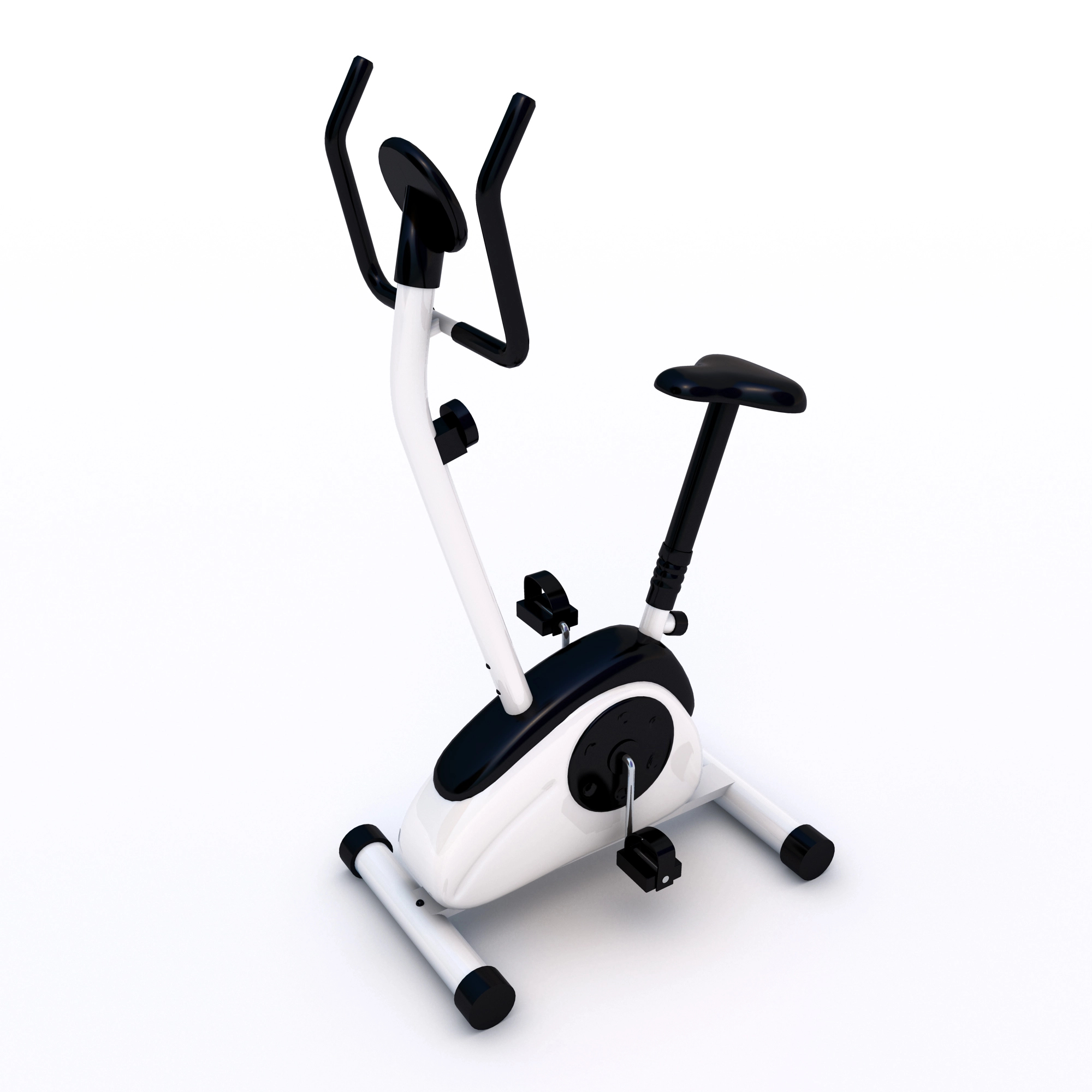
Gustav Zander had an idea that exercise could be mechanized, and what followed was a collection of devices that resembled a cross between gym equipment and industrial machinery (because that’s essentially what they were). These Swedish-designed contraptions used pulleys, weights, and gears to move your body in predetermined patterns — your muscles didn’t really get to choose their level of involvement.
But here’s what made them particularly unsettling: they operated with the cold precision of factory equipment, which meant your body was just another component being processed through the system. And the patients — they weren’t users or athletes, they were patients — would lie or sit passively while these mechanical arms and levers manipulated their limbs with the kind of detached efficiency you’d expect from an assembly line.
So you’d find yourself wondering whether you were getting exercise or just being worked on by a very polite machine that happened to have your best interests in mind. The whole experience must have felt like surrendering your body to something that understood movement better than you did, which is either deeply relaxing or deeply disturbing, depending on how much control you like to maintain over your own limbs.
The Gymnasticon
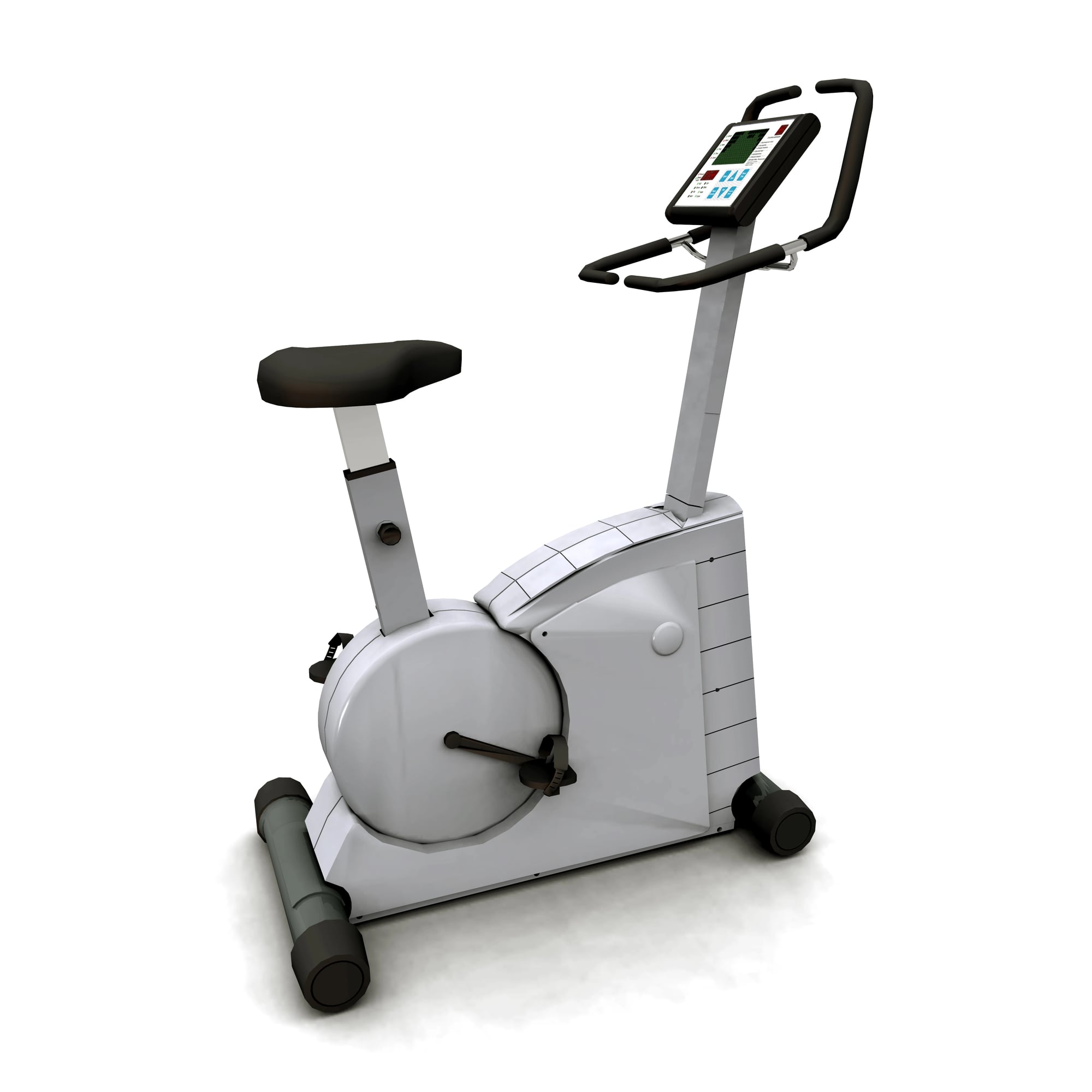
Picture a rocking chair that decided to become a medical device. The Gymnasticon was built around the idea that passive movement could strengthen muscles and improve circulation, like physical therapy for people who weren’t particularly interested in participating in their own recovery.
Patients would sit or lie on this contraption while it moved their legs in cycling motions. There’s something almost gentle about the concept — your body going through the motions of exercise while your mind wandered elsewhere.
The machine did the work; you provided the limbs. It was used primarily for people with paralysis or muscle weakness, which makes perfect sense.
What makes less sense is how ominous it looked doing something so fundamentally therapeutic.
Electric Vibrating Chairs
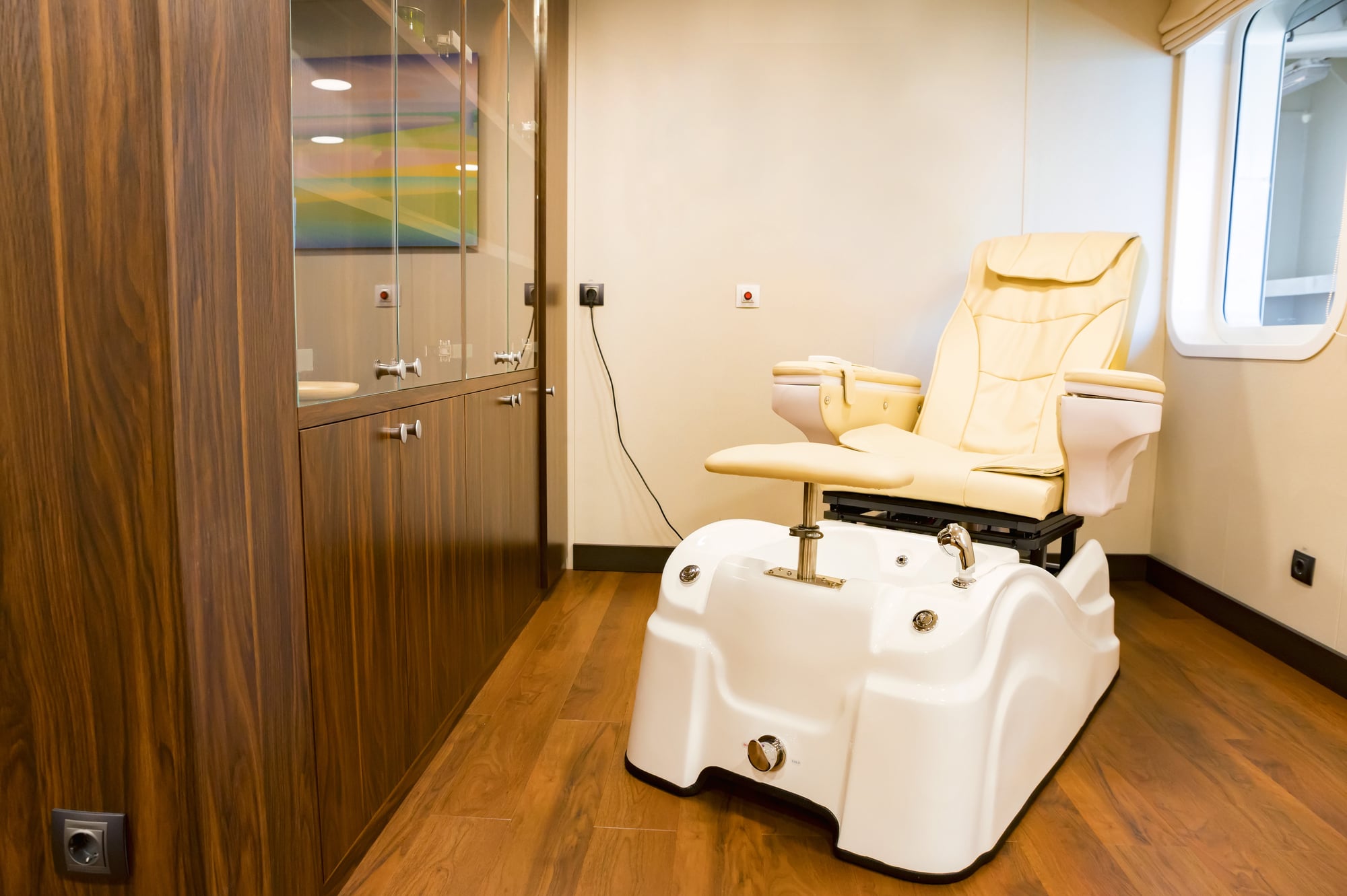
These chairs delivered exactly what they promised: you sat down, and they shook you. The theory was that electrical vibrations would stimulate muscles and improve circulation.
People paid money to be rattled around like loose change in a pocket. The chairs came with adjustable speeds and intensities.
Apparently, there was an art to finding just the right amount of mechanical agitation for optimal health benefits. Most users probably just held on and hoped for the best.
The Centrifugal Pumping Machine
Dr. Zander strikes again with a device that spun users around to improve blood circulation. The logic was straightforward: centrifugal force would push blood through your system more efficiently than your heart could manage on its own.
Users were strapped into a chair or platform that rotated at various speeds (which sounds like the kind of detail that should have been worked out more carefully before human testing began). The machine was supposed to be therapeutic, but watching someone get spun around by a mechanical device for health reasons must have looked like punishment for some unspecified crime.
And the users themselves — well, they had to trust that someone had done the math correctly on how fast a human body could be rotated before the cure became worse than whatever they were trying to fix. So you’d climb into this spinning contraption, surrender control of your inner ear to a machine, and hope that whoever calibrated the speed settings had your best interests at heart rather than just a general curiosity about human tolerance for rotational forces.
The whole premise relied on the idea that your cardiovascular system needed mechanical assistance, which seems like the kind of assumption that deserves more questioning than it probably received.
Rowing Machines with Pulleys and Weights

These weren’t the sleek rowing machines you see in modern gyms. These were elaborate pulley systems that looked like they belonged in a ship’s engine room, complete with heavy iron weights and enough moving parts to require an instruction manual.
The user would sit and pull against a system of weights and pulleys that provided resistance. The motion was supposed to simulate rowing, but the experience was more like operating industrial machinery.
Every stroke engaged not just your muscles, but your attention — one wrong move and those heavy weights could swing back with enthusiasm. What made them particularly intimidating was their size and complexity.
These machines didn’t just take up space; they dominated it.
The Horse Riding Simulator
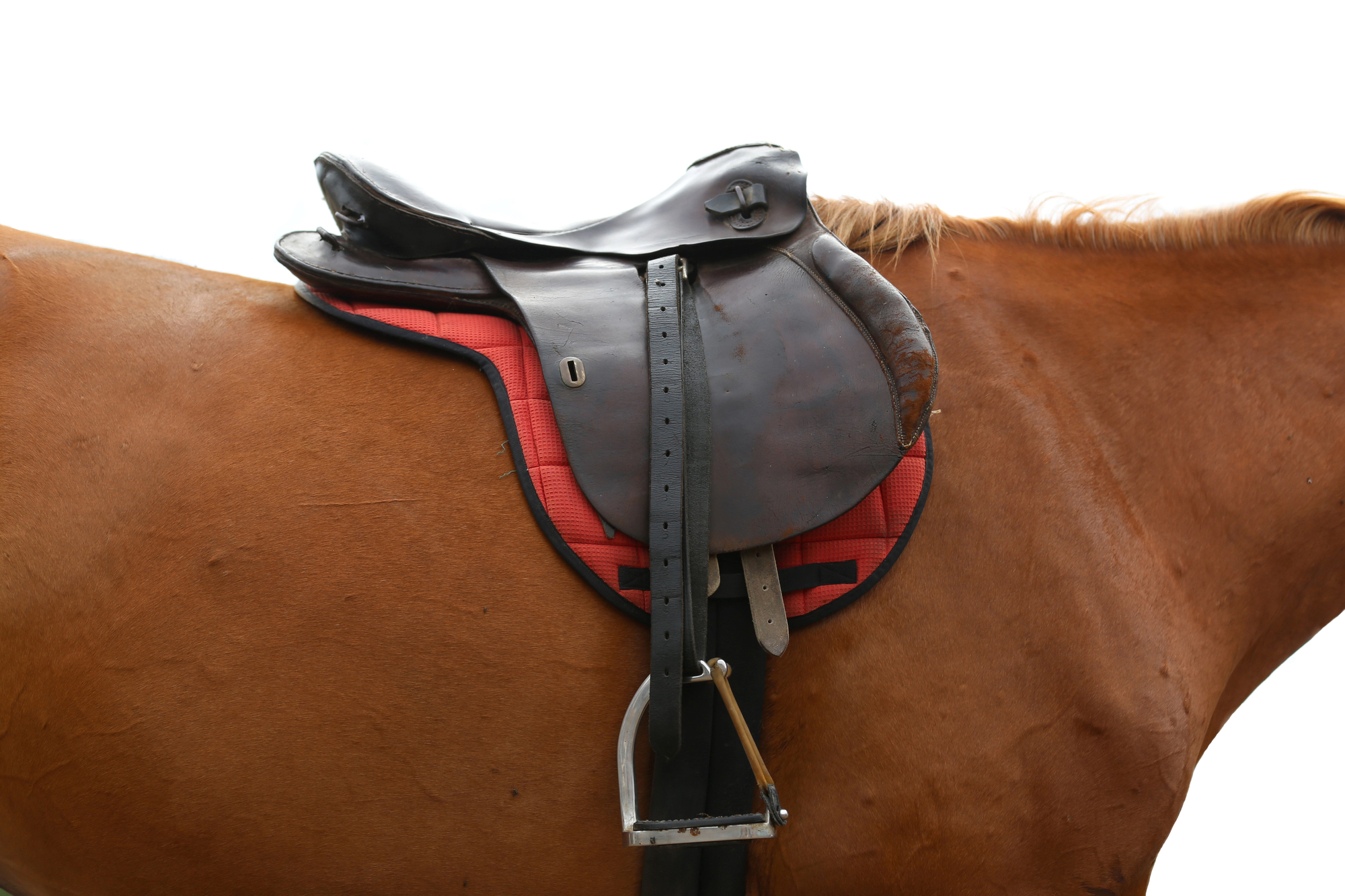
Someone looked at a rocking horse and decided it needed to be more vigorous and less fun. The result was a mechanical horse that bucked and swayed with the kind of enthusiasm that suggested it was trying to throw its rider.
Users would mount this contraption and hold on while it simulated the motion of horseback riding. The idea was that you’d get all the physical benefits of riding without the inconvenience of an actual horse — which, as it turns out, includes the inconvenience of the horse having opinions about how fast and rough the ride should be.
Electric Shock Therapy Machines
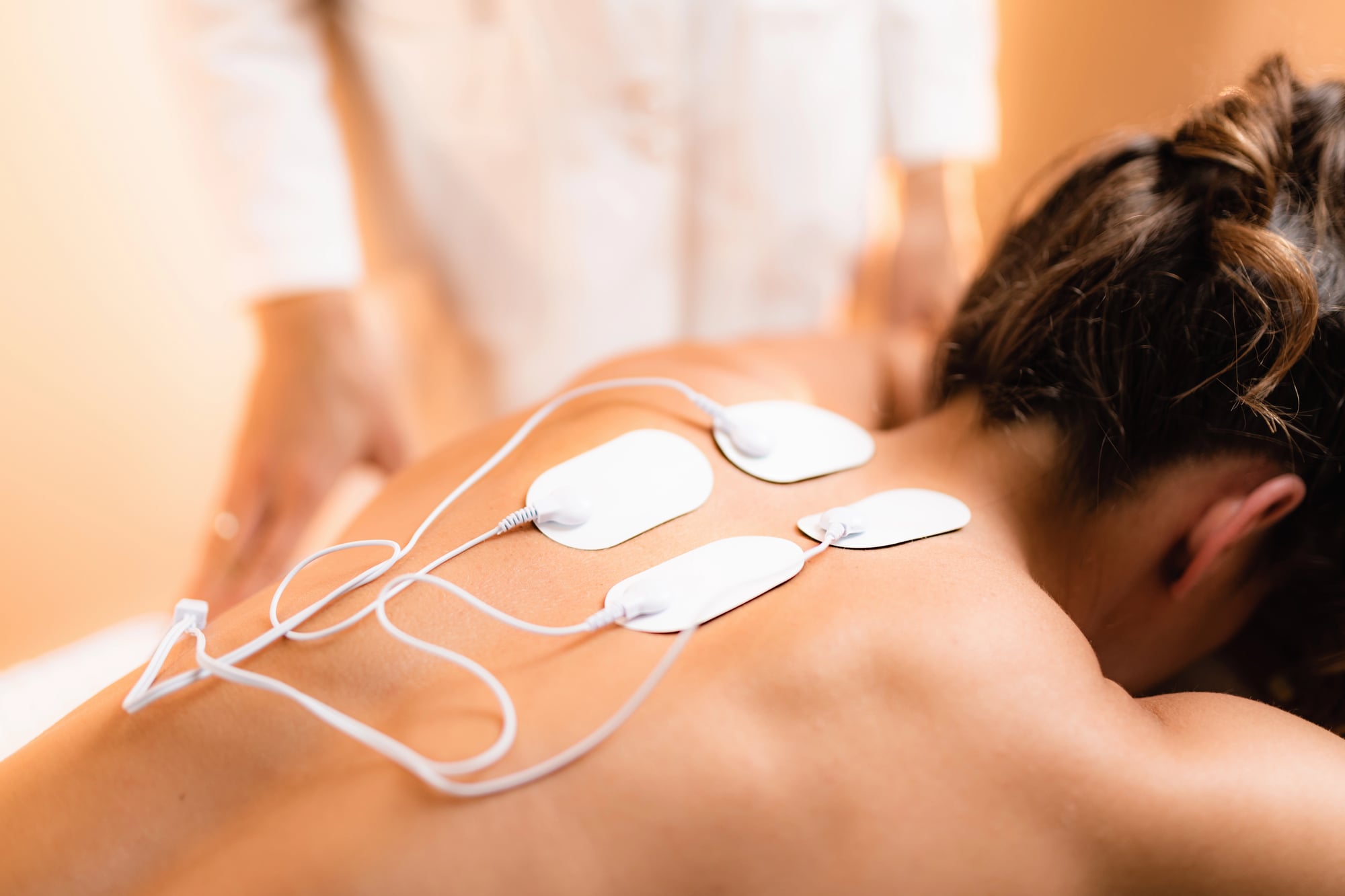
These devices used electrical currents to stimulate muscle contractions. Users would hold metal handles or have electrodes attached to their bodies while controlled electrical pulses made their muscles contract involuntarily.
The sensation was described as tingling or pulsing, but the visual was pure mad scientist: people connected to electrical devices, twitching in rhythm with the machine’s settings. The promise was muscle toning through involuntary contractions.
The fact that people lined up to be shocked by machines for fitness purposes says something about either human determination or human gullibility. Possibly both.
The Molding Machine
This contraption promised to reshape your body through mechanical manipulation. Users would lie down while the machine used rollers and pressure to literally mold their flesh into more desirable shapes.
The process looked exactly as uncomfortable as it sounds. Heavy rollers would move across the body, pressing and kneading tissue like dough.
The theory was that fat could be redistributed through mechanical pressure, which shows an optimistic understanding of human anatomy. People submitted to this treatment with the kind of faith usually reserved for major surgery.
Passive Exercise Tables
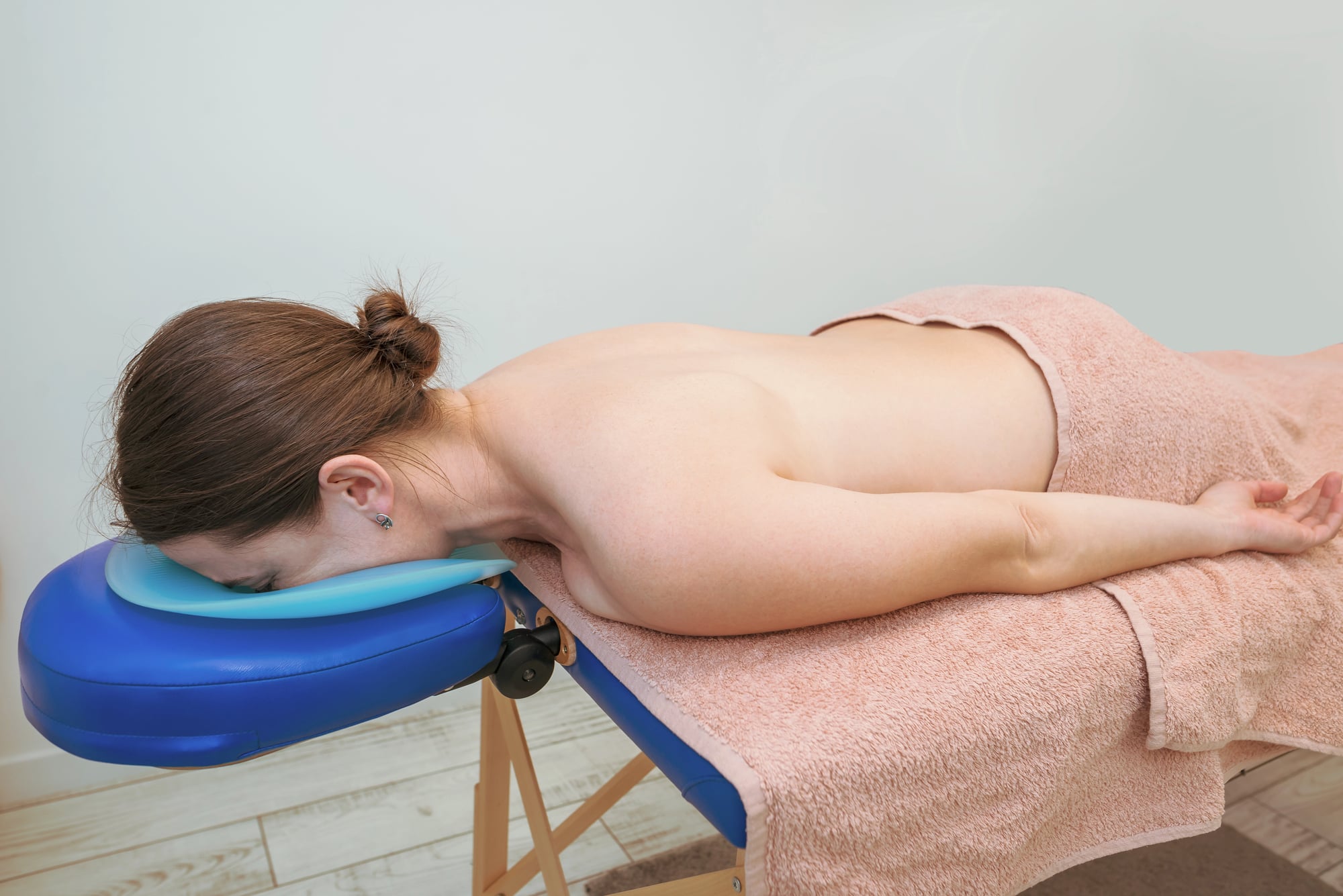
These tables moved your body for you while you lay there passively (hence the name, which was at least honest about what was happening). Different sections of the table would rock, vibrate, or rotate to exercise various body parts without any effort from the user.
And here’s what made them particularly strange: they turned exercise into something that happened to you rather than something you participated in, like being worked on by a very dedicated masseuse who happened to be made of metal and operated by electricity. But the appeal was obvious enough — all the benefits of movement without the inconvenience of having to move — which is either the ultimate in efficiency or a fundamental misunderstanding of what exercise is supposed to accomplish.
So people would schedule appointments to lie down and be moved around by machinery, trusting that motion alone was enough to maintain their health, regardless of whether their muscles were actually engaged in the process. The tables came with different settings for different body parts, which meant someone had spent considerable time figuring out exactly how each section of the human body should be mechanically manipulated for optimal health.
The Wrist Twisting Machine

Dr. Zander apparently believed that every joint deserved its own dedicated machine, including the wrists. This device was designed to twist and rotate the user’s wrists through various ranges of motion, presumably to strengthen the small muscles and improve flexibility.
Users would place their hands in mechanical grips that would then rotate their wrists in predetermined patterns. The machine controlled the speed, direction, and intensity of the movement.
Watching someone use this device must have looked like they were being politely tortured by a very considerate robot. The specificity of targeting just the wrists suggests either remarkable attention to detail or a fundamental misunderstanding of how the body works as a connected system.
Steam Cabinets

These weren’t exactly exercise machines, but they were often used in conjunction with other fitness treatments. Users would sit with their heads sticking out of wooden cabinets while steam filled the enclosed space around their bodies.
The idea was that sweating would eliminate toxins and reduce weight. The reality was that people sat in what amounted to wooden boxes, sweating profusely while their heads remained at room temperature.
The visual was distinctly medieval: disembodied heads sitting atop wooden boxes, looking like they were either being cooked or punished. The temperature differential between head and body must have been deeply uncomfortable, but people endured it in pursuit of health benefits that were, at best, temporary.
Mechanical Massage Tables

These tables featured built-in mechanical systems that would pummel, knead, and vibrate the user’s body. Multiple motors powered different sections of the table, each delivering its own type of mechanical manipulation.
Users would lie down and be subjected to a systematic mechanical massage that hit every body part according to a predetermined program. The machines didn’t adjust for individual comfort or preference — they just followed their programming with mechanical persistence.
The experience was probably somewhere between therapeutic and punishing, depending on the settings and the user’s tolerance for being worked over by machinery.
The Foot Power Machine

This device required users to power it themselves through foot pedals, which then operated various mechanical arms and attachments that would massage or manipulate other parts of their body. The irony was perfect: you exercised your legs to power a machine that would exercise the rest of you.
Users would pedal steadily while mechanical attachments worked on their arms, back, or torso. The harder you pedaled, the more vigorous the treatment became.
It was exercise equipment that used your own energy to provide its services, like hiring yourself to be your own personal trainer. The coordination required to pedal consistently while being worked over by mechanical devices must have been considerable.
When Fitness Was Purely Mechanical

Looking back at these contraptions, it’s clear that early fitness enthusiasts had a touching faith in the power of machinery to solve biological problems. They believed that the right mechanical manipulation could reshape bodies, improve health, and provide exercise without the messy inconvenience of actual physical effort.
These machines represent a fascinating moment in fitness history when people thought technology could outsmart biology — and were willing to strap themselves into increasingly elaborate devices to prove it.
More from Go2Tutors!

- The Romanov Crown Jewels and Their Tragic Fate
- 13 Historical Mysteries That Science Still Can’t Solve
- Famous Hoaxes That Fooled the World for Years
- 15 Child Stars with Tragic Adult Lives
- 16 Famous Jewelry Pieces in History
Like Go2Tutors’s content? Follow us on MSN.