15 Foods People Craved the Most Last Year
Food cravings tell a story about our collective state of mind. Last year was no exception — certain flavors, textures, and comfort dishes dominated restaurant orders, grocery lists, and late-night delivery apps.
These weren’t random impulses. They reflected what people needed: familiarity during uncertainty, bold flavors when life felt bland, and foods that transported them somewhere else entirely.
Pizza
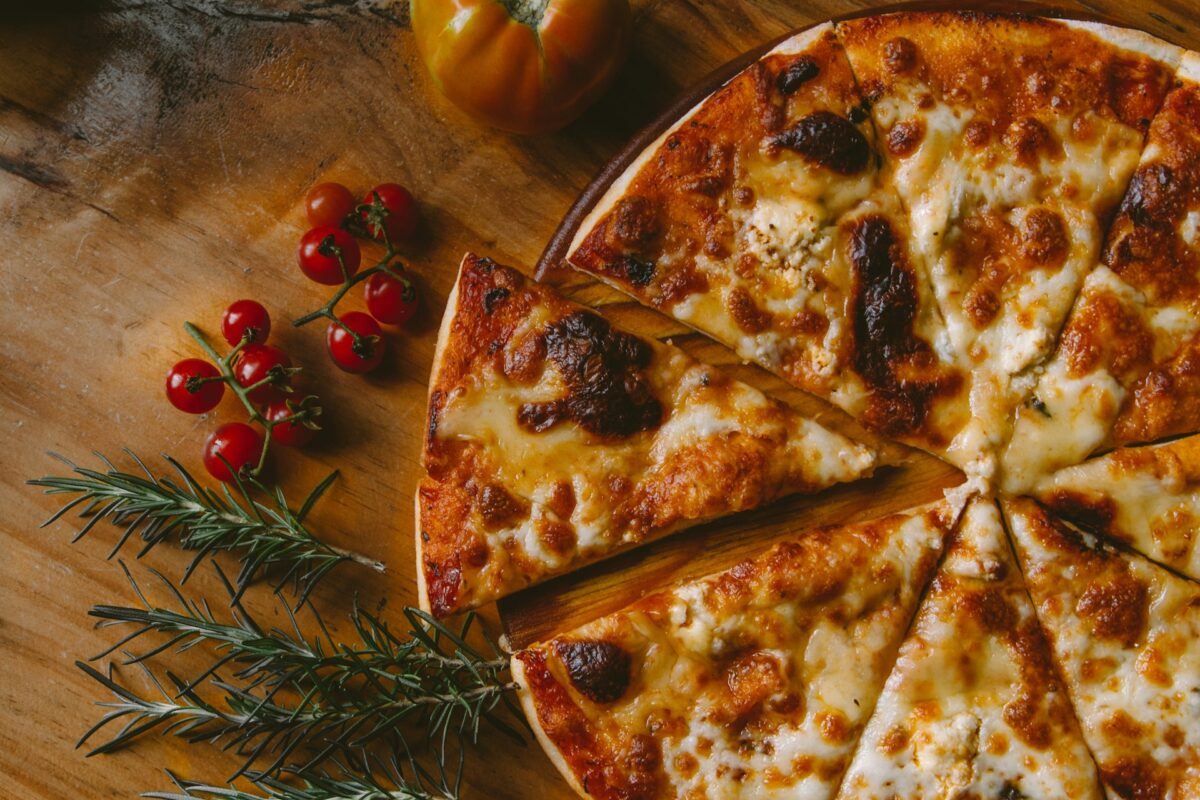
Everyone orders pizza. But last year felt different — obsessive, almost desperate. Artisanal crusts, extra cheese, combinations that would have seemed ridiculous five years ago (yes, mac and cheese pizza became a thing).
People weren’t just hungry. They were seeking something dependable, shareable, and impossibly satisfying.
Pizza delivered on all counts, which explains why delivery apps couldn’t keep up with demand on weekend nights.
Fried Chicken
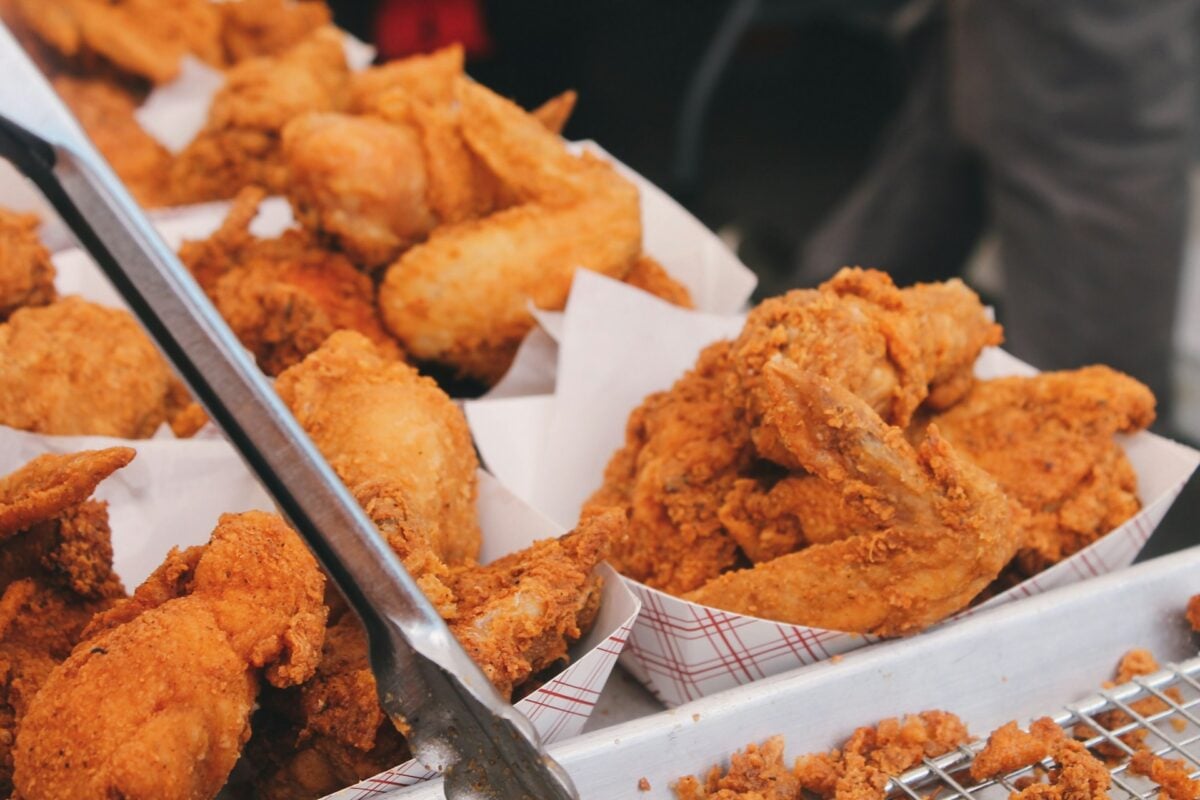
There’s something about fried chicken that cuts through everything else — the crunch that announces itself before you take a bite, the way it manages to feel both indulgent and somehow necessary. Last year, people weren’t just ordering it; they were obsessing over it, driving across town for the right kind, waiting in lines that stretched around city blocks for a taste of whatever new chicken sandwich had captured the internet’s attention that week.
So maybe it wasn’t really about the chicken at all (though the chicken was undeniably good). Maybe it was about the ritual: the anticipation, the first bite that never quite lives up to the buildup but somehow always comes close enough.
And maybe — just maybe — it was about finding something that felt worth waiting for in a year when so many things felt uncertain. The craving stuck around longer than anyone expected, which says something about what people were really hungry for.
Pasta
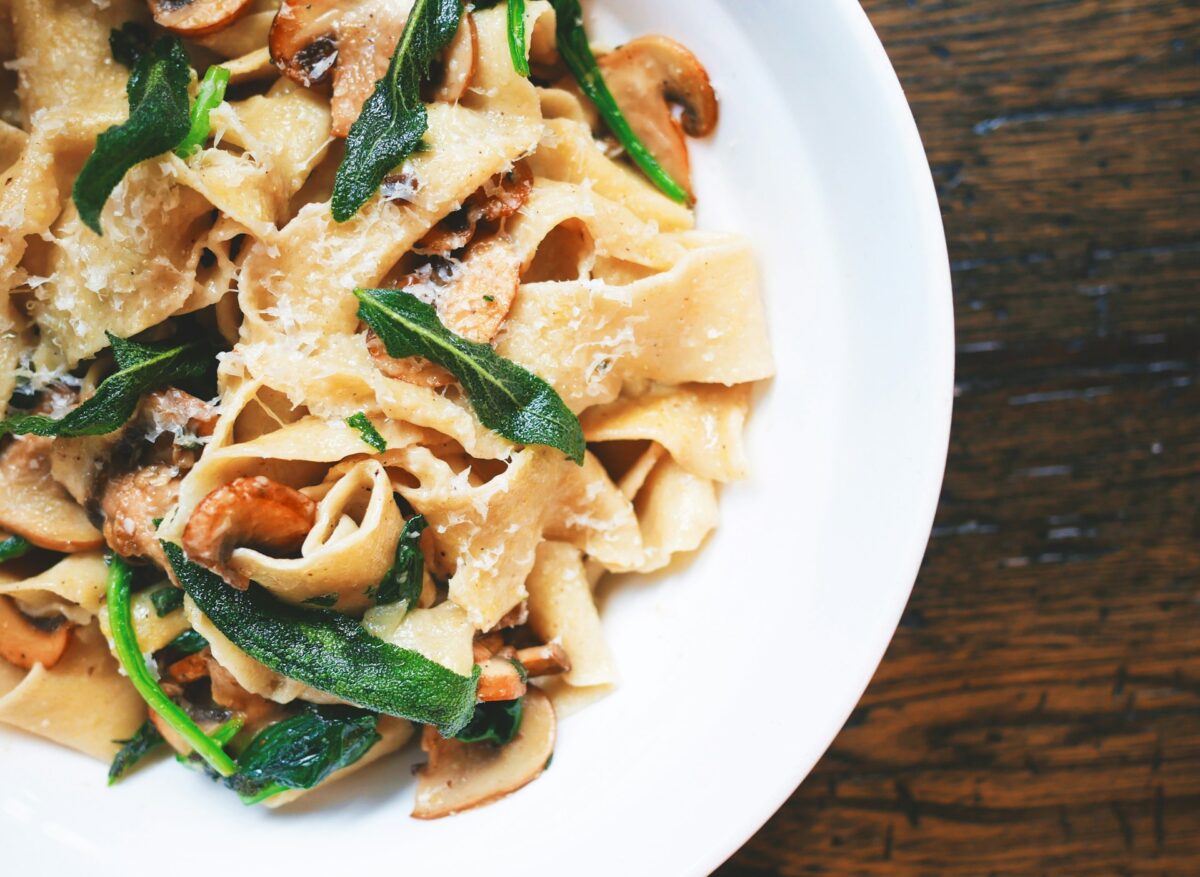
Pasta is the friend who never judges your choices. It accepts whatever you throw at it — leftover vegetables, that jar of sauce you bought six months ago, cheese you grated with questionable enthusiasm.
Last year, this flexibility became essential rather than convenient. People rediscovered the quiet satisfaction of boiling water and stirring noodles.
The steam rising from the pot carried something more than heat. It carried the promise that dinner would happen, that some things remained simple, that carbohydrates still possessed their ancient power to make everything feel manageable again.
Ice Cream

Ice cream is the most honest dessert. It doesn’t pretend to be sophisticated or hide behind fancy presentations — it just delivers cold, sweet relief exactly when you need it most.
Last year’s ice cream cravings bordered on desperate. People cleared out freezer aisles, discovered flavors they’d never considered before, and somehow convinced themselves that pint-sized containers were reasonable single servings.
Fair enough. Sometimes the only appropriate response to reality is premium vanilla at 10 PM while standing in your kitchen.
Chocolate
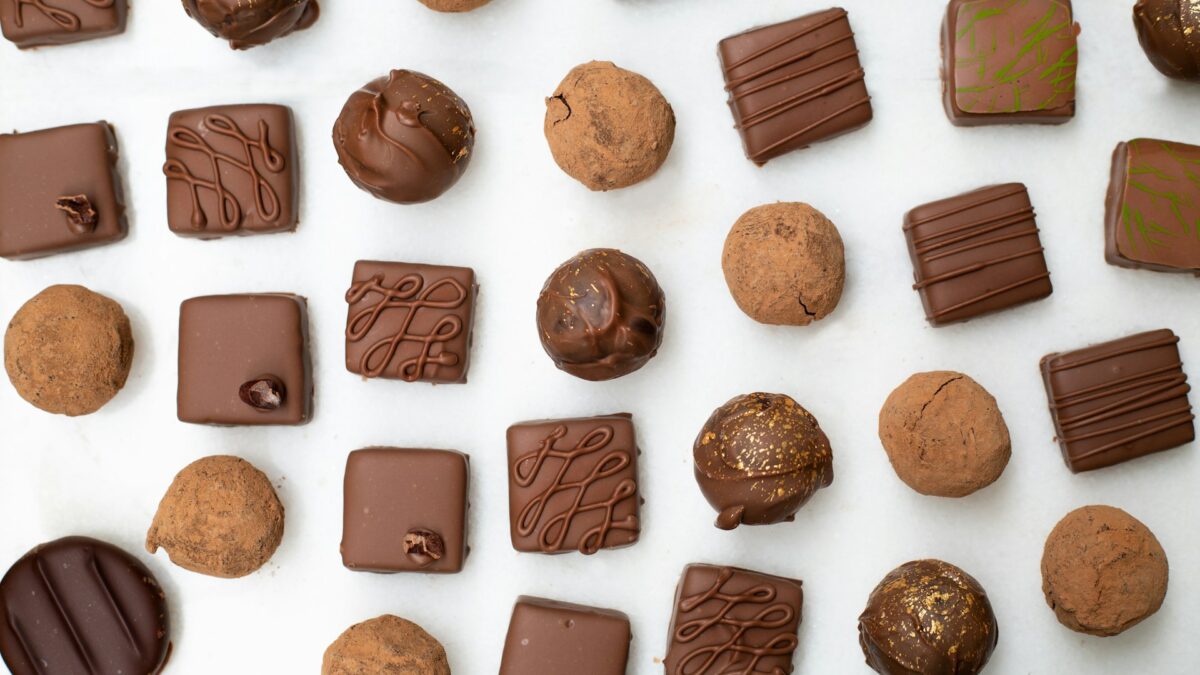
The way people talked about chocolate last year sounded less like a food preference and more like a necessity (which, to be completely honest, isn’t entirely wrong, and anyone who claims otherwise probably hasn’t experienced the particular kind of exhaustion that only a square of dark chocolate can address adequately). It showed up everywhere: in coffee drinks that resembled desserts more than beverages, in baking projects that multiplied across social media feeds, in those late-afternoon moments when the day felt too long and the evening still too far away.
But here’s what’s interesting — it wasn’t just any chocolate that people craved. The good stuff.
The kind that melts properly and doesn’t leave that waxy aftertaste. And it wasn’t always eaten; sometimes it was just purchased, stored in kitchen cabinets like insurance against future difficulties.
Because (and this is the part that makes sense once you think about it) knowing the chocolate is there matters almost as much as eating it.
Burgers
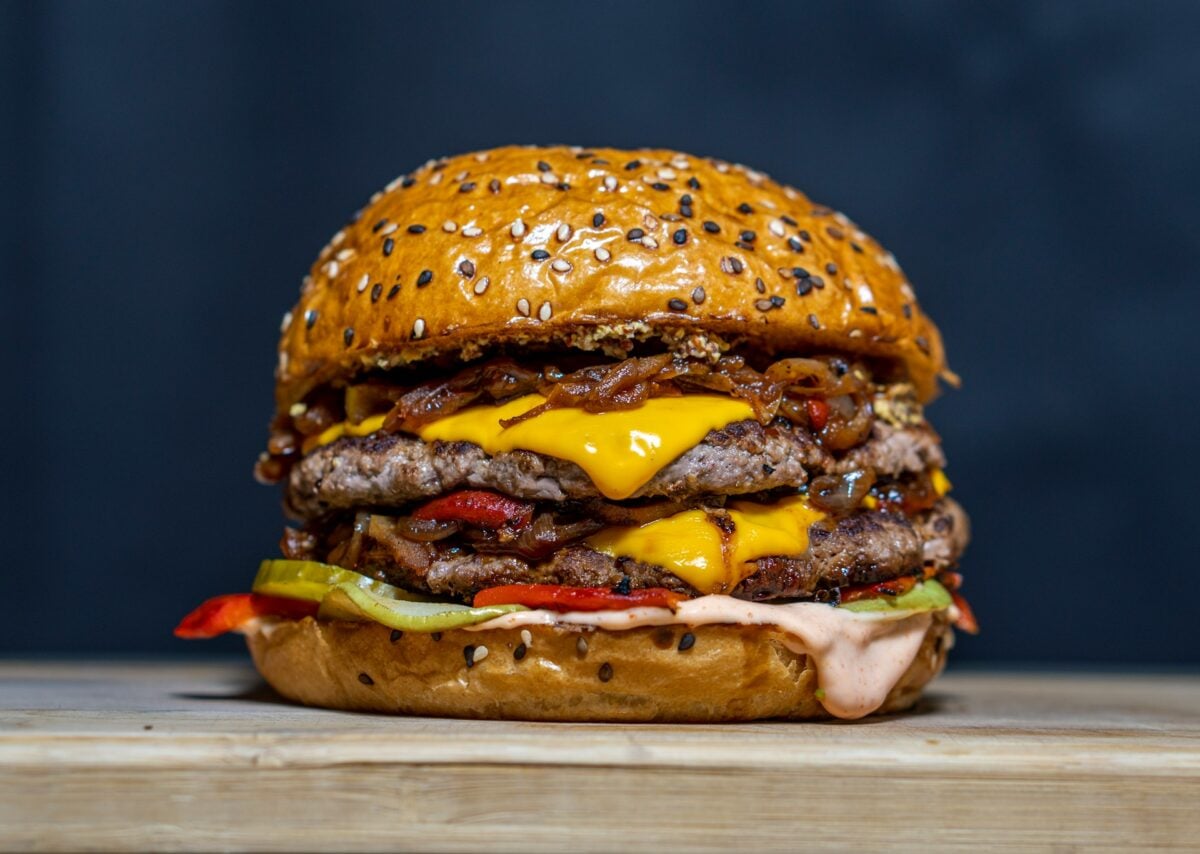
Burgers occupy the exact center of American comfort food logic. They promise everything at once: protein, carbs, vegetables if you count pickles, and the satisfying weight of a meal that requires both hands to handle properly.
Last year, this promise felt particularly important. The burger renaissance wasn’t subtle. New spots opened claiming to have perfected the ultimate version.
Existing places saw lines that suggested people were treating burgers less like fast food and more like appointments with happiness. Even homemade versions multiplied — people bought meat, formed patties, and discovered that the act of building something from scratch carried its own reward.
Tacos
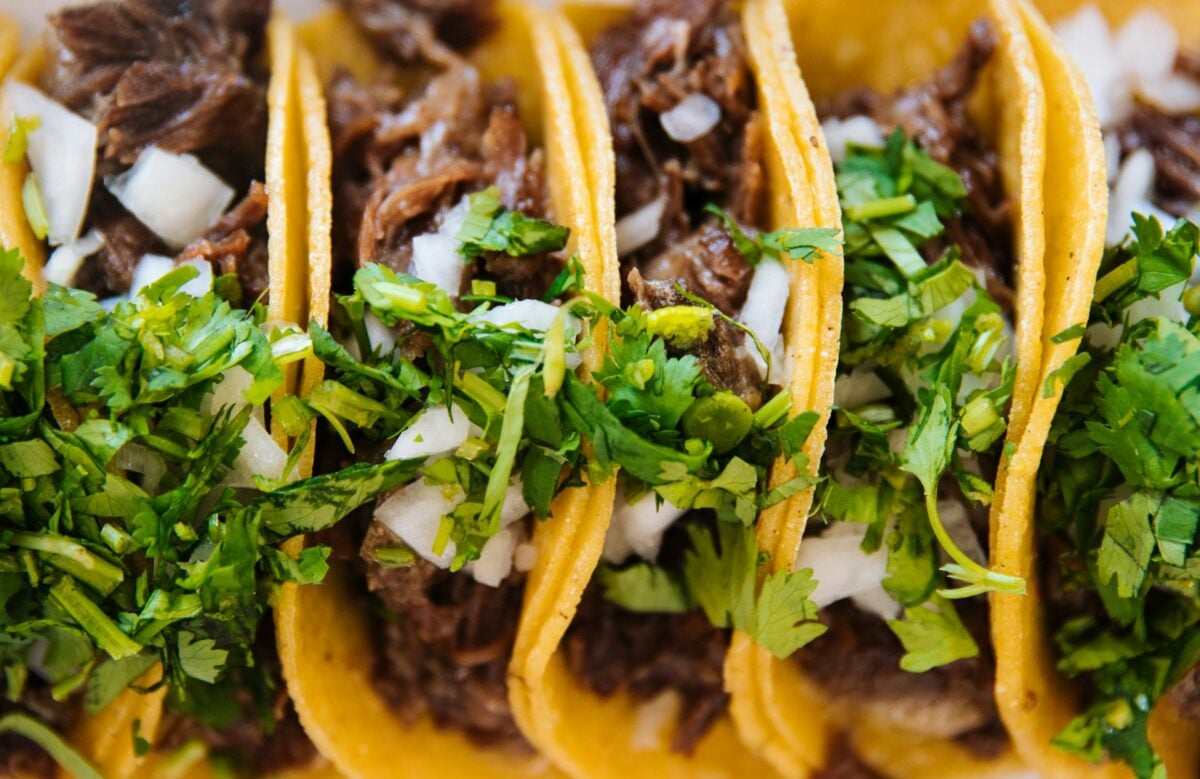
Tacos refuse to be boring. Even bad tacos possess a certain charm that forgives their shortcomings.
Last year proved that people needed foods capable of endless variation, and tacos delivered without complaint. Fish, chicken, beef, vegetables that somehow tasted better wrapped in corn tortillas than they did on regular plates.
The format itself became a canvas for whatever people wanted to eat, which turned out to be exactly what everyone was looking for.
Ramen
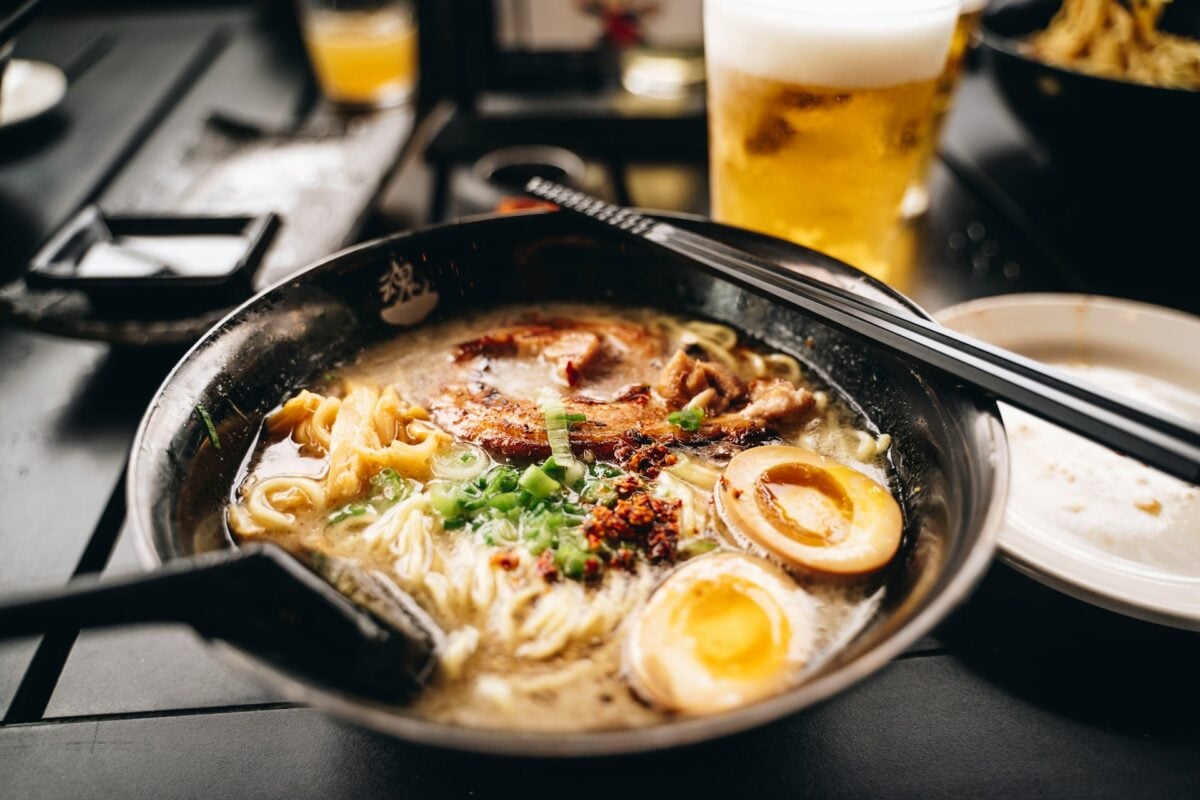
Ramen operates on multiple levels simultaneously: cheap enough for broke college students, complex enough to justify hour-long waits at restaurants where chefs spend years perfecting their broths (and where, incidentally, the steam rising from those bowls creates its own form of meditation, the kind where you lean over the table and breathe in something that smells like comfort distilled into liquid form). Last year, both versions found their audiences.
The instant stuff satisfied late-night cravings and tight budgets. The restaurant versions provided experiences — something to plan around, to anticipate, to savor slowly while the world outside continued its relentless pace.
But really, the appeal was simpler than all that: warmth in a bowl when everything else felt cold.
Mac and Cheese
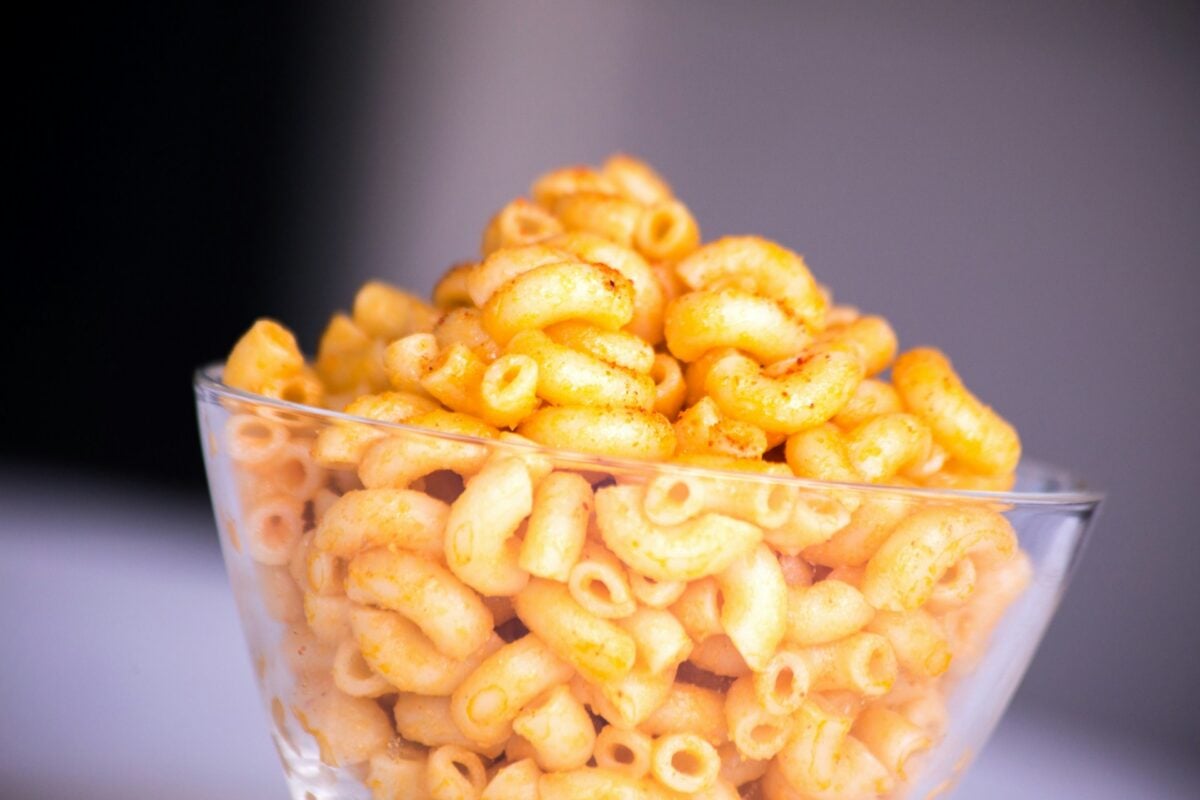
Mac and cheese doesn’t apologize for what it is. Pure comfort, no complexity, the kind of dish that tastes exactly like childhood feels when you remember only the good parts.
Adults ordering mac and cheese last year weren’t being ironic or nostalgic. They were being practical.
Sometimes the most sophisticated response to a complicated day is the least sophisticated food you can find. Extra cheese optional but recommended.
French Fries
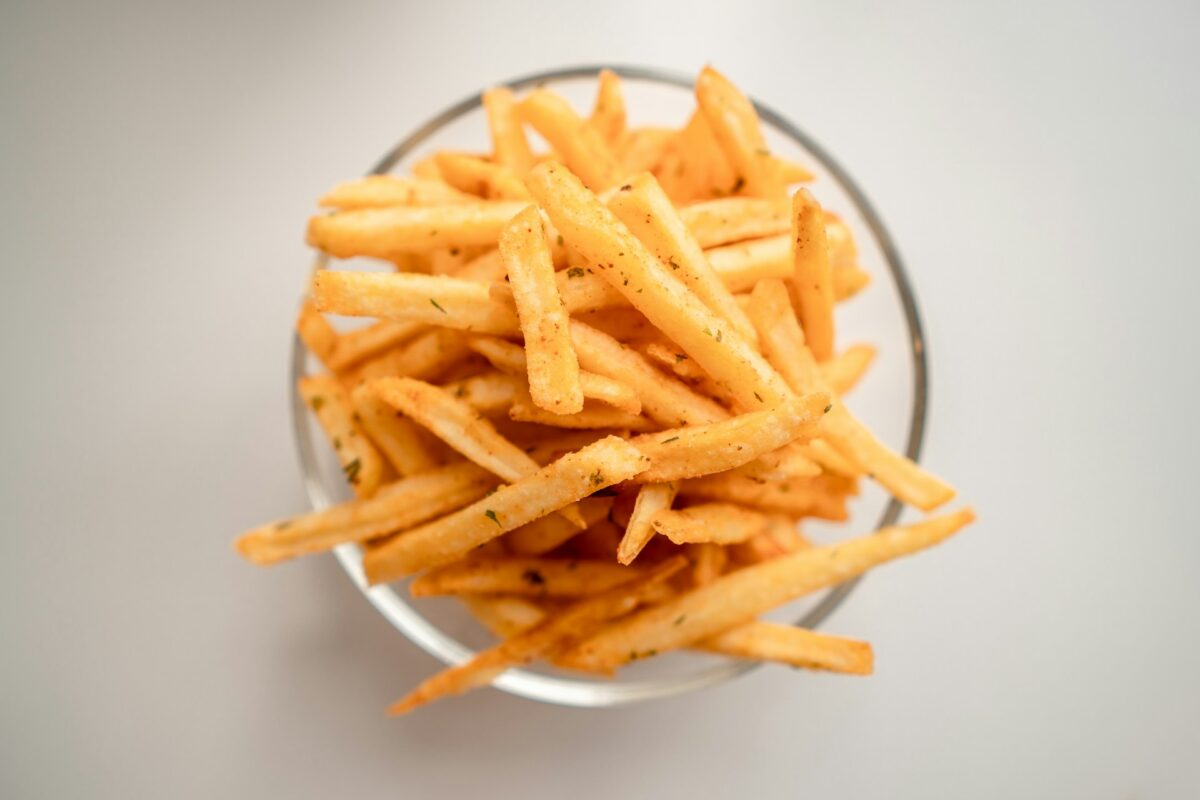
French fries are perfect and everyone knows it. Crispy outside, fluffy inside, exactly the right amount of salt if you’re lucky enough to get them fresh.
Last year’s fry obsession went beyond normal appreciation. People drove specifically for fries, ordered them as meals rather than sides, debated preparation methods with the intensity usually reserved for important decisions.
The craving made sense — few foods deliver satisfaction as immediately or completely as properly made fries.
Donuts
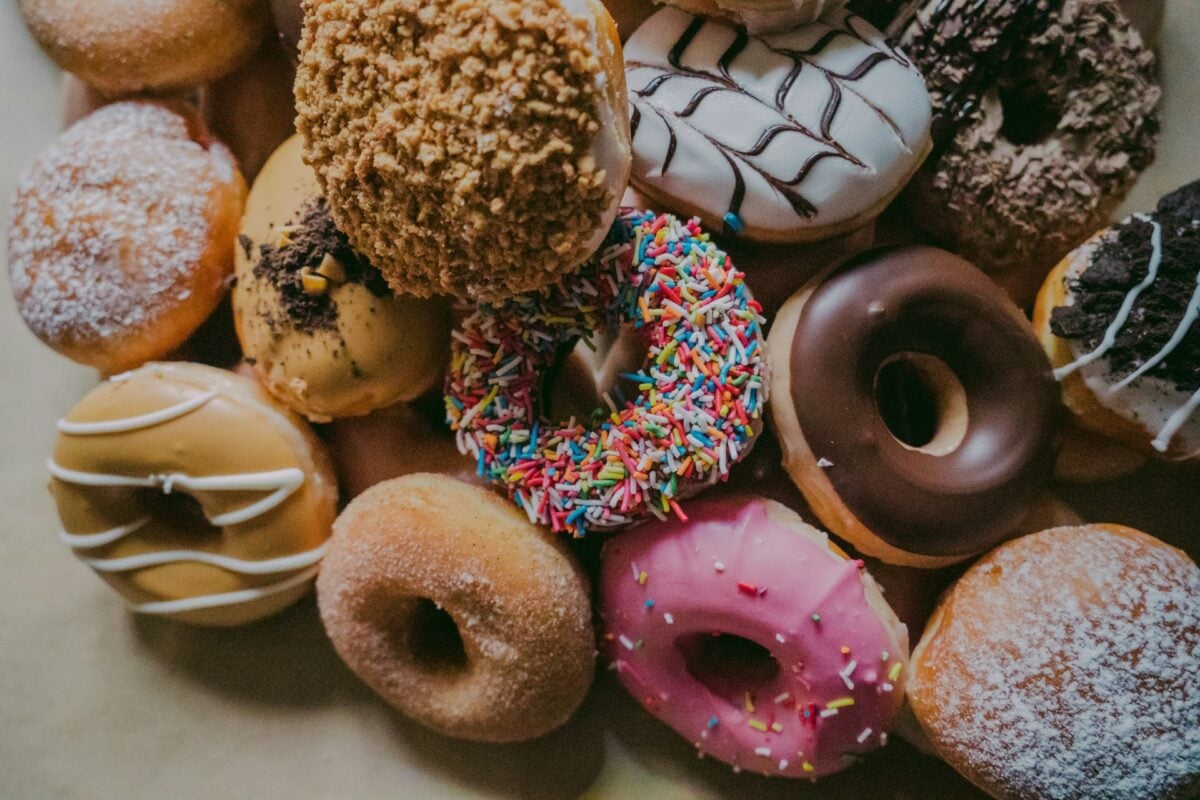
There’s something almost defiant about eating donuts (especially the good ones — not the sad, stale versions that sit under fluorescent lights in gas stations, but the real ones that arrive warm and covered in glaze that hasn’t quite set yet, the kind that require napkins and possibly a change of clothes afterward). Last year, this defiance felt necessary rather than indulgent.
Donut shops that had been struggling suddenly found themselves with lines around the block. People discovered flavors that pushed boundaries: maple bacon, lavender honey, combinations that sounded ridiculous until you tasted them.
And the timing wasn’t coincidental — sometimes the most reasonable response to an unreasonable year is fried dough covered in sugar. Which, when you think about it, makes perfect sense.
Soup
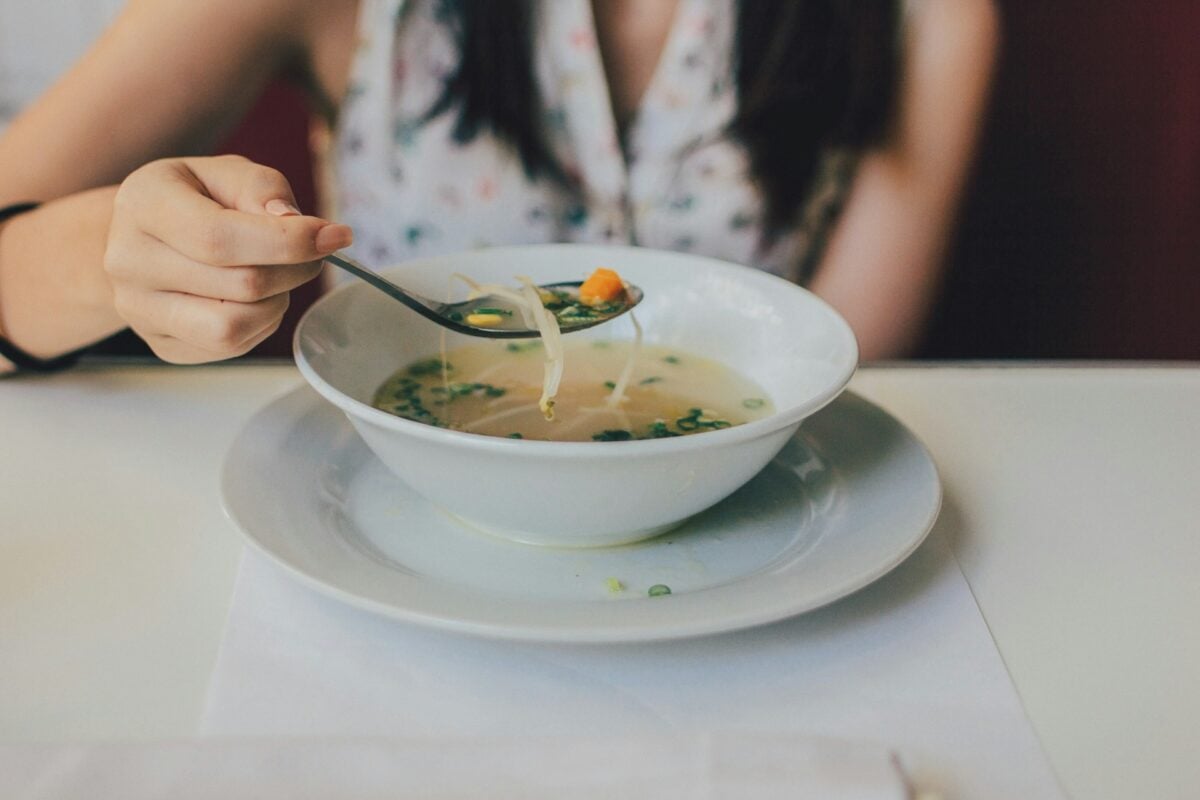
Soup is medicine that doesn’t taste like medicine. It arrives warm, requires a spoon, and somehow manages to feel both substantial and gentle at the same time.
Last year’s soup renaissance caught everyone by surprise. People who hadn’t made soup in years suddenly found themselves simmering vegetables and arguing about seasoning.
Restaurants known for other things started promoting their soup specials. The appeal was obvious once you thought about it — few foods combine nourishment with comfort as effectively as soup.
Cookies
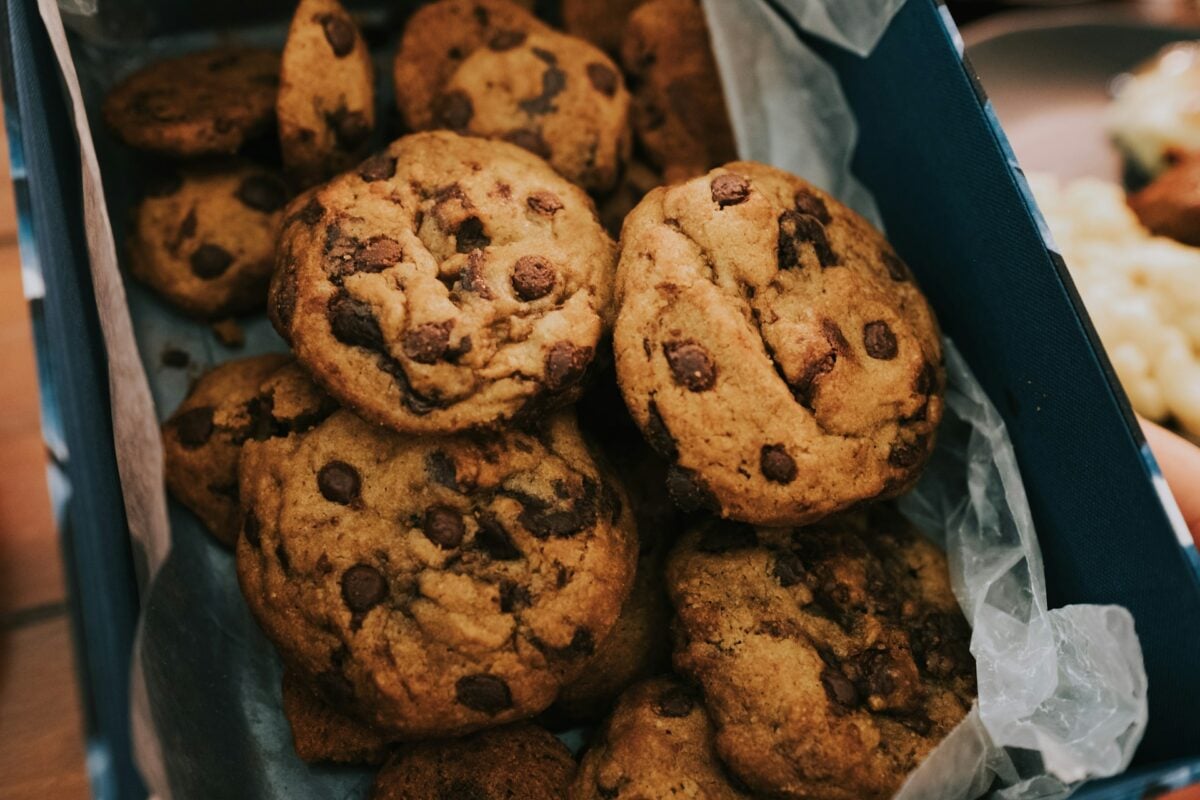
Cookies possess an unfair advantage over other desserts: they travel well, keep reasonably long, and can be eaten with one hand while doing other things. Last year, these practical benefits mattered more than usual.
The cookie craving manifested in multiple ways. Baking became a weekend activity for people who’d never owned measuring cups. Bakeries sold out of their daily batches earlier and earlier.
Even store-bought cookies experienced a renaissance as people rediscovered that sometimes the solution to a difficult afternoon is sugar in solid form.
Sushi
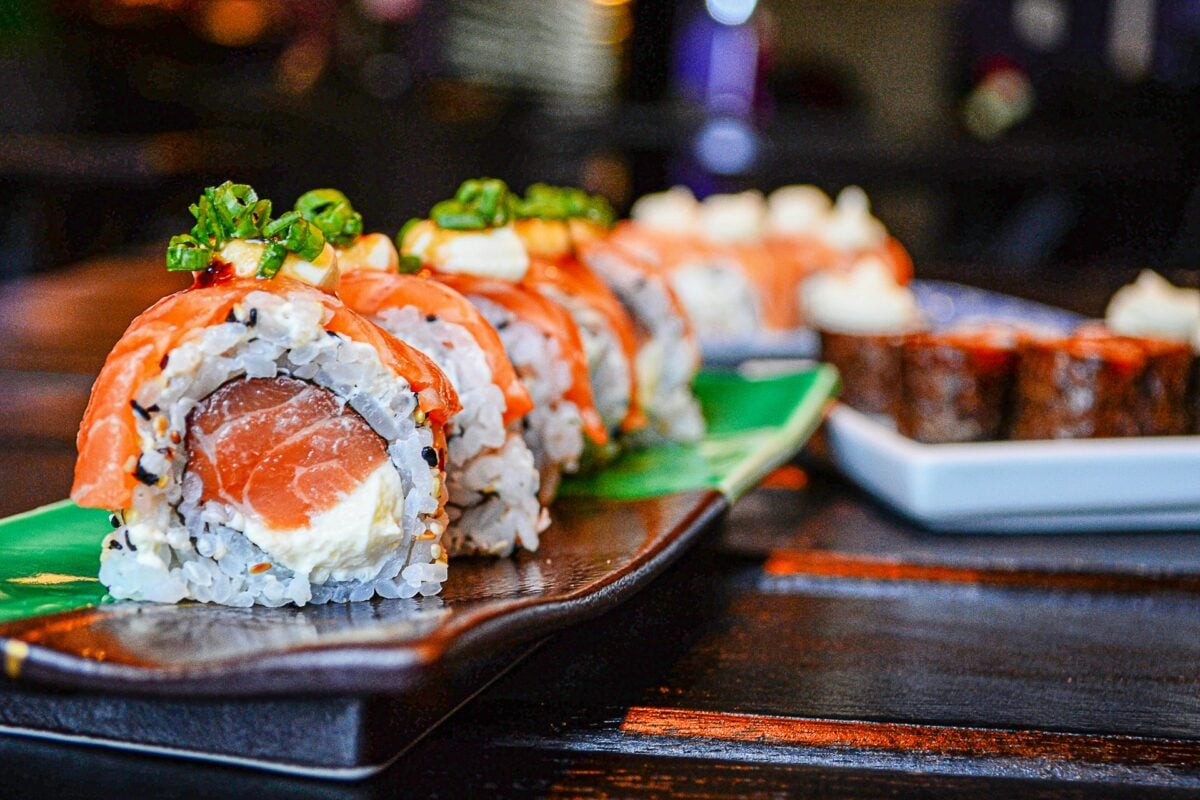
Sushi demands attention. You can’t eat it while scrolling through your phone or watching television — the chopsticks require focus, the flavors deserve consideration.
Last year’s sushi obsession reflected a hunger for experiences that insisted on mindfulness. People waited for reservations, splurged on omakase dinners, learned the names of fish they’d never heard of before.
The ritual of sushi — the presentation, the progression, the way each piece builds on the last — provided structure when other things felt chaotic.
Avocado Toast
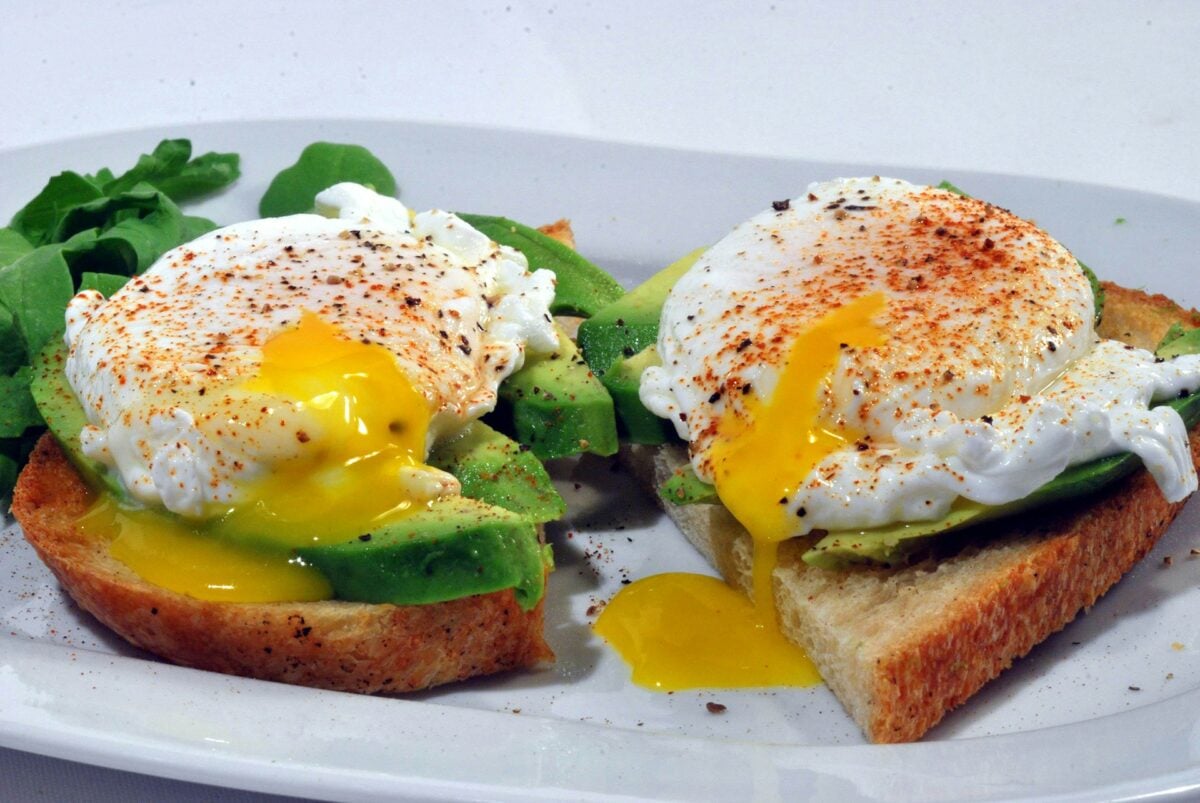
Avocado toast refuses to disappear despite years of mockery and economic blame. It persists because it works: healthy enough to feel virtuous, satisfying enough to qualify as a meal, photogenic enough to justify its restaurant markup.
Last year proved that some foods transcend trends to become permanent fixtures. Avocado toast orders remained steady while other dishes fluctuated wildly.
Turns out people weren’t just ordering breakfast — they were ordering reliability in edible form.
The Year Food Became Comfort
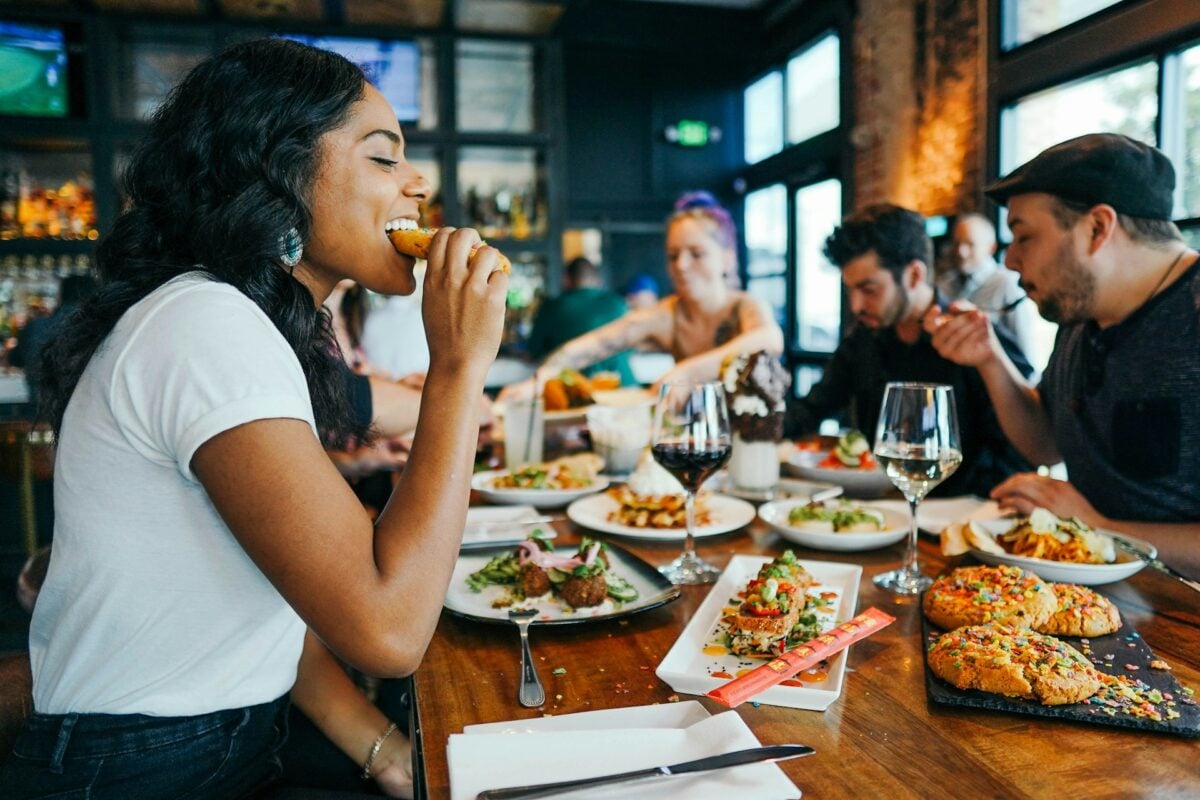
Looking back, last year’s food cravings make perfect sense. People didn’t just want to eat — they wanted to feel something through eating. Comfort, excitement, connection, nostalgia, or simply the satisfaction of a craving fulfilled exactly when it needed to be fulfilled.
These weren’t random impulses. They were responses to a year that demanded more from food than just nutrition.
And somehow, miraculously, food delivered.
More from Go2Tutors!

- The Romanov Crown Jewels and Their Tragic Fate
- 13 Historical Mysteries That Science Still Can’t Solve
- Famous Hoaxes That Fooled the World for Years
- 15 Child Stars with Tragic Adult Lives
- 16 Famous Jewelry Pieces in History
Like Go2Tutors’s content? Follow us on MSN.