18 Incredible Wildlife Migrations Worldwide
So my buddy Dave was telling me about this nature show he watched, and honestly? I thought he was making half of it up. Animals traveling thousands of miles just because their internal clock says it’s time to move? Sounds fake, but turns out nature is way weirder than I gave it credit for.
I started looking into this stuff and wow. These animals make human travel look pathetic. We complain about delayed flights, meanwhile there’s birds flying for nine days straight without landing. We use GPS and still get lost going to the grocery store, but salmon find their exact birthplace after years swimming around the ocean.
Here is a list of 18 incredible wildlife migrations that made me realize animals are basically superhuman.
Arctic Tern

So these little birds do something that sounds made up. They fly 44,000 miles every year.
That’s more than most people drive in their entire lives. From north pole to south pole and back, chasing summer like they’ve got unlimited vacation days.
And they weigh like, nothing. My phone probably weighs more than these birds.
Great Wildebeest Migration
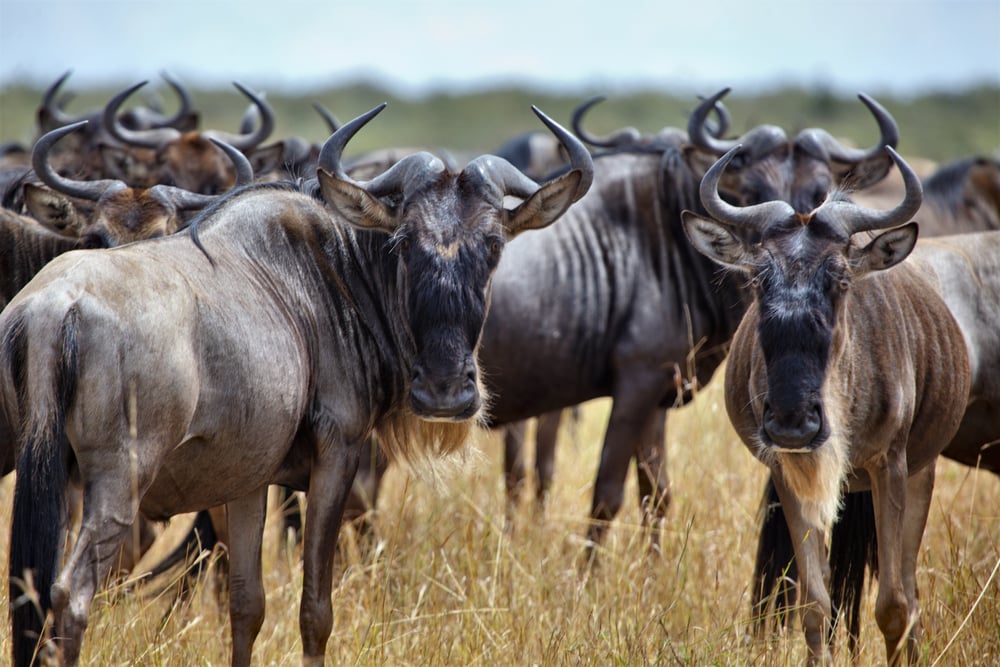
Ever seen those nature docs where millions of animals are running across Africa? That’s real, and it’s completely insane.
Over a million wildebeest plus zebras and whatever else decides to tag along. They’re following grass, which seems simple until crocodiles start eating them at river crossings.
Nature documentaries never mention how stressful this must be for the animals.
Like Go2Tutors’s content? Follow us on MSN.
Humpback Whale Journey
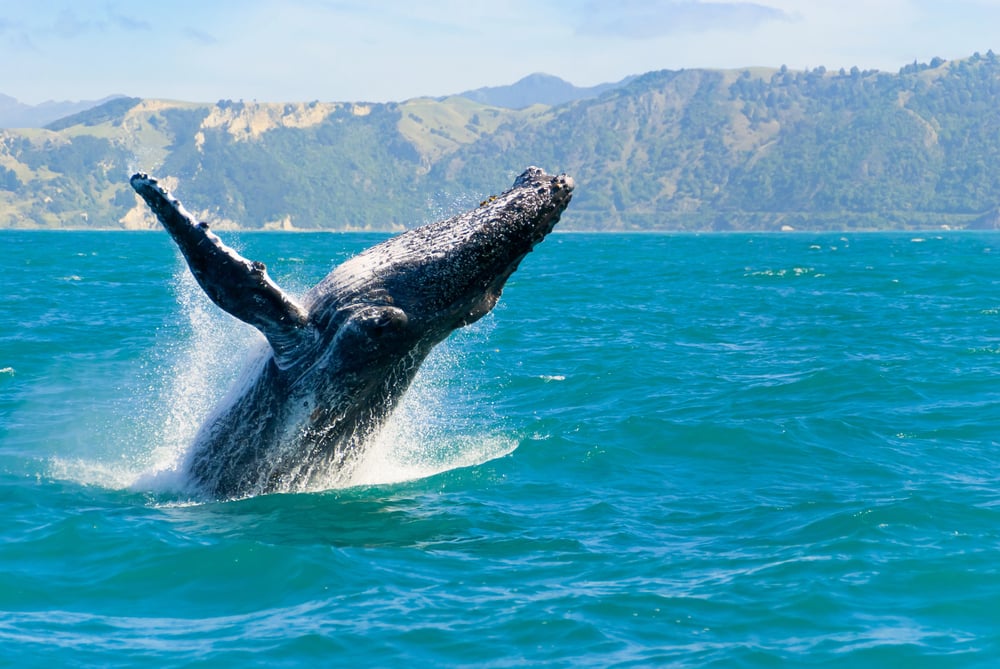
Imagine if your neighbor decided to swim to another continent because winter was coming. That’s basically what humpback whales do, except they’re the size of buses and swim 16,000 miles.
They don’t even eat during this trip. I get hangry if I skip breakfast, but these whales just… don’t eat for months.
How does that even work?
Christmas Island Red Crab March

This is the weirdest thing I’ve ever heard of. Every year, 40 million crabs just decide it’s time to walk to the beach.
The entire island looks like it’s filled with red. People have to stop driving because there’s literally too many crabs on the roads.
It’s like if every person in California suddenly decided to walk to the ocean at the same time, except they’re all red and have claws.
Gray Whale Coastal Route

These whales basically do the ultimate family road trip. Almost 12,000 miles from Alaska to Mexico, then back again with their babies.
Except instead of “Are we there yet?” it’s probably more like “Why is everything so cold/warm?” You can actually see them from beaches in California, which beats trying to spot them from some tiny boat.
Like Go2Tutors’s content? Follow us on MSN.
Monarch Butterfly Transcontinental Flight

This one broke my brain when I first read about it. Monarchs fly 3,000 miles, but here’s the thing – the butterflies that come back north aren’t the same ones that went south.
It takes four generations to do one complete trip. So basically, butterflies that have never been somewhere somehow know exactly where to go.
That’s like me instinctively knowing how to get to my great-grandmother’s house that I’ve never seen.
Pacific Salmon Homecoming
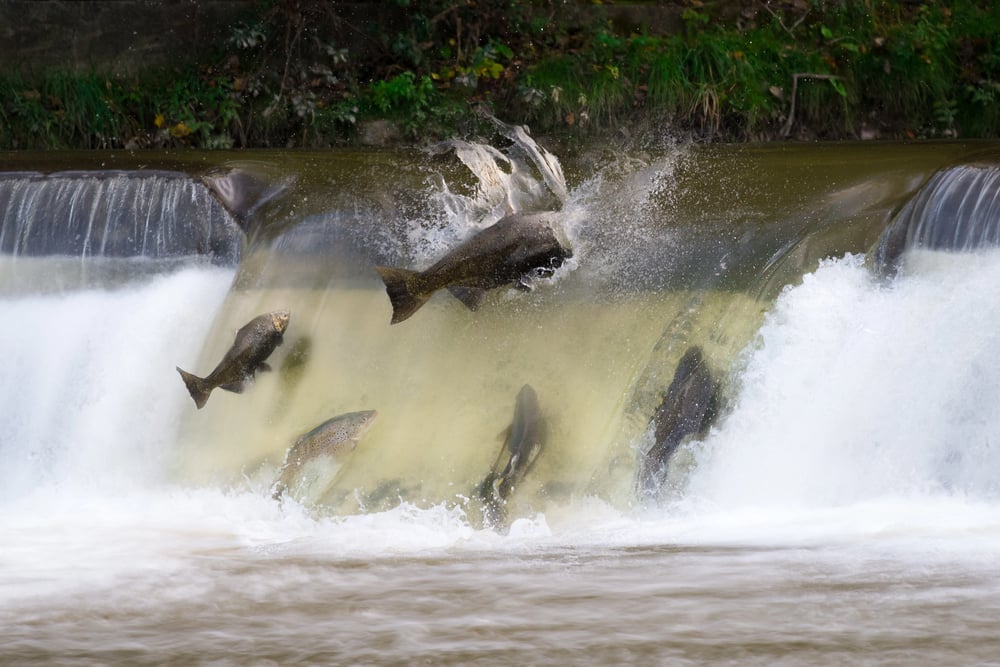
Salmon have better navigation than my car’s GPS. They swim thousands of miles through the ocean, then somehow find the exact creek where they were born.
Not just the general area – the specific stream. They’re using smell and magnetic fields and probably some other science stuff I don’t understand.
Then they swim up waterfalls just to have babies and die. Talk about commitment.
African Elephant Circuit
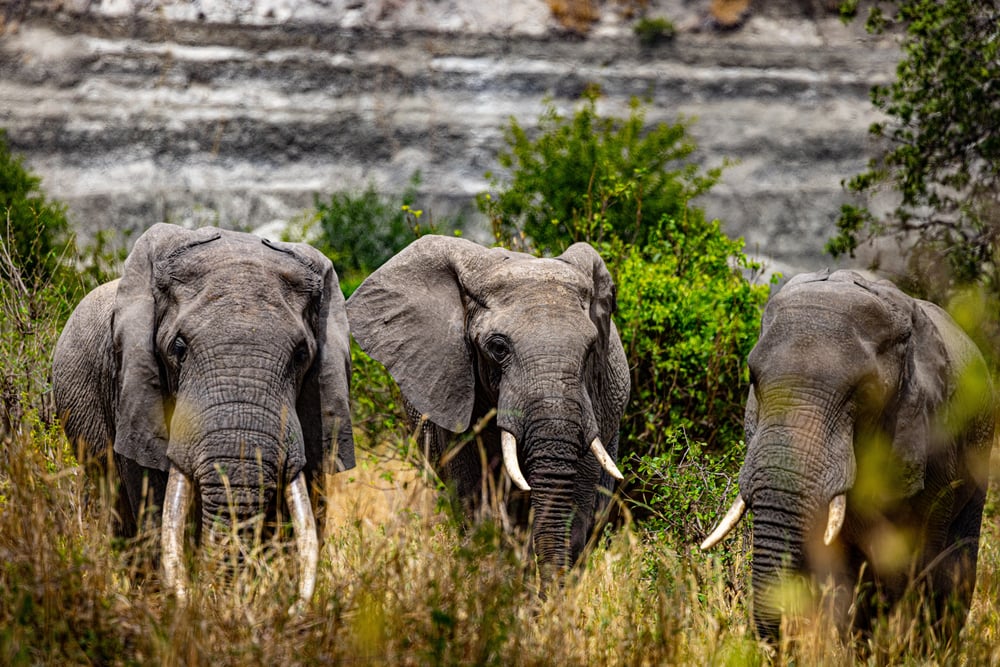
20,000 elephants in Botswana walk 300 miles following the same paths their ancestors used. It’s like they have a family travel itinerary that’s been passed down for generations.
The crazy part? Their footsteps actually help create the water channels they need. They’re basically doing construction work while they travel.
Like Go2Tutors’s content? Follow us on MSN.
Zebra Plains Crossing

Everyone knows about wildebeest migrations, but zebras are out here doing their own thing that’s actually longer. 20,000 zebras walk 600 miles in Botswana following rain patterns.
They’re like meteorologists with stripes. This migration is longer than the famous wildebeest one, but zebras apparently have worse PR.
Caribou Arctic Trek
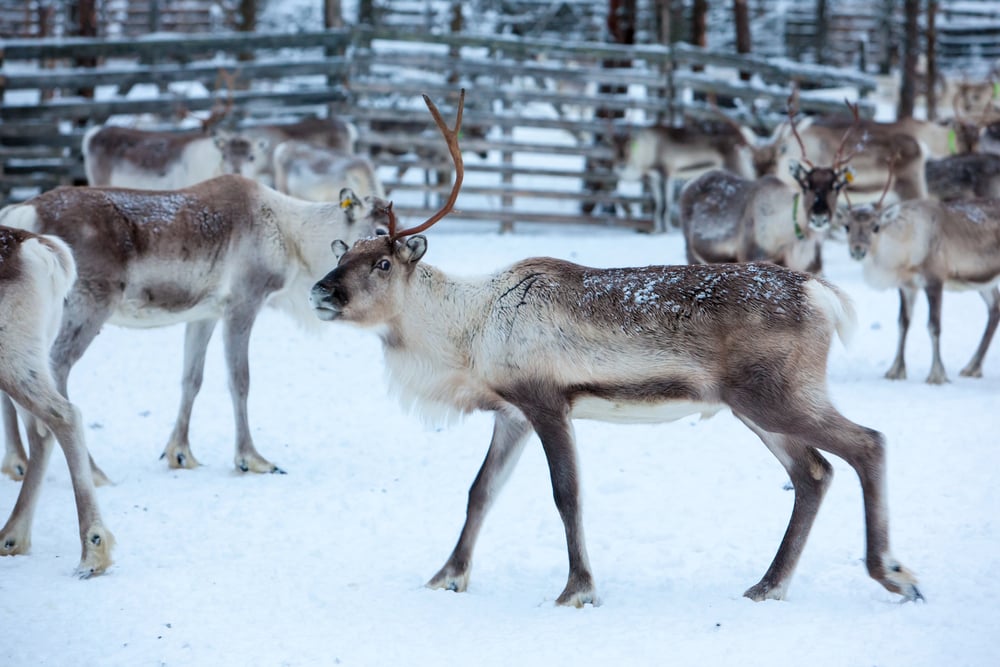
Caribou walk over 3,000 miles every year through terrain that would kill most humans. Snow, ice, mountains, wolves – they just keep walking.
200,000 of them moved together across Alaska and Canada. It’s like the world’s largest hiking group, except they’re all deer and they never complain about their feet hurting.
Bar-tailed Godwit Marathon
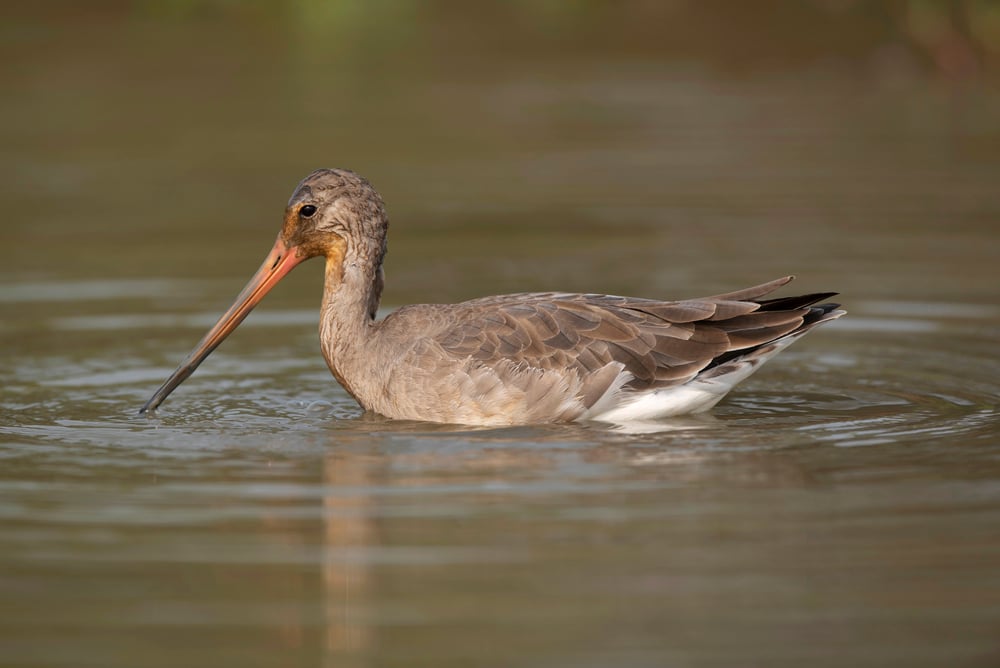
This is where nature gets really show-offy. These birds fly 7,000 miles without stopping.
Nine days straight over the Pacific Ocean. No food, no water, no rest stops.
They actually shrink their internal organs before leaving to make room for more fat, then regrow them when they arrive. That’s like removing your liver before a road trip to make room for more snacks.
Like Go2Tutors’s content? Follow us on MSN.
Leatherback Turtle Ocean Odyssey

Leatherbacks swim 10,000 miles a year chasing jellyfish around the world’s oceans. One turtle was tracked swimming from Indonesia to California.
That’s like swimming from New York to London, except underwater and you have to find your own food along the way. Also you’re a turtle, so everything wants to eat you.
South African Sardine Run
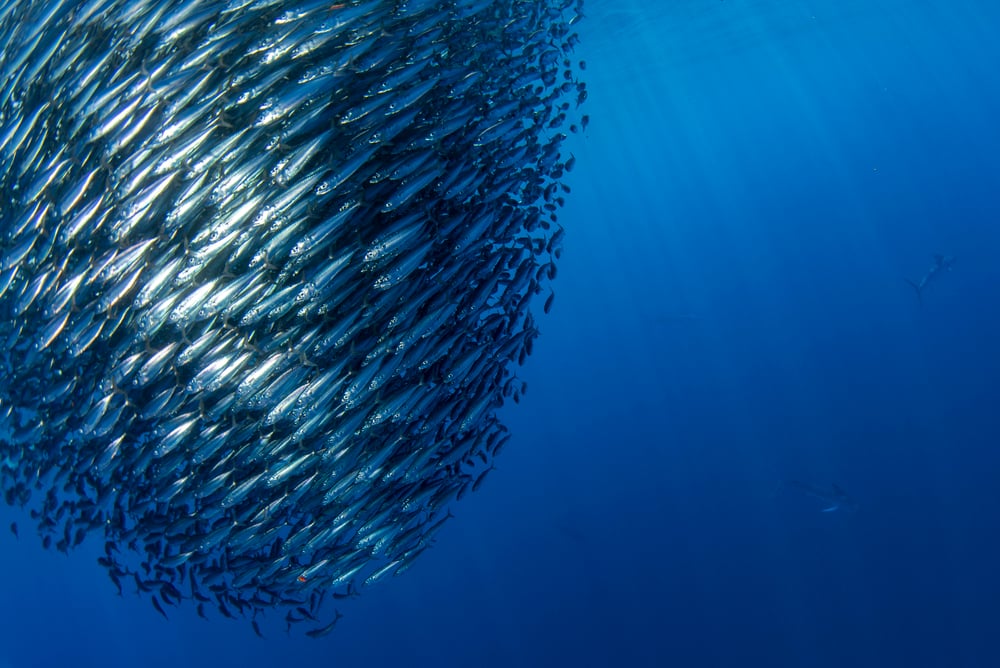
Billions of sardines create the ocean’s version of a traffic jam every year. The schools are so massive you can see them from space.
Every predator shows up – sharks, dolphins, whales, birds. It’s like the world’s largest all-you-can-eat buffet, except you might also become someone else’s meal while you’re eating.
Zambian Fruit Bat Gathering

8 million bats show up at one park in Zambia every year. The sky goes completely black.
I can’t even imagine how loud that must be. They come from all over Africa just to eat fruit for a few months, then disappear again.
It’s like if everyone in New York City was a bat and they all decided to have a fruit party in Central Park.
Like Go2Tutors’s content? Follow us on MSN.
Green Darner Dragonfly Relay

Dragonflies figured out something pretty smart. Generation one flies north in spring, generation two flies south in fall, generation three hangs out in the south all winter.
It’s like a family business where each generation only works part-time. These tiny bugs somehow pass down travel directions through their DNA, which seems impossible but apparently works.
Atlantic Salmon River Return

Atlantic salmon can smell their way home from thousands of miles away. Every river has its own scent signature, like a liquid fingerprint.
They spend years in the ocean, then somehow navigate back to their exact birthplace. Unlike Pacific salmon, these guys can actually survive spawning and do the whole thing multiple times.
Overachievers.
East African Flamingo Circuit
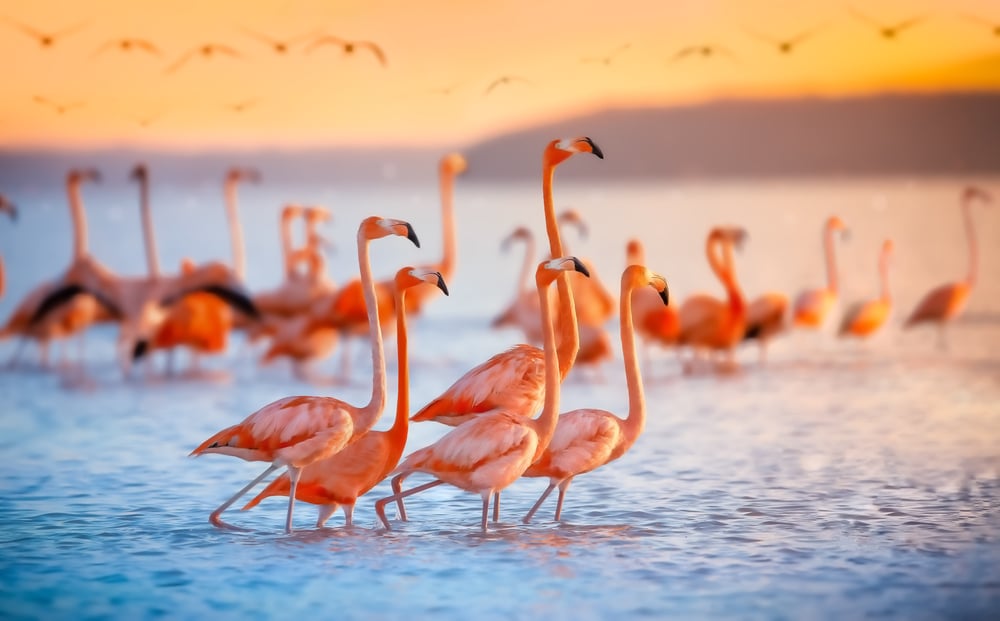
Flamingos appear and disappear like magic tricks. One day a lake is empty, the next morning it’s covered in thousands of pink birds.
They follow food and water between different lakes, creating these amazing shows that can vanish overnight. It’s like nature’s version of a flash mob, except prettier and with more birds.
Like Go2Tutors’s content? Follow us on MSN.
Magellanic Penguin Coastal Journey

These penguins swim 3,000 miles up and down South America’s coast. They spend most of their time at sea, only coming to land for breeding and molting.
During migration, they dive 300 feet down and hold their breath for three minutes. That’s pretty impressive for birds that can’t fly but decided to become torpedoes instead.
The Big Picture

All these migrations have been happening since way before humans existed. Animals moving nutrients around the planet, connecting ecosystems, keeping everything balanced.
Each migration represents millions of years of animals figuring out what works and what gets you eaten. We’re kind of messing this up though.
Climate change is throwing off timing, we’re building stuff in the way of ancient routes, and pollution is making everything harder. But these animals keep adapting, keep trying.
Because for them, migration isn’t just travel – it’s how they stay alive.
More from Go2Tutors!

- 16 Historical Figures Who Were Nothing Like You Think
- 12 Things Sold in the 80s That Are Now Illegal
- 15 VHS Tapes That Could Be Worth Thousands
- 17 Historical “What Ifs” That Would Have Changed Everything
- 18 TV Shows That Vanished Without a Finale
Like Go2Tutors’s content? Follow us on MSN.