16 Mind-Blowing Facts About Ancient Egypt
Ancient Egypt continues to captivate our imagination thousands of years after the last pharaoh ruled the Nile. Maybe it’s the mystery of the pyramids or the allure of golden treasures hidden in tombs.
Perhaps it’s simply that this civilization achieved things that seem impossible even by today’s standards. Whatever draws you to ancient Egypt, the reality of daily life along the Nile was far stranger and more fascinating than any Hollywood movie has ever captured.
The Great Pyramid Was Once Covered in Smooth White Limestone
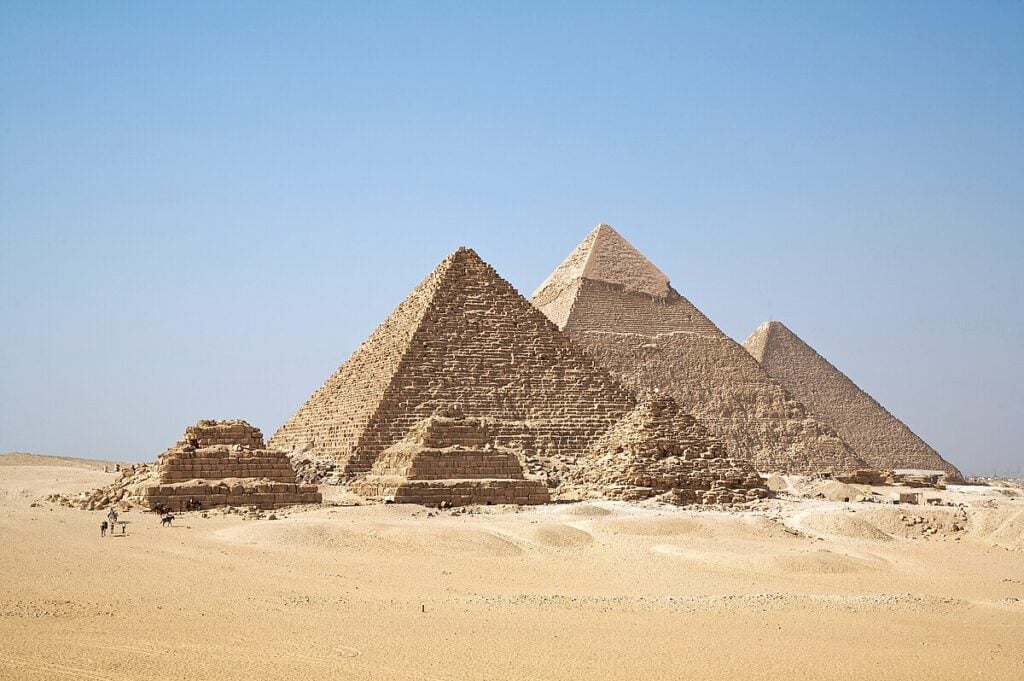
The Great Pyramid at Giza looked nothing like the stepped stone structure you see today. Originally, it was covered in polished white Tura limestone that made the entire structure gleam like a beacon across the desert.
The surface was so smooth and reflective that ancient writers described it as appearing to glow from within.
Most of that limestone casing was stripped away over the centuries and used to build Cairo. Only a few casing stones remain at the base, but they’re enough to show how dramatically different this wonder of the world once appeared.
Egyptian Women Had More Legal Rights Than Most Women Throughout History
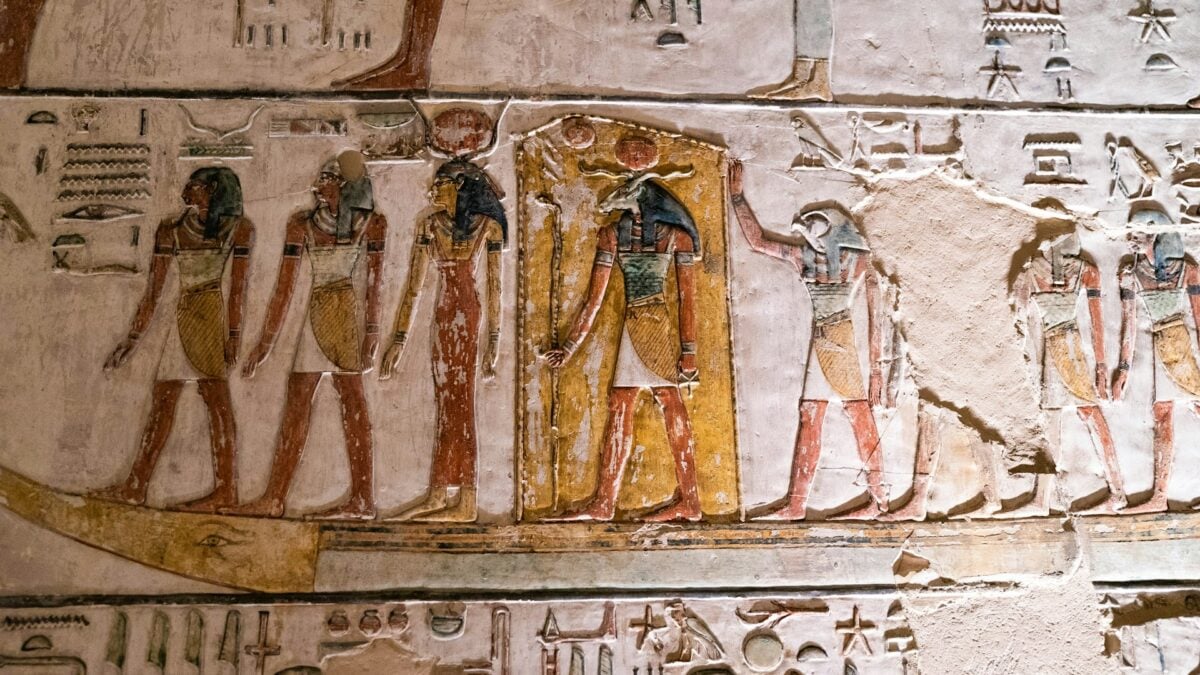
Here’s something that might surprise anyone who assumes ancient civilizations were universally oppressive to women: Egyptian women could own property, initiate divorce, run businesses, and serve as witnesses in court (something that wasn’t possible for women in many societies well into the modern era). They could even become pharaohs in their own right, which happened more often than most people realize.
And the property rights weren’t symbolic — when an Egyptian woman divorced her husband, she kept everything she had brought into the marriage plus a portion of what the couple had acquired together. So while Egyptian society wasn’t exactly a feminist paradise, it was remarkably progressive compared to what came before and after it in many parts of the world.
But then again, when your civilization lasts for three thousand years, you probably figure out that excluding half the population from economic life is a waste of talent. Even so, the contrast with ancient Greece (where women were essentially property) or medieval Europe is striking, which raises uncomfortable questions about what we mean when we talk about the “progress” of civilization.
They Invented the 365-Day Calendar
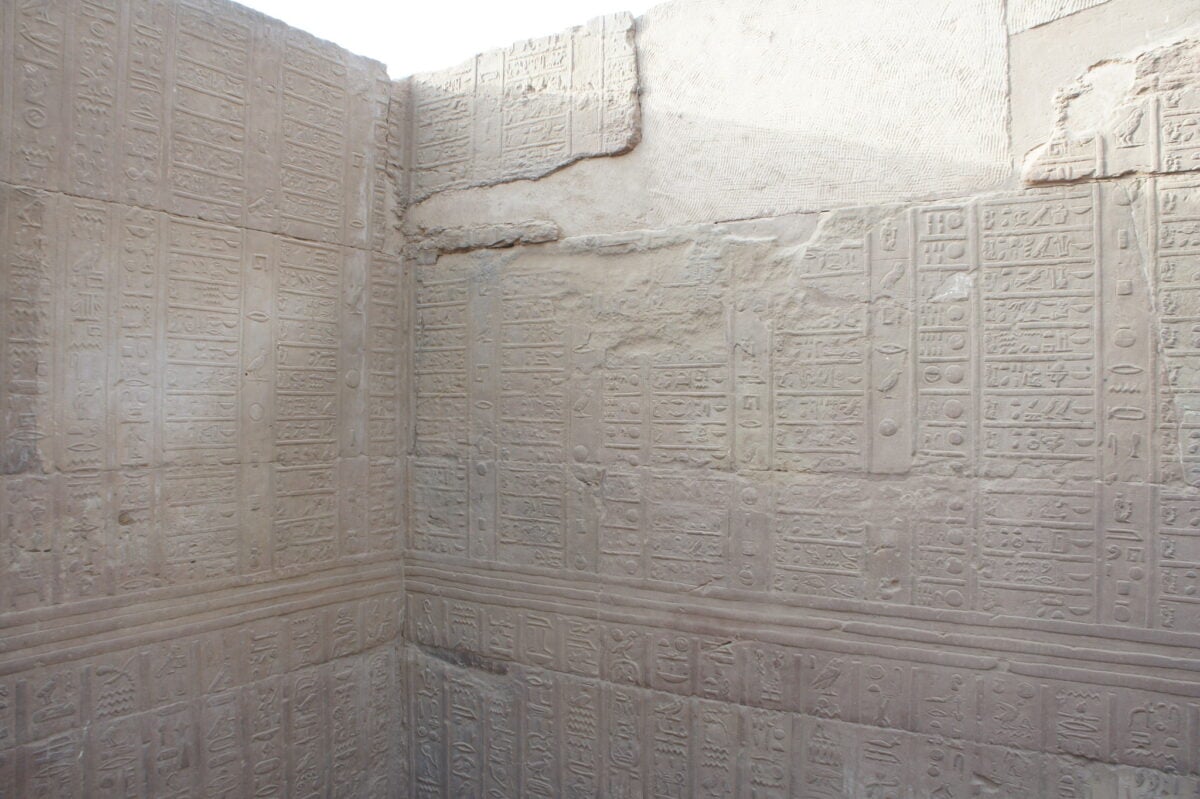
Walk through the calendar system that governs your entire life — work schedules, holidays, birthdays — and you’re essentially using a tool invented by ancient Egyptian astronomers. They figured out that the year was 365 days long by tracking the annual flood of the Nile and correlating it with the movements of stars.
The precision was remarkable. They divided the year into 12 months of 30 days each, then added five extra days at the end.
These bonus days were dedicated to the births of major gods, turning a mathematical necessity into religious celebration.
Ancient Egyptians Practiced Brain Surgery
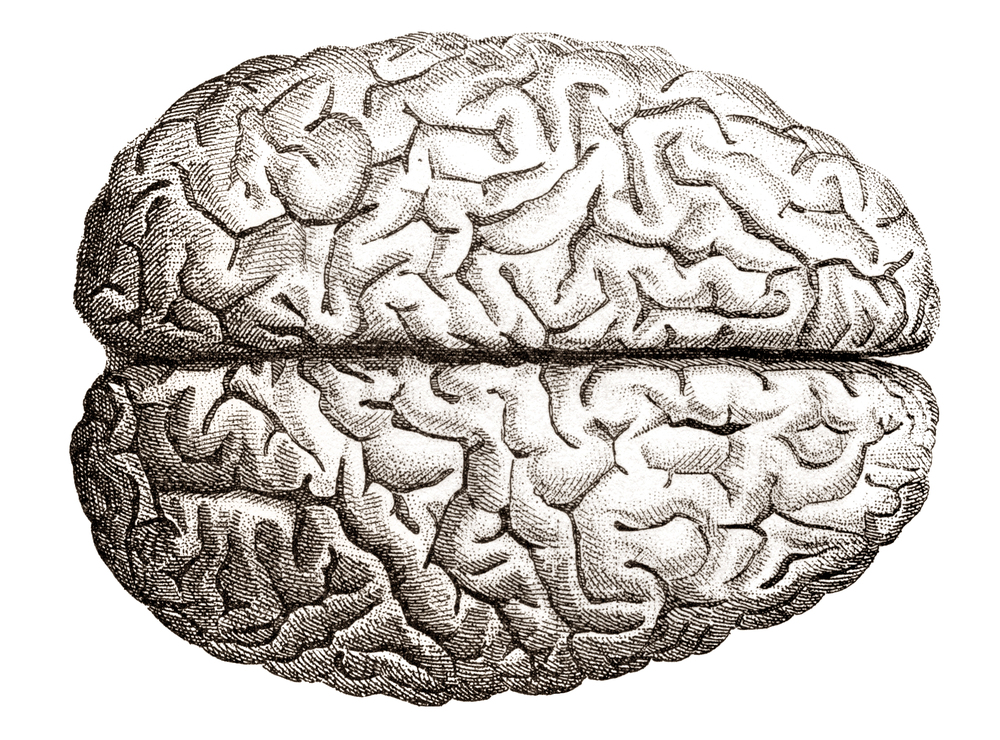
Egyptian medical papyri describe surgical procedures that wouldn’t look entirely out of place in a modern operating room. They performed cataract surgery, set broken bones with splints, and yes — they opened skulls to operate on the brain.
The Edwin Smith Papyrus, dating to around 1600 BCE, contains detailed descriptions of head injuries and their treatment. Some skulls found in Egyptian tombs show clear evidence of successful brain surgery, meaning the patient lived long enough after the operation for the bone to heal.
Not bad for a civilization that supposedly knew nothing about medicine.
Cleopatra Lived Closer in Time to the Moon Landing Than to the Construction of the Great Pyramid
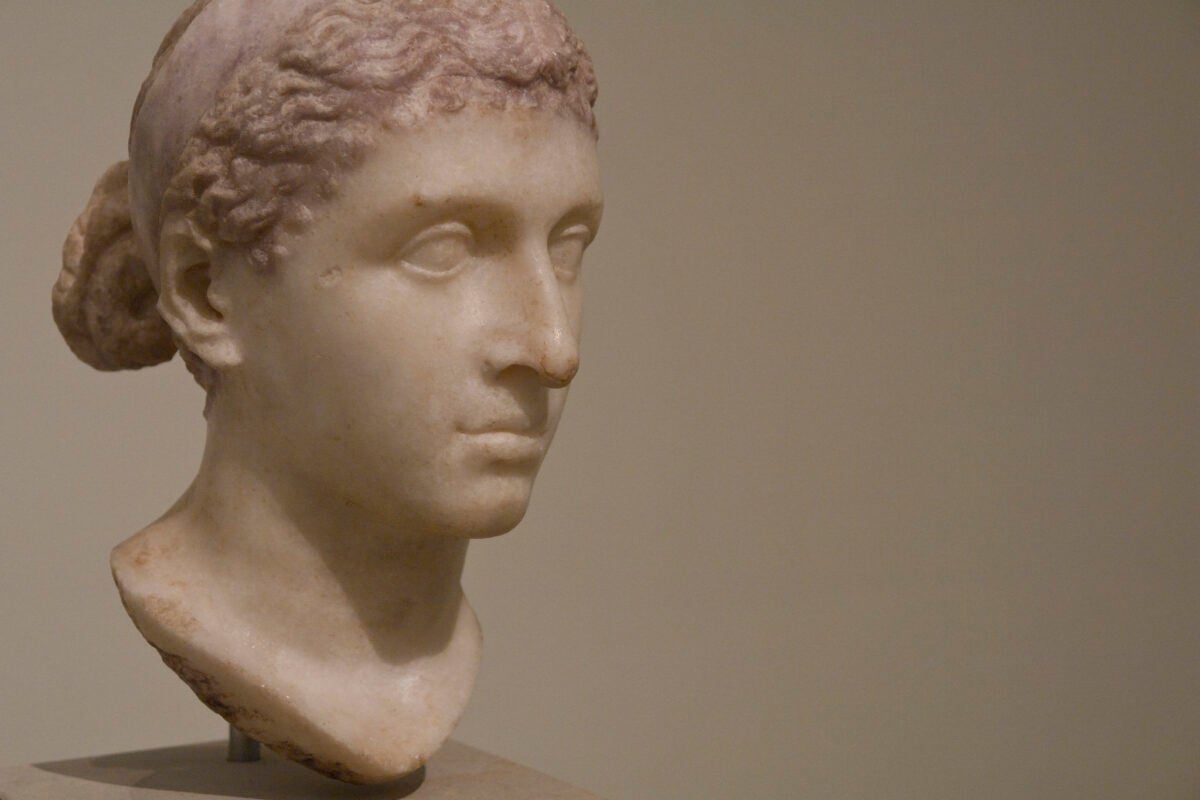
This fact rearranges everything most people think they know about Egyptian chronology. When Cleopatra ruled Egypt, the Great Pyramid was already more ancient to her than the Roman Empire is to us.
She lived around 69-30 BCE, while the Great Pyramid was completed around 2560 BCE.
That means Cleopatra was separated from the pyramid builders by roughly 2,500 years. The Apollo 11 moon landing happened in 1969 CE, making it only about 2,000 years after Cleopatra’s death.
Ancient Egypt wasn’t a single civilization — it was a series of kingdoms, dynasties, and cultural shifts spanning three millennia.
They Used Moldy Bread as Antibiotic Medicine

Long before Alexander Fleming discovered penicillin in 1928, Egyptian physicians were prescribing moldy bread to treat infected wounds. Medical papyri contain recipes for poultices made from bread that had been deliberately left to develop certain types of mold.
Modern analysis has confirmed that some of these molds do indeed produce antibiotic compounds. The Egyptians didn’t understand the science behind why moldy bread worked, but they observed that it helped wounds heal faster and used it systematically.
Trial and error, repeated over centuries, had led them to one of the most important medical discoveries in human history — they just didn’t know why it worked.
Egyptian Makeup Wasn’t Just Vanity
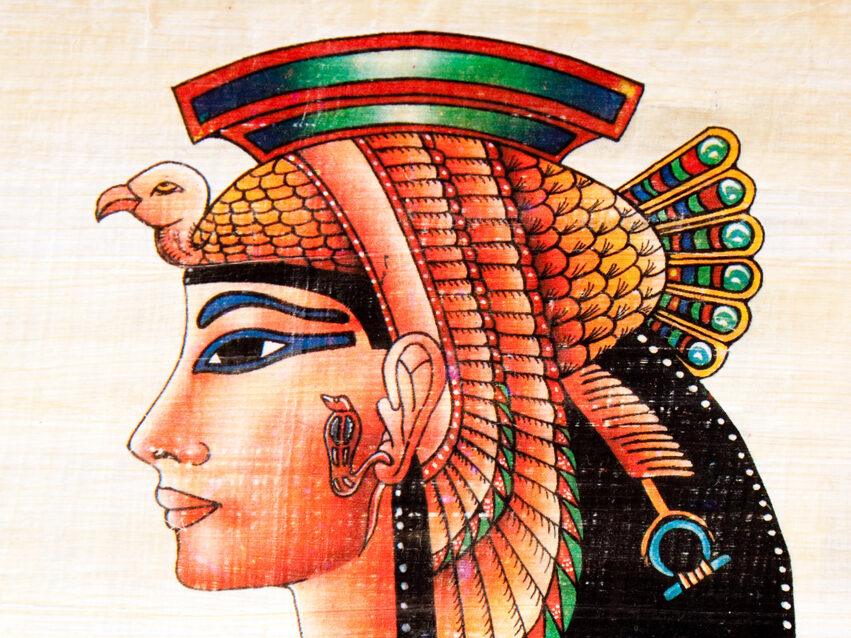
The dramatic eye makeup that defines Egyptian art in your mind served a practical purpose that had nothing to do with beauty standards. The kohl used to line eyes contained lead-based compounds that actually helped prevent eye infections — a serious concern in a desert climate where sand and dust were constant irritants.
Recent chemical analysis of kohl samples found in tombs shows that Egyptian cosmetics contained antimicrobial agents. The makeup also provided some protection against the sun’s glare reflecting off sand and water.
So while Egyptian eye makeup certainly made a fashion statement, it was fundamentally functional medicine disguised as cosmetics.
The Pyramids Were Built by Paid Workers, Not Slaves
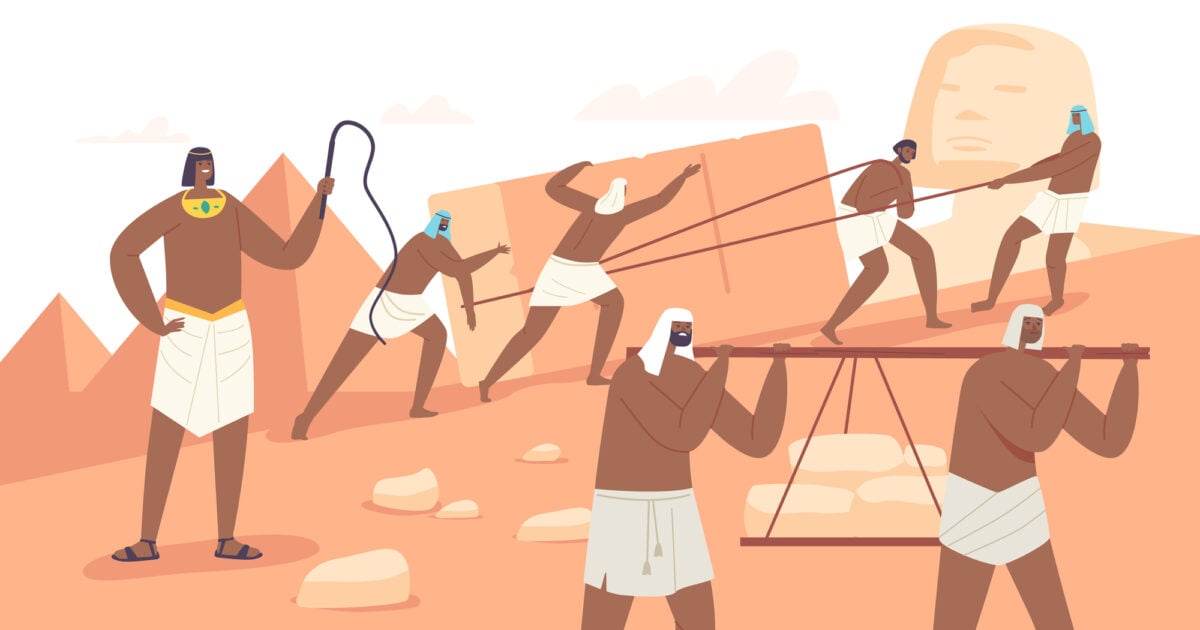
Hollywood got this one spectacularly wrong, and the mistake has become so embedded in popular culture that correcting it feels almost futile. But archaeological evidence from the pyramid construction sites tells a clear story: the workers were paid employees who lived in purpose-built villages, ate well, and received medical care when injured.
Graffiti left by work crews on the pyramid stones includes team names like “Friends of Khufu” and “Drunkards of Menkaure” — not exactly what you’d expect from enslaved laborers. The workers’ cemetery near the pyramids contains bodies that show signs of healed fractures and surgical procedures, indicating that injured workers received treatment rather than being discarded.
And the sheer volume of cattle bones found in the workers’ village suggests they were eating meat regularly, which would have been expensive and unlikely for slaves.
Ancient Egyptians Had Pregnancy Tests

Egyptian medical texts describe a pregnancy test that, remarkably, actually worked. Women would urinate on wheat and barley seeds, then wait to see which seeds sprouted first.
If the wheat sprouted first, the child would be a girl; if barley sprouted first, it would be a boy. If neither sprouted, the woman wasn’t pregnant.
Modern testing has shown this method was about 70% accurate at detecting pregnancy — not perfect, but far better than random chance. The reason it worked is that pregnant women’s urine contains elevated levels of estrogen, which affects seed germination.
Egyptian physicians had stumbled onto a biochemical reality without understanding the underlying science.
They Were the First People to Keep Cats as Pets
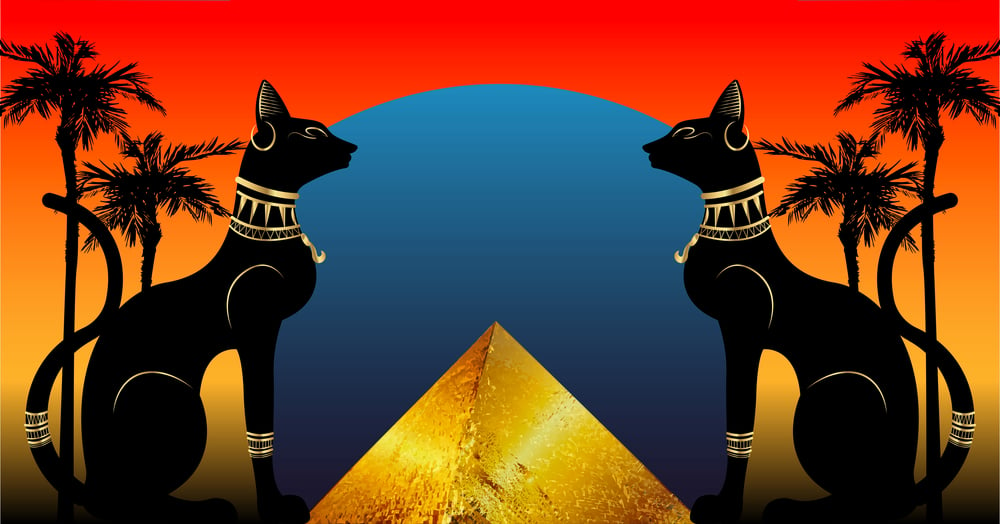
Before ancient Egypt, cats were wild animals that occasionally hung around human settlements to hunt rodents. Egyptians were the first people to deliberately domesticate cats, and they took the relationship seriously enough to mummify their pets and bury them in elaborate cat cemeteries.
The goddess Bastet, depicted as a cat or woman with a cat’s head, was one of the most popular deities in the Egyptian pantheon. Killing a cat, even accidentally, could result in the death penalty.
When a household cat died naturally, the family would shave their eyebrows as a sign of mourning and keep them shaved until the hair grew back.
Egyptian Doctors Specialized in Specific Body Parts
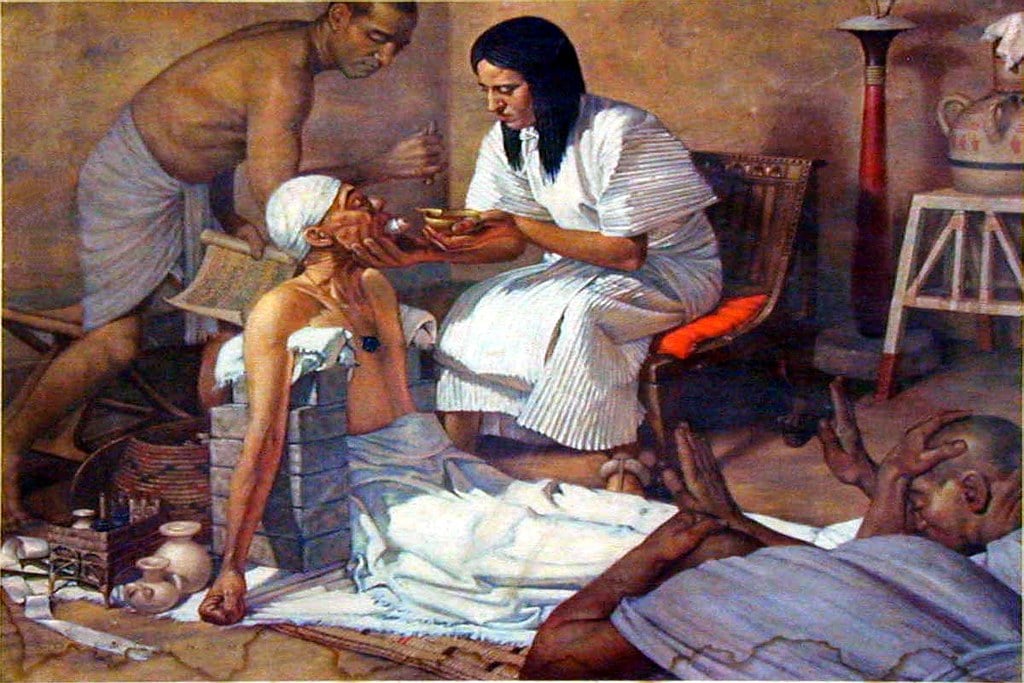
Forget the idea of ancient medicine as primitive guesswork performed by general practitioners who knew a little about everything. Egyptian medicine was specialized to a degree that would be familiar to anyone navigating modern healthcare.
There were eye doctors, dentists, surgeons who only worked on broken bones, and physicians who specialized in internal medicine.
The Greek historian Herodotus, writing in the 5th century BCE, noted that Egyptian medicine was so specialized that “each physician treats just one disease, not several.” Some doctors focused exclusively on headaches, others on stomach problems, others on conditions affecting women.
This level of medical specialization wouldn’t reappear in Europe until the Renaissance, more than a thousand years later.
They Invented Breath Mints

Egyptian medical papyri contain recipes for breath fresheners made from frankincense, myrrh, and cinnamon rolled into small pellets. These weren’t occasional luxuries for the wealthy — they were considered basic hygiene items that most people used regularly.
The Egyptians were obsessed with personal cleanliness and pleasant scents, partly for religious reasons and partly because they understood that bad breath could indicate health problems. Some of their breath mint recipes also included medicinal herbs intended to treat dental issues and gum disease.
Ancient Egyptian Beer Was Safer Than Water
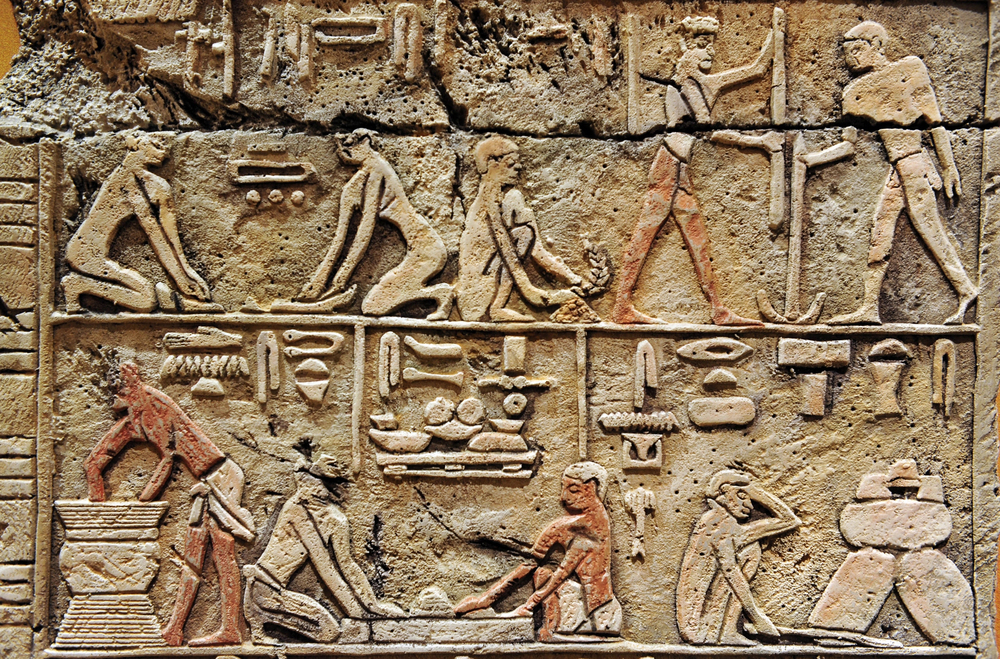
In a time before water purification systems, beer wasn’t just a social drink — it was a practical necessity. The brewing process killed harmful bacteria that made river water dangerous to drink, and Egyptian beer was thick, nutritious, and mildly alcoholic.
Everyone drank beer daily, including children, whose beer was diluted but still safer than water. Workers were often paid partly in beer rations, and some job contracts specified how much beer the employer was required to provide.
Egyptian beer was more like liquid bread than modern beer — thick, filling, and crucial for survival in a world where clean water couldn’t be guaranteed.
The irony is that a beverage most people now consider recreational was once one of the most important public health innovations in human history.
They Had Sophisticated Dental Care
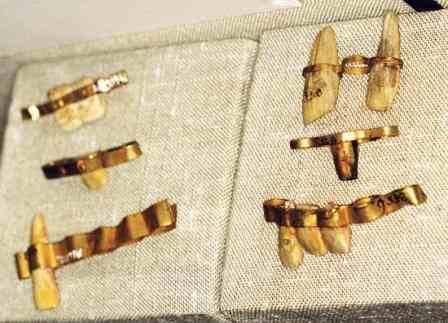
Egyptian mummies show evidence of dental procedures that wouldn’t be out of place in a modern dentist’s office. Dentists drilled pits to drain abscesses, created bridges to replace missing teeth, and even performed root canals using thin bronze instruments.
Some mummies have gold wire holding loose teeth in place — essentially ancient dental braces. The wealthy sometimes had their teeth replaced with ivory or gold substitutes that were wired into place.
Egyptian dental tools found in tombs include forceps, probes, and specialized knives designed for oral surgery.
Egyptian Mathematics Enabled Engineering Marvels
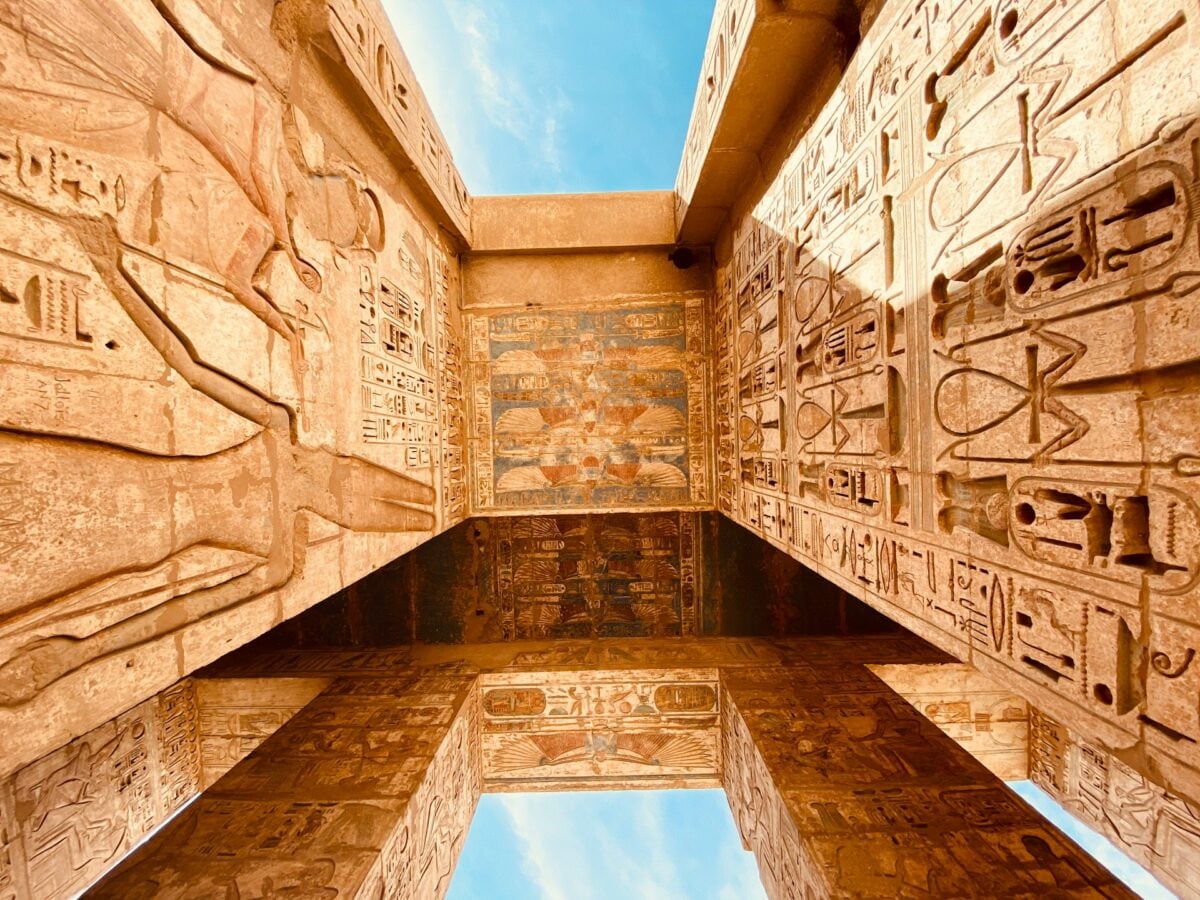
The mathematical precision required to build the pyramids reveals a sophisticated understanding of geometry that most people assume didn’t exist in the ancient world. Egyptian engineers calculated angles, volumes, and structural loads with remarkable accuracy using a decimal system and advanced geometric principles.
The Great Pyramid’s base is level to within just 2.1 centimeters — a tolerance that would be impressive even with modern surveying equipment. The angles of the pyramid faces are precise to within 3/60th of a degree.
This wasn’t accidental or approximate; it was the result of mathematical calculations that required a deep understanding of geometric relationships.
They Developed the World’s First Police Force
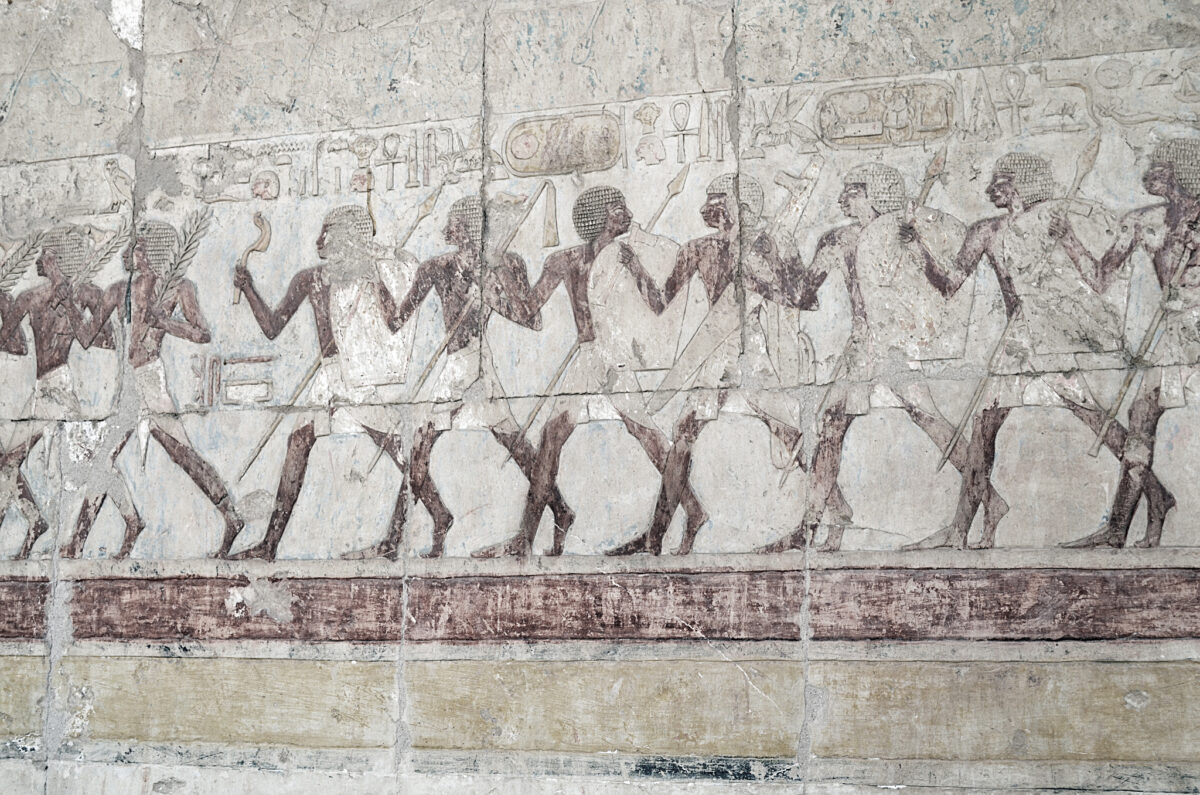
Ancient Egypt had professional law enforcement officers whose job was specifically to prevent crime and investigate wrongdoing. These weren’t soldiers who occasionally handled civilian problems — they were dedicated police with specialized training and equipment.
Egyptian police carried staffs as weapons and badges of authority, patrolled specific beats, and investigated crimes using methods that included interrogating witnesses and examining physical evidence. Some police units specialized in particular types of crime, like tomb robbery or smuggling.
The concept of professional law enforcement as distinct from military service was an Egyptian innovation that wouldn’t become common elsewhere until thousands of years later.
Timeless Echoes Along the Nile
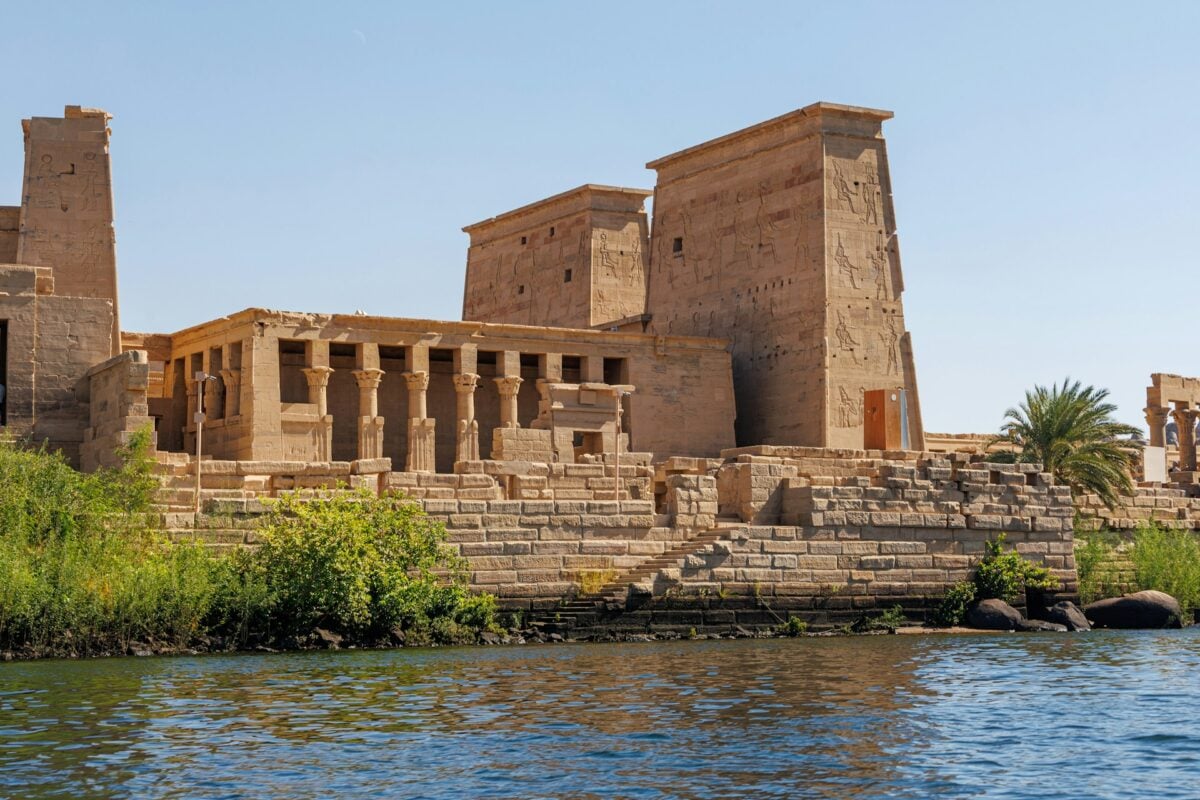
Ancient Egypt refuses to stay buried in the past, and maybe that’s the point. This civilization didn’t just build monuments designed to last forever — it created ideas, innovations, and ways of organizing human society that keep surfacing in unexpected places.
Every time you check a calendar, visit a doctor, or watch your cat knock something off a table, you’re participating in traditions that started along the Nile thousands of years ago. The real mystery isn’t how they moved those massive stone blocks or why they mummified their dead.
It’s how a civilization that ended before the birth of Christ managed to embed itself so thoroughly into the modern world.
More from Go2Tutors!

- The Romanov Crown Jewels and Their Tragic Fate
- 13 Historical Mysteries That Science Still Can’t Solve
- Famous Hoaxes That Fooled the World for Years
- 15 Child Stars with Tragic Adult Lives
- 16 Famous Jewelry Pieces in History
Like Go2Tutors’s content? Follow us on MSN.


