15 Strange Materials Humans Have Used to Build Real Buildings
When faced with construction obstacles, people have shown incredible resourcefulness throughout history. While traditional building materials like concrete, stone, and wood still predominate in contemporary construction, communities all over the world have experimented with unexpected substitutes when innovation was required due to necessity, ingenuity, or environmental concerns.
Here is a list of 15 odd materials that people have actually utilized to build actual structures, showcasing how adaptable and resourceful our species is when it comes to building shelter.
Bottles
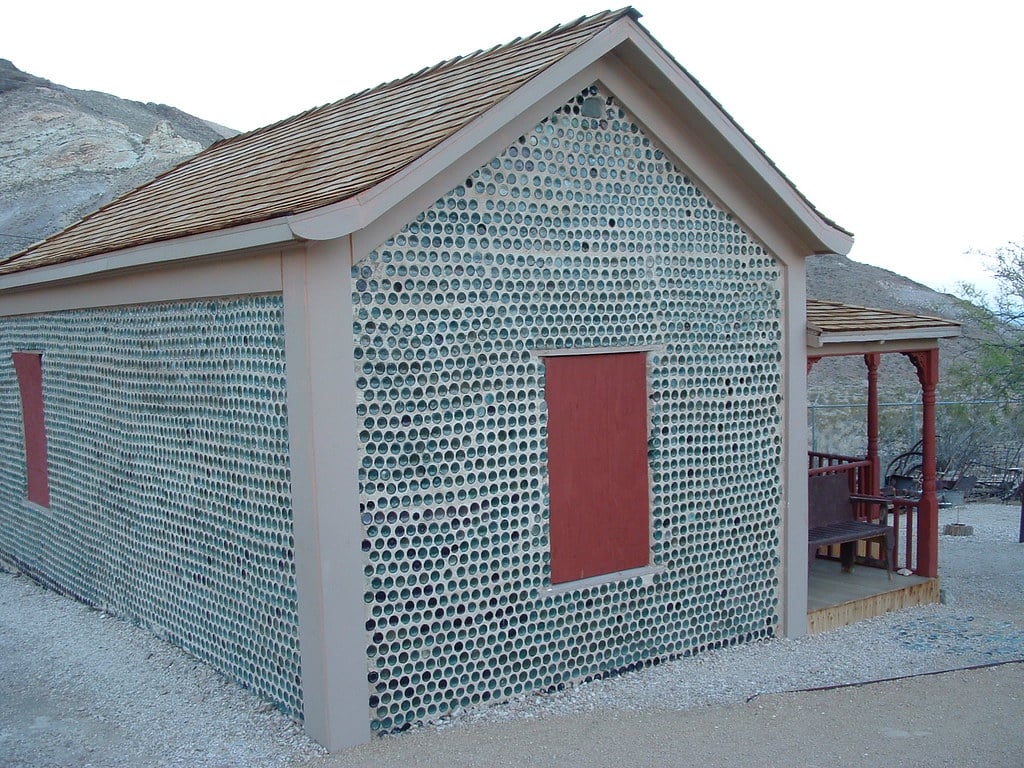
Glass bottles serve as surprisingly effective building blocks when embedded in mortar. The Bottle House in Rhyolite, Nevada, built in 1906, used over 50,000 bottles during a lumber shortage in this mining town.
Light filters through the colorful glass walls, creating stunning interior patterns while providing decent insulation properties in the desert climate.
Salt
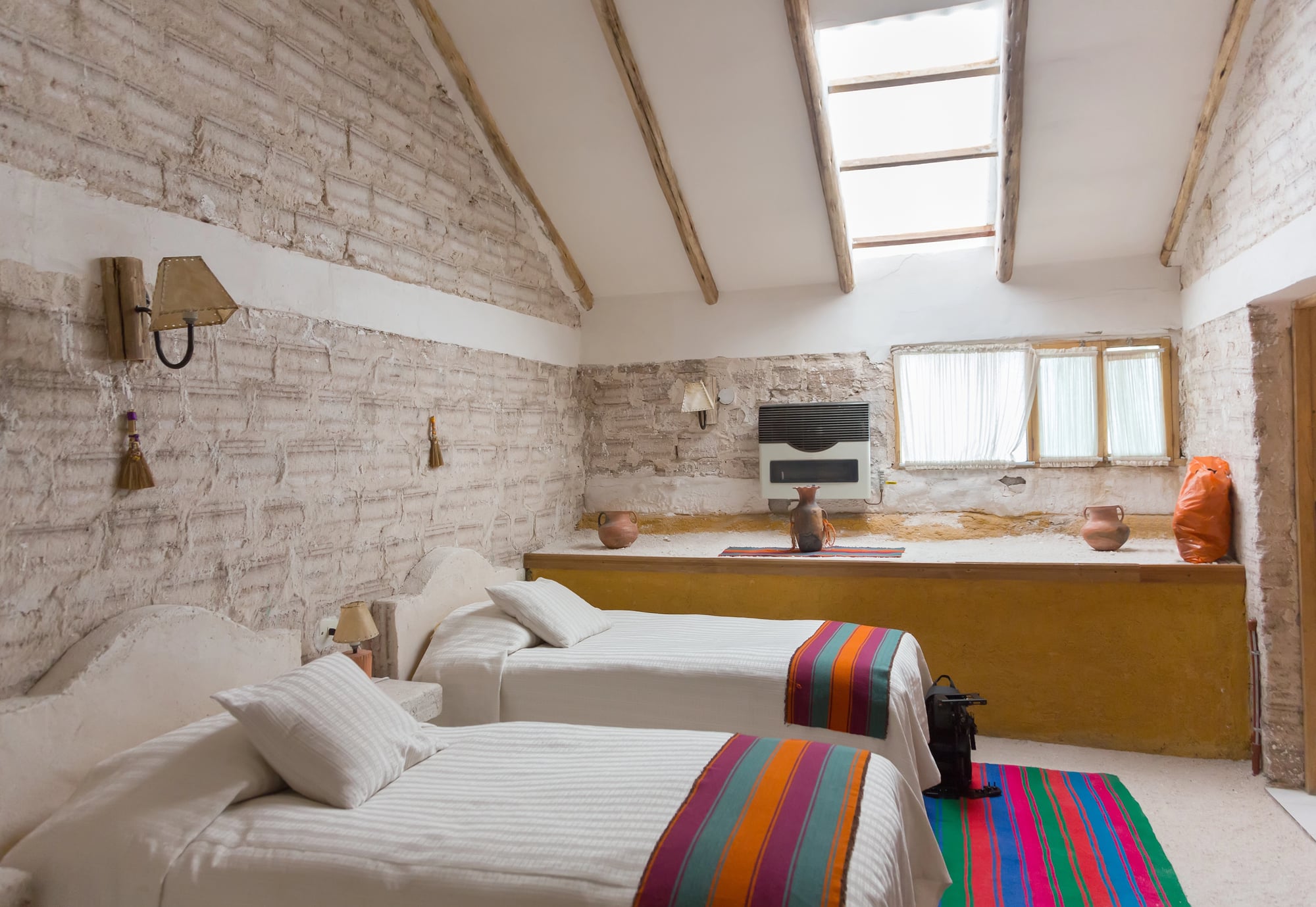
Salt blocks carved from salt flats create surprisingly durable structures in dry climates. The Palacio de Sal hotel in Bolivia sits on the Salar de Uyuni salt flat and consists almost entirely of salt blocks, including walls, floors, and much of the furniture.
The structure requires minimal maintenance in the arid environment, though guests are politely asked not to lick the walls.
Airplane Parts
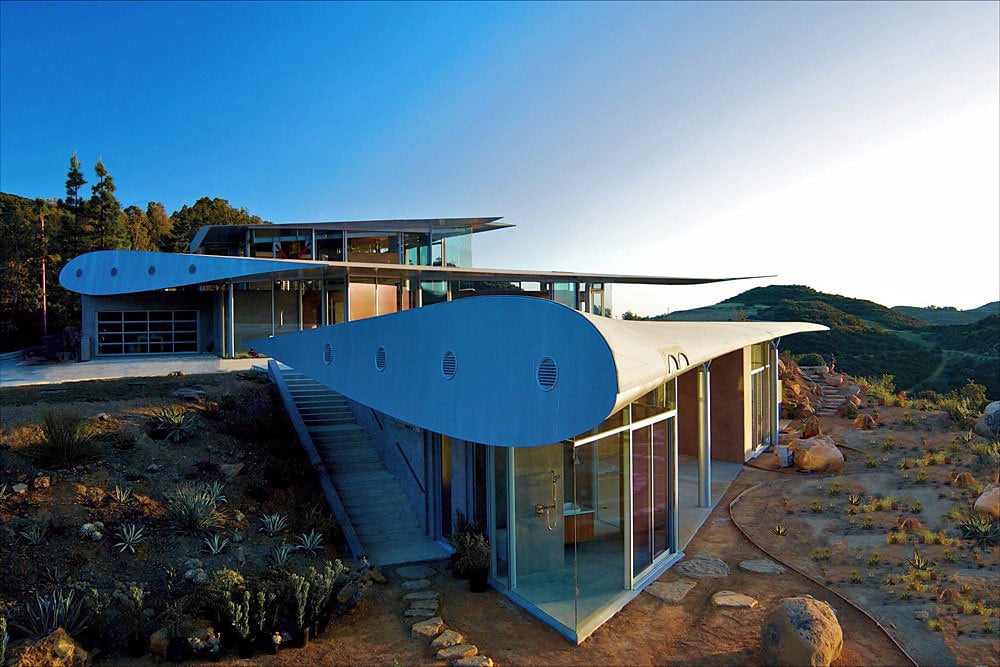
Decommissioned aircraft components have found new life as architectural elements. The 747 Wing House in Malibu repurposed wings and fuselage sections from a Boeing 747 to create a spectacular residential property.
The aluminum components provide strength, weather resistance, and a distinctive aesthetic that no conventional material could match.
Paper Tubes
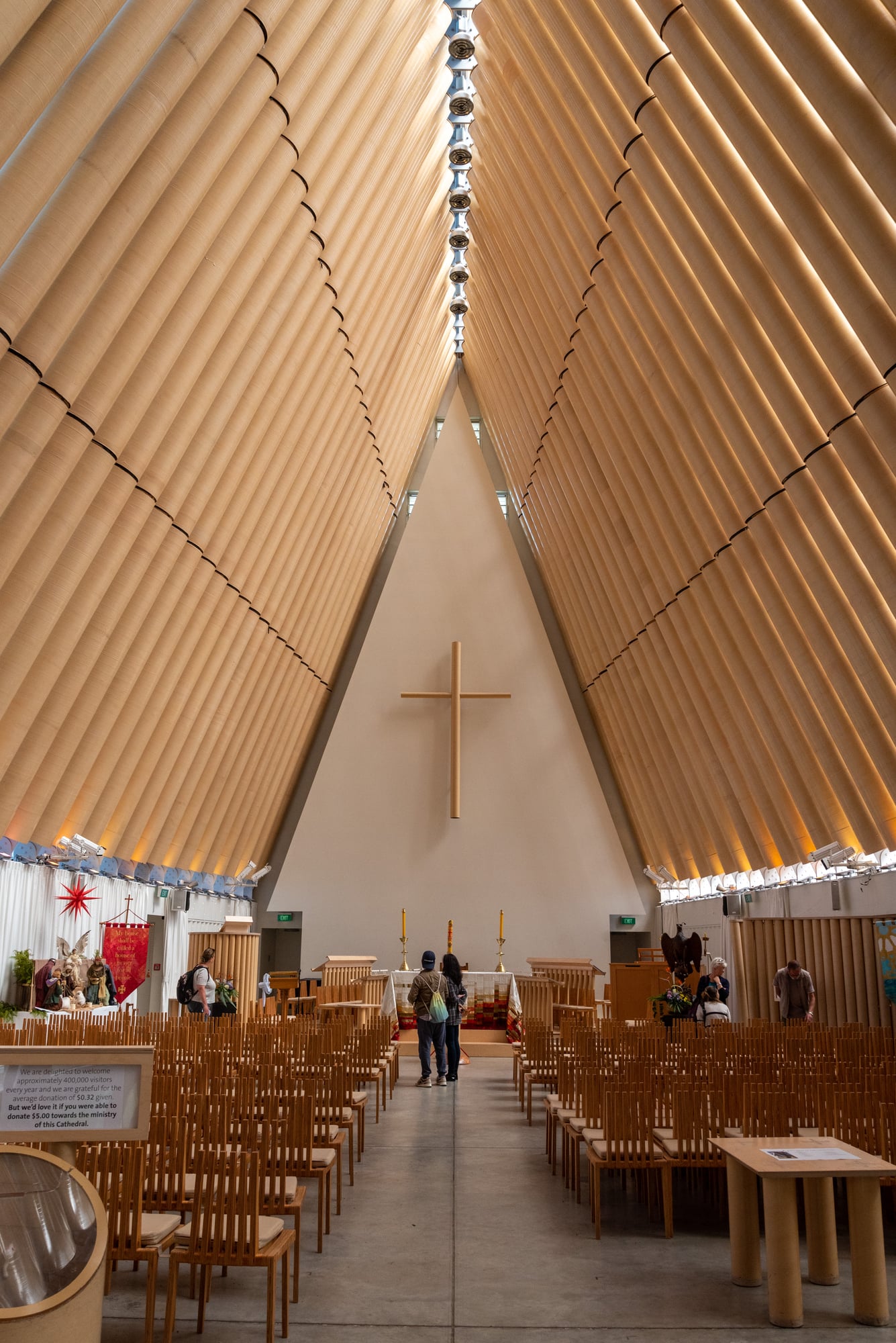
Architects such as Shigeru Ban have created remarkable structures out of cardboard tubes from textile industries and paper rolls. After the 1995 earthquake, he constructed his Paper Church in Kobe, Japan, which included structural columns made of thick paper tubes covered in waterproof material.
Communities rebuilding after a tragedy were able to build quickly and affordably because of these unexpectedly powerful components.
Beer Cans
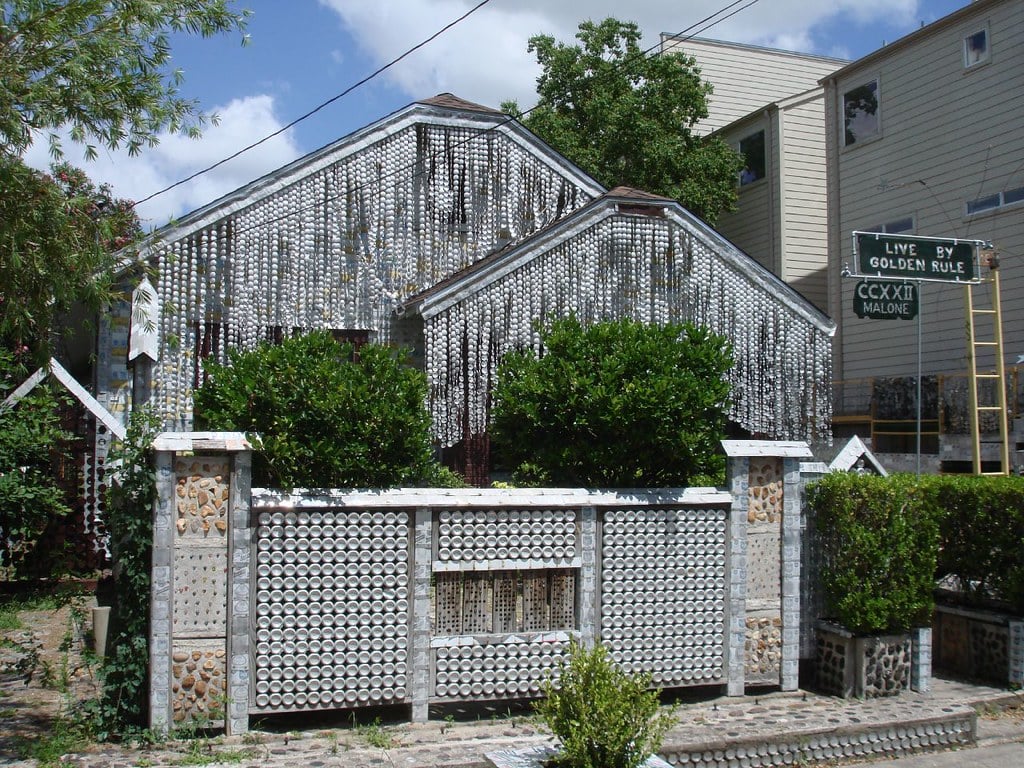
Concrete-filled aluminum beer cans make surprisingly useful building bricks. More than 50,000 cans are incorporated into the structure of the Beer Can House in Houston, Texas, which offers insulation and a distinctive look.
John Milkovisch, the owner, created a folk art masterpiece that also serves as a useful home by collecting and placing cans as siding over the course of 18 years.
Mud and Blood
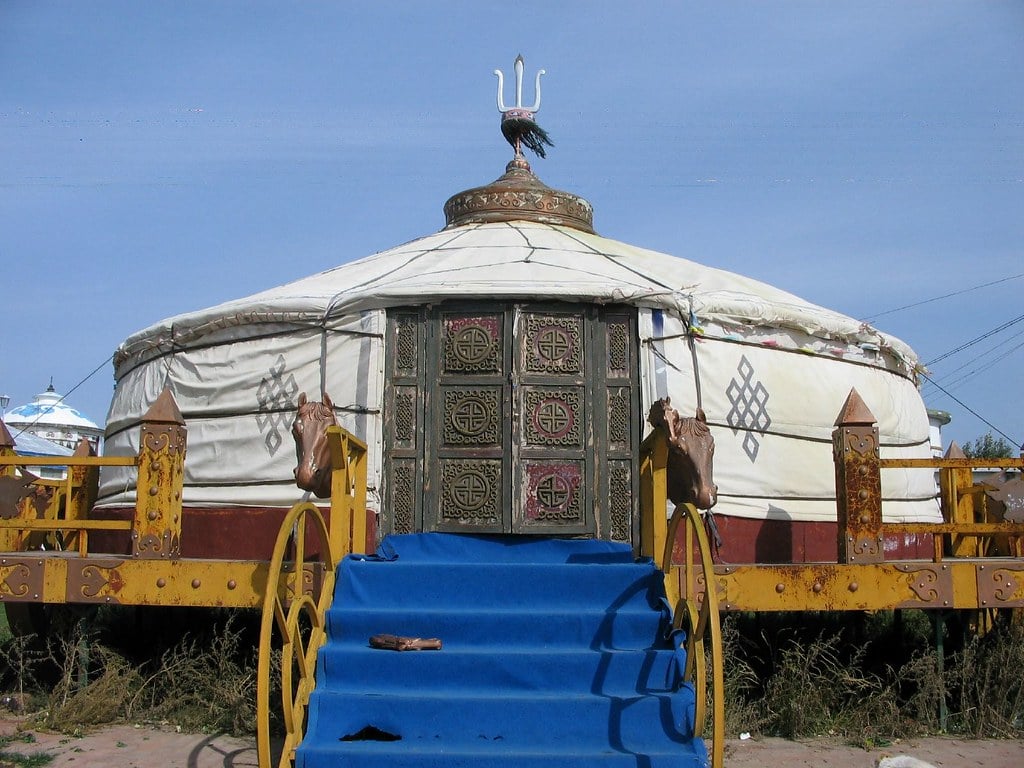
Traditional Mongolian yurts sometimes use a mixture of mud and animal blood as weatherproofing. The protein in blood acts as a binding agent, creating a surprisingly waterproof coating when applied to the exterior.
This mixture hardens to create a durable shell that protects against harsh steppe weather conditions.
Plastic Bottles
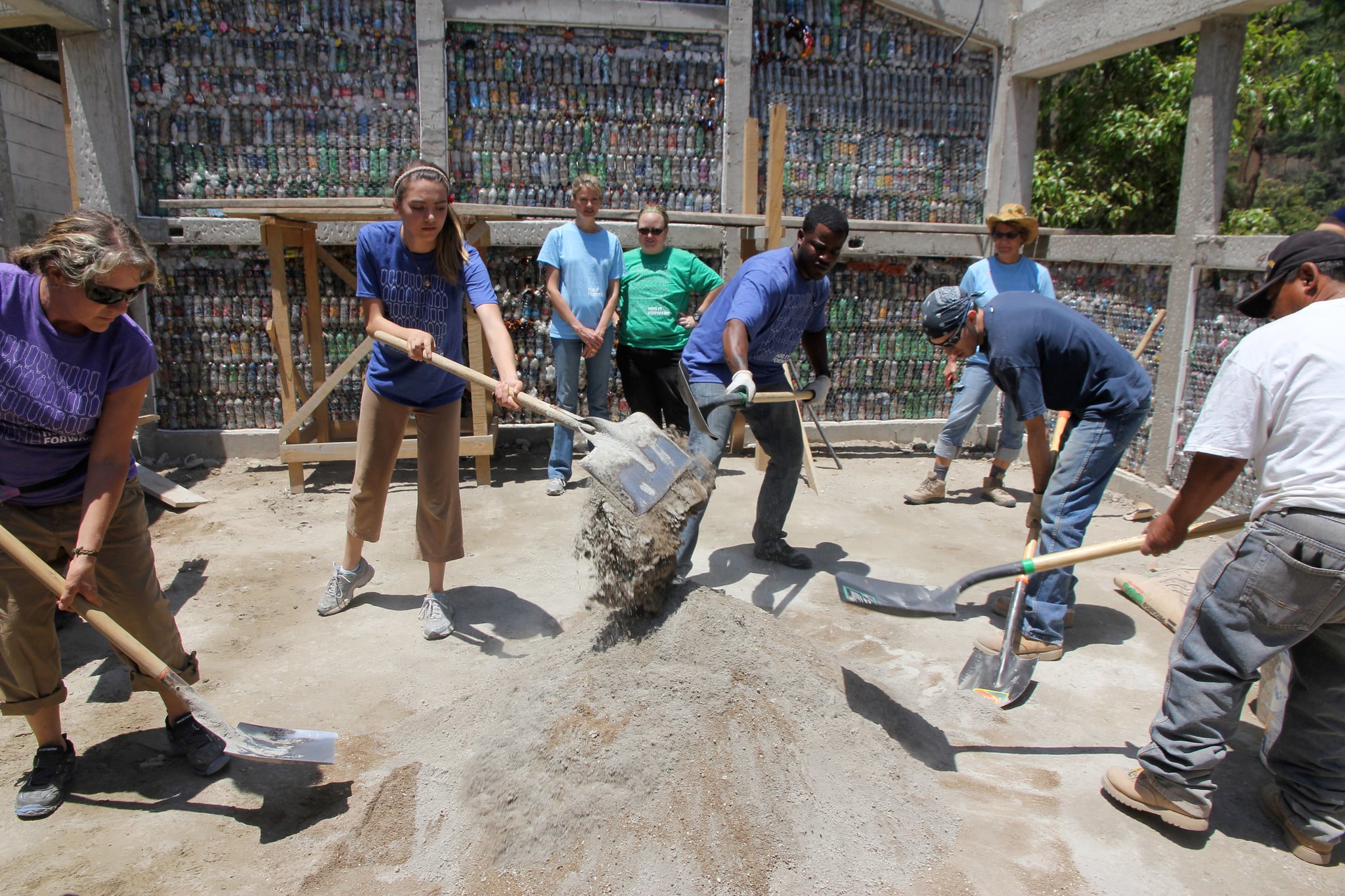
In underdeveloped areas, plastic bottle constructions provide reasonably priced housing options. Bottles are filled with sand or dirt and used in a manner similar to cement-bound bricks.
More than 14,000 plastic bottles may be recycled in a standard bottle house, addressing waste management issues in places without recycling infrastructure and forming strong walls.
Ice and Snow
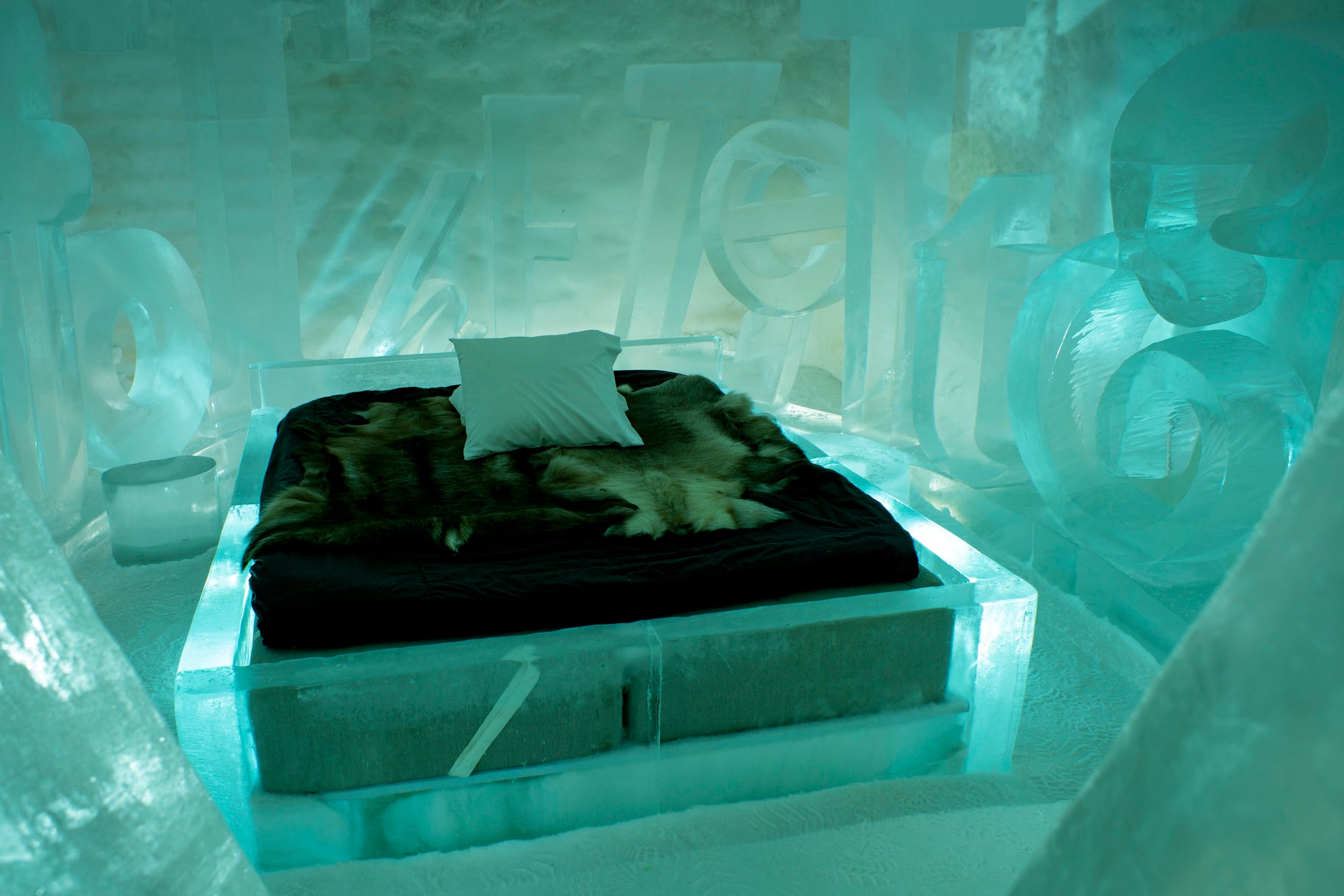
Ice hotels recreate themselves annually in Arctic regions, using carefully harvested ice blocks as their primary building material. The ICEHOTEL in Jukkasjärvi, Sweden, constructs new rooms each winter using ice from the Torne River.
These structures maintain a constant interior temperature of about 23°F, cold enough to prevent melting but comfortable enough for properly equipped visitors.
Hemp

Hempcrete, a mixture of hemp hurds and lime, is a lightweight but effective building material. Its natural cellulose structure provides excellent insulation while sequestering carbon dioxide.
The Marks and Spencer store in Cheshire Oaks, UK, incorporated hempcrete panels in its construction, demonstrating how this ancient material has found new applications in modern green building design.
Shipping Containers
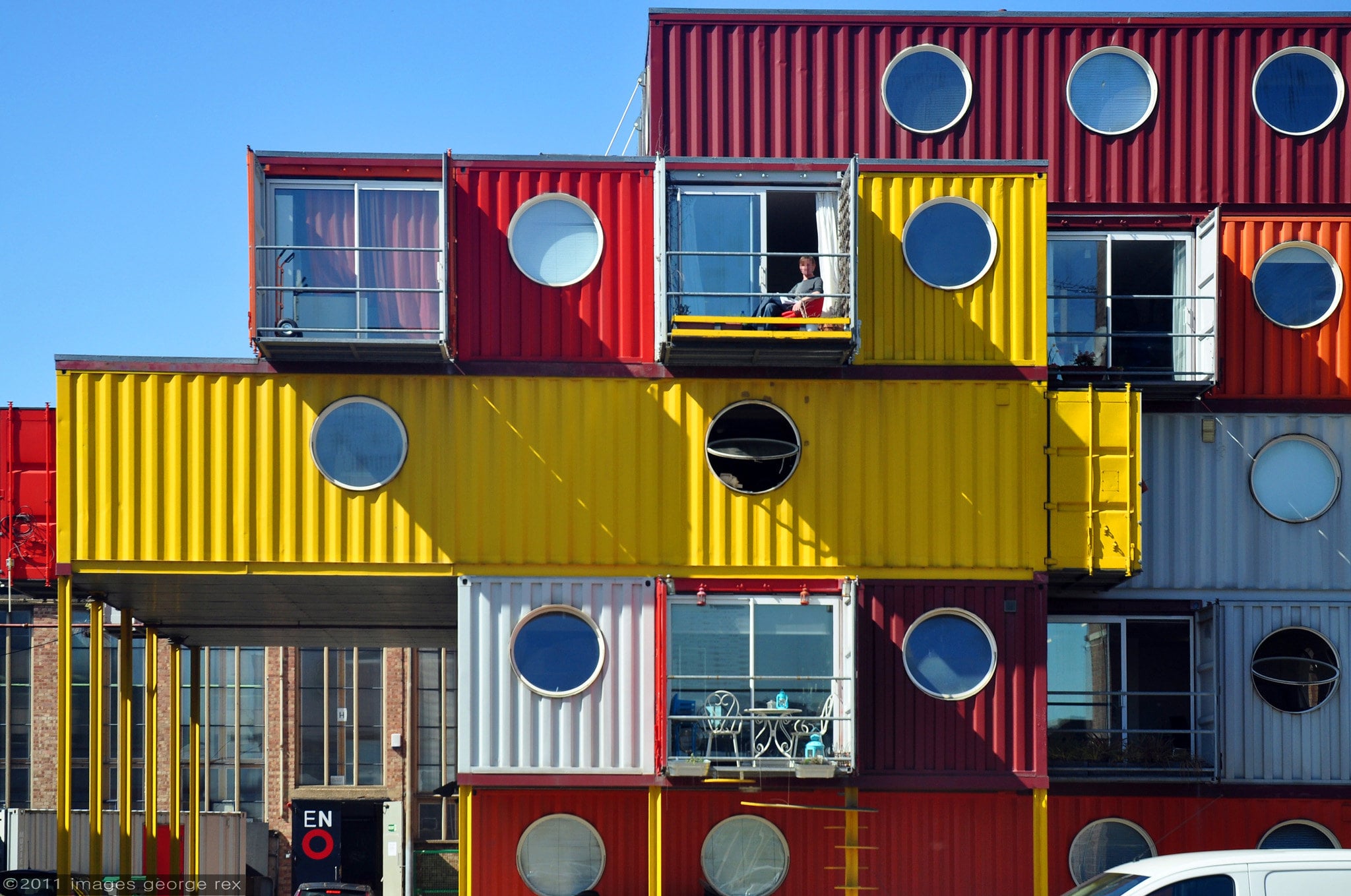
Decommissioned shipping containers offer prefabricated structural components for creative architectural designs. These steel boxes were converted into reasonably priced artist studios and residences by London’s Container City.
The modular design of the containers greatly cuts down on building time and material waste while enabling imaginative permutations.
Mushrooms
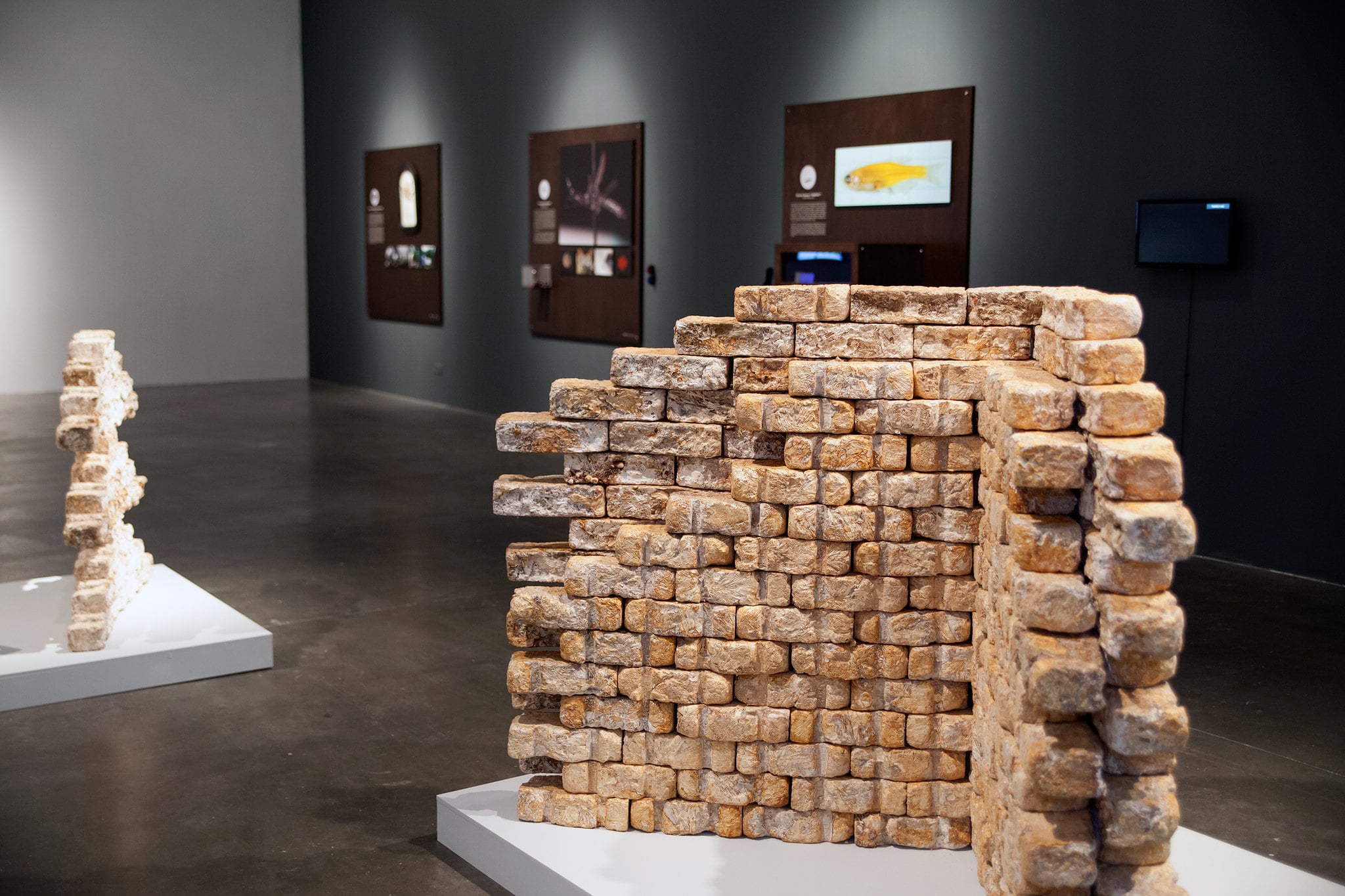
Mycelium, the root structure of mushrooms, can be grown into building materials with remarkable properties. Mycotecture bricks developed by Philip Ross demonstrate how fungal materials can match or exceed the insulation value of conventional materials.
When dried, these organic bricks become lightweight, fire-resistant building components that literally grow themselves.
Tires
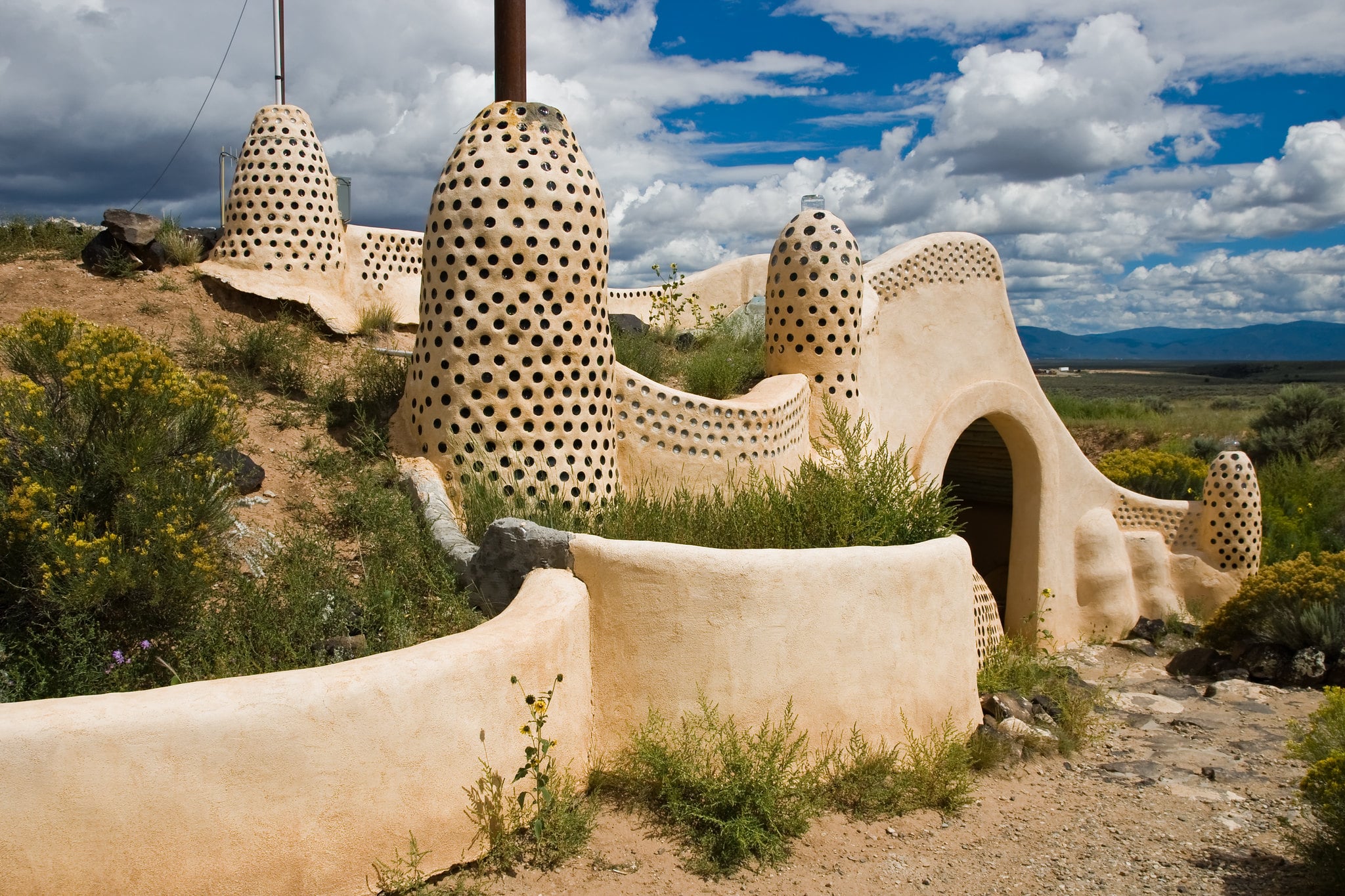
Earthships in New Mexico use discarded tires packed with earth as their primary structural elements. These tire walls provide exceptional thermal mass, helping to regulate interior temperatures in the desert climate.
Each tire can contain approximately 300 pounds of tightly packed earth, creating walls that maintain comfortable temperatures with minimal energy requirements.
Bones
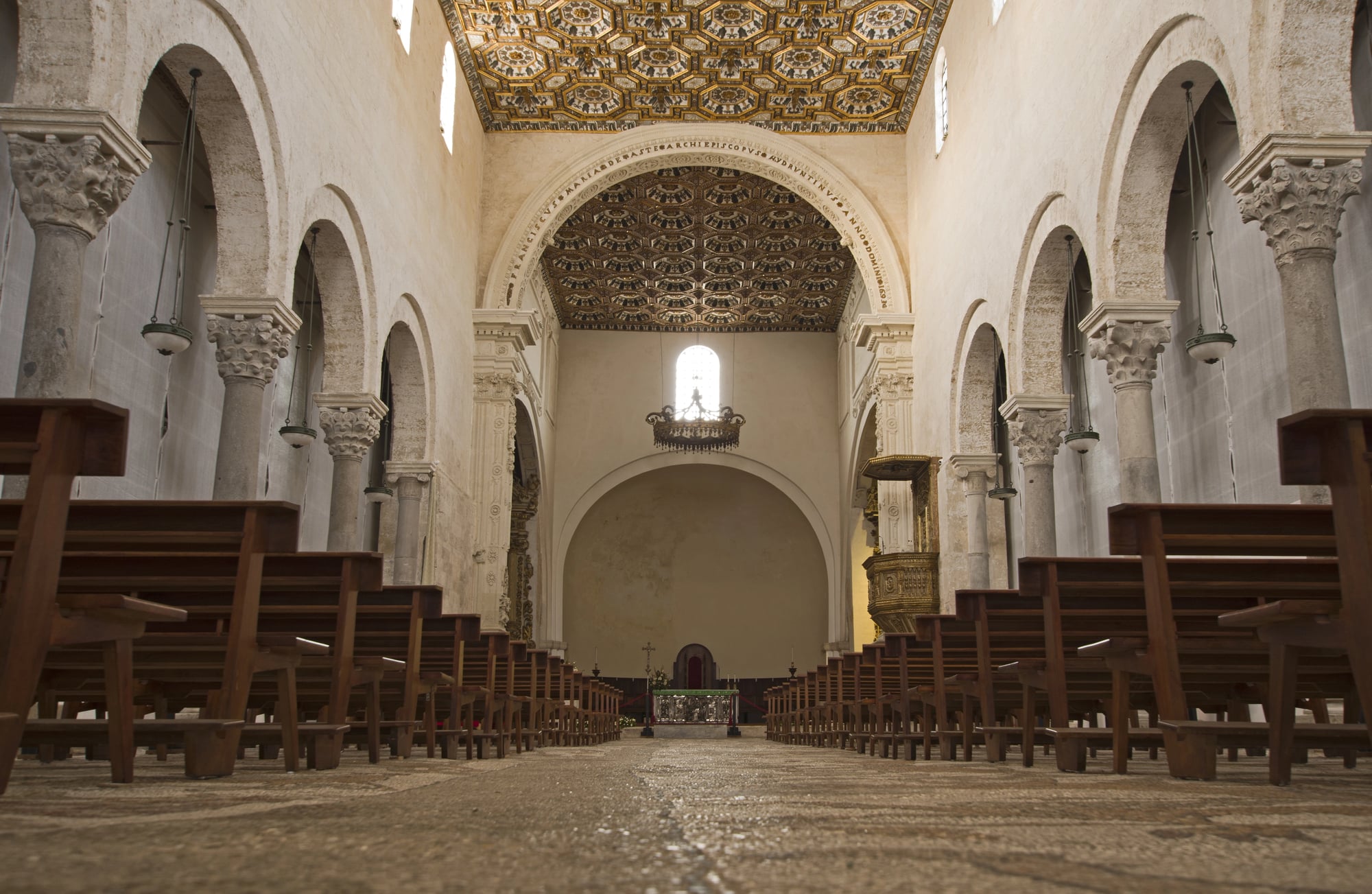
The Cathedral of Otranto in Italy features an eerie wall decorated with the bones of 813 martyrs killed during a Turkish invasion in 1480. While not structural, these human remains serve as a macabre interior finish.
More practically, indigenous Arctic populations historically used whale bones as structural elements in homes when wood was unavailable.
Coal Ash
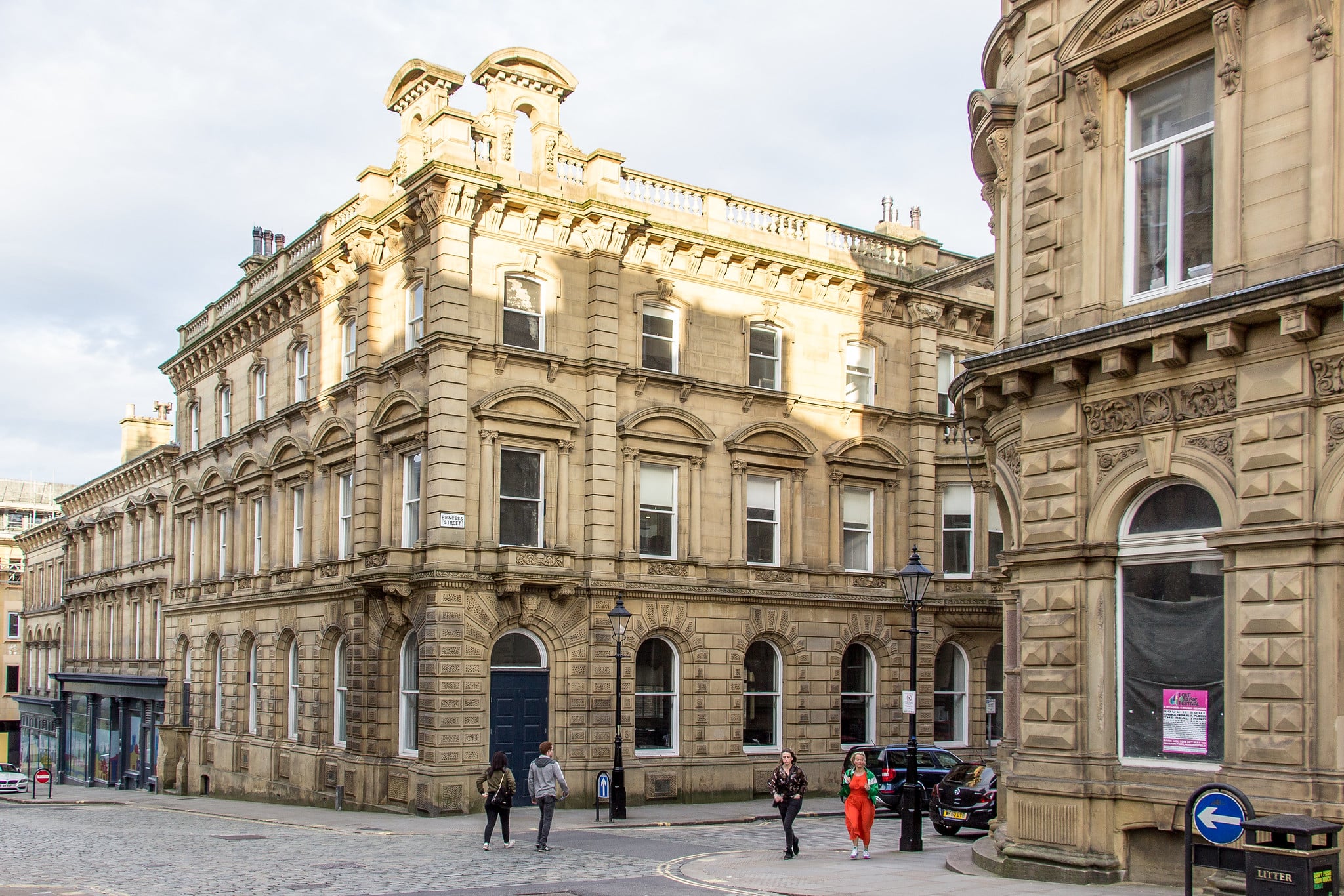
Waste coal ash, when properly processed, creates effective construction blocks. Buildings in Halifax, UK have successfully incorporated blocks made from power station waste ash.
This approach transforms an industrial byproduct that would otherwise require costly disposal into a useful building material with a lower carbon footprint than traditional concrete.
Straw
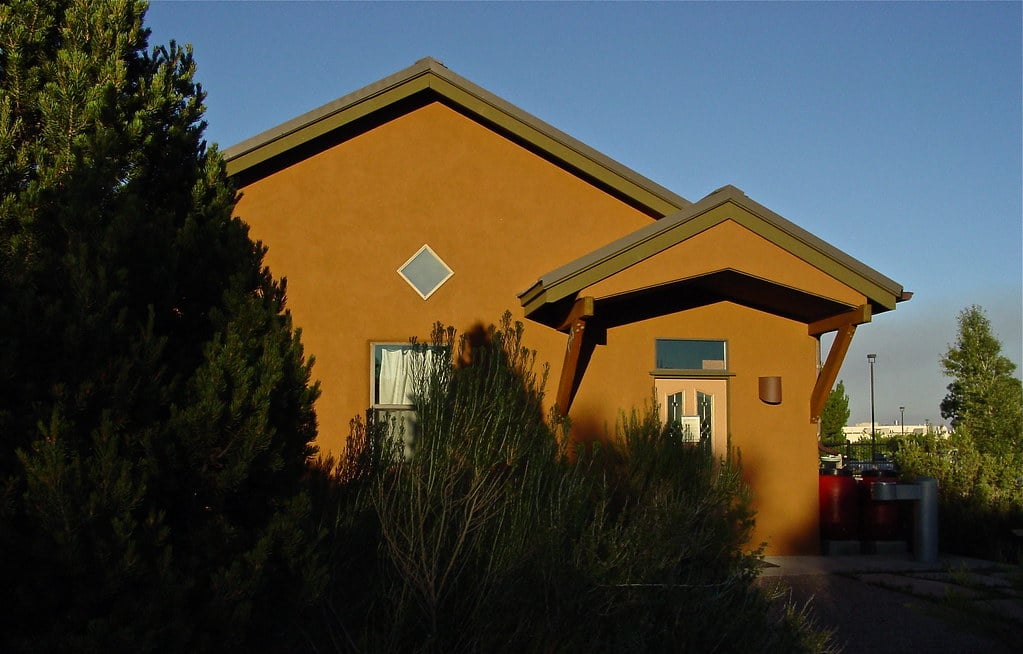
Straw bale construction creates super-insulated walls with agricultural byproducts. The Straw Bale House in Tucson, Arizona, demonstrates how tightly packed straw covered with earthen plaster creates walls with insulation values around R-30, roughly three times better than conventional construction.
These structures maintain comfortable temperatures while using material that would otherwise be burned or discarded.
Ingenuity in Construction

The strange materials humans have incorporated into buildings remind us that construction innovation often arises from resource constraints rather than excess. From recycled industrial waste to natural materials growing underfoot, these examples demonstrate how necessity, environmental consciousness, and creativity continue to expand our definition of what constitutes a suitable building material.
As modern construction faces sustainability challenges, these unconventional approaches offer valuable lessons in adaptation and resourcefulness.
More from Go2Tutors!

- The Romanov Crown Jewels and Their Tragic Fate
- 13 Historical Mysteries That Science Still Can’t Solve
- Famous Hoaxes That Fooled the World for Years
- 15 Child Stars with Tragic Adult Lives
- 16 Famous Jewelry Pieces in History
Like Go2Tutors’s content? Follow us on MSN.



