20 Secret Underground Bunkers from History and Who Used Them
Underground bunkers have served as crucial shelters, command centers, and storage facilities throughout history. These hidden structures protected leaders, preserved artifacts, and sometimes harbored dark secrets.
Here’s a list of 20 remarkable underground bunkers that played significant roles in shaping history.
Churchill War Rooms
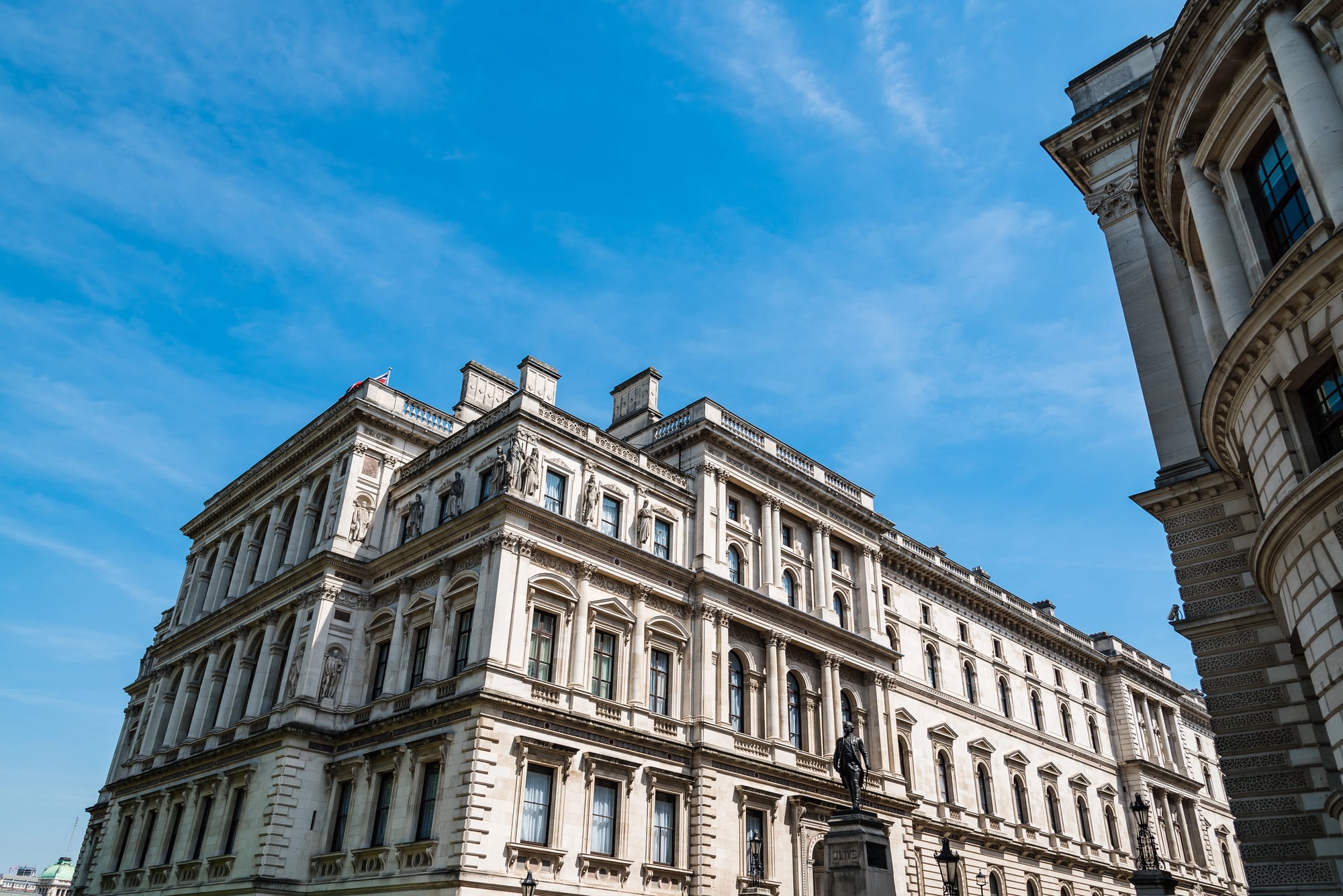
Britain’s wartime government operated from this London bunker network during WWII. Winston Churchill slept here during the Blitz, coordinating the war effort. The facility included a map room that tracked military movements 24 hours a day. Staff members lived underground for weeks at a time, maintaining constant communication with allies.
The bunker’s existence remained classified until the 1970s.
Hitler’s Führerbunker
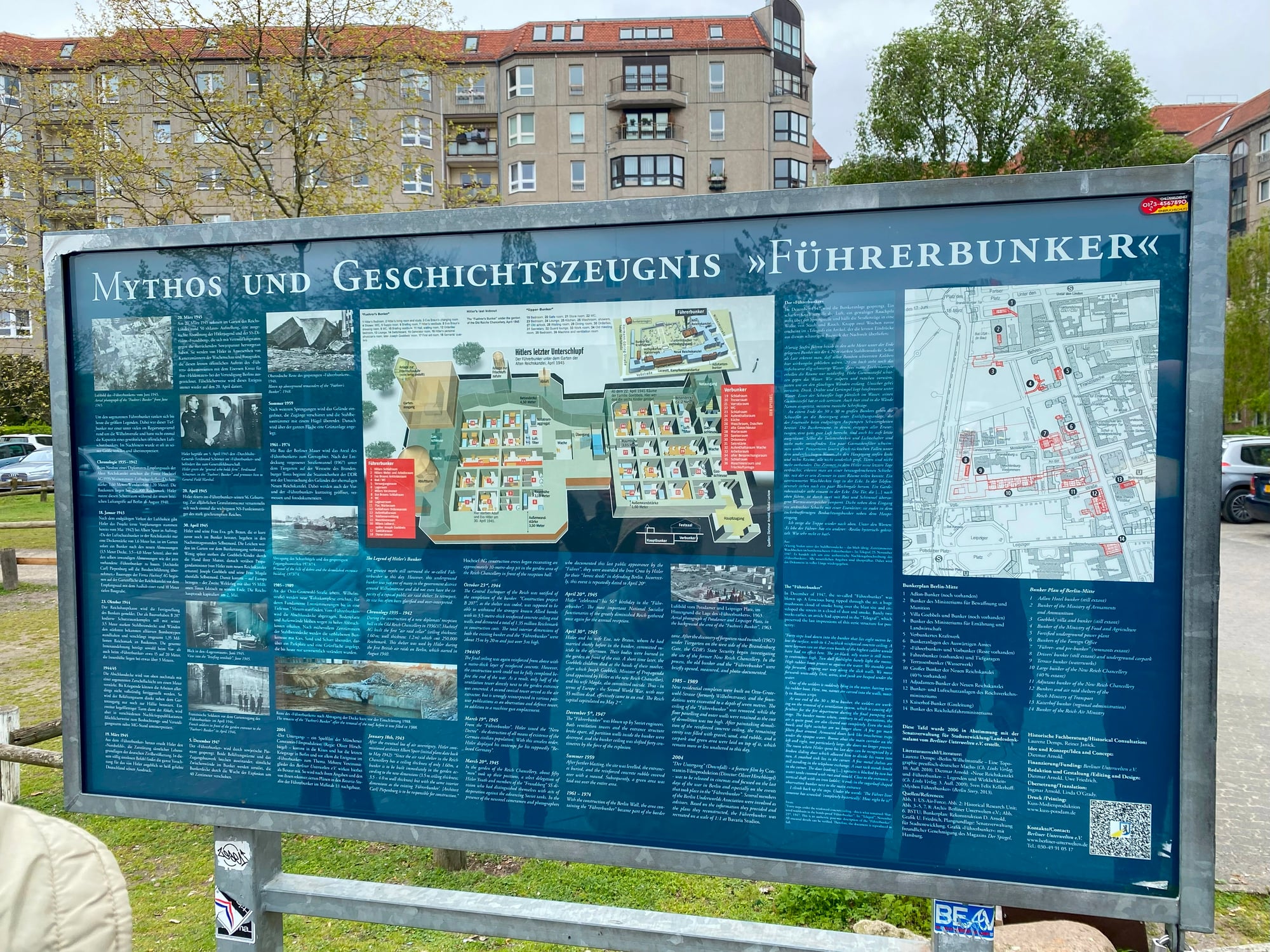
Located 55 feet beneath Berlin, this was Hitler’s final headquarters. The complex contained 18 rooms across two levels with reinforced concrete walls. Eva Braun spent her last days here before their joint suicide. The bunker had its own power generation and water supply systems.
Soviet forces found the site in 1945 but discovered many documents had been burned.
Cheyenne Mountain
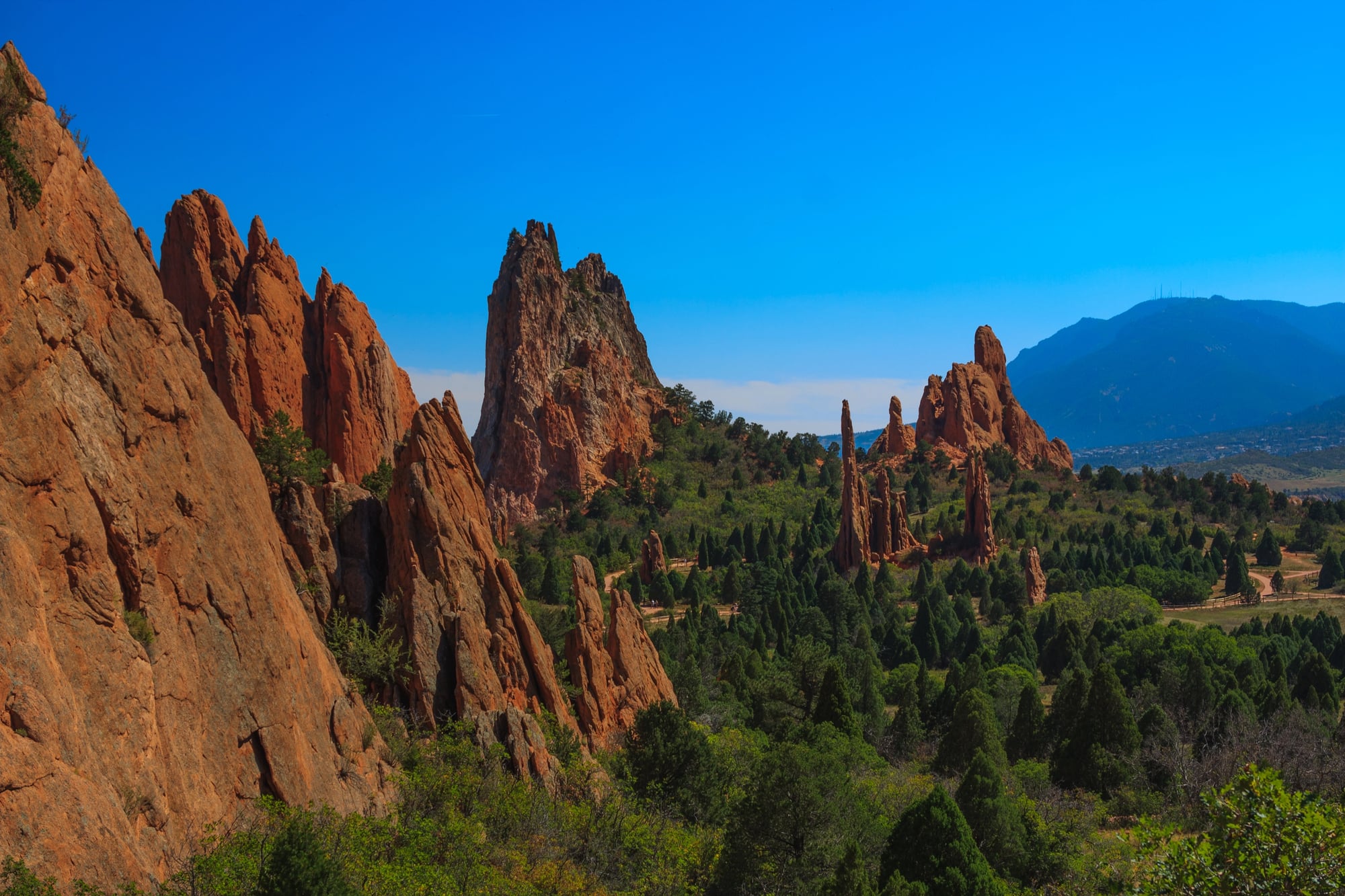
NORAD’s cold war command center sits inside a Colorado mountain. Engineers carved out 15 buildings suspended on springs to absorb nuclear blasts. The facility can seal itself with 25-ton blast doors in less than 30 seconds. Three lakes inside the mountain provide cooling and drinking water.
The bunker remains operational today as a backup command center.
Swiss National Redoubt
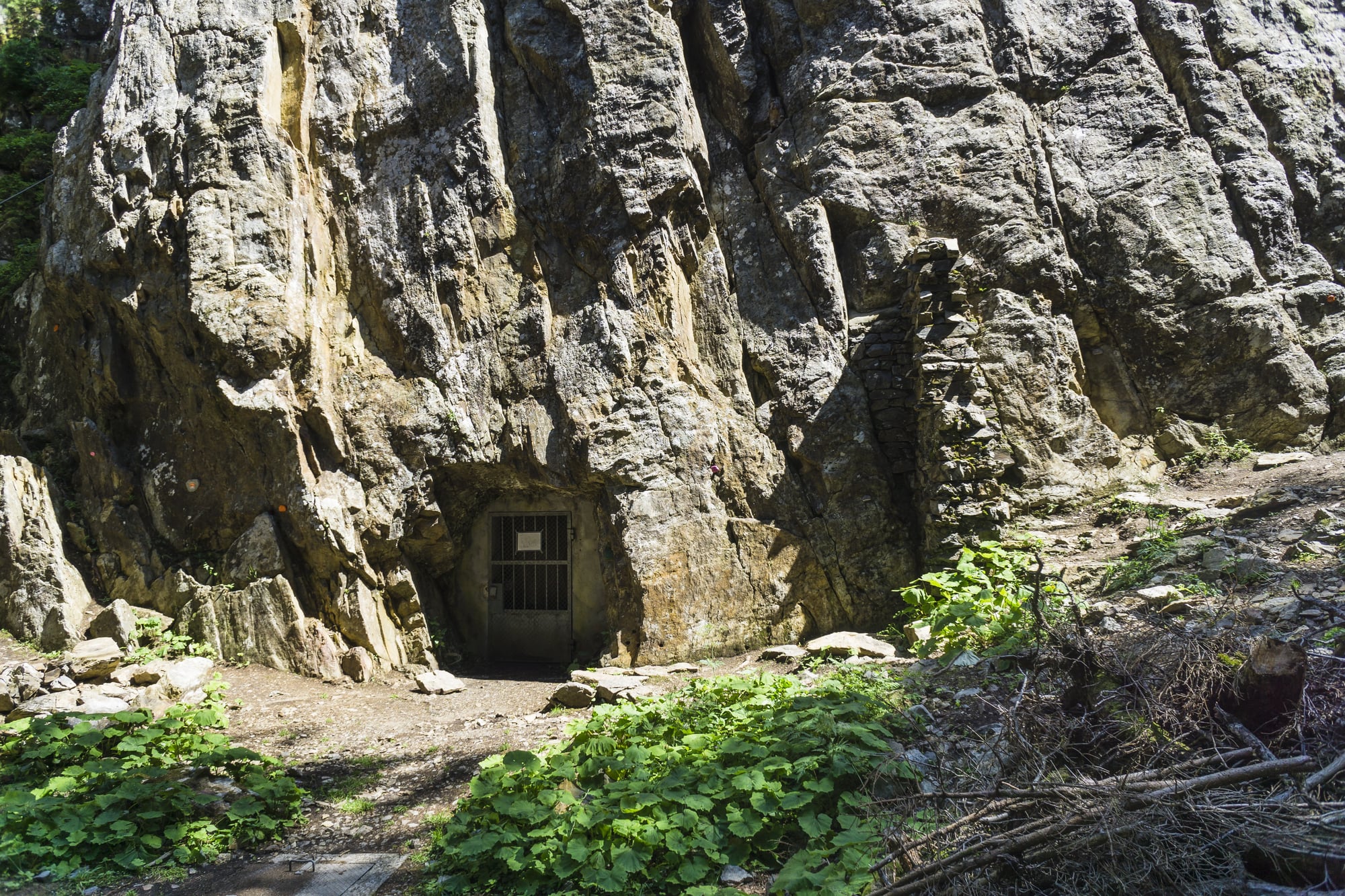
Switzerland transformed its Alps into the world’s largest bunker network. Hidden artillery positions could seal off mountain passes within minutes. The system included underground hospitals, factories, and food storage. Engineers designed bunkers to blend perfectly with the mountain landscape.
Many facilities remain classified and maintained for emergency use.
Zero Complex

Stalin’s personal bunker near Moscow reached depths of 180 feet. The facility included a swimming pool and movie theater to maintain morale. Tunnels connected it to the Moscow Metro system for quick escape. The bunker’s ventilation system could operate independently for months.
Soviet leaders kept its existence secret until the 1990s.
Raven Rock Mountain
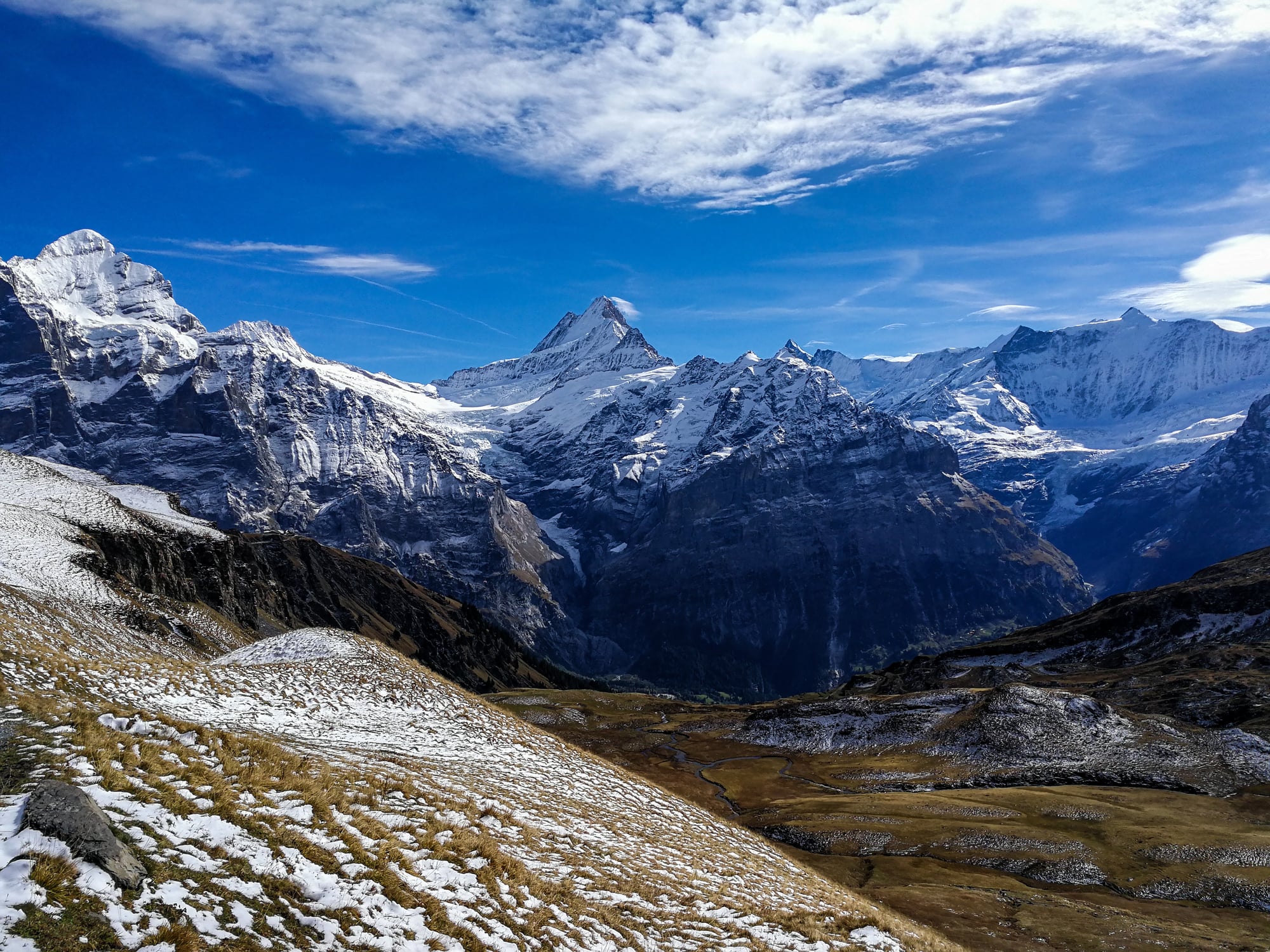
America’s ‘Site R’ serves as the Pentagon’s underground backup. The facility can house 3,000 people for extended periods. Blast doors weighing 34 tons protect the main entrance. The bunker maintains constant communication with nuclear forces.
Its exact internal layout remains classified today.
Svalbard Seed Vault
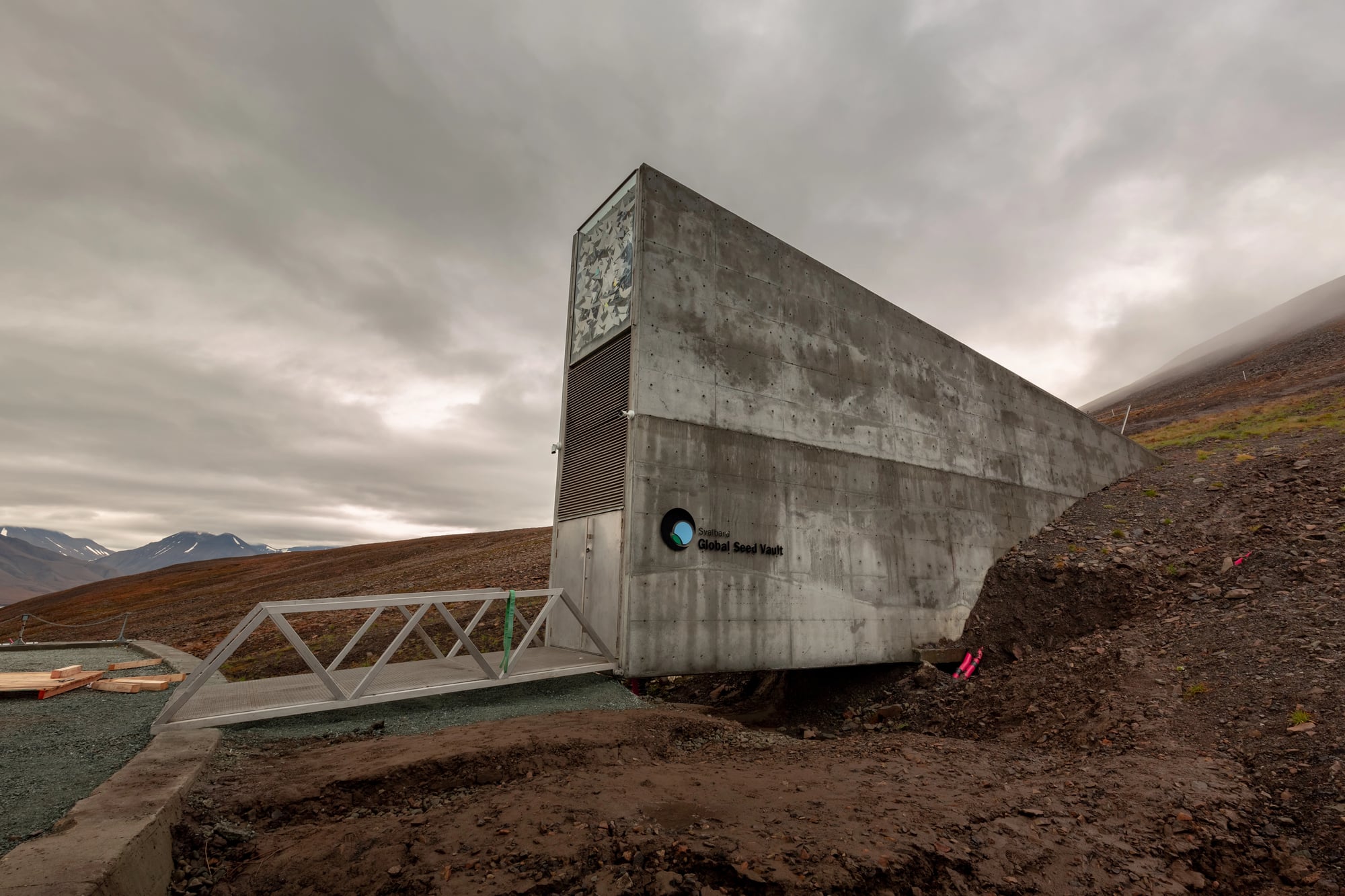
Norway built this ‘doomsday’ seed bank 430 feet into permafrost. The facility stores over one million seed samples from worldwide. Natural cooling keeps temperatures at ideal preservation levels. The vault survived a 2016 flooding caused by melting permafrost.
Its location should remain viable for centuries despite climate change.
Burlington Bunker
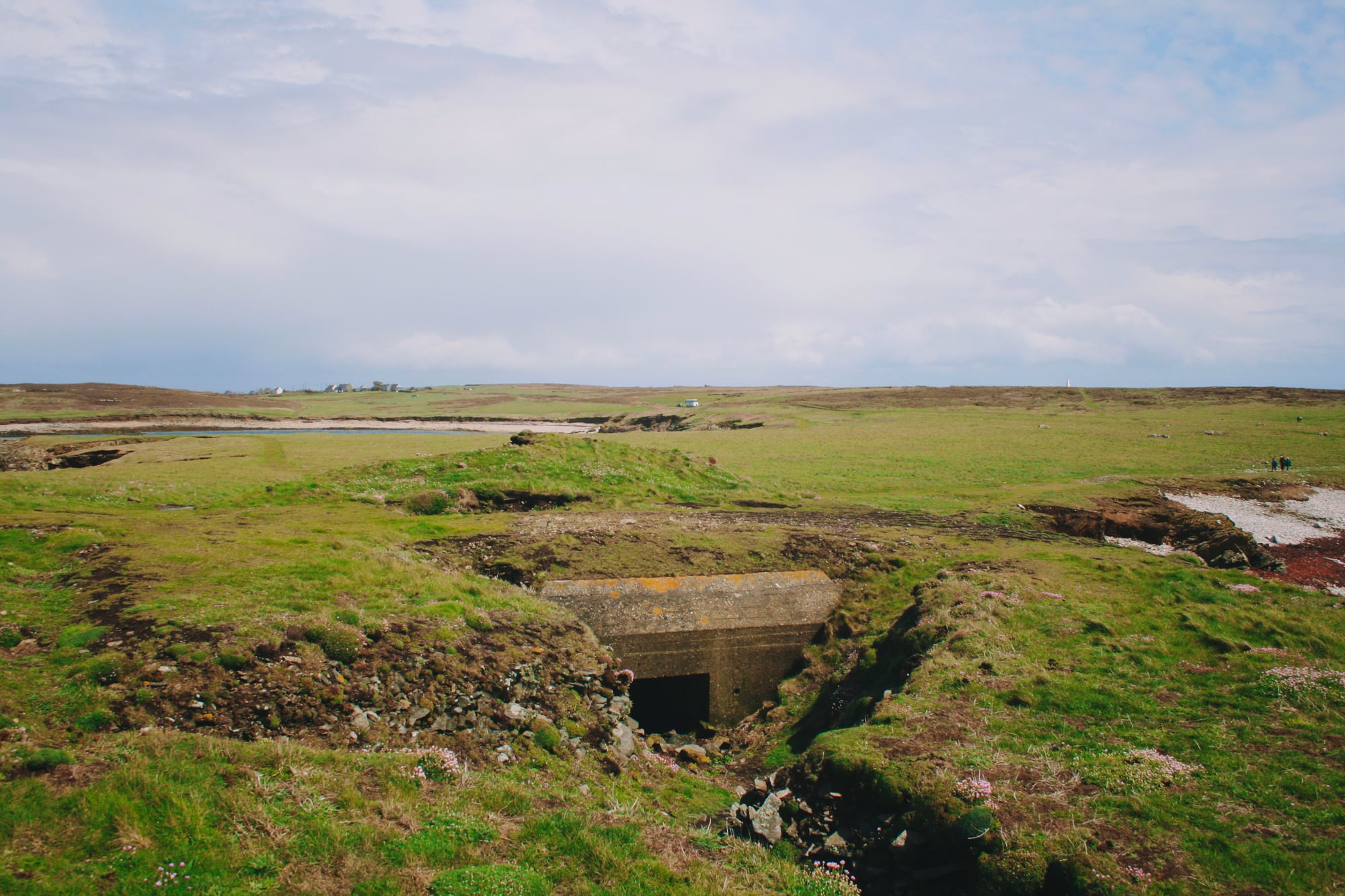
Britain’s alternative seat of government occupied 35 acres underground. The facility could support 4,000 people for three months. A dedicated railway station served the secret complex. The bunker included a BBC studio for emergency broadcasts.
Officials maintained its cover story as a ‘factory’ until 2004.
Mount Weather
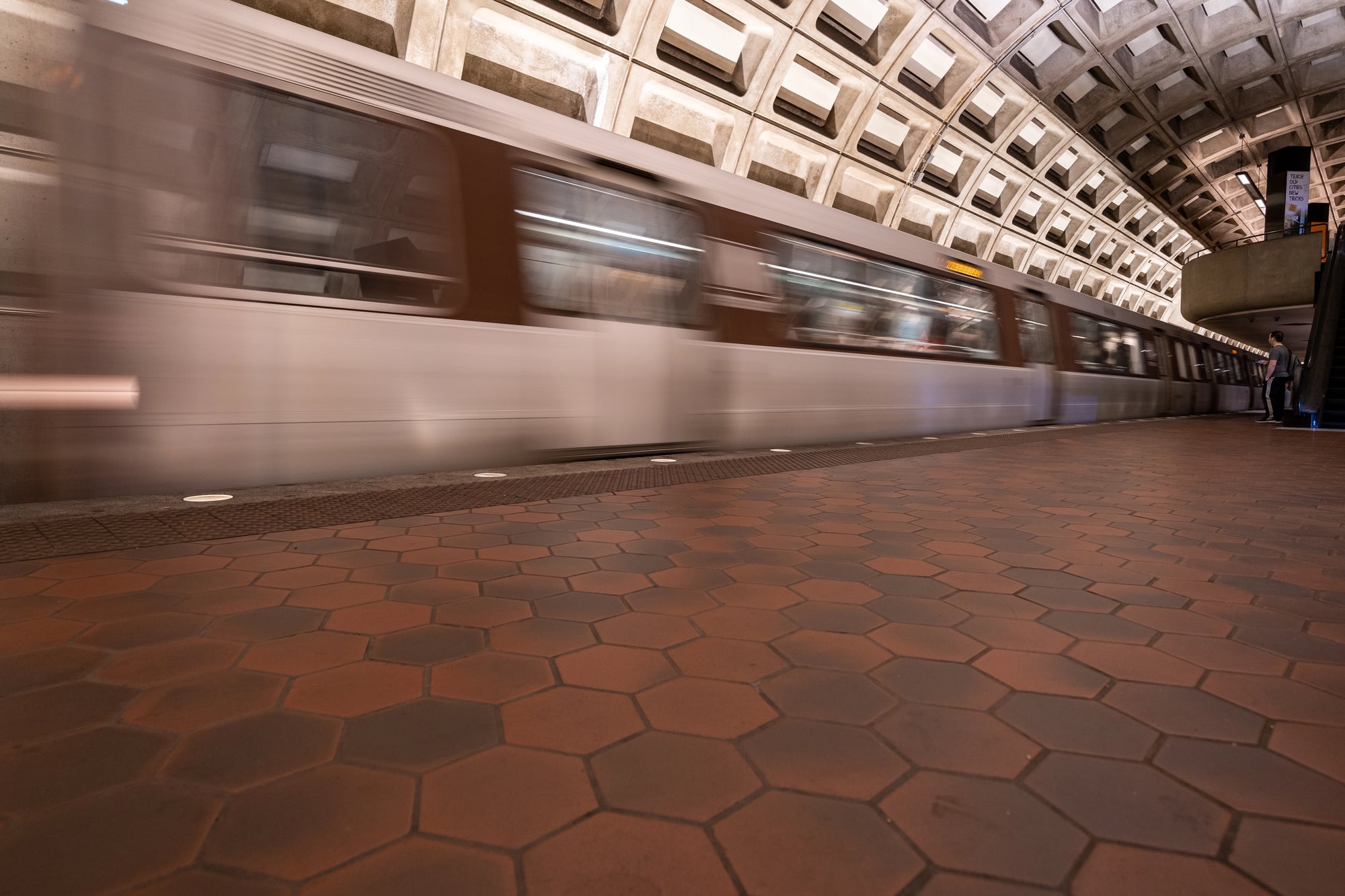
This Virginia facility remains America’s ‘secret’ government backup. The bunker can accommodate several thousand officials indefinitely. Underground ponds provide drinking water and cooling. The facility maintains duplicate records of national archives.
Its full capabilities remain classified after 60 years.
Hải Phòng Tunnels
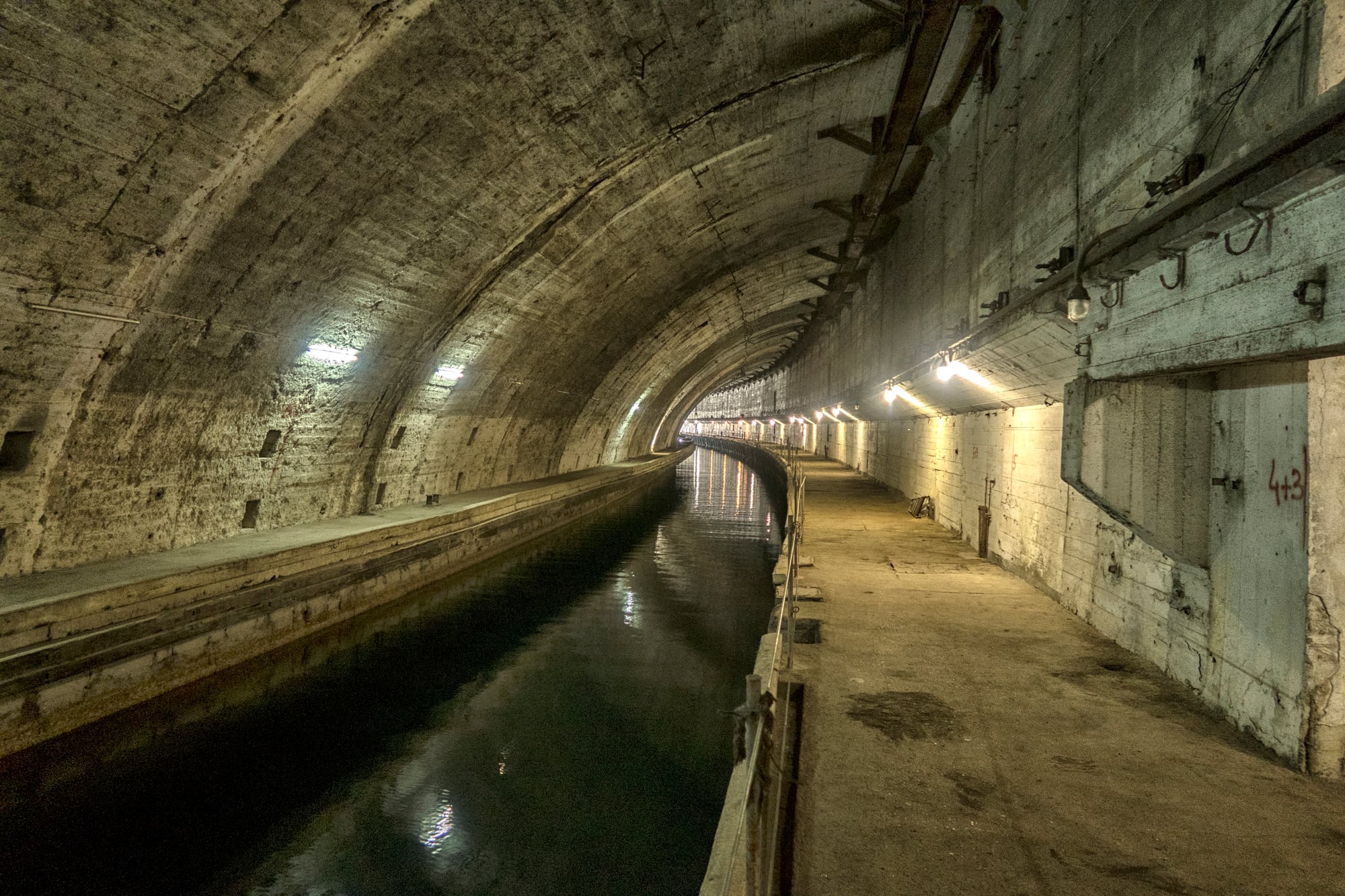
Vietnamese forces built this 60-mile tunnel network during the war. Entire villages moved underground to avoid bombing. The tunnels included hospitals, kitchens, and ammunition stores. Booby traps protected against enemy infiltration attempts.
Parts of the network remain sealed and unexplored.
Yamantau Mountain
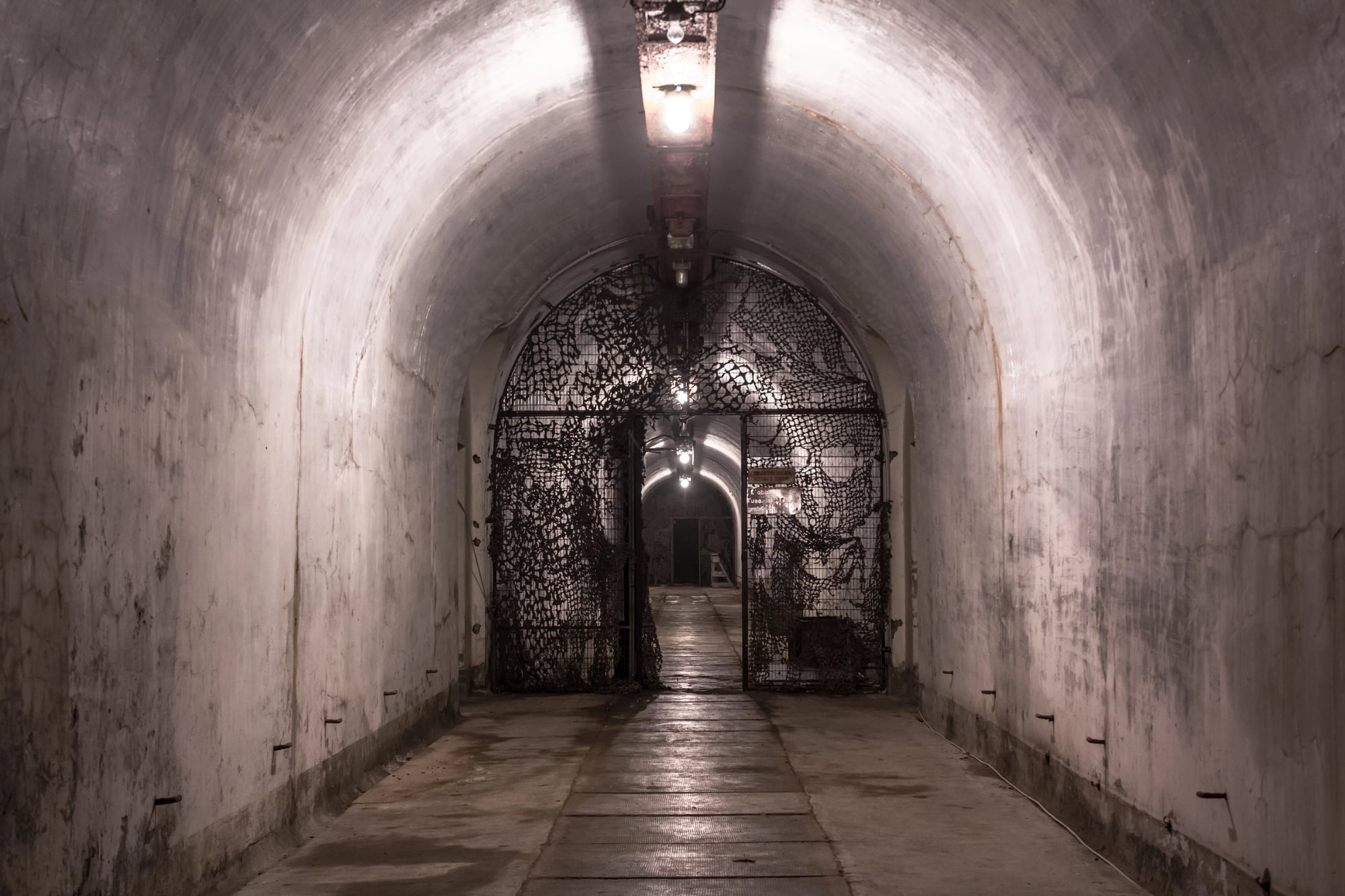
Russia’s largest modern bunker complex lies in the Urals. The facility reportedly covers 400 square miles underground. Construction required removing an entire mountain peak. The complex can allegedly house 60,000 people.
Its exact purpose remains disputed by Western analysts.
Beijing Underground City
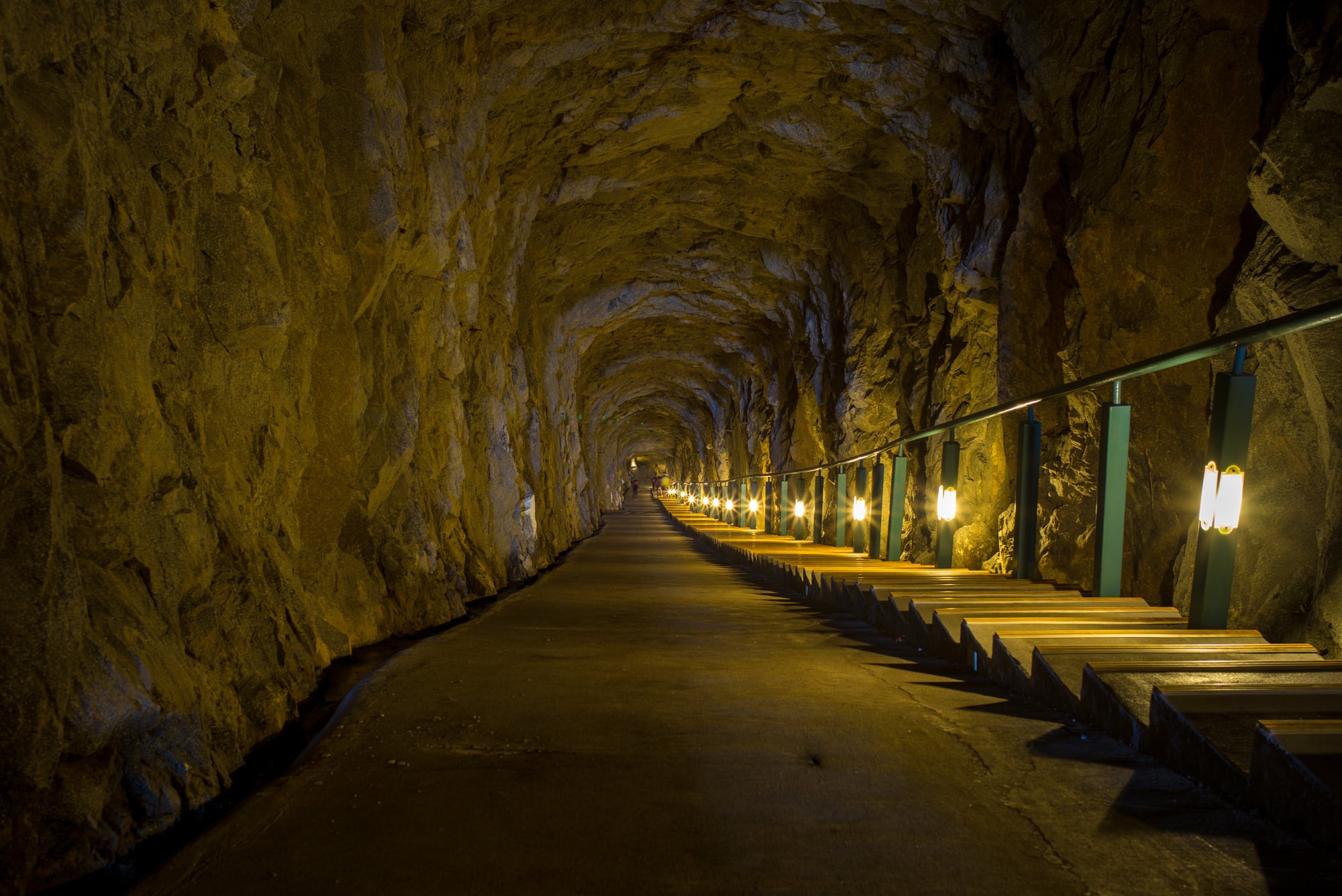
China built this bomb shelter network beneath its capital. The tunnels could accommodate 300,000 people during attacks. The system included schools, hospitals, and factories. Some sections now serve as tourist attractions and shops.
Many unopened areas still contain 1970s emergency supplies.
Sonnenberg Tunnel
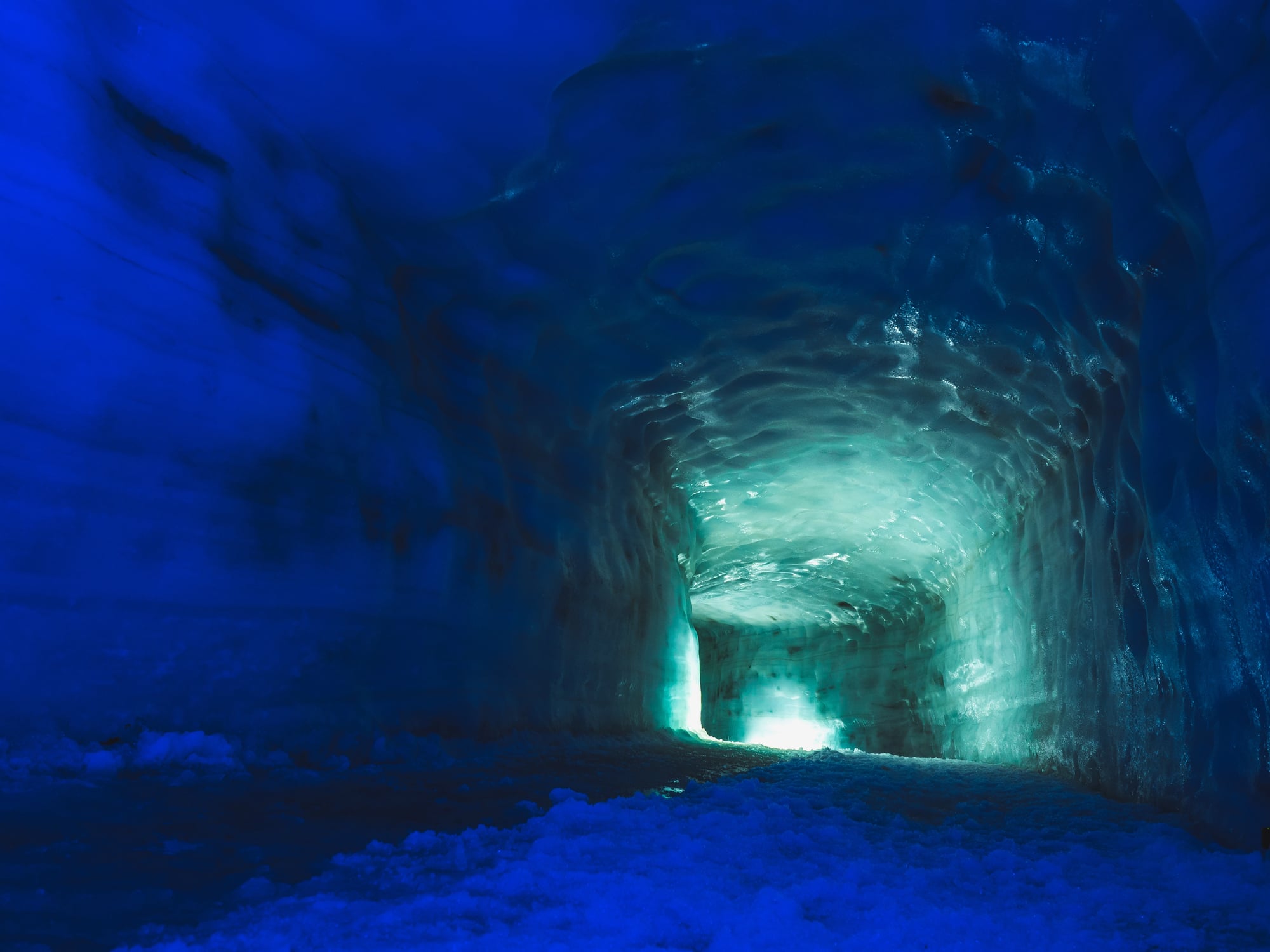
Switzerland converted this highway tunnel into a massive shelter. Blast doors weighing 350 tons seal off each end. The facility could house 20,000 people for two weeks. Engineers designed it to withstand nuclear, chemical, and biological attacks.
Annual maintenance keeps it ready for emergency use.
Corsham Computer Centre

Britain’s secret nuclear command bunker posed as a mundane facility. The complex included a dedicated underground railway platform. Staff maintained the pretense of routine government work. The bunker contained an early warning system for attacks.
Its existence wasn’t acknowledged until 2004.
Quebec’s Diefenbunker

Canada built this four-story underground government backup site. The facility could support 565 people for several weeks. Blast-proof doors weighed more than 24,000 pounds each. The bunker included a CBC emergency broadcast studio.
Its bank vault was designed to preserve Canada’s gold reserves.
Area 51 S-4
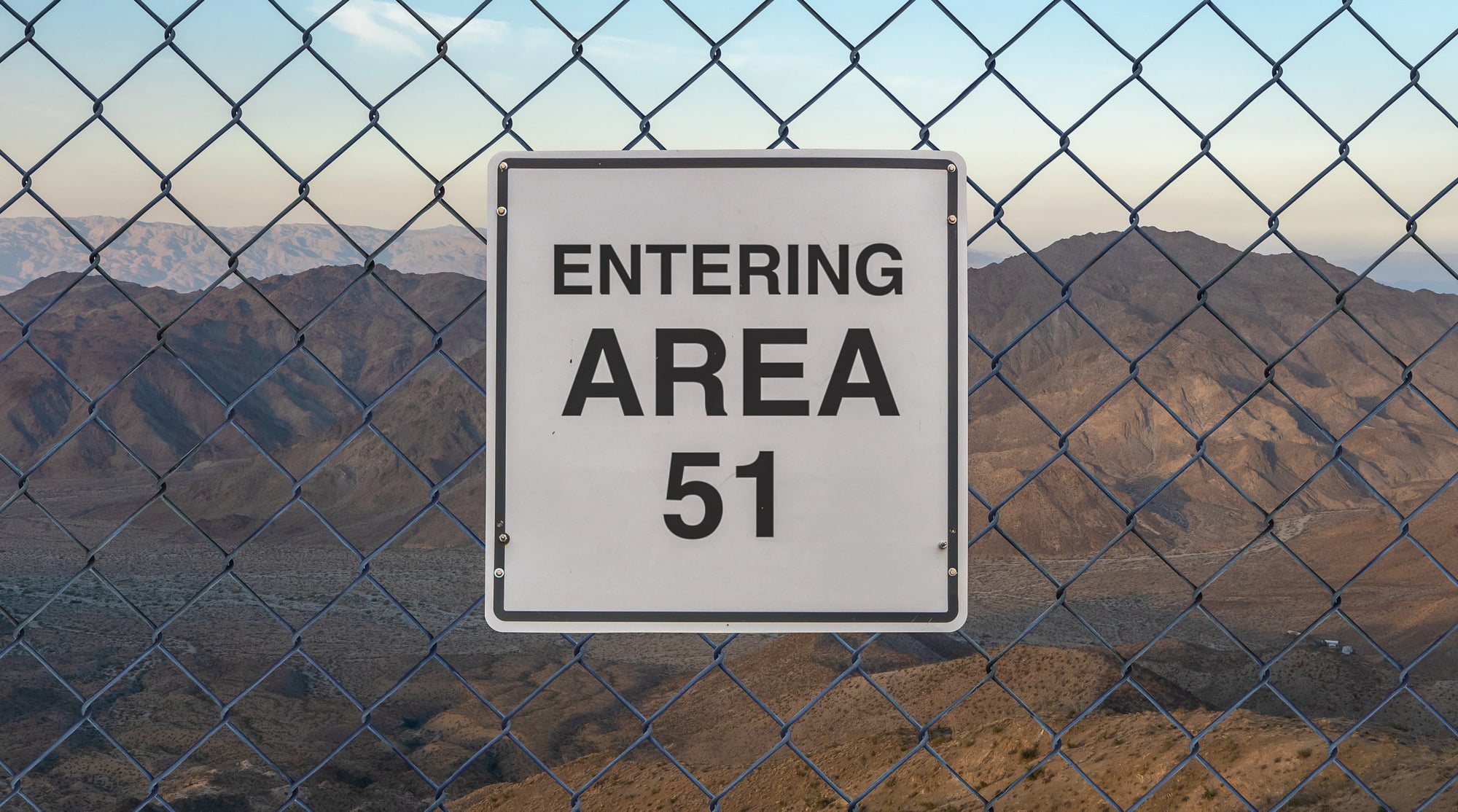
This alleged underground facility lies beneath the Nevada desert. Witnesses report multiple levels accessed by elevators. The bunker supposedly connects to nearby military bases. Its purpose remains subject to widespread speculation.
Officials still won’t confirm or deny its existence.
Gustav Line Bunkers
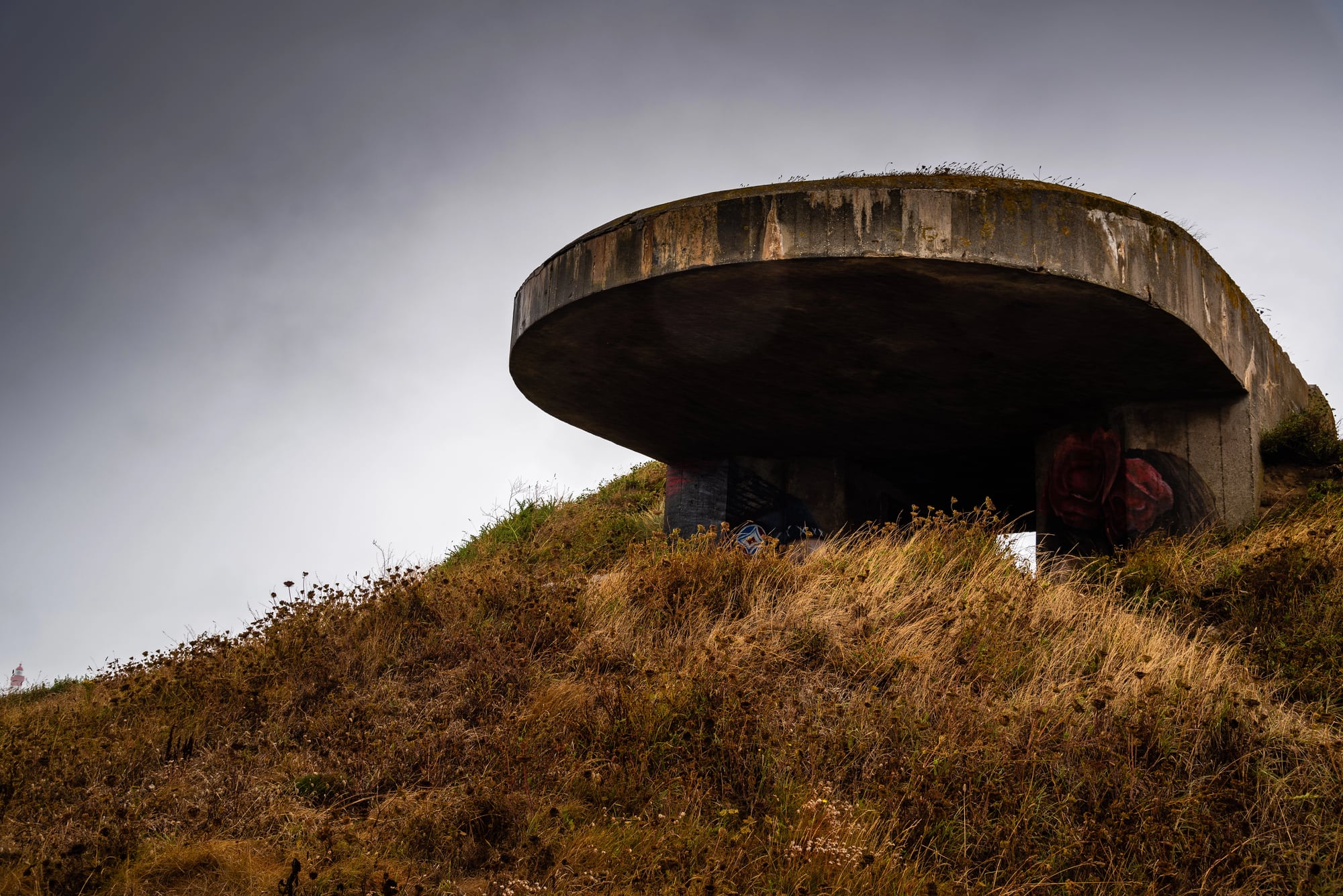
German forces built this Italian underground defense network. The bunkers used reinforced concrete up to 12 feet thick. Underground passages connected major defensive positions. Many bunkers survived direct hits from naval artillery.
Some remain sealed and unexplored today.
Ho Chi Minh Trail DMZ
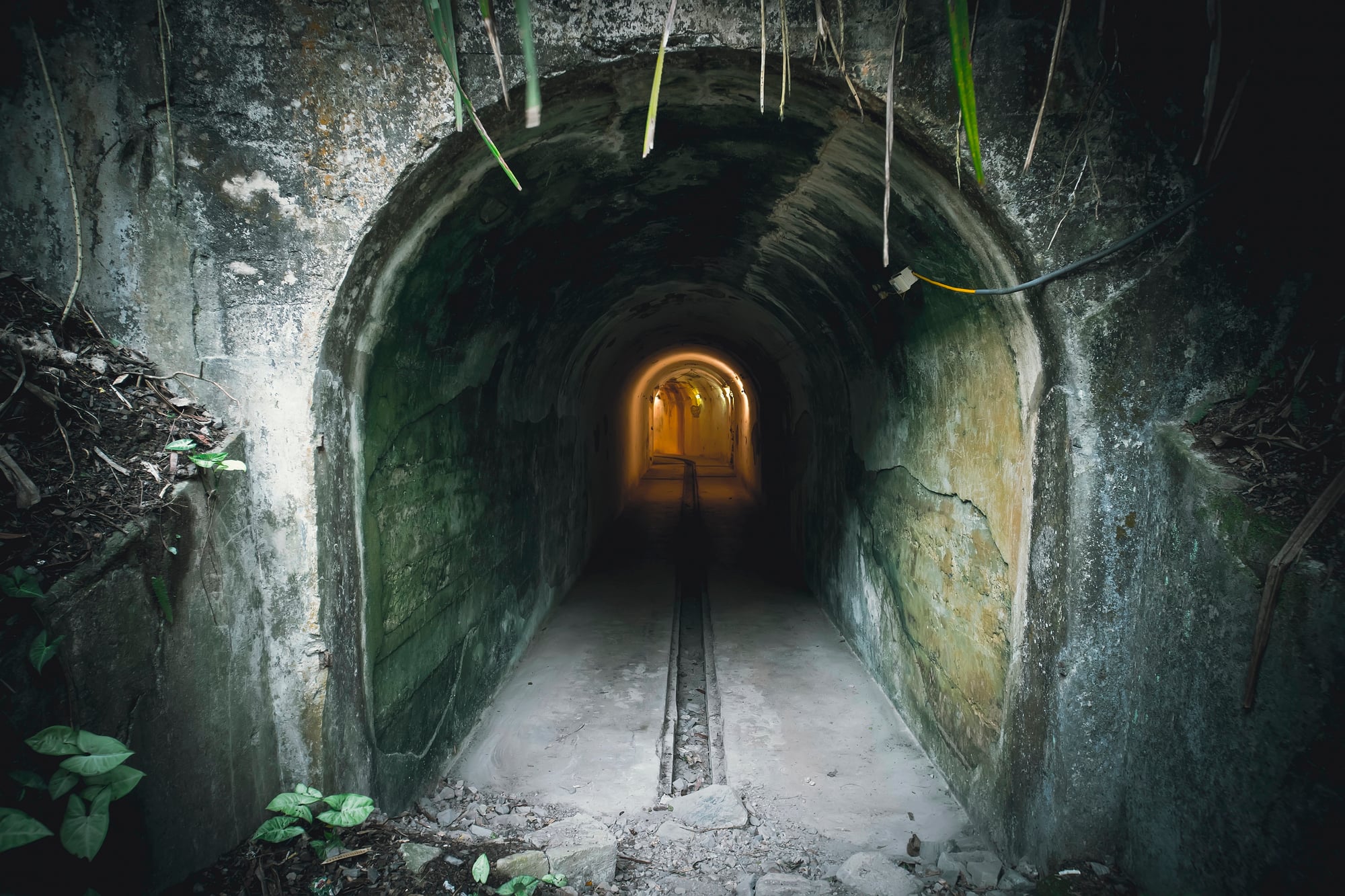
North Vietnamese forces created this buried supply network. The bunkers included hospitals and ammunition storage. Some facilities extended six stories underground. Ventilation systems prevented detection by infrared sensors. Many sections remained unknown until decades after the war.
Tehran’s Nuclear Bunkers
Iran buried nuclear facilities deep beneath mountains. Some bunkers reportedly reach depths of 300 feet. Multiple blast doors protect against bunker-buster weapons. The facilities use advanced air filtration systems. Their full extent remains unknown to outside observers.
Cobra Dane Station
This Alaskan radar facility includes extensive underground sections. The bunker monitors missile launches across the Pacific. Its computers can track multiple objects simultaneously. The facility operates continuously in harsh Arctic conditions. Many capabilities remain classified after decades.
Preserving Hidden History

These bunkers reflect humanity’s persistent need for protection and secrecy. While some now serve as museums or storage, others maintain their original defensive purposes. Modern bunker construction continues worldwide, suggesting these underground facilities will remain relevant in future conflicts. Their stories remind us that beneath the surface, history often runs deeper than we imagine.
More from Go2Tutors!

- The Romanov Crown Jewels and Their Tragic Fate
- 13 Historical Mysteries That Science Still Can’t Solve
- Famous Hoaxes That Fooled the World for Years
- 15 Child Stars with Tragic Adult Lives
- 16 Famous Jewelry Pieces in History
Like Go2Tutors’s content? Follow us on MSN.