15 Products That Changed the World Quietly, Without Any Hype
Remember those groundbreaking technologies that arrived with massive marketing campaigns and media attention? This isn’t about them. Instead, let’s explore the unsung heroes of innovation – products that fundamentally transformed our lives while flying under the radar of public consciousness.
Many world-changing innovations arrived not with flashy launches or celebrity endorsements, but through quiet persistence and genuine utility. Here is a list of 15 products that revolutionized our world without making much noise along the way.
The Shipping Container

Few people give a second thought to those giant metal boxes stacked on cargo ships. Still, the standardized shipping container revolutionized global trade more profoundly than perhaps any innovation of the 20th century.
Before their widespread adoption in the 1960s, loading and unloading cargo ships was a labor-intensive process that could take weeks. Shipping containers slashed these times to hours and reduced costs by over 90%, making global trade economically viable for countless products.
The Catalytic Converter

This unassuming device tucked beneath your car has quietly saved millions of lives by reducing harmful emissions. Introduced in the 1970s with little fanfare, catalytic converters convert toxic gases like carbon monoxide into less harmful substances before they leave your exhaust pipe.
The air in major cities would be dramatically more polluted today without this invention that most vehicle owners never even see.
ZIP Codes

The humble ZIP code transformed mail delivery from an inconsistent, error-prone process into a streamlined system. Introduced in 1963, this five-digit code (later expanded to nine) allowed for automated sorting and dramatically improved delivery efficiency.
Beyond mail, ZIP codes became essential for demographics, marketing, and countless digital services that rely on geographic classification – all without most people giving them a second thought.
Post-It Notes

These ubiquitous sticky notes resulted from a failed experiment at 3M when scientist Spencer Silver created an adhesive that was too weak for its intended purpose. Years later, his colleague Art Fry realized this ‘failure’ would be perfect for bookmarks that wouldn’t fall out.
Post-It Notes entered the market in 1980 with minimal promotion but spread organically through office culture to become indispensable organizational tools used worldwide.
The Barcode
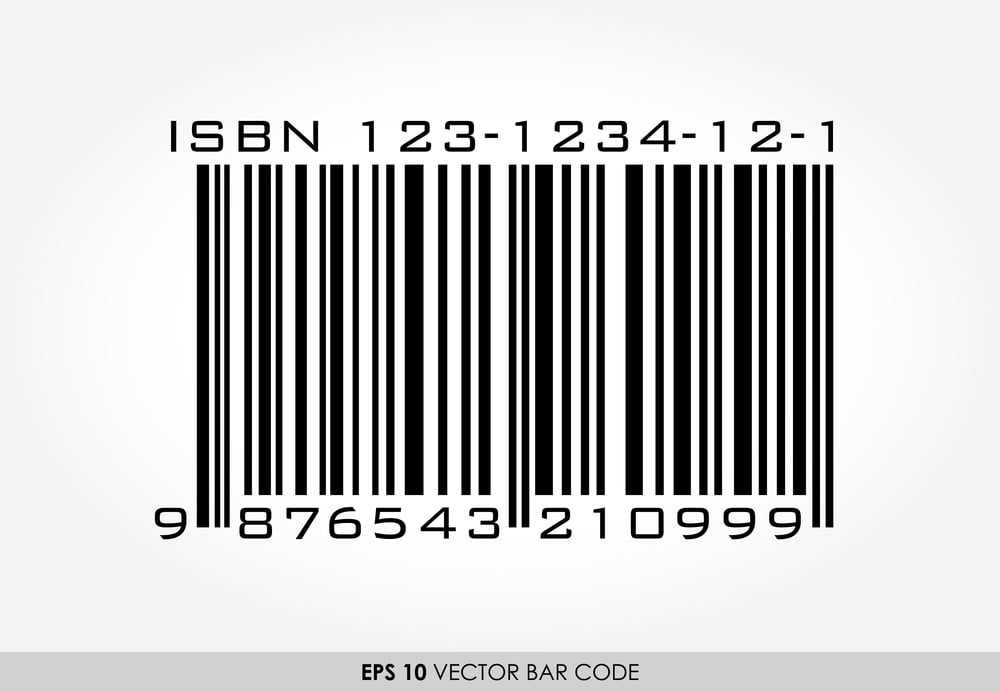
The inconspicuous pattern of lines found on virtually every retail product drastically transformed commerce without much public recognition. First used commercially in 1974 at a supermarket in Ohio, barcodes eliminated manual price entry, reduced checkout times, and revolutionized inventory management.
This simple visual code enabled the modern retail supply chain, but most consumers barely noticed its quiet integration into their shopping experience.
GPS Satellites
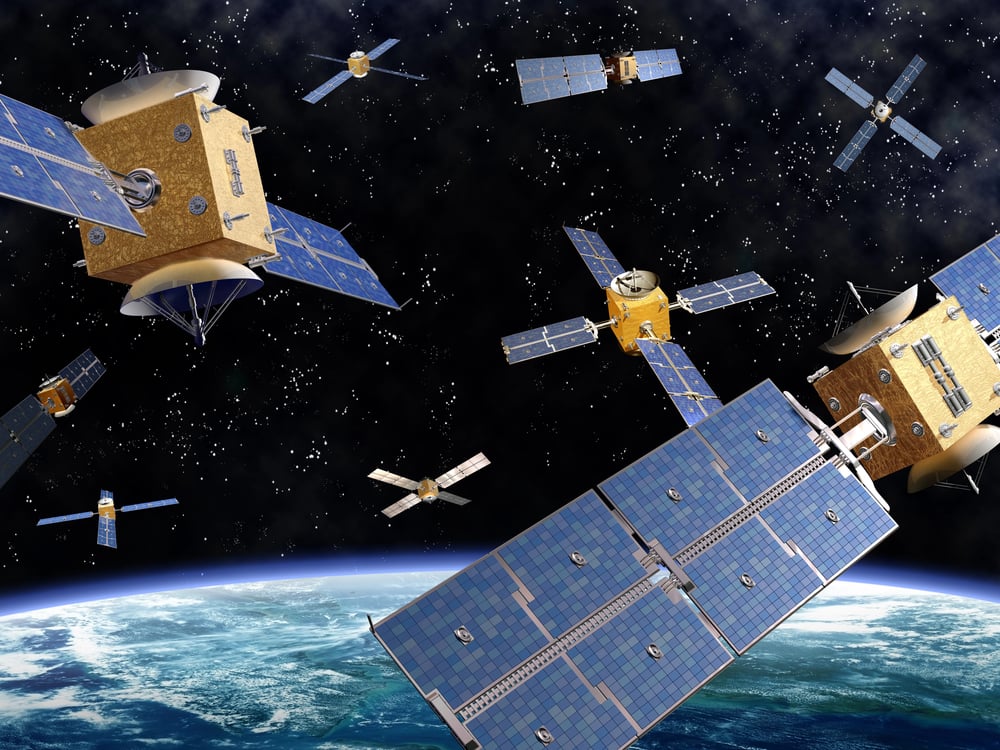
Long before smartphones made location services commonplace, the Global Positioning System was quietly launched as a military technology. The network of satellites providing positioning data was fully operational by 1995, but remained largely unknown to the public until civilian applications emerged years later.
Today, these orbiting devices influence everything from agriculture to emergency services, yet most people never think about the space-based infrastructure making their navigation apps possible.
The Compiler

Perhaps the most invisible world-changer, the compiler translates human-readable programming code into machine language that computers can execute. Created by Grace Hopper in the 1950s, this innovation made modern software development possible by freeing programmers from writing in binary code.
Without compilers, the digital revolution would have been dramatically slower, making this unsexy technical tool one of computing’s most consequential inventions.
Optical Fiber

These thin strands of glass carry the internet’s data across oceans and continents with remarkable efficiency. Developed in the 1970s with limited public awareness, optical fiber enables bandwidth capabilities that copper wire could never achieve.
The streaming services, video calls, and instant communication we take for granted today would be impossible without this hidden infrastructure that transmits information at the speed of light.
The Transistor
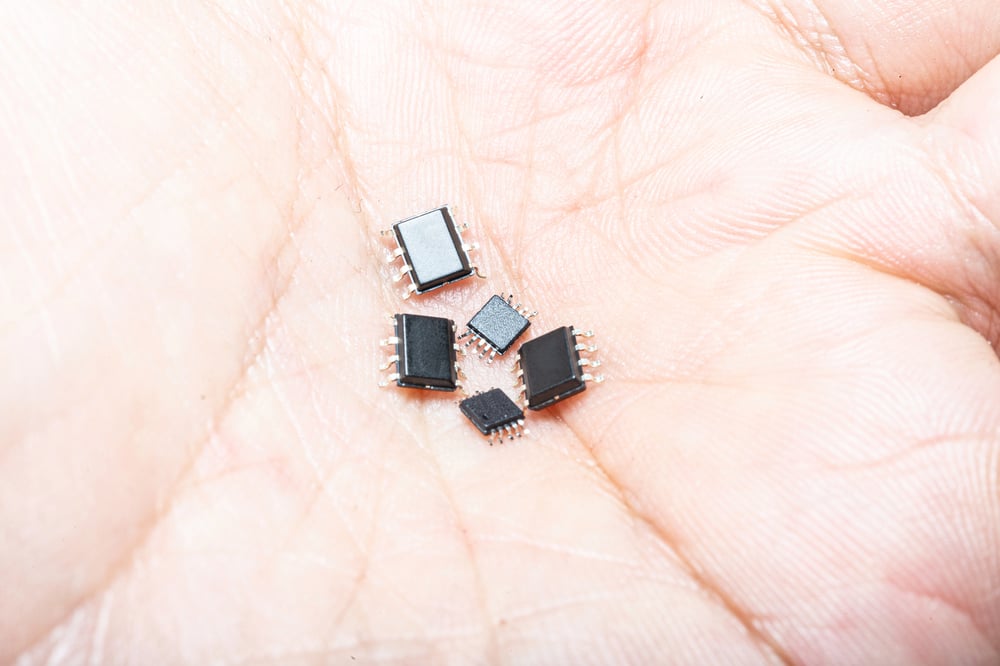
Despite winning its inventors a Nobel Prize, the transistor never captured public imagination like the devices it enabled. This tiny semiconductor component replaced bulky vacuum tubes and made virtually every electronic device we use today.
From its invention in 1947, the transistor quietly shrunk in size while expanding in importance, becoming the fundamental building block of modern computing without most people knowing what one looks like.
Standardized Pallets

Wooden pallets might seem too mundane to merit attention, but their standardization transformed global logistics. These flat transport structures allowed for efficient forklift operations and optimized storage in warehouses and shipping containers.
The humble pallet enabled modern supply chains and reduced handling costs dramatically, contributing to economic globalization without receiving any recognition from the consumers who benefit from them daily.
Contact Lenses

Unlike many medical innovations that arrived with fanfare, contact lenses evolved gradually with relatively little publicity. They transformed vision correction from their early glass versions to modern soft lenses by offering a discreet alternative to eyeglasses.
Today, millions wear these nearly invisible devices, often forgetting how revolutionary the concept of placing corrective lenses directly on the eye once seemed.
The Electric Motor

While electric cars make headlines today, electric motors have been quietly powering our world for over a century. From refrigerators to factory equipment, these devices convert electrical energy into mechanical energy with remarkable efficiency.
Despite being fundamental to modern life, most electric motors remain hidden inside the products they power, making their world-changing impact easy to overlook.
Kevlar

This synthetic fiber is five times stronger than steel by weight yet received minimal public attention when developed by chemist Stephanie Kwolek at DuPont in 1965. Kevlar revolutionized safety equipment, particularly in bulletproof vests that have saved countless lives.
Beyond protection, it appears in everything from bicycle tires to spacecraft components, making it a silent contributor to both everyday safety and cutting-edge technology.
The Router

Unlike the computers they connect, network routers rarely feature in technology conversations despite their critical role in creating the internet. These devices determine the best path for data packets across networks, making global connectivity possible.
From the first primitive versions to modern wireless routers, they’ve enabled our connected world while remaining largely anonymous beige or black boxes tucked away in corners.
WD-40

This common lubricant with the distinctive blue and yellow color began as a water displacement formula for the aerospace industry. Created in 1953, WD-40 found its way into households through word-of-mouth rather than aggressive marketing.
Its versatility in addressing squeaky hinges, stuck bolts, and countless other household problems made it indispensable in toolboxes worldwide, proving that sometimes practical utility speaks louder than advertising.
The Quiet Revolution Continues

These fifteen inventions demonstrate how truly transformative innovations often spread through practical utility rather than marketing hype. From invisible infrastructure to everyday objects, they’ve collectively reshaped our reality while rarely receiving recognition proportionate to their impact.
Perhaps the most meaningful changes don’t arrive with fanfare but instead integrate so seamlessly into our lives that we hardly notice how different the world becomes because of them.
More from Go2Tutors!

- The Romanov Crown Jewels and Their Tragic Fate
- 13 Historical Mysteries That Science Still Can’t Solve
- Famous Hoaxes That Fooled the World for Years
- 15 Child Stars with Tragic Adult Lives
- 16 Famous Jewelry Pieces in History
Like Go2Tutors’s content? Follow us on MSN.



