16 Major Historical Events That Happened in April
April has always been the month when history seems to pivot. Not the dramatic, obvious moments of high summer or the contemplative shifts of autumn, but those precise turns that catch everyone by surprise.
There’s something about the timing—winter’s grip finally loosening, but the year still uncertain—that makes April perfect for the kind of events that reshape everything. From declarations of war to groundbreaking discoveries, April has seen more than its share of moments that changed the course of human history.
Abraham Lincoln’s Assassination
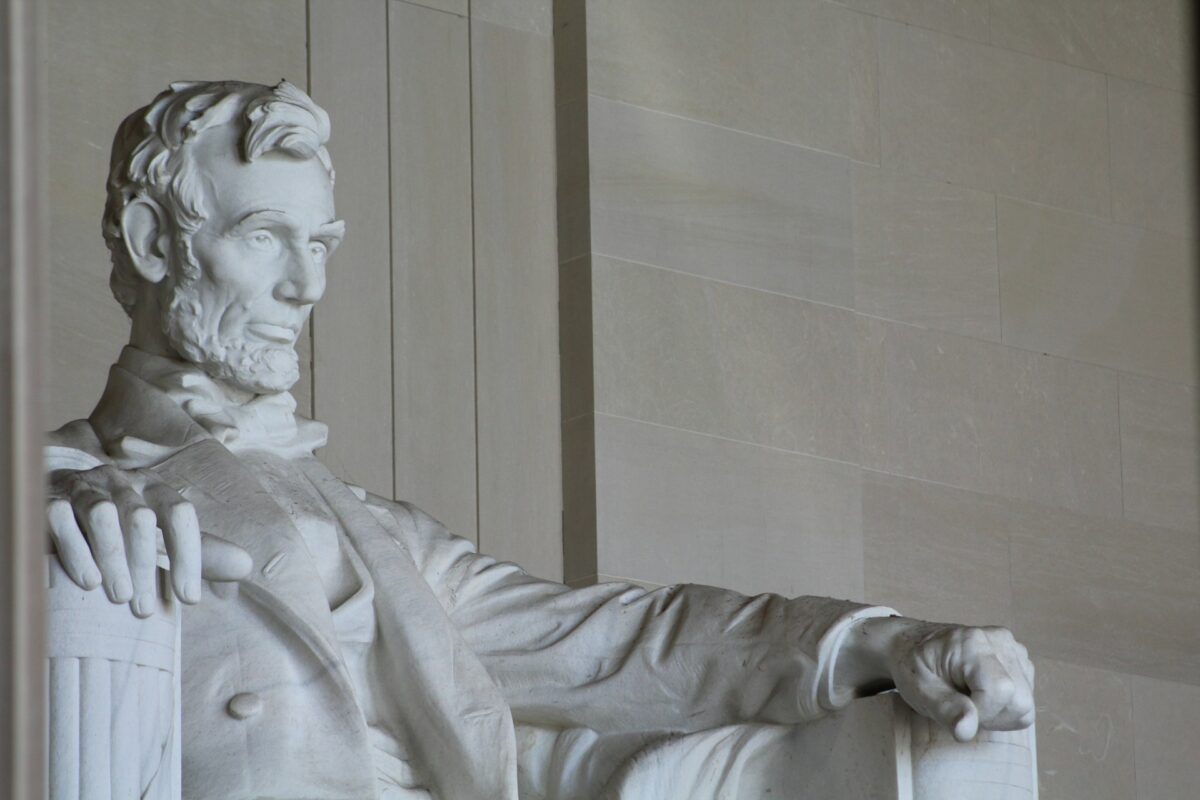
Lincoln died on April 15, 1865. John Wilkes Booth shot him at Ford’s Theatre.
The war was basically over, and then this happened.
The Sinking of the RMS Titanic
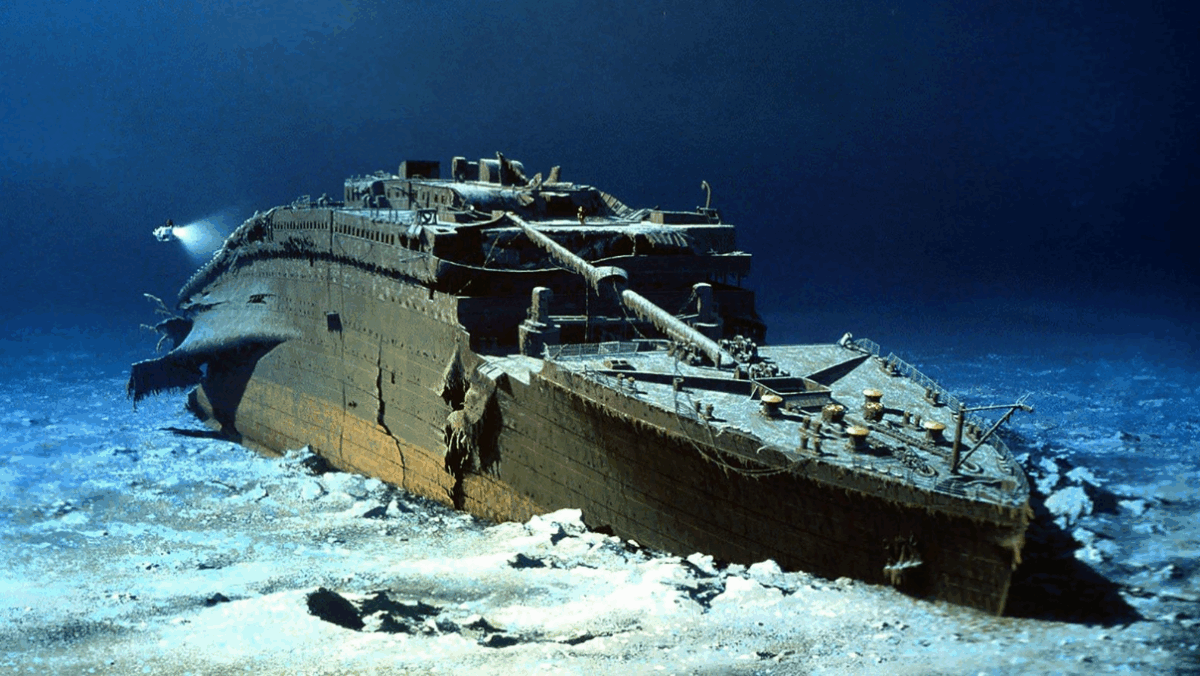
The “unsinkable” ship hit an iceberg on April 14, 1912, and sank in the early hours of April 15. Over 1,500 people died in the North Atlantic, and the world discovered that progress has limits—sometimes catastrophic ones.
The disaster happened because of a series of small decisions (sailing through an ice field at full speed, not carrying enough lifeboats, ignoring ice warnings from other ships) that added up to something unthinkable. But here’s the thing about the Titanic that gets overlooked: it wasn’t just a ship, it was a statement about class, technology, and human arrogance, and when it went down, it took all three with it.
The survivors spent hours in lifeboats, watching the ship’s lights disappear beneath the surface. That image—the slow, inevitable descent of something everyone believed was permanent—became a metaphor for the entire century that followed.
The Start of the American Civil War
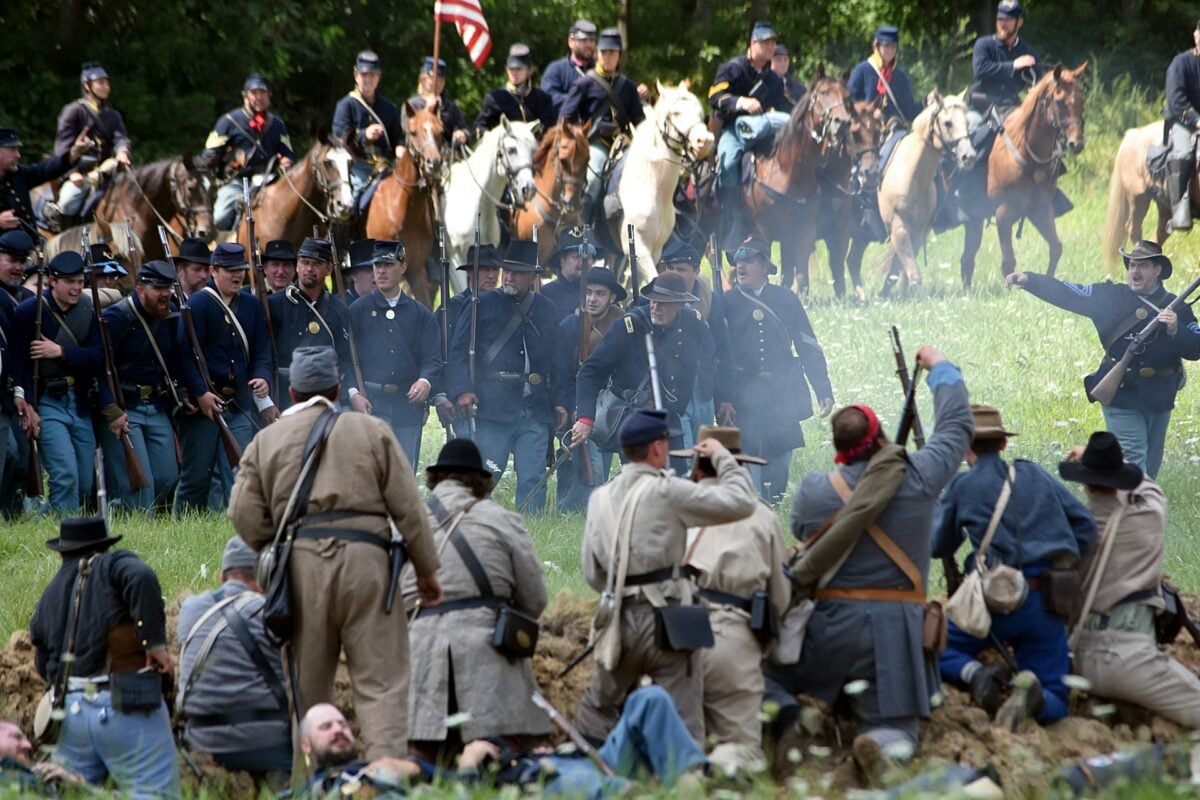
Fort Sumter was attacked on April 12, 1861. The first shots were fired at 4:30 AM by Confederate forces, and suddenly a country that had been arguing about slavery for decades was actually fighting about it.
The bombardment lasted 34 hours, though remarkably, no one died from the actual battle—the only casualties came when a cannon exploded during the surrender ceremony. What makes Fort Sumter significant isn’t the military action, which was relatively minor, but the psychological line it crossed.
Both sides had been posturing for months, but once those cannons fired, there was no walking it back. The war that followed would claim over 600,000 lives and fundamentally reshape American society.
The San Francisco Earthquake
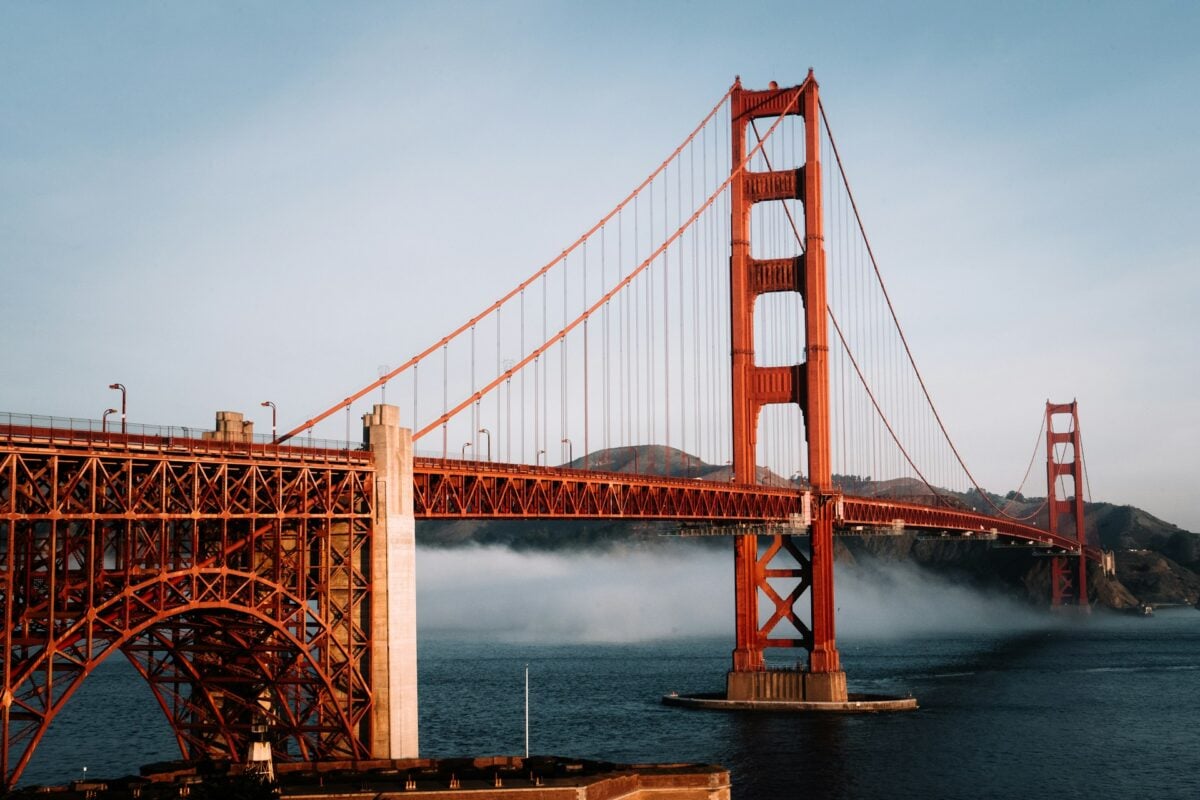
April 18, 1906, at 5:12 AM. The earthquake lasted less than a minute, but the fires that followed burned for three days.
Most of San Francisco simply disappeared—not slowly, not gradually, but all at once, the way a city can when the ground stops being solid and fire spreads faster than people can run. What’s remarkable about San Francisco is how quickly it rebuilt itself.
Within a decade, you could hardly tell the disaster had happened. The city didn’t just recover; it came back different, more modern, more deliberately planned.
Sometimes destruction clears the way for something better, though it’s hard to appreciate that when you’re watching everything burn.
Paul Revere’s Midnight Ride
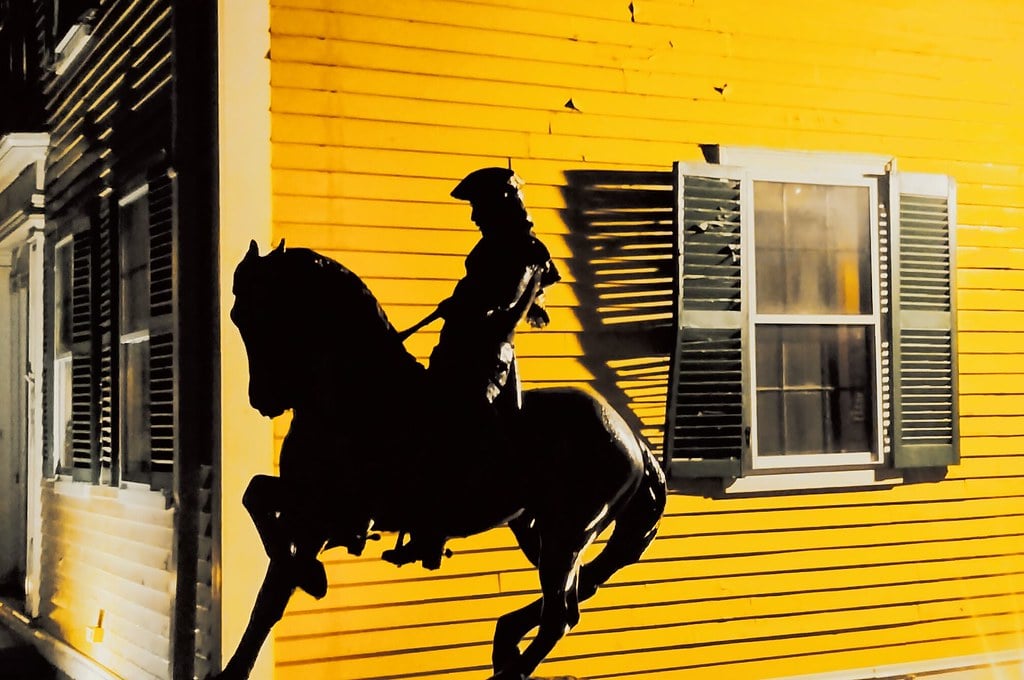
Revere rode through the Massachusetts countryside on April 18, 1775, warning that British troops were marching toward Concord. The whole “one if by land, two if by sea” signal system worked exactly as planned, and colonial militias had time to prepare for what became the opening battles of the Revolutionary War.
The irony is that Revere was actually captured before he could complete his ride—it was Samuel Prescott who made it to Concord. But Revere got the credit, thanks mostly to Longfellow’s poem 86 years later.
History has a way of simplifying messy events into clean narratives, and sometimes the simplified version is what matters more than the complicated truth.
The Apollo 13 Crisis
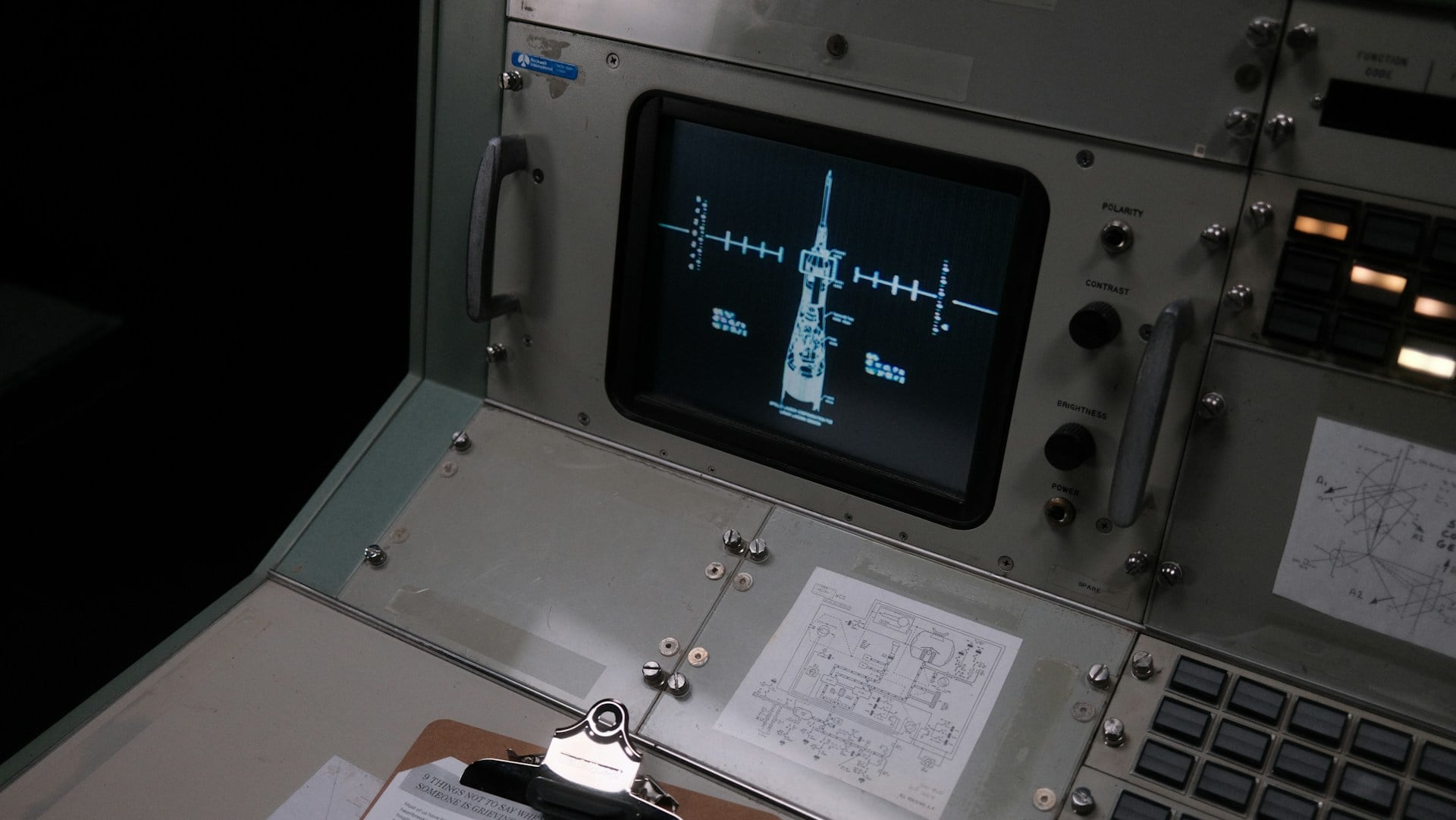
NASA’s third lunar mission launched on April 11, 1970, and everything went wrong 56 hours later when an oxygen tank exploded. The crew—Jim Lovell, Jack Swigert, and Fred Haise—were suddenly 200,000 miles from Earth in a crippled spacecraft, and their only option was to loop around the moon and hope the damaged command module could get them home.
What followed was four days of improvised engineering, where mission control and the astronauts had to solve problems no one had ever imagined. They used the lunar module as a lifeboat, rigged up carbon dioxide scrubbers with duct tape and cardboard, and calculated engine burns by hand.
The spacecraft splashed down safely on April 17, and NASA learned that sometimes the most important discoveries happen when everything goes wrong.
The Warsaw Ghetto Uprising
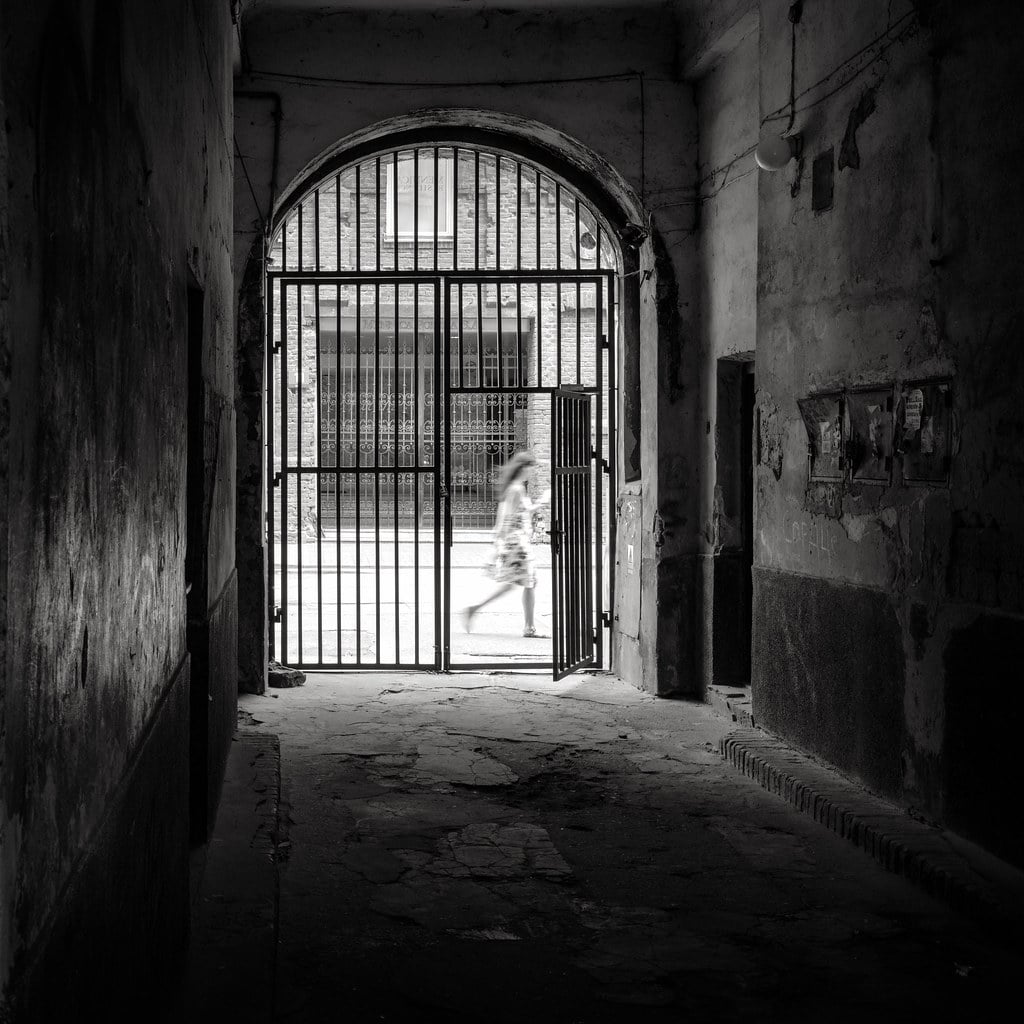
April 19, 1943. Jewish fighters in the Warsaw Ghetto began an armed resistance against the Nazi forces attempting to deport the remaining population to concentration camps.
They had virtually no weapons, no outside support, and no realistic hope of victory—yet they fought anyway, holding out for nearly a month against overwhelming odds. The uprising wasn’t militarily significant; it didn’t change the outcome of the war or save lives in any measurable way.
But it shattered the Nazi assumption that deportations would continue without resistance, and it became a symbol of defiance that outlasted the regime that tried to crush it. Sometimes the most important victories are the ones that happen when winning is impossible.
The First Earth Day
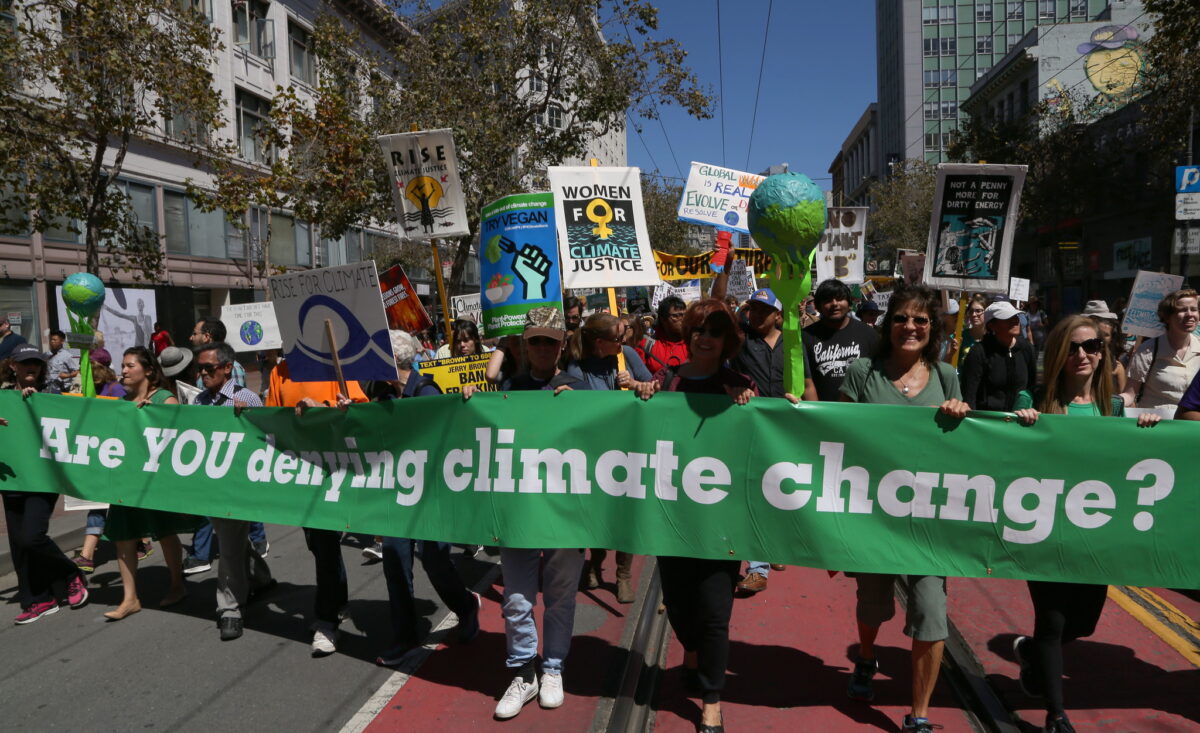
April 22, 1970. Twenty million Americans participated in environmental demonstrations across the country, making it one of the largest coordinated protests in human history.
The event was organized by Senator Nelson after he witnessed the massive oil spill in Santa Barbara the previous year—he wanted to channel the energy of anti-war protests toward environmental issues. Earth Day worked because it wasn’t partisan; Republicans and Democrats both showed up, along with people who usually avoided political demonstrations entirely.
The result was the Environmental Protection Agency, the Clean Air Act, and the Clean Water Act—all passed within two years. Turns out that when enough people agree something needs to change, it actually can.
The Chernobyl Nuclear Disaster
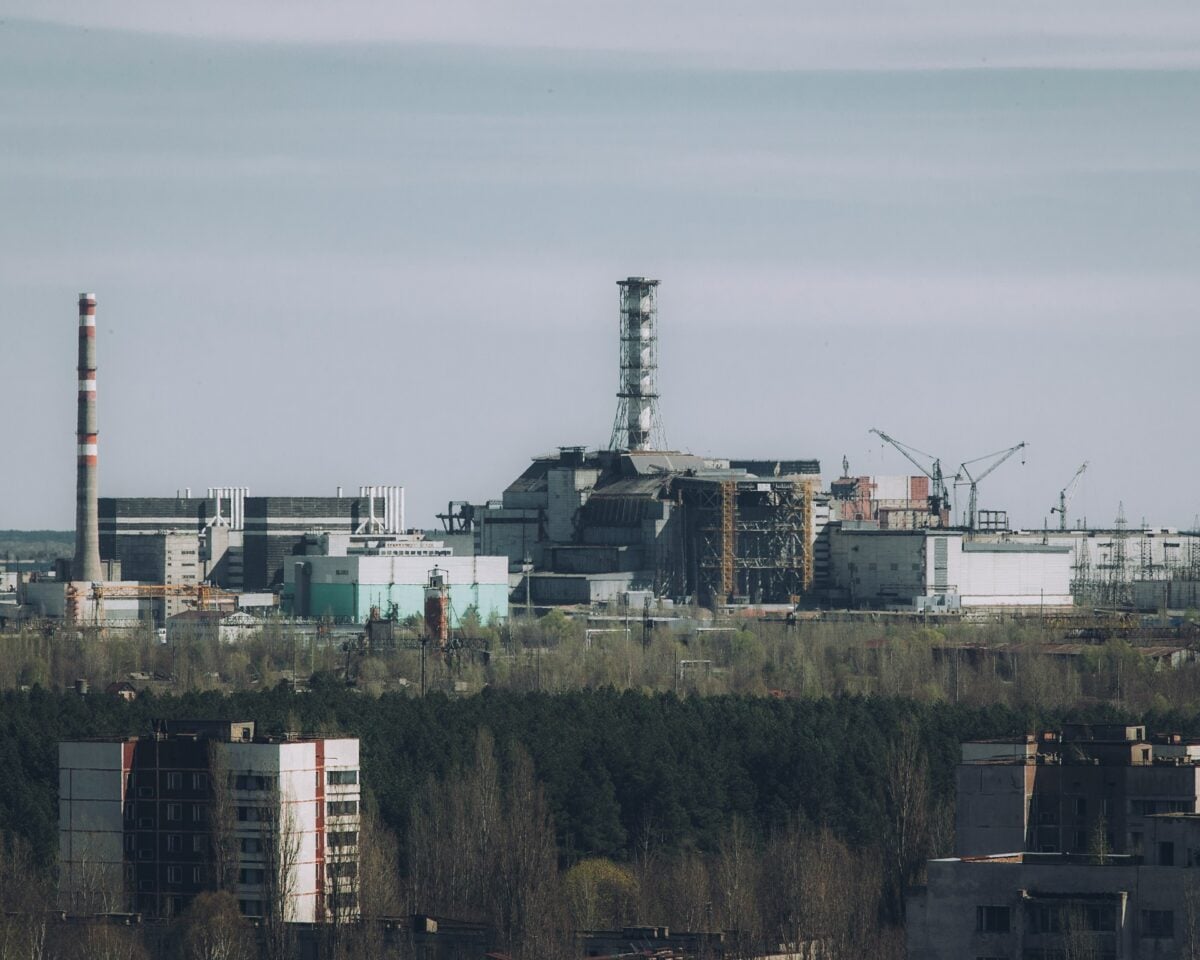
The reactor exploded on April 26, 1986, at 1:23 AM during a safety test that went catastrophically wrong (the safety test itself created the conditions that caused the explosion, which is the kind of irony that makes engineers wake up in cold sweats). The Soviet Union initially tried to cover it up, but radiation doesn’t respect national borders, and within days, the whole world knew something terrible had happened in Ukraine.
Chernobyl changed how people think about nuclear power, but it also revealed something important about government credibility. When officials spent three days insisting everything was fine while radiation detectors across Europe were going off, it became clear that the gap between official statements and reality could be measured in roentgens.
The disaster eventually contributed to the collapse of the Soviet Union—turns out that when you can’t trust your government to tell you about invisible poison in the air, you start questioning everything else they say too.
The Bay of Pigs Invasion
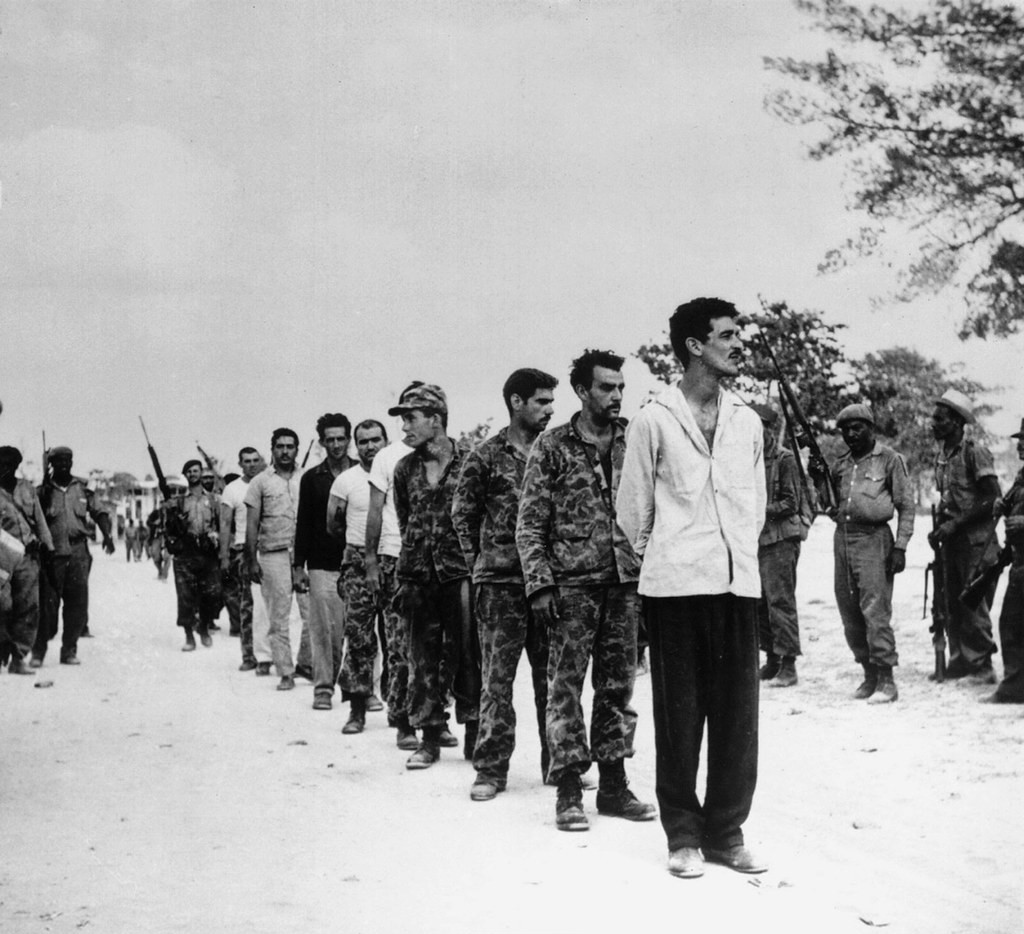
April 17, 1961. The CIA-trained Cuban exiles who were supposed to overthrow Castro never made it off the beach. The invasion failed within 72 hours, leaving Kennedy with a foreign policy disaster just three months into his presidency.
Everything that could go wrong did go wrong: the promised air support was canceled, the Cuban military was better prepared than expected, and the local uprising that was supposed to support the invasion never materialized. But the real damage wasn’t military—it was psychological.
Castro became convinced that the United States would never stop trying to remove him, which pushed Cuba firmly into the Soviet sphere and set up the tensions that would lead to the Cuban Missile Crisis 18 months later.
The Rwandan Genocide Begins
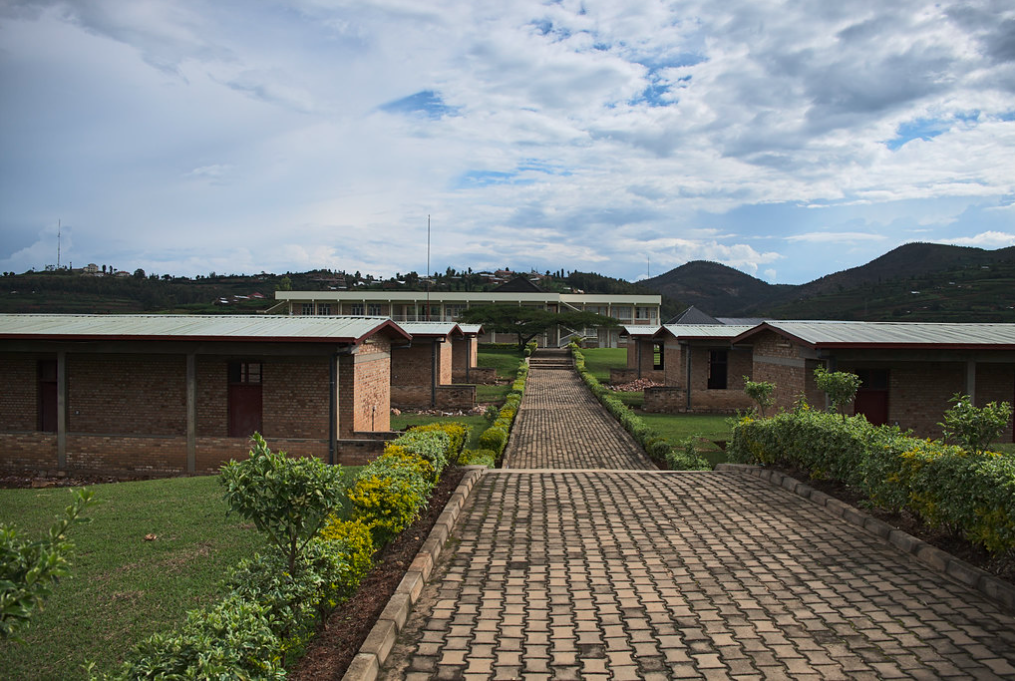
April 6, 1994, President Juvénal Habyarimana’s plane was shot down, and within hours, organized mass killings began across Rwanda. Over the next 100 days, an estimated 800,000 people were murdered—mostly Tutsis killed by Hutus, though the ethnic categories themselves were largely artificial, created by colonial administrators decades earlier.
The world watched it happen and did essentially nothing. The United Nations had peacekeepers in the country, but they were ordered not to intervene.
The United States refused to call it genocide because that would have required action under international law. France actually supported the government carrying out the killings.
The international community had spent 50 years saying “never again” after the Holocaust, and when it happened again, they found reasons to look away.
The Siege of Sarajevo Begins
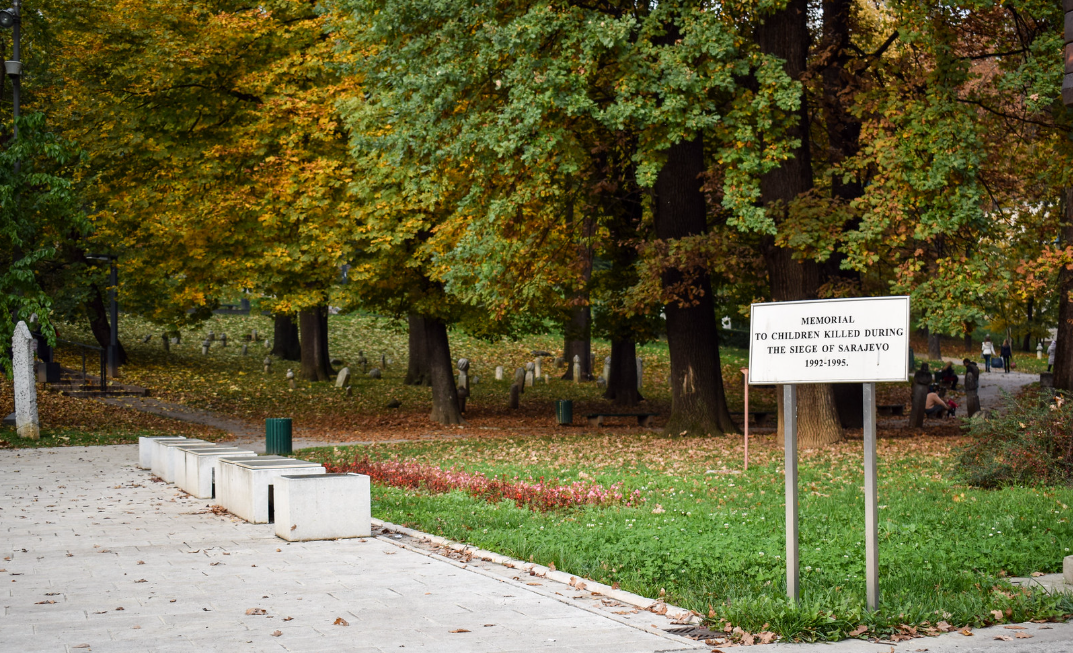
April 6, 1992—same date, different year. Serbian forces surrounded Sarajevo and began what would become the longest siege in modern warfare, lasting 1,425 days.
The city was cut off from food, water, electricity, and medical supplies while snipers and artillery targeted civilians. What made Sarajevo different from other wartime sieges was how visible it was.
International journalists were there the entire time, broadcasting images of people running across streets to avoid sniper fire, of children playing in playgrounds surrounded by protective barriers, of the city’s library burning while firefighters couldn’t reach it. The siege became a symbol of how quickly a cosmopolitan, multicultural city could be torn apart by ethnic nationalism—and how long the international community would watch before deciding to act.
The Battle of Lexington and Concord
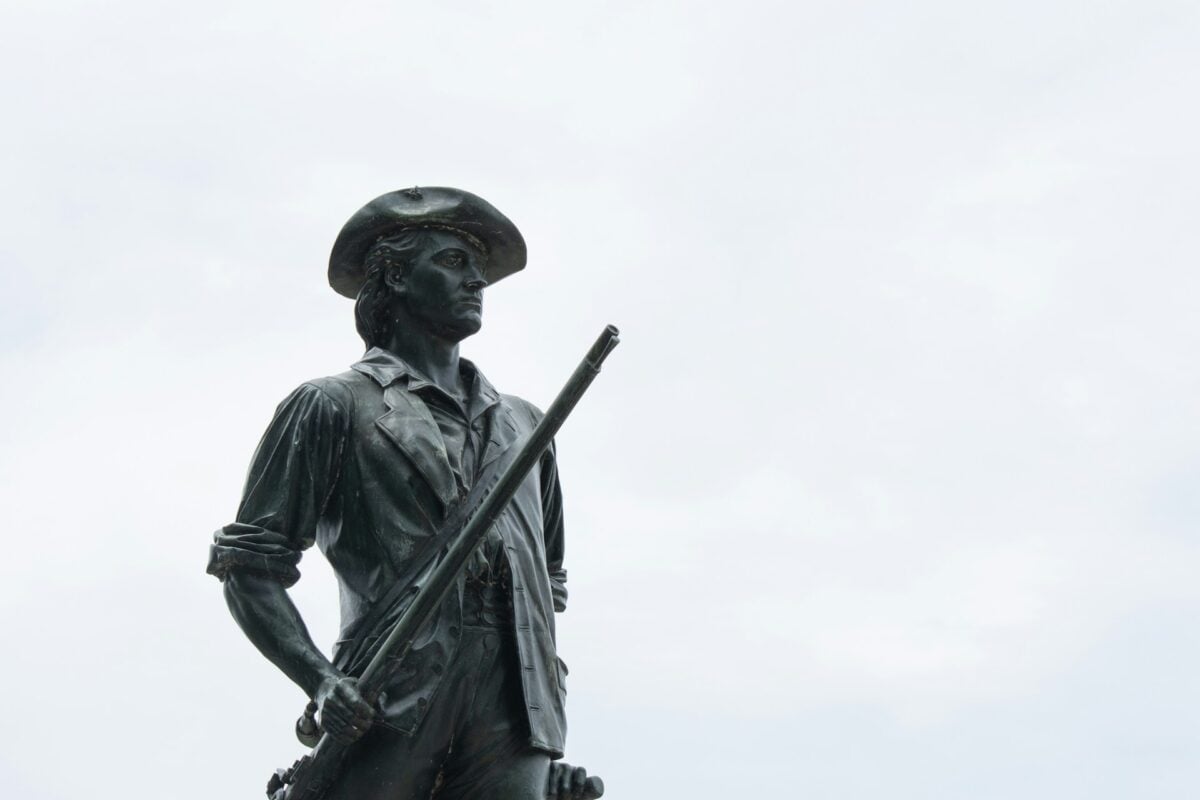
April 19, 1775. British troops marched from Boston to destroy colonial weapons stockpiles, but the colonists were ready for them.
The first shots were fired on Lexington Green at dawn, though nobody knows which side fired first. The British found some weapons in Concord and destroyed them, but by then, colonial militias were gathering from all over Massachusetts.
The march back to Boston turned into a running battle, with colonists firing from behind trees and stone walls while the British tried to maintain formation on the open road. By the end of the day, the British had suffered 273 casualties compared to 95 for the colonists.
More importantly, word spread quickly through the other colonies: the fighting had started, and the Americans had won the first round.
The Launch of Yuri Gagarin into Space
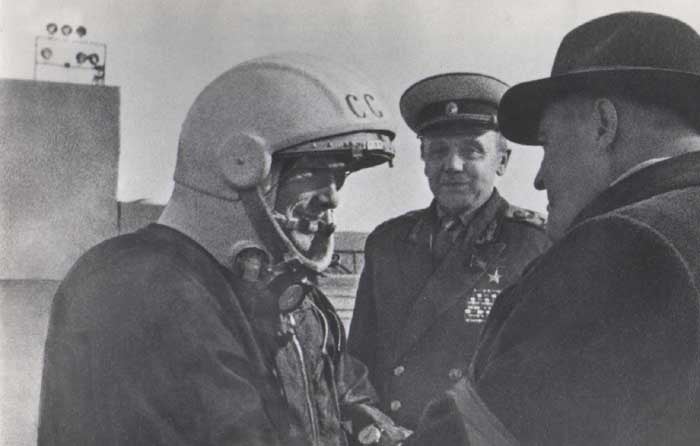
April 12, 1961. Gagarin completed one orbit of Earth in 108 minutes, becoming the first human being to travel in space.
The Soviet Union announced it to the world immediately, while the United States was still months away from getting Alan Shepard on a suborbital flight. Gagarin’s flight was a propaganda victory for the Soviets, but it was also a genuine scientific achievement that changed how humans thought about their place in the universe.
For the first time, someone had left Earth entirely and come back to tell about it. The flight lasted less than two hours, but it opened up possibilities that had existed only in science fiction.
Within eight years, Americans would be walking on the moon—the space race that Gagarin started moved faster than anyone imagined possible.
The Columbine High School Shooting
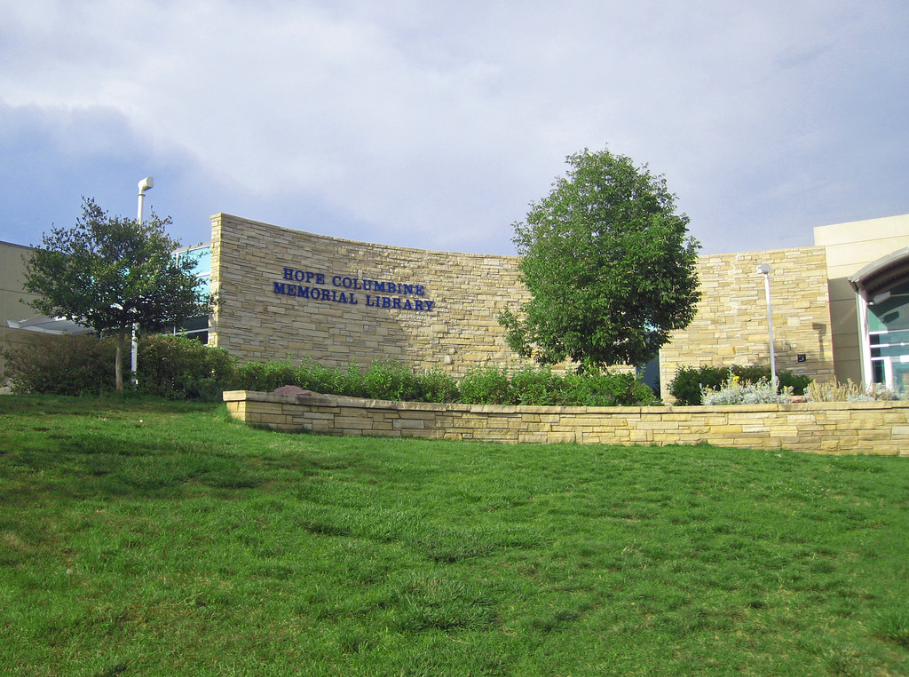
April 20, 1999. Eric Harris and Dylan Klebold killed 13 people and wounded 21 others before taking their own lives. The attack was broadcast live on television, with news cameras showing students climbing out of windows and SWAT teams surrounding the building.
Columbine changed how Americans think about school safety, but it also revealed how quickly misinformation can spread during a crisis. Initial reports claimed there were multiple shooters, that the killers targeted jocks and Christians, and that they were part of something called the “Trench Coat Mafia.”
Most of these details turned out to be wrong, but they became part of the story anyway. The real tragedy is that Columbine wasn’t an isolated incident—it became the template for school shootings that followed.
The Oklahoma City Bombing
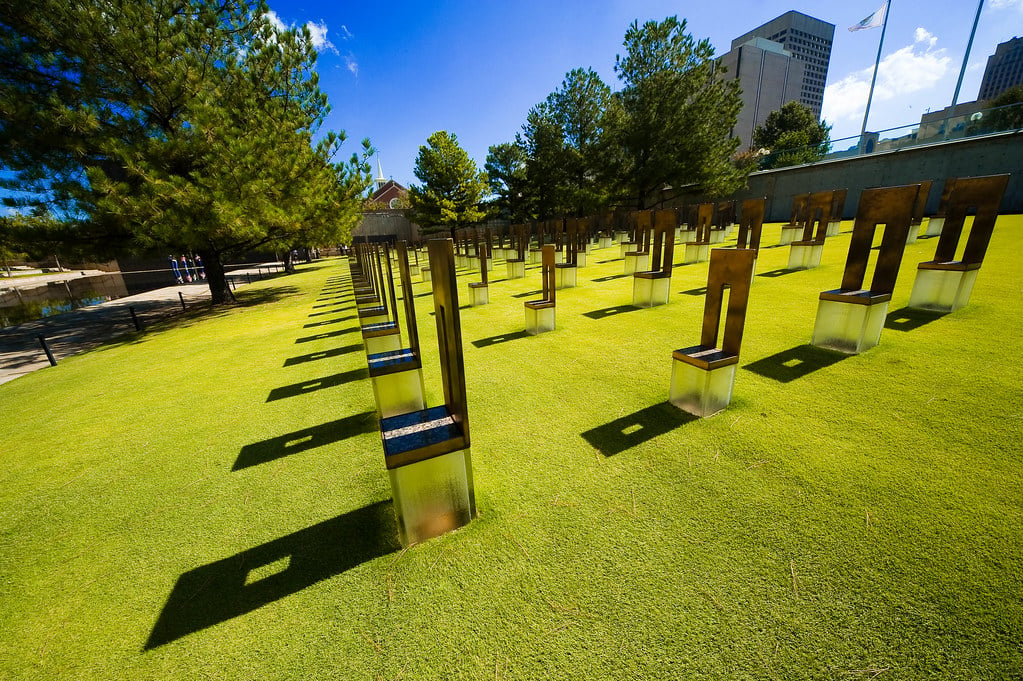
April 19, 1995. Timothy McVeigh detonated a truck bomb outside the Alfred P. Murrah Federal Building, killing 168 people, including 19 children who were in the building’s daycare center.
The explosion was so powerful it damaged 324 buildings in a 16-block radius and could be heard 55 miles away. The bombing shattered the assumption that domestic terrorism was a problem other countries had to worry about.
McVeigh was an American veteran who had become radicalized by anti-government ideology, and his target was specifically chosen to kill federal employees. The attack happened on the second anniversary of the end of the siege at Waco, which wasn’t a coincidence.
McVeigh wanted to start a revolution against the federal government; instead, he showed Americans what their own extremists were capable of.
Looking Back Through April’s Lens
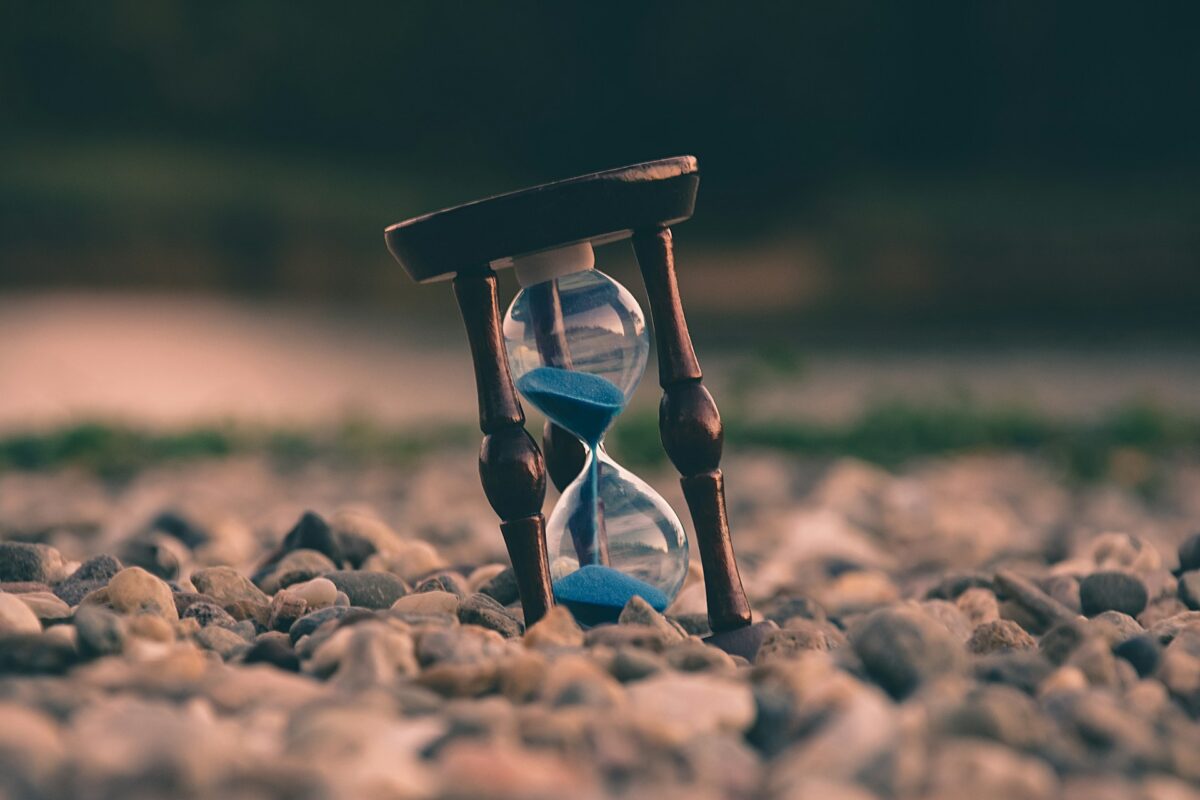
April keeps reminding us that history doesn’t announce itself. The month arrives quietly, between winter’s end and summer’s beginning, carrying moments that will be remembered long after the seasons that framed them are forgotten.
These events didn’t choose April—they just happened to land there, in the space between what was and what would be.
More from Go2Tutors!

- The Romanov Crown Jewels and Their Tragic Fate
- 13 Historical Mysteries That Science Still Can’t Solve
- Famous Hoaxes That Fooled the World for Years
- 15 Child Stars with Tragic Adult Lives
- 16 Famous Jewelry Pieces in History
Like Go2Tutors’s content? Follow us on MSN.