15 Interesting Historical Facts About Ellis Island
Standing in New York Harbor, Ellis Island carries the stories of millions who passed through its halls seeking new lives in America. Between 1892 and 1954, this small island processed more immigrants than anywhere else in the United States, earning its nickname as the “Gateway to America.”
The personal dramas that unfolded here — families reunited, dreams realized, hopes dashed — shaped not just individual lives but the entire character of the nation. These historical facts reveal the complex reality behind one of America’s most symbolic places.
The Original Name
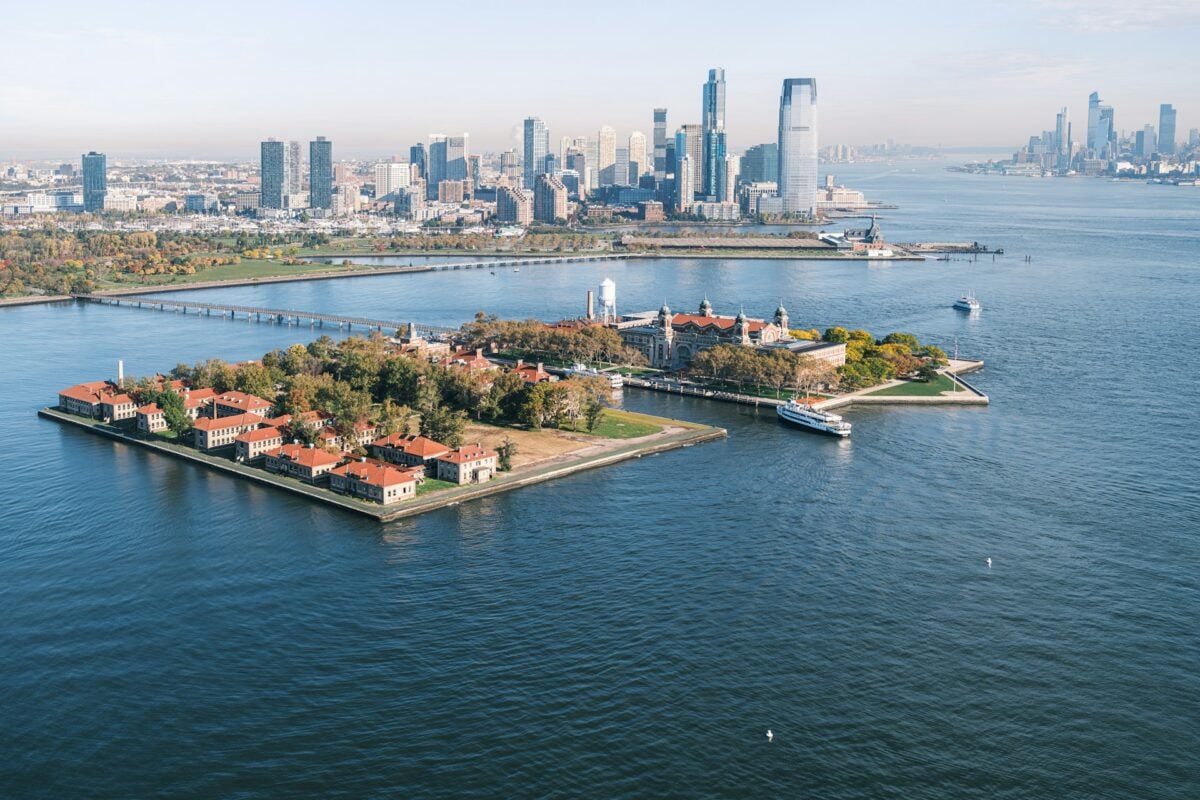
Ellis Island wasn’t always Ellis Island. The Mohegan tribe called it Kioshk, meaning “Gull Island” — which makes perfect sense when you watch seabirds still circling the harbor today.
Dutch colonists renamed it Oyster Island for obvious reasons, then the English took over and called it Gibbet Island because they used it to hang pirates. Samuel Ellis bought it in the 1770s and finally gave it the name that stuck.
Twelve Million Stories
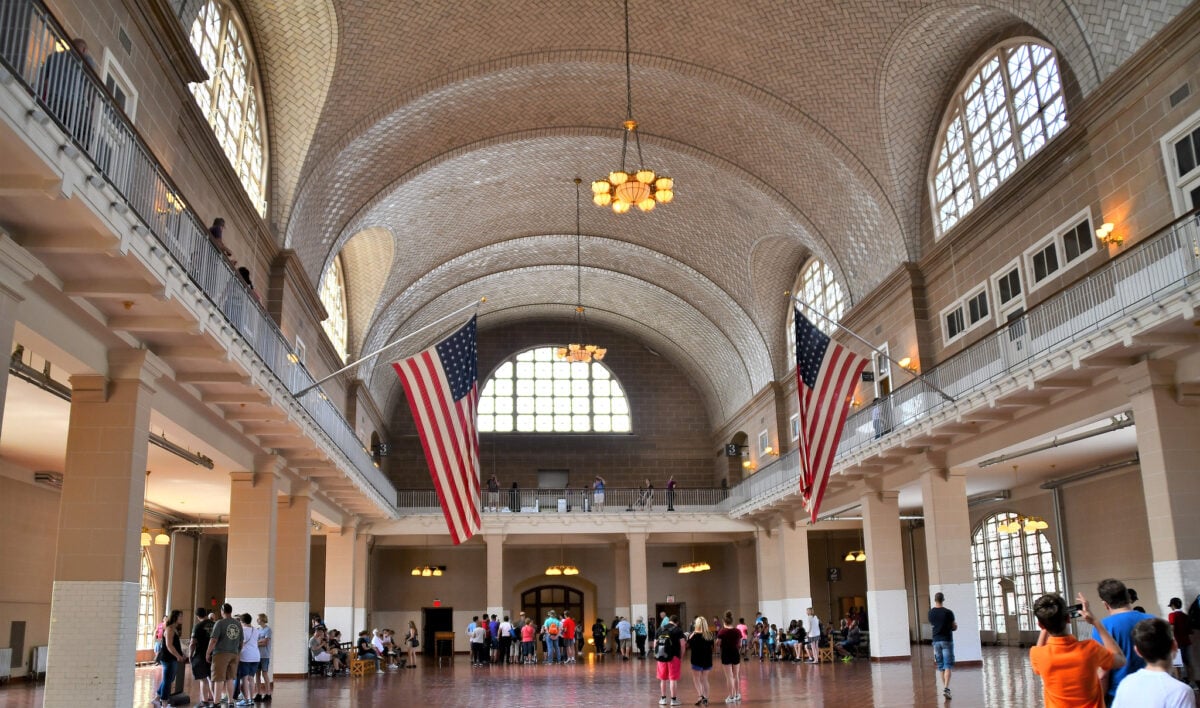
Between 1892 and 1954, approximately 12 million immigrants passed through Ellis Island’s processing halls (though some estimates suggest the number could be as high as 15 million, since record-keeping in the early years was inconsistent, and many people who arrived during busy periods might not have been properly counted in the official tallies that we rely on today). And yet, for all the stories we tell about Ellis Island, most immigrants — particularly those traveling in first and second class — never set foot on the island at all, since they were processed directly on their ships and allowed to disembark straight into Manhattan, which meant that Ellis Island primarily served steerage passengers, the poorest travelers who were deemed most in need of medical and legal inspection.
So the Ellis Island experience, iconic as it has become in American immigration mythology, was actually the experience of the working class and the destitute — the people who needed America most and had the least to offer in return.
The Six-Second Medical Exam
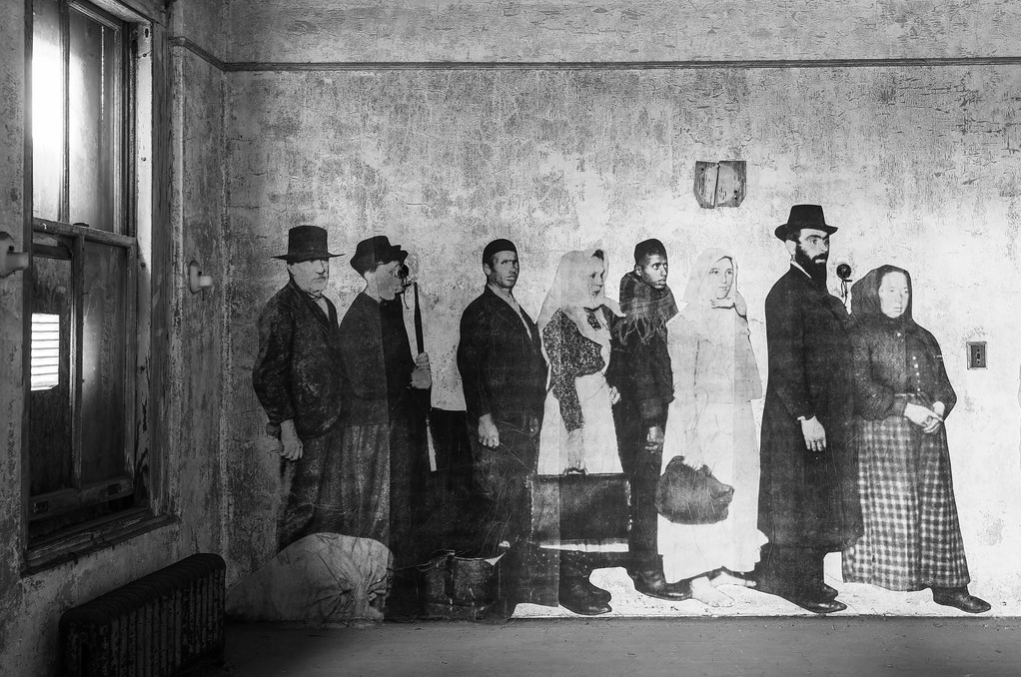
Immigration officers developed an almost supernatural ability to spot illness in the time it took someone to walk up a flight of stairs. They watched for limps, breathing problems, signs of mental illness.
Doctors marked suspected cases with chalk — “H” for heart problems, “X” for mental illness, “E” for eyes. The chalk marks were everything.
A single letter could send you back across the ocean after a journey that had already cost your family everything they owned.
Angel Island Comparison
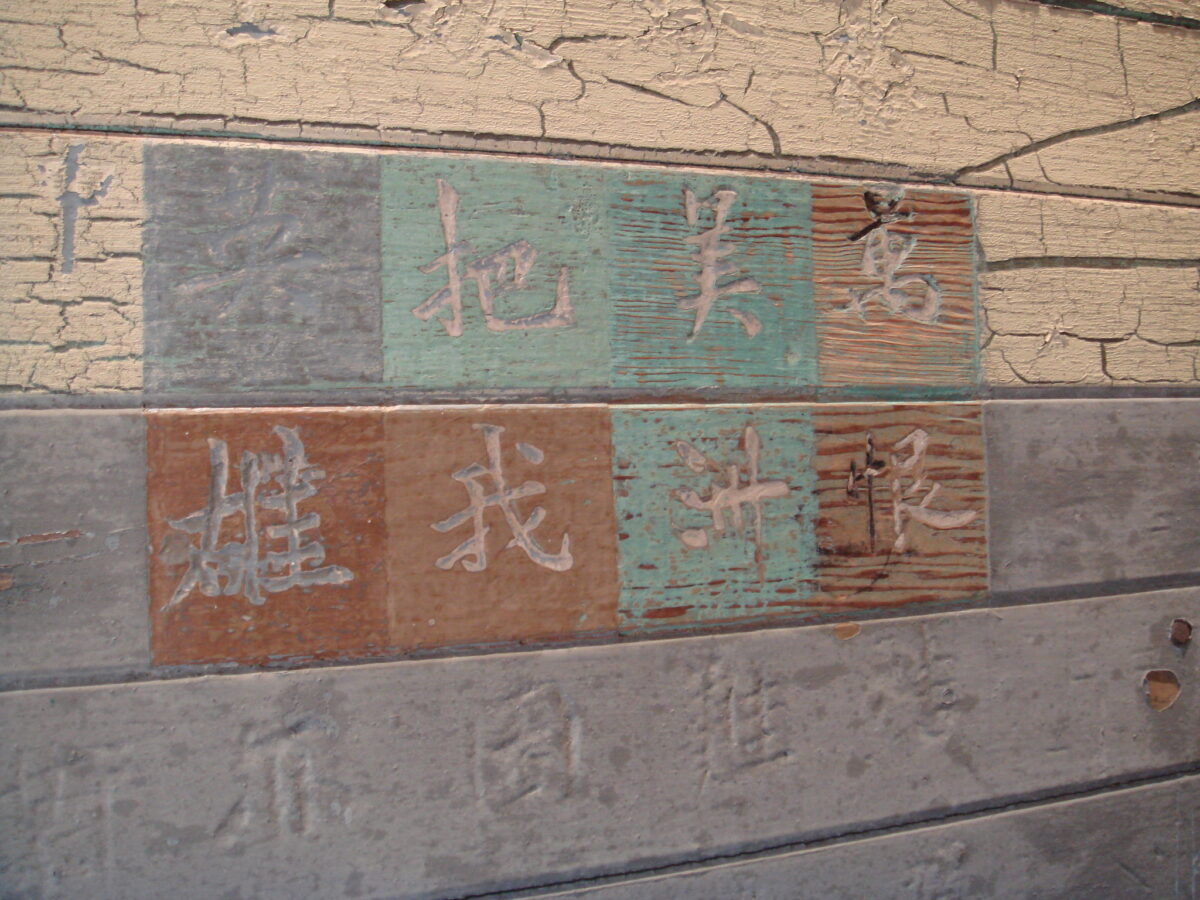
Ellis Island processed immigrants from Europe. Angel Island in San Francisco Bay handled those from Asia, particularly China — and the experiences couldn’t have been more different.
While Europeans might spend hours or at most a few days on Ellis Island, Chinese immigrants could be detained on Angel Island for weeks, months, sometimes over a year (partly due to the Chinese Exclusion Act of 1882, which made their legal status far more precarious, and partly because the interrogation process was deliberately designed to find reasons to deny entry rather than approve it, since the underlying assumption was that Chinese immigrants were less desirable than their European counterparts). The poems carved into the wooden walls at Angel Island tell a different story than the hopeful narratives we associate with Ellis Island. Desperation feels different when it’s stretched across months instead of hours.
The Kissing Post
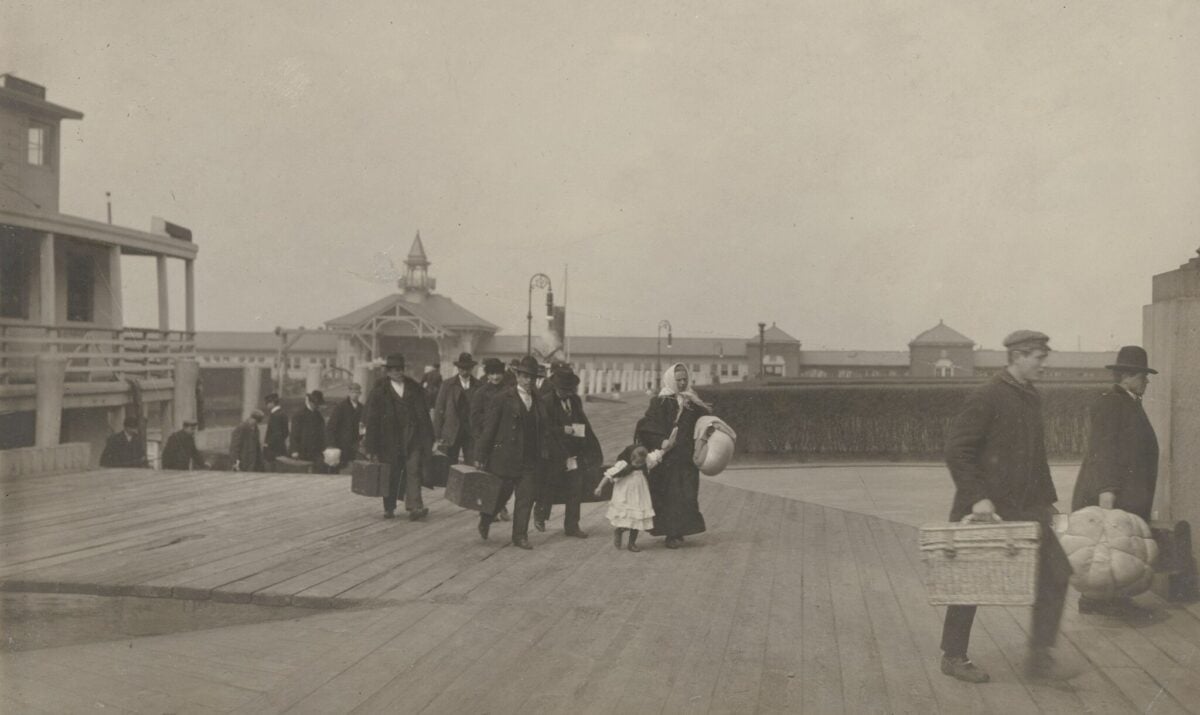
The spot where families reunited after processing became known as the Kissing Post. Immigrants who passed inspection would collect their belongings and wait here for relatives who had come to meet them.
The wooden post itself is long gone, but the emotions attached to that place linger in every family story passed down through generations. Some reunions happened after years of separation.
Others were first meetings — mail-order brides seeing their husbands for the first time, children meeting fathers who had left when they were babies.
Name Changes Were Rare
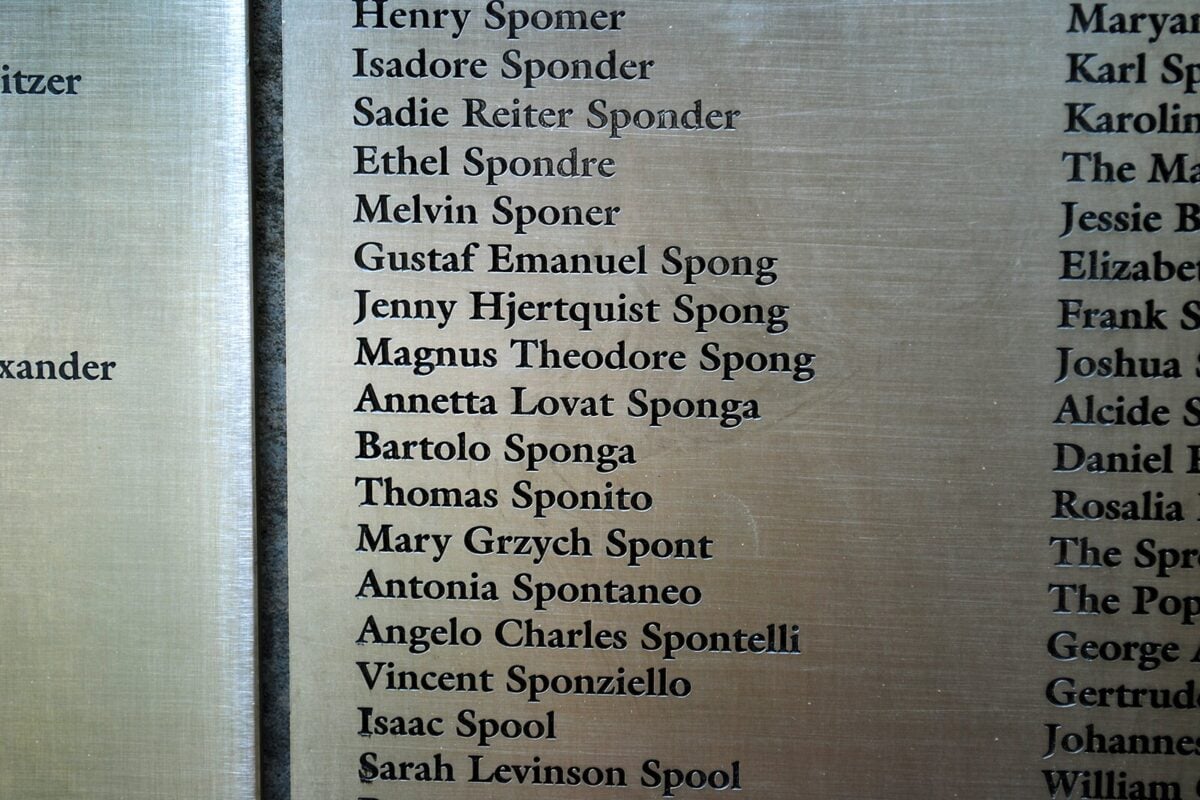
The idea that immigration officials changed people’s names at Ellis Island is mostly myth — one of those stories that feels true enough to stick around despite evidence to the contrary. Officials worked from ship manifests that were prepared at the port of departure, so if a name was spelled wrong, it happened before the ship left Europe, not after it arrived in New York Harbor (and besides, most of the immigration inspectors had seen enough Polish and Italian and German names that they weren’t particularly fazed by spelling complexities, since they dealt with them all day, every day, for years on end).
What actually happened was that many immigrants changed their own names later — sometimes immediately, sometimes years down the line — because they wanted to fit in, or because Americans kept mispronouncing their original names, or because a shortened version just made life easier. But Ellis Island officials were bureaucrats, not name-change artists, and bureaucrats tend to write down exactly what’s on the paperwork in front of them.
The First Immigrant
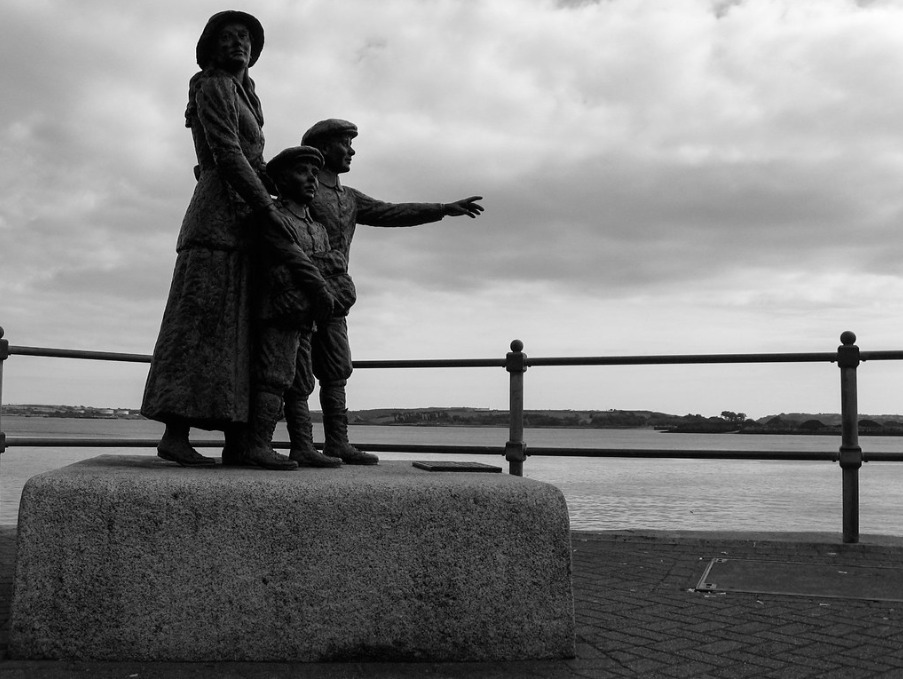
Annie Moore holds the distinction of being the first immigrant processed at Ellis Island when it opened on January 1, 1892. She was 15 years old, traveling from Ireland with her two younger brothers to reunite with their parents in New York.
Officials gave her a $10 gold piece to commemorate the moment. Annie’s story represents millions of others — young people leaving everything familiar behind, trusting that family and opportunity waited on the other side of an ocean.
Twenty Percent Rejection Rate
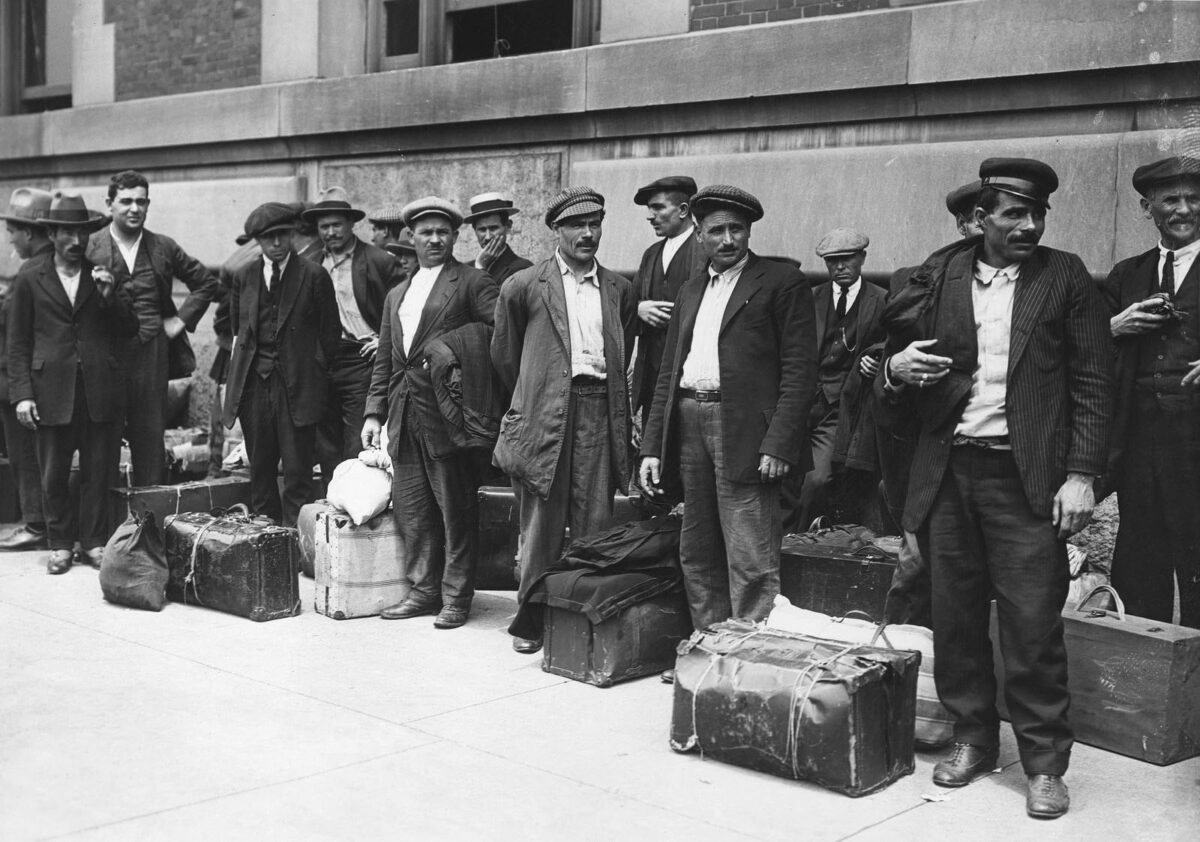
Ellis Island wasn’t the welcoming gateway that modern mythology suggests. Immigration officials rejected about 20 percent of arrivals — some for medical reasons, others for legal issues, many simply because they seemed unlikely to support themselves (and the definition of “likely to become a public charge” was deliberately vague, which gave officials broad discretion to turn people away based on little more than intuition or prejudice, particularly if someone looked too old, too sick, too poor, or too foreign for American tastes).
The return journey meant starting over completely — selling whatever you had left to pay for another ticket, facing family and neighbors who had celebrated your departure, admitting that the dream everyone had invested in hadn’t worked out. Some people spent their entire life savings just to be turned around at the harbor.
The Hospital Complex
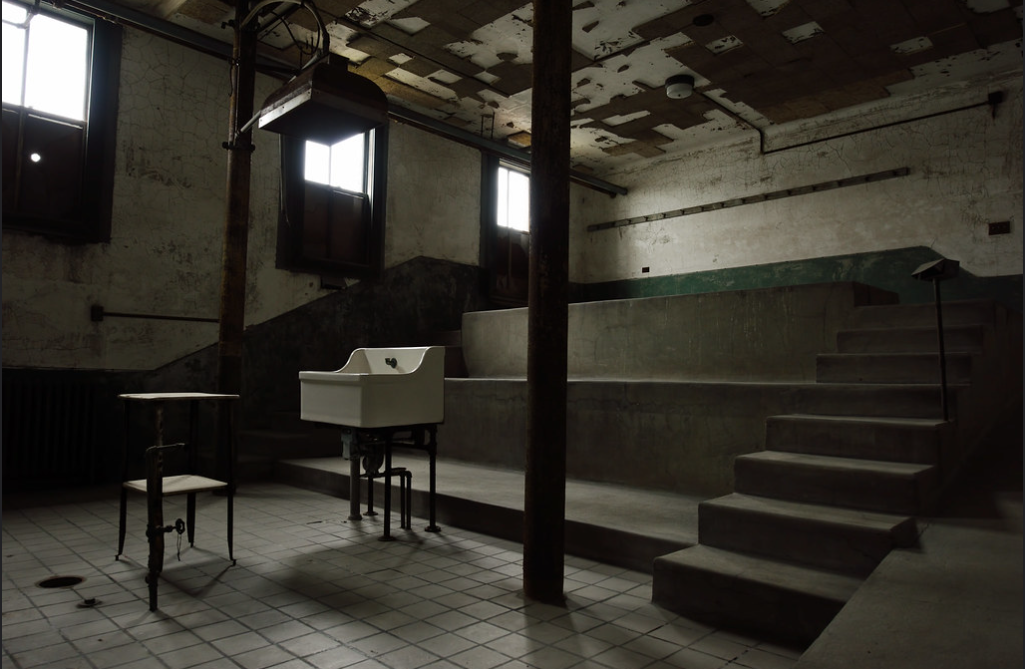
Ellis Island operated one of the largest hospital complexes in the United States at the time. The medical facilities could accommodate over 750 patients and included everything from general wards to isolation rooms for contagious diseases.
Doctors treated immigrants for conditions ranging from trachoma and tuberculosis to mental illness and pregnancy complications. Some patients recovered and continued their journey to America.
Others died within sight of Manhattan, buried in unmarked graves after traveling thousands of miles from home.
Detained Children
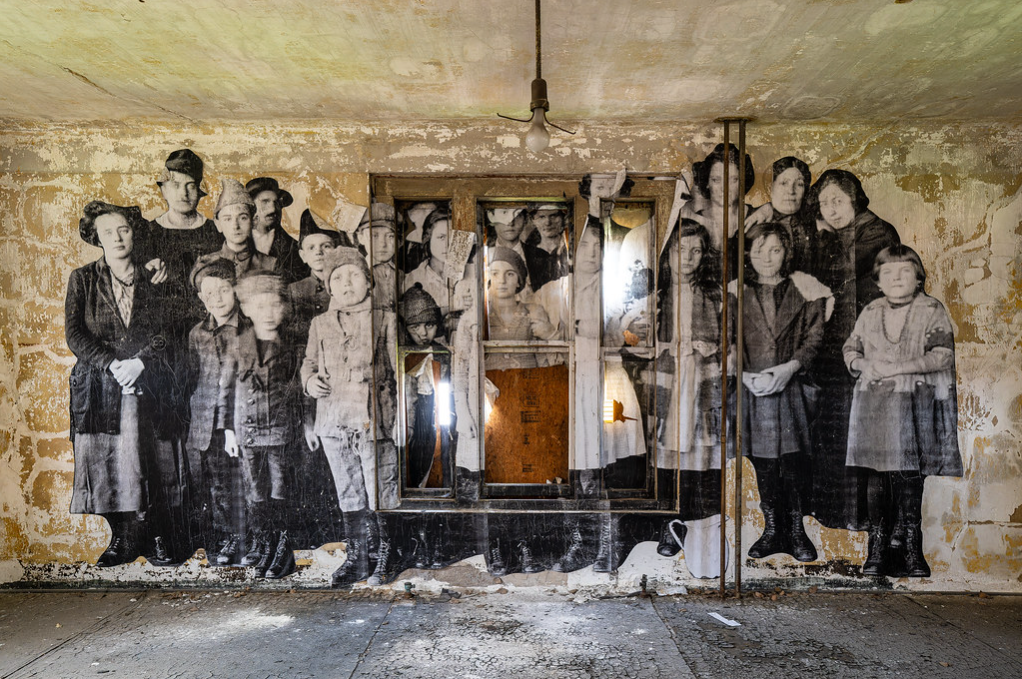
Children traveling alone — and there were thousands of them — faced particular scrutiny at Ellis Island. Officials had to determine whether they could care for themselves or had reliable sponsors waiting for them in America (which often meant interrogating scared, exhausted children about addresses and names they might have memorized weeks or months earlier, before the reality of the journey had worn them down).
Many of these children were sent ahead by families who planned to follow later, or were joining relatives they had never met. Some had been orphaned during the journey itself.
The detained children’s section of Ellis Island housed dozens of kids at any given time, waiting for adults to claim them or for officials to decide their fate.
World War I Changes
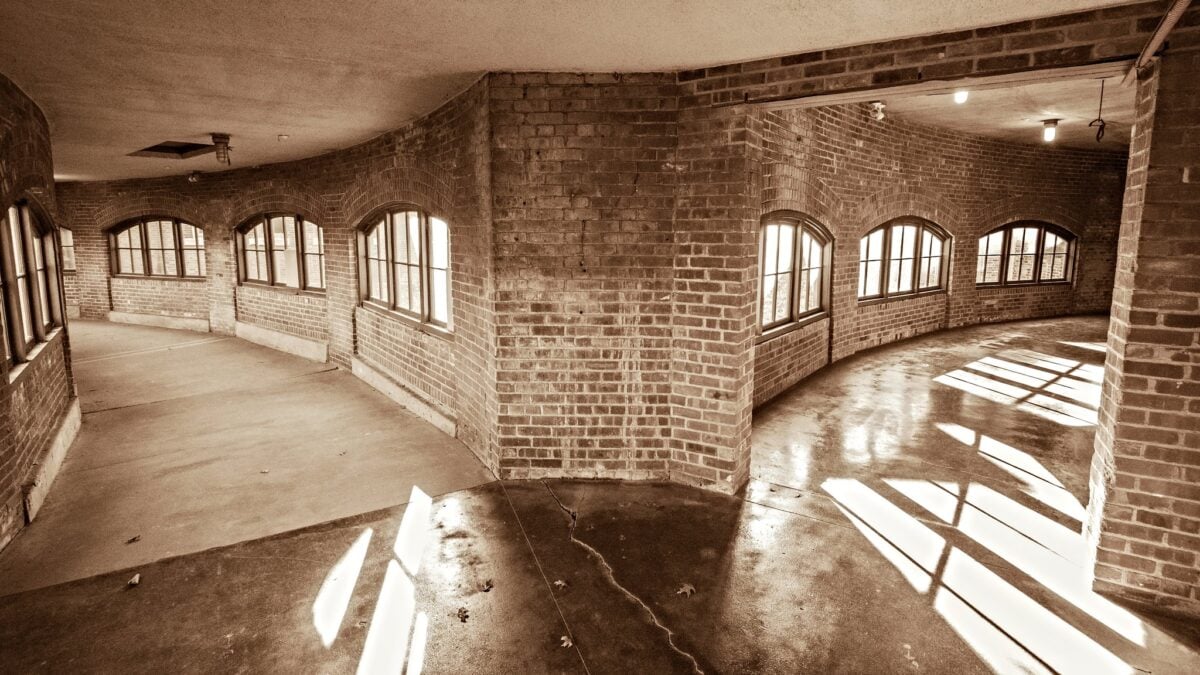
The war years transformed Ellis Island from an immigration station into a detention center for enemy aliens. German nationals living in America were rounded up and held there, along with suspected anarchists and other political prisoners (since the war had created a climate of suspicion that extended far beyond actual enemy agents to include anyone whose loyalty seemed questionable, which often meant anyone who spoke with an accent, attended the wrong church, or expressed unpopular political opinions).
The irony wasn’t lost on many observers: the same island that had welcomed millions of immigrants seeking freedom now imprisoned people for their nationality or beliefs. After the war, immigration restrictions became much tighter, and Ellis Island never again saw the massive crowds of the pre-war years.
The Wall of Honor
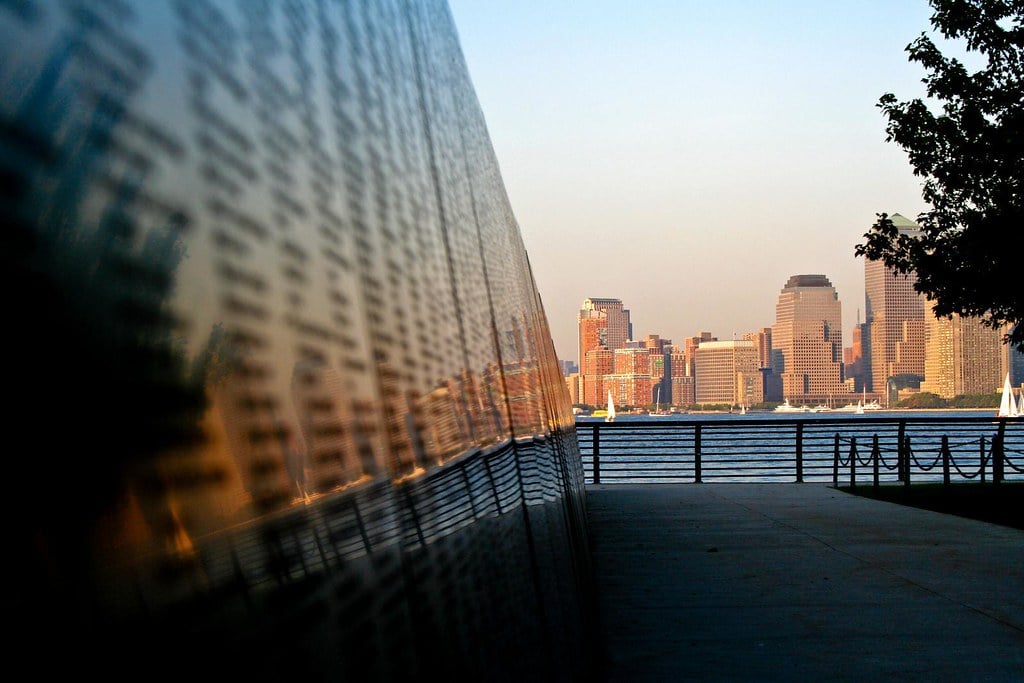
More than 700,000 names appear on the American Immigrant Wall of Honor at Ellis Island — but here’s the thing: you didn’t have to pass through Ellis Island to get your name on the wall. Families can honor any immigrant ancestor who came to America, regardless of when they arrived or which port they used.
The wall represents the broader story of American immigration, not just the Ellis Island experience. Some names belong to people who arrived at Boston or Philadelphia or Baltimore.
Others came through Ellis Island but decades before it opened or years after it closed.
Closing and Abandonment
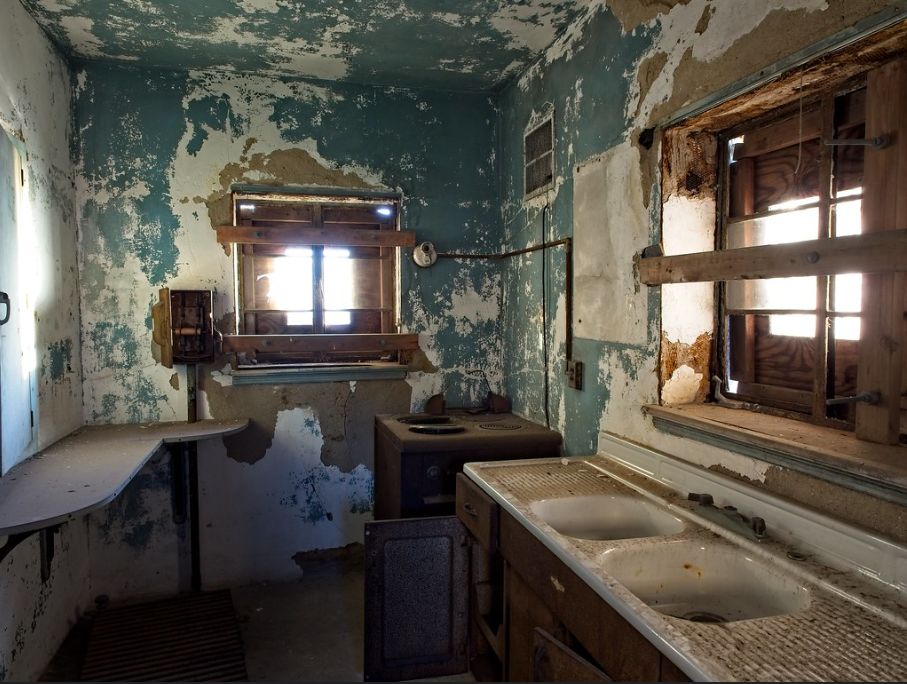
Ellis Island processed its last immigrant in 1954 — a Norwegian merchant seaman named Arne Peterssen who had overstayed his shore leave. After that, the island sat empty for decades.
Buildings deteriorated, windows broke, plants grew through floors. The site that had once buzzed with the energy of thousands of daily arrivals became a ghost town in the middle of one of the world’s busiest harbors.
Urban explorers who snuck onto the island in the 1960s and 1970s found medical instruments still sitting on hospital tables, immigration forms scattered across floors, personal belongings left behind in detention rooms.
Restoration Project
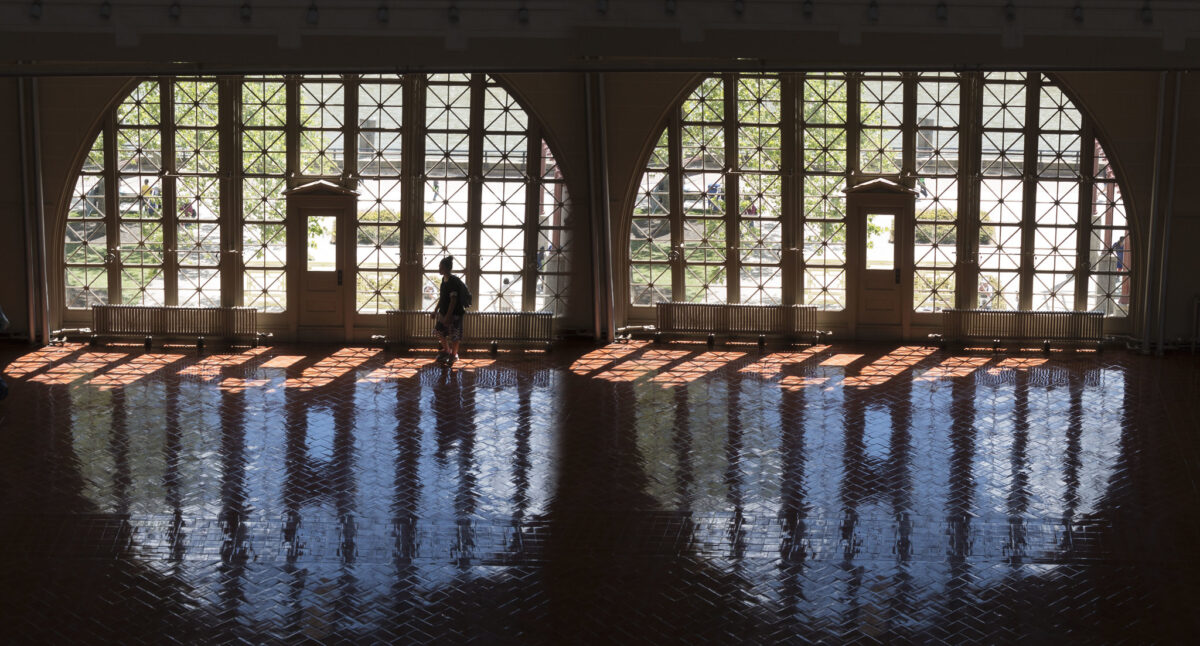
The Ellis Island restoration project, completed in 1990, cost over $160 million — funded entirely through private donations, not government money. The project restored the main building to its 1918-1924 appearance, which means visitors today see Ellis Island as it looked during its busiest period.
But the restored version is also sanitized in ways the original never was. The crowds, the noise, the smell of scared people packed together for hours — none of that comes through in the museum experience, no matter how carefully curated the exhibits might be.
Modern Immigration Connection
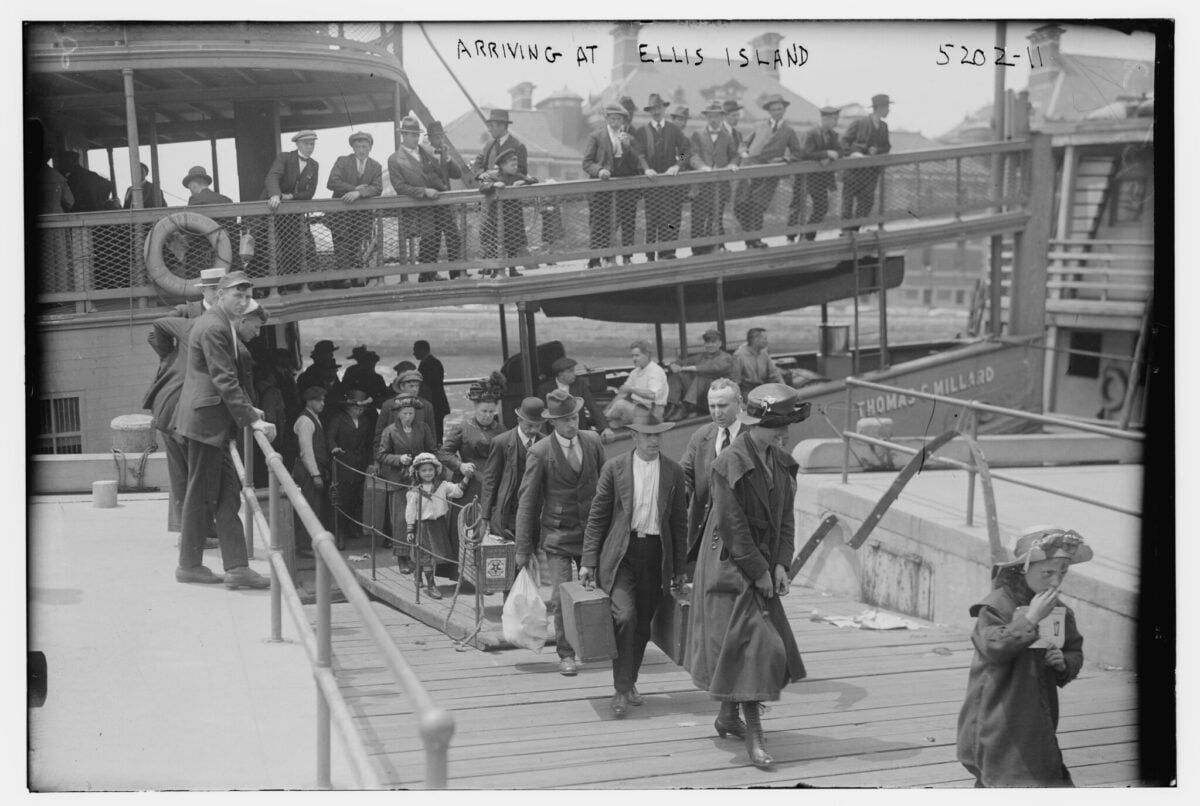
Ellis Island processed about 5,000 people per day during peak periods in the early 1900s. Today, the United States admits roughly 3,000 immigrants per day through all ports of entry combined — a much smaller number relative to the total population, but the human stories remain remarkably similar.
People still leave everything behind for the possibility of something better. They still face uncertainty, bureaucracy, and the fear that their dreams might be rejected at the last moment.
The locations and procedures have changed, but the fundamental human experience of crossing borders in search of a new life continues around the world every single day.
Echoes Across the Harbor
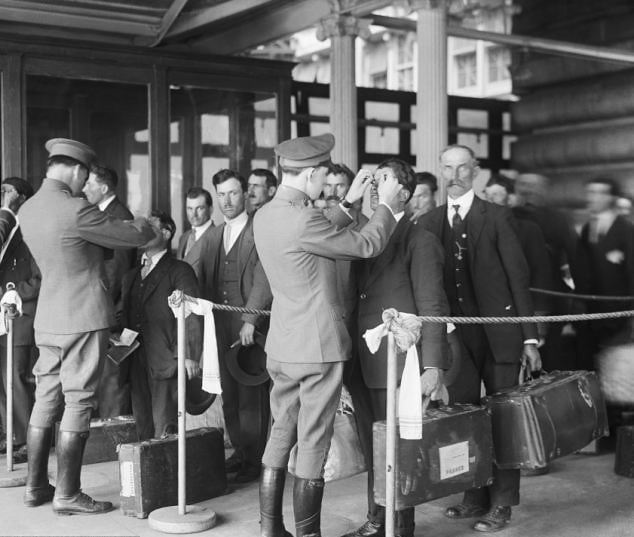
Every restored brick at Ellis Island carries forward the weight of choices made by ordinary people facing extraordinary circumstances. The island stands now as both monument and reminder — not just of American opportunity, but of American selectivity, the careful balance between welcome and wariness that has defined immigration policy for over a century.
Those 12 million stories didn’t end when people left the island; they scattered across the country and became the foundation for millions of families who might never have existed otherwise. The real legacy of Ellis Island isn’t preserved in any museum display — it’s walking around today, living in the descendants of people who were brave enough to risk everything on the possibility that America might let them stay.
More from Go2Tutors!

- The Romanov Crown Jewels and Their Tragic Fate
- 13 Historical Mysteries That Science Still Can’t Solve
- Famous Hoaxes That Fooled the World for Years
- 15 Child Stars with Tragic Adult Lives
- 16 Famous Jewelry Pieces in History
Like Go2Tutors’s content? Follow us on MSN.