Stories Behind Historical Nicknames That Surprised Us
History tends to sanitize the people it remembers. The textbook versions of famous figures often strip away the quirks, the humor, and the very human moments that made them real.
But nicknames tell a different story — they capture something authentic that formal titles never could. These aren’t the obvious ones you’d expect.
Everyone knows “Honest Abe” or “The Iron Lady.” The nicknames that truly surprise are the ones that reveal something unexpected about their owners, something that makes you pause and reconsider what you thought you knew about these historical figures.
Old Hickory
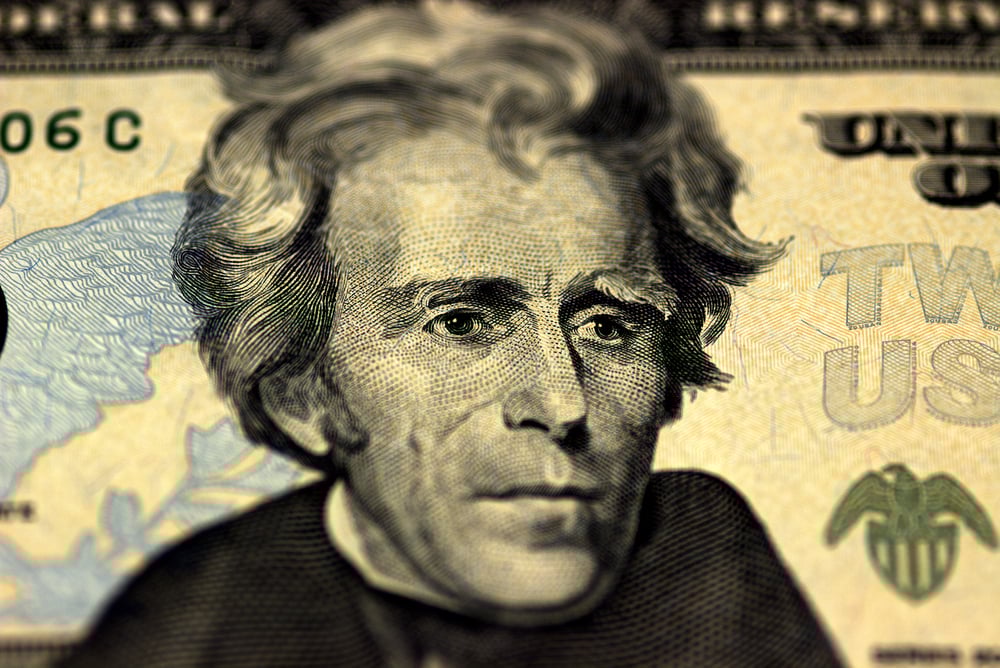
Andrew Jackson earned this name before he became president. Sharp. Unyielding.
His soldiers coined it during the War of 1812 when he refused to abandon them in hostile territory. Jackson shared their hardships and ate the same meager rations — behavior that seemed almost alien from a commanding officer at the time.
The Little Corporal
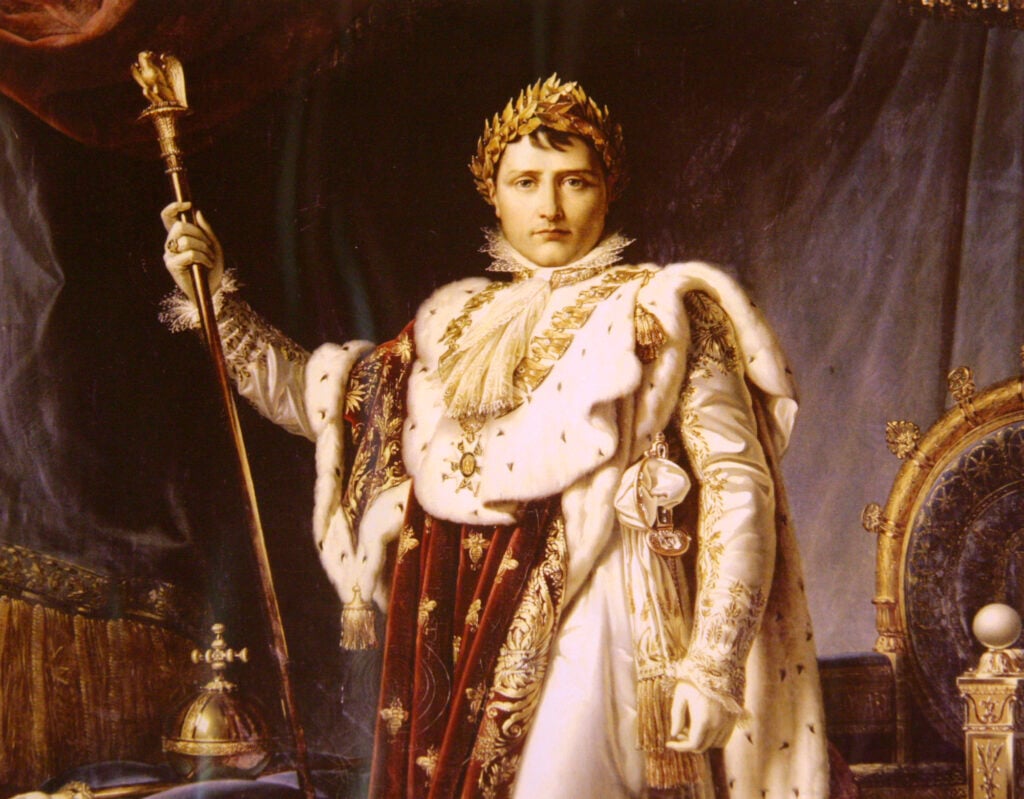
Napoleon Bonaparte rose rapidly through the military ranks to become a General, but the nickname “The Little Corporal” stuck because he genuinely understood the common soldier’s experience. He’d served in lower ranks early in his career, and his men knew it — which explains why they’d follow him across frozen Russian steppes and into the chaos of Waterloo, even when the cause seemed lost from the start.
The man who would crown himself Emperor of the French and reshape the European continent carried a nickname that reminded soldiers of his humble military origins, anchoring him to his earlier service in the ranks. And Napoleon seemed to prefer it that way, at least when he was trying to connect with his troops, because it reminded everyone present that he’d started somewhere recognizable, somewhere human.
Calamity Jane
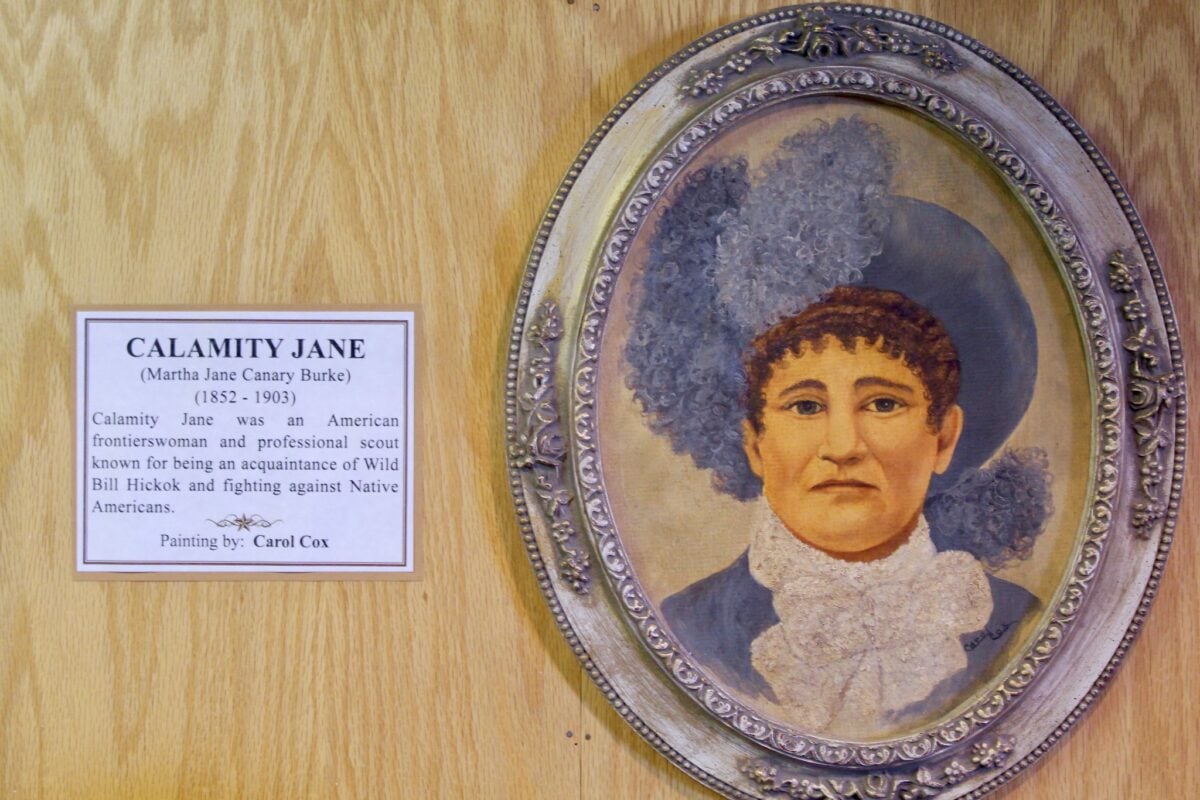
Martha Jane Canary’s nickname carries an entire mythology, but the truth behind it reads like something softer than the Wild West legend suggests. She wasn’t called “Calamity” because she caused disasters — though plenty of frontier women did exactly that and earned far gentler nicknames for their trouble.
Jane got her name because she appeared wherever trouble had already struck. Towns hit by disease, families stranded by harsh winters, miners trapped in collapsed shafts.
She showed up. The calamity was already there; Jane was the response to it.
So the nickname that sounds like chaos actually described someone who ran toward disaster when everyone else was running away. Which makes her story feel less like entertainment and more like the kind of person you’d want around when everything went wrong.
The Virgin Queen
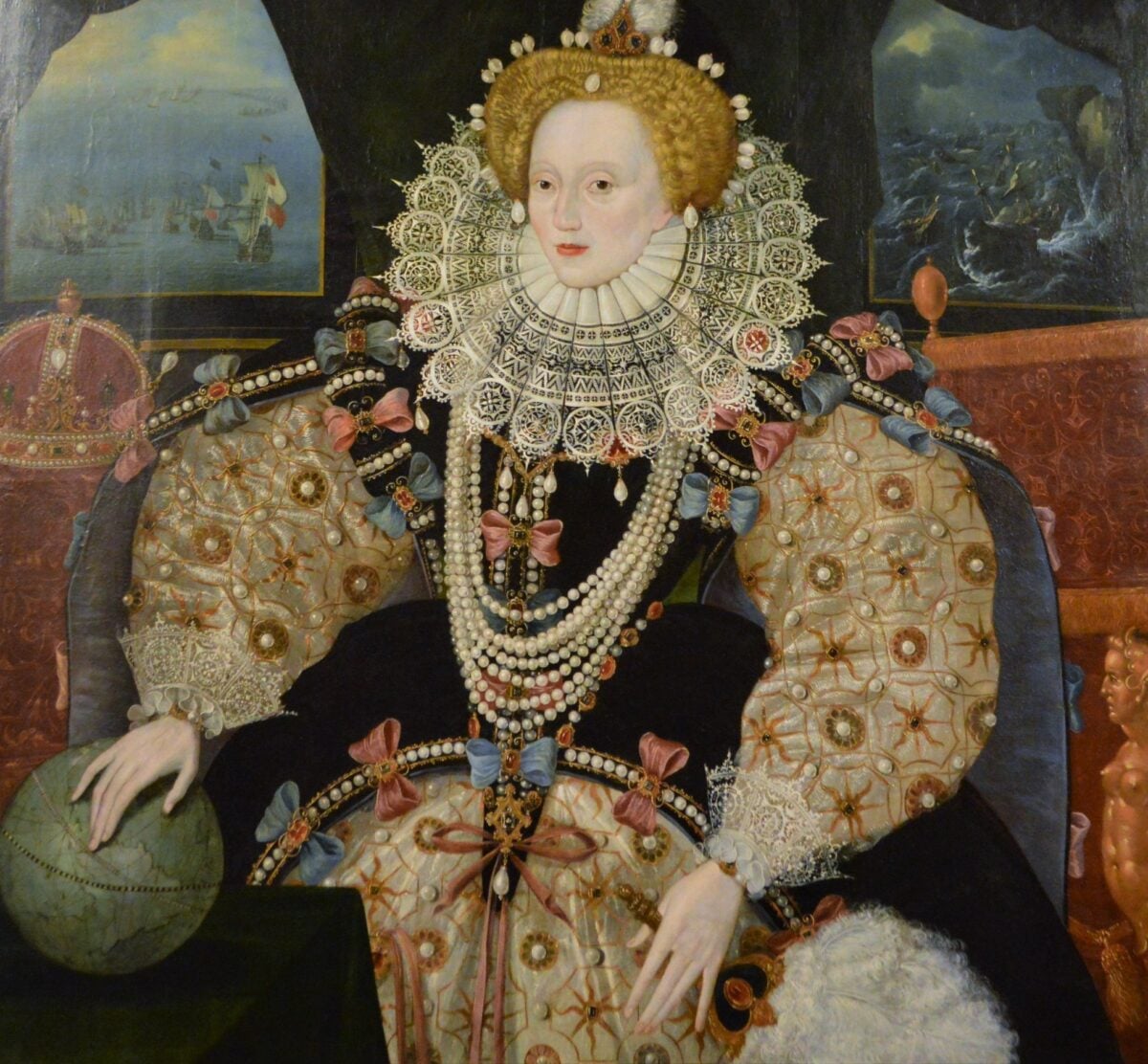
Elizabeth I never married, which was considered a political bomb for a 16th-century monarch. Female rulers were expected to secure alliances through marriage — it was considered their primary diplomatic tool.
Elizabeth turned the expectation inside out. She flirted with the idea of marriage constantly but never committed, keeping multiple European powers guessing and competing for her attention.
The nickname sounds religious, almost pure, but it described one of the shrewdest political strategies in European history.
Iron Mike
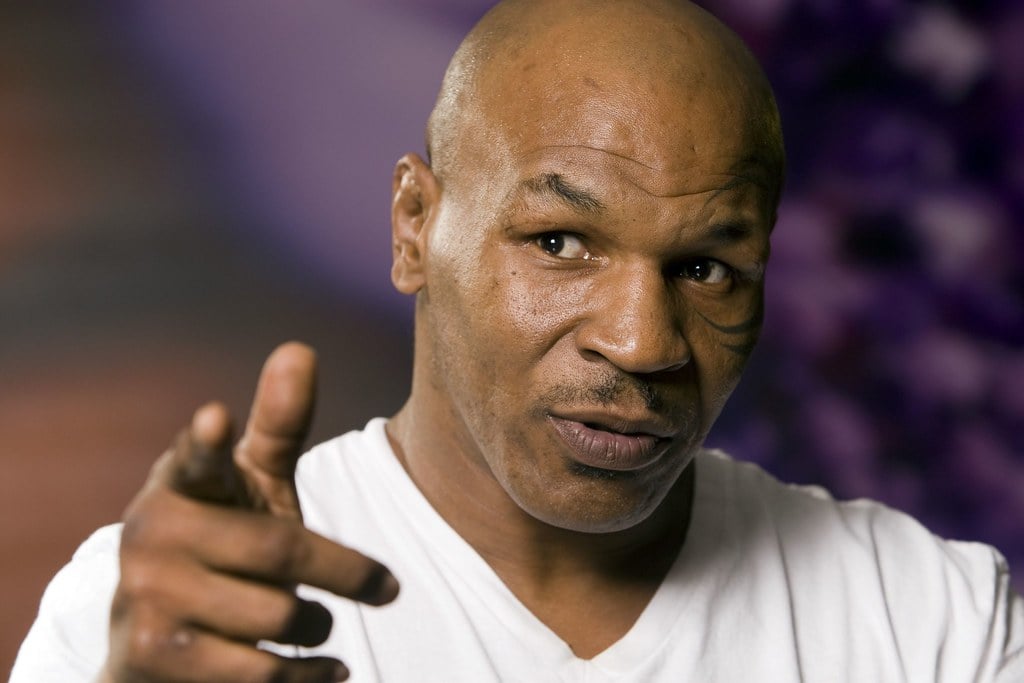
Mike Tyson dominated boxing, but the nickname predates his professional career. It started in reform school when he was still a teenager.
The other kids called him “Iron Mike” not because he hit hard — though he certainly did — but because nothing seemed to affect him emotionally. Tyson would take punishment, verbal or physical, and his expression wouldn’t change.
He absorbed everything and kept moving forward. The irony is that this nickname, suggesting emotional invulnerability, belonged to someone whose later career would be defined by very public emotional struggles.
The Rails Splitter

Abraham Lincoln’s campaign team pushed this nickname hard during the 1860 election, but it started as something much more personal. Lincoln actually did split rails as a young man in Illinois — it was backbreaking work that most people avoided if they had any other option.
But Lincoln seemed to take pride in it, even after he’d become a successful lawyer. He’d reference his rail-splitting days in conversations, not as something he’d escaped from, but as something that had taught him what he needed to know about work and persistence.
The political handlers loved it because it played well with voters, but the nickname stuck because Lincoln never tried to distance himself from it. Most politicians would have buried their manual labor past; Lincoln made it central to his identity.
Stonewall
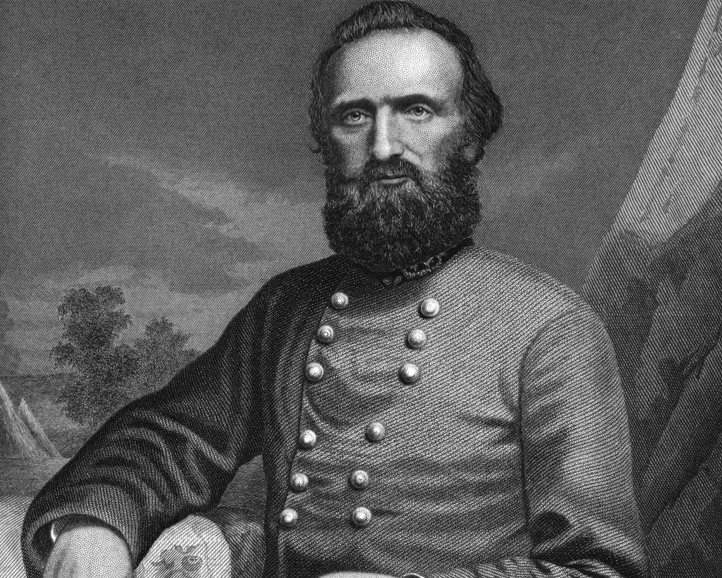
Thomas Jonathan Jackson earned this nickname at the First Battle of Bull Run, but the story behind it reveals something unexpected about Civil War military tactics. Jackson’s brigade didn’t move during a crucial Confederate retreat — they just stood there while chaos erupted around them.
Another Confederate general, watching Jackson’s men hold their position, reportedly shouted, “There is Jackson standing like a stone wall!” The nickname made Jackson sound immovable, but what he was actually doing was more subtle.
He was creating a fixed point that other units could orient themselves around during the confusion. Jackson understood that sometimes the most effective action is deliberate inaction.
The nickname that sounds like stubbornness actually described tactical brilliance.
The Wizard of Menlo Park
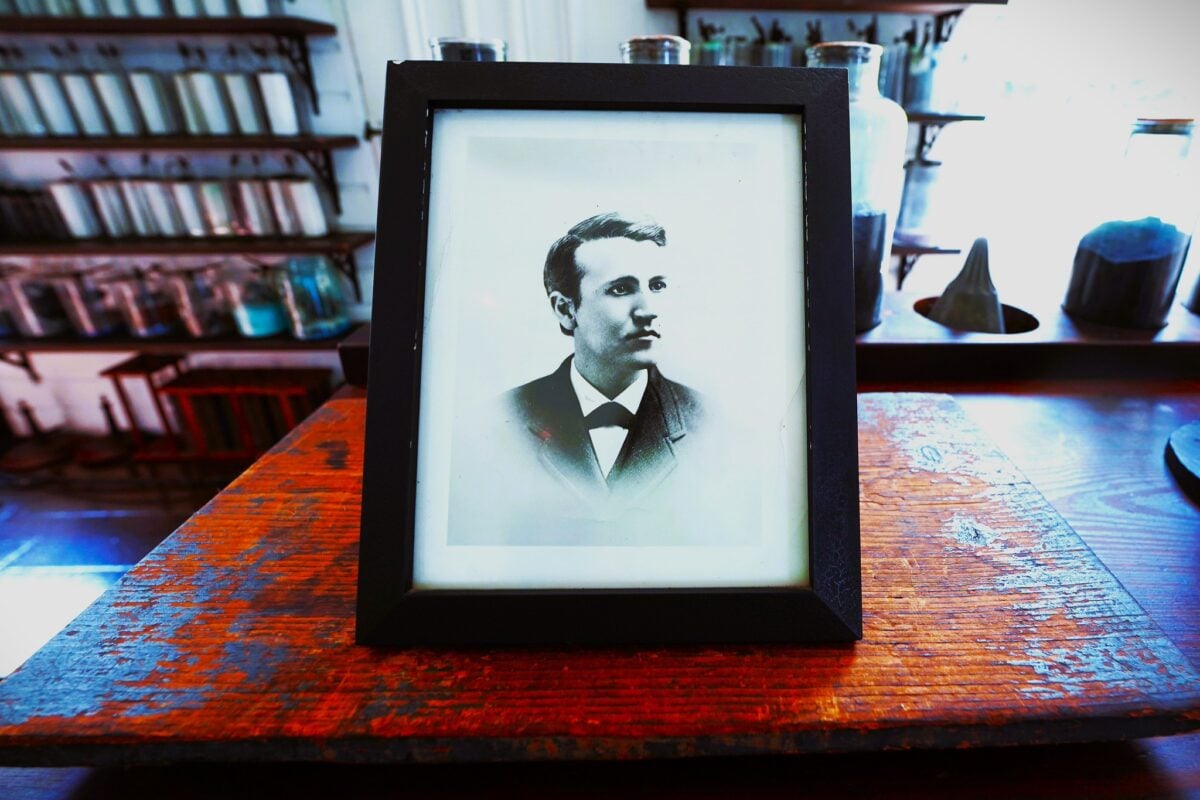
Thomas Edison’s laboratory in Menlo Park, New Jersey, produced so many inventions that newspapers started calling him a wizard. The nickname sounds mystical, but Edison’s approach was the opposite of magic — it was systematic, methodical, and often tedious.
Edison would test thousands of variations before settling on a solution. The famous quote about genius being “one percent inspiration and ninety-nine percent perspiration” wasn’t just a platitude; it was his actual method.
The “wizard” was someone who had figured out how to make innovation routine. The surprise isn’t that Edison was called a wizard — it’s that the wizard was actually just someone who refused to stop working until he got the result he wanted.
Honest Abe
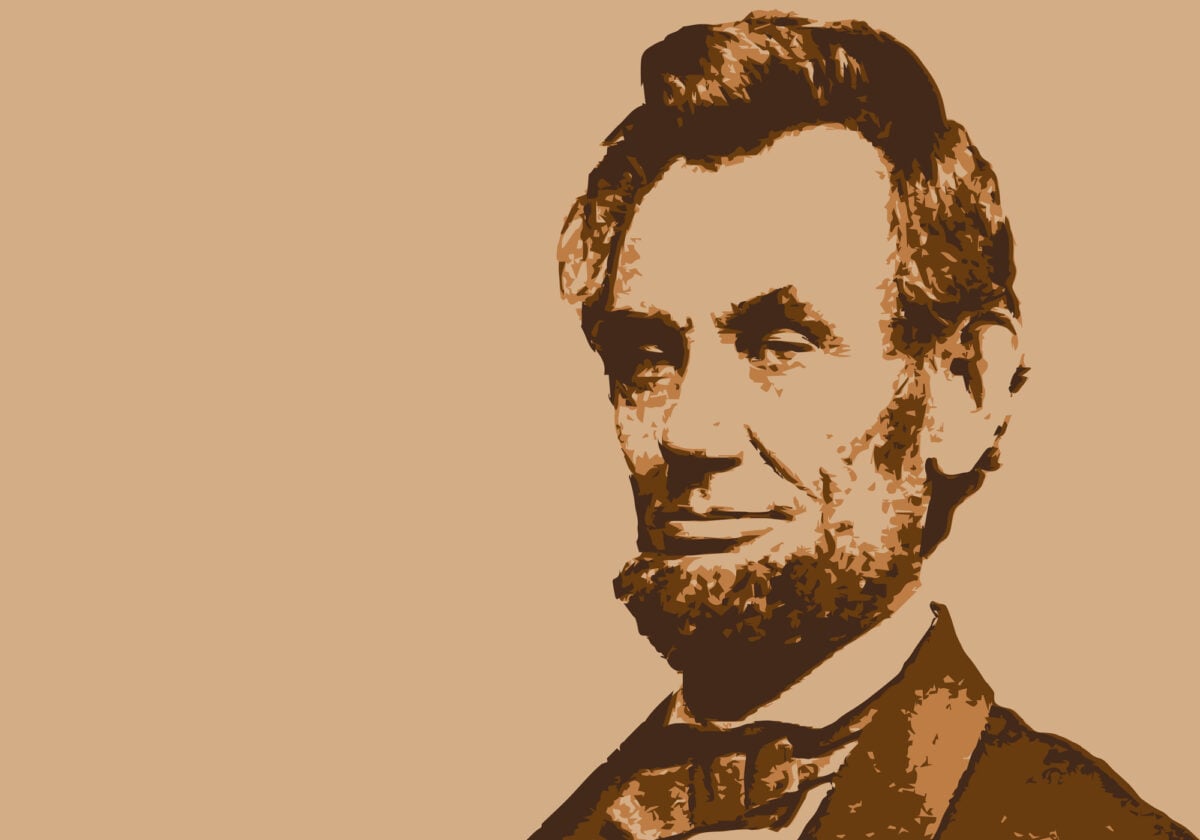
Lincoln’s honesty was legendary, but the nickname started with something much more mundane than political integrity. When Lincoln worked as a store clerk, he would walk miles to return a few cents in overcharge to customers.
The behavior seemed almost compulsive to his contemporaries — who worried about a few pennies when you had other work to do? But Lincoln treated these small transactions as seriously as he would later treat constitutional questions. The scale changed; the approach remained the same.
The Kingfish
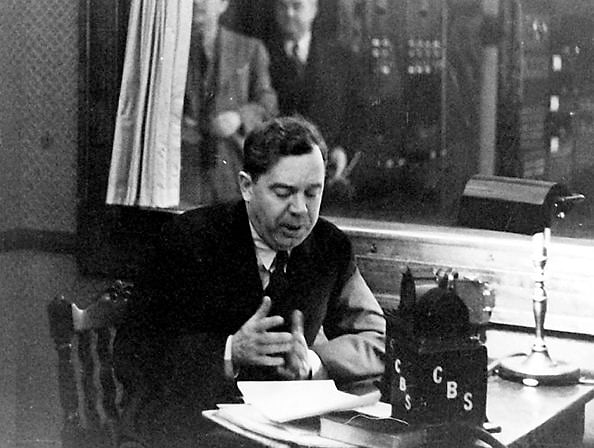
Huey Long, Louisiana’s populist politician, chose this nickname himself after a character from the “Amos ‘n’ Andy” radio show. The original Kingfish was a scheming, self-important character — not exactly flattering source material for a political nickname.
But Long understood something about political theater that his opponents missed. By embracing a slightly ridiculous nickname, he made himself seem more accessible and less threatening to working-class voters.
The wealthy establishment could dismiss him as a clown, but their dismissal only proved his point about being different from traditional politicians. Long turned potential mockery into political advantage, which might be the most sophisticated use of a nickname in American political history.
The Little Flower
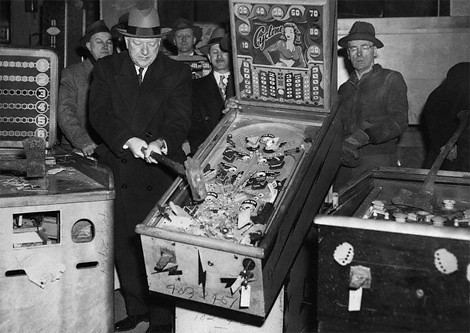
Fiorello La Guardia, New York City’s mayor during the 1930s and 1940s, stood barely over five feet tall, but the nickname wasn’t really about his height. “Fiorello” means “little flower” in Italian, so the nickname was just a translation of his first name.
But La Guardia embraced it in a way that transformed its meaning. He was known for his explosive temper and his willingness to take on corrupt city officials regardless of their political connections.
The contrast between the delicate nickname and his aggressive governing style became part of his political brand.
Teddy
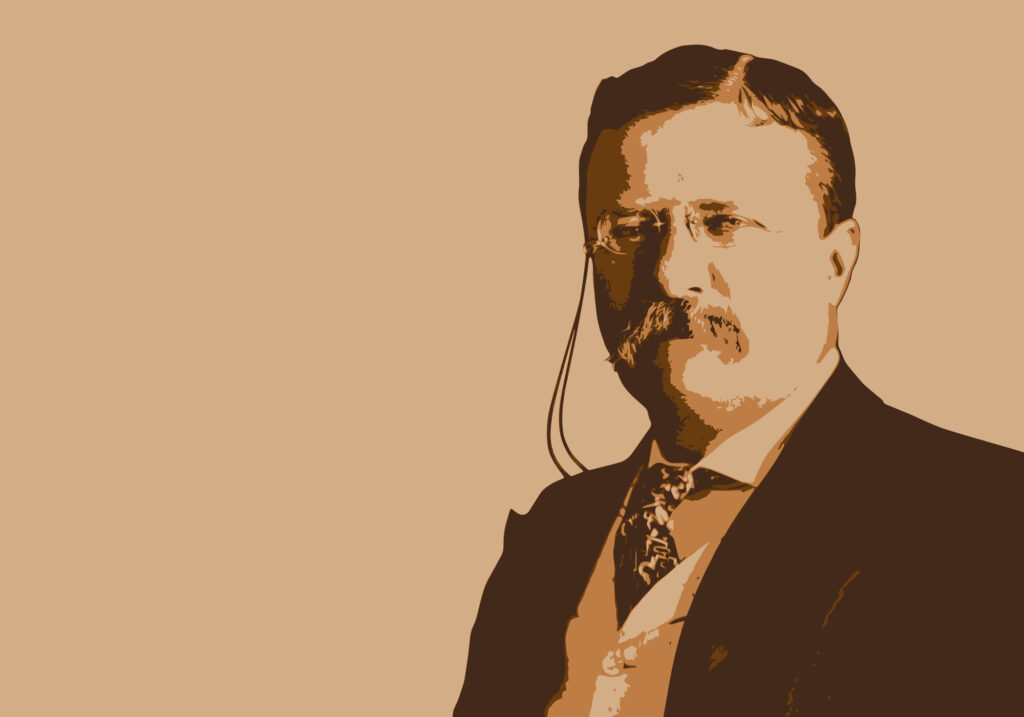
Theodore Roosevelt hated being called “Teddy” — he preferred “Theodore” or “T.R.” But the nickname stuck anyway, probably because it captured something about his personality that formal names couldn’t convey.
Roosevelt had boundless enthusiasm for almost everything — boxing, hunting, reading, politics, conservation. The childlike nickname fit someone who approached adult responsibilities with the energy of someone much younger.
Even Roosevelt’s political opponents seemed to use “Teddy” more often than not.
Old Blue Eyes

Frank Sinatra’s most famous nickname focused on a physical feature, but it really described something about his presence. Sinatra’s eyes were unusually blue, but more than that, they were expressive in a way that translated even to people sitting in the back rows of large venues.
The nickname made Sinatra sound casual, almost friendly, which was strategic for someone whose public image needed to balance sophistication with accessibility. “Old Blue Eyes” suggested someone you might actually know, not just someone you paid to watch perform.
When names reveal more than histories
The best nicknames work like shortcuts to understanding, but they often reveal things their owners never intended to share. They capture moments of authenticity that formal biographies tend to smooth over — the rail-splitting, the penny-counting, the standing still when everyone else is running.
These names stick around longer than the official titles and achievements because they feel true in a way that historical summaries don’t. They remind you that these figures were actual people first, legends second.
And sometimes that’s exactly the reminder history needs.
More from Go2Tutors!

- The Romanov Crown Jewels and Their Tragic Fate
- 13 Historical Mysteries That Science Still Can’t Solve
- Famous Hoaxes That Fooled the World for Years
- 15 Child Stars with Tragic Adult Lives
- 16 Famous Jewelry Pieces in History
Like Go2Tutors’s content? Follow us on MSN.



