First Movie Roles Of Actors Who Became Superstars
Everyone starts somewhere. Even the biggest names in Hollywood had to begin their careers with a first role, and those debuts tell interesting stories.
Some stars landed parts that hinted at their future greatness. Others stumbled through forgettable performances that nobody remembers anymore.
A few got lucky with roles that launched them straight into stardom. These early appearances reveal something about the nature of success in Hollywood.
Talent matters, but so does timing. And sometimes, a small part in the right movie opens doors that no amount of auditions could.
Leonardo DiCaprio – Critters 3
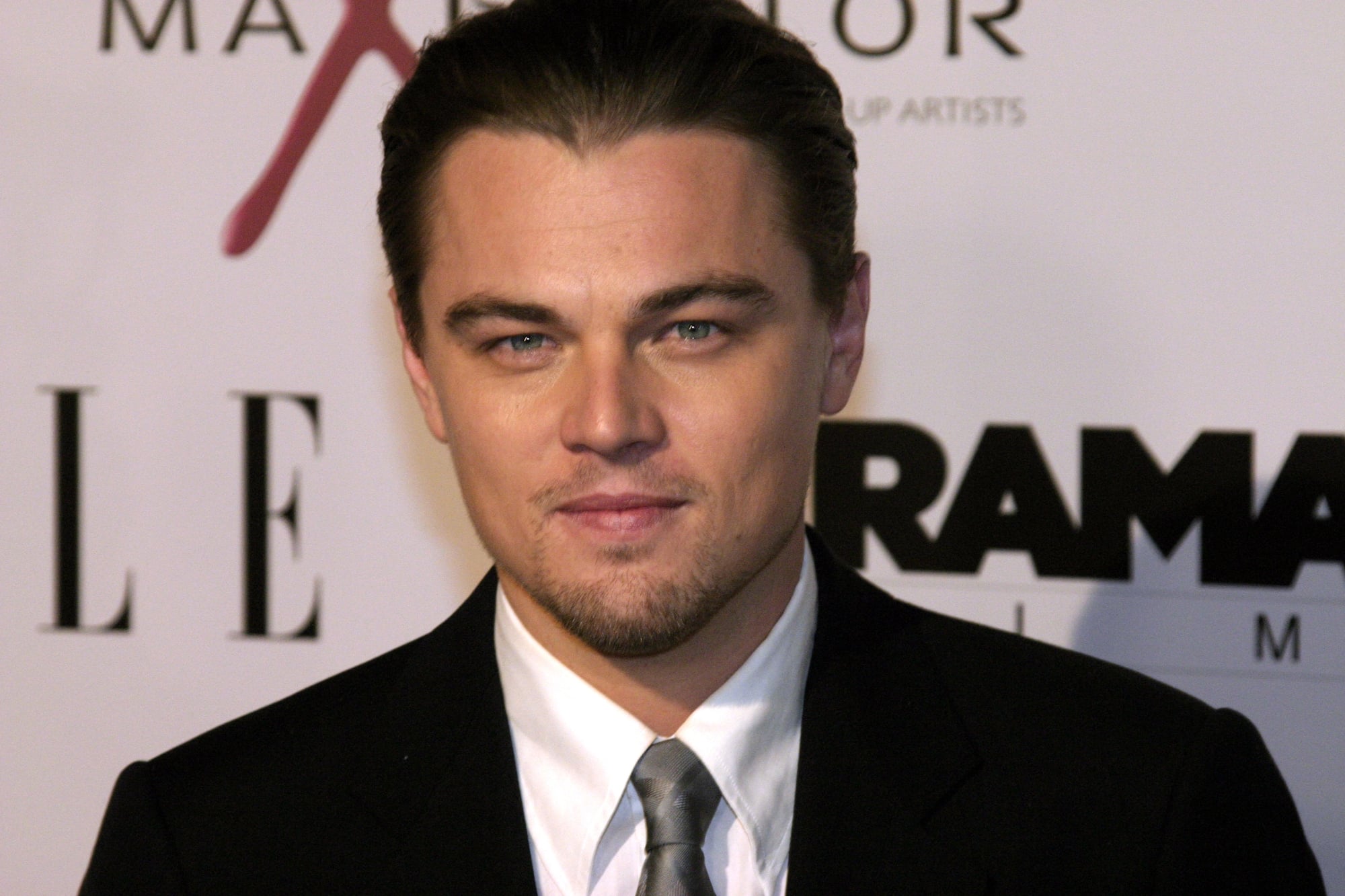
DiCaprio’s first theatrical film role came in a direct-to-video horror comedy about furry alien creatures. He played a spoiled stepson in what amounted to a disposable sequel that nobody asked for.
The movie went straight to video in 1991, and DiCaprio was just another young actor trying to break into the business. Nothing about his performance suggested he would become one of the most acclaimed actors of his generation.
But even in this low-budget creature feature, you could see he understood how to hold a scene. He didn’t overact or mug for the camera the way many child actors do.
The role paid the bills and gave him his first screen credit. That’s what mattered at that stage of his career.
Tom Hanks – He Knows You’re Alone
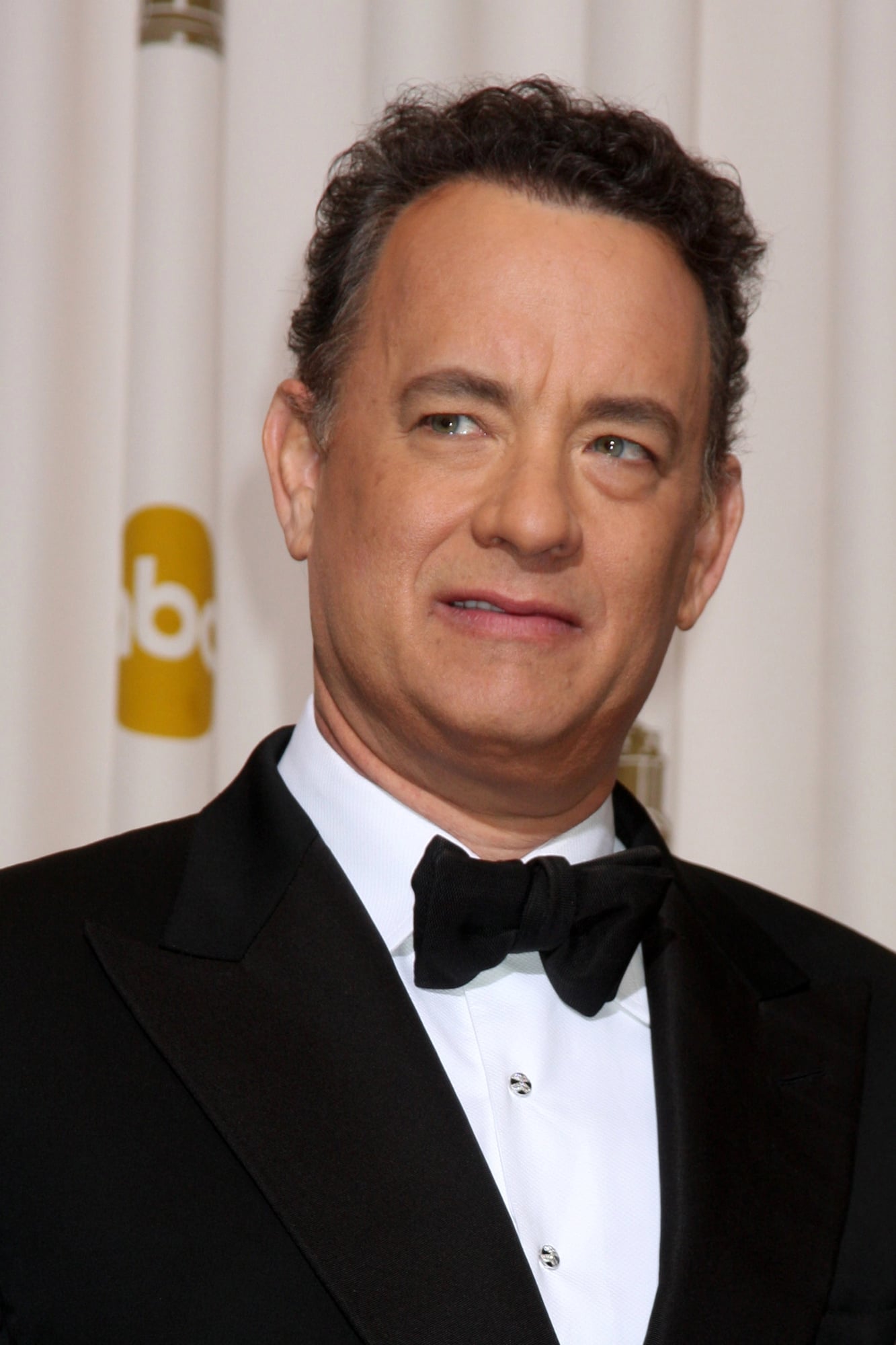
Before Hanks became America’s most trusted actor, he appeared briefly in a 1980 slasher film. He played a psychology student who shows up for about five minutes of screen time.
The movie itself tried to capitalize on the horror boom of the late seventies and early eighties. His character doesn’t even make it to the final act.
You barely notice him among all the typical horror movie tropes and jump scares. But Hanks brought a natural warmth to the role that stood out from the wooden acting around him.
The director later said Hanks was the only person in the cast who seemed comfortable in front of the camera. That comfort would serve him well over the next four decades.
Jennifer Lawrence – Garden Party

Lawrence made her film debut in a 2008 drama that premiered at various film festivals but never got wide distribution. She played a troubled teenager at a party in Los Angeles.
The movie explored themes of youth, privilege, and disconnection. You can see glimpses of her future intensity in this early performance.
She doesn’t hold back emotionally, even though the movie itself struggles to find its footing. Her scenes have an urgency that the rest of the film lacks.
Most people have never heard of this movie. But it gave Lawrence her first chance to work with a professional crew and understand the rhythm of film production.
Within a few years, she would land the role that changed everything.
Johnny Depp – A Nightmare On Elm Street
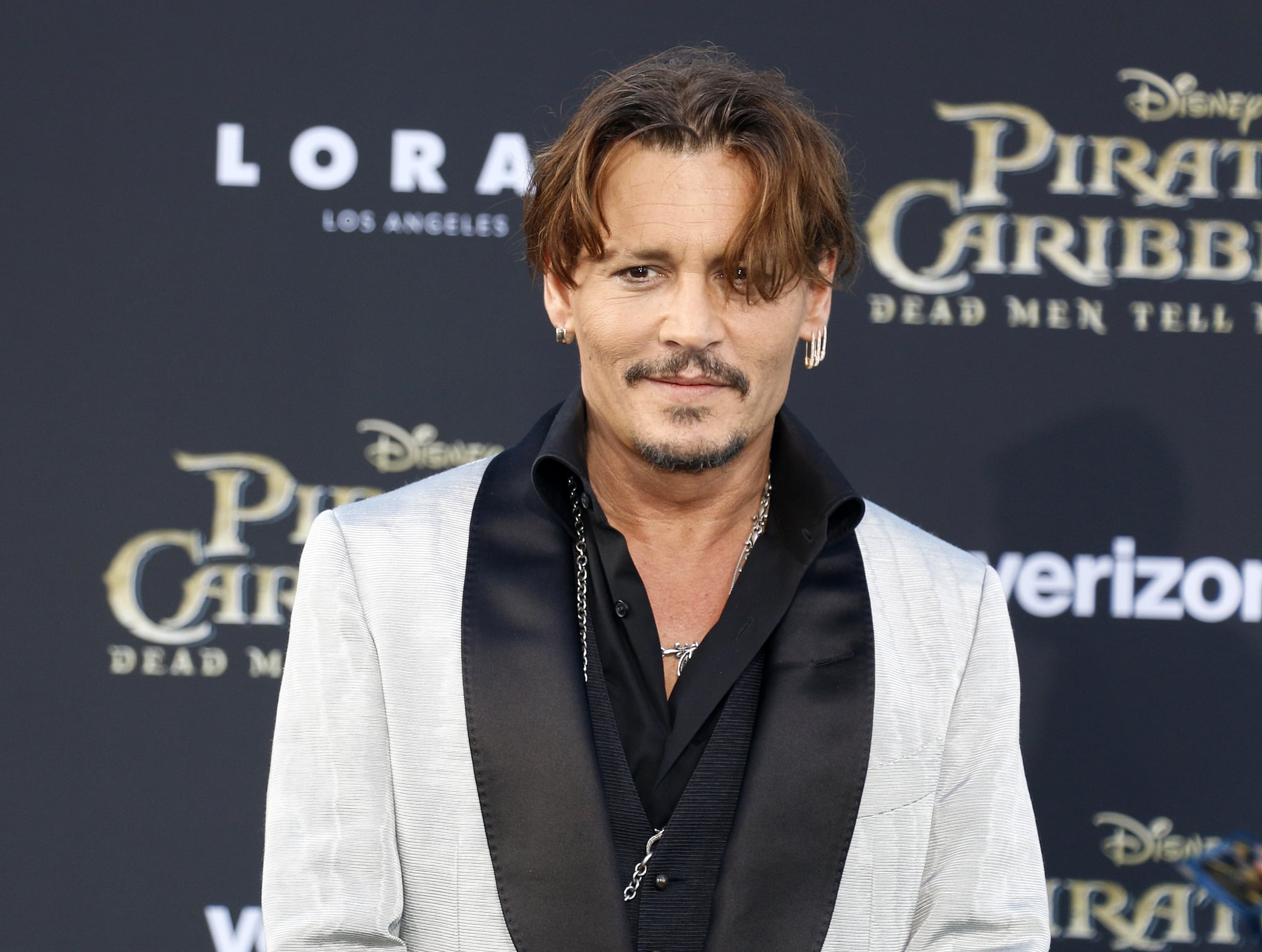
Depp’s first film role ended with his character getting sucked into a bed and turned into a fountain of blood. He played Glen, the boyfriend of the main character, in Wes Craven’s 1984 horror classic.
The role came about because Depp’s friend Jackie Earle Haley knew Craven and introduced them. The death scene became one of the most memorable moments in the entire franchise.
Depp brought a laid-back charm to the role that made his character’s gruesome end more shocking. He was just twenty-one years old and had no formal acting training.
Craven saw something in Depp’s screen presence. That instinct proved correct when Depp went on to build one of the most unconventional careers in Hollywood history.
Meryl Streep – Julia
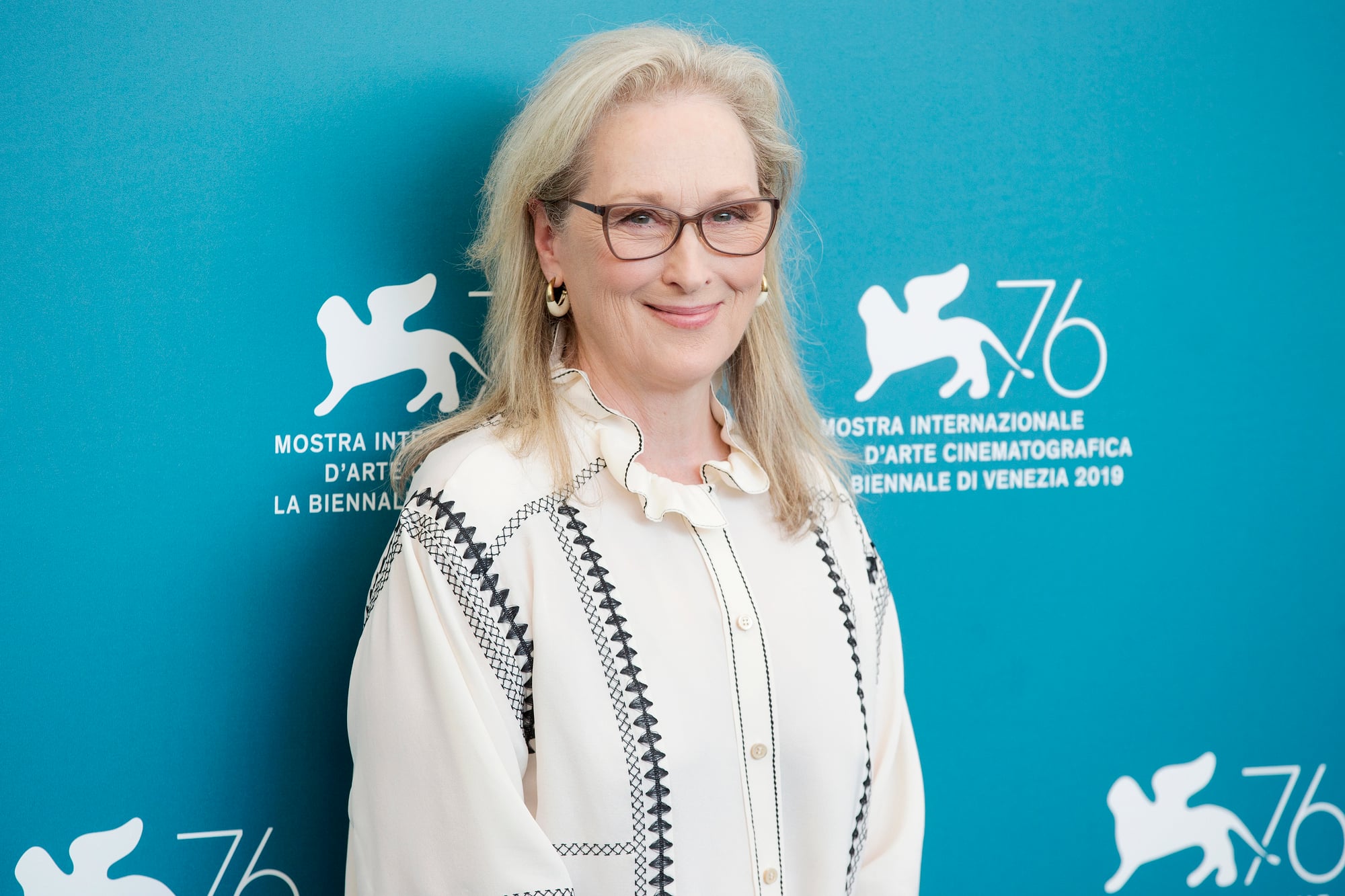
Streep appeared in her first film role in 1977, playing a small part in a drama about friendship and resistance during World War II. She had maybe five minutes of screen time total.
Jane Fonda and Vanessa Redgrave carried the movie. But even in those brief scenes, Streep commanded attention.
Her voice, her posture, the way she listened to other actors—everything suggested someone who understood the craft at a deep level. Critics noticed her immediately.
The role earned her an Academy Award nomination for Best Supporting Actress. Starting your film career with an Oscar nomination is rare.
It set a tone for the next five decades of her work.
Ryan Gosling – Frankenstein And Me
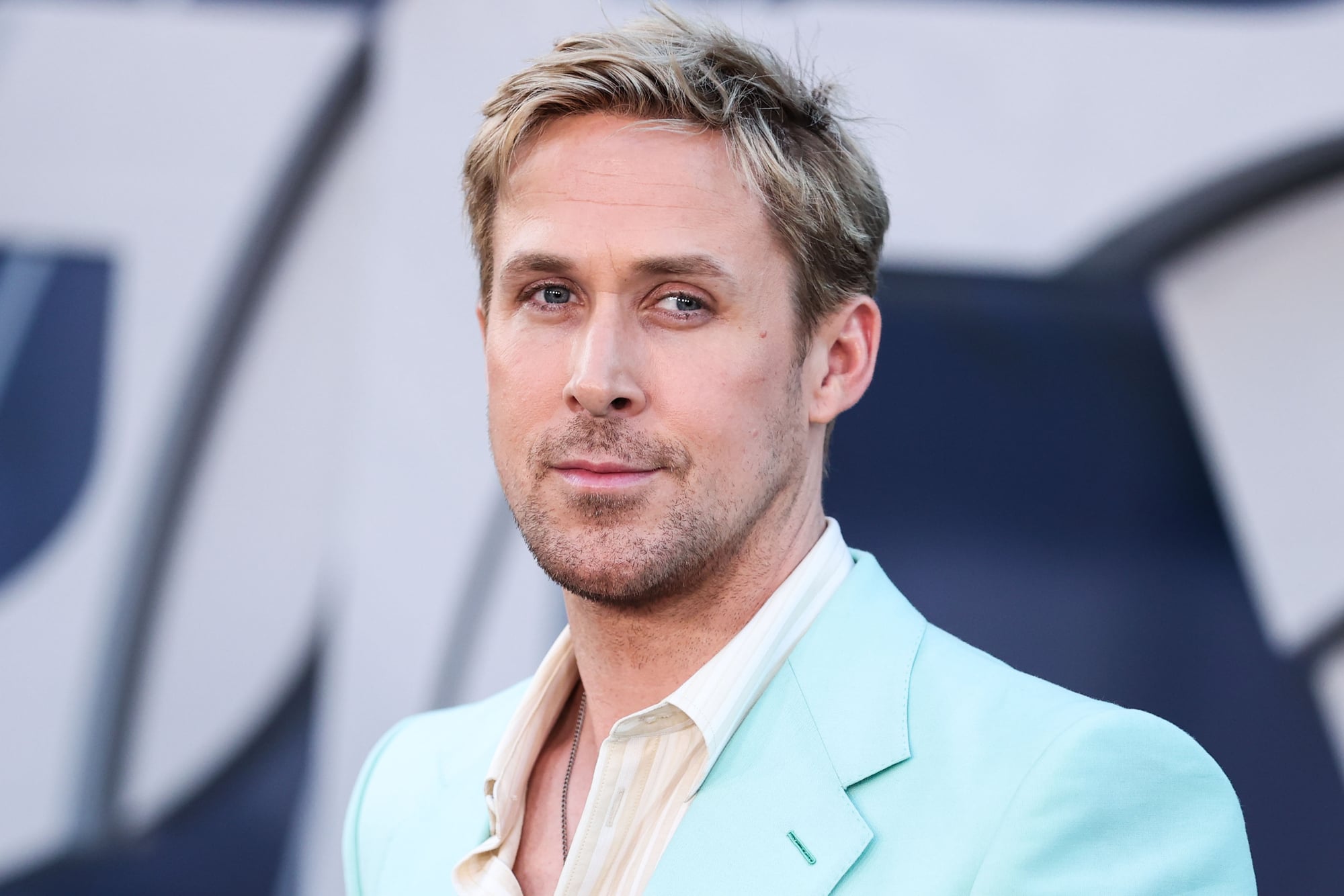
Gosling’s first movie was a family-friendly Canadian film from 1996 about a boy who finds Frankenstein’s monster. He played the main character in what amounted to a low-budget children’s adventure.
The movie went directly to video and VHS rental stores. Nothing about the film suggested either Gosling or his career had anywhere special to go.
It was standard kid-movie fare with predictable beats and safe humor. Gosling did what the script asked and not much more.
Years later, he would talk about how embarrassed he felt watching it. But the experience taught him how film sets worked and what directors expected from actors.
Those lessons proved valuable when better opportunities came along.
Angelina Jolie – Lookin’ To Get Out
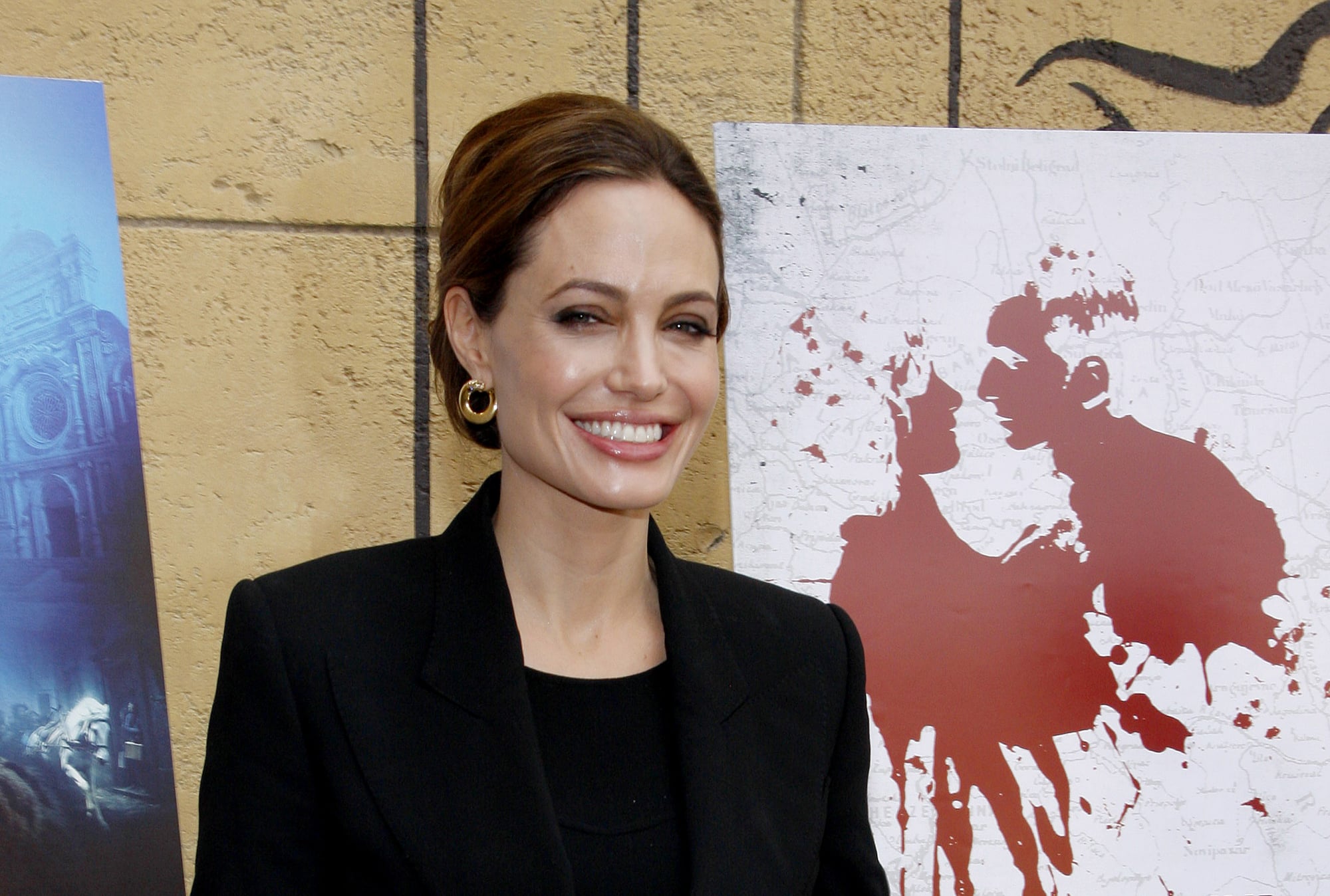
Jolie appeared in her first film at age seven, playing a small role in a 1982 comedy starring her father, Jon Voight. She had one brief scene and a handful of lines.
The movie itself bombed at the box office and disappeared quickly. Growing up around film sets gave Jolie an early education in the mechanics of moviemaking.
She understood cameras and lighting and the strange rhythm of production schedules before most kids her age learned to ride bikes. But being the daughter of a famous actor also meant she carried expectations and comparisons from the start.
Her early career involved a lot of trying to establish herself separate from her father’s shadow.
Matt Damon – Mystic Pizza
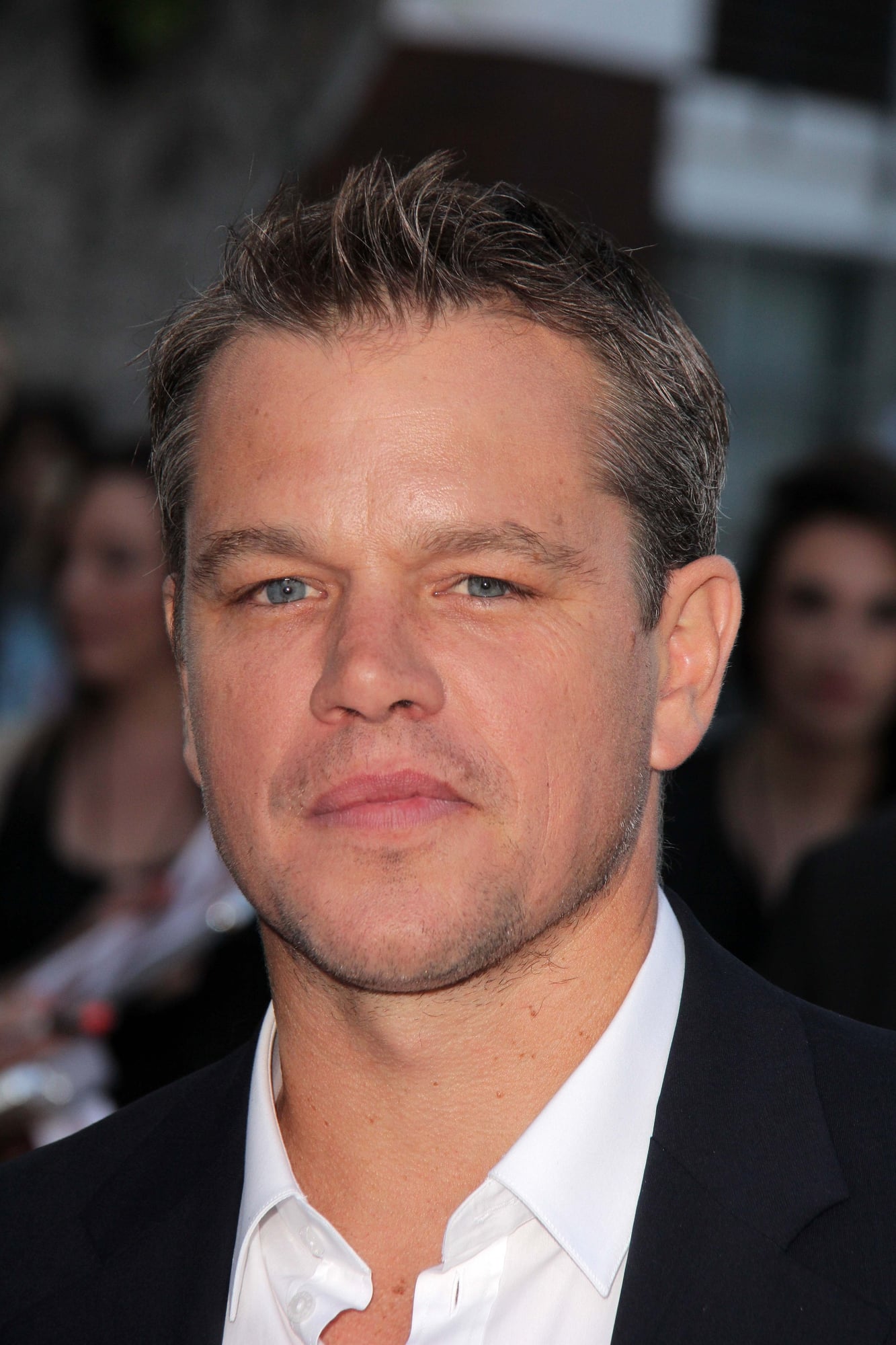
Damon had a tiny, uncredited role in this 1988 romantic comedy set in a Connecticut pizza parlor. He appears in one scene as a prep school student.
The movie focused on Julia Roberts and her co-stars. You could walk past Damon’s scene and not even notice him.
He blends into the background the way extras do. Nothing about his presence suggested he would eventually win an Oscar for screenwriting and become one of Hollywood’s most bankable stars.
But being on a real film set, even for a day, showed him what professional filmmaking looked like. He met people, made connections, and learned that getting any role was better than getting no roles.
Natalie Portman – Léon: The Professional

Portman’s first film role was also her breakthrough. She was eleven years old when Luc Besson cast her as Mathilda, a young girl who forms an unusual relationship with a hitman.
The role required emotional depth and maturity that most child actors couldn’t deliver. Portman gave a performance that felt both vulnerable and fierce.
She held her own against Jean Reno and Gary Oldman, both seasoned professionals. Critics praised her work, and audiences responded to the complexity she brought to the character.
Landing such a substantial role for your first film is incredibly rare. It gave Portman immediate credibility and opened doors that typically take years to access.
She chose her subsequent projects carefully, building a career marked by intelligent choices.
Brad Pitt – Cutting Class
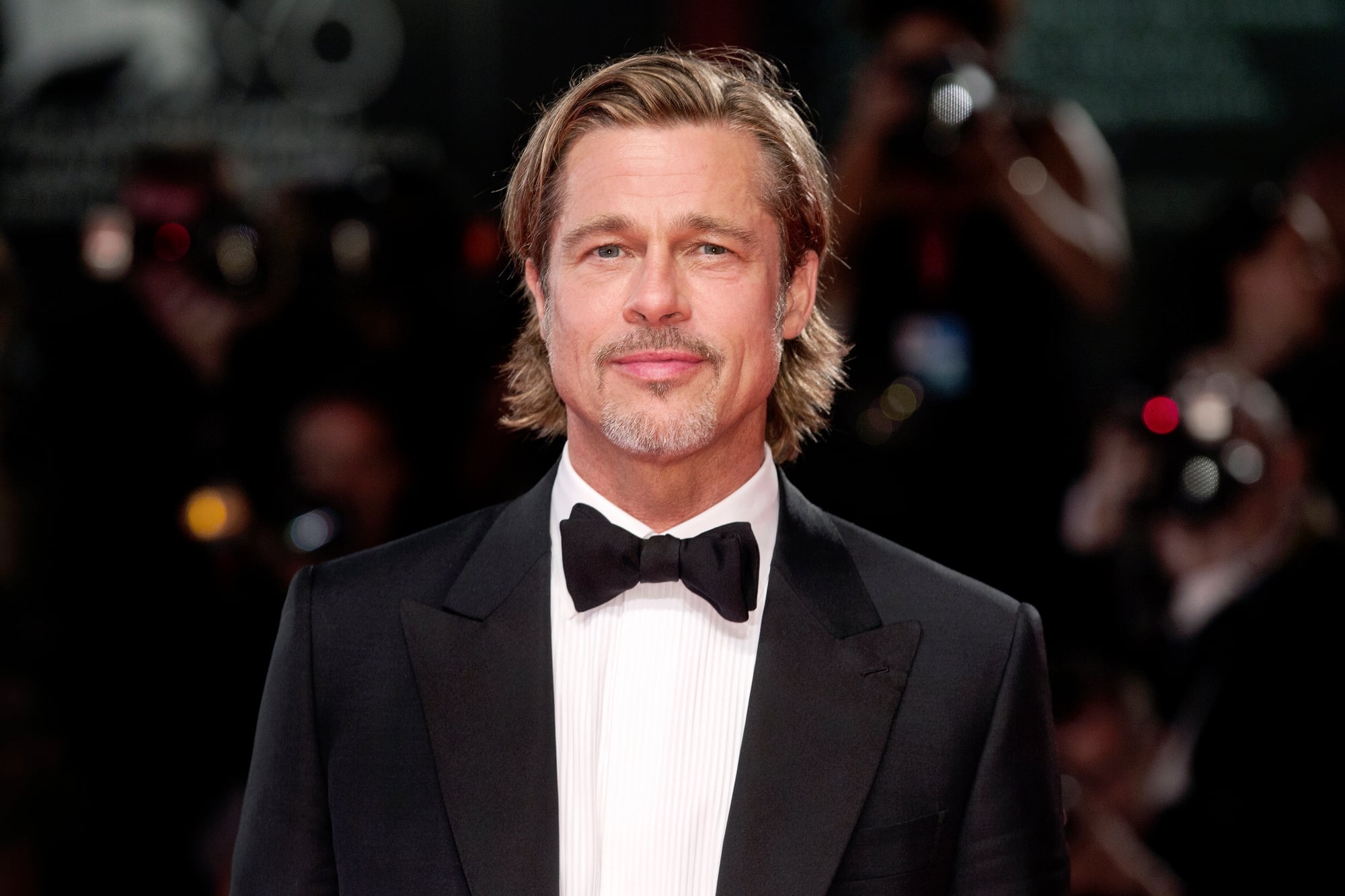
Pitt’s first credited film role came in a 1989 slasher movie that nobody remembers fondly. He played a basketball player who becomes a suspect when students start dying.
The movie tried to blend horror with teen comedy and failed at both. Pitt looked the part of a high school athlete, but the script gave him nothing interesting to do.
His character existed mostly to fill space between murder scenes. The movie went straight to video rental stores and stayed there.
Within a few years, Pitt would land roles in “Thelma & Louise” and “A River Runs Through It” that showcased his actual abilities. But everyone has to start somewhere, even if that somewhere is a forgettable horror movie.
Charlize Theron – Children Of The Corn III
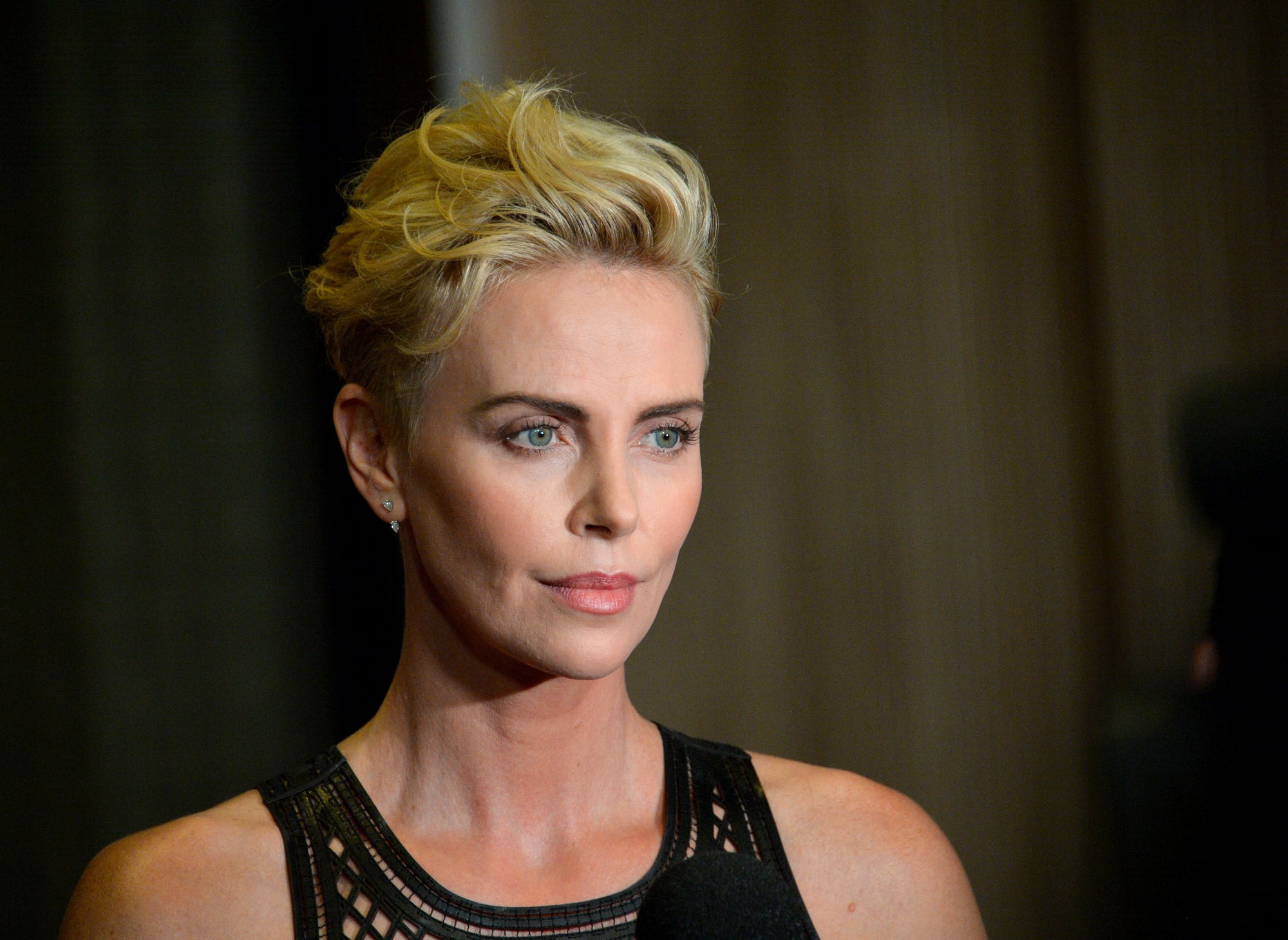
Theron appeared briefly in the third installment of this horror franchise in 1995. She played a character who shows up for one scene and then disappears.
The movie itself was another direct-to-video sequel in a series that had already worn out its welcome. The role didn’t require much beyond looking frightened and running away from things.
Theron did what the scene needed and collected a paycheck. Nobody involved expected the movie to launch careers or win awards.
But the experience gave her a SAG card and professional credits. Those practical considerations matter when you’re trying to get agents and auditions.
Small roles in bad movies can still serve a purpose.
Will Smith – Where The Day Takes You
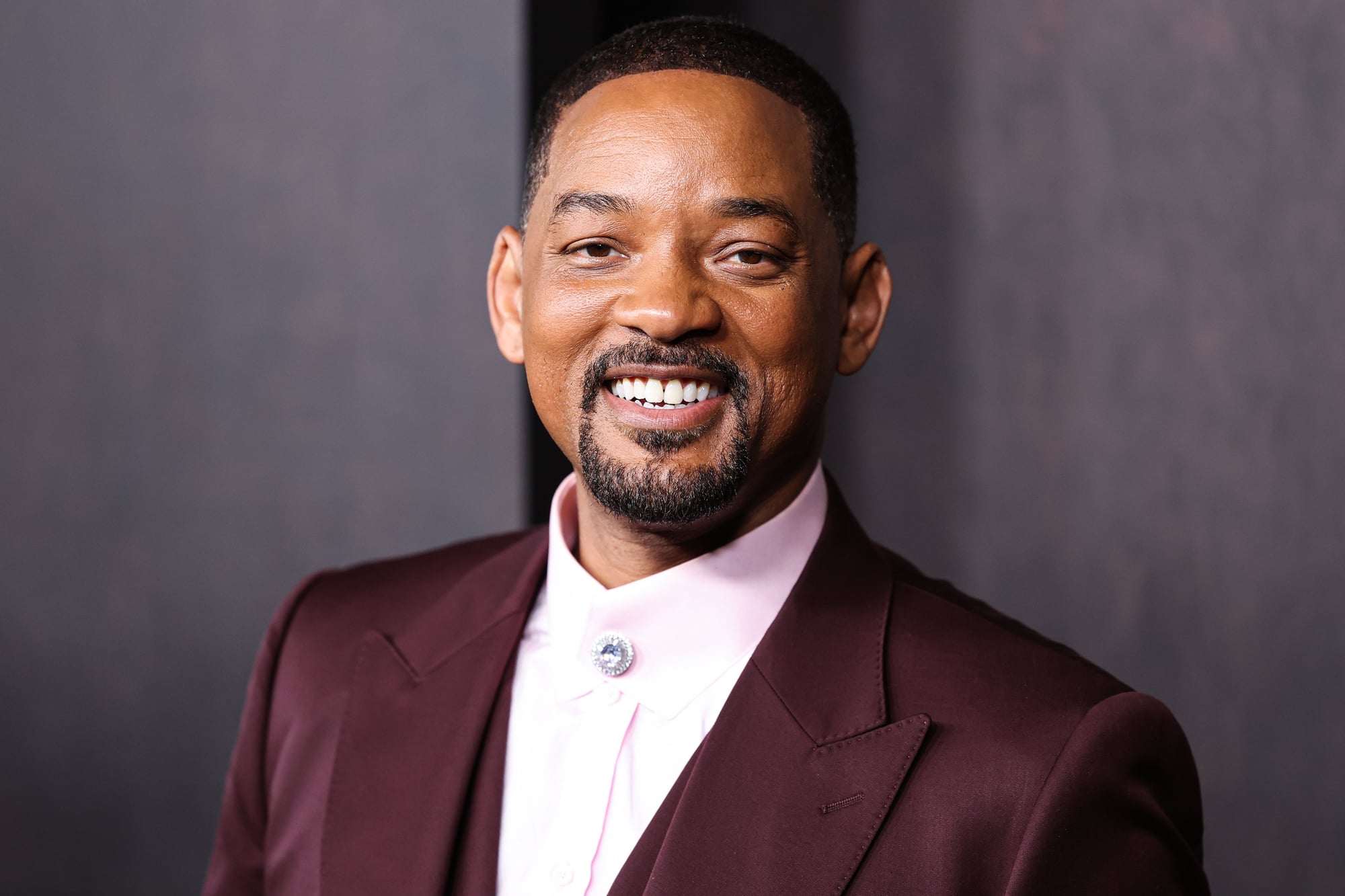
Before Smith became one of the biggest stars in the world, he appeared in a 1992 independent drama about homeless teenagers in Los Angeles. He had a supporting role as a wheelchair user trying to survive on the streets.
The movie featured an ensemble cast of young actors. Smith’s performance showed a dramatic range that his fans from “The Fresh Prince of Bel-Air” hadn’t seen.
He approached the role with seriousness and commitment, avoiding any hint of his television persona. Critics noted his work even though the film itself struggled to find an audience.
The role demonstrated Smith’s willingness to take risks and play against type. That instinct would become a hallmark of his career choices over the next three decades.
Emma Stone – Superbad

Stone’s first film role was a small part in the 2007 comedy that helped define millennial humor. She played Jules, a high school student who throws a party.
The movie focused mainly on Jonah Hill and Michael Cera’s characters. Stone had limited screen time but made every moment count.
Her natural comedic timing and ability to deliver lines with perfect deadpan precision stood out. The chemistry between her and the other young actors felt genuine rather than forced.
The role didn’t make her famous immediately, but it got her noticed by casting directors and filmmakers. Within a few years, she would land the parts that turned her into a household name.
Denzel Washington – Carbon Copy
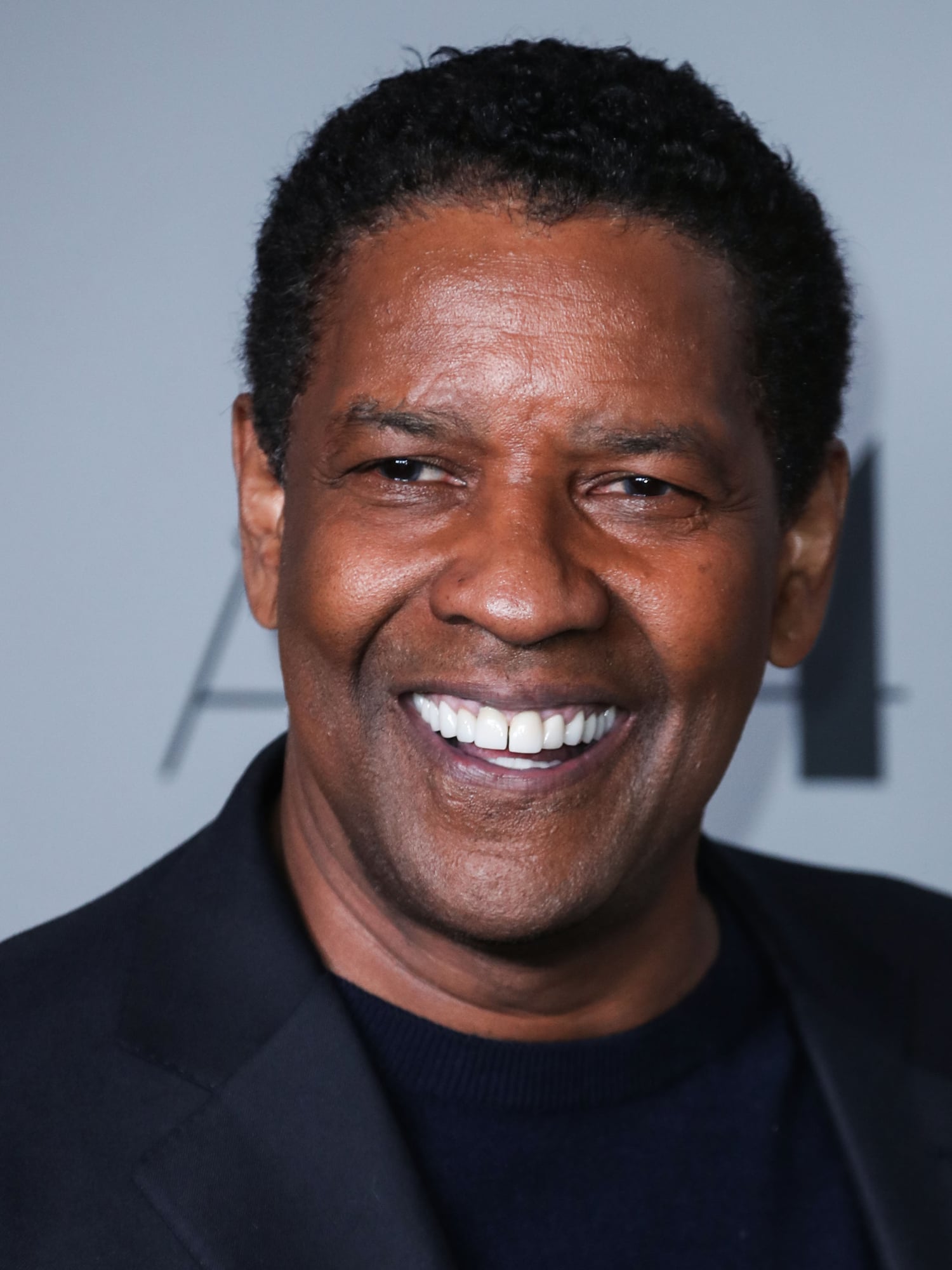
Starting off small, Washington stepped into his first big screen part in a 1981 funny story about a white executive suddenly learning of a Black child he fathered. He took on the role of that son, fitting into a setup built around bold ideas using laughs to touch harder topics.
It never fully clicked, though. Even with a weak script, Washington acted with quiet strength.
Not once did he turn the role into something cheap or exaggerated. This choice – to stand firm – shaped much of what came later.
His path stayed true because of moments like that. Flop after flop, that film barely made a sound in theaters.
Yet folks with influence saw what Washington brought to the screen anyway. A strong role, even buried in weak material, tends to stand out somehow.
Talent Meeting Opportunity
Starting off meant stepping into the unknown, much like every newcomer does. What tied these early jobs together wasn’t fame or flash – just raw beginnings.
Success felt distant, even unreal, when you’re one among many who never make it. Landing a part often came down to luck, timing, or simply showing up.
It wasn’t about how good the script was – it was about being inside the room. Breaking through mattered more than what the role actually offered.
One moment they were on big stages, right away in the spotlight. Then again, some showed up in films people turned off halfway through.
Still, each one stayed at it, getting sharper over time, until the parts came that actually fit who they became. Starting small doesn’t mean staying there.
Sometimes chance opens a door. Other times it’s sheer stubborn effort. Yet ability tends to show up, no matter the setting.
Watch those first appearances closely – origins hold clues, futures stay unwritten.
More from Go2Tutors!

- The Romanov Crown Jewels and Their Tragic Fate
- 13 Historical Mysteries That Science Still Can’t Solve
- Famous Hoaxes That Fooled the World for Years
- 15 Child Stars with Tragic Adult Lives
- 16 Famous Jewelry Pieces in History
Like Go2Tutors’s content? Follow us on MSN.



