Things You Didn’t Know About Nintendo 64 Games
The Nintendo 64 holds a strange place in gaming history. Released in 1996, it was simultaneously ahead of its time and stubbornly behind it.
While Sony’s PlayStation was embracing CDs, Nintendo doubled down on cartridges. While other consoles chased photorealism, the N64 delivered worlds that looked like they were built from colorful clay.
Yet beneath its chunky exterior and three-pronged controller lay some of the most innovative games ever created. These titles didn’t just push boundaries — they obliterated them, often in ways that even dedicated fans never fully appreciated.
The Legend of Zelda: Ocarina of Time’s Revolutionary Z-Targeting
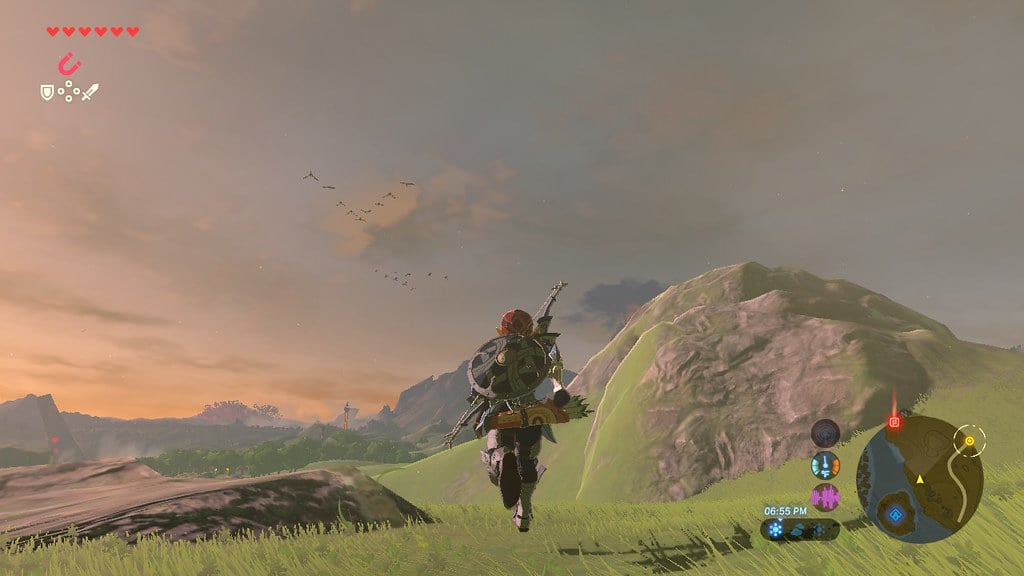
Ocarina of Time didn’t just introduce 3D to Zelda. It solved 3D gaming’s biggest problem.
Before Z-targeting, controlling a character in three dimensions felt like wrestling with geometry. Players fumbled with camera angles and missed attacks because they couldn’t quite line up with enemies.
Nintendo’s solution was elegant: press Z, and Link automatically faces whatever threat you’re dealing with. Combat became fluid.
Navigation became intuitive. Every action game since has borrowed this system.
They just don’t call it Z-targeting anymore.
Super Mario 64’s Analog Stick Revolution
The Nintendo 64 controller looked ridiculous (and frankly, it was ridiculous), but that analog stick in the center changed everything in ways that rippled far beyond what anyone expected at the time. Before Mario 64, you moved in eight directions — up, down, left, right, and the diagonals in between — which worked fine when games were essentially elaborate board game pieces sliding around on flat surfaces.
But when Mario stepped into Princess Peach’s castle, suddenly you could walk, tiptoe, jog, or sprint in any direction you wanted, and the game responded to exactly how far you pushed that stick (which was revolutionary enough), but more importantly, it responded to how gently or aggressively you pushed it. Walking slowly across a narrow bridge became possible.
Creeping up on a sleeping enemy became a choice rather than an impossibility. So every platformer, every adventure game, every character-driven experience that followed had to reckon with this new language of movement.
And they did.
GoldenEye’s Split-Screen Multiplayer Magic
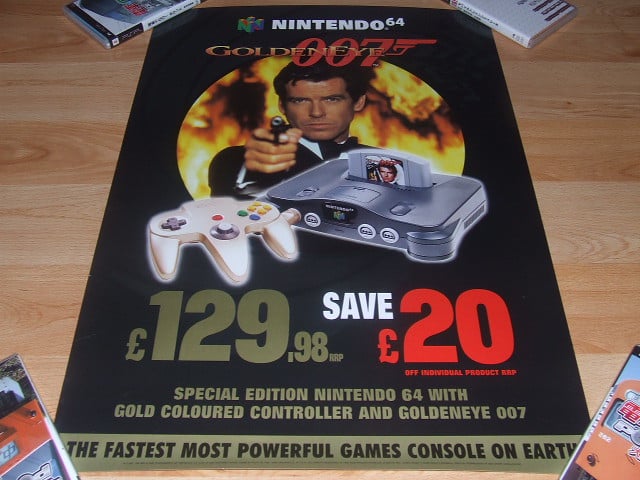
Split-screen gaming existed before GoldenEye, but it was mostly racing games and sports simulations. Something safe. Something predictable.
GoldenEye handed four friends rocket launchers and said good luck. The game’s multiplayer maps weren’t afterthoughts — they were carefully designed arenas where friendships went to die.
The facility’s narrow corridors turned every corner into a potential ambush. The complex’s multi-level design meant death could come from above or below.
The weapon balance was cruel poetry: give someone the Golden Gun and watch three friendships strain under the weight of one-shot kills. GoldenEye proved that console shooters could work.
More importantly, it proved they could ruin dinner parties.
Paper Mario’s Depth Illusion
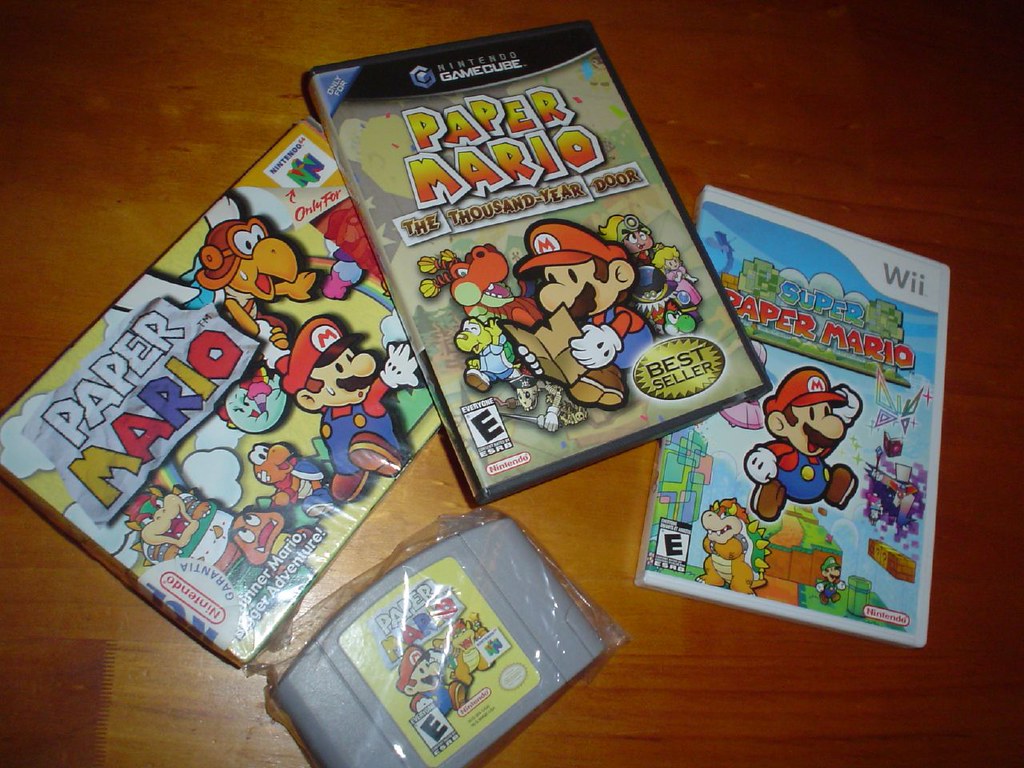
Paper Mario looks two-dimensional, but it isn’t. Not really. The game exists in a thin slice of 3D space, with characters that are flat sprites living in a world with genuine depth and volume.
This creates something unusual: a visual language that shouldn’t work but absolutely does. When Mario rotates to squeeze through narrow gaps, you’re watching a 2D character navigate 3D space.
When enemies attack from the background, they’re crossing dimensional planes. The whole experience feels like watching a pop-up book come to life, if pop-up books could tell jokes and had impeccable timing.
The technique was so effective that Nintendo kept returning to it, but the original Paper Mario remains the purest expression of the concept.
Super Smash Bros. Broke Fighting Game Rules
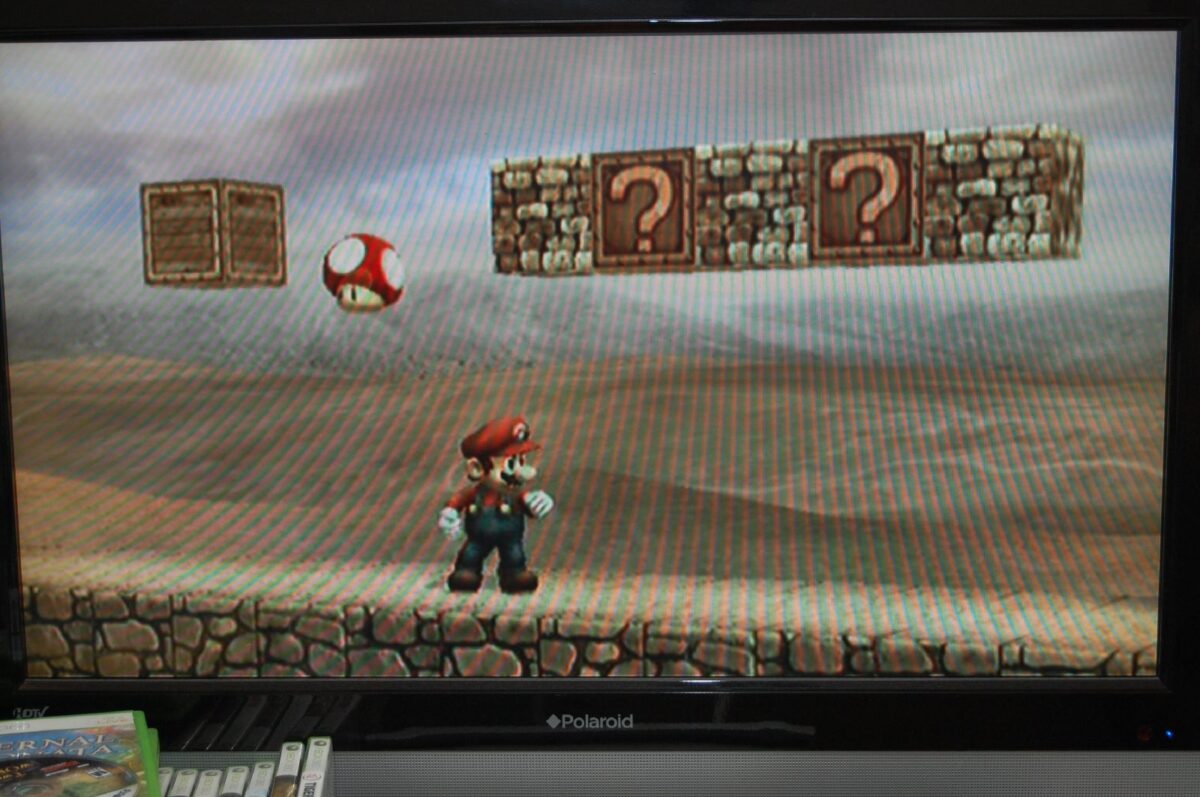
Fighting games had rules in 1999, and Super Smash Bros. ignored all of them. No health bars. No complex button combinations.
No quarter-circle motions or charge commands. Characters from different universes beating each other senselessly with items pulled from completely unrelated games.
The traditional fighting game community was skeptical, and rightfully so. This wasn’t Street Fighter or Tekken — this was something else entirely.
Turns out, “something else entirely” was exactly what the genre needed. Smash Bros. made fighting games accessible without making them simple, which is considerably harder to pull off than it sounds.
The real genius was making every character feel like themselves while still playing by the same basic rules.
Mario Kart 64’s Rubber Band AI Actually Worked
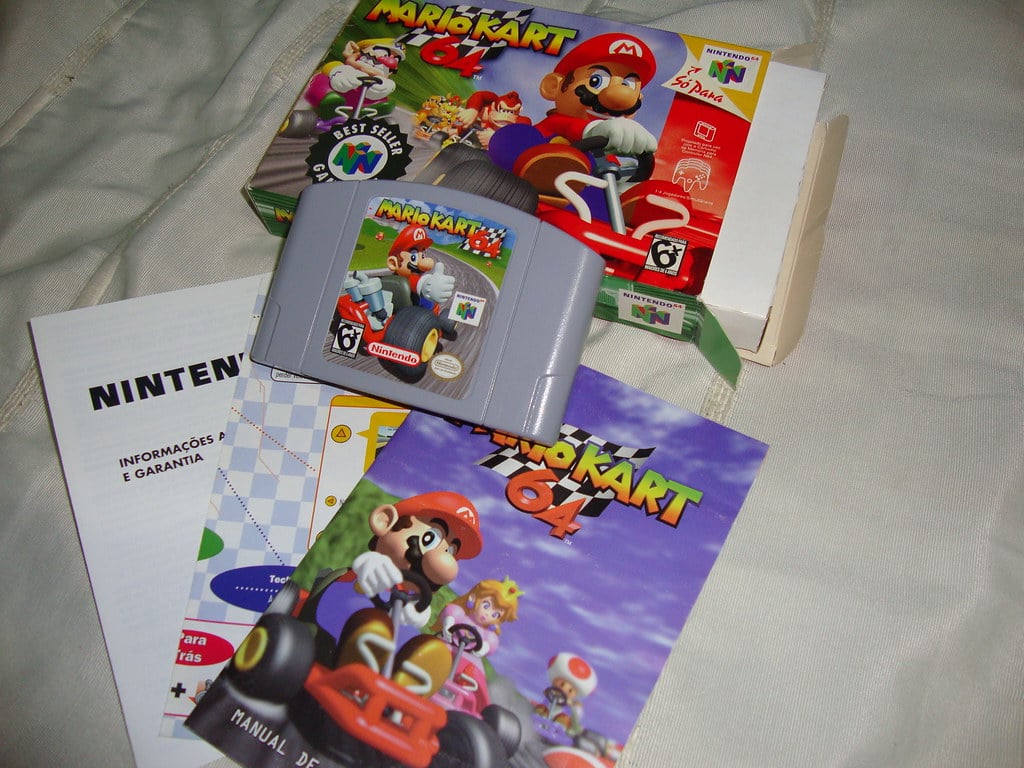
Mario Kart 64’s AI was blatantly unfair, and that was the point. Fall behind, and CPU opponents would slow down just enough to keep things interesting.
Take a commanding lead, and suddenly blue shells would appear with suspicious frequency (though Mario Kart 64 actually introduced the blue shell, so players were experiencing this particular brand of artificial frustration for the first time, which explains why the collective gaming consciousness still hasn’t recovered from it). The game wanted close races, not blowouts, and it achieved this through shameless manipulation of the rules.
But the rubber band AI worked because Mario Kart was never really about pure racing skill — it was about chaos management and maintaining composure while ridiculous things happened around you. The AI’s cheating tendencies actually enhanced this experience rather than undermining it.
Getting blue-shelled on the final turn of Rainbow Road wasn’t a bug in the system; it was the system working exactly as intended. So when people complain about Mario Kart’s AI being unfair, they’re missing the point entirely.
Unfair was the feature, not the flaw.
Wave Race 64’s Water Physics
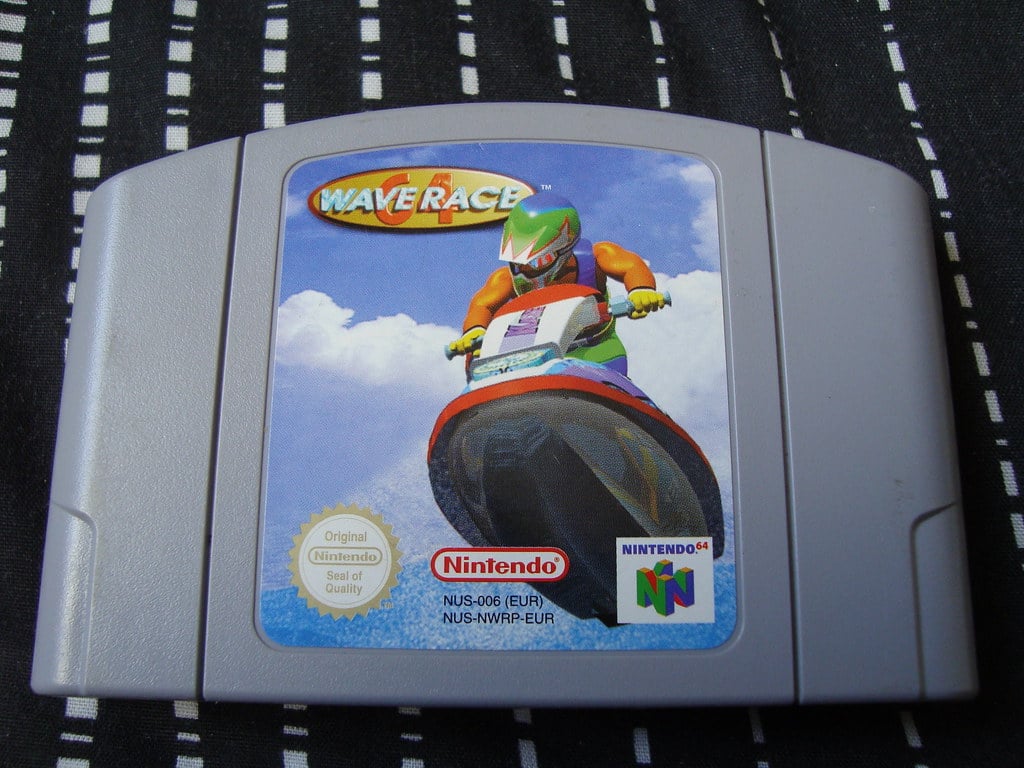
Water in video games used to be a flat blue texture that you either floated on or died in. Wave Race 64 turned water into a living, breathing surface that responded to weather, boat wakes, and time of day.
Each wave had weight. Jet skis bounced and crashed through surf that felt genuinely wet. Choppy conditions made races unpredictable — not through random number generation, but through actual physics simulation.
Your boat’s performance changed depending on how you approached each wave, how much speed you carried, and whether you caught air off the crest or plowed through the trough. The weather effects weren’t just visual flourishes.
Sunny conditions meant calmer water and faster times. Storms created swells that could launch you skyward or slam you into the drink.
Wave Race 64 didn’t just simulate water — it made you respect it.
Banjo-Kazooie’s Collectible Philosophy
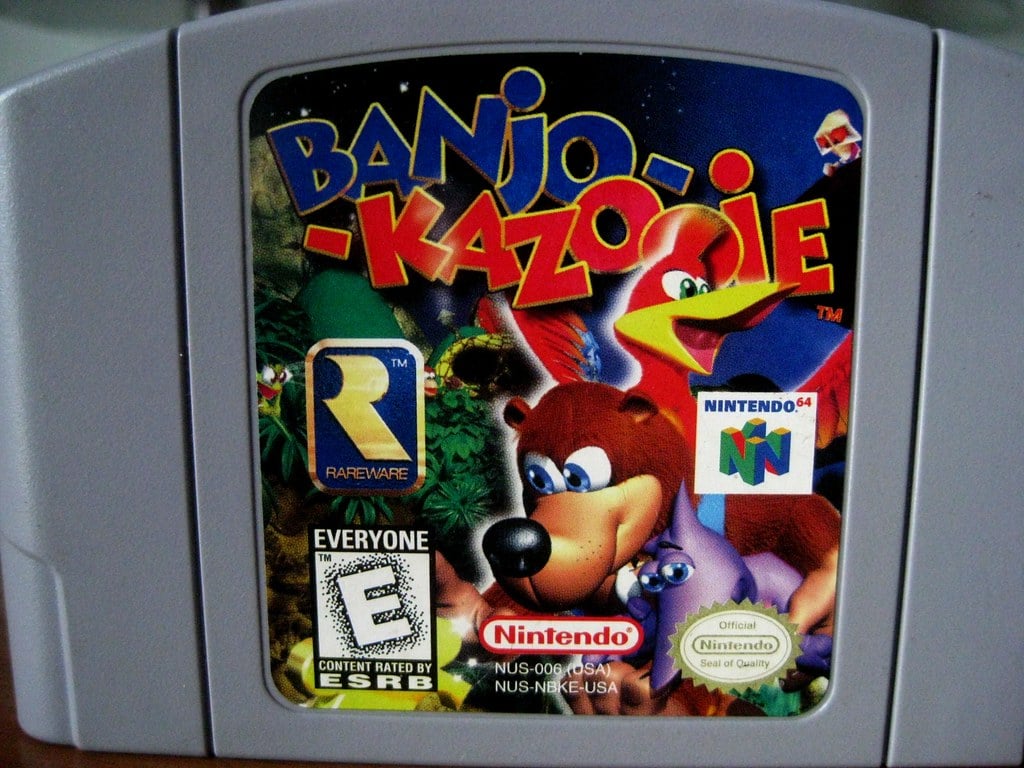
Most platformers scatter coins or rings around levels as afterthoughts. Banjo-Kazooie made collection the entire point, and every collectible served multiple purposes that interlocked in ways that kept you constantly moving forward, constantly discovering, constantly just one more thing away from putting the controller down (which, of course, you never did).
Musical notes weren’t just score padding — they unlocked doors to new worlds, which meant backtracking wasn’t a chore but a treasure hunt through familiar territory that suddenly revealed new secrets. Jigsaw pieces (Jiggies, in the game’s terminology) weren’t just level completion tokens but literal puzzle pieces that opened new worlds on a hub world map, so collecting them felt like solving something rather than just accumulating something.
And the Mumbo Tokens — those skull-shaped collectibles — transformed Banjo into different creatures with different abilities, which meant that finding them wasn’t just about completion but about fundamentally changing how you experienced the game world. A termite could access areas that a walrus couldn’t, and vice versa.
But here’s what made it work: none of these collectibles felt mandatory until they suddenly became essential, and by then you wanted to find them anyway.
Mario Party’s Friendship-Destroying Design
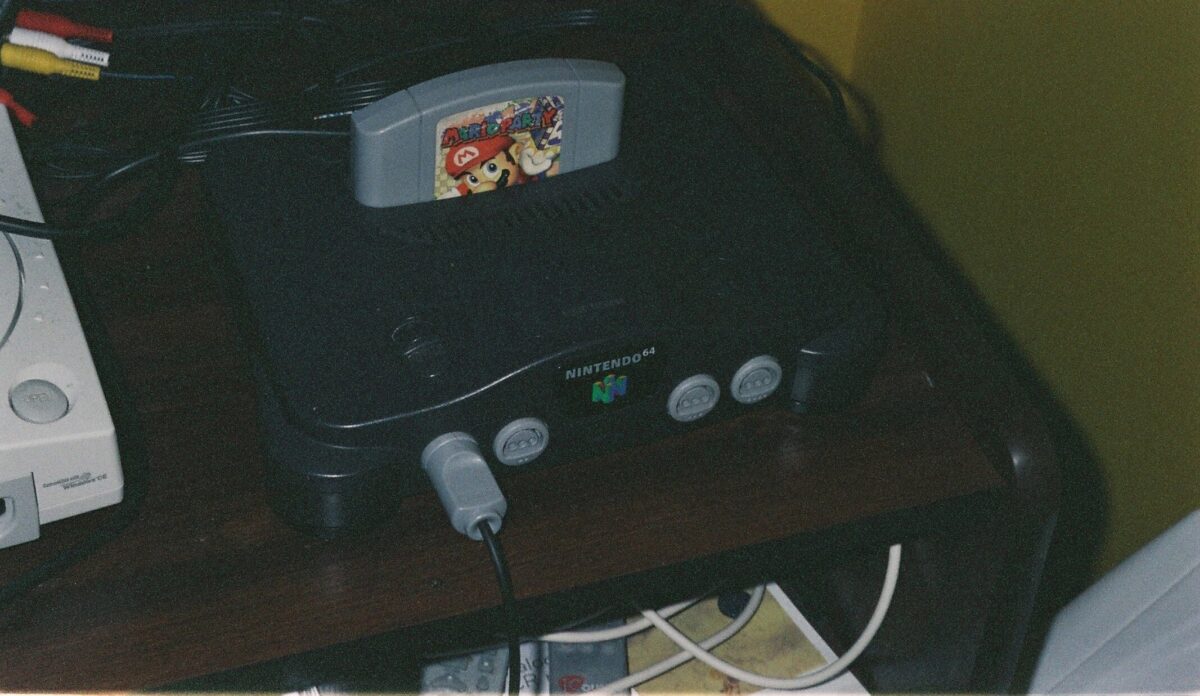
Mario Party was designed by people who understood exactly how to weaponize luck against friendship. The board game structure seemed innocent enough — roll dice, move around a board, collect stars, play mini-games.
Simple. Fair. Civilized.
Then you’d land on a Bowser space and watch three hours of careful strategy evaporate in thirty seconds. Or someone would steal your star with a Boo.
Or Bowser would show up and redistribute everyone’s coins randomly. The game’s rubber-band mechanics ensured that no lead was ever safe, no victory ever certain.
The mini-games were the cruel cherry on top — skill-based challenges that could swing the entire match, but only if the board game elements hadn’t already shuffled everyone’s positions randomly. Mario Party taught an entire generation that games could be simultaneously fair and completely unfair, often within the same turn.
F-Zero X’s Speed Obsession
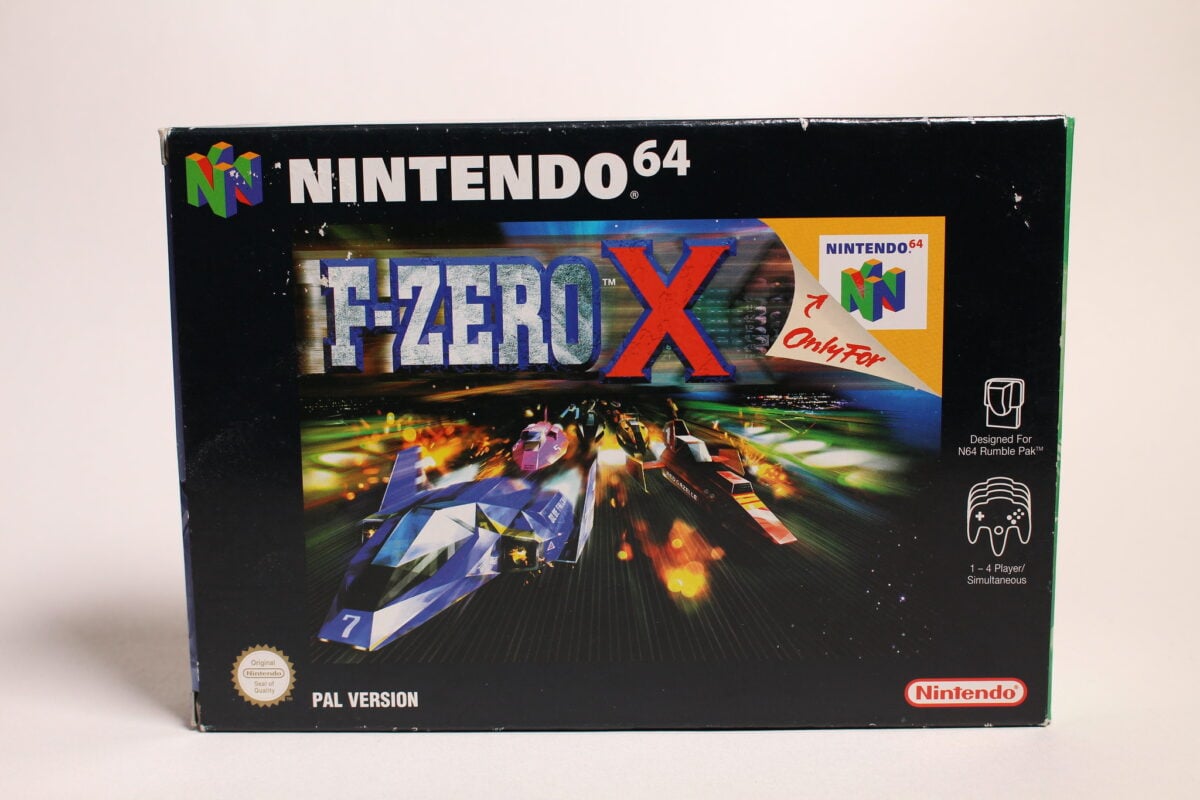
F-Zero X wasn’t just fast — it was recklessly, dangerously fast in a way that made other racing games look like they were moving through molasses. The original F-Zero on SNES was quick, but F-Zero X threw out everything that might slow the game down even slightly and doubled down on pure velocity.
Thirty racers on track simultaneously, all moving at speeds that turned most of the track into a blur of color and motion. The game maintained sixty frames per second no matter what happened — explosions, crashes, all thirty racers bunched together through a narrow section — the frame rate never budged.
Nintendo sacrificed visual detail for speed, and it was absolutely the right choice. The result was a racing game that felt genuinely dangerous to play.
Not difficult — dangerous. Taking a turn at top speed in F-Zero X required faith that the track would still be there when you came out of the curve.
Conker’s Bad Fur Day’s Mature Content Experiment
Nintendo consoles weren’t supposed to have games like Conker’s Bad Fur Day. The company’s family-friendly image was sacred, carefully maintained, and absolutely incompatible with a platformer starring a foul-mouthed squirrel dealing with adult situations (and by adult, we mean genuinely adult — not just violence and mild language, but themes and humor that required actual life experience to understand fully, which was jarring coming from a character who looked like he belonged in a Saturday morning cartoon).
Yet there it was, published by Nintendo themselves, sitting on store shelves next to Mario and Zelda. The game was brilliant and crude in equal measure, combining Rare’s exceptional platforming mechanics with humor that pushed every boundary the medium had established up to that point.
It was also commercial poison — too mature for kids, too cartoon-like for adults seeking mature gaming experiences. The audience for a vulgar comedy platformer turned out to be much smaller than anyone anticipated.
But Conker’s Bad Fur Day proved that video games could tackle any subject matter, any tone, any audience. The medium was growing up, whether anyone was ready for it or not.
Mario Golf’s Precise Physics Engine
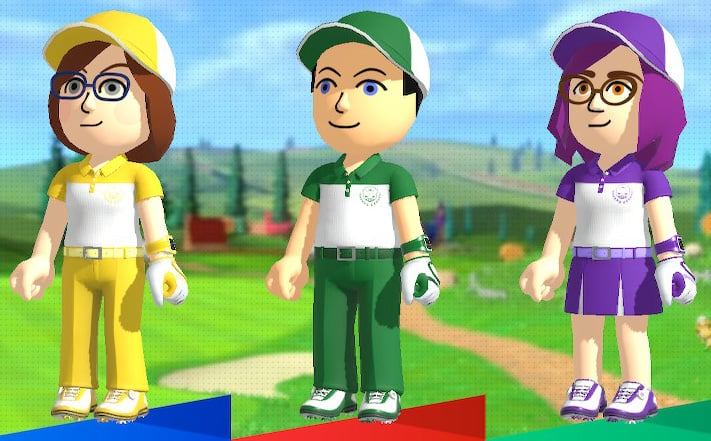
Sports games on consoles were usually arcade experiences — simplified, exaggerated, designed for immediate gratification rather than simulation. Mario Golf looked like more of the same: colorful characters, fantastical courses, power-ups scattered around the fairways.
But underneath the cartoon exterior was a golf simulation that understood wind resistance, lie angles, club selection, and green topology with obsessive precision. Reading the wind wasn’t just about watching an arrow — you had to account for elevation changes, the orb’s trajectory, and how much spin you’d applied.
Different clubs didn’t just hit different distances; they created different orb flights with different characteristics. The putting system was particularly cruel. Reading greens required understanding subtle slopes and grain direction.
Miss a putt, and you could watch your orb slide past the pit by inches, victim to physics calculations that would make PGA Tour pros nod in recognition.
The Console That Refused to Quit
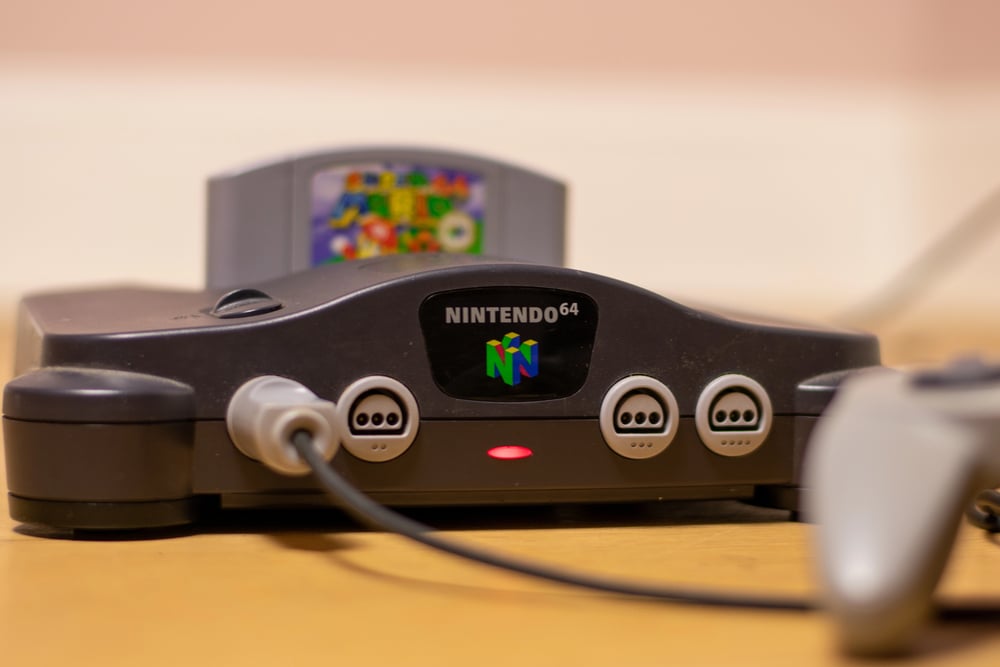
Those Nintendo 64 cartridges were expensive to manufacture, limited in storage capacity, and stubbornly analog in a world going digital. Critics called them outdated before the console even launched.
Sony’s CDs could hold vastly more data for a fraction of the cost, which seemed like an obvious competitive advantage. Yet the N64’s cartridge-based games loaded instantly, never suffered from disc read errors, and survived treatment that would have turned CDs into drink coasters.
More importantly, they contained experiences that couldn’t have existed on any other platform. The analog stick, the four controller ports, the custom graphics chips — it all combined to create games that felt impossible until you played them.
The Nintendo 64 succeeded not despite its limitations, but because of how developers transformed those limitations into innovations.
More from Go2Tutors!

- The Romanov Crown Jewels and Their Tragic Fate
- 13 Historical Mysteries That Science Still Can’t Solve
- Famous Hoaxes That Fooled the World for Years
- 15 Child Stars with Tragic Adult Lives
- 16 Famous Jewelry Pieces in History
Like Go2Tutors’s content? Follow us on MSN.


