14 Innovations That Came from People You’ve Never Heard Of
History books often celebrate famous inventors like Edison and Tesla, but countless brilliant minds have created world-changing innovations without receiving proper recognition. These unsung heroes developed technologies and products we use daily, yet their names remain largely unknown outside specialized circles.
Here is a list of 14 remarkable innovations that came from people whose names probably never appeared in your history textbooks.
Josephine Cochrane’s Dishwasher

Tired of her fine china being chipped by servants, wealthy socialite Josephine Cochrane invented the first practical mechanical dishwasher in 1886. Unlike earlier attempts, her design used water pressure rather than scrubbers to clean dishes effectively.
Cochrane’s company eventually evolved into KitchenAid, transforming household chores for millions of families while she remained virtually unknown compared to male inventors of her era.
Marion Donovan’s Disposable Diaper
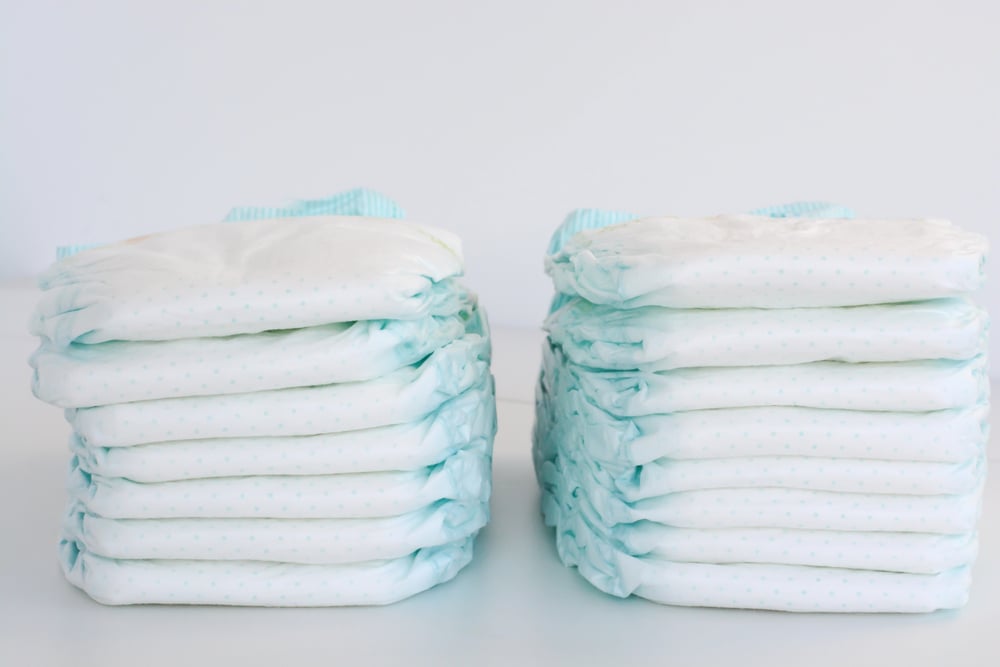
In 1946, Marion Donovan, frustrated with constant diaper washing and leaking cloth diapers, created a waterproof diaper cover using shower curtains. She later developed a fully disposable paper diaper, but couldn’t convince manufacturers to take her seriously.
After patenting her design in 1951, she eventually sold the rights for $1 million, paving the way for the multi-billion dollar industry that modern parents rely on daily.
Garrett Morgan’s Traffic Light

The modern three-position traffic signal came from inventor Garrett Morgan, who witnessed a terrible collision between an automobile and horse carriage in 1923. His traffic light design improved upon existing models by adding a warning position between stop and go signals, giving vehicles time to clear intersections safely.
Morgan’s invention was purchased by General Electric for $40,000, and variations of his design direct traffic at millions of intersections around the world today.
Mary Anderson’s Windshield Wiper

During a snowy New York City streetcar ride in 1902, Mary Anderson noticed drivers constantly stopping to clear snow from their windshields. She designed a manual lever-operated wiper blade that could be controlled from inside the vehicle without opening the window.
Although her patent expired before she could profit from it, Anderson’s basic design became standard on all American cars by 1916 and remains fundamentally unchanged more than a century later.
Percy Spencer’s Microwave Oven
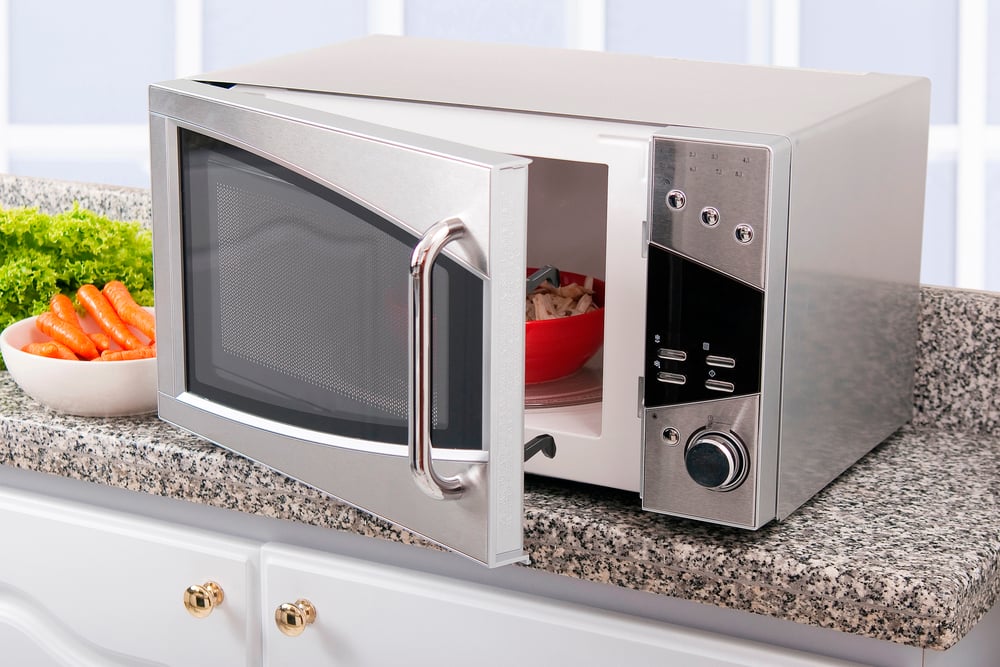
In 1945, Raytheon engineer Percy Spencer was working with radar equipment when he noticed a chocolate bar in his pocket had melted. Intrigued rather than annoyed, Spencer experimented and found that microwave energy could heat food rapidly.
His accidental discovery led to the development of the first commercial microwave oven in 1947, which stood nearly 6 feet tall and weighed over 750 pounds before evolving into the countertop appliances found in virtually every modern kitchen.
Margaret Knight’s Paper Bag Machine
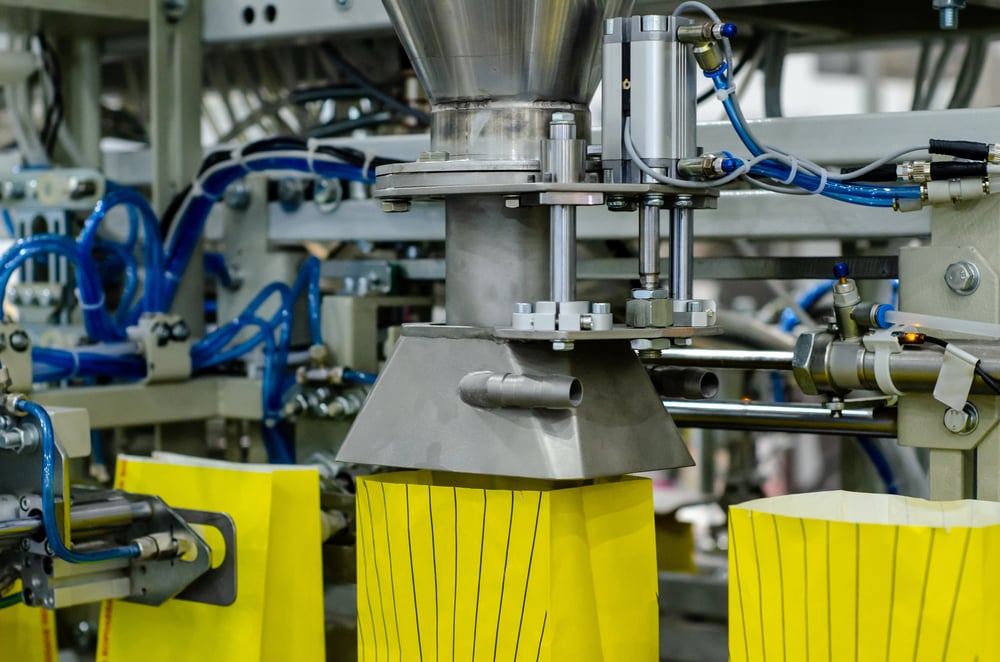
Working in a paper bag factory in 1867, Margaret Knight designed a machine that could create flat-bottomed paper bags much more efficiently than existing methods. A male machinist stole her design while it was being developed, claiming a woman couldn’t have created such a sophisticated device.
Knight successfully sued him, received her patent in 1871, and her basic design remains in use today, producing billions of grocery bags annually across the world.
Patsy Sherman’s Scotchgard

Chemist Patsy Sherman wasn’t looking to create a stain repellent when she accidentally dropped a synthetic rubber mixture on a lab assistant’s canvas shoe in 1952. When neither water nor solvents could remove the substance from the shoe, Sherman recognized the commercial potential of this happy accident.
Her development of Scotchgard revolutionized fabric protection, earning her 16 patents throughout her career while remaining virtually unknown to the general public.
John Shepherd-Barron’s ATM
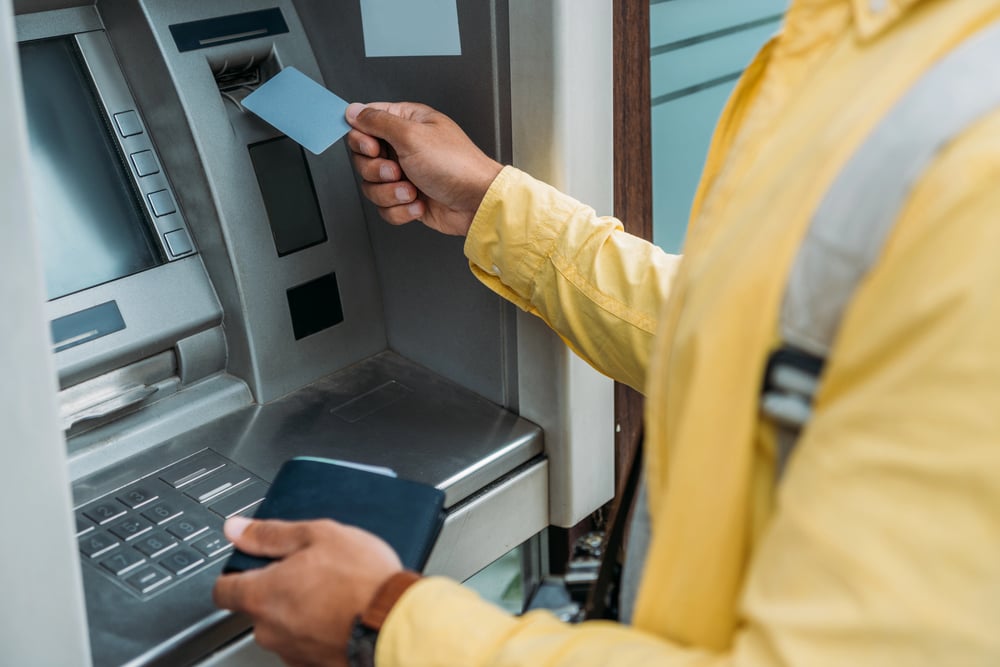
Frustrated after finding his bank closed one Saturday, Scottish inventor John Shepherd-Barron conceived of a machine that would dispense cash anytime, similar to chocolate vending machines. His idea became reality in 1967 when the world’s first ATM was installed at Barclays Bank in London, using special checks impregnated with a mildly radioactive substance rather than plastic cards.
Shepherd-Barron never patented his invention, which has evolved into the estimated 3.5 million ATMs operating globally today.
Ann Moore’s Baby Carrier

After working as a Peace Corps nurse in Togo, Ann Moore observed how African mothers carried babies in fabric slings while keeping their hands free for other tasks. In 1969, she adapted this concept into the “Snugli” baby carrier, creating a comfortable way for Western parents to maintain close contact with their infants while remaining mobile.
Moore’s innovation sparked the modern baby carrier industry that continues to evolve with ergonomic designs supporting both babies and parents worldwide.
János Irinyi’s Safety Match

In 1836, Hungarian student János Irinyi attended a chemistry lecture where the professor was demonstrating an early friction match that exploded loudly instead of lighting smoothly. Irinyi realized he could replace potassium chlorate with lead dioxide to create a match that lit quietly and safely without explosive properties.
He sold his invention for a modest sum that funded his studies, never receiving significant recognition for an innovation that has saved countless lives and properties from accidental fires.
Ralph Baer’s Video Game Console
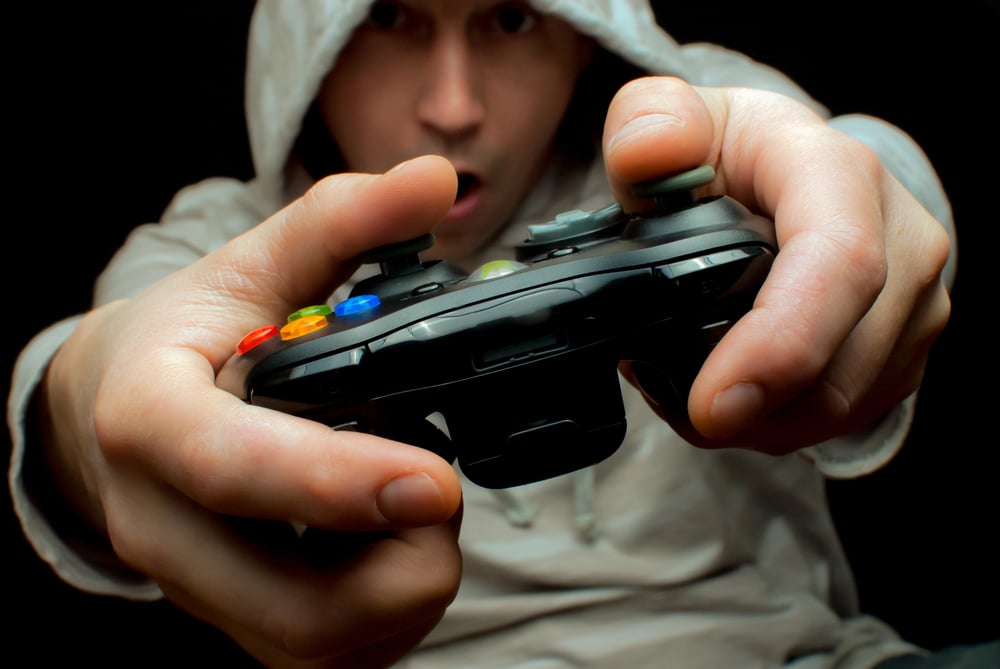
While working as an engineer for a defense contractor in 1966, Ralph Baer sketched out a concept for playing games on an ordinary television set. His prototype “Brown Box” became the Magnavox Odyssey in 1972, the world’s first commercial home video game console.
Though Baer received the National Medal of Technology for his invention in 2006, his name remains far less known than the industry giants who built upon his foundational work in what’s now a $200 billion global gaming industry.
Sarah Boone’s Ironing Board

In 1892, Sarah Boone, an African American dressmaker born to enslaved parents, patented an improved ironing board featuring a narrow, curved design specifically engineered for ironing sleeves and women’s garments. Her innovation improved upon flat ironing surfaces by creating a board with different widths that could accommodate various garment shapes.
Boone’s practical design forms the basis of modern ironing boards used in millions of homes today, though her name rarely appears in discussions about influential inventors.
Maurice Hilleman’s Vaccines

Microbiologist Maurice Hilleman developed over 40 vaccines, including 8 of the 14 routinely recommended childhood vaccinations that have effectively eliminated many deadly diseases. His mumps vaccine, created from a throat culture taken from his daughter when she fell ill in 1963, has prevented millions of cases worldwide.
Despite being credited with saving more lives than any other medical scientist of the 20th century, Hilleman remained virtually unknown outside scientific circles until his death in 2005.
Marion O’Brien Donovan’s Garment Bag

The same inventor who created disposable diapers also revolutionized clothing storage with her clear garment bag innovation. Donovan crafted a transparent vinyl clothing cover with a zipper that protected garments while allowing them to remain visible in closets.
Her practical design replaced opaque garment covers that required opening to identify contents, and variations of her original concept protect suits and dresses in closets and during travel throughout the world today.
Ordinary People, Extraordinary Impact

These relatively unknown innovators remind us that world-changing ideas often come from everyday people solving practical problems they personally experienced. Their stories demonstrate how curiosity, persistence, and creative thinking can lead to innovations that improve millions of lives across generations.
While their names may not headline history books, their legacy lives on in technologies and products we’ve come to depend on in our daily lives.
More from Go2Tutors!

- The Romanov Crown Jewels and Their Tragic Fate
- 13 Historical Mysteries That Science Still Can’t Solve
- Famous Hoaxes That Fooled the World for Years
- 15 Child Stars with Tragic Adult Lives
- 16 Famous Jewelry Pieces in History
Like Go2Tutors’s content? Follow us on MSN.