17 hidden tunnels beneath famous landmarks
When people visit famous places, they usually focus on what's right in front of them — tall towers, old buildings, giant statues. But underneath some of the most visited landmarks in the world, there are tunnels with stories most folks never hear about.
Some of these were built to protect people. Others were made for sneaking in or getting out. Many are still there, just hidden under our feet, holding pieces of history that never made it into the brochures.
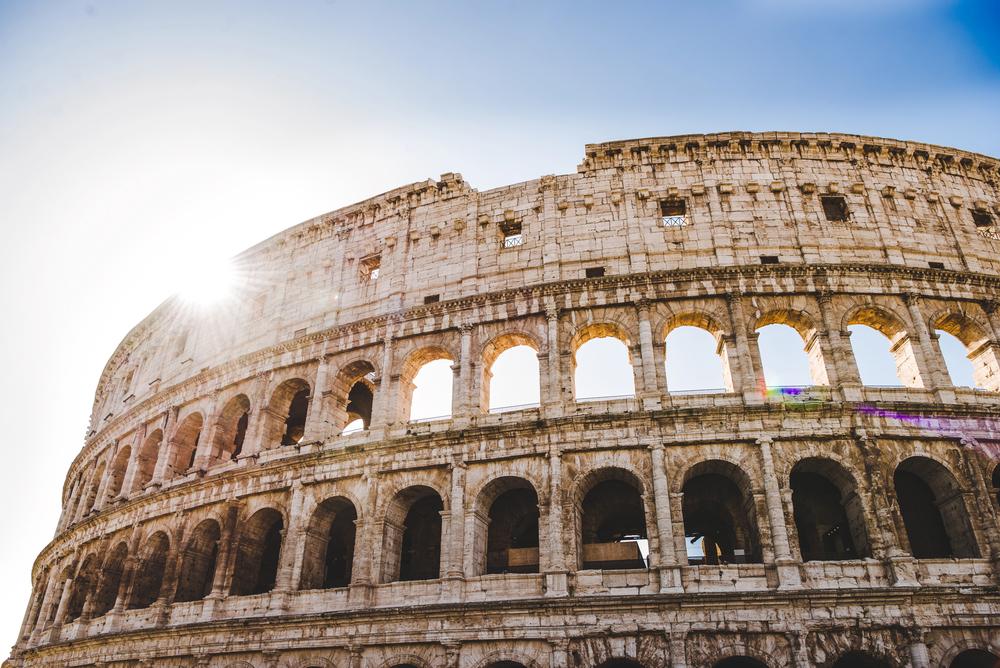
The Colosseum, Rome

Beneath this ancient arena, there's a huge network of tunnels once used to hold animals and gladiators. Before each show, workers moved cages, set up props, and even lifted wild animals using trap doors. These underground spaces kept the action out of sight until the perfect moment. Archaeologists found dozens of rooms and corridors hidden below. It was like a backstage for a very brutal kind of show.
The White House, Washington D.C.
Few people know about the secret passages under America’s most famous home. There are tunnels for security, emergency escape routes, and a direct link to the nearby Treasury Building. Some were built during World War II, while others came later. The full layout is classified, but parts have been confirmed by staff and declassified records. It's all about keeping the president safe, no matter what.
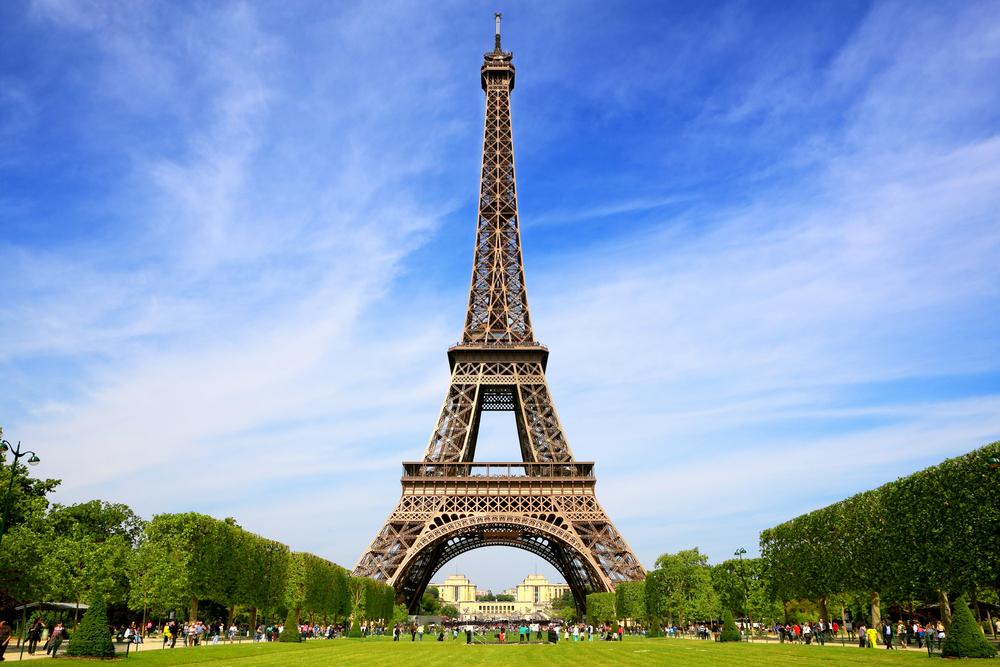
Eiffel Tower, Paris
Most visitors never notice the military bunker hidden under the base of the Eiffel Tower. It was built in the early 1900s and used during both world wars. The small tunnel network connects to the old military school nearby. It's closed to the public but still there, preserved like a time capsule. Some tours offer a glimpse through a gate if you know where to look.
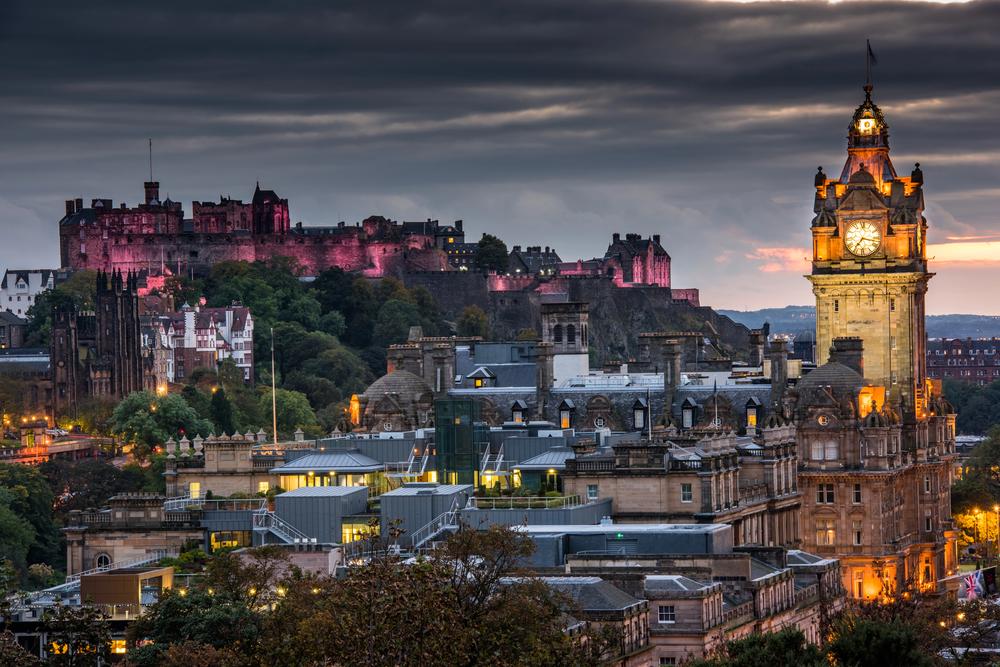
Edinburgh Castle, Scotland
This castle is packed with history, and it turns out there are tunnels running below it too. One old legend tells of a piper who was sent to explore the passageway beneath and vanished. His music stopped halfway through, and he was never found. The tunnels likely linked the castle to nearby buildings for secret movement. Some are blocked now, but a few are still being studied.
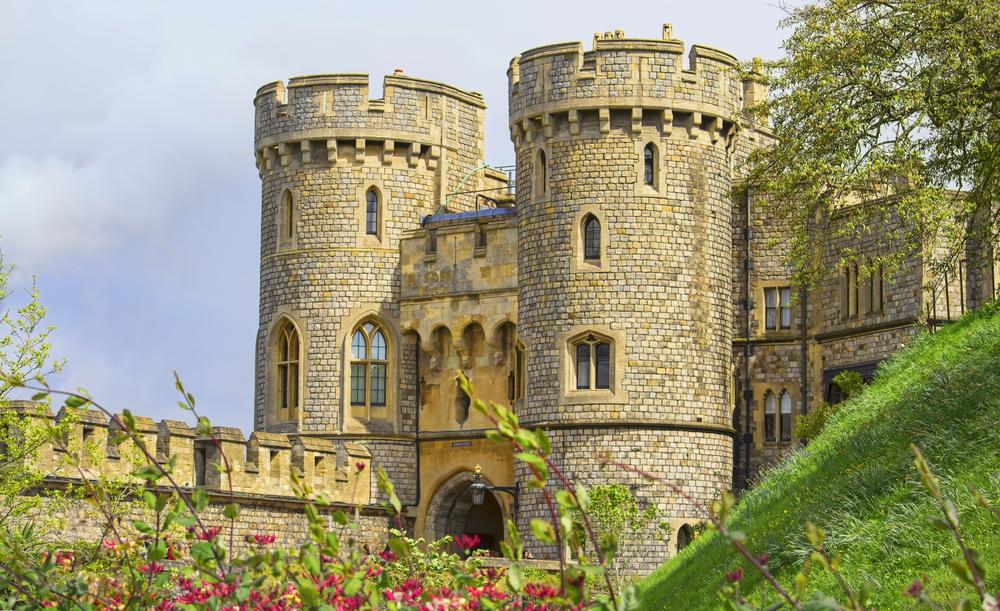
Windsor Castle, England

Windsor Castle has a tunnel that runs from the royal residence to a nearby street. The entrance was revealed during a renovation in recent years. Staff used it as a shortcut and possibly for quick exits during emergencies. It’s not open to the public, but journalists got a look inside during a royal tour. Even centuries-old castles have modern backup plans.
Great Wall of China

Parts of the Great Wall are known to have hidden walkways and tunnels beneath the stone. Soldiers used them to move without being seen or to hide from attack. Some also stored weapons or supplies underground. The system wasn’t everywhere, but certain military zones had these features built in. They helped make the wall more than just a barrier.
The Louvre Museum, Paris

Under this world-famous museum, there’s a web of service tunnels, storage rooms, and passageways. Some are for moving art safely, others were added during wartime. During World War II, staff used tunnels to hide and protect important pieces. The tunnels stretch across much of the museum complex. Most are off-limits, but some are used daily by staff.
The Kremlin, Moscow

The Kremlin hides one of the most talked-about tunnel systems in Russia. Some believe it leads to secret bunkers or escape routes. Parts were built during Stalin’s time, and others go back even further. Officials don’t speak about them publicly, so stories keep growing. A few parts have been confirmed, but much of it remains hidden and guarded.
Alcatraz Island, San Francisco
This prison sits on rock, but it still has tunnels running underneath. Some were utility paths, while others connected storage areas and the dock. Inmates likely didn’t have access, but guards used them often. During escape attempts, rumors always circled about tunnels leading off the island — but no confirmed path ever surfaced. Still, the idea of a secret way out added to the legend.
Big Ben (Elizabeth Tower), London

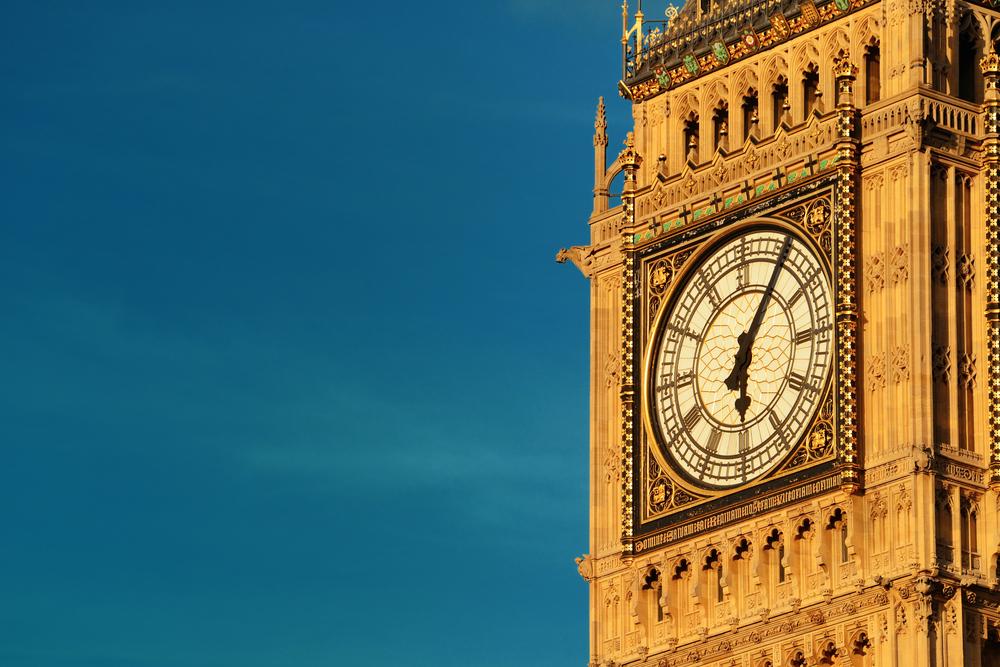
A tunnel runs from the Houses of Parliament to nearby government offices. It was built to move people safely and quietly during emergencies. Workers have reported using it during drills. It’s small and narrow but still in working condition. Though not exactly dramatic, it’s a practical part of this famous clock tower’s setup.
Notre-Dame Cathedral, Paris

Under the cathedral, old tunnels and crypts sit hidden from most visitors. Some were used for burials, others for moving materials. After the 2019 fire, workers had to explore and reinforce parts of these spaces. Some of the underground areas date back to Roman times. It’s a layer of history most tourists never get to see.
Brandenburg Gate, Berlin

During the Cold War, tunnels were dug near this landmark to help people escape East Berlin. Not all were successful, but a few worked and helped families flee. The tunnels were small, dangerous, and built in secret. Many have collapsed or been sealed off. Still, pieces of them remain as a reminder of that tense time in history.
Petra, Jordan
This ancient city is famous for its stone buildings, but it also has tunnels and hidden waterways below. The people of Petra built them to control flash floods and store water. Some paths also allowed secret travel between buildings. These tunnels helped the city survive in harsh desert conditions. Many are still visible today if you know where to look.
Neuschwanstein Castle, Germany

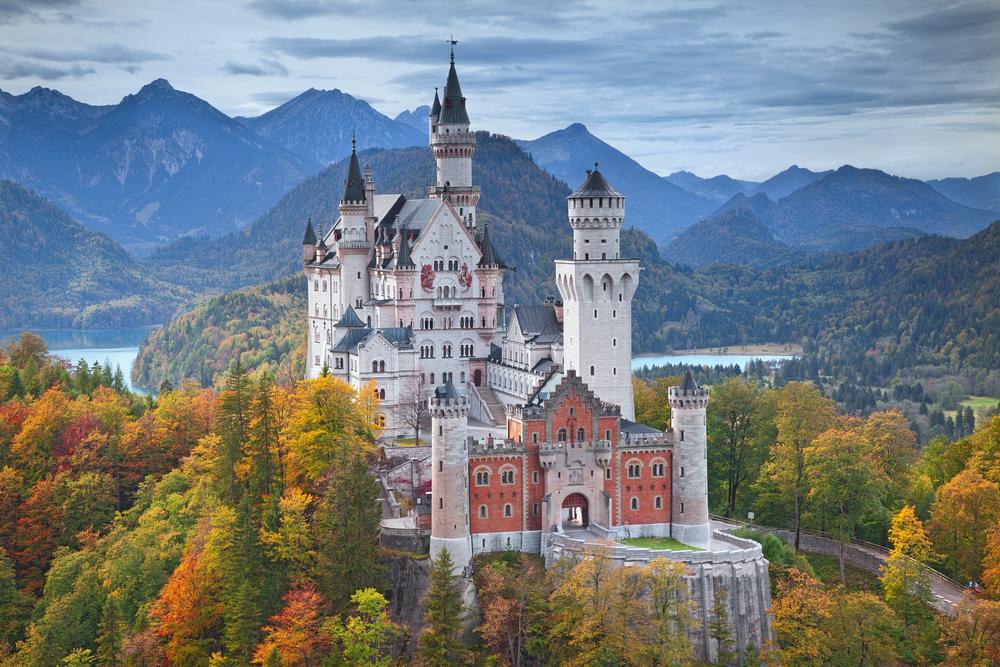
Built in the 1800s, this fairy-tale castle includes narrow tunnels and passages below. Some connect to hidden stairways, while others lead to storage or escape routes. King Ludwig II designed the castle with privacy and secrets in mind. The tunnels weren’t used for war, but they added mystery to the design. Visitors can see a few during guided tours.
The Tower of London
This old fortress has a long history, and its underground is just as full of stories. There are tunnels that once moved prisoners, stored weapons, or connected towers. Some were even used for spying and secret movement. A few are open during special events. The rest remain under lock and key.
Sydney Opera House, Australia

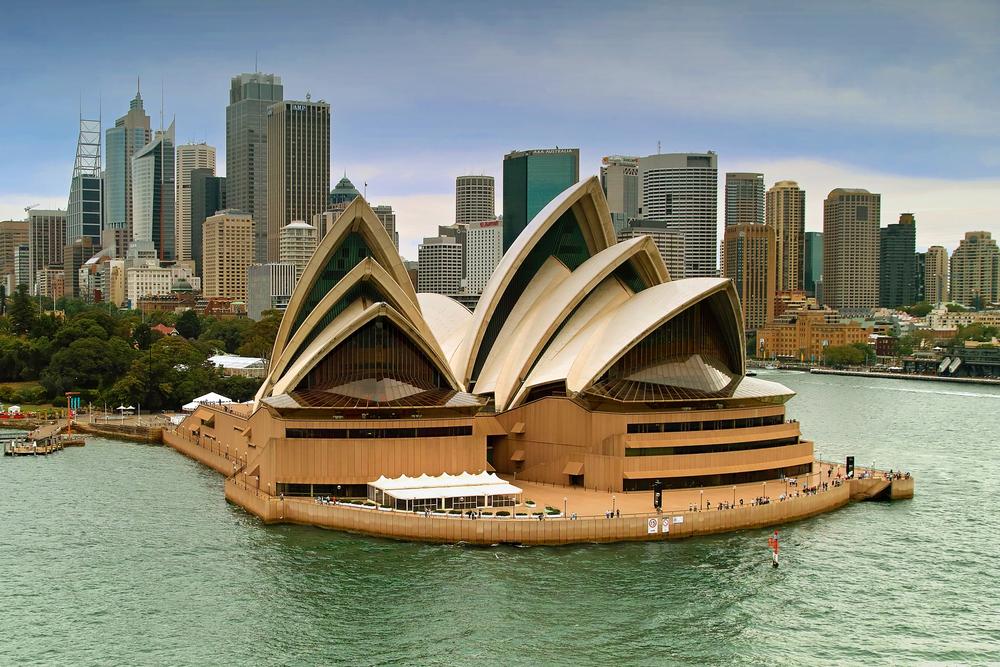
Underneath this modern landmark is a surprising tunnel system used to move performers and equipment. One tunnel, known as the “Green Room Tunnel,” helps artists move around without being seen by the audience. Others handle air systems and electrical work. It’s a behind-the-scenes setup that keeps the place running smoothly. Without it, the opera house couldn’t work as it does.
The Capitol Building, Washington D.C.

Below the U.S. Capitol is a network of tunnels connecting to other government buildings. Some are used daily by staff, including senators and workers. One tunnel even has a private subway line. These paths allow fast and secure travel between locations. They’re useful and hidden from most public view.
More from Go2Tutors!

- 16 Historical Figures Who Were Nothing Like You Think
- 12 Things Sold in the 80s That Are Now Illegal
- 15 VHS Tapes That Could Be Worth Thousands
Like Go2Tutors’ content? Follow us on MSN.