Strange Military Aircraft Tested During the Cold War
The Cold War wasn’t just a battle of ideologies—it was an arms race that pushed aviation technology to its absolute limits. Behind closed doors and in remote desert facilities, military engineers and pilots tested aircraft that seemed more like science fiction than reality.
Some were brilliant successes that changed warfare forever. Others were spectacular failures that barely got off the ground.
All of them pushed boundaries that hadn’t been pushed before, creating machines that looked like they belonged in a comic book rather than a hangar.
Convair XF-92
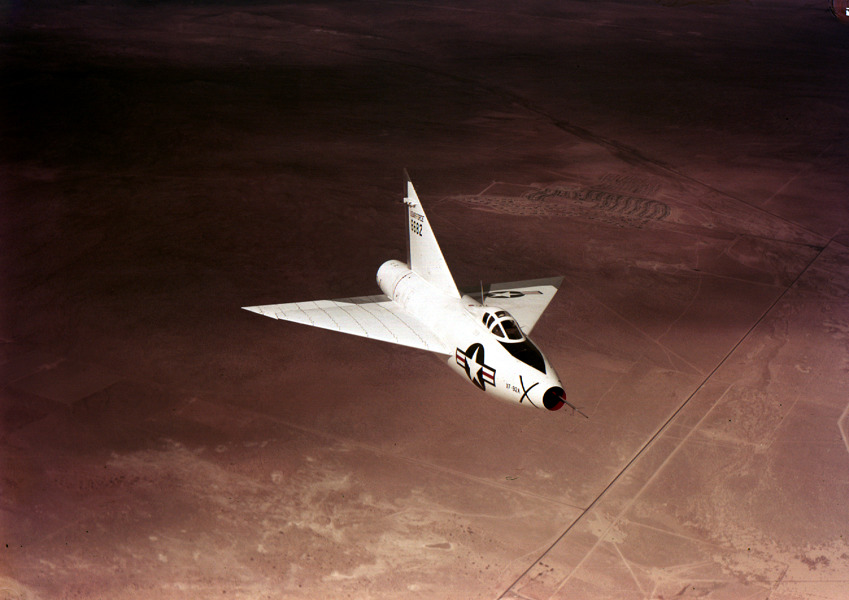
The XF-92 looked like something from another planet. Triangle wings, no tail, powered by a jet engine that screamed louder than anything else in the sky at the time.
Convair built it to test delta wing designs—and it worked, even if it flew like a brick with wings. The test pilots called it unpredictable.
Fair enough, considering nobody had flown anything like it before.
Northrop XB-35 Flying Wing
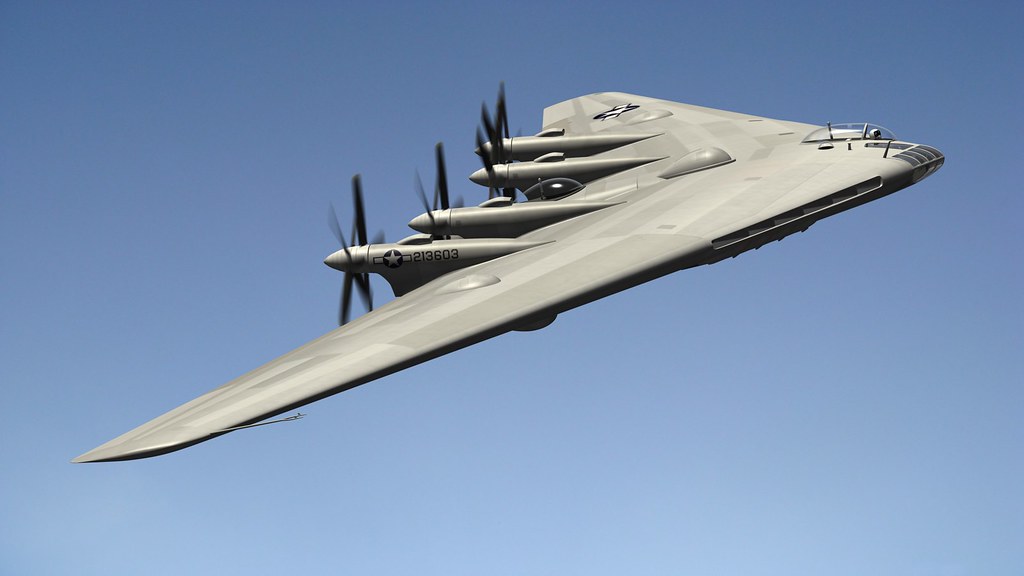
Picture this: you’re staring at what appears to be a boomerang the size of a football field, powered by eight propeller engines, carrying enough bombs to level a city block (and the military brass is convinced this might be the future of strategic bombing). The XB-35 was Northrop’s attempt to prove that wings didn’t need fuselages—that everything could be wing, from nose to tail, and somehow this would be more efficient than every aircraft design that had come before it.
So naturally, it had problems with the propellers that made the whole thing vibrate like a washing machine with an unbalanced load, and the contra-rotating propellers—those ingenious solutions that were supposed to cancel out torque—kept having mechanical failures that would send the test pilots back to base with their teeth rattled loose. And yet, when it worked (which wasn’t often enough), it flew with a grace that suggested maybe Northrop was onto something revolutionary, even if they couldn’t quite make all the pieces fit together properly.
Even so, the Air Force eventually gave up on it. The jet age was coming, and propeller-driven flying wings suddenly seemed quaint.
Ryan X-13 Vertijet
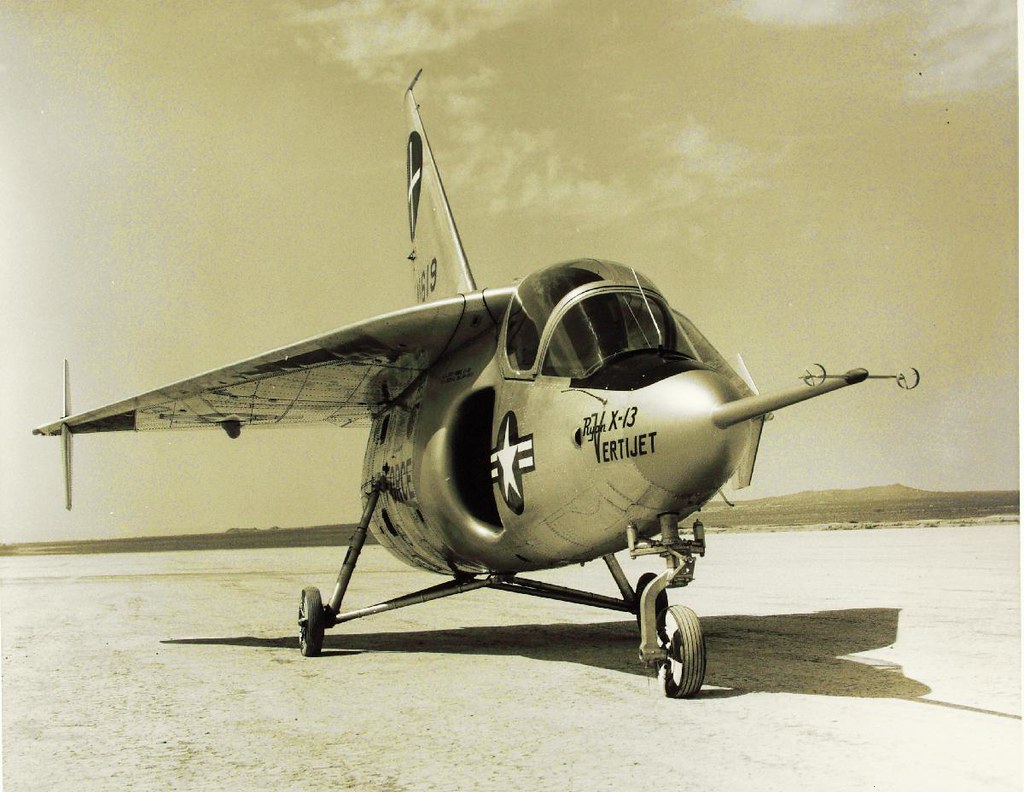
The X-13 took off vertically. Like a rocket.
Then it would tip forward and fly like a normal jet. When it was time to land, it would flip back up, hover, and back itself onto a trailer.
The whole thing was as absurd as it sounds. Ryan built it because the military wanted jets that didn’t need runways.
Turns out, jets that can hover and land backwards are harder to control than anyone anticipated. The test pilots earned their pay with this one.
Bell X-5
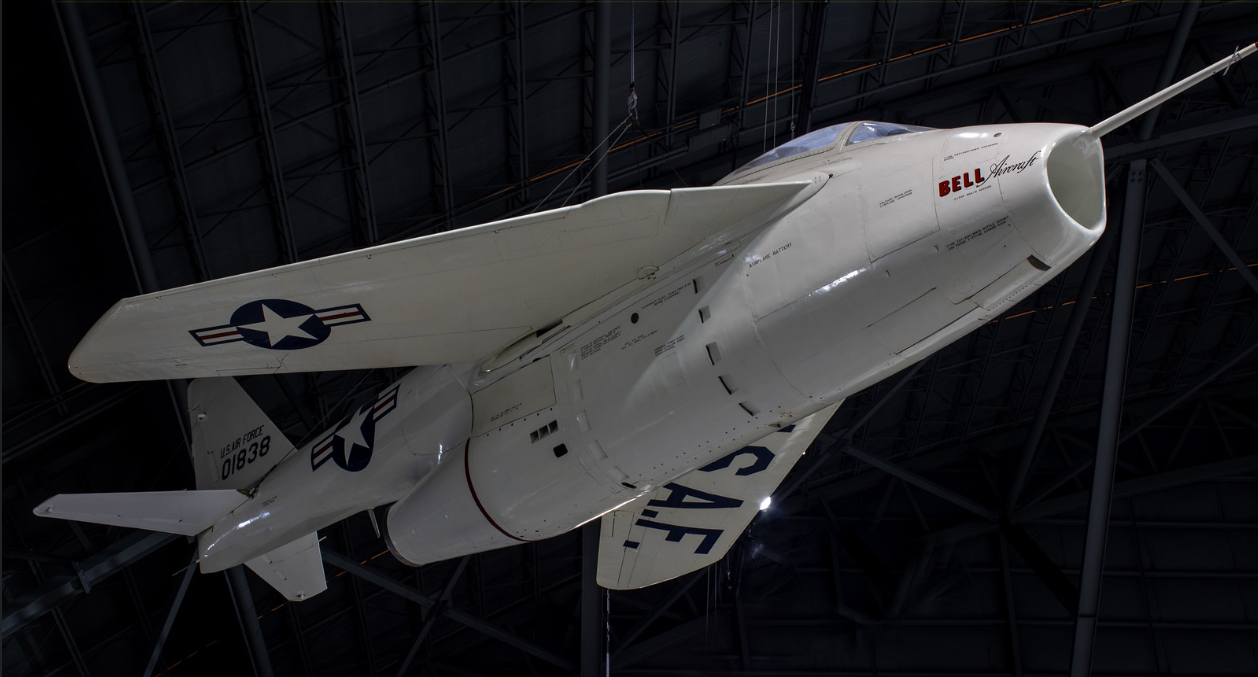
Think of a bird adjusting its wings mid-flight, and there’s the X-5—an aircraft that could sweep its wings back and forth while airborne, searching for the perfect angle like a pianist adjusting the bench height during a concert. The wings moved because Bell wanted to solve the fundamental problem of jet aircraft: straight wings worked beautifully at low speeds but became liability when approaching the sound barrier, while swept wings handled high speeds gracefully but made landing feel like controlled falling.
So the X-5 became this mechanical shapeshifter, its wings sliding from straight-out to swept-back while the pilot worked the controls, trying to find that sweet spot where the aircraft felt balanced rather than temperamental. The whole machine had the stubborn personality of something that knew it was an experiment—cooperative when it felt like it, unforgiving when it didn’t.
Convair XFY-1 Pogo
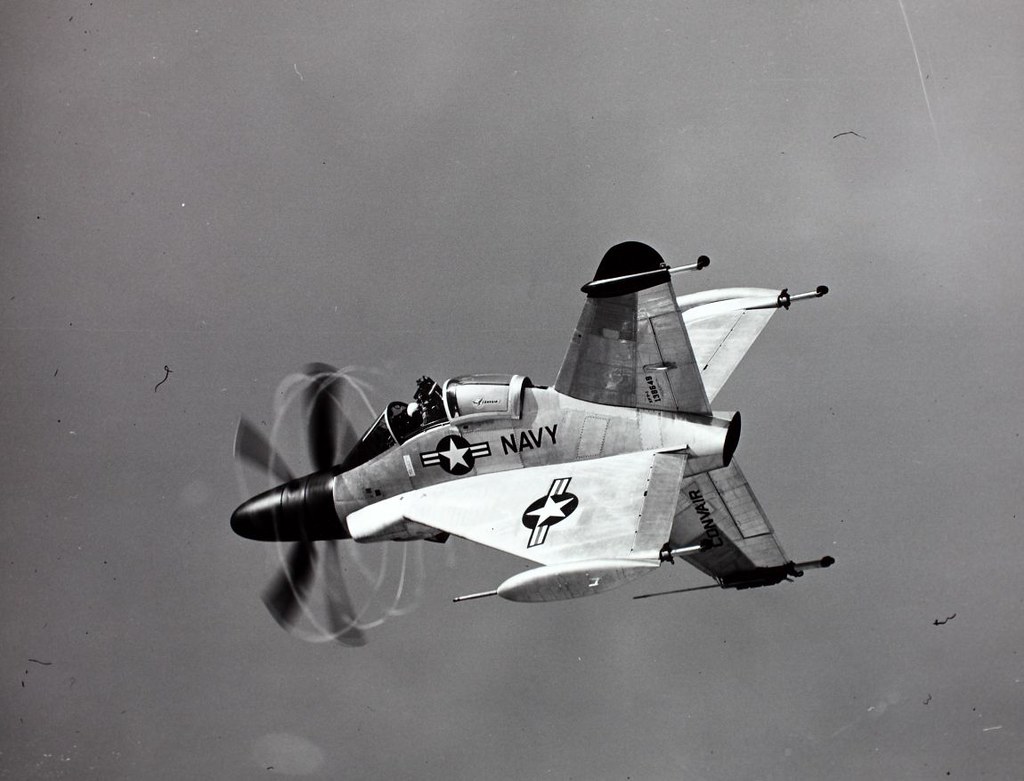
The Pogo was completely ridiculous and everyone knew it. An airplane that sat on its tail, took off straight up like a rocket, then somehow transitioned to horizontal flight.
The pilot sat facing the sky during takeoff and had to land the thing in reverse, backing down onto its tail wheel while looking over his shoulder. It worked, technically.
But asking pilots to land backwards while hovering wasn’t exactly practical for combat situations. The Navy wisely decided that aircraft carriers and vertical-landing jets weren’t ready for each other.
Douglas X-3 Stiletto
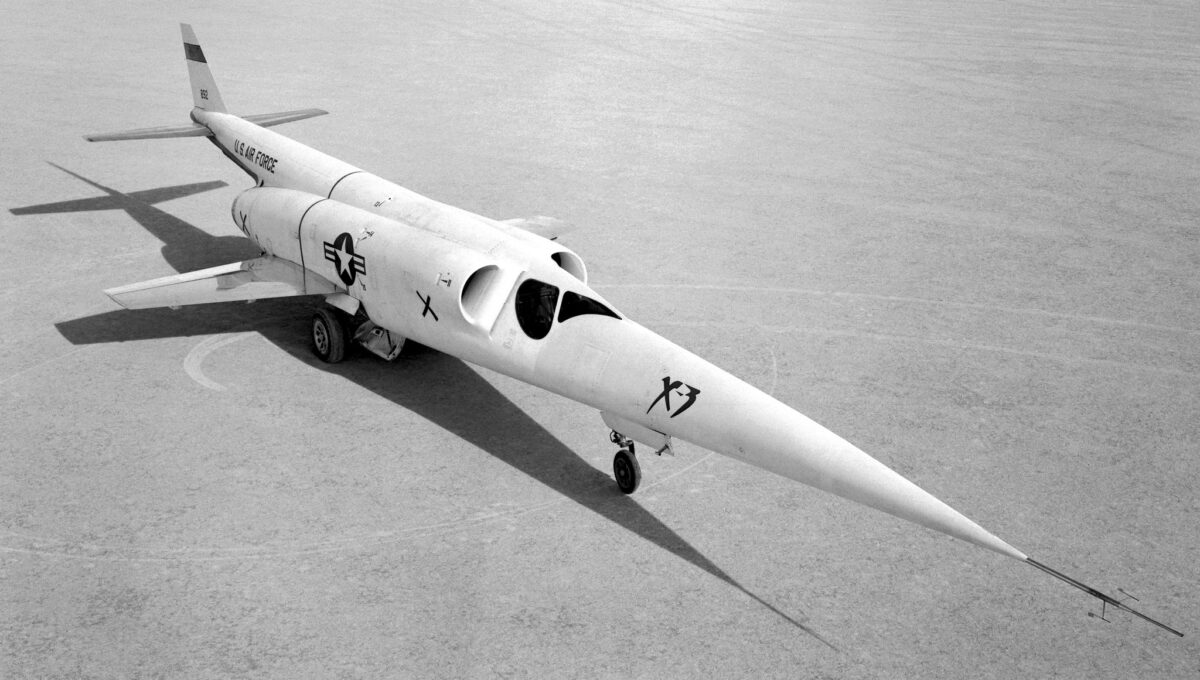
The X-3 was supposed to fly at Mach 2, and it nearly achieved that goal, reaching speeds of approximately Mach 1.95. Long and thin like a steel needle, it sat so low to the ground that getting in required a ladder. The engines were underpowered, the landing gear was too short, and the whole thing looked like it had been stretched on a rack.
But it taught engineers everything they needed to know about high-speed flight. The F-104 Starfighter came directly from lessons learned with the X-3, which makes the Stiletto a failure that succeeded despite itself.
Vought XF5U Flying Flapjack
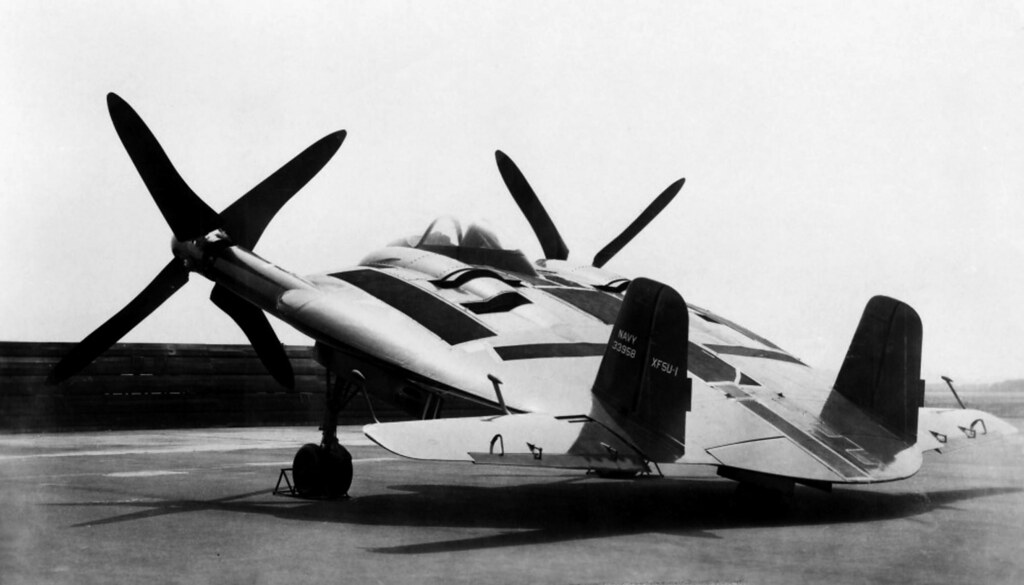
There are aircraft that look unusual, and then there’s the XF5U, which resembled a pancake with propellers—a design so fundamentally strange that ground crews would stop what they were doing just to stare when it taxied past. Vought had convinced the Navy that circular wings might be the secret to carrier operations, offering the low-speed handling needed for tight carrier landings combined with the high-speed performance demanded by modern combat, all wrapped up in a shape that seemed to defy every rule of aerodynamics that had been written up to that point.
The propellers were buried in the wing, spinning at different speeds to control the aircraft instead of using traditional control surfaces, which meant pilots had to learn an entirely new language of flight—one where power settings mattered more than stick and rudder inputs. And yet it never actually flew.
The war ended, jets arrived, and the Navy decided that pancake-shaped fighters were a solution to problems they no longer had.
Consolidated Vultee XP-81
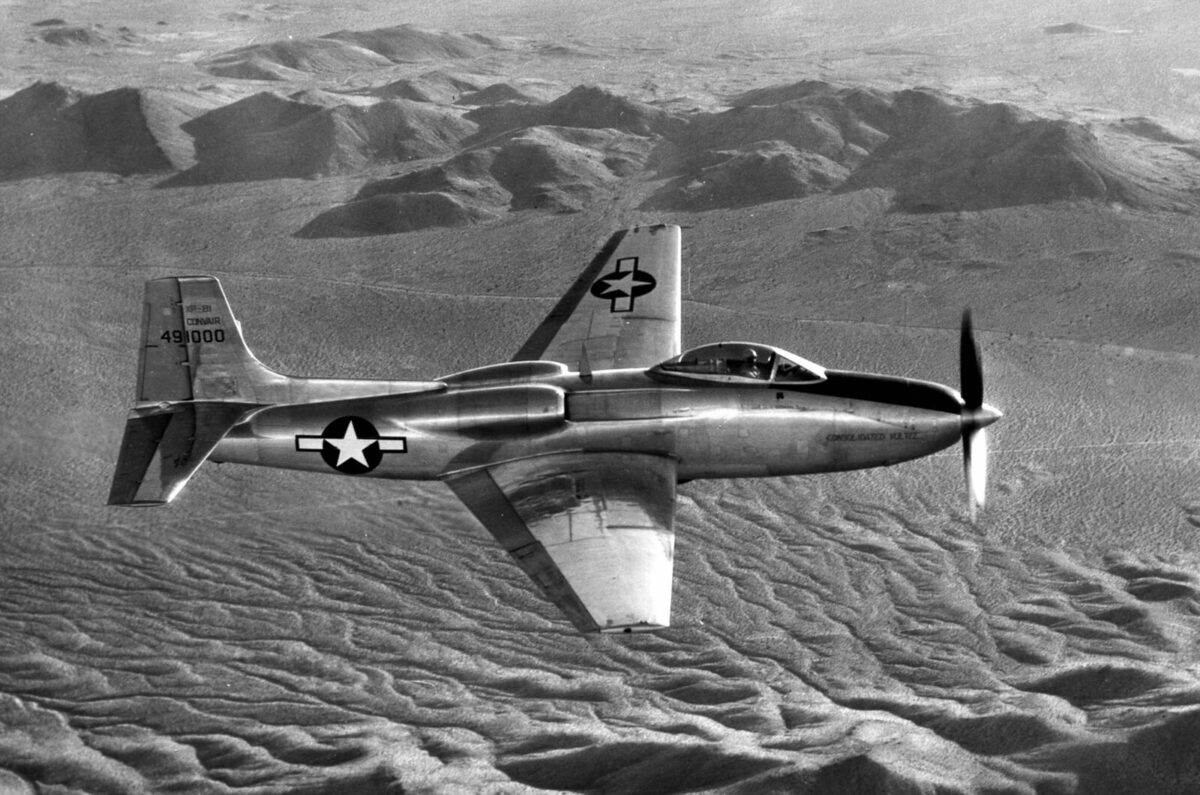
The XP-81 was a hybrid. Part jet, part propeller.
The jet engine powered the aircraft at high altitude, while the turboprop handled takeoff and low-speed flight. It was elegant in theory and complicated in practice.
Two different propulsion systems meant twice as many things that could break. The Air Force took one look at the maintenance requirements and decided that pure jets were simpler.
They weren’t wrong, but the XP-81 pointed toward a future where hybrid power might make sense again.
McDonnell XF-85 Goblin
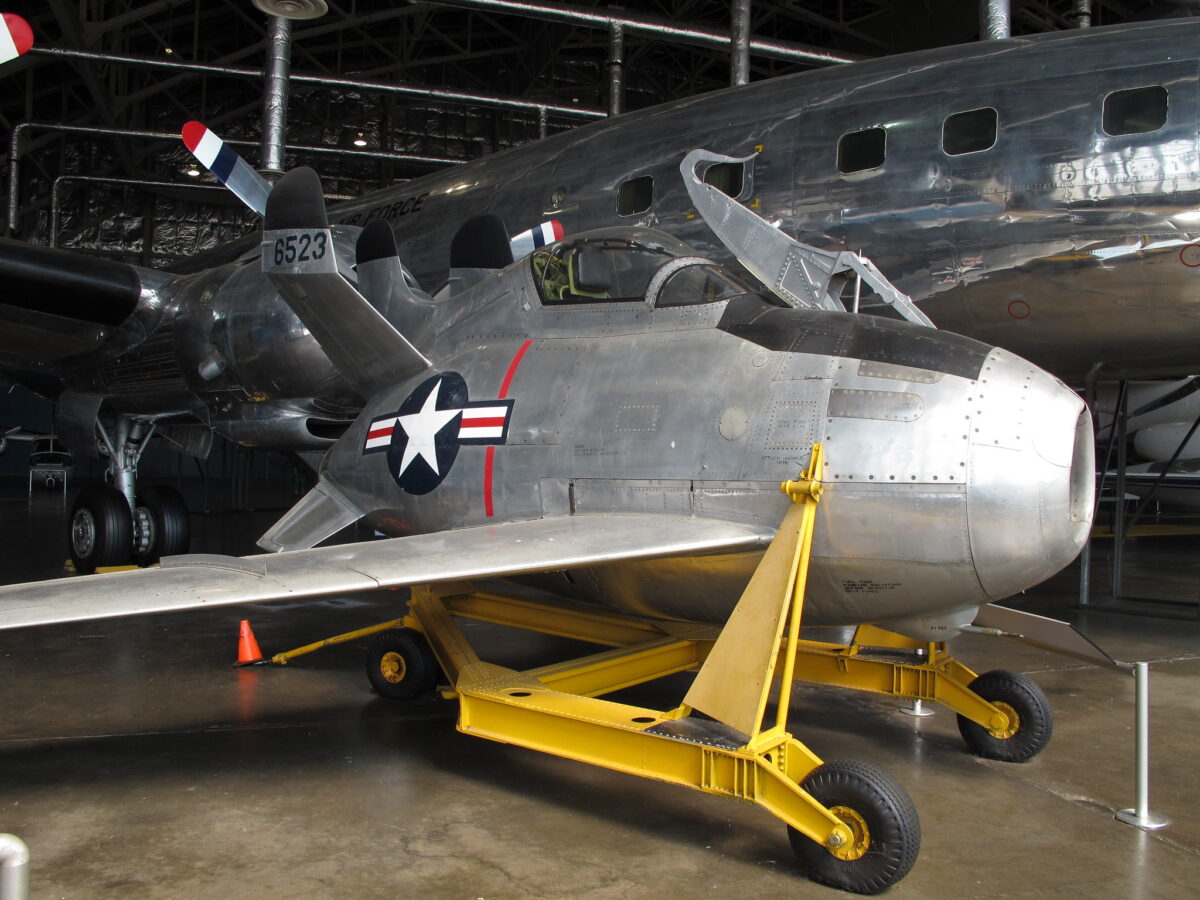
Picture a fighter so small it could fit inside a bomber’s cargo bay, designed to be carried aloft like a parasite and released when enemy fighters appeared—essentially, the Air Force’s attempt to give the B-36 bomber its own personal air force that could deploy anywhere, anytime, without needing a runway within a thousand miles. The Goblin was supposed to hook back onto its mothership after combat, dangling from a trapeze system that required the pilot to fly formation with a bomber while threading a hook through a narrow slot, all while both aircraft bounced through turbulence and the pilot tried not to think about what would happen if he missed.
So naturally, hooking up proved nearly impossible—the little fighter would get caught in the bomber’s turbulence and bounce around like a yo-yo, with test pilots describing the experience as trying to thread a needle during an earthquake while riding a bucking horse. The whole concept died when mid-air refueling made long-range escorts practical.
Suddenly, normal-sized fighters could go anywhere bombers could go.
Northrop XP-79 Flying Ram
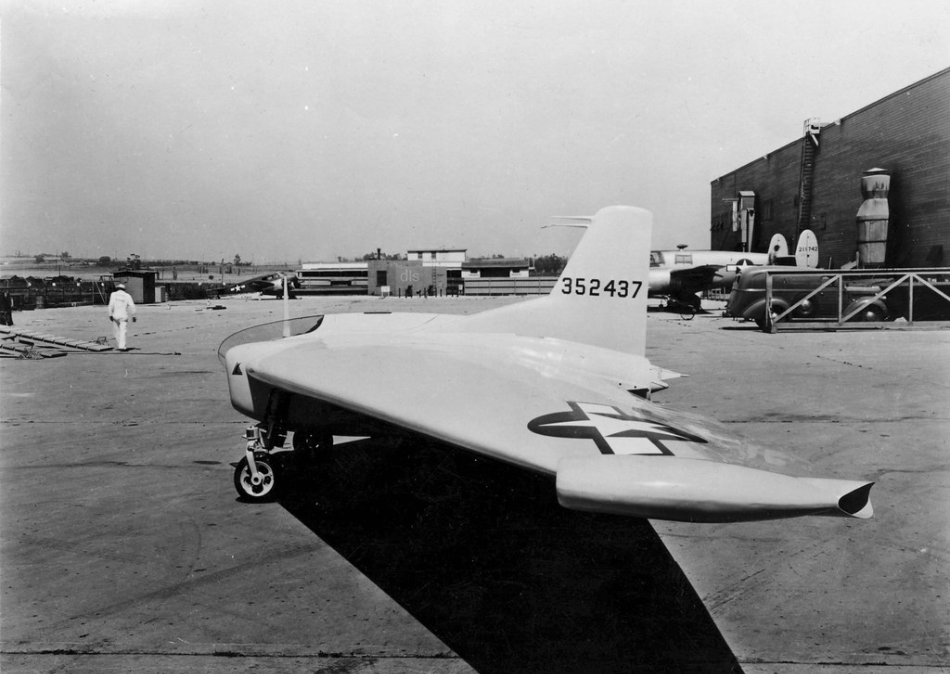
The XP-79 was designed to ram enemy aircraft. On purpose.
The pilot lay flat on his stomach, the wings were reinforced with steel, and the whole thing was built to survive collisions that would destroy normal fighters. It crashed on its first flight, killing the test pilot.
Turns out that aircraft designed for ramming are inherently unstable, and lying prone makes it harder to control an aircraft that’s already difficult to fly. The program ended immediately.
Curtiss XF-87 Blackhawk
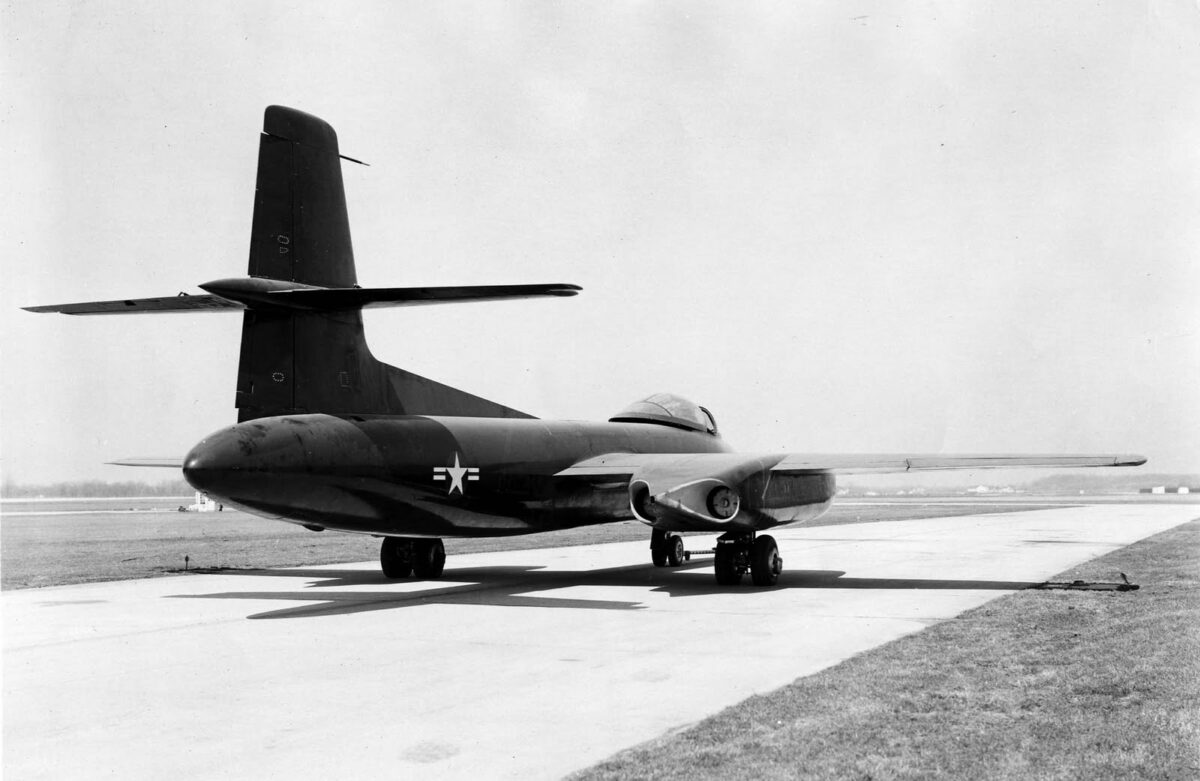
The XF-87 was supposed to be a night fighter. Four jet engines, radar in the nose, room for a crew of two.
It looked menacing and flew adequately, but “adequately” wasn’t good enough when other manufacturers were building jets that flew exceptionally well. Curtiss never recovered from the XF-87’s lukewarm reception.
The company that had dominated aviation in the 1930s couldn’t adapt to the jet age, and the Blackhawk became their last attempt at military aircraft.
Bell X-1A
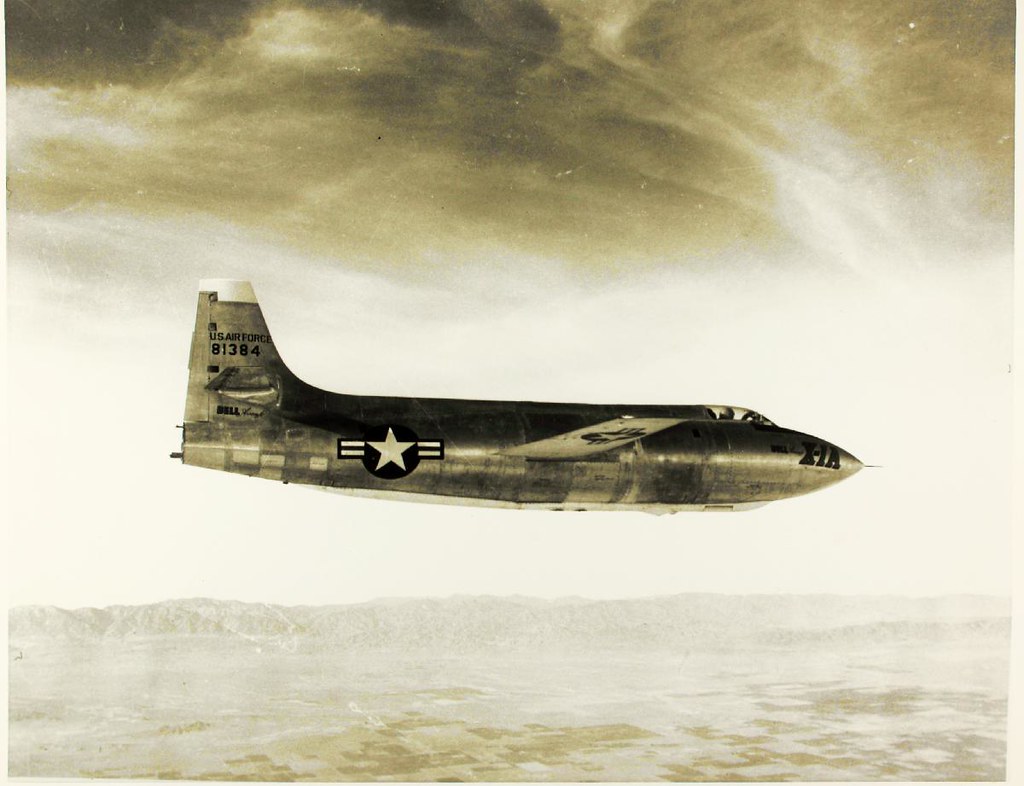
There’s something almost innocent about an aircraft whose only job was to go faster than anything had gone before—no weapons, no complex systems, just a rocket engine, a cockpit, and the kind of pilot willing to strap himself to barely controlled explosion and see what happened next. The X-1A picked up where the original X-1 left off, pushing deeper into supersonic territory where the air behaved differently and aircraft could suddenly become uncontrollable without warning, a realm where test pilots earned their reputation one flight at a time by surviving speeds that turned minor mistakes into major disasters.
Chuck Yeager took it past Mach 2.4 before it went into an uncontrolled spin that nearly killed him, tumbling through the sky like a bullet fired from a rifle, completely unresponsive to normal flight controls until he managed to recover at a much lower altitude with his hands shaking and his respect for supersonic flight considerably enhanced. But it gave engineers the data they needed to design jets that could handle those speeds routinely.
The X-1A was never meant to be practical—it was meant to teach lessons that couldn’t be learned any other way.
Chance Vought XF7U Cutlass
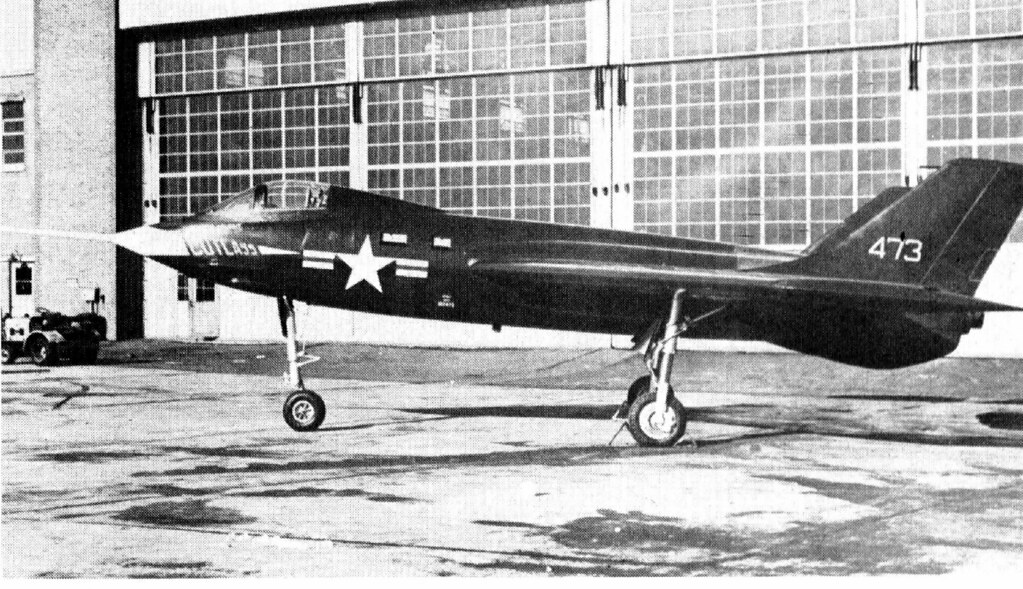
The Cutlass was cursed. Swept wings, twin engines, no horizontal tail, and a landing gear system that collapsed regularly.
Navy pilots called it the “Gutless Cutlass” because the engines were underpowered and the aircraft killed more pilots than enemy fighters ever could. It looked futuristic and flew like it was designed by someone who had never seen an aircraft before.
The Navy eventually gave up and ordered something more conventional. The Cutlass became a cautionary tale about prioritizing appearance over airworthiness.
When the Experiments Ended
These aircraft represent something that might be disappearing from military aviation—the willingness to build something completely untested just to see if it might work. The Cold War created an environment where failure was acceptable as long as it taught valuable lessons, where engineers could propose aircraft that looked ridiculous and still receive funding to build prototypes.
Modern military aircraft development is more cautious, more computer-modeled, more predictable. That’s probably wise, but it’s also less interesting.
There’s something to be said for an era when test pilots showed up to work never quite knowing whether they’d be flying a revolutionary breakthrough or a death trap with wings.
More from Go2Tutors!

- The Romanov Crown Jewels and Their Tragic Fate
- 13 Historical Mysteries That Science Still Can’t Solve
- Famous Hoaxes That Fooled the World for Years
- 15 Child Stars with Tragic Adult Lives
- 16 Famous Jewelry Pieces in History
Like Go2Tutors’s content? Follow us on MSN.