Spelling Bee Words That Adults Misspelled
Some words just refuse to behave. You read them a hundred times, feel confident you’ve got them, then freeze the moment someone asks you to spell them out loud.
It happens to everyone — college graduates, seasoned writers, people who grew up reading dictionaries for fun. English is inconsistent enough that even the most careful spellers hit a wall with certain words.
The spelling bee isn’t just for kids. Adults who’ve entered competition versions of the event have stumbled on some genuinely tricky words. Here’s a look at the ones that cause the most trouble — and why they’re so hard to get right.
Accommodate
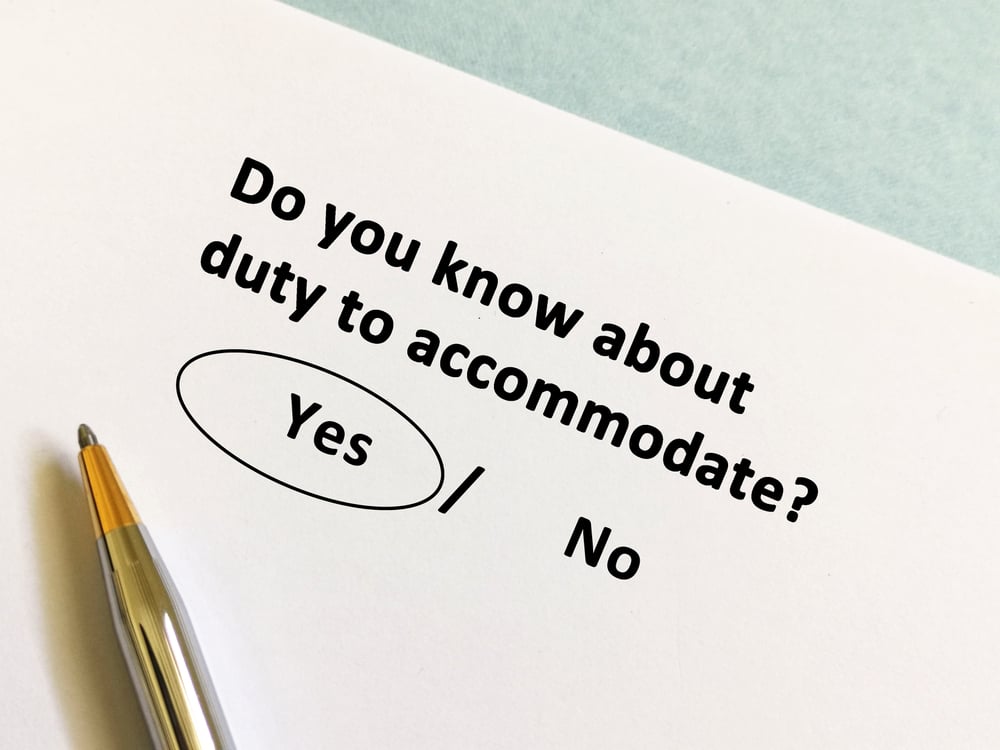
This word trips people up because of its double letters — two c’s and two m’s. Most people remember one set of doubles but forget the other.
The logic is simple enough once you see it: you accommodate something by making room for it, and there’s room for both pairs. But in the heat of a spelling bee, that logic disappears fast.
Liaison
The letter arrangement here is unusual enough that it feels wrong even when you spell it correctly. That second “i” sitting between the “a” and the “s” seems out of place. People often drop it entirely or rearrange the vowels.
It’s the kind of word that looks like a typo no matter what you do.
Desiccate

Two c’s, one s. Or is it two s’s, one c? That’s the question most people ask themselves while spelling this word, and they often guess wrong.
The word means to dry out completely, which is ironic because it drains your confidence just as thoroughly.
Acquiesce
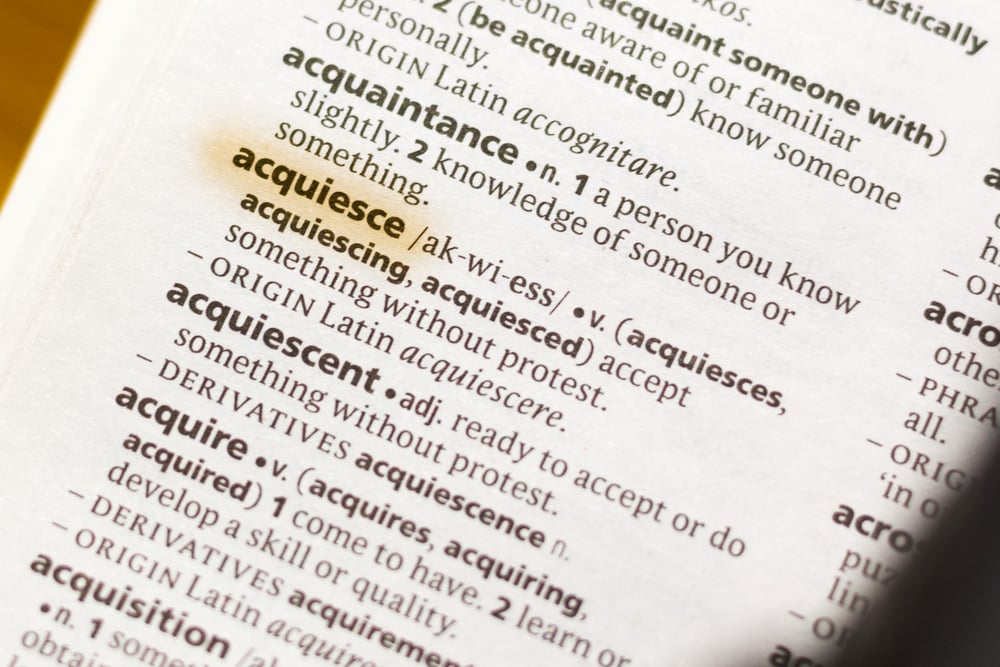
The “cqu” combination at the start already looks suspicious. Then you have to remember the “ie” in the middle before closing with “sce.”
There are a lot of moving parts for a word that just means to go along with something. Adults in spelling competitions have been eliminated by this word more than a few times.
Bureaucracy

The “eau” vowel cluster is borrowed from French, and English speakers aren’t used to seeing it. You know the word, you use it all the time, but when you try to spell it without writing it down first, the middle section becomes a guessing game.
“Bur” seems right, then “eau” feels shaky, then “cracy” saves you — if you remember it.
Conscientious
This word asks you to navigate through “sci,” then “enti,” then “ous” without losing your footing. The “sc” making a “sh” sound is already a curveball.
String everything together and you have a word that looks different than it sounds in at least three places.
Connoisseur

Two n’s, then “oi,” then double “s,” then “eur.” The French influence is heavy here.
The ending especially trips people up — many adults instinctively write “er” instead of “eur,” which is close but still wrong. Getting this one right in a competition feels like a small victory.
Millennium
One l or two? Two n’s or one? People split on both questions. It’s two l’s and two n’s, but there’s no strong phonetic clue in the word to remind you of that.
Given how often this word appeared around the year 2000, it’s surprising how many people still get it wrong.
Supersede
The ending is the problem. Most words in the same family — “intercede,” “precede,” “concede” — end in “-cede.” This one ends in “-sede.”
It’s the only common English word with that ending, which makes it a reliable trick question in any spelling competition.
Separate

It’s “sep-a-rate,” not “sep-e-rate.” The middle vowel is an “a,” but people consistently hear and write an “e.”
Even people who know the rule still pause before writing it. One way to remember it: there’s a “rat” hiding in the middle of the word.
Once you see it, you can’t unsee it.
Gauge
A strange little cluster of four letters sitting together oddly. Though brief, its shape tricks the eye thanks to the “au” pair near the front.
That quiet e on the end does nothing but confuse things further. People often flip the first two vowels by mistake.
Some leave one out completely when trying to write it fast. Hardly anyone feels sure about it even though it barely takes up space.
Occurrence
Two c’s show up, also two r’s – yet never side by side, nor in a clear sequence. This term obeys structure, though only if you grasp the correct rule at each point.
Most folks nail one doubled set, then slip on the second. Tack on that “-ence” tailpiece and errors multiply fast.
Pharaoh
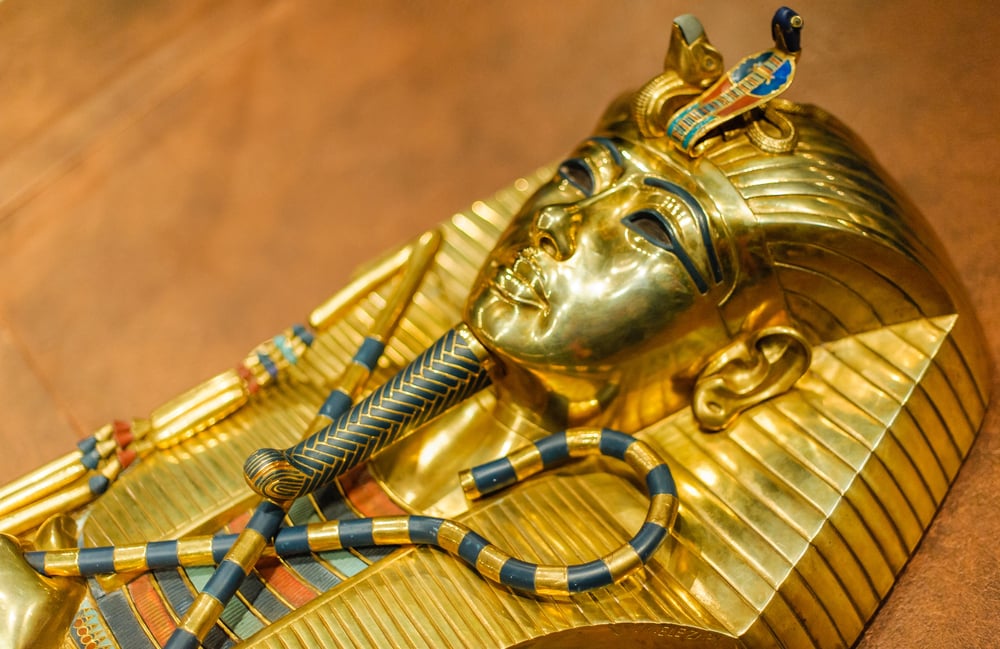
That “aoh” tail hardly shows up in English beyond this one case. Folks try sounding it out, land on “pharoh” or “faraoh” – both seem fine until you spot the actual form.
These old Egyptian labels never really cared about how English likes to spell things.
Irresistible
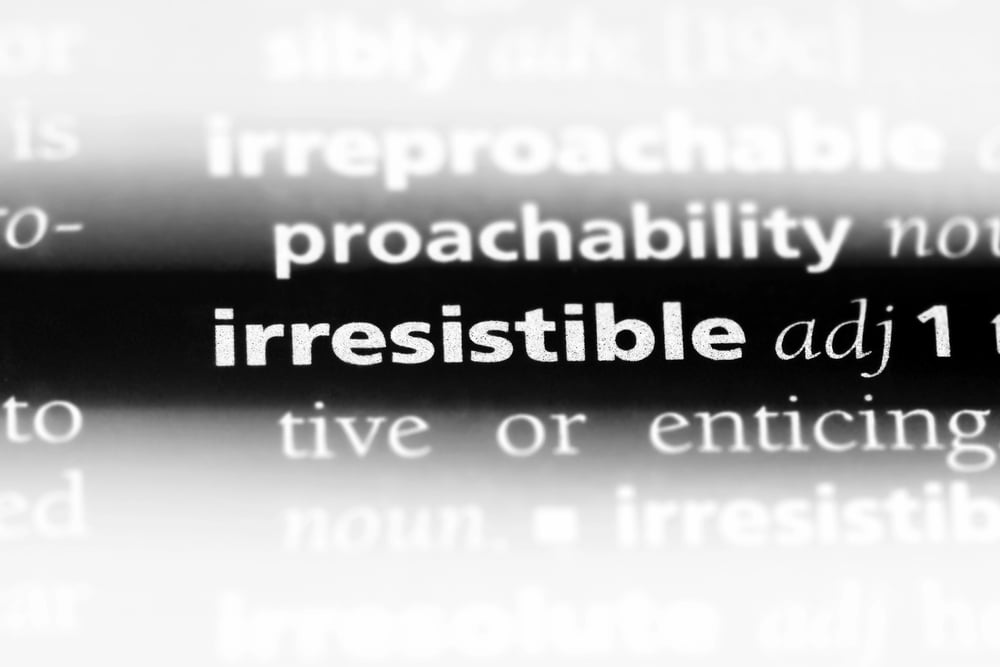
It ends with “-ible,” not “irresistable.” No pattern explains when to use “-ible” instead of “-able” – you must memorize it.
Words such as “digestible” and “permissible” trip people up too. Logic won’t save you; grown-ups stumble often.
Knowing beats guessing.
The Words That Stick Around

Getting a word wrong while people watch changes how you remember it. Say “acquiesce” aloud and mess up, standing there with everyone listening, and suddenly the right letters stay put.
The moment someone sees you stumble, the correction sinks deeper than any silent glance at a page ever could. Spelling in English often seems loose, thanks to a long habit of borrowing from other tongues.
That word ending? Probably wandered in from France one day. Words here carry pieces pulled from Latin soil, Greek thought, even old northern winds.
Learning them feels messy not due to neglect. The trouble lives in the structure.
Rules shift when ancient parts collide mid-sentence. These terms resist order simply because the system allows chaos.
More from Go2Tutors!

- The Romanov Crown Jewels and Their Tragic Fate
- 13 Historical Mysteries That Science Still Can’t Solve
- Famous Hoaxes That Fooled the World for Years
- 15 Child Stars with Tragic Adult Lives
- 16 Famous Jewelry Pieces in History
Like Go2Tutors’s content? Follow us on MSN.