16 Weirdest Patents Ever Filed
The human desire to invent knows no bounds. Throughout history, people have dreamed up solutions to problems that didn’t exist, improvements that weren’t needed, and contraptions that defy logic.
The patent office has seen it all — from the brilliant to the bizarre, the revolutionary to the ridiculous. These 16 patents represent the stranger side of human ingenuity, where creativity meets confusion and innovation takes a hard left turn into the absurd.
Pet Rock
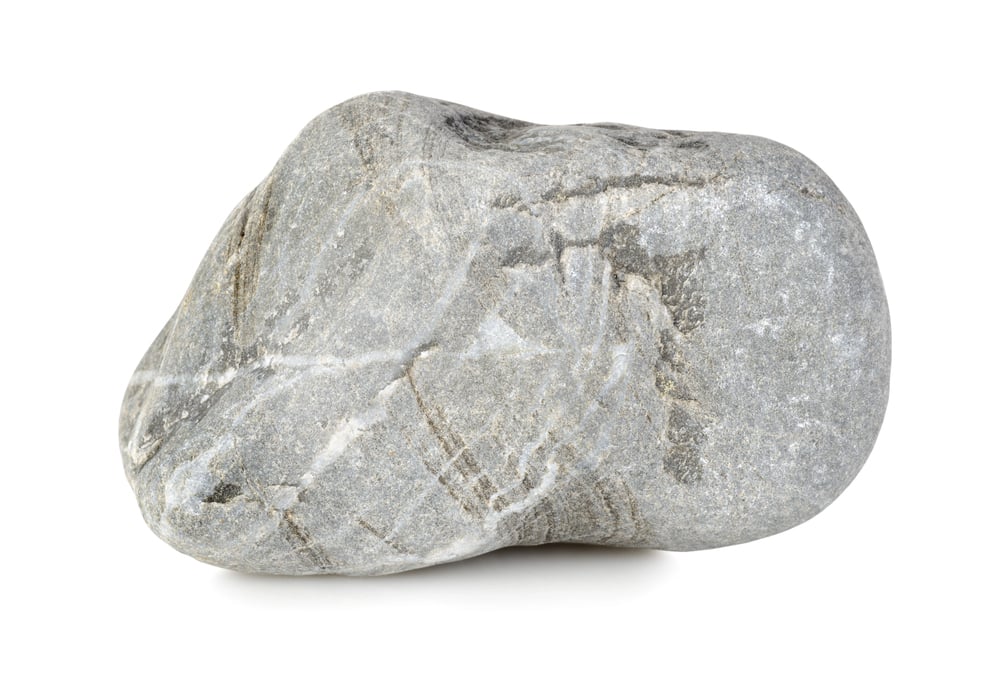
Yes, someone actually tried to patent the Pet Rock. Gary Dahl didn’t succeed in getting exclusive rights to selling rocks as companions, but the attempt alone deserves recognition.
The rock required no feeding, no walking, and no attention whatsoever. Perfect for people who found houseplants too demanding.
The patent application outlined detailed care instructions for an inanimate object, which might be the most elaborate joke ever submitted to government bureaucrats.
Motorized Ice Cream Cone
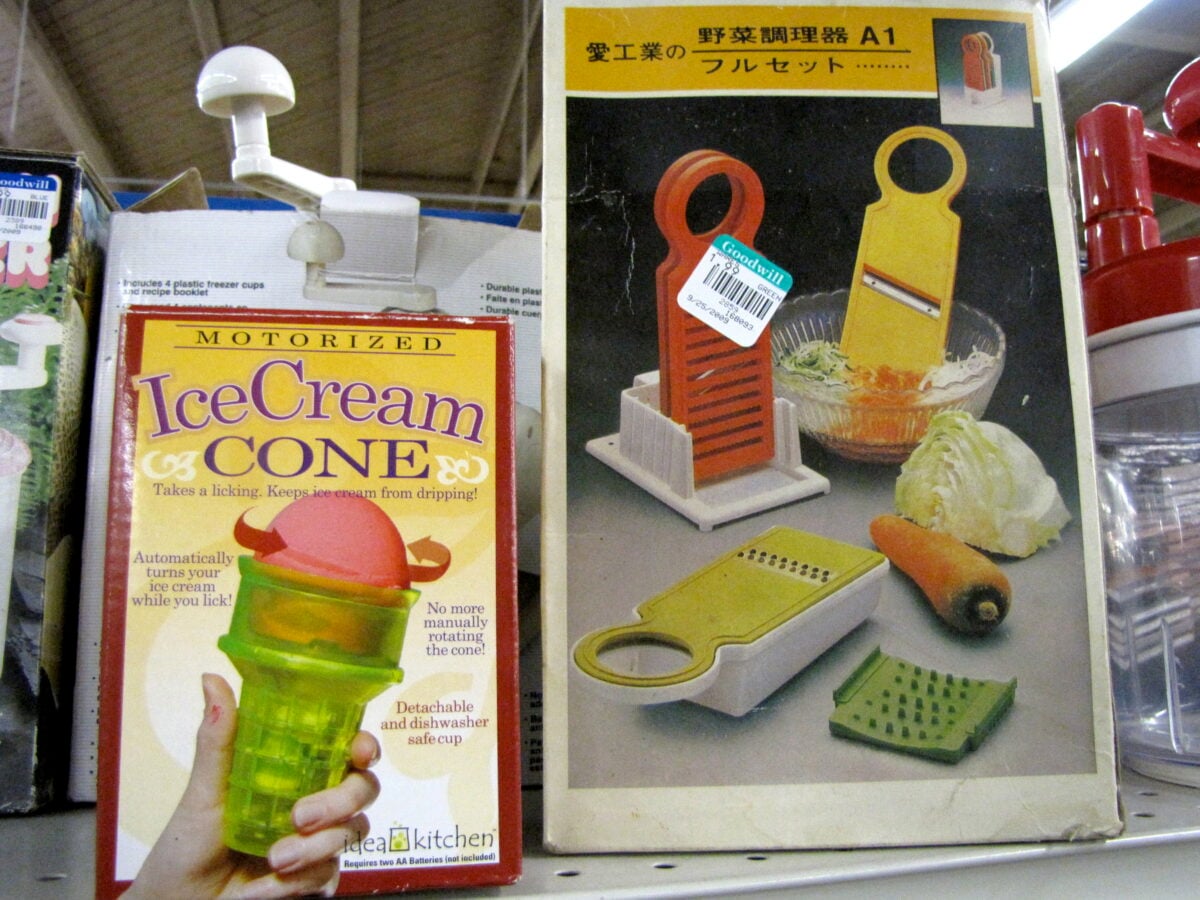
Patent US5971829A describes a battery-powered ice cream cone that rotates automatically. The inventor believed licking ice cream in circles was too much work for the average person. Press a button and let technology handle the tongue coordination.
The device includes a small motor housed in the cone’s base, which (presumably) doesn’t affect the taste, though nobody seems particularly eager to find out. It solves a problem that existed only in the mind of someone who had clearly overthought dessert consumption to an uncomfortable degree.
And yet, watching a cone spin while you hold your tongue still does have a certain absurd appeal — which might be the most unsettling part of all.
Anti-Eating Face Mask
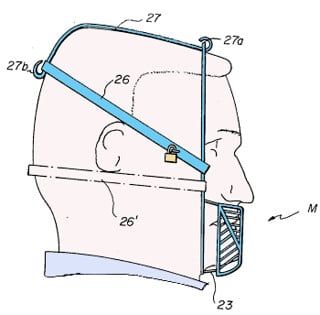
This contraption looks like medieval torture equipment but was marketed as a diet aid. The mask covers the mouth with metal bars, allowing liquids to pass through but blocking solid food.
Patent holders claimed it would help people lose weight by making eating inconvenient. The device transforms every meal into a negotiation between hunger and dignity.
Wearing it to a restaurant sends a message about self-control that probably wasn’t intended. The patent documentation treats this as perfectly reasonable, which suggests the inventors never actually tried eating soup through prison bars attached to their face.
Kissing Shield
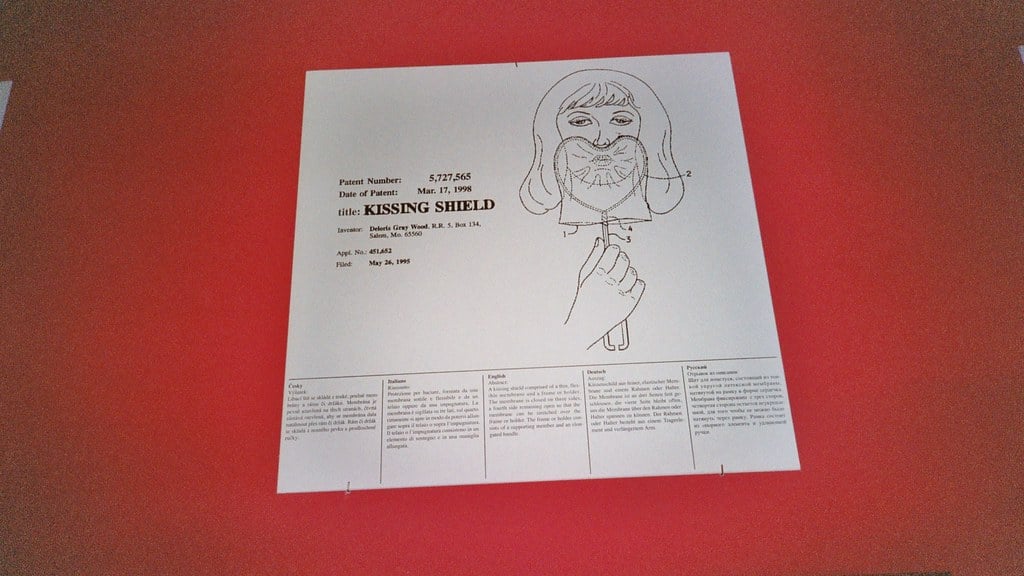
Patent US1663884A presents a solution to the age-old problem of unwanted germ transmission during intimate moments. The thin membrane barrier allows for romantic contact while maintaining sanitary conditions.
The inventor clearly prioritized health over spontaneity. Marketing this device must have required delicate phrasing.
The patent describes the shield’s ability to provide “intimate contact without direct contact,” which sounds like relationship advice from someone who fundamentally misunderstands relationships.
Banana Protection Device
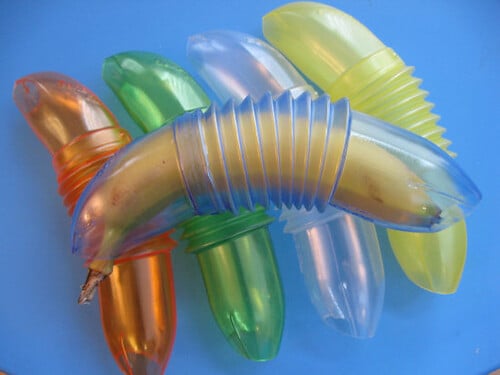
Someone looked at nature’s perfect packaging and decided it wasn’t good enough. This plastic case protects individual bananas from bruising during transport.
The fruit already comes with its own biodegradable wrapper, but apparently that wasn’t secure enough for modern life. The device represents humanity’s tendency to over-engineer solutions to problems that don’t exist.
Bananas survived millions of years without plastic protection. They’ll probably be fine in your lunch bag.
Toilet Paper Roll Hat
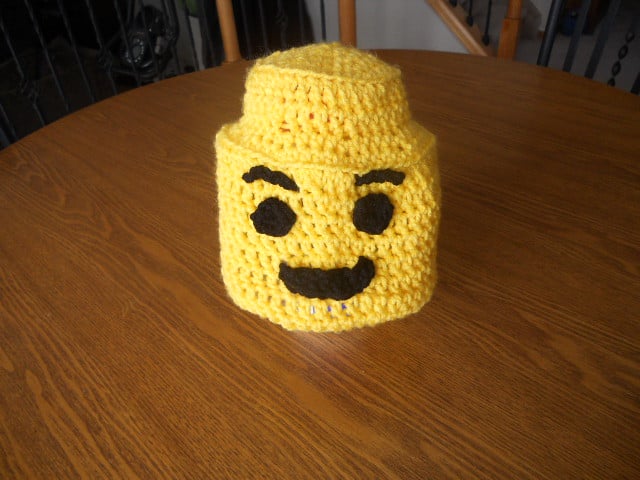
Patent US6637447B2 describes headwear designed to hold a toilet paper roll for convenient access. The hat includes a spring-loaded mechanism that dispenses paper when tugged.
It’s wearable bathroom supplies for people who found reaching for the roll too inconvenient. The inventor envisioned scenarios where hands-free tissue access would prove essential, though none of the examples in the patent documentation seem particularly convincing.
The device solves a mobility problem that affects virtually nobody while creating a fashion problem that affects everyone in the vicinity. But there’s something admirably committed about turning your head into a dispenser — it takes confidence to patent something this aggressively practical.
Fish Exerciser
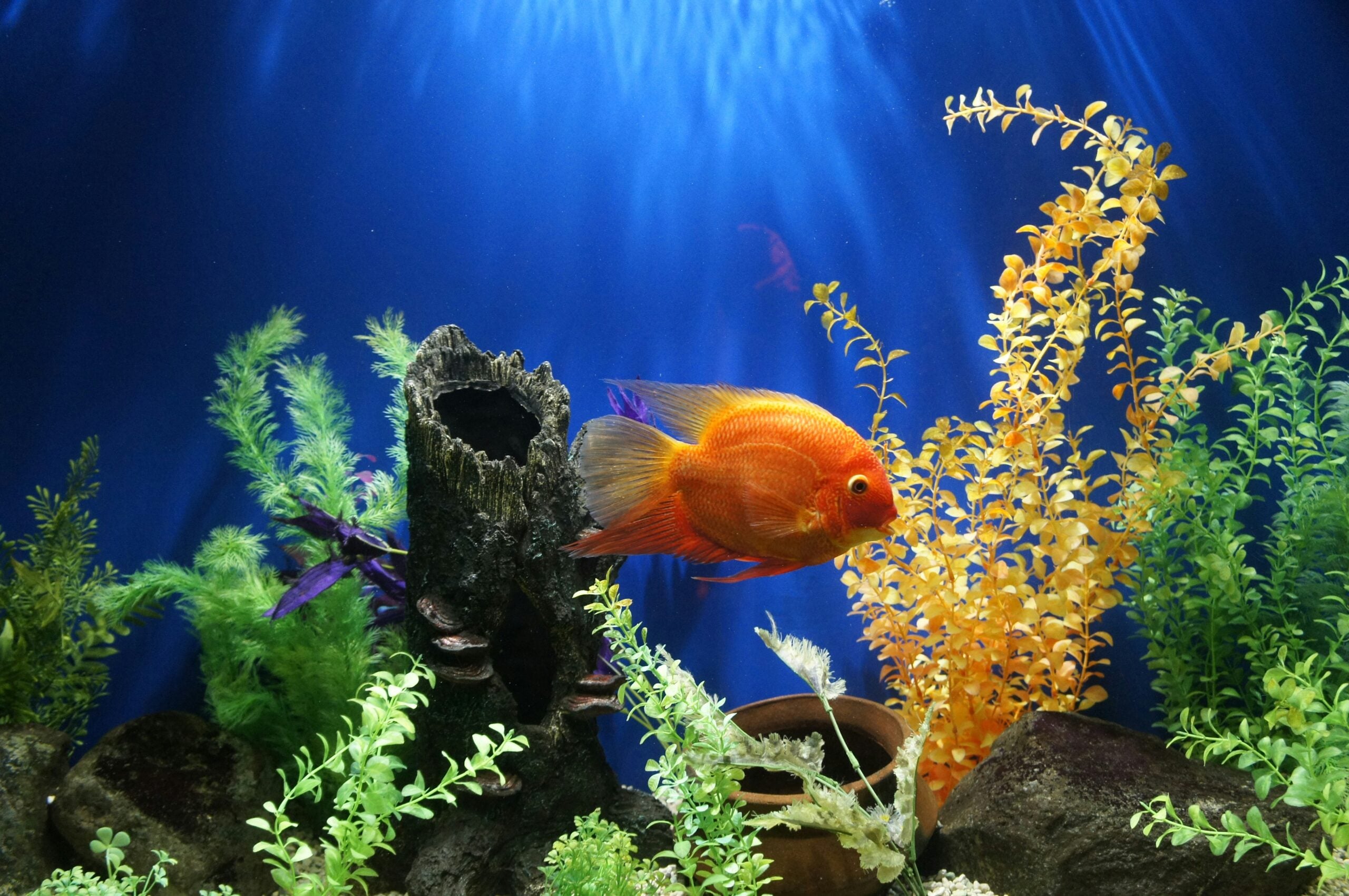
This device provides workout equipment for pet fish who aren’t getting enough activity in their tanks. The mechanism creates underwater obstacles and moving targets to encourage swimming.
Patent US5799611A treats fish fitness as a serious concern requiring technological intervention. Fish have been swimming successfully for roughly 500 million years without gym equipment.
The patent suggests they’ve been doing it wrong the entire time. The device promises to solve fish obesity and boredom, two problems that seem suspiciously specific to modern pet ownership rather than aquatic biology.
Buttock Lift Device
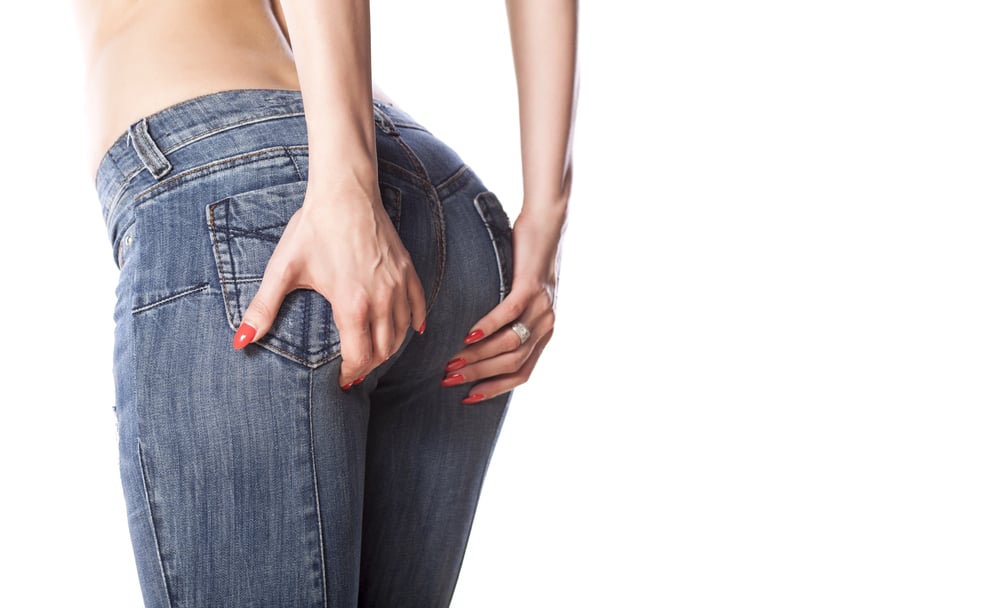
Patent US20010049951A1 describes a pneumatic system designed to assist people in standing up from chairs. The device inflates rapidly to provide upward momentum for users who find rising under their own power challenging.
It turns every seat into a mild ejection mechanism. The patent documentation approaches this with scientific seriousness, including detailed diagrams of proper positioning and pressure calculations.
The inventors clearly put considerable thought into mechanizing something humans have managed independently since the invention of furniture. The device represents the intersection of genuine helpfulness and absurd over-engineering — though anyone who’s ever struggled to get out of a deep couch might understand the appeal.
Crustacean Restraint Device
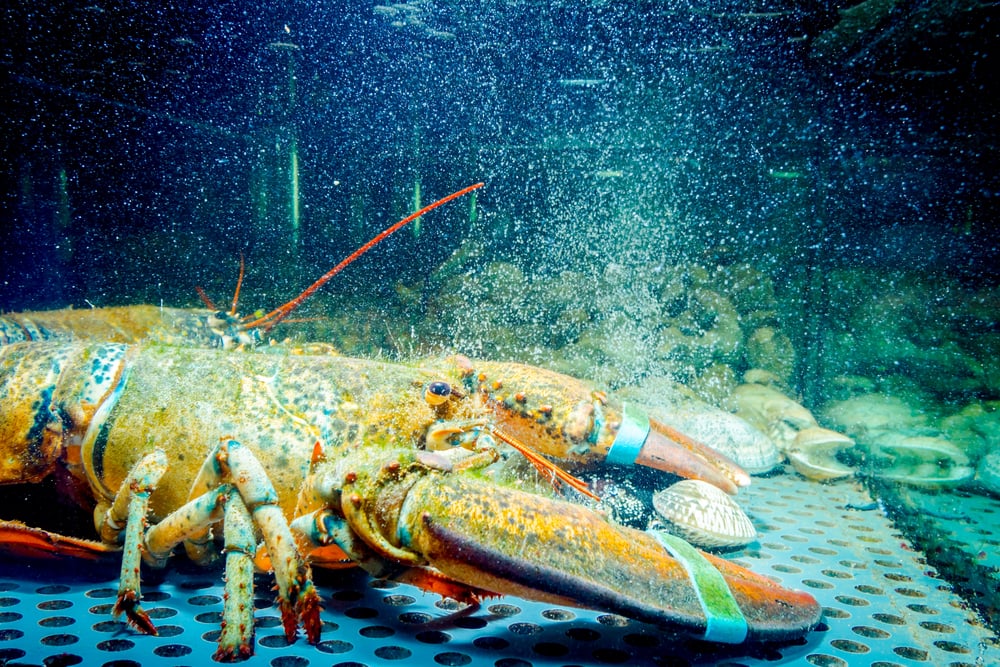
This patent describes a humane method for immobilizing lobsters and crabs during cooking preparation. The device holds the creatures still while maintaining what the inventors call “dignified positioning.”
It’s a straightjacket for shellfish designed by someone with an unusually active conscience about kitchen ethics. The patent treats crustacean comfort as a legitimate engineering challenge.
The detailed specifications suggest the inventors spent considerable time thinking about lobster psychology and crab anxiety levels.
Greenhouse Helmet
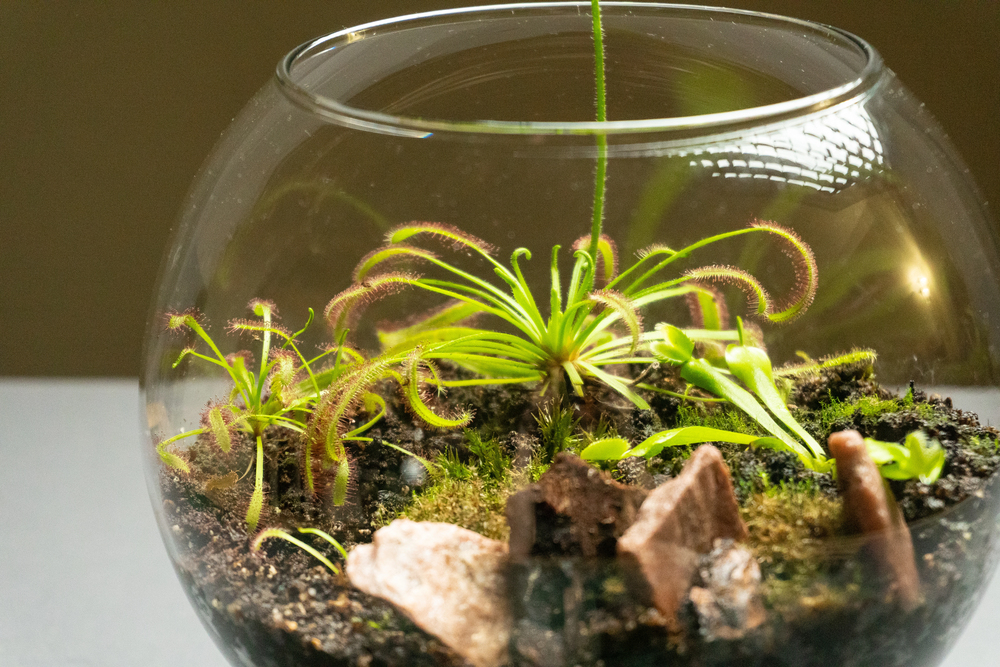
Patent US4605000A presents a portable growing environment worn on the head. The transparent dome creates a controlled atmosphere for cultivating small plants using body heat and exhaled carbon dioxide.
It’s personal agriculture that makes the wearer look like they’re from another planet. The device promises fresh herbs grown directly on your scalp, which raises questions about both practicality and hygiene that the patent documentation doesn’t adequately address.
The inventors envisioned people walking around with miniature gardens on their heads, contributing to food production while going about their daily business. The mental image of commuters wearing plant-filled helmets suggests a future that’s either wonderfully sustainable or mildly dystopian — possibly both.
Dog Umbrella
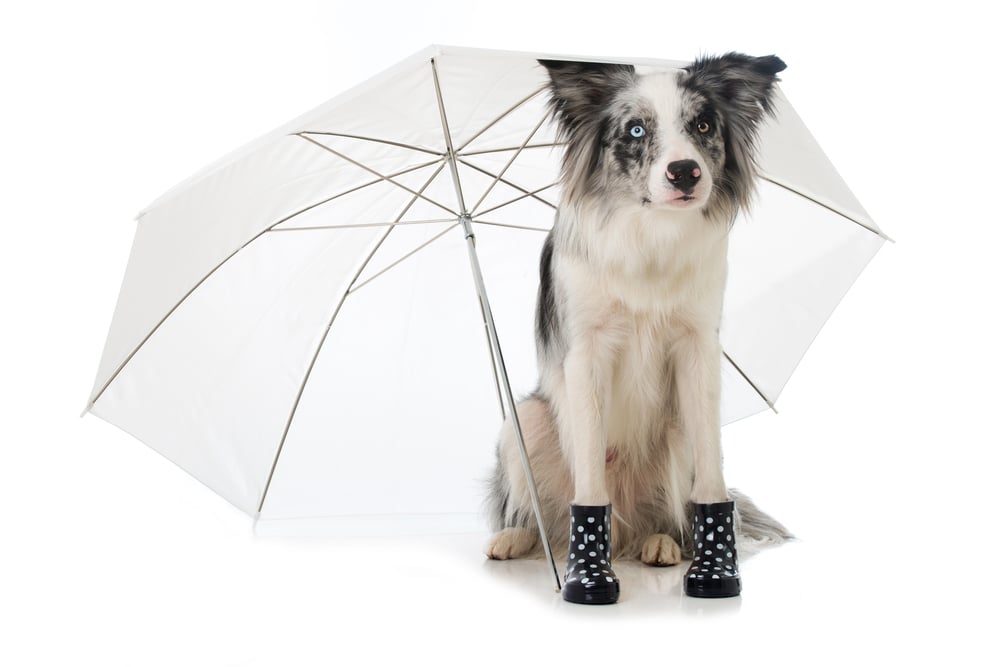
This miniature umbrella attaches to dog collars to keep pets dry during walks. Patent US5056471A describes the mechanism for hands-free canine weather protection.
The device frees dog owners from holding umbrellas over their pets while maintaining their own dry comfort. Dogs have survived rain for thousands of years without personal weather protection.
The patent suggests modern pets require meteorological assistance that their ancestors somehow managed without. The sight of a dog wearing its own umbrella definitely makes a statement about contemporary pet ownership priorities.
Flatulence Deodorizer
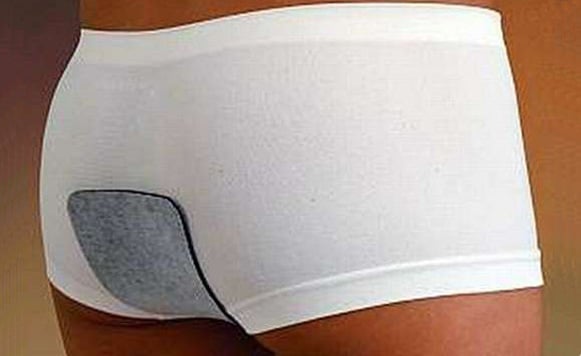
Patent US6312456B1 presents a wearable device designed to neutralize bodily gas emissions through activated charcoal filtration. The discreet undergarment attachment processes air in real-time to eliminate offensive odors.
It’s environmental engineering on a very personal scale. The patent documentation discusses airflow dynamics and molecular filtration with the seriousness typically reserved for industrial applications.
The inventors approached this deeply human problem with scientific rigor, creating what amounts to a personal air purification system worn inside clothing.
Baby Mop Outfit
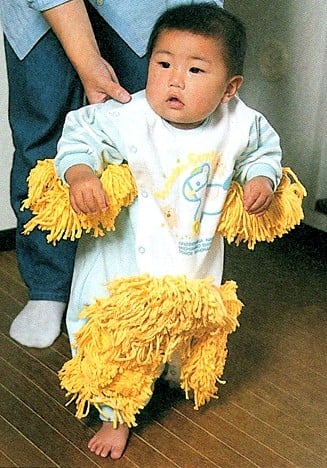
This infant clothing doubles as a floor cleaning device. Patent US6978506B1 describes how the outfit’s fabric construction allows crawling babies to dust and mop surfaces while moving around naturally.
It turns child development into household maintenance. The patent treats infant mobility as an untapped cleaning resource that modern homes have been wasting.
The inventors saw crawling babies and envisioned a workforce rather than developing humans. The device promises spotless floors through the natural movements of exploring children, which sounds efficient until you remember that babies crawl on those same floors with their hands and knees.
Ear Warmer for Horses
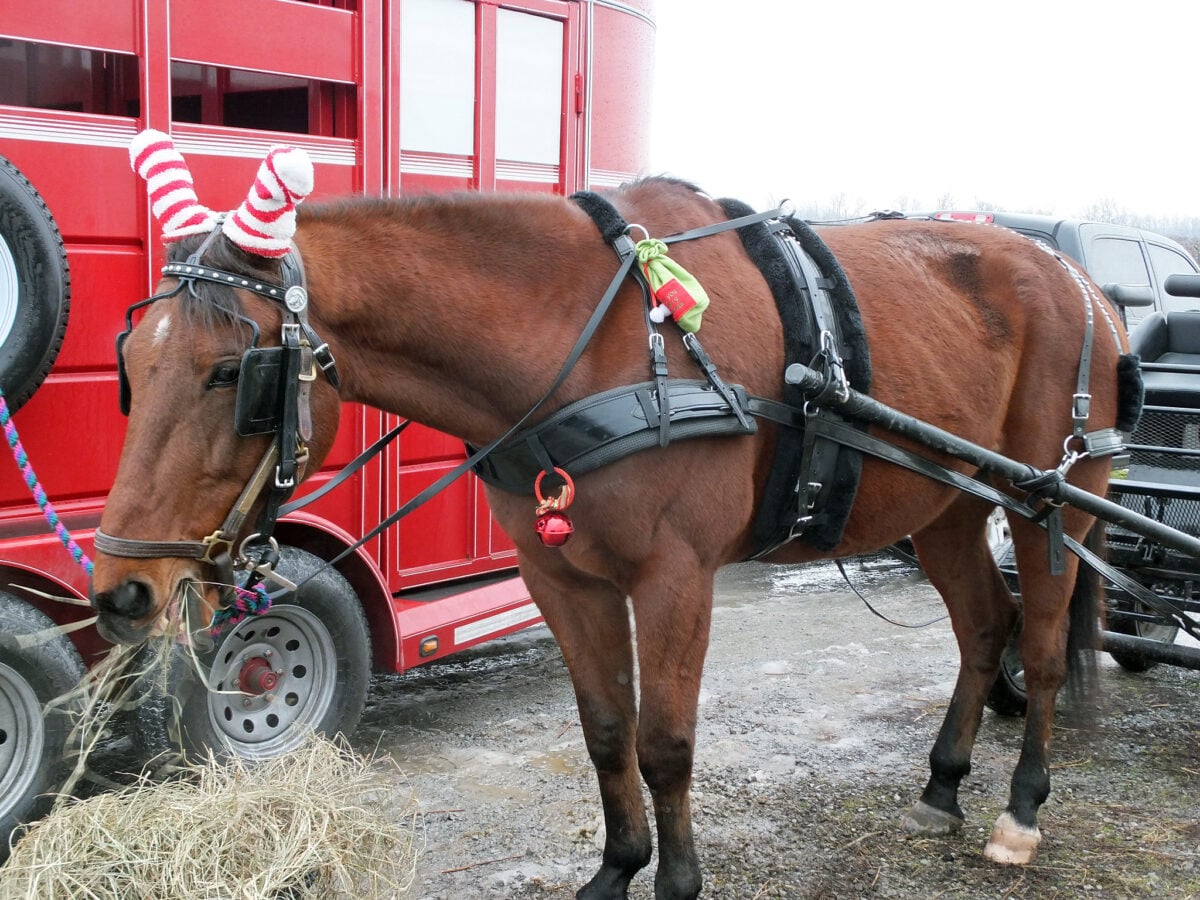
Patent US4480343A describes thermal protection specifically designed for equine ears during cold weather. The device attaches to bridles and provides insulation without interfering with hearing or movement.
It’s winter fashion for animals who never requested weather accessories. Horses evolved in climates that included winter conditions.
Their ears developed natural cold resistance over millions of years of evolution. The patent suggests this biological adaptation wasn’t quite adequate for modern equestrian needs, requiring human-designed improvements to natural horse anatomy.
Tongue Brush
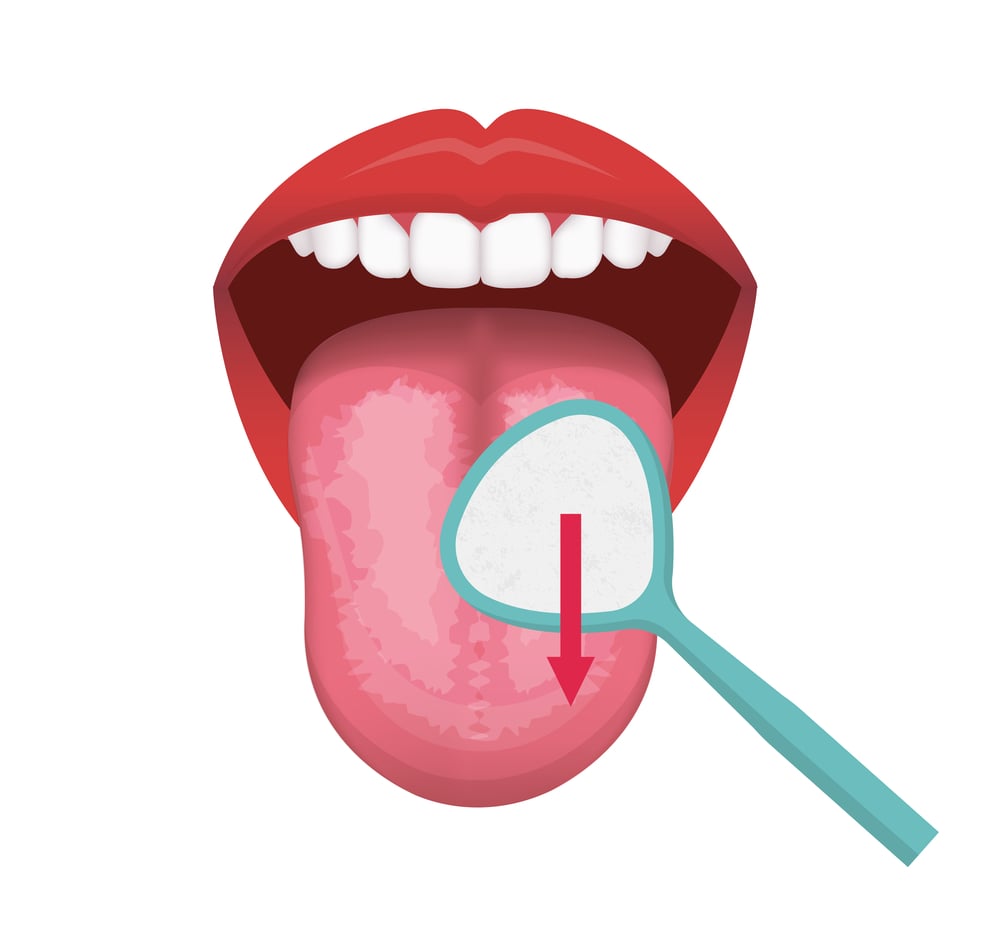
This device provides mechanical cleaning assistance for tongues that apparently can’t maintain proper hygiene independently. Patent US5511275A describes bristle configurations and handles ergonomics optimized for lingual surface maintenance.
It’s dental care for a body part that usually handles its own cleaning. The patent documentation approaches tongue maintenance with the thoroughness typically reserved for industrial equipment cleaning procedures.
The inventors identified gaps in oral hygiene that existing tools didn’t adequately address, creating specialized equipment for a job most people never realized needed doing.
Alarm Fork
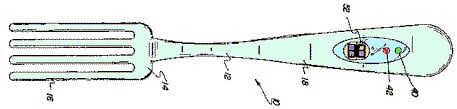
Patent US5421089A presents eating utensils equipped with timing mechanisms that alert users when they’re consuming food too quickly. The fork vibrates or makes sounds to encourage slower eating habits.
It’s behavioral modification through dinnerware that assumes people can’t regulate their own eating pace. The device monitors chewing intervals and provides feedback about proper meal timing, turning every dinner into a paced eating exercise supervised by cutlery.
The patent treats dining speed as a technical problem requiring electronic intervention rather than personal awareness. The mental image of a fork that scolds you for eating too fast represents either helpful health technology or the complete mechanization of basic human activities — depending entirely on how you feel about being supervised by your silverware.
The Beautiful Absurdity of Human Innovation

These patents represent something wonderful about human nature — the unstoppable urge to tinker, improve, and solve problems even when those problems exist only in our imagination. Each inventor saw a gap in the world that needed filling, a minor inconvenience that could be engineered away, or a solution that nobody knew they needed.
The fact that most of these devices never made it to market doesn’t diminish the creativity behind them. They remind us that innovation isn’t always about changing the world — sometimes it’s just about looking at an ordinary banana and thinking it could use better protection.
More from Go2Tutors!

- The Romanov Crown Jewels and Their Tragic Fate
- 13 Historical Mysteries That Science Still Can’t Solve
- Famous Hoaxes That Fooled the World for Years
- 15 Child Stars with Tragic Adult Lives
- 16 Famous Jewelry Pieces in History
Like Go2Tutors’s content? Follow us on MSN.