15 Airports Travelers Actually Love
Most airports feel like purgatory with fluorescent lighting and overpriced sandwiches. You shuffle through security, hunt for a decent coffee, and count the minutes until boarding.
But some airports break the mold entirely. They’re places travelers genuinely enjoy spending time — not just endure.
These fifteen airports have figured out that air travel doesn’t have to feel like a necessary evil.
Singapore Changi Airport
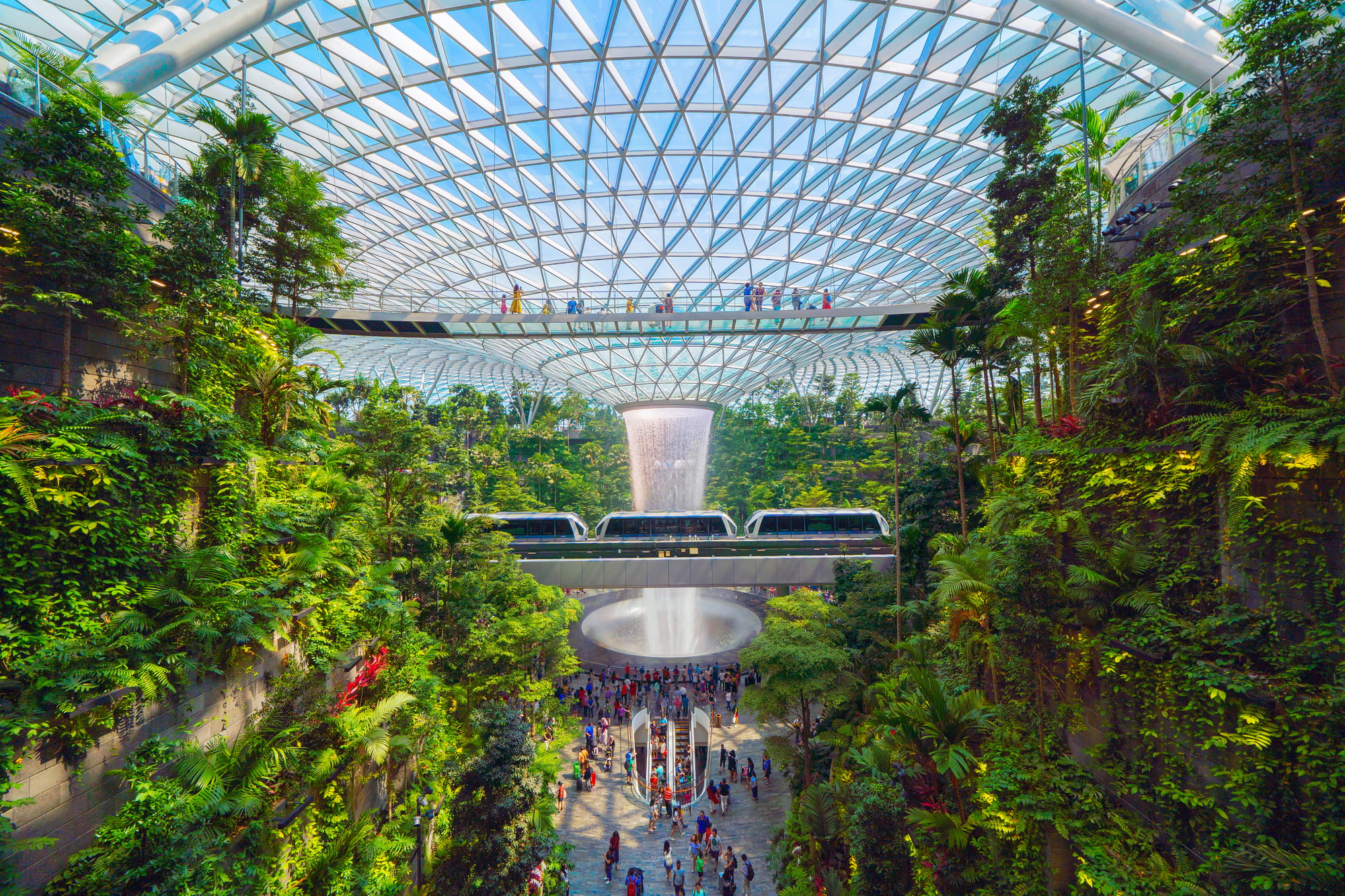
Changi doesn’t just move passengers. It entertains them.
The butterfly garden spans 1,000 square meters with over 1,000 tropical butterflies. The rooftop swimming pool is free for transit passengers.
Four different themed gardens offer actual tranquility between flights.
Tokyo Haneda Airport
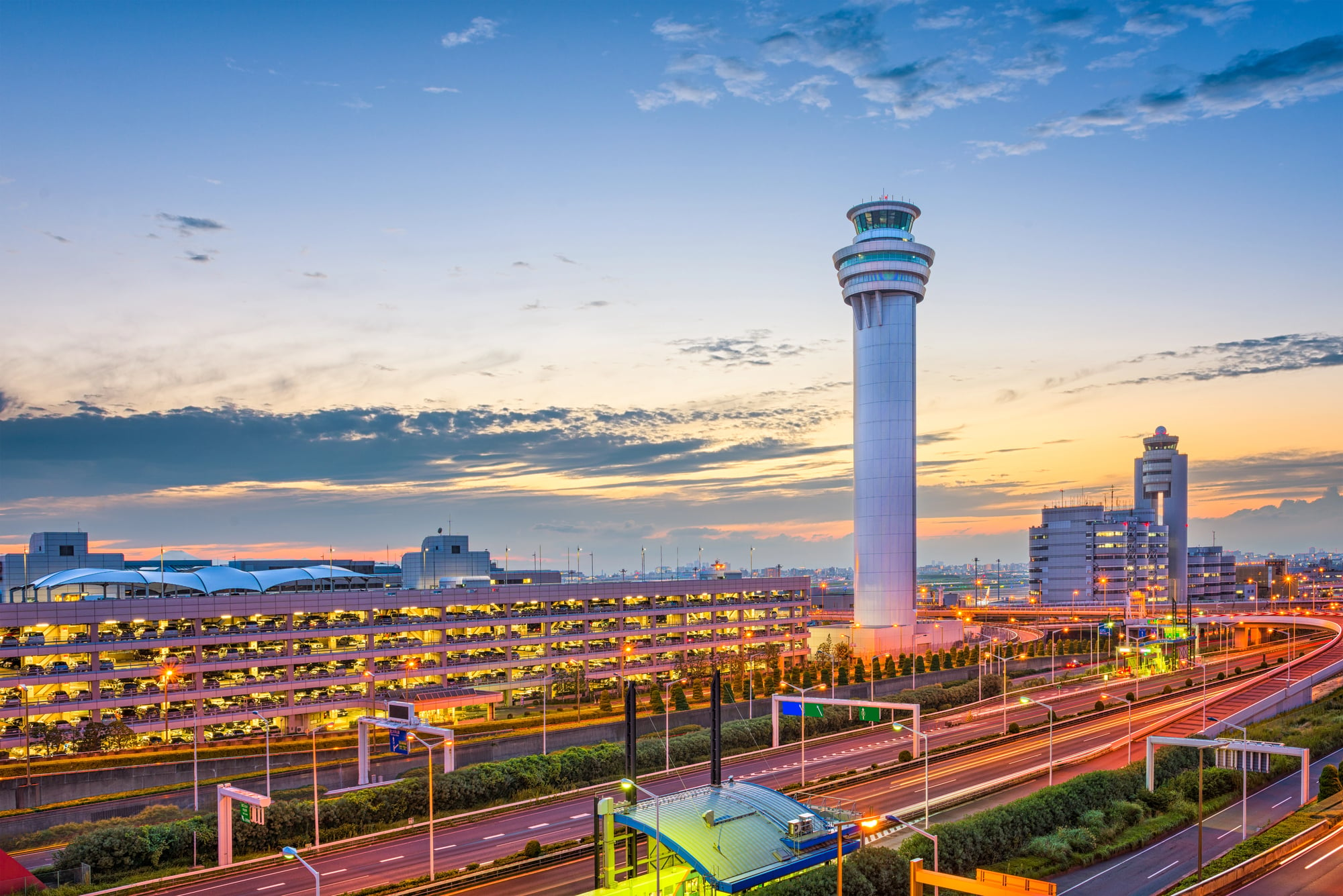
The domestic terminal feels like a small Japanese town (because someone understood that airports could reflect the culture they serve, rather than existing as generic international non-places where every gate looks identical and every restaurant serves the same reheated pasta).
And the timing works perfectly — since most flights operate during specific windows, you’re rarely dealing with the crushing crowds that make other major airports feel like endurance tests, though the efficiency here means even busy periods flow smoothly.
So smooth, in fact, that missing a connection becomes almost impossible. But what really sets Haneda apart: the attention to small details that nobody asked for but everybody notices.
The floors stay spotless, the signage makes sense, and the staff genuinely seem to want travelers to have a pleasant experience rather than just get processed through the system.
Zurich Airport
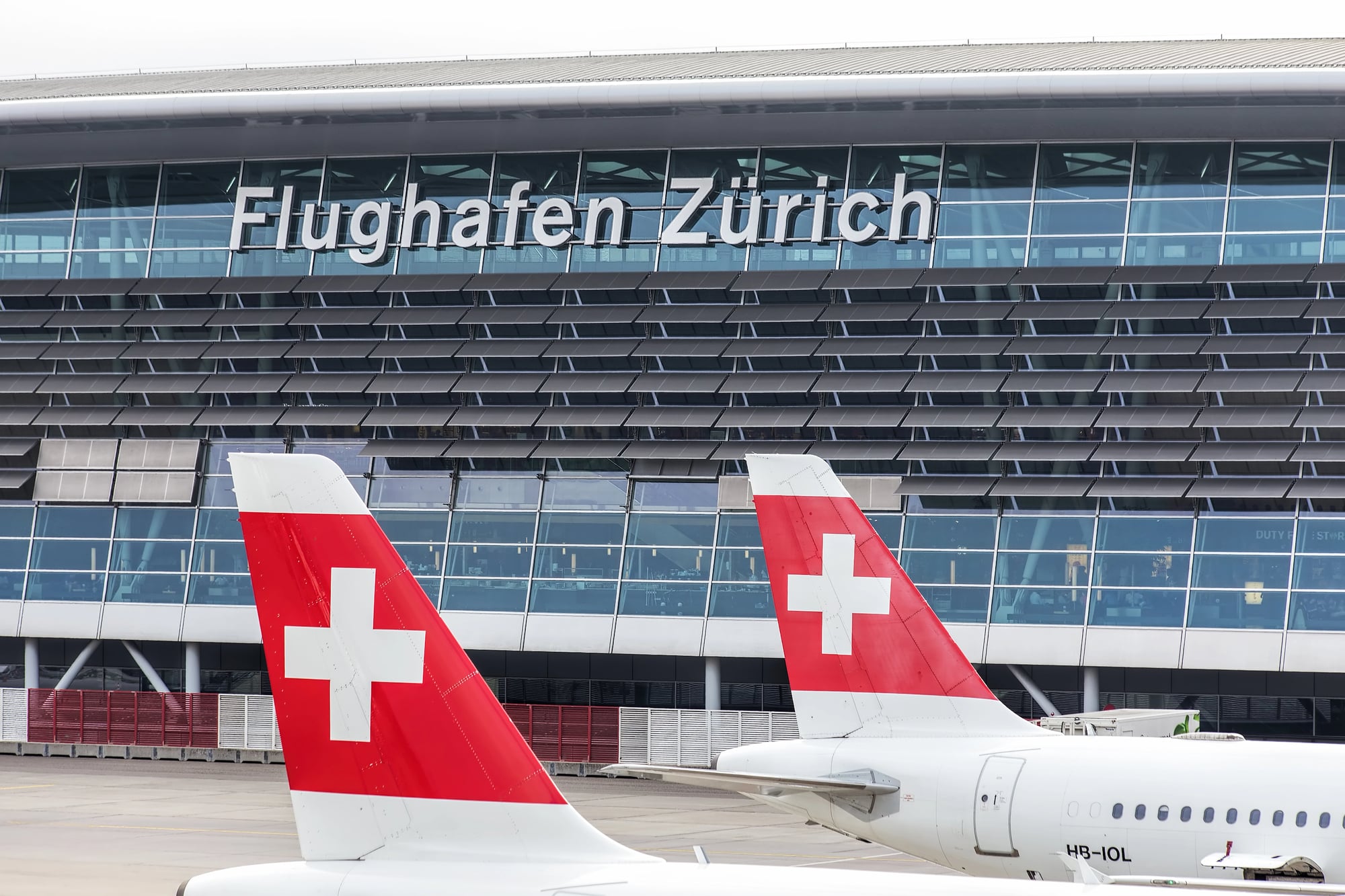
There’s something about Swiss efficiency that corrects your assumptions about what airports can be. You expect things to work properly here, and they do — but more than that, the whole experience feels deliberate rather than accidental.
The observation deck gives you actual Alps views on clear days. The shopping doesn’t feel predatory.
Even the layover lounges seem designed by people who have actually experienced layovers.
The transit system connects directly to the city center, which shouldn’t be remarkable but somehow is when you’re used to airports that strand you miles from civilization with only expensive shuttle buses for company.
Munich Airport
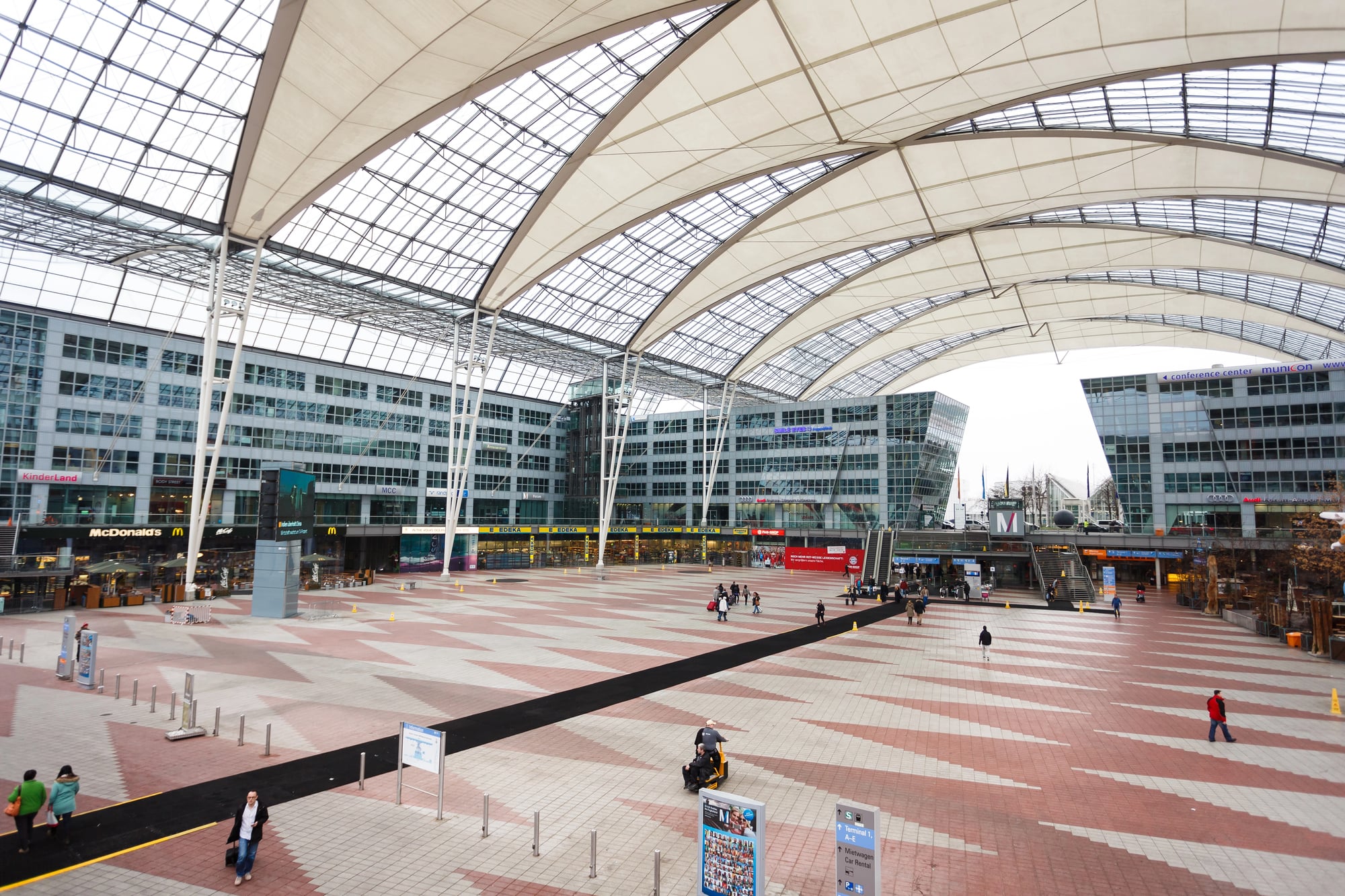
Munich decided airports could serve actual beer from actual breweries. The Airbräu brewery sits right in the terminal, brewing fresh beer on-site.
Travelers drink properly poured German beer while watching planes through floor-to-ceiling windows. It’s exactly as civilized as it sounds.
Amsterdam Schiphol Airport
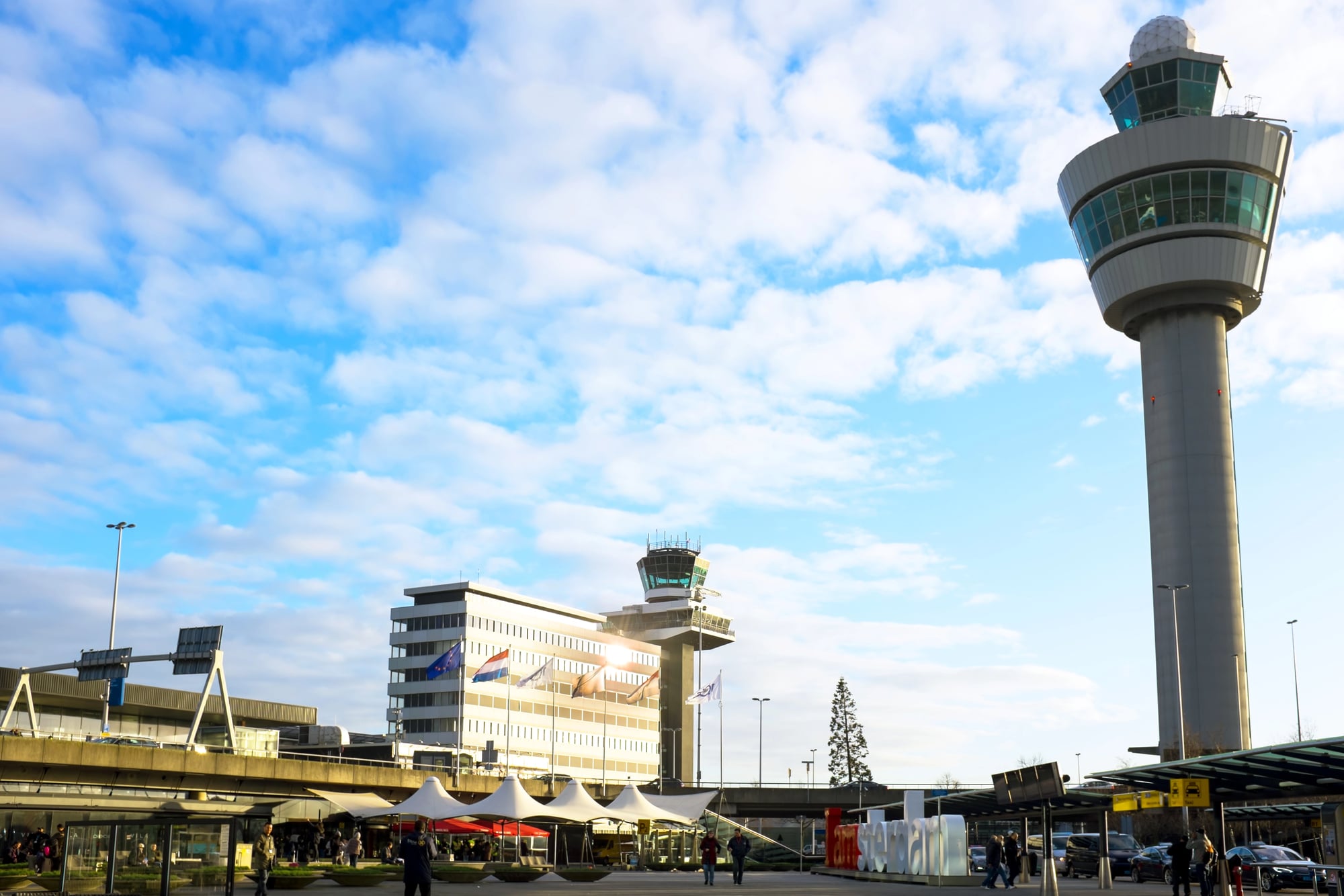
Schiphol houses a legitimate art museum (the Rijksmuseum has a satellite location here, which means you can see actual Dutch masters between connecting flights — not airport art, not something designed to kill time, but pieces from one of Europe’s great collections just sitting there in Terminal 1).
And the library stays quiet, genuinely quiet, with comfortable seating and natural light streaming through tall windows that make you forget you’re in an airport at all.
The shower facilities work properly, the food courts serve actual local specialties instead of international airport food, and the whole place moves with the kind of smooth efficiency that makes three-hour layovers feel manageable rather than punitive.
But here’s what really matters: the airport feels like it belongs in the Netherlands rather than existing as some placeless international zone.
Seoul Incheon International Airport
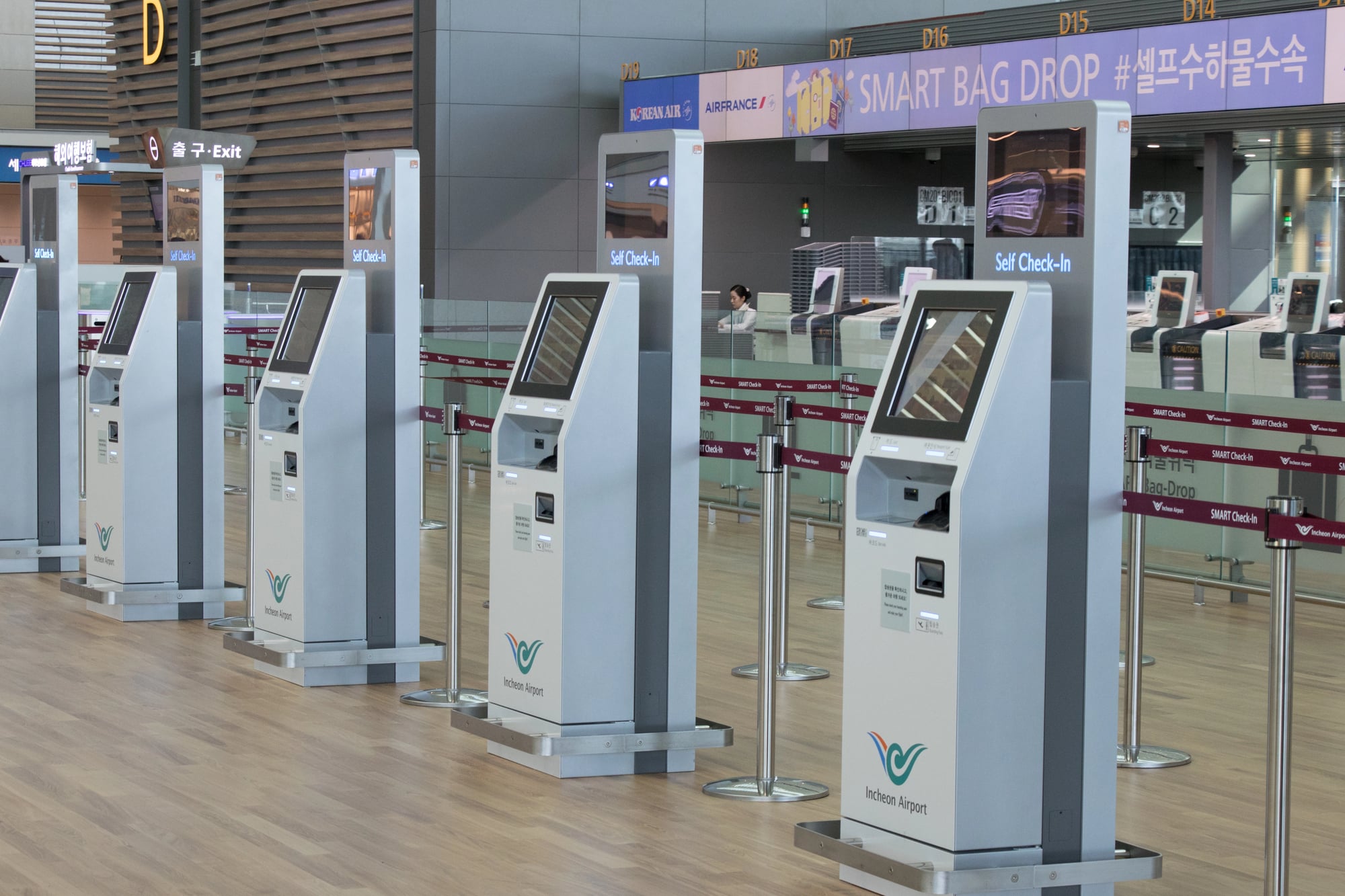
Incheon treats waiting like an opportunity instead of a punishment. The cultural museum displays rotating Korean art exhibitions.
Traditional music performances happen throughout the day in the main terminals. The Korean culture experience zone teaches travelers traditional crafts during layovers.
The sleeping areas actually work for sleeping. The transit hotel rooms can be booked by the hour.
Even the food court serves legitimate Korean dishes instead of airport approximations.
Copenhagen Airport
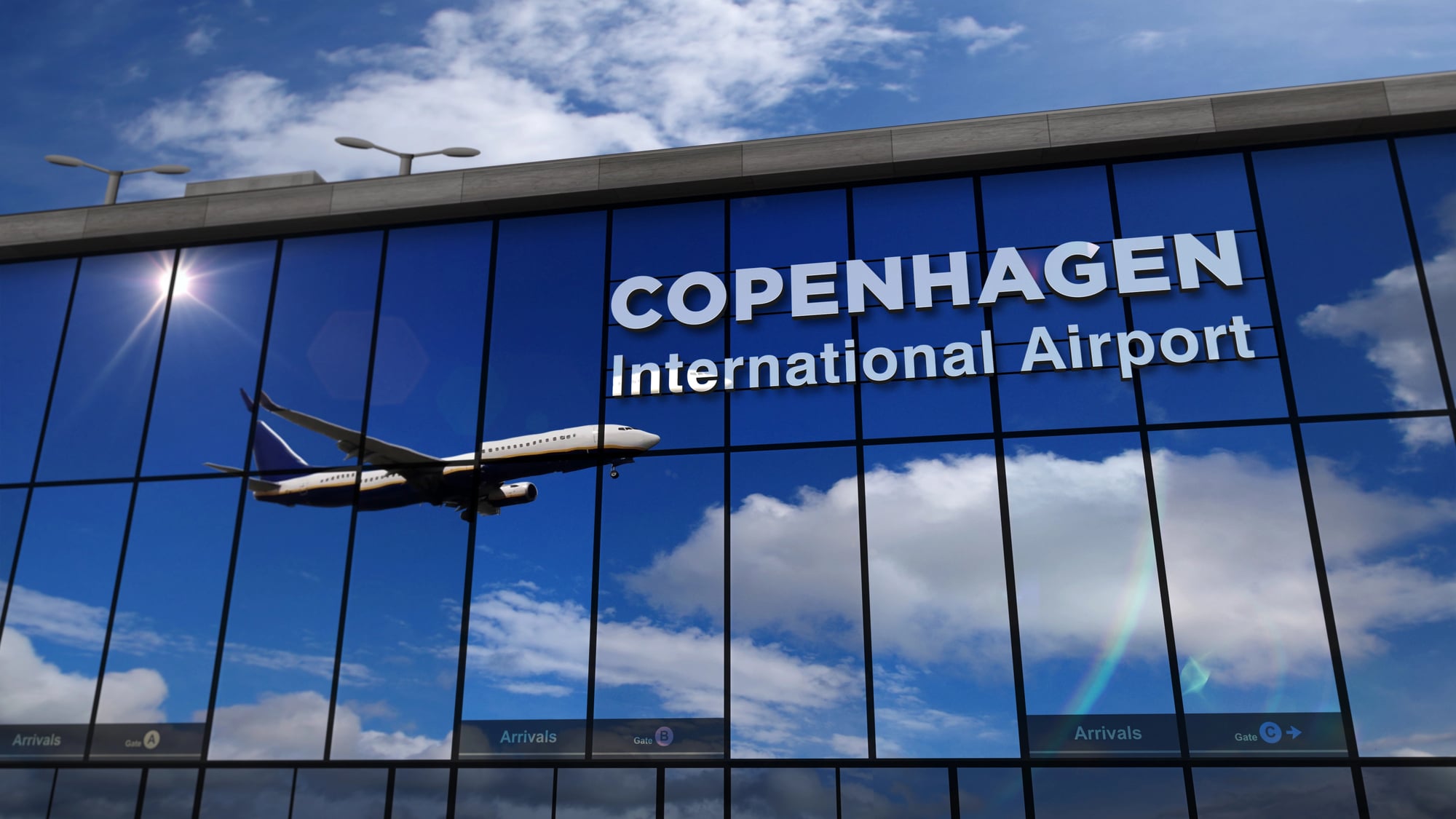
The Scandinavian approach to airport design turns out to prioritize actual human comfort over maximum passenger throughput. Natural light dominates the terminals.
The seating areas use real furniture instead of airport furniture. Local Danish restaurants serve proper smørrebrød instead of sad sandwiches wrapped in plastic.
The whole place feels calm in a way that most airports actively prevent, as if someone designed it for people rather than for processing people.
Vancouver International Airport
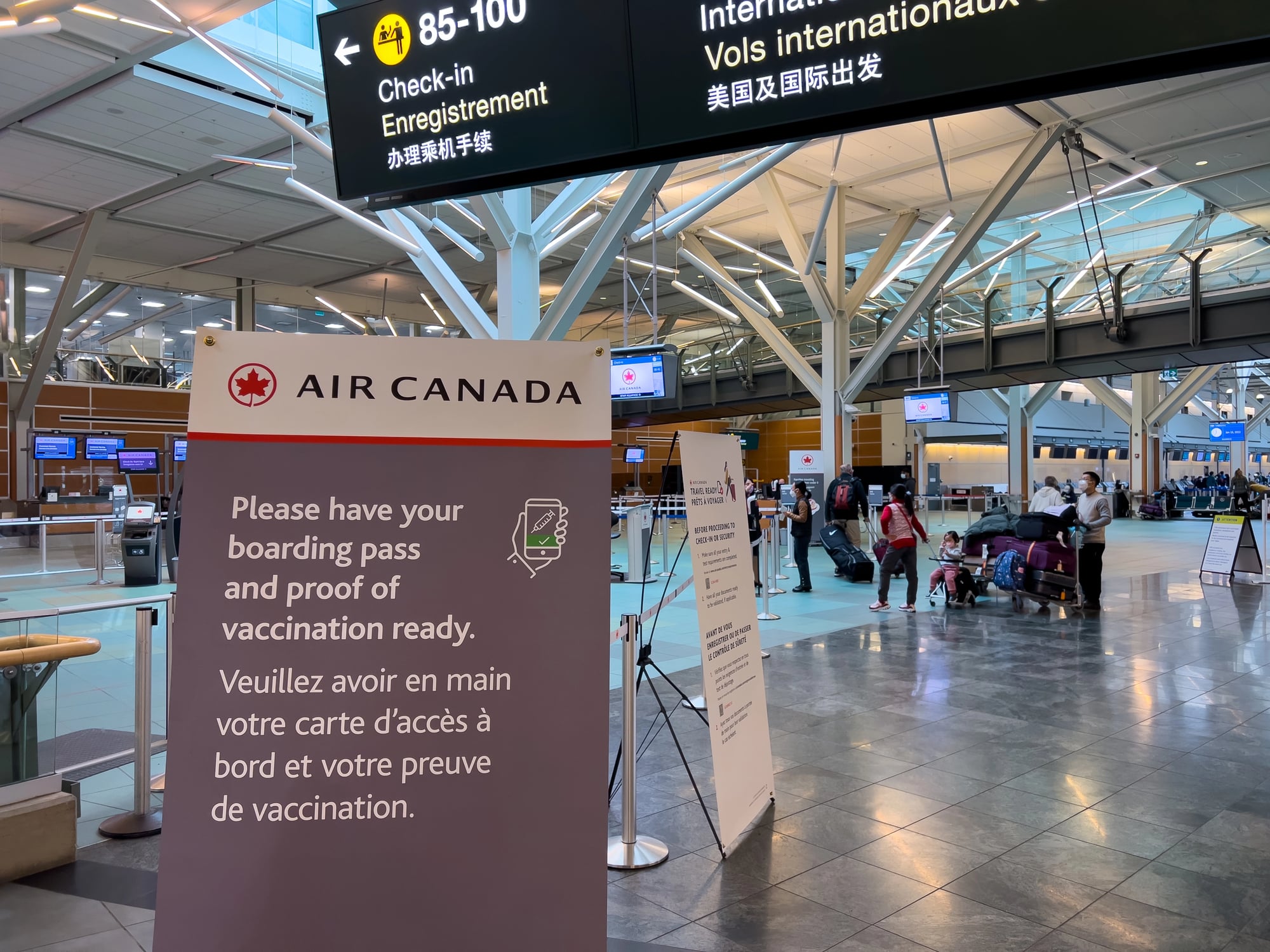
Vancouver’s airport commits fully to being Canadian, which means it doesn’t apologize for having personality.
The First Nations art installations span multiple terminals — massive cedar sculptures, traditional haida artwork, cultural exhibits that give travelers an actual sense of place rather than the generic international nowhere feeling most airports cultivate.
And the aquariums aren’t small token displays but legitimate installations with local Pacific marine life swimming in tanks tall enough that you can actually watch them move naturally.
But what makes Vancouver work: the mountain views through the terminal windows remind you exactly where you are, and the local food vendors serve things you can’t get anywhere else, so even a short layover feels connected to the specific place rather than floating in airport limbo.
Helsinki Airport
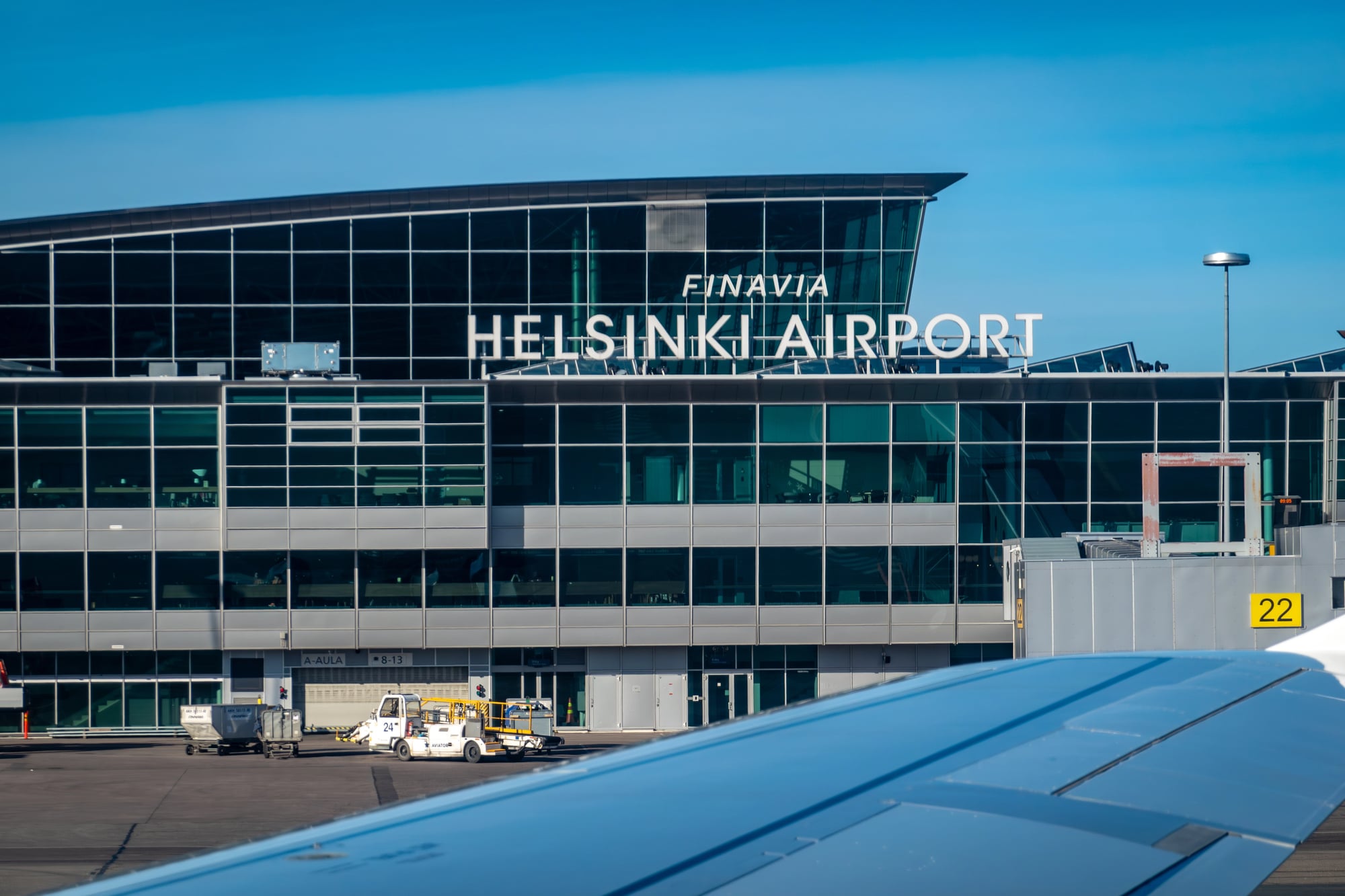
Finnish design philosophy applied to airport terminals produces exactly what you’d expect: clean lines, functional beauty, and an absence of unnecessary stress.
The Aukio wellness area offers yoga rooms and meditation spaces that people actually use. The library loans books to travelers.
Local Finnish brands populate the shopping areas instead of the same international airport stores you see everywhere else.
Everything works efficiently without feeling impersonal, which turns out to be a distinctly Finnish approach to public spaces.
Dubai International Airport
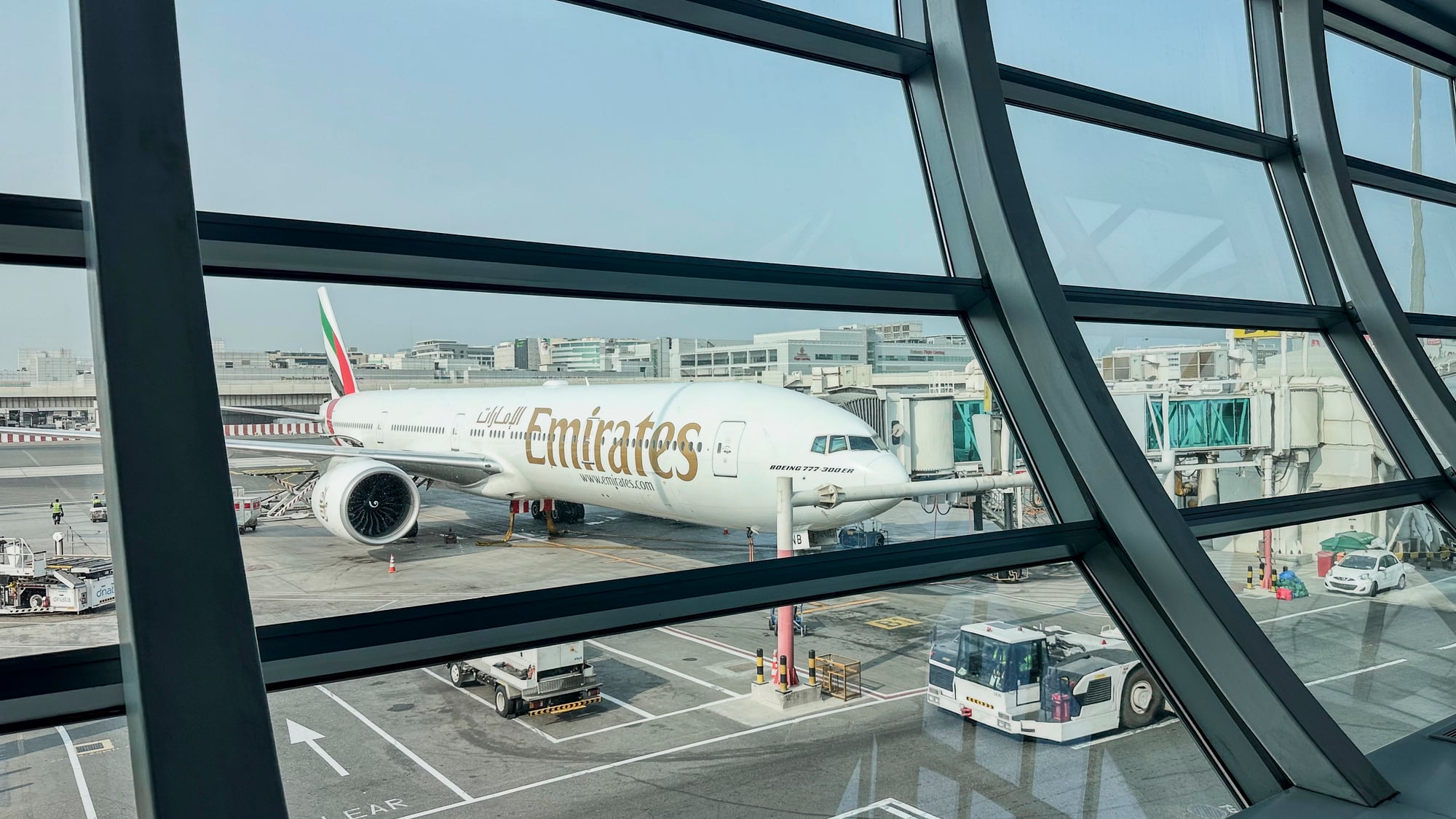
Dubai built an airport that doubles as a shopping mall, spa, and entertainment complex. The gym facilities include a swimming pool and squash court.
The spa services range from quick chair massages to full treatments. The duty-free shopping spans entire terminals with everything from luxury goods to electronics.
It’s excessive in exactly the way Dubai intends to be excessive, but the excess serves travelers instead of just impressing them.
Istanbul Airport
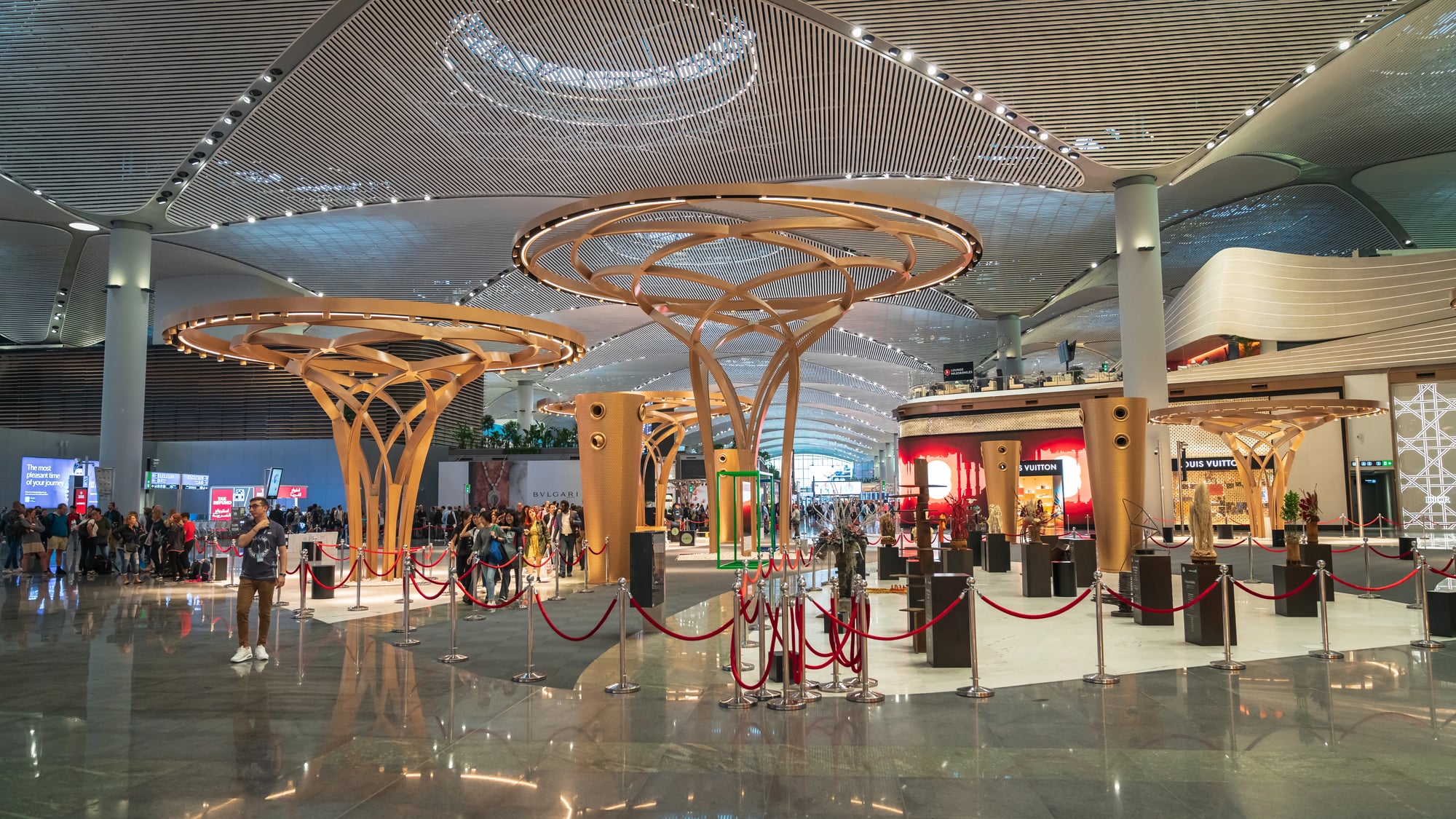
The new Istanbul airport was designed to handle massive international traffic while maintaining human scale in the passenger areas (which required some serious architectural problem-solving, considering this place processes over 60 million passengers annually — numbers that usually crush any attempt at creating pleasant spaces).
And they succeeded, mostly: the terminals flow logically, the cultural exhibits showcase Turkish history and art without feeling like airport decorations, and the food courts serve regional Turkish specialties alongside international options.
So you can eat proper Turkish breakfast during morning layovers or find decent kebabs that taste like actual Turkish food rather than airport interpretations.
The prayer rooms and quiet areas are genuinely quiet, the transit connections work efficiently, and the whole complex feels like it belongs in Istanbul rather than existing as generic international space.
Portland International Airport
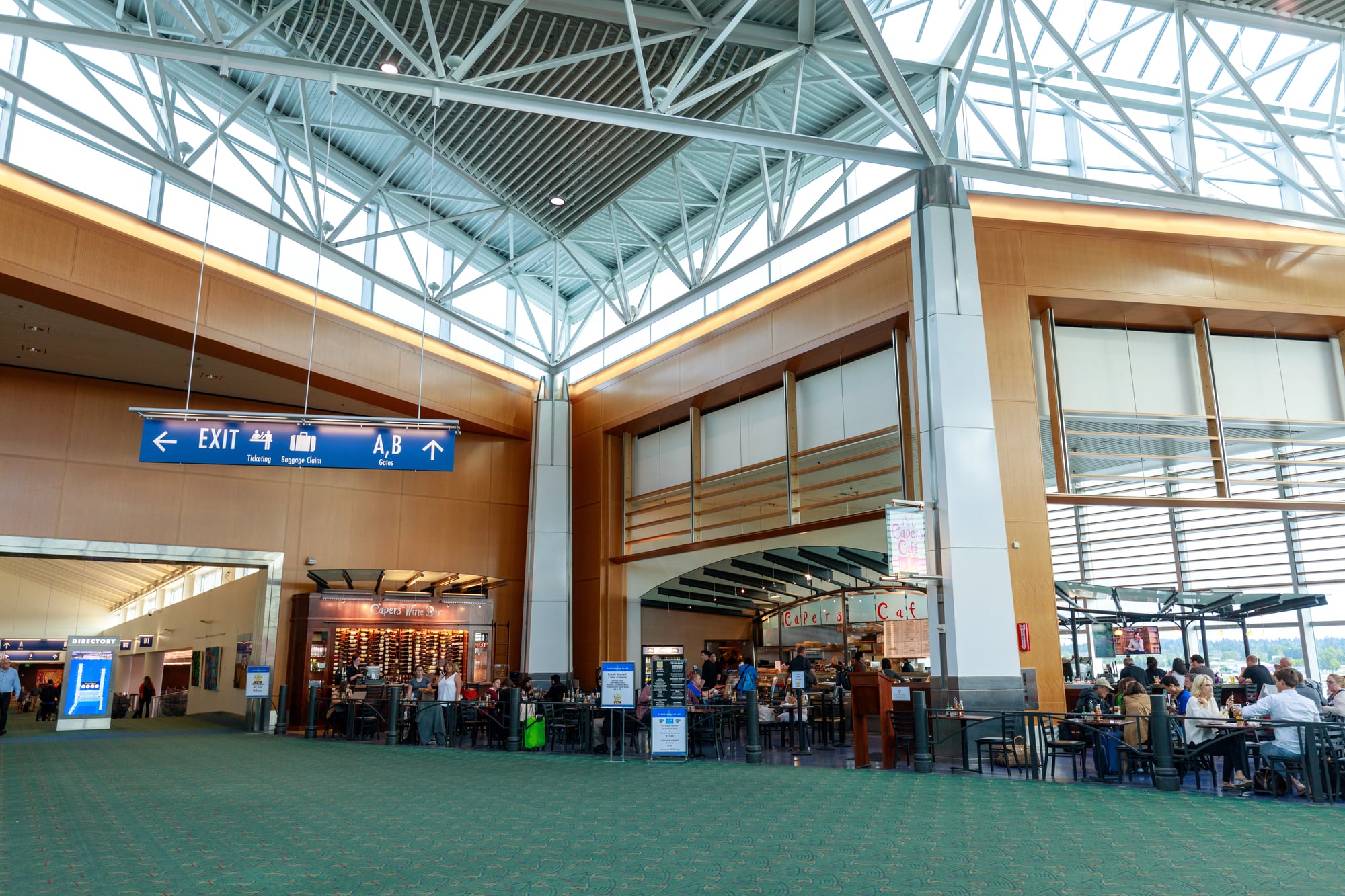
Portland’s airport reflects Portland itself — slightly eccentric, genuinely local, and committed to doing things differently.
The carpet became internet-famous for good reason: it’s deliberately weird and distinctly Pacific Northwest.
Local food vendors serve Portland specialties instead of generic airport food. Powell’s Books operates a legitimate bookstore in the terminals.
Live music performances happen regularly throughout the terminals, featuring local Portland musicians rather than generic background entertainment.
Doha Hamad International Airport
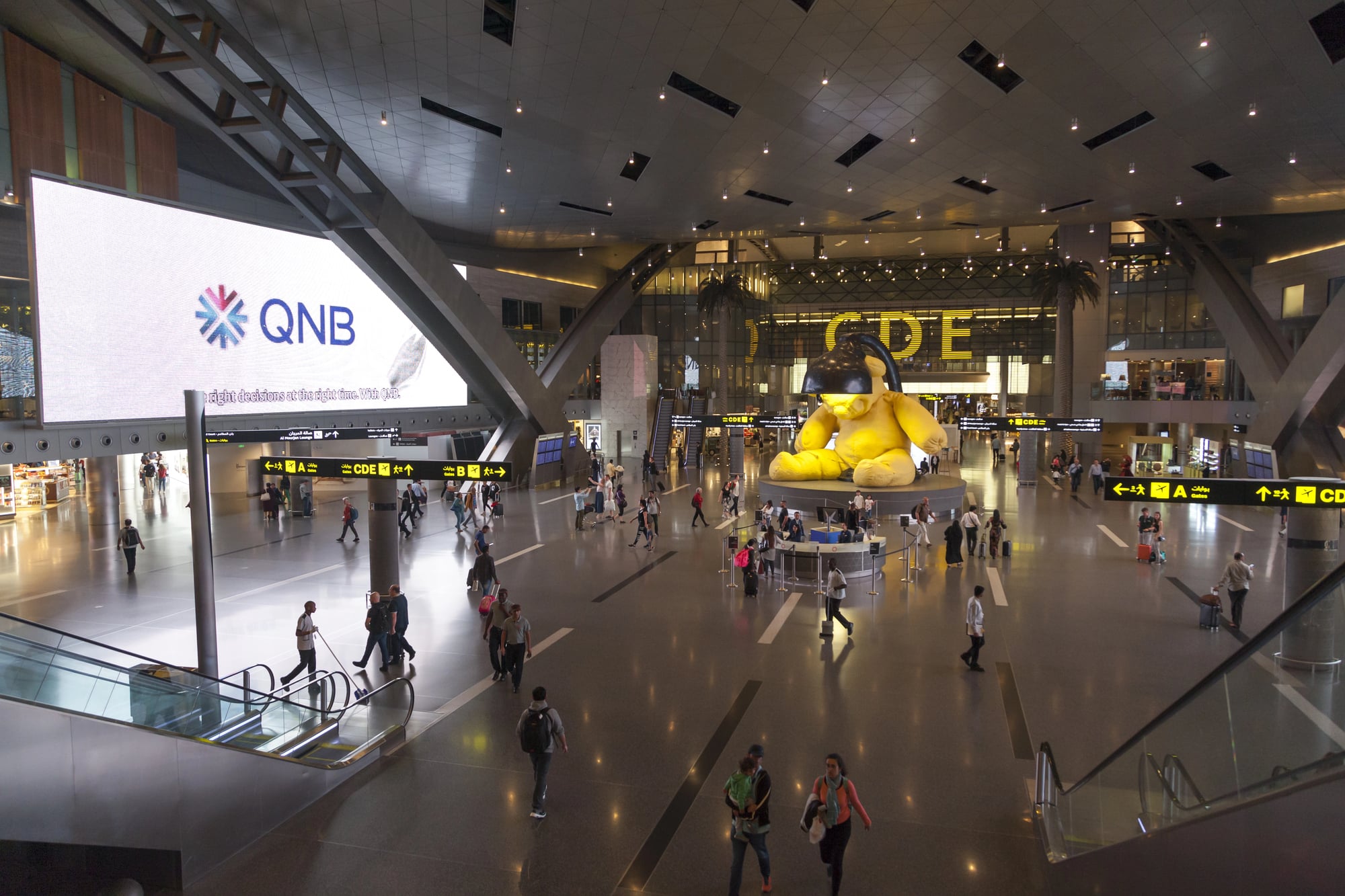
Qatar built Hamad as a statement piece, but the luxury actually serves travelers instead of just existing for show.
The transit lounges provide proper beds for long layovers. The art installations include works by international artists displayed in spaces with museum-quality lighting and curation.
The food courts serve authentic Middle Eastern dishes alongside international options, and the whole terminal stays comfortable even during peak travel periods when other airports become chaotic.
Kansai International Airport
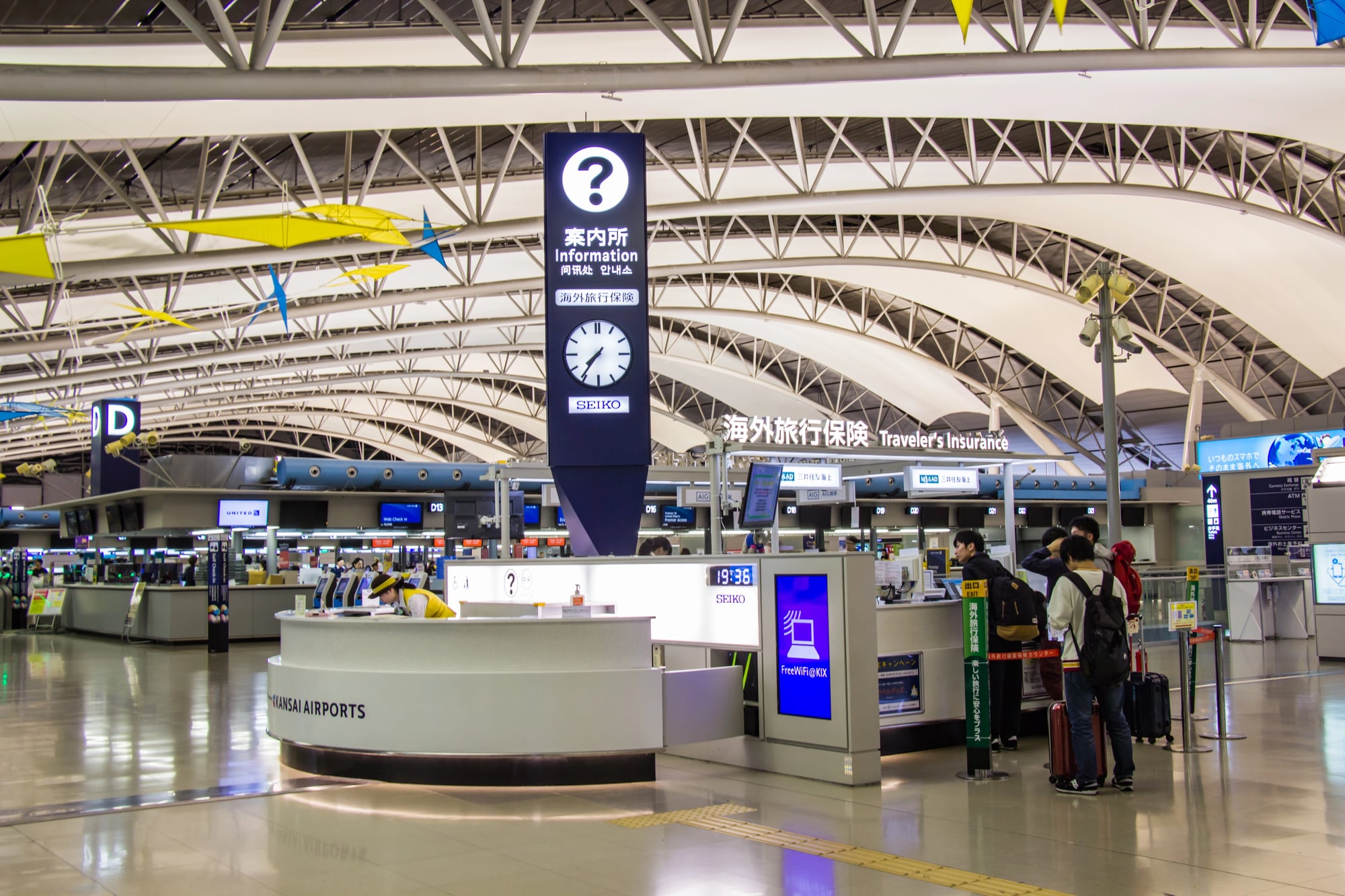
Built on an artificial island, Kansai feels like a destination rather than a transit point (which makes sense when you consider the engineering feat required to create stable land in Osaka Bay — the kind of massive undertaking that demands the final result justify the effort).
And it does: the architecture curves gracefully like a giant wave, the interior spaces flow naturally without the maze-like confusion of terminals that grew organically over decades, and the views across the bay toward the mainland create a sense of place that most airports can’t achieve.
The rail connections work seamlessly, running directly into the terminal so you step off the train and into the departure area without the usual airport shuttle complexity.
But Kansai’s real achievement: it manages to feel both impressively large and comfortably human-scaled, which shouldn’t be possible but somehow works perfectly.
Salt Lake City International Airport
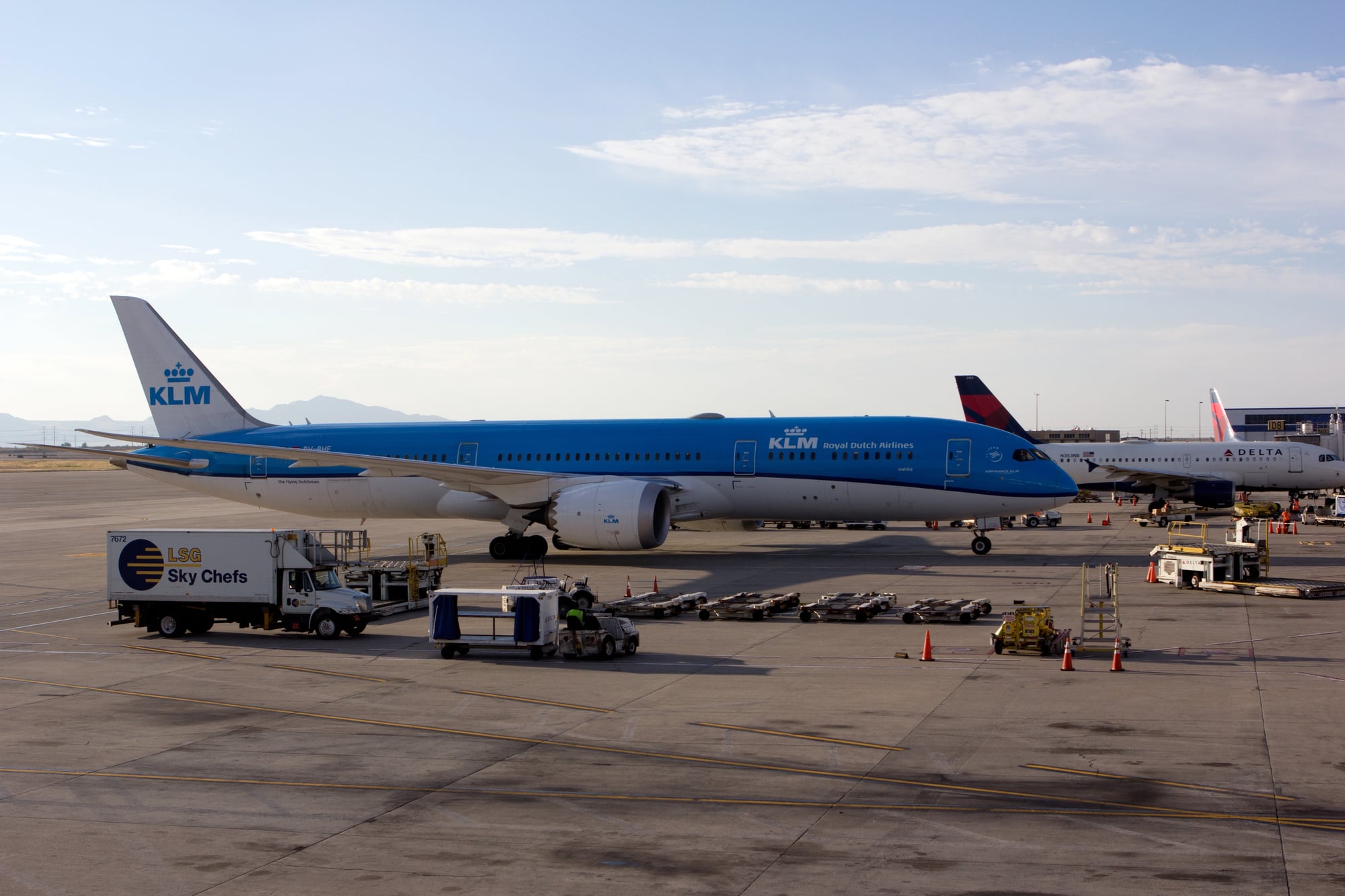
The new Salt Lake City terminal opened with a radical idea: airports should feel connected to their locations instead of existing as placeless international zones.
The architecture incorporates Utah’s natural landscape through materials and design elements that reference the surrounding mountains and desert.
Local food vendors serve regional specialties instead of standard airport fare.
The art installations showcase Utah artists and themes, the outdoor terraces provide mountain views, and the whole terminal feels like it belongs specifically in Salt Lake City rather than being an airport that could exist anywhere.
Beyond The Departure Gate
These airports prove that air travel doesn’t have to be something you endure before reaching your real destination.
They can become part of the journey itself — places that enhance rather than detract from the experience of travel.
When airports prioritize travelers over pure efficiency, when they embrace their local culture instead of generic internationalism, something shifts.
The layover becomes less like limbo and more like a brief visit to somewhere worth being.
More from Go2Tutors!

- The Romanov Crown Jewels and Their Tragic Fate
- 13 Historical Mysteries That Science Still Can’t Solve
- Famous Hoaxes That Fooled the World for Years
- 15 Child Stars with Tragic Adult Lives
- 16 Famous Jewelry Pieces in History
Like Go2Tutors’s content? Follow us on MSN.