17 Lighthouses That Prevented Historical Disasters
Lighthouses have stood as silent guardians along the world’s most treacherous coastlines for centuries, their beacons cutting through fog, storms, and darkness to guide ships safely to harbor. While their romantic image often dominates popular culture, the real story of lighthouses is far more dramatic—they’re monuments to human ingenuity built specifically to prevent maritime catastrophes. Each lighthouse represents countless lives saved and disasters averted, though their successes rarely make headlines like shipwrecks do.
These towering sentinels have prevented some of history’s most potentially devastating maritime disasters. Here is a list of 17 lighthouses that prevented historical disasters through their strategic placement and unwavering service.
Bell Rock Lighthouse
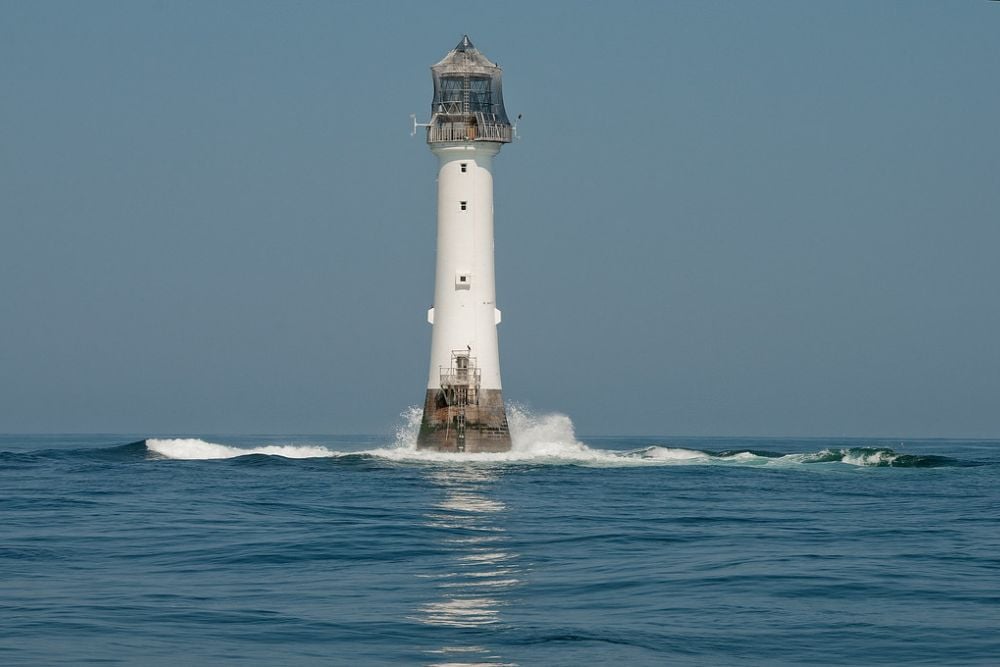
Built on a submerged reef off the Scottish coast, Bell Rock Lighthouse was constructed to avoid the numerous shipwrecks caused by the rocks off the east coast of Scotland, with an estimated average of six ships getting wrecked on the rocks just below the sea surface every year. The reef had been claiming vessels for centuries before Robert Stevenson designed this engineering marvel in 1811.
Since its completion, the lighthouse has prevented countless wrecks on what was once considered one of the most dangerous passages in British waters, transforming a ship graveyard into a safely navigated route.
Eddystone Lighthouse

The Eddystone Rocks near Plymouth, England, were so treacherous that mariners entering the English Channel often hugged the coast of France to avoid the danger, which thus resulted not only in shipwrecks locally, but also on the rocks of the north coast of France and the Channel Islands. The lighthouse, rebuilt multiple times after storm damage, finally provided a reliable warning system for this major shipping lane.
Its success transformed the approach to Plymouth from a mariner’s nightmare into one of England’s busiest and safest ports.
Pharos of Alexandria

Though it collapsed centuries ago, the ancient Pharos of Alexandria was the world’s first great lighthouse and prevented countless disasters in the ancient world. Standing over 400 feet tall, it guided ships safely into Alexandria’s harbor for over 1,000 years.
The lighthouse was so effective that Alexandria became the Mediterranean’s busiest port, with ships from across the known world relying on its beacon to navigate the treacherous approach through shallow waters and hidden reefs.
Tower of Hercules
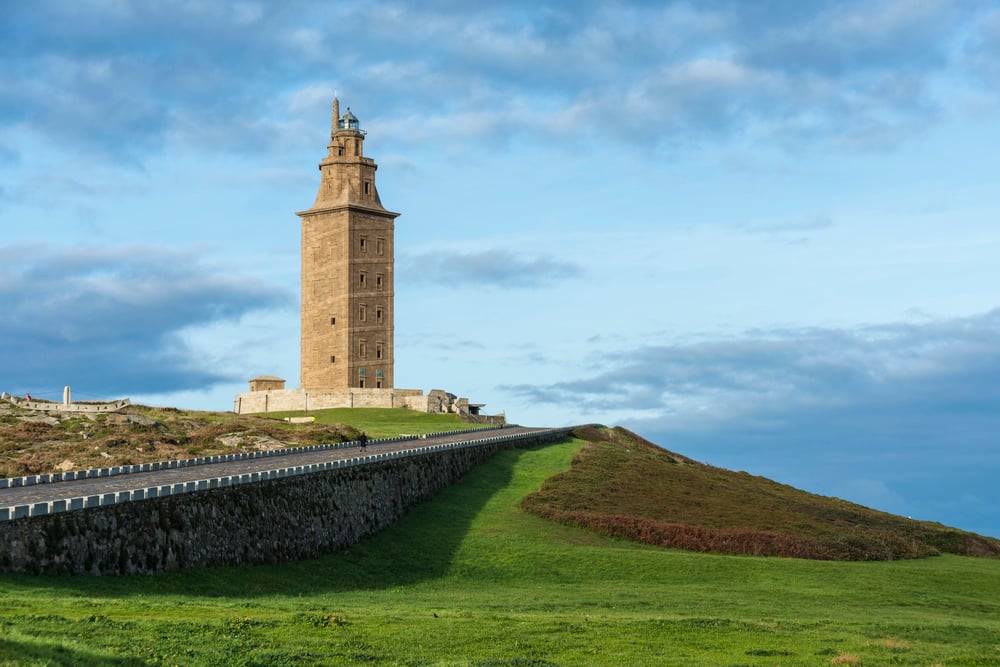
Spain’s Tower of Hercules, the world’s oldest functioning lighthouse, has been guiding ships around the dangerous Galician coast for nearly 2,000 years. The rocky coastline here, known as the ‘Coast of Death,’ has claimed thousands of vessels throughout history.
This ancient Roman lighthouse continues to prevent disasters today, its modern light system built into the original stone tower that has weathered countless Atlantic storms.
Fastnet Rock Lighthouse
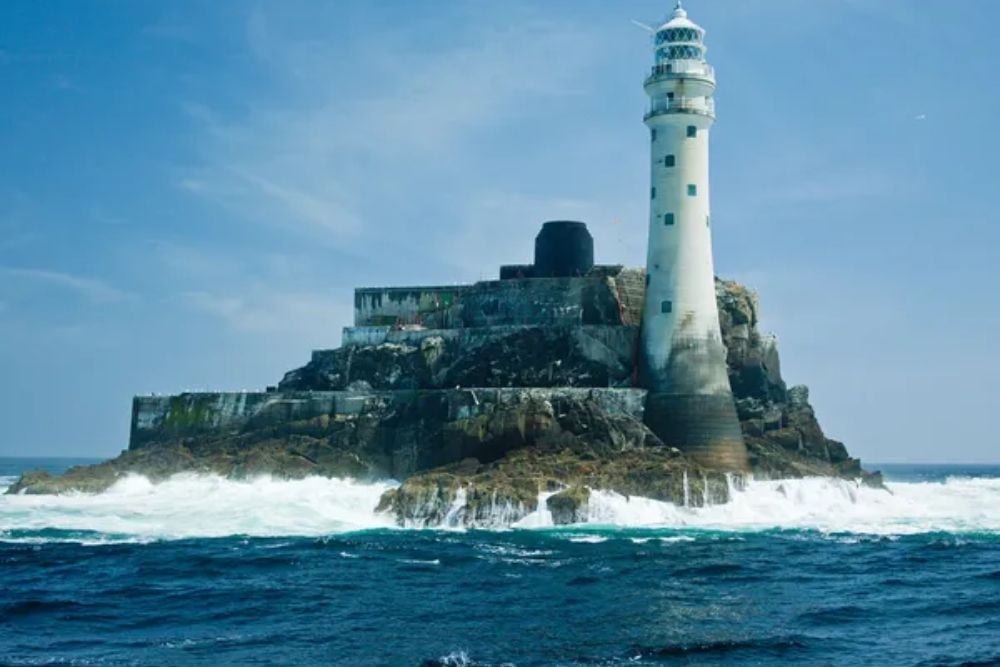
Ireland’s Fastnet Rock Lighthouse stands on what sailors call the ‘Teardrop of Ireland’—the last glimpse of home for emigrants and the first sight of land for returning ships. The isolated rock had been wrecking vessels for centuries before the lighthouse was built in 1854.
Its powerful beam prevents ships from being driven onto the rocks during the fierce Atlantic storms that regularly batter this exposed location, making it an essential navigation point for transatlantic traffic.
Cape Hatteras Lighthouse
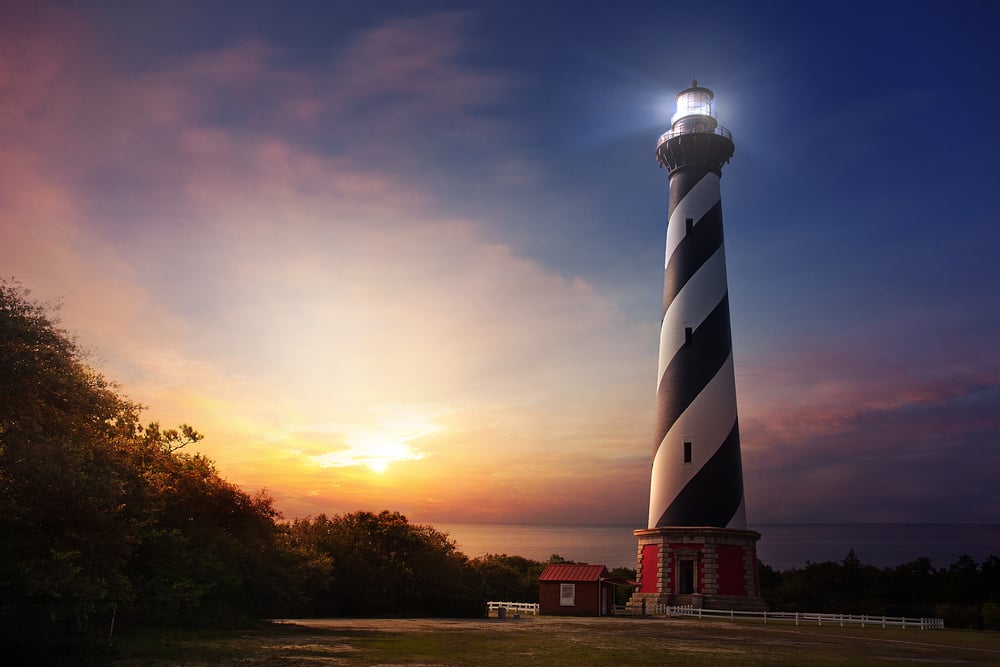
North Carolina’s Cape Hatteras sits at the edge of the ‘Graveyard of the Atlantic,’ where over 1,000 ships have been lost to treacherous currents and shifting sandbars. The lighthouse, America’s tallest at 208 feet, has guided countless vessels safely around Diamond Shoals since 1870.
Before its construction, ships attempting to round Cape Hatteras faced a deadly maze of underwater obstacles that claimed vessels almost weekly during busy shipping seasons.
Minots Ledge Lighthouse
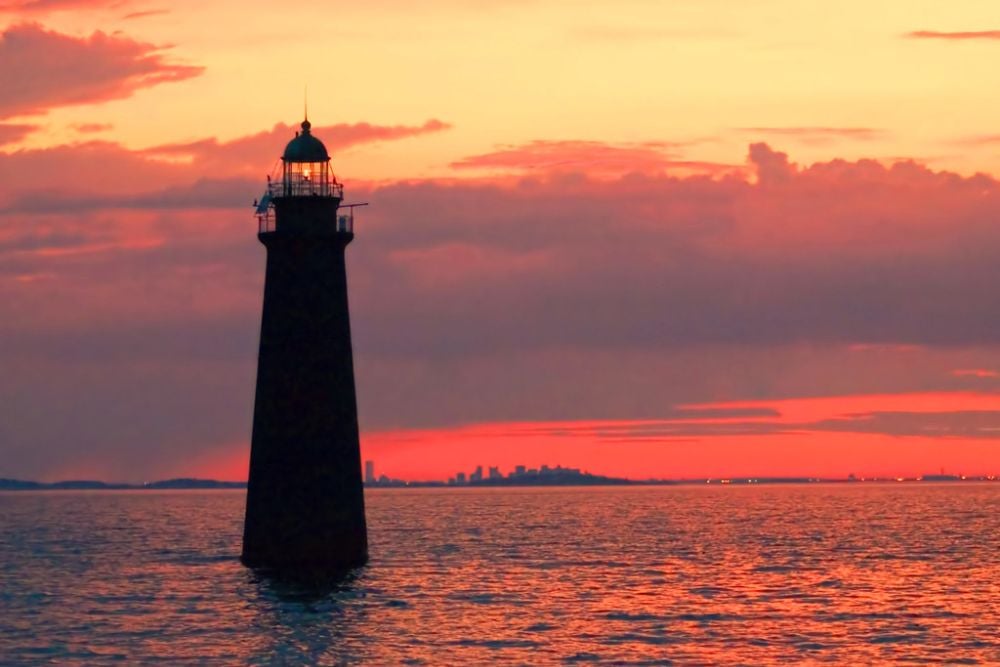
Built on a wave-swept ledge off the Massachusetts coast, Minots Ledge Lighthouse replaced an earlier tower destroyed by a hurricane in 1851. The ledge had already claimed over 40 ships before the first lighthouse was built, and construction of the replacement required innovative engineering to anchor it to the submerged rock.
Since 1860, its distinctive 1-4-3 flash pattern (representing ‘I Love You’ in local folklore) has warned ships away from the deadly ledge that once terrorized Boston Harbor approaches.
Beachy Head Lighthouse

England’s Beachy Head Lighthouse sits at the base of 500-foot chalk cliffs that have been a ship trap for centuries. The white cliffs, while beautiful, created a dangerous illusion for navigators who couldn’t judge their distance from shore in fog or storms.
Built in 1902 at sea level rather than atop the cliffs, the lighthouse provides a clear warning of the rocky coastline and has dramatically reduced shipwrecks along this stretch of the English Channel.
Cordouan Lighthouse
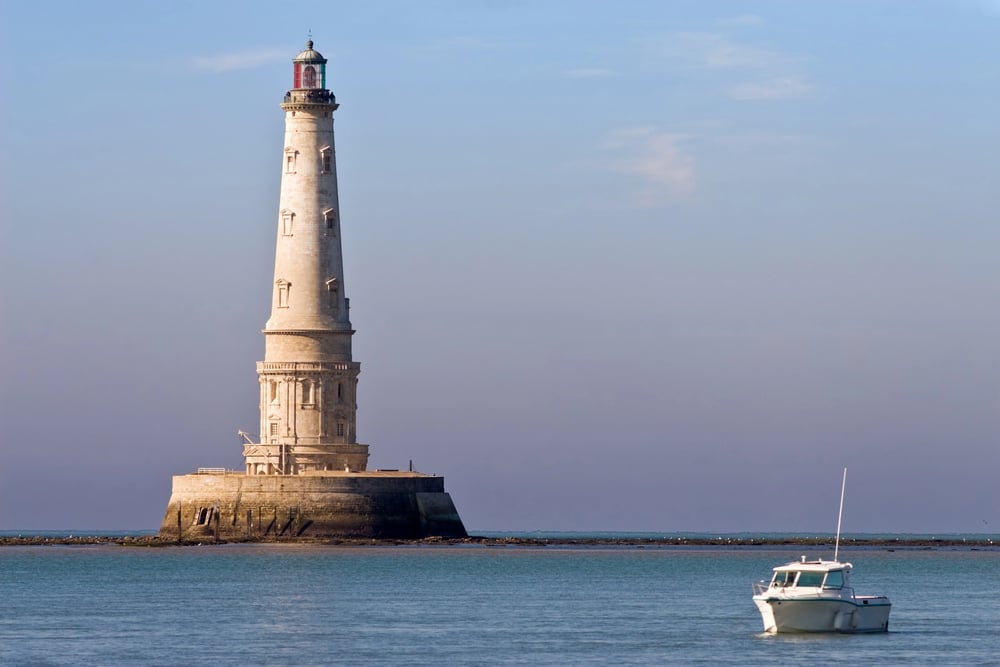
France’s Cordouan Lighthouse, known as the ‘King of Lighthouses,’ has guarded the entrance to the Gironde estuary since 1611. The estuary’s constantly shifting sandbanks and strong tides had made it nearly impossible for ships to reach Bordeaux safely.
This ornate lighthouse, built like a cathedral with its elaborate stonework and royal apartments, has guided wine merchants and other traders safely past the treacherous mouth of the Gironde for over 400 years.
Split Rock Lighthouse
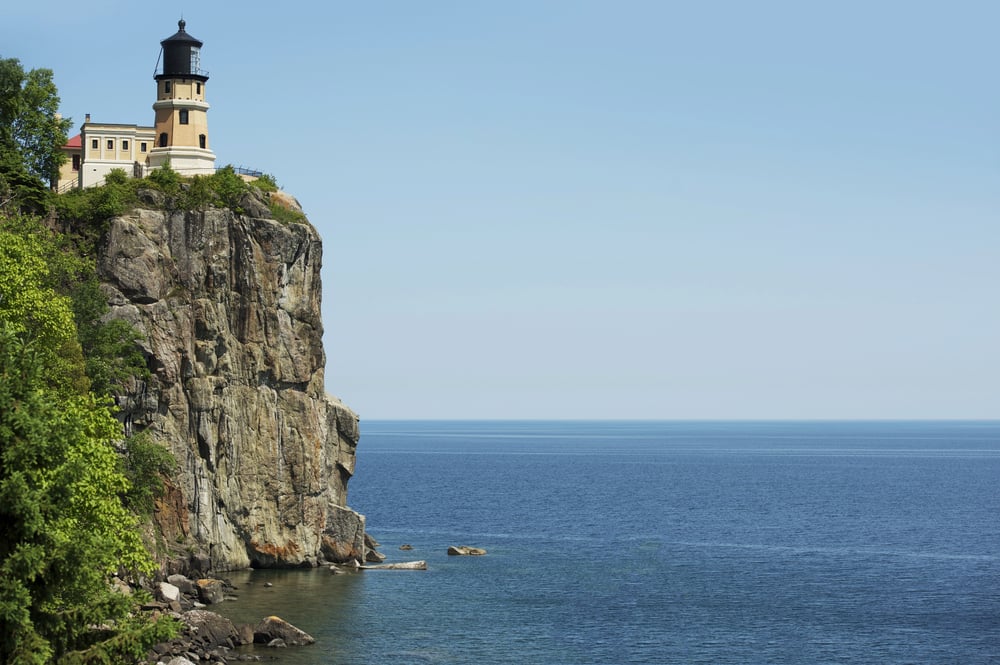
Minnesota’s Split Rock Lighthouse was built after a devastating 1905 storm on Lake Superior sank 29 ships in a single night. The lighthouse sits 130 feet above the lake on a sheer cliff, its beam visible for 22 miles across the water.
Since 1910, it has guided iron ore freighters and other vessels safely along Lake Superior’s north shore, preventing disasters on what is often considered an inland sea due to its massive size and violent storms.
Portland Head Light
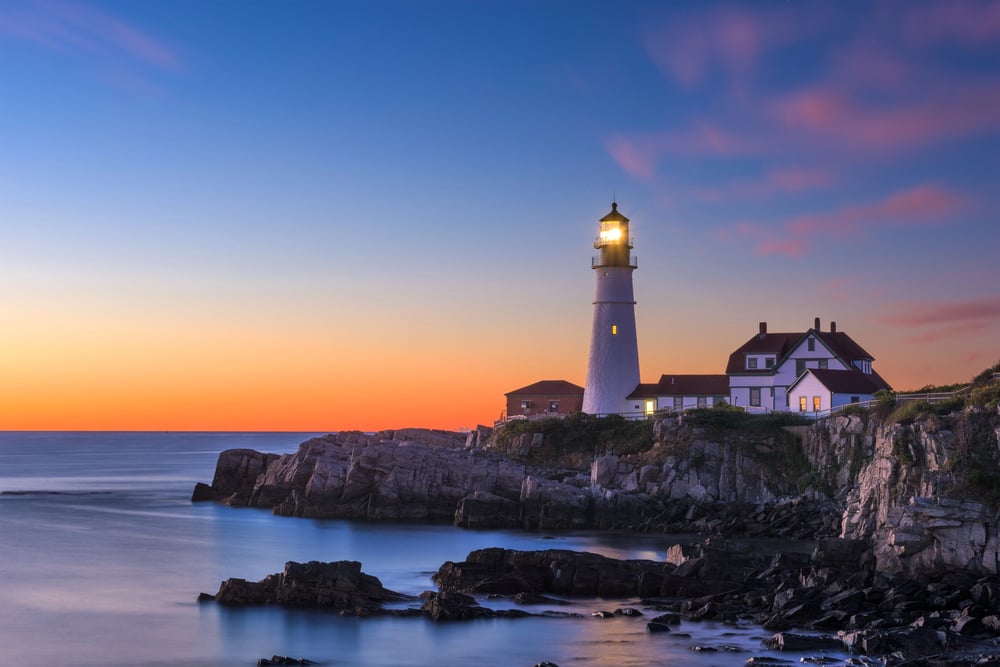
Maine’s Portland Head Light has been preventing disasters at the entrance to Casco Bay since 1791, making it one of America’s oldest lighthouses. The rocky headland had been claiming ships since colonial times, with vessels regularly smashing against the granite ledges in fog and storms.
Commissioned by George Washington himself, the lighthouse has guided everything from fishing boats to modern cargo ships safely into Portland Harbor for over two centuries.
Skerries Lighthouse
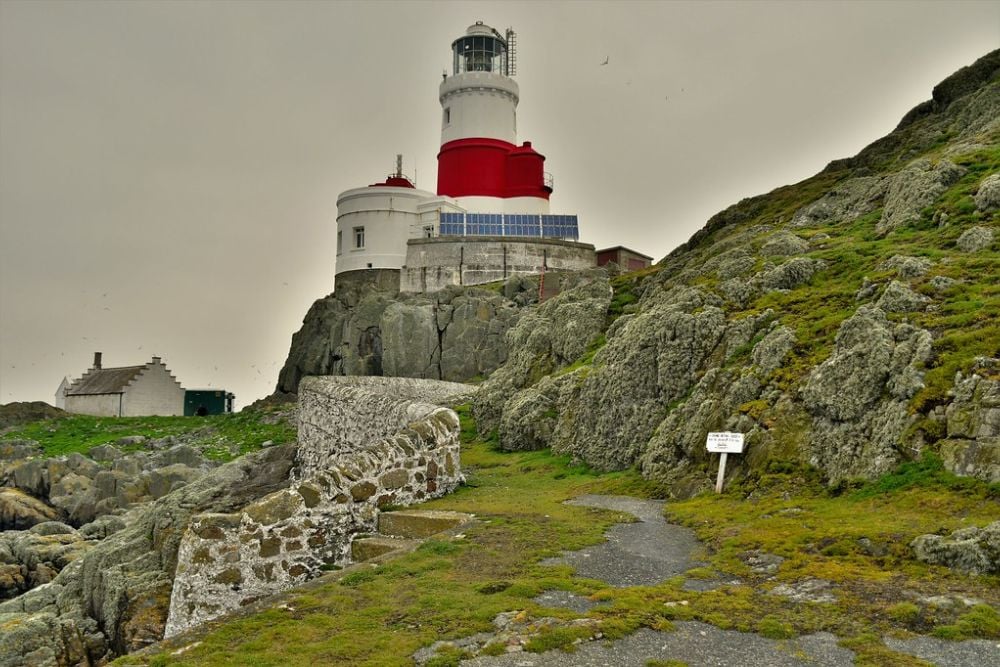
The Skerries Lighthouse off the coast of Wales sits on a group of rocky islands that have been sinking ships for millennia. Before the lighthouse was built in 1717, the treacherous rocks were unmarked and claimed vessels regularly, especially during storms when ships sought shelter in nearby Holyhead Bay.
The lighthouse transformed this deadly obstacle into a reliable navigation point for ships crossing the Irish Sea.
Longships Lighthouse

Cornwall’s Longships Lighthouse stands on a jagged reef that extends nearly a mile from Land’s End, England’s westernmost point. These submerged rocks had been the doom of countless ships rounding Cornwall, particularly during the age of sail when vessels couldn’t easily change course.
Built in 1873 on the most dangerous part of the reef, the lighthouse has since guided ships safely around Britain’s treacherous southwestern tip.
Needles Lighthouse
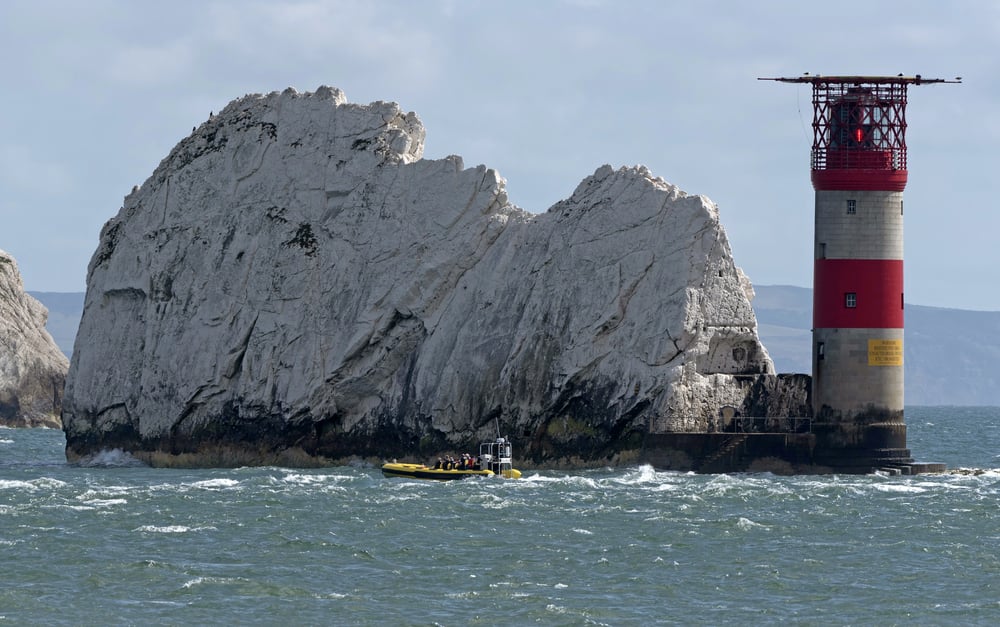
The Needles Lighthouse sits at the western tip of the Isle of Wight on a series of chalk stacks that rise dramatically from the sea. These white pinnacles, while scenic, created a deadly trap for ships navigating the Solent, the busy waterway between the Isle of Wight and mainland England.
Since 1859, the lighthouse has prevented countless collisions with these distinctive but dangerous rocks.
Les Eclaireurs Lighthouse
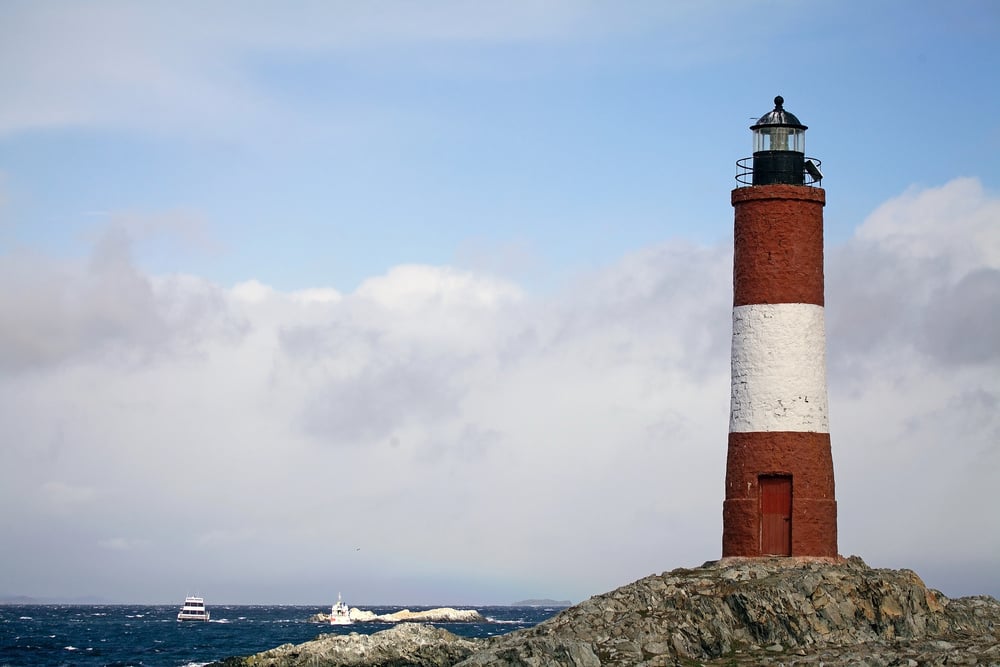
Argentina’s Les Eclaireurs Lighthouse, often called the ‘Lighthouse at the End of the World,’ guards the Beagle Channel near Ushuaia. This remote waterway, connecting the Atlantic and Pacific oceans at the southern tip of South America, is notorious for its unpredictable weather and hidden rocks.
The lighthouse has guided ships safely through this treacherous passage since 1920, preventing disasters in one of the world’s most challenging maritime environments.
Bishop Rock Lighthouse

The Bishop Rock Lighthouse sits on the westernmost point of the Isles of Scilly, 28 miles southwest of Cornwall. The isolated rock, barely large enough for the lighthouse itself, had been sinking ships approaching the English Channel for centuries.
Built in 1858 and later reinforced, this lighthouse prevents disasters by warning ships away from the Scilly Isles, an archipelago that had claimed over 500 vessels before effective lighting was installed.
Sambro Island Lighthouse
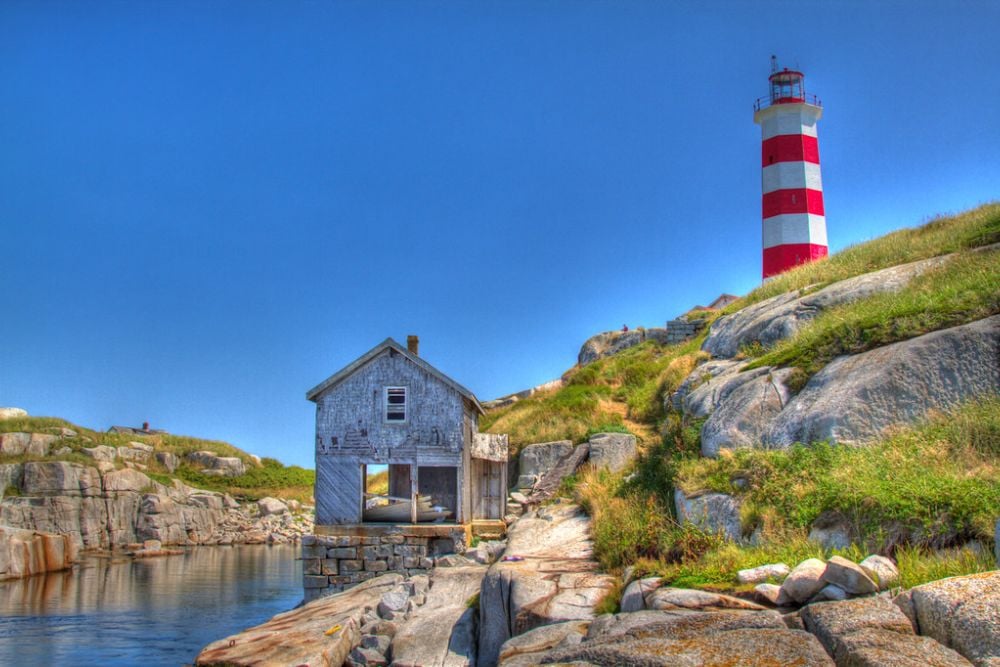
Nova Scotia’s Sambro Island Lighthouse, the oldest operating lighthouse in North America, has been preventing disasters at the entrance to Halifax Harbor since 1759. The rocky approaches to Halifax had been claiming ships since the port’s founding, with vessels regularly running aground on the numerous ledges and shoals.
The lighthouse has guided everyone from colonial merchants to modern naval vessels safely into one of the world’s finest natural harbors.
Guardians Still Standing

These seventeen lighthouses represent just a fraction of the thousands of beacons that have prevented maritime disasters throughout history. Each one stands as proof that sometimes the best way to handle danger isn’t to eliminate it entirely, but to warn people where it lies.
While modern GPS and radar have reduced our dependence on lighthouse beams, these structures continue their vigilant watch, their lights still cutting through darkness and storm. They remind us that human ingenuity, when applied to protecting others, can transform the world’s most dangerous places into passages of safety and hope.
More from Go2Tutors!

- The Romanov Crown Jewels and Their Tragic Fate
- 13 Historical Mysteries That Science Still Can’t Solve
- Famous Hoaxes That Fooled the World for Years
- 15 Child Stars with Tragic Adult Lives
- 16 Famous Jewelry Pieces in History
Like Go2Tutors’s content? Follow us on MSN.