17 Household Products That Were Hyped and Disappeared
Remember when grocery store aisles buzzed with products that promised to revolutionize how you cleaned, cooked, or organized your home? Companies spent millions convincing you these innovations would change everything.
Then, just as quickly as they arrived, they vanished from shelves, leaving behind only faint memories and the occasional dusty bottle in someone’s garage.
The household product graveyard is filled with items that seemed destined for greatness but couldn’t deliver on their bold promises. Some failed because they solved problems that didn’t really exist.
Others worked fine but cost too much or required too much effort. A few simply arrived at the wrong time, ahead of or behind the cultural moment they needed.
Crystal Pepsi
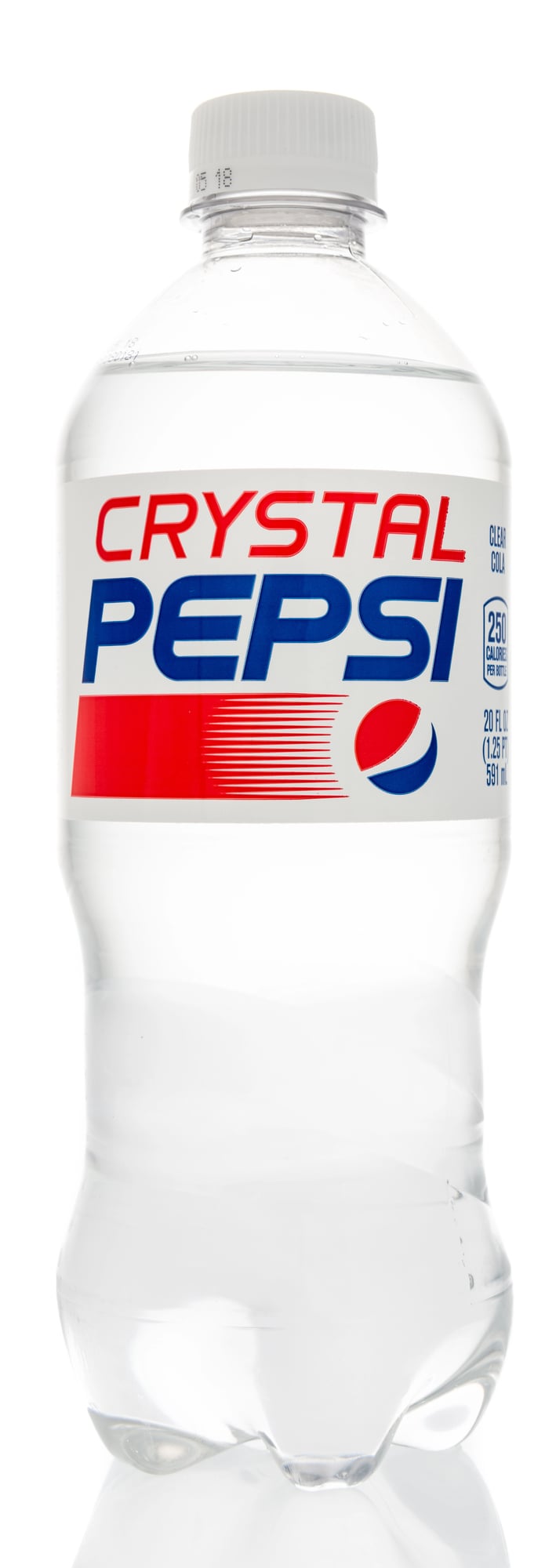
Clear cola was supposed to be the future of soft drinks. PepsiCo launched Crystal Pepsi in 1992 with massive marketing campaigns, promising all the taste of regular cola without the caramel coloring.
The logic seemed sound – consumers were gravitating toward “pure” and “natural” products.
The problem wasn’t the taste (though many found it confusing). The real issue was that people’s brains couldn’t reconcile the clear appearance with cola flavor.
Your eyes expected lemon-lime, but your taste buds got something entirely different. Within a year, Crystal Pepsi disappeared from most stores, becoming one of the most famous product failures of the 1990s.
Squeezit
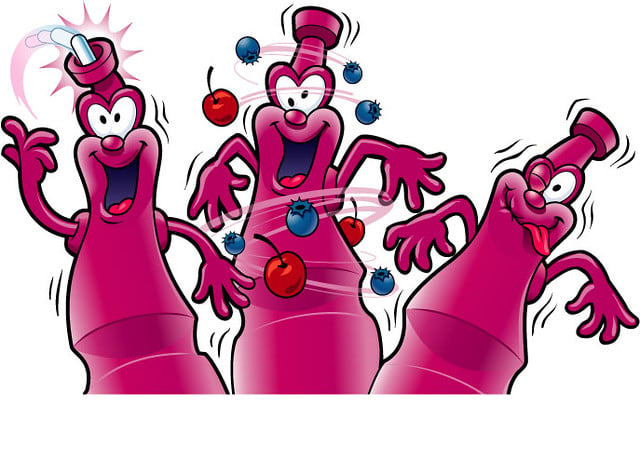
Those accordion-shaped bottles with the twist-off caps dominated lunch boxes throughout the 1990s. General Foods created Squeezit as a fun, portable drink that kids could literally squeeze into their mouths – no straw required.
The marketing was brilliant, featuring colorful characters and flavors like “Rockin’ Red Puncher” and “Mean Green Puncher.”
But Squeezit faced the same fate as many kid-focused products: parents eventually realized they were buying overpriced sugar water in wasteful packaging. When health consciousness started creeping into school lunch policies, products like Squeezit became casualties.
The brand limped along until the early 2000s before quietly vanishing from shelves.
Orbitz Drink
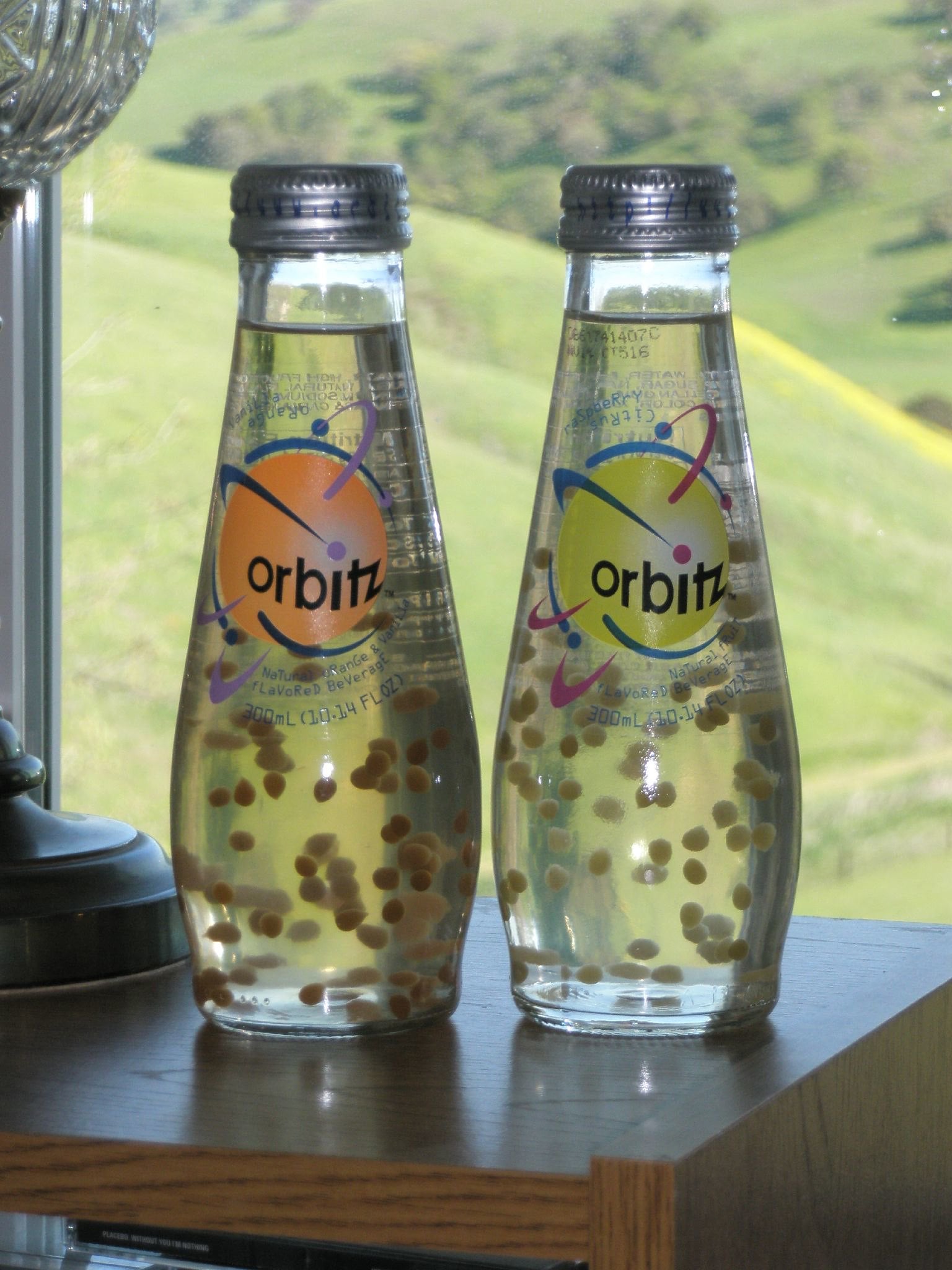
Picture a lava lamp you could drink. That was Orbitz – a clear beverage filled with small, floating gel orbs that bobbed around like tiny planets.
Clearly Canadian launched this bizarre concoction in 1997, banking on the novelty factor to drive sales.
The texture was Orbitz’s downfall. Those gel orbs, made from gellan gum, felt strange in your mouth – not quite solid, not quite liquid.
Some people compared drinking Orbitz to swallowing fish eggs or small pieces of jello. The novelty wore off quickly when consumers realized the experience was more unsettling than refreshing.
After just one year, Orbitz disappeared, though empty bottles still show up on eBay for surprising amounts of money.
Dippin’ Dots “Ice Cream of the Future”
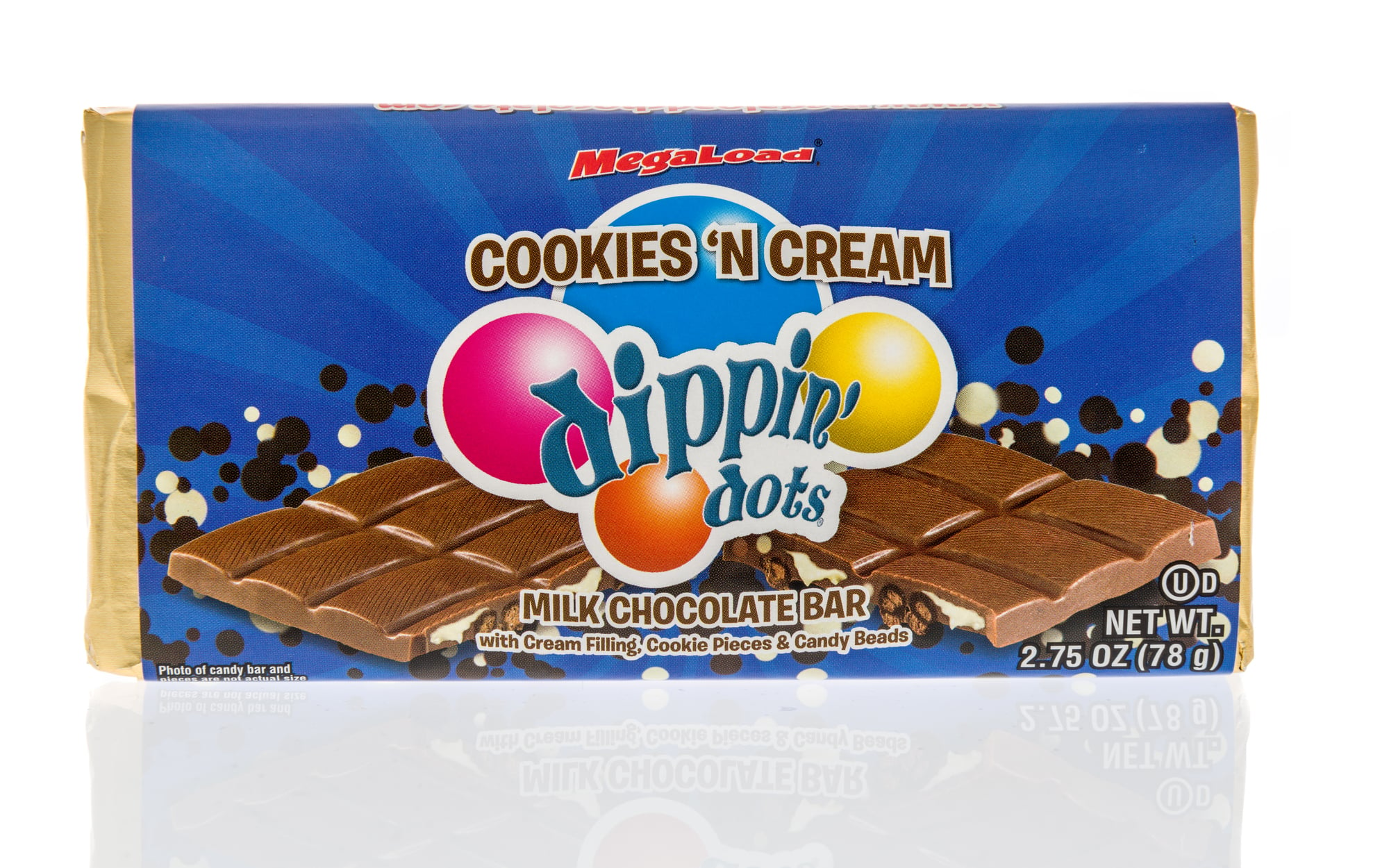
Dippin’ Dots promised to revolutionize frozen desserts with their tiny, flash-frozen beads of ice cream. The company branded itself as the “ice cream of the future,” available mainly at malls, theme parks, and movie theaters throughout the 1990s and early 2000s.
The product tasted fine, but the distribution model was flawed. Dippin’ Dots required extremely cold storage temperatures that regular freezers couldn’t maintain.
This meant you could only buy them at specialty locations with the right equipment. When shopping malls started declining and people began avoiding processed foods, Dippin’ Dots lost their captive audience.
The company still exists but operates on a much smaller scale than their peak years.
New Coke
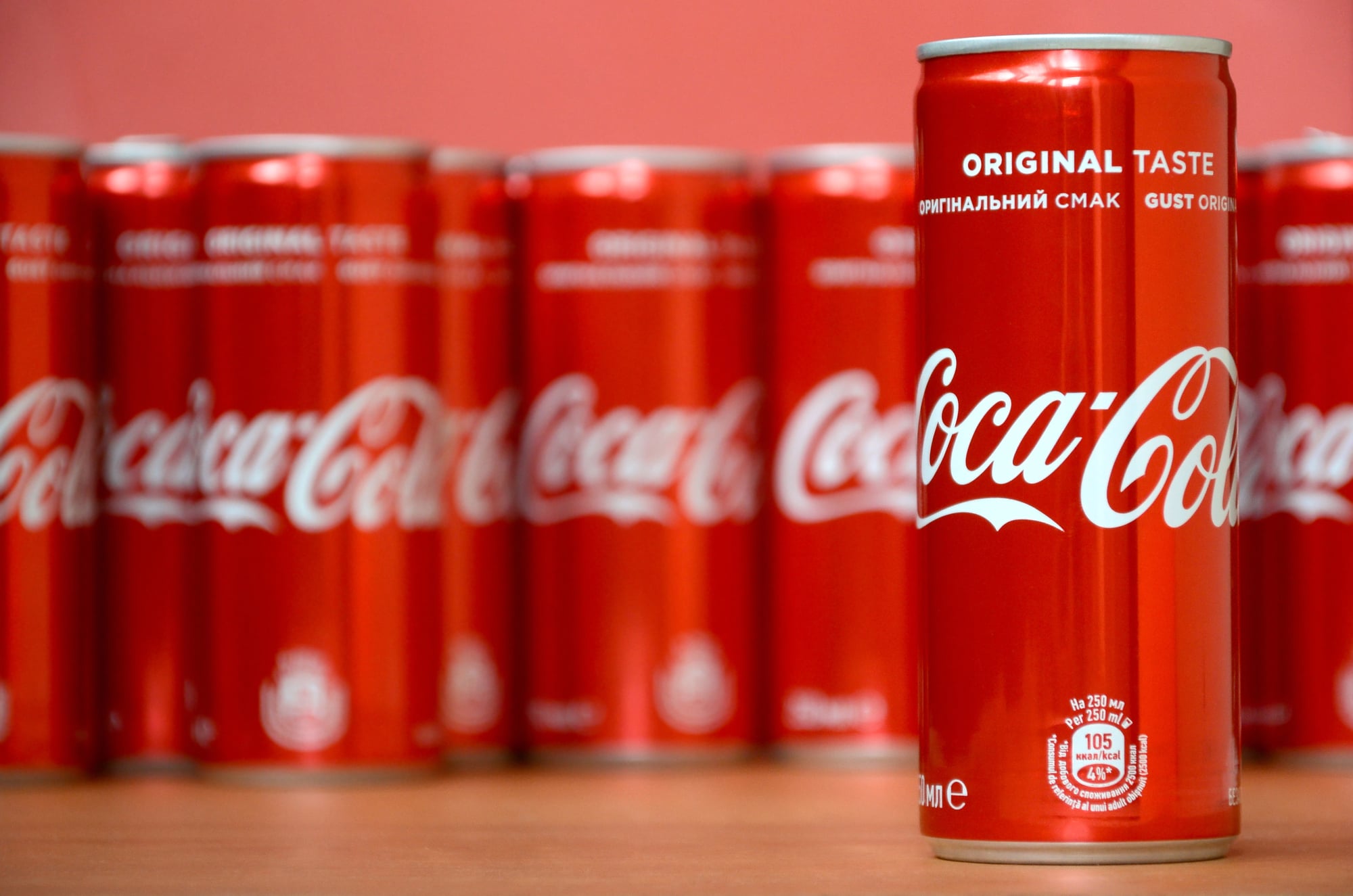
Coca-Cola’s decision to change their original formula in 1985 created one of the biggest product disasters in corporate history. Faced with declining market share against Pepsi, Coca-Cola developed a sweeter formula they called “New Coke” and discontinued the original version entirely.
The backlash was immediate and fierce. Customers stockpiled remaining bottles of original Coke, protest groups formed, and the company’s phone lines were flooded with angry calls.
Within 79 days, Coca-Cola brought back the original formula as “Coca-Cola Classic.” New Coke lingered around under various names until 2002, but it never recovered from that disastrous launch.
Some conspiracy theorists still claim the whole thing was a marketing stunt, but the company’s panic at the time suggests otherwise.
Zima
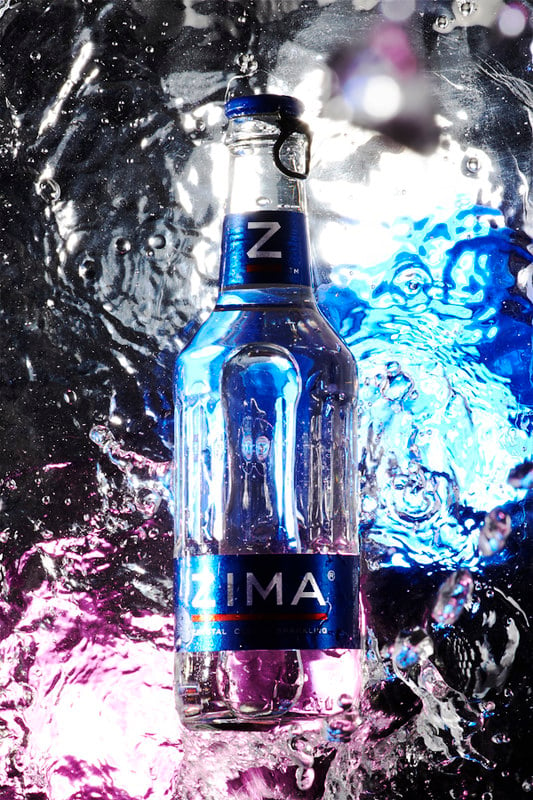
Clear alcoholic beverages had their moment in the 1990s, and Zima was supposed to lead that revolution. Coors marketed this clear malt beverage as a sophisticated alternative to beer – something that would appeal to people who found beer too bitter or heavy.
The name itself came from the Russian word for “winter.”
Zima became the target of endless jokes about its perceived lack of masculinity and its association with inexperienced drinkers. Saturday Night Live regularly mocked it, and the brand never recovered from becoming a punchline.
Despite various reformulations and marketing attempts, Zima was discontinued in the United States in 2008. Coors briefly brought it back in 2017 for a limited summer run, but it disappeared again just as quickly.
Fruitopia
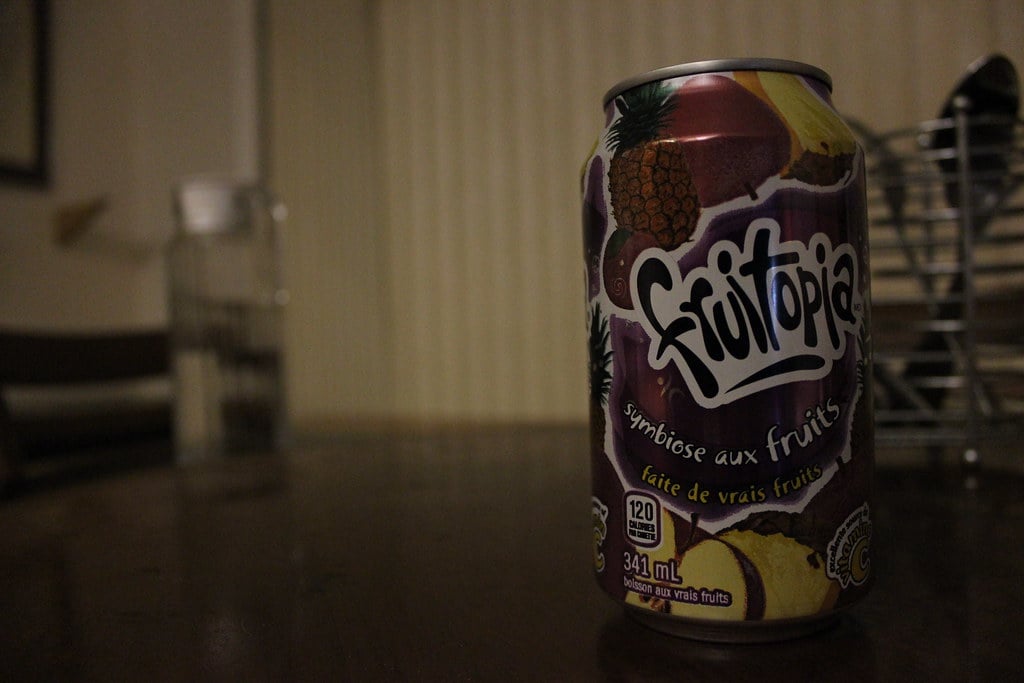
This psychedelic beverage line launched by Coca-Cola in 1994 represented everything trippy and optimistic about mid-90s culture. Fruitopia came in flavors with names like “Strawberry Passion Awareness” and “Citrus Consciousness,” marketed with swirling, kaleidoscopic advertisements that looked like animated album covers.
The drinks tasted like fruit punch with a slightly more complex flavor profile, but the real selling point was the aesthetic experience. Each bottle featured elaborate artwork and philosophical sayings that were supposed to expand your mind while you hydrated.
The problem was that most people just wanted a normal fruit drink, not a spiritual journey. By 2001, Fruitopia had largely disappeared from U.S. markets, though it hung on in Canada for several more years.
Tab Clear
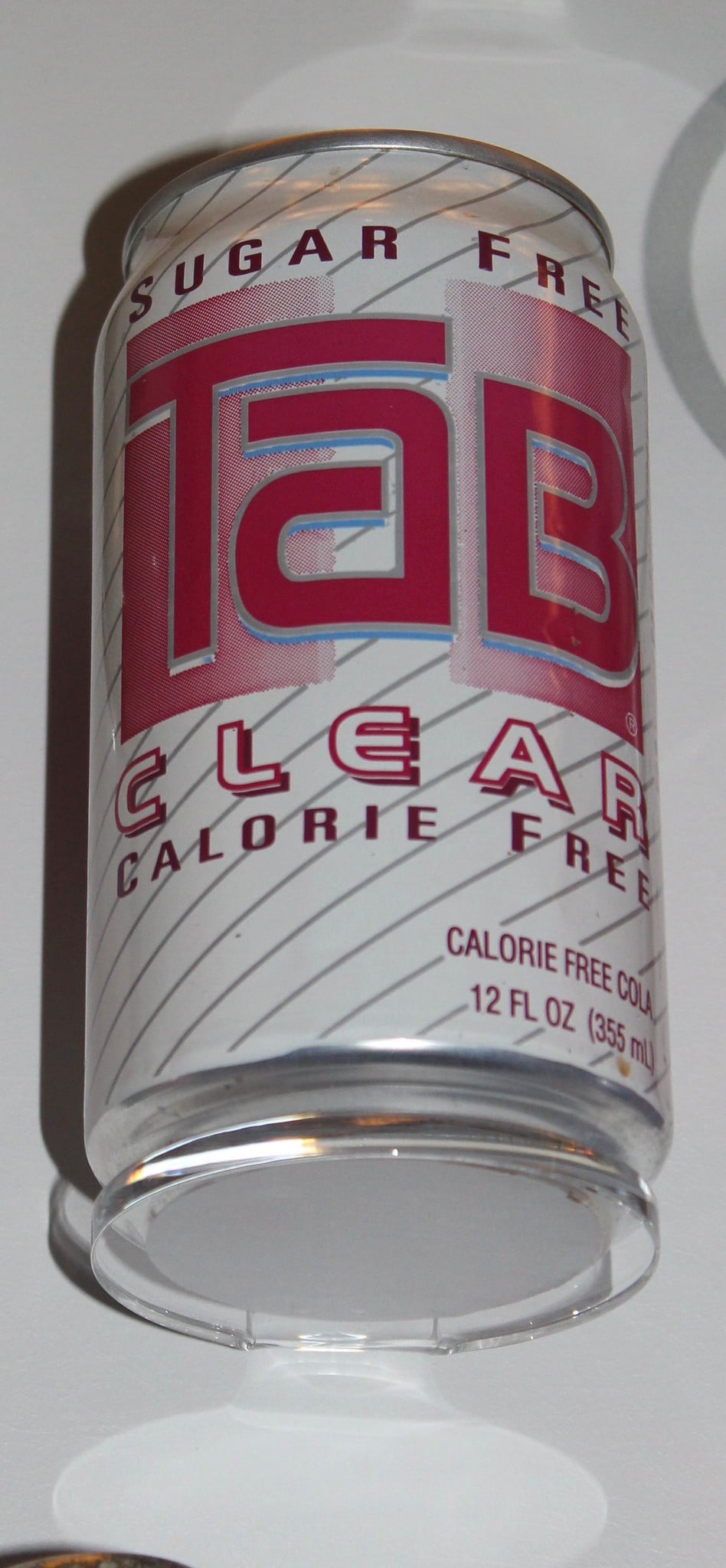
When Crystal Pepsi started gaining attention, Coca-Cola responded with their own clear cola called Tab Clear. But this wasn’t just competitive imitation – Coca-Cola deliberately designed Tab Clear to fail and take Crystal Pepsi down with it.
The strategy worked better than expected (though not in the way Coca-Cola hoped). By positioning Tab Clear as a diet drink and marketing it alongside regular Tab, Coca-Cola confused consumers about what clear colas were supposed to represent.
Were they diet drinks? Premium products? Health beverages? The category confusion helped kill both Tab Clear and Crystal Pepsi within months.
Tab Clear disappeared so quickly that many people today have never heard of it.
Josta
Pepsi’s attempt at an energy drink arrived in 1995, years before Red Bull became mainstream in the United States. Josta combined cola with caffeine from guarana and other exotic ingredients, marketed toward young adults who wanted more energy than regular soda could provide.
The timing was all wrong. American consumers weren’t ready for energy drinks yet, and Josta fell into an awkward middle ground – too intense for regular soda drinkers, not intense enough for people who actually needed energy boosts.
The flavor was described as medicinal by many reviewers. When Red Bull finally arrived and created the energy drink category properly, Josta couldn’t compete.
Pepsi discontinued it in 1999, just as energy drinks were about to explode in popularity.
Clearly Canadian
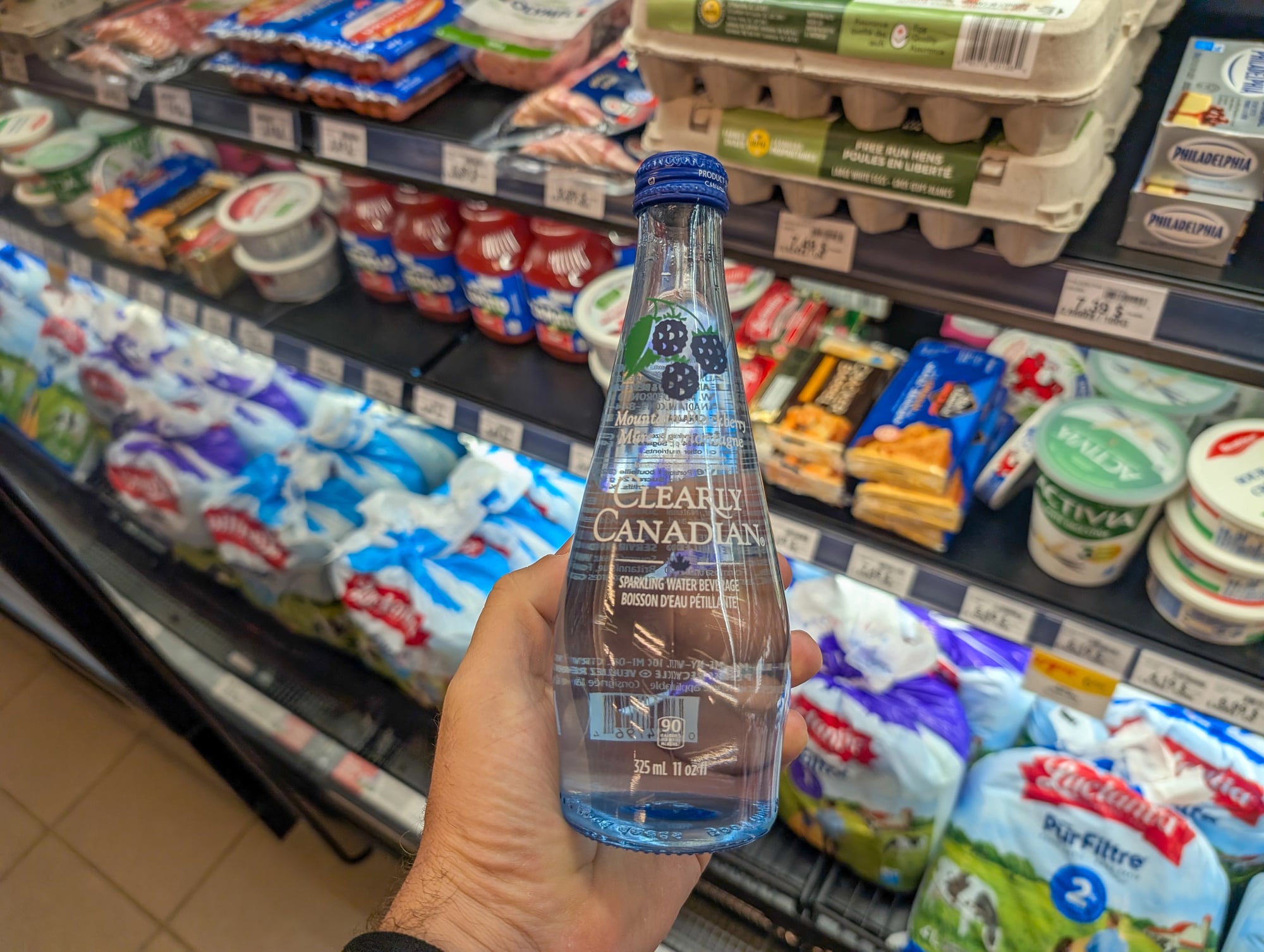
These glass bottles filled with lightly flavored sparkling water felt impossibly sophisticated in the late 1980s and early 1990s. Clearly Canadian marketed itself as a premium alternative to regular soft drinks, with flavors like Wild Cherry and Country Raspberry that suggested natural ingredients and Canadian purity.
The brand succeeded for several years, but premium bottled water was still a niche market. As more companies entered the space with lower prices and better distribution, Clearly Canadian couldn’t maintain its position.
The glass bottles were beautiful but expensive to ship and prone to breaking. The company went through bankruptcy and various ownership changes before essentially disappearing from major retailers by the mid-2000s.
Surge
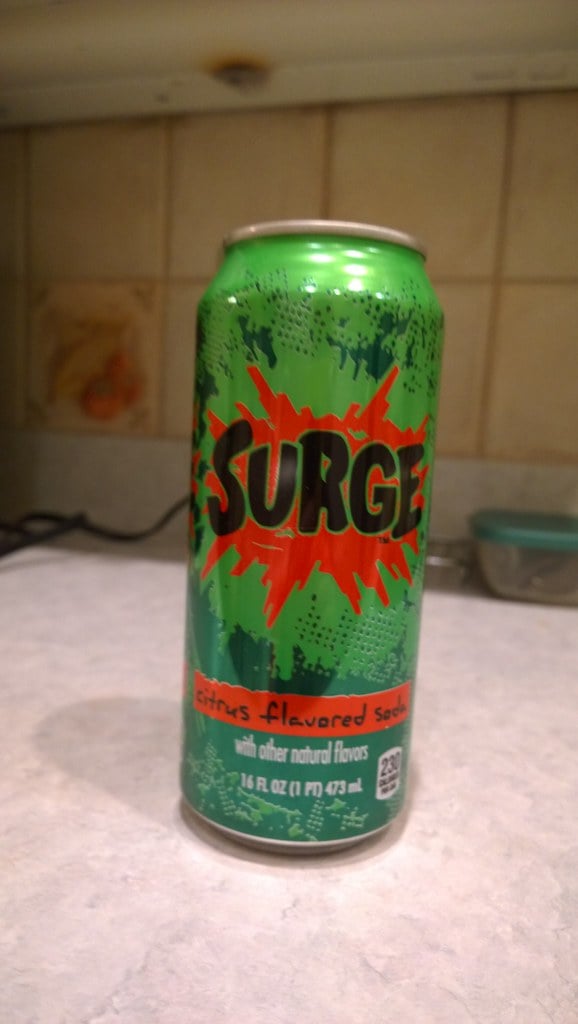
Coca-Cola created Surge in 1997 as their answer to Mountain Dew’s success among teenage boys. This neon-green citrus soda contained high levels of caffeine and was marketed with extreme sports imagery and aggressive advertising campaigns featuring the slogan “Fully Loaded.”
Surge developed a devoted cult following, but it never achieved the mainstream success Coca-Cola needed. The brand faced constant comparisons to Mountain Dew, and most consumers saw it as a knockoff rather than a legitimate alternative.
Distribution problems also hurt sales – many stores relegated Surge to limited shelf space or didn’t carry it at all. Coca-Cola discontinued Surge in 2003, though they briefly brought it back in limited quantities for nostalgic consumers in 2014.
OK Soda
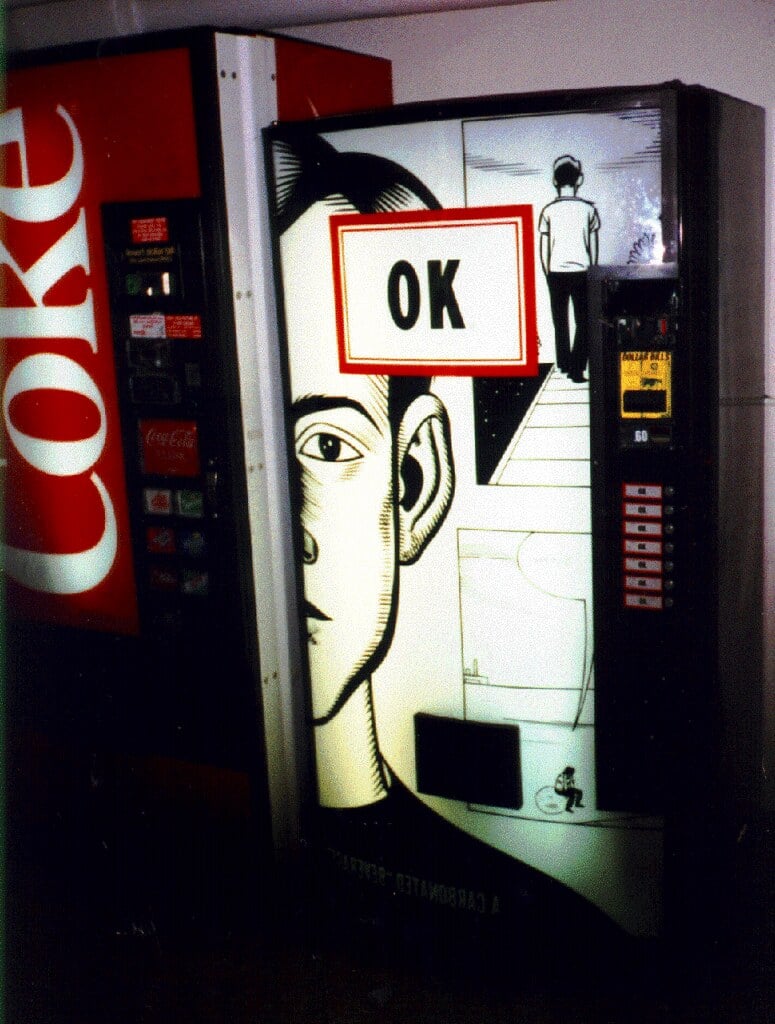
This might be the strangest marketing experiment of the 1990s. Coca-Cola created OK Soda specifically for Generation X, complete with deliberately mediocre branding and advertising that acknowledged the product was just “OK.”
The cans featured abstract artwork, and the commercials were intentionally low-energy and ironic.
The concept was too clever for its own good. While some appreciated the anti-marketing approach, most people just wanted a soda that tasted good and made them feel good about drinking it.
Telling customers your product is merely acceptable doesn’t inspire loyalty or repeat purchases. OK Soda was tested in select markets from 1993 to 1995 but never achieved national distribution before being quietly discontinued.
Vanilla Coke (Original Version)
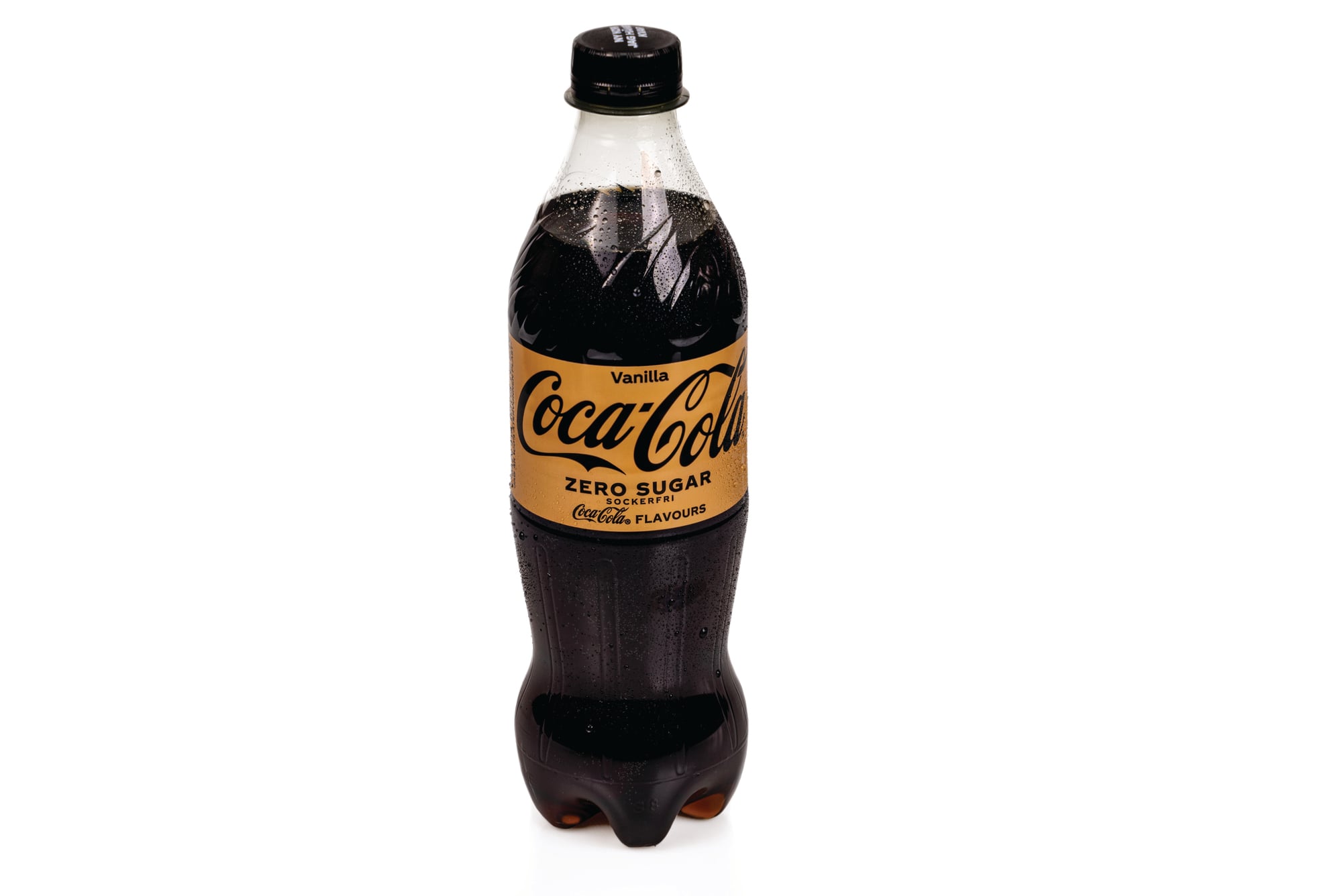
Before Vanilla Coke became a permanent fixture, Coca-Cola tested vanilla-flavored cola several times throughout the 1990s without success. The combination seemed obvious – vanilla was already a popular ice cream flavor, and people had been adding vanilla syrup to Cokes at soda fountains for decades.
Early versions of Vanilla Coke failed because the vanilla flavoring was either too subtle (people couldn’t taste the difference) or too strong (it overwhelmed the cola taste). The company also struggled with positioning – was this a premium product or just another flavor variant?
When Vanilla Coke finally succeeded in 2002, it was because Coca-Cola had solved the flavor balance issues and learned how to market flavor extensions properly.
Hubba Bubba Soda
Wrigley licensed their popular bubble gum brand for a pink soft drink that was supposed to taste like liquid Hubba Bubba. The concept appealed to kids who loved the gum, and the bright pink color certainly stood out on store shelves.
But bubble gum flavor in liquid form created the same cognitive dissonance that plagued Crystal Pepsi. Your brain expects bubble gum to be chewy and stretchy, not liquid and carbonated.
The flavor translation never quite worked, and many people found the taste artificial and cloying. Hubba Bubba Soda disappeared after just a few years, though it occasionally resurfaces in international markets or as a limited-time novelty item.
Pepsi AM
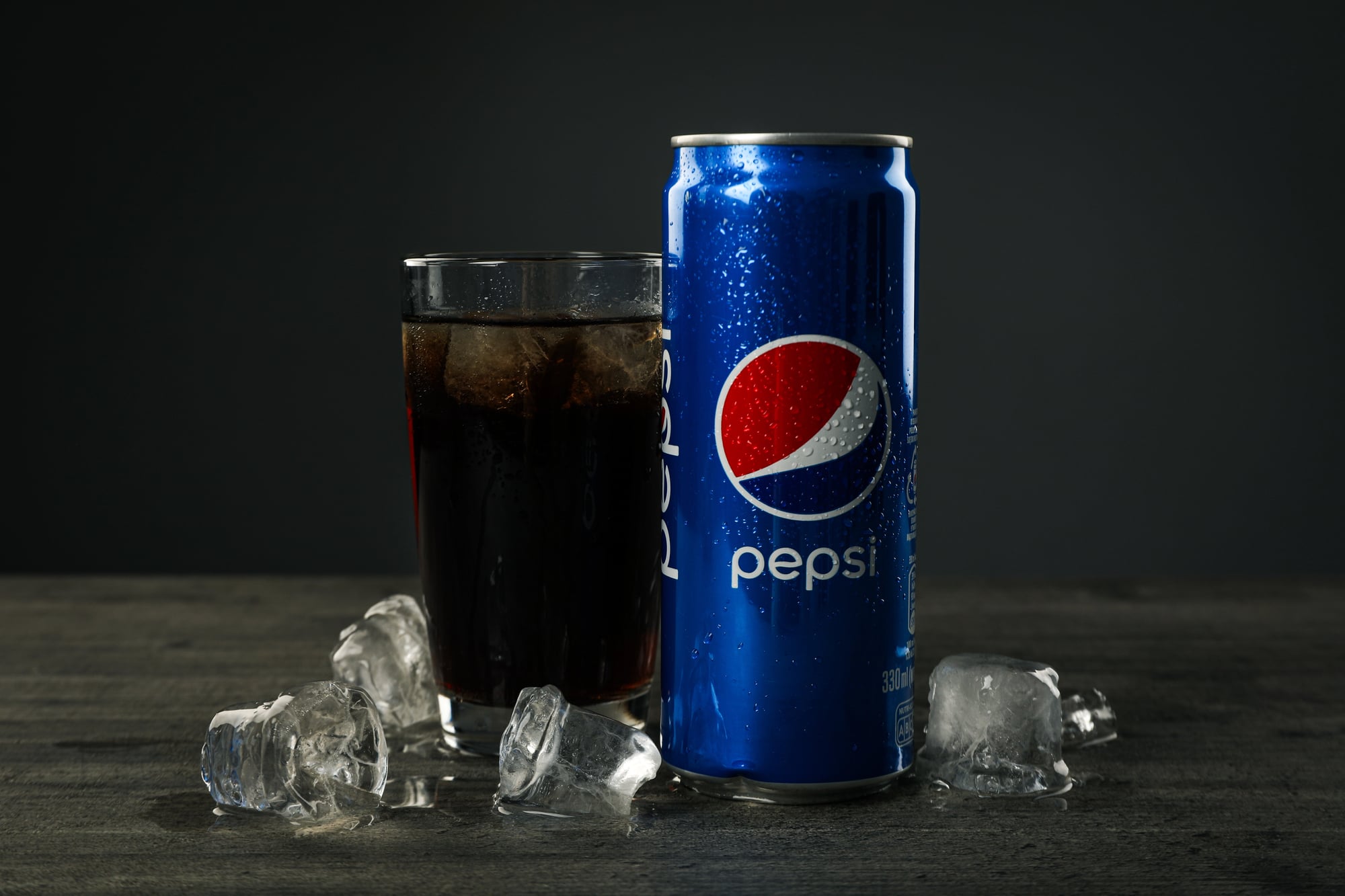
Morning cola was Pepsi’s attempt to expand beyond traditional soda consumption times. Pepsi AM, launched in 1989, contained higher caffeine levels and was marketed as an alternative to coffee for people who wanted a cold morning beverage.
The product made logical sense – many people already drank leftover pizza and Coke for breakfast – but cultural habits proved hard to change. Americans associated cola with lunch, dinner, and snacks, not with starting their day.
Coffee culture was also becoming more sophisticated during this period, making it harder for any alternative to gain traction. Pepsi AM lasted only about two years before being discontinued in most markets.
Crystal Gravy
This might be the most puzzling food product of the 1990s. Several companies experimented with clear versions of traditionally brown or colored foods, and gravy was somehow included in this trend.
Crystal gravy was supposed to provide all the flavor of regular gravy without staining your food or looking heavy on the plate.
The concept was doomed from the start. Gravy’s appeal comes partly from its rich, brown appearance that suggests depth of flavor and comfort.
Clear gravy looked like thick water and failed to trigger the same appetite response. Even when the taste was acceptable, the visual disconnect was too strong for most consumers to overcome.
Crystal gravy disappeared quickly and completely, remembered now only as one of the stranger experiments of the clear food trend.
Pepsi Blue
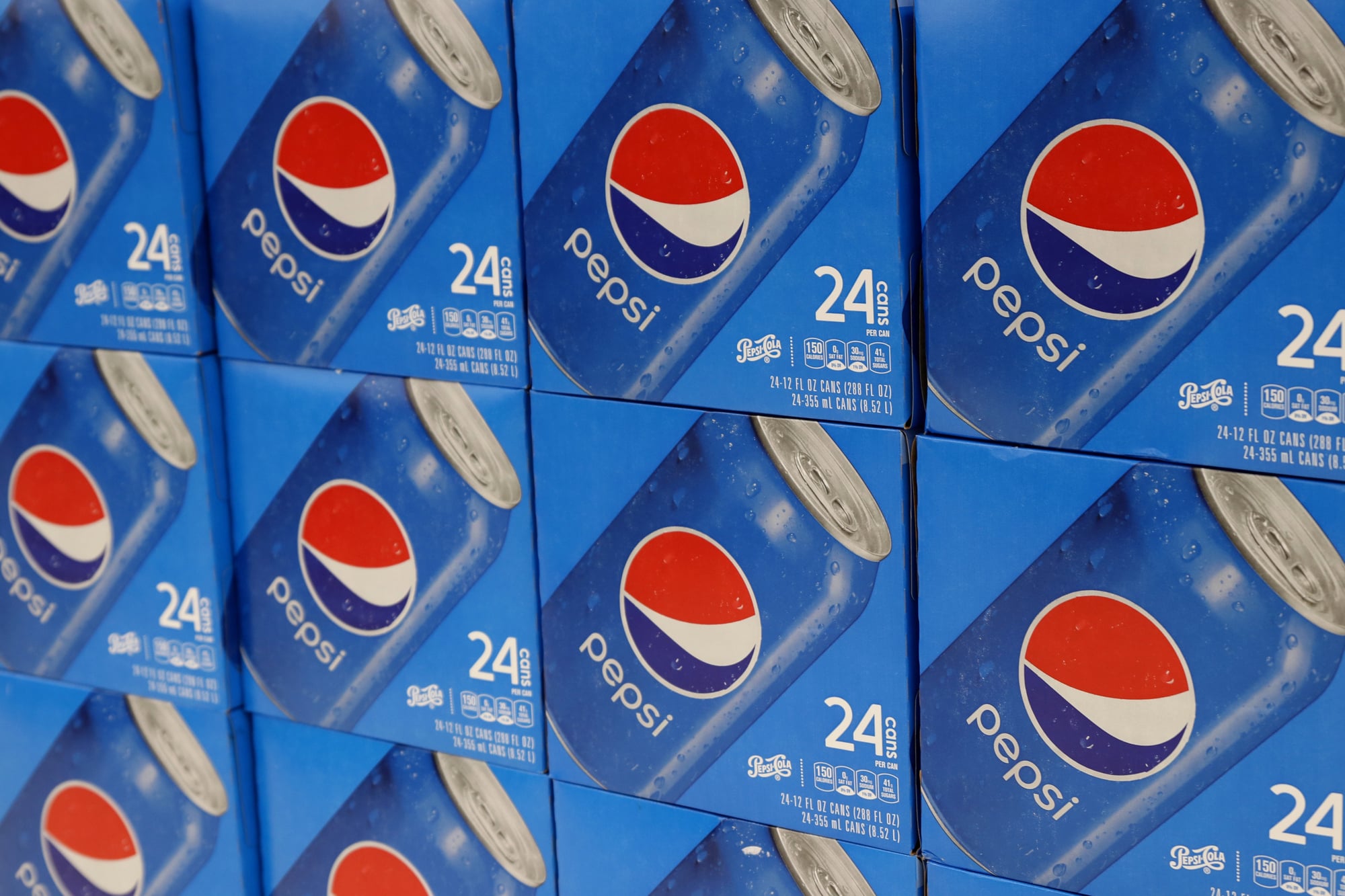
This berry-flavored cola arrived in 2002 with bright blue coloring and marketing aimed at teenagers and young adults. Pepsi Blue was supposed to represent a new category of flavored colas that would expand the market beyond traditional brown sodas.
The blue color was striking but also off-putting to many consumers. Food coloring technology had advanced enough to create vivid blue beverages, but humans still associate blue foods with artificial flavoring and chemicals rather than natural ingredients.
The berry-cola combination also proved less appealing than Pepsi hoped. After two years of disappointing sales, Pepsi Blue was discontinued in most markets, though it remained available in some international locations for several more years.
Looking Back at the Hype Machine
These vanished products share common threads that reveal how consumer markets actually work versus how companies think they work. The most successful products solved real problems with elegant solutions, while the failures either created problems that didn’t exist or offered solutions that were more complicated than the original issue.
The 1990s and early 2000s were particularly fertile ground for product experimentation because manufacturing technology was advancing rapidly and focus group testing made companies believe they could predict consumer behavior more accurately than they actually could. Many of these products tested well in controlled environments but failed when real people encountered them in real contexts.
What’s fascinating is how many of these failed products have developed cult followings years after disappearing. Online communities trade stories about Surge and Crystal Pepsi the way previous generations reminisced about discontinued car models or canceled TV shows.
Sometimes the memory of a product becomes more powerful than the product itself ever was.
More from Go2Tutors!

- The Romanov Crown Jewels and Their Tragic Fate
- 13 Historical Mysteries That Science Still Can’t Solve
- Famous Hoaxes That Fooled the World for Years
- 15 Child Stars with Tragic Adult Lives
- 16 Famous Jewelry Pieces in History
Like Go2Tutors’s content? Follow us on MSN.