15 Fascinating Facts About New Year’s Fireworks
Standing outside on a cold December night, watching colors explode across the sky—that’s how millions of people mark the start of a new year. Fireworks have become so linked with New Year’s celebrations that it’s hard to imagine one without the other.
But behind these bright displays lies history, science, and sheer scale full of surprises. You might never have considered everything that goes into New Year’s fireworks.
The Chinese Invented Fireworks Over 2,000 Years Ago
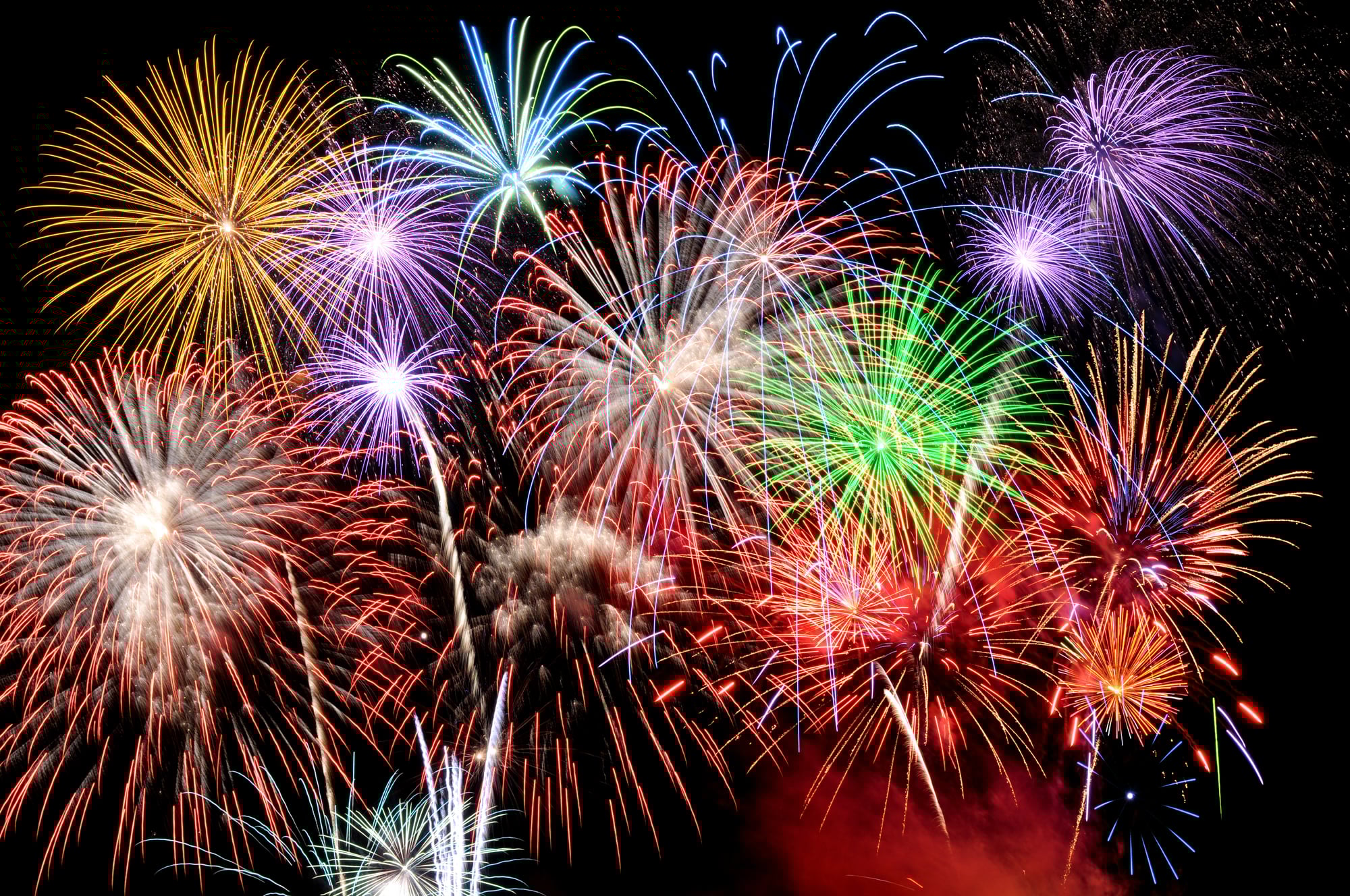
Fireworks trace back to ancient China, somewhere between 200 BC and 220 AD. A cook accidentally mixed charcoal, sulfur, and saltpeter and noticed the mixture burned with unusual intensity.
When confined in a bamboo tube, it exploded. People believed the loud bangs scared away evil spirits, so they started using these early firecrackers during celebrations and important events.
Sydney’s Midnight Show Uses Over 100,000 Individual Effects

Sydney’s New Year’s Eve fireworks launch more than 100,000 individual pyrotechnic effects from seven locations, including the Sydney Harbour Bridge. The 12-minute show requires a full year of planning.
The display costs roughly $7 million AUD annually. Over one billion people watch it on television worldwide, making it one of the most viewed fireworks shows on the planet.
Dubai Broke the World Record with 500,000 Fireworks in Six Minutes
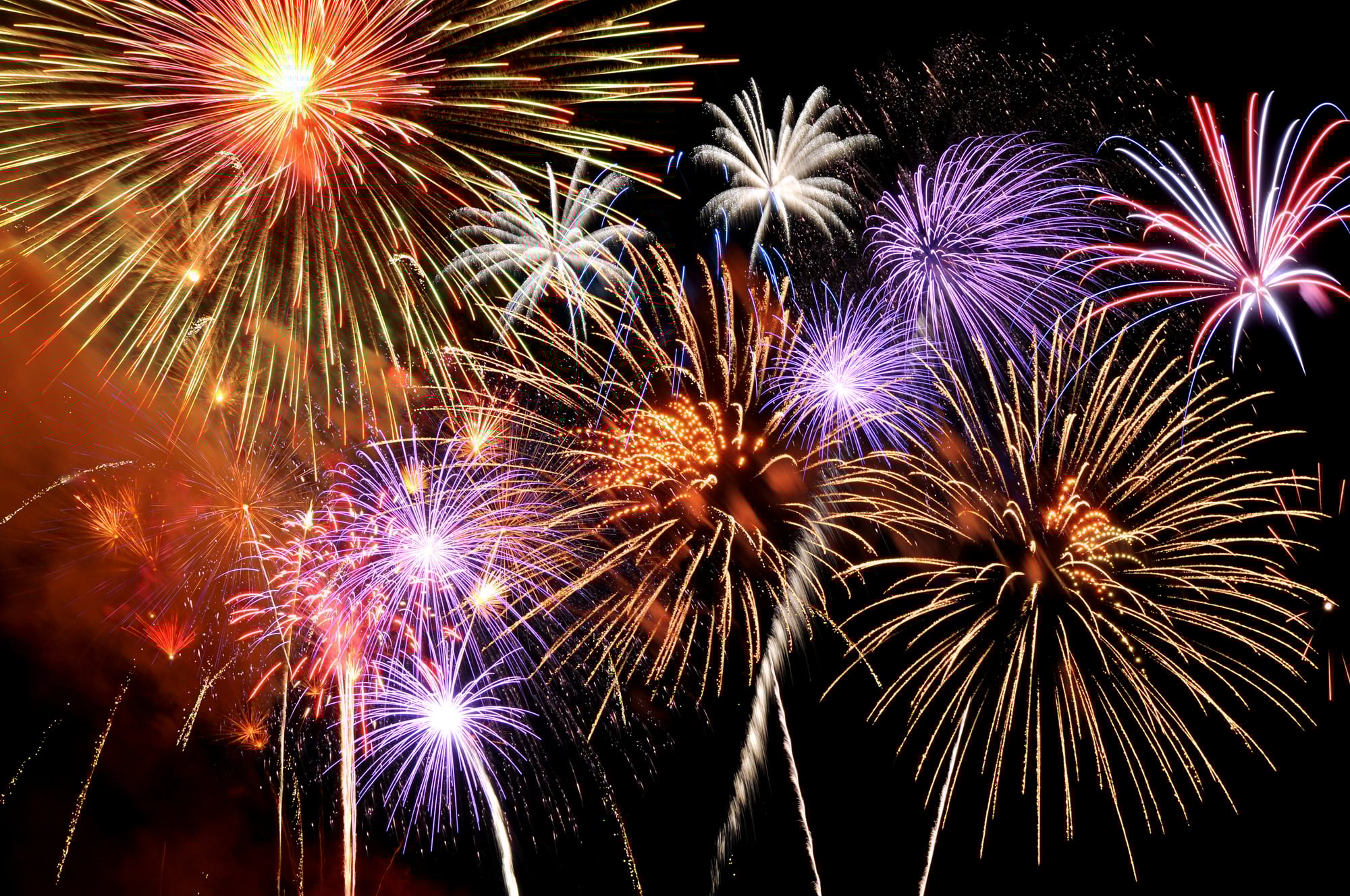
On New Year’s Eve 2014, Dubai set the Guinness World Record for the largest fireworks display ever. The show used more than 500,000 fireworks launched from 400 locations across a 100-kilometer coastline.
The display lasted just six minutes—about 1,400 fireworks per second. Coordinating this required precise computer timing and months of preparation.
The Colors Come from Different Metal Compounds
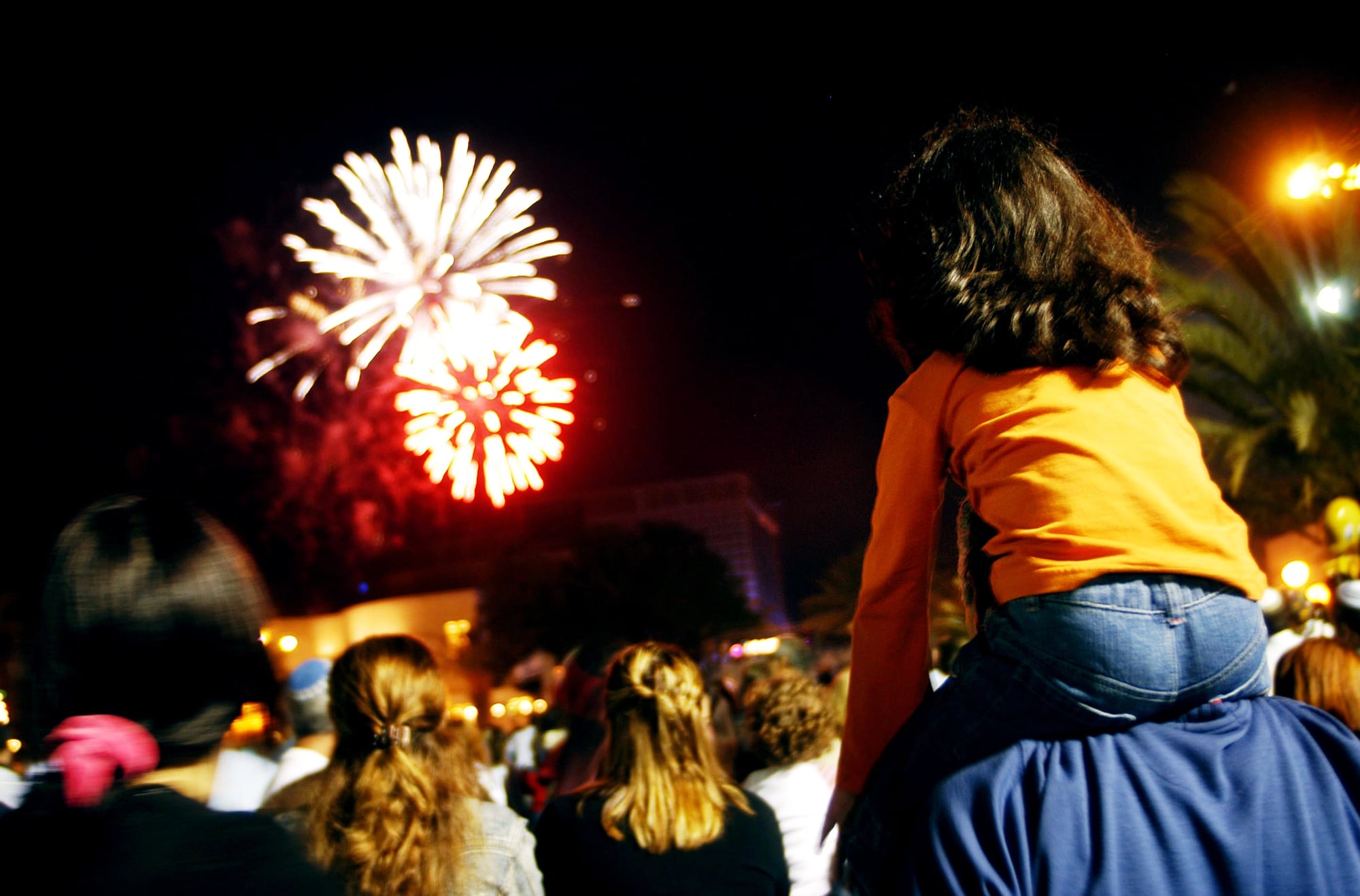
Red fireworks use strontium compounds, blue uses copper, yellow uses sodium, and green uses barium. Each color depends on specific metallic salts burning at different wavelengths.
Creating blue fireworks is the hardest challenge for pyrotechnicians. The copper compounds require extremely high temperatures and can be affected by other colors or atmospheric conditions.
Fireworks Can Reach Speeds of 150 Miles Per Hour
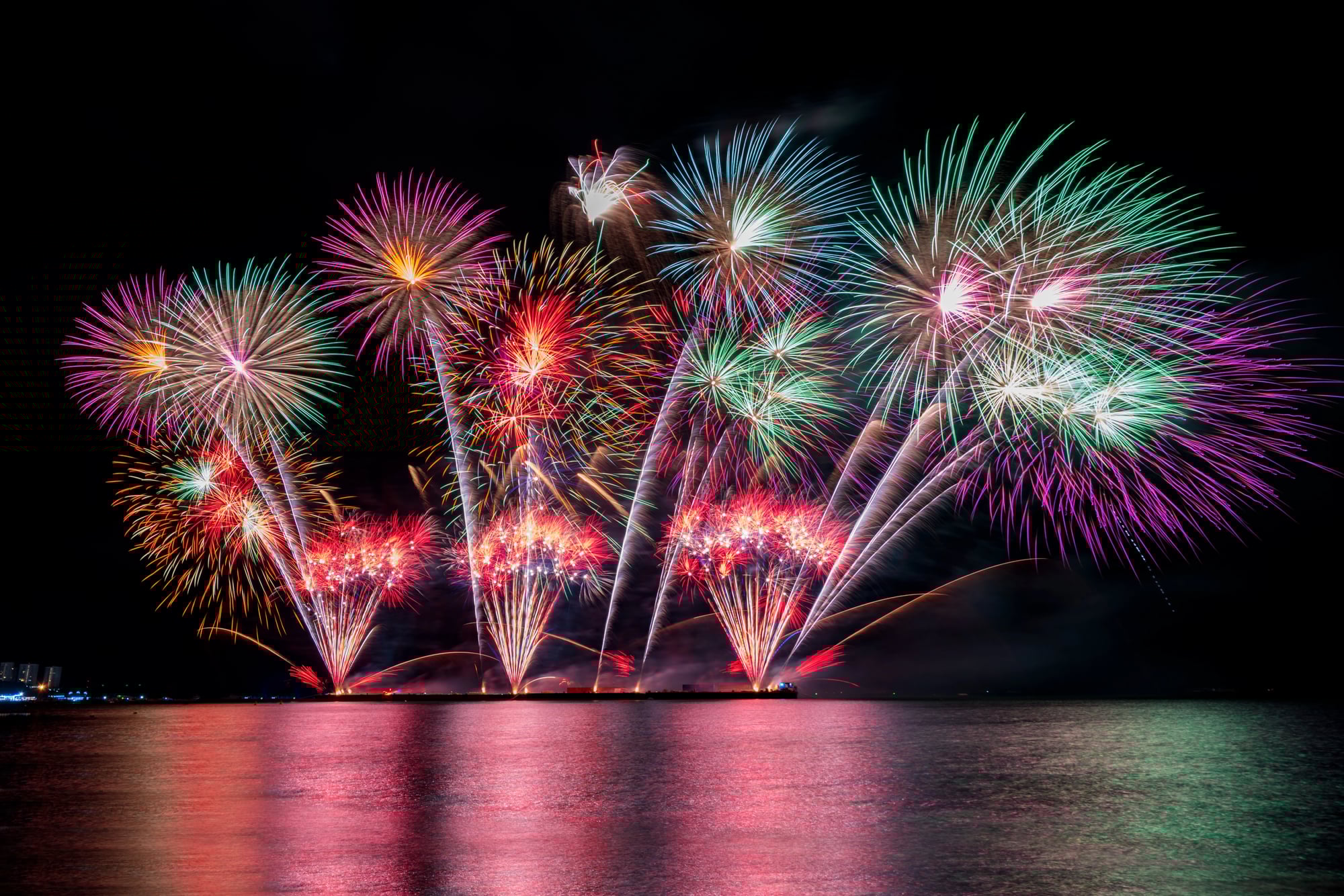
A typical aerial shell accelerates to 150–200 miles per hour as it shoots skyward. The fuse burns at a carefully calculated rate so the shell explodes at the right altitude.
Timing is critical. If the shell explodes too low, it looks cramped and can be dangerous; too high and the colors fade before reaching viewers’ eyes.
New York’s Times Square Drops More Than a Crystal Orb
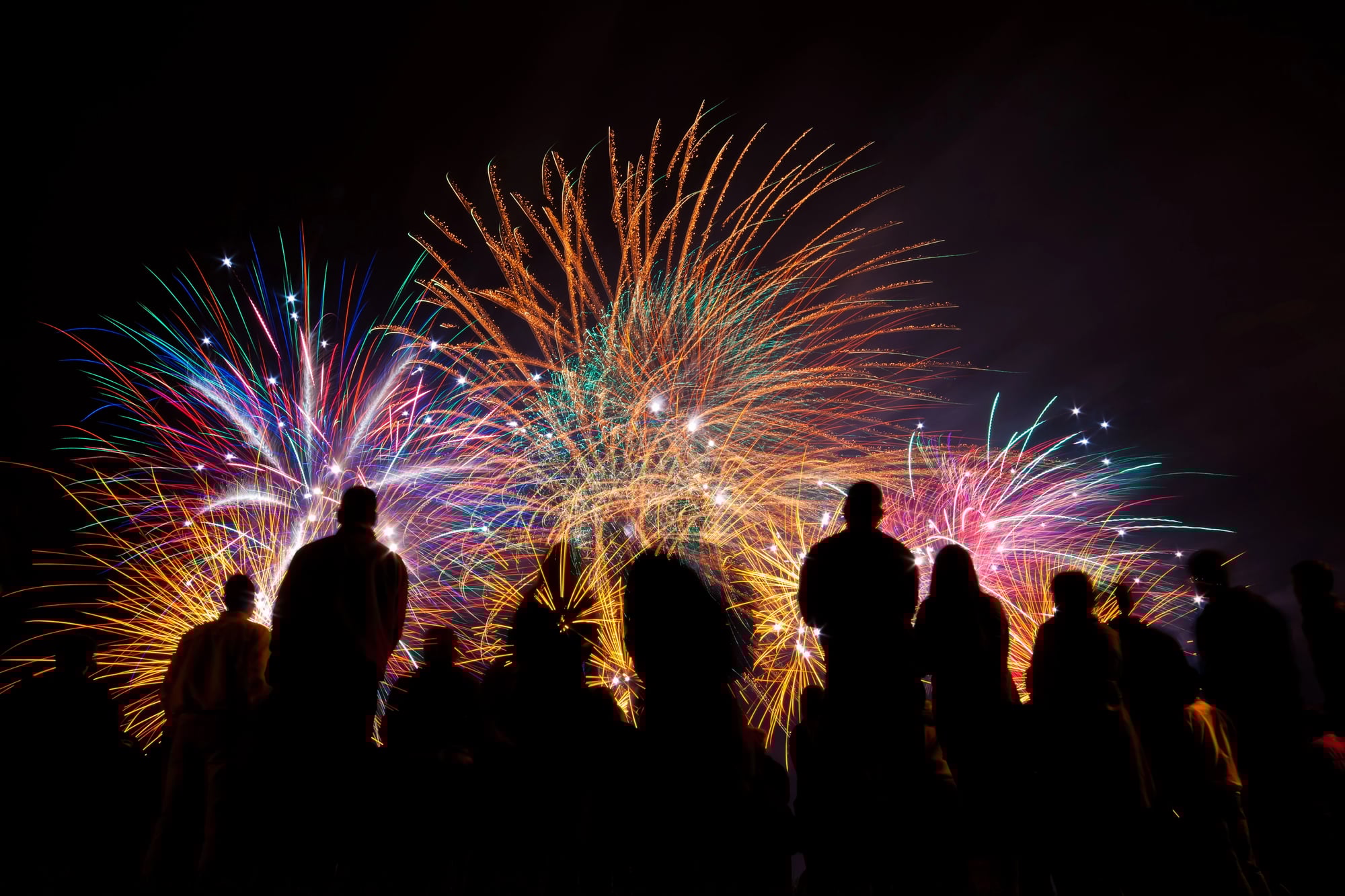
In addition to the famous ball drop, a fireworks display launches from rooftops around Times Square. Coordinating it in crowded Manhattan requires careful planning.
Buildings block sightlines, and safety regulations are extreme. The pyrotechnic team spends weeks determining mortar placement to keep over a million spectators safe.
Ancient Romans Used Fireworks at Celebrations Too
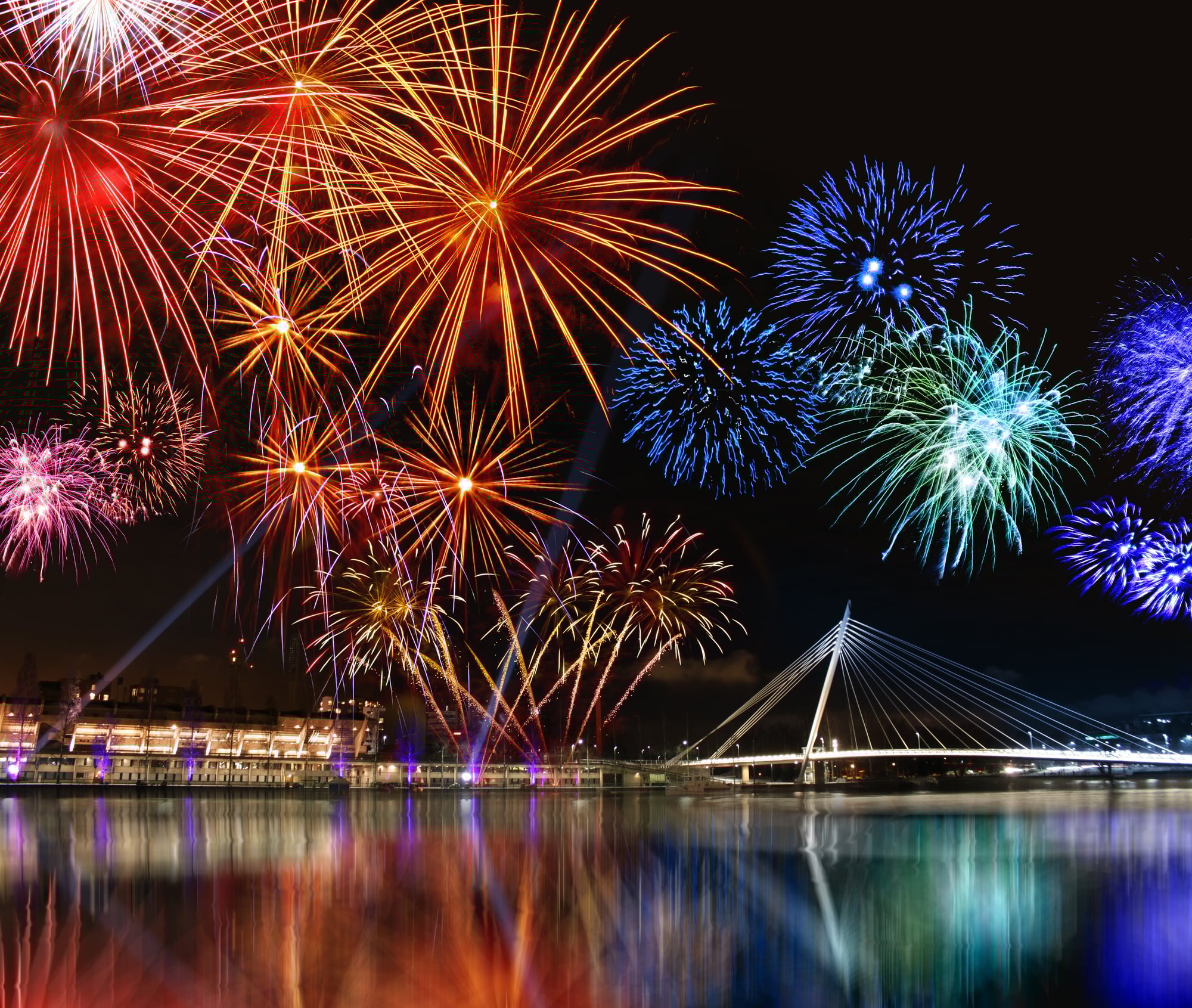
While China invented fireworks, the Roman Empire created spark-producing celebrations using rosin and frankincense on bonfires. They didn’t have aerial shells but understood the connection between fire and celebration.
When Marco Polo brought gunpowder from China in the 13th century, European fireworks evolved rapidly. Within 200 years, Italian pyrotechnicians gained fame for royal and religious displays.
A Single Shell Can Cost Several Thousand Dollars

Big aerial shells cost between $500 and $5,000 each. The largest shells, sometimes over 100 pounds, can cost even more.
Cities budget year-round for these shows. Costs include fireworks, safety crews, insurance, permits, barges, and the pyrotechnicians who design and execute the display.
Fireworks Shows Are Choreographed to Music
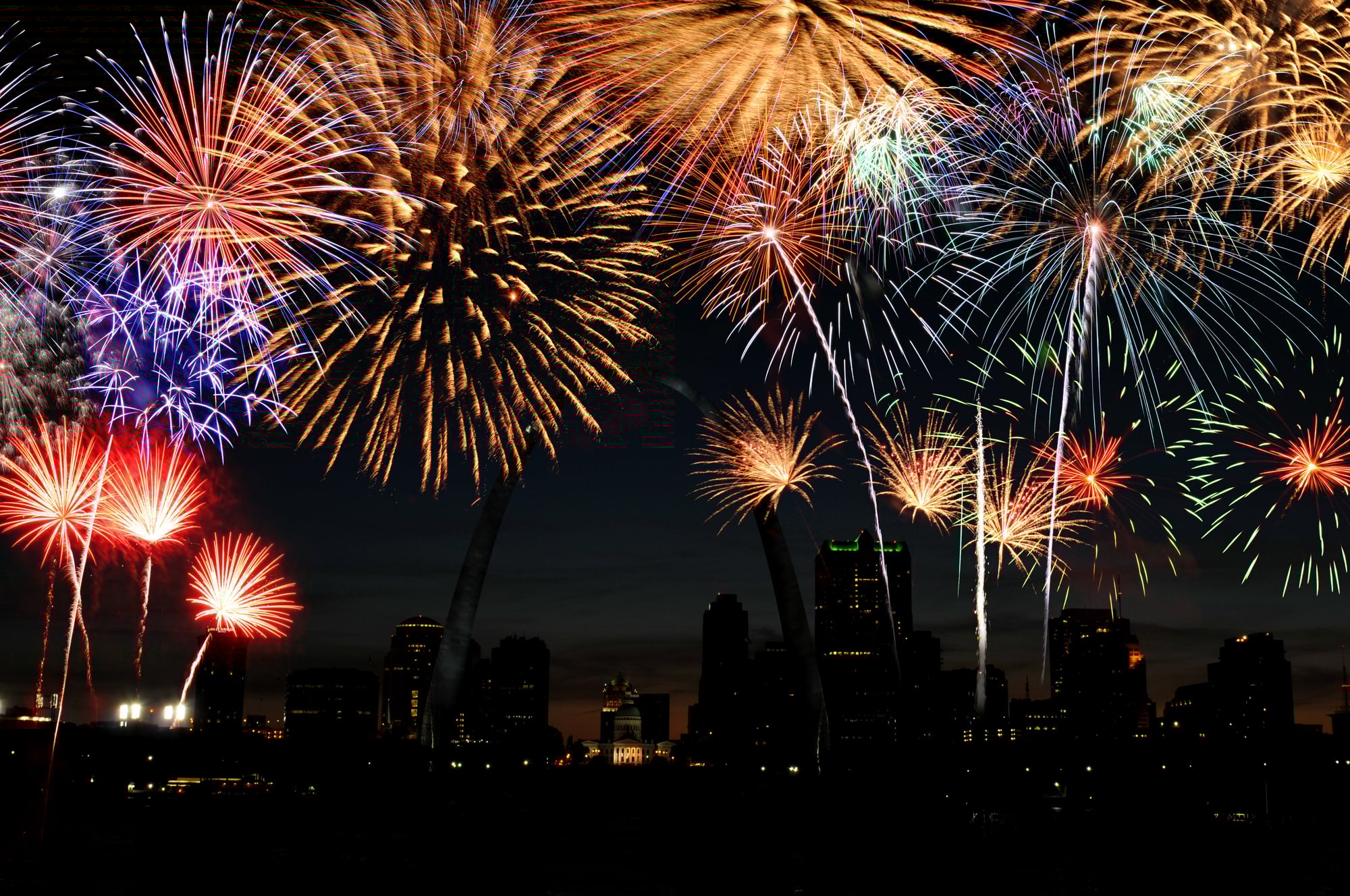
Modern displays sync to music through computer programs triggering explosions at precise moments. The software connects to electronic firing systems that ignite shells within milliseconds.
Designers spend months matching bursts to music, considering duration, color, and placement. The best shows tell a story through sound and light.
London’s Display Lights Up from the Thames
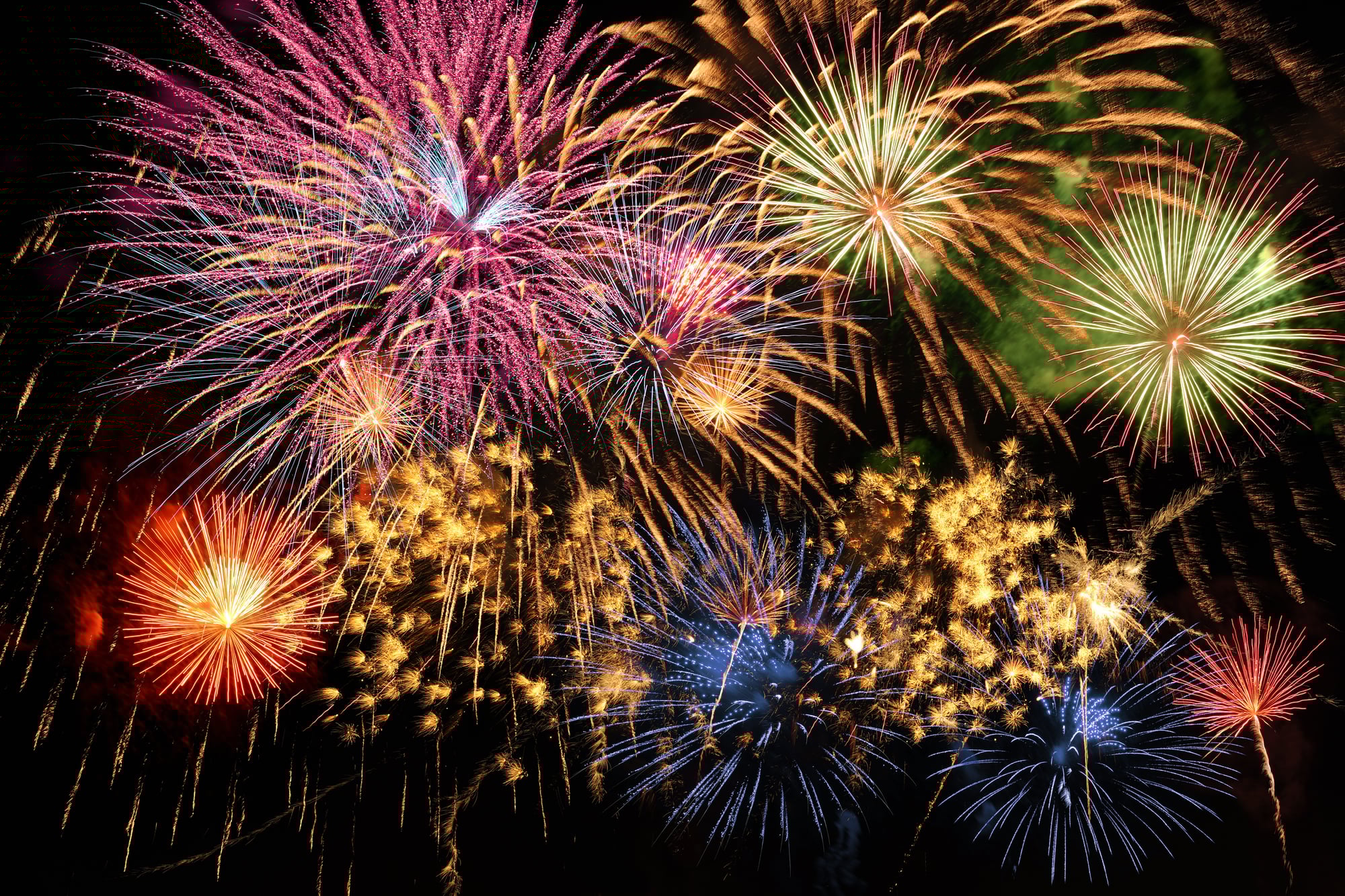
London launches fireworks from barges on the River Thames, with the London Eye as the centerpiece. The 10-minute show uses over 12,000 fireworks and attracts around 100,000 spectators.
Tickets for designated riverbank areas sell out quickly. Reflections on the water enhance the visual effect, creating patterns land-based displays can’t match.
Some Fireworks Can Reach Heights of 1,200 Feet

Large aerial shells can explode between 1,000 and 1,200 feet high. A three-inch shell produces a 300-foot burst, while a 12-inch shell spreads across 1,200 feet.
The largest ever recorded was a 2,797-pound shell launched in Colorado in 2020. It rose 2,200 feet and created a burst nearly a mile wide.
Countries Celebrate at Different Times, Creating a Global Wave

As midnight sweeps across time zones, New Year’s fireworks create a rolling global celebration. Kiribati sees the first sunrise, followed by Fiji, New Zealand, Australia, and other time zones.
This wave of displays lasts nearly 24 hours. Social media captures each display, creating a shared worldwide experience.
Fireworks Noise Can Reach 150 Decibels
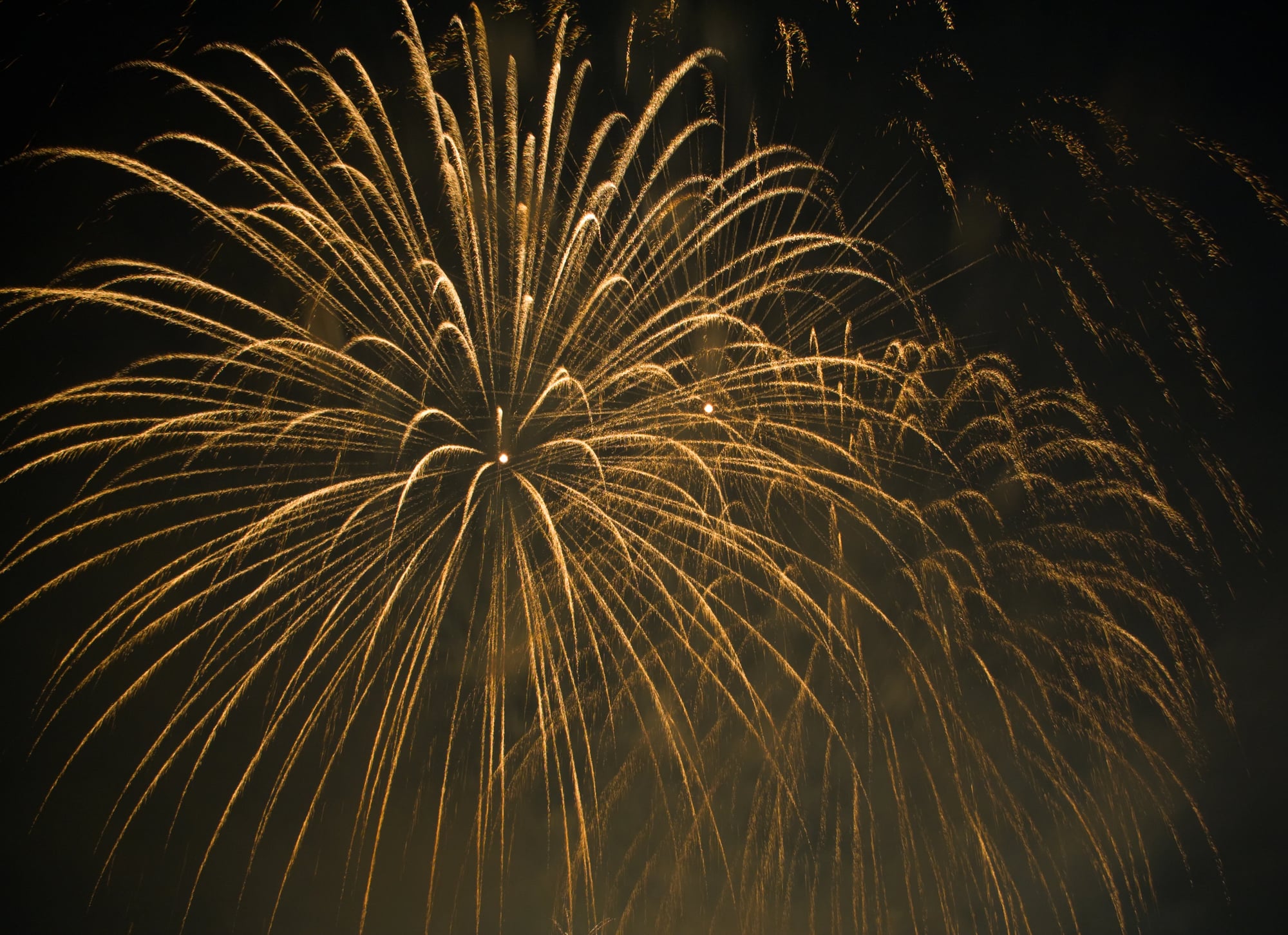
Explosions from large fireworks can hit 150–175 decibels at close range, louder than a jet engine. Even at a distance, sound can exceed 100 decibels.
Prolonged exposure above 85 decibels damages hearing. Professionals wear protection, and spectators should stay at recommended distances.
Environmental Concerns Are Changing Fireworks
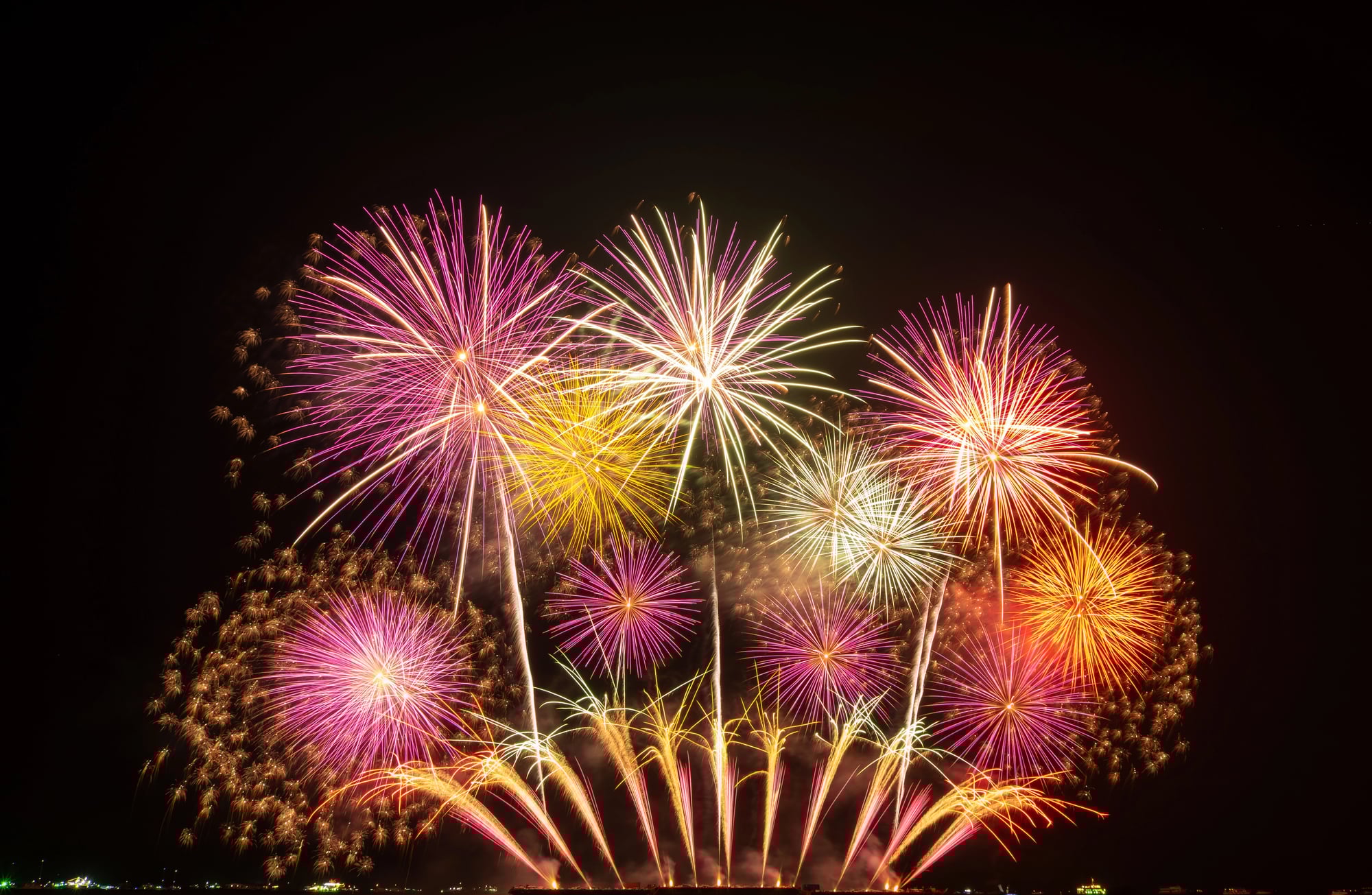
Traditional fireworks scatter metal debris and produce smoke and dust. Water absorbs harmful chemicals, and thick clouds rise into the air, impacting air quality.
Some places now test quieter, cleaner alternatives using LED or drone displays. These methods reduce pollution while keeping celebrations visually spectacular.
The Tradition Started Spreading Globally in the 1800s
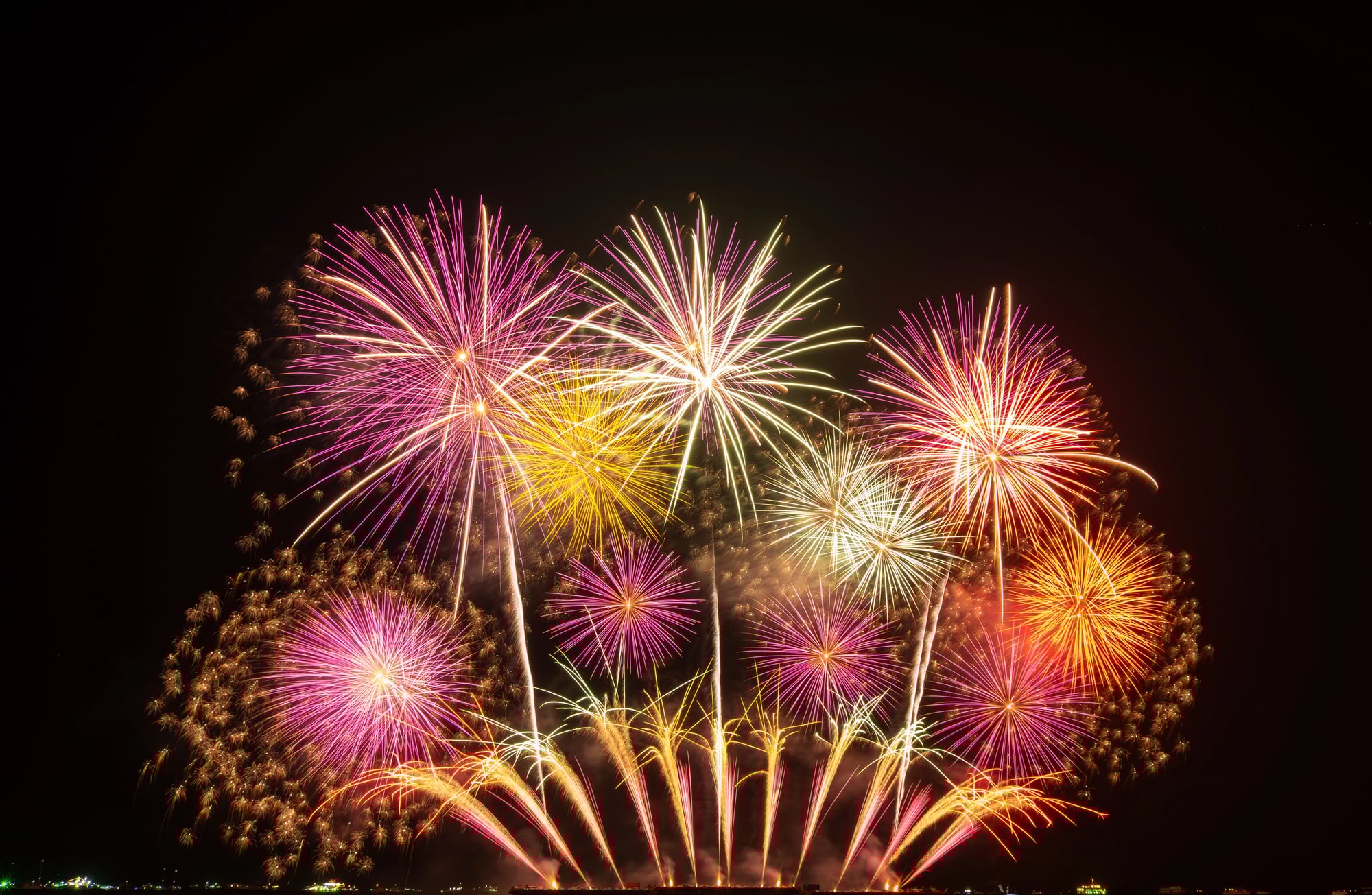
Using fireworks for New Year’s became common in the 1800s. European colonialism helped spread the tradition worldwide, and cities began competing with increasingly elaborate displays.
Today, nearly every major city hosts a show. What started as simple firecrackers has become precisely choreographed multimedia spectacles.
When the Sky Lights Up, Time Stands Still

The first firework climbing into view draws all attention. Screens are put away, and eyes follow each explosion. Bright flashes and sudden sounds pull time forward in a unique way.
After the bursts fade, silence settles. That hush carries the promise of the year ahead, making fireworks the perfect symbol of New Year’s renewal.
More from Go2Tutors!

- The Romanov Crown Jewels and Their Tragic Fate
- 13 Historical Mysteries That Science Still Can’t Solve
- Famous Hoaxes That Fooled the World for Years
- 15 Child Stars with Tragic Adult Lives
- 16 Famous Jewelry Pieces in History
Like Go2Tutors’s content? Follow us on MSN.