15 Countries With the Most Oil Reserves
Oil is still one of the most important resources in the world economy. Oil is used to power industries and transportation.
It is also important in geopolitics. Although the production figures are widely publicized, the actual figures that affect the energy sector are the oil reserves—the estimated recoverable oil.
There are some countries that have large oil reserves that can last for many years, not only influencing their economies but also the world’s energy sector. These oil reserves are not equally distributed in the world, thus the geopolitical importance of some countries.
Here are the countries with the biggest oil reserves in the world.
Venezuela
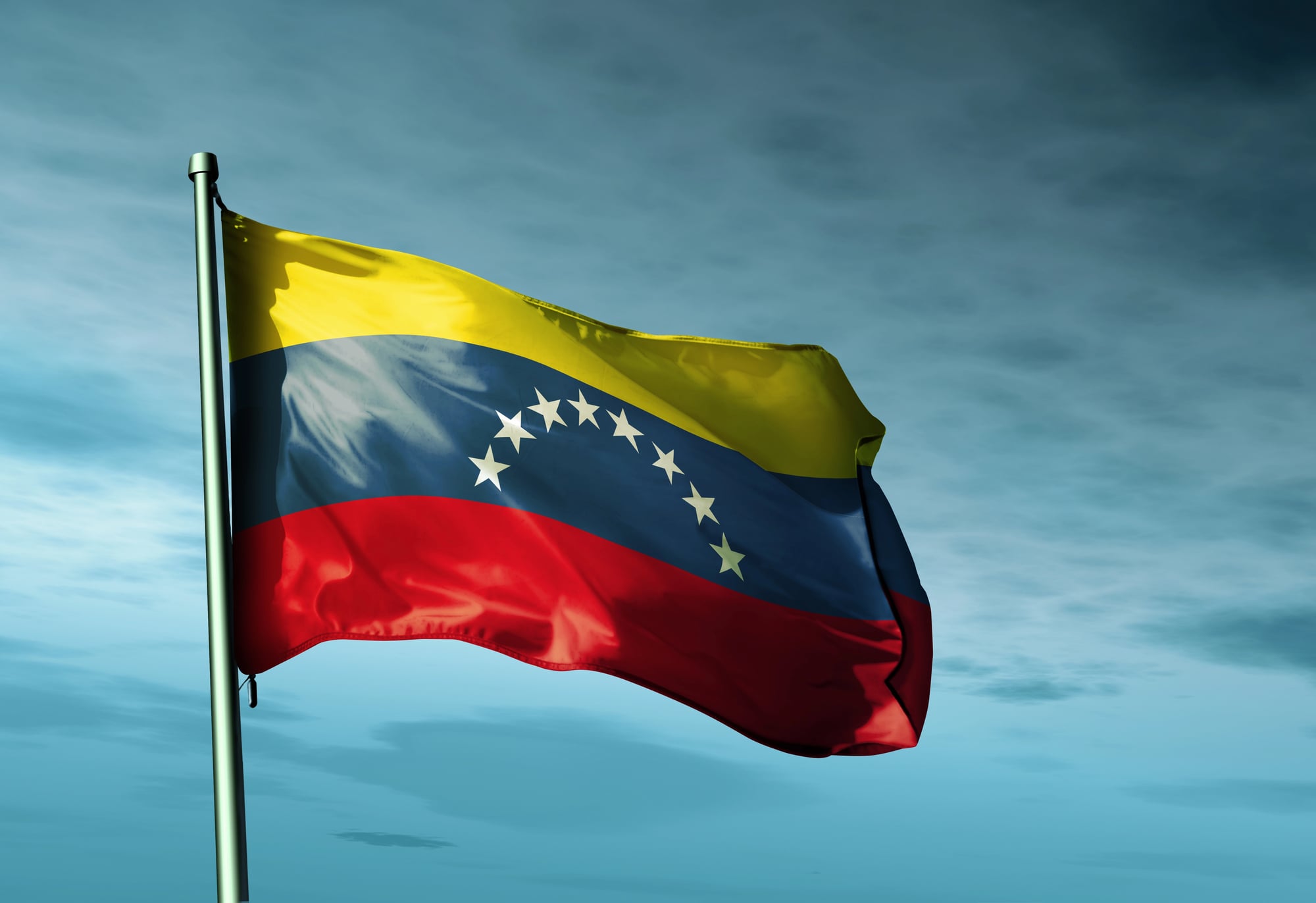
Venezuela holds the largest proven oil reserves globally, with vast deposits concentrated in the Orinoco Belt. These reserves are primarily heavy crude, which requires more complex processing than lighter oils.
Despite the scale of its reserves, production has fluctuated due to economic and infrastructure challenges. Still, the sheer volume places Venezuela at the top of the list.
That said, its reserves represent enormous long-term potential if fully developed and managed effectively.
Saudi Arabia
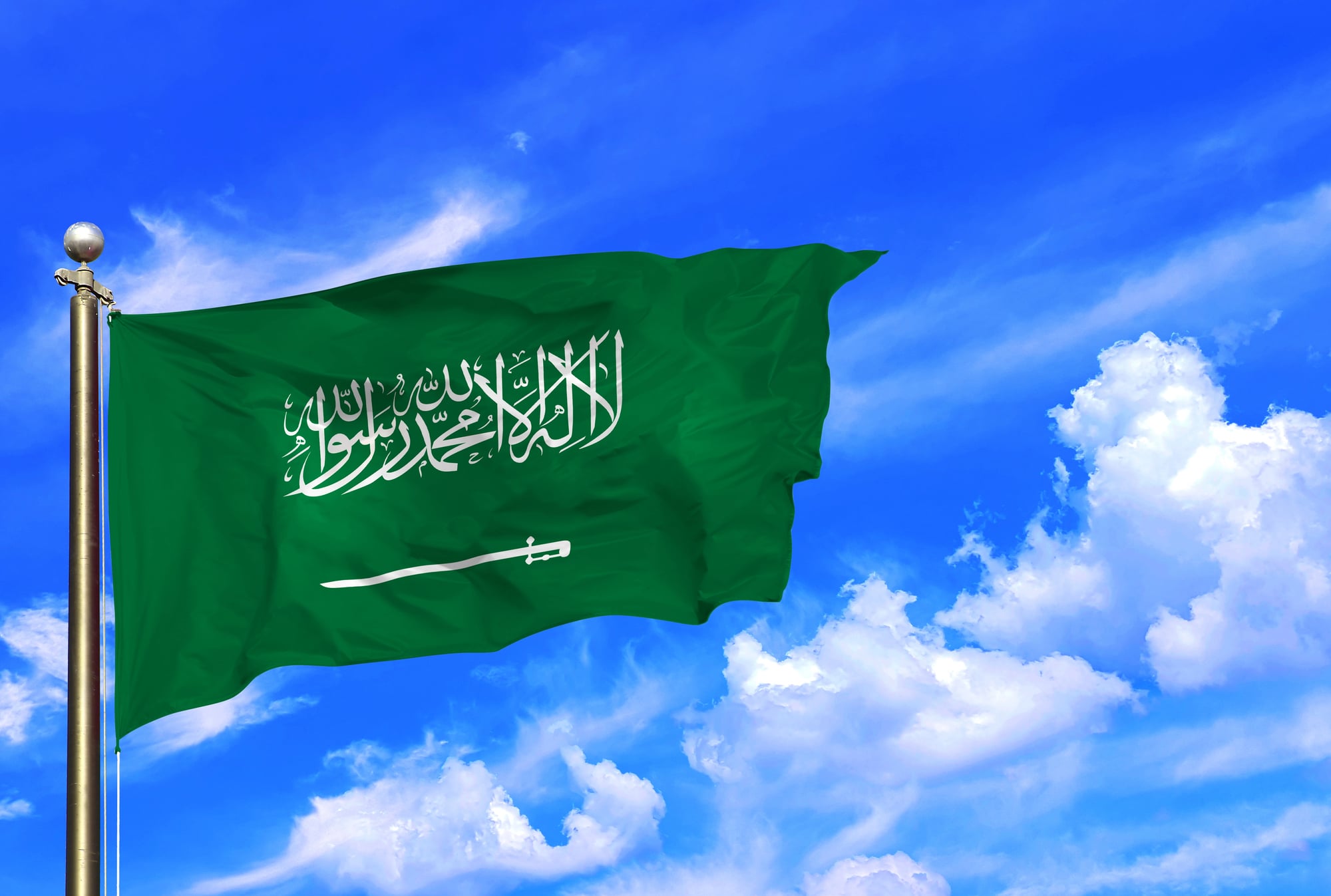
Saudi Arabia is one of the most influential players in the global oil market, with massive reserves and relatively low production costs. Its oil fields are among the most productive in the world.
The country has long used its reserves to shape global supply and pricing through coordinated production strategies. Its infrastructure allows for efficient extraction and export.
Even so, Saudi Arabia continues to invest in diversifying its economy beyond oil while maintaining its dominant position.
Canada
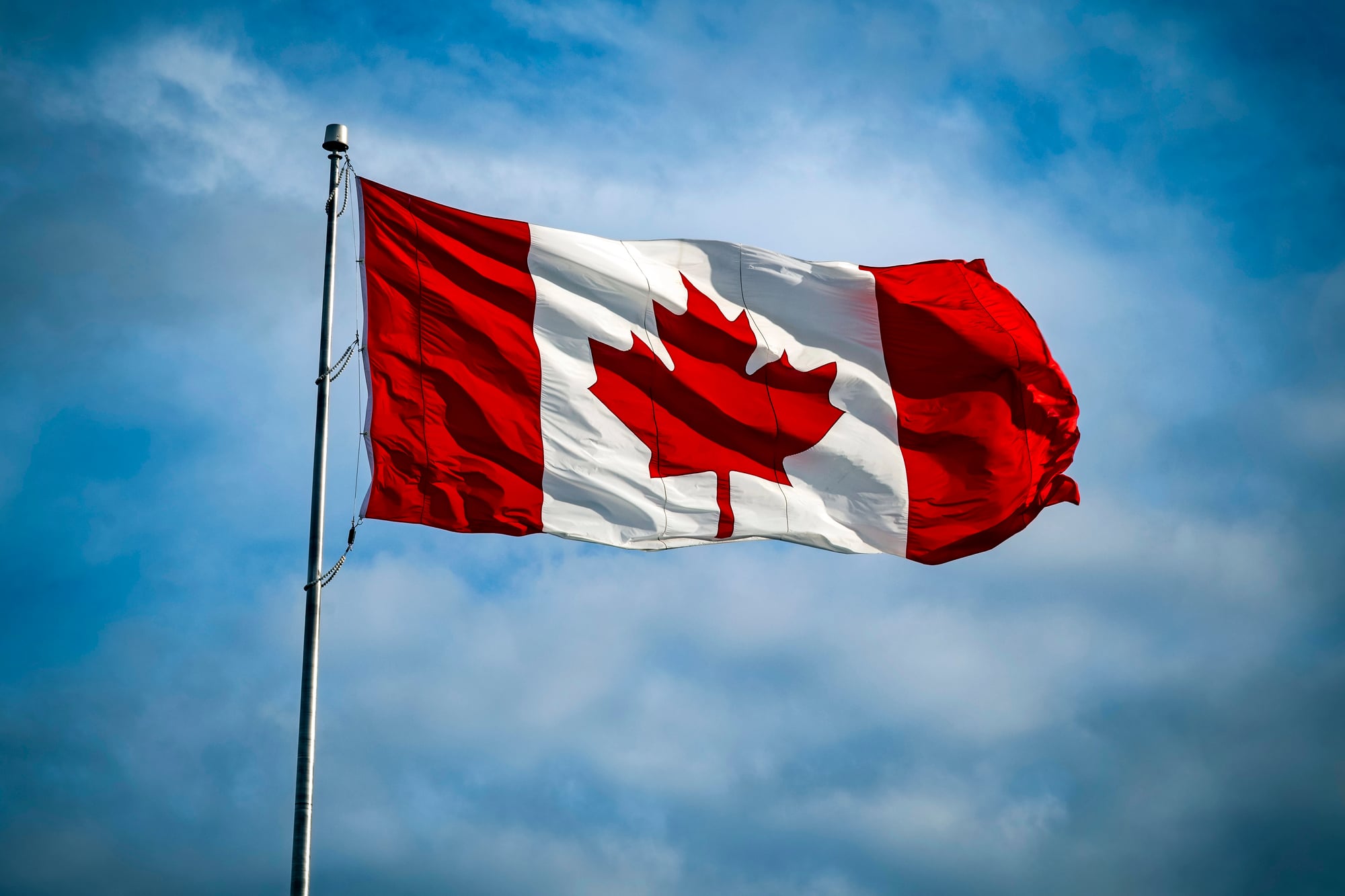
Canada ranks among the top countries in oil reserves, largely due to its oil sands in Alberta. These reserves are extensive but require energy-intensive extraction methods.
Technological advancements have made it more feasible to access these resources, increasing their economic viability over time.
Still, environmental considerations play a significant role in how these reserves are developed and managed.
Iran
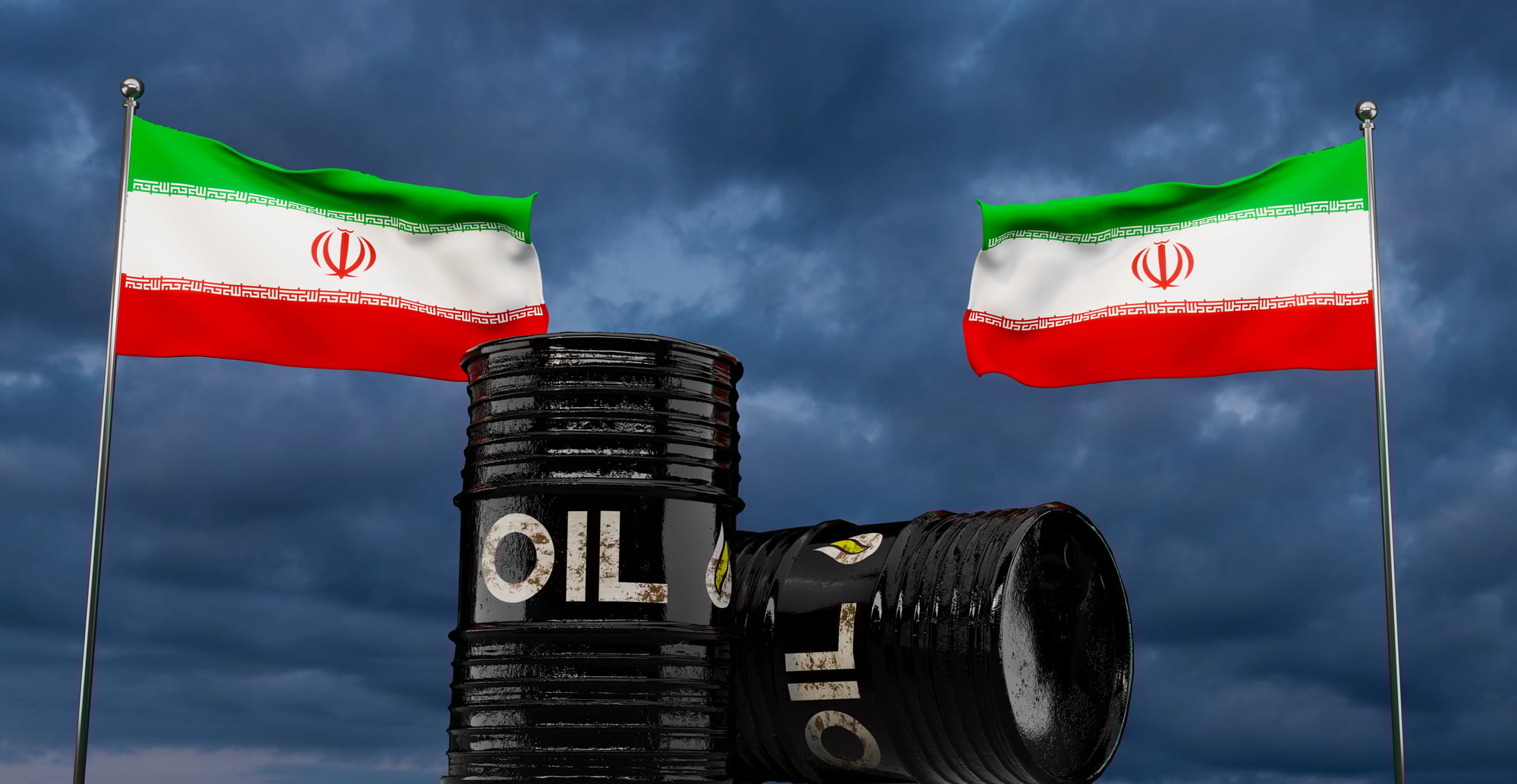
Iran holds some of the largest oil reserves in the Middle East, with significant deposits spread across several major fields. Its oil is relatively accessible compared to heavier crude sources.
The country’s production and export capacity have been influenced by political and economic factors over the years. Even so, its reserves remain a key component of global supply potential.
That said, Iran’s position continues to carry both economic and geopolitical weight.
Iraq
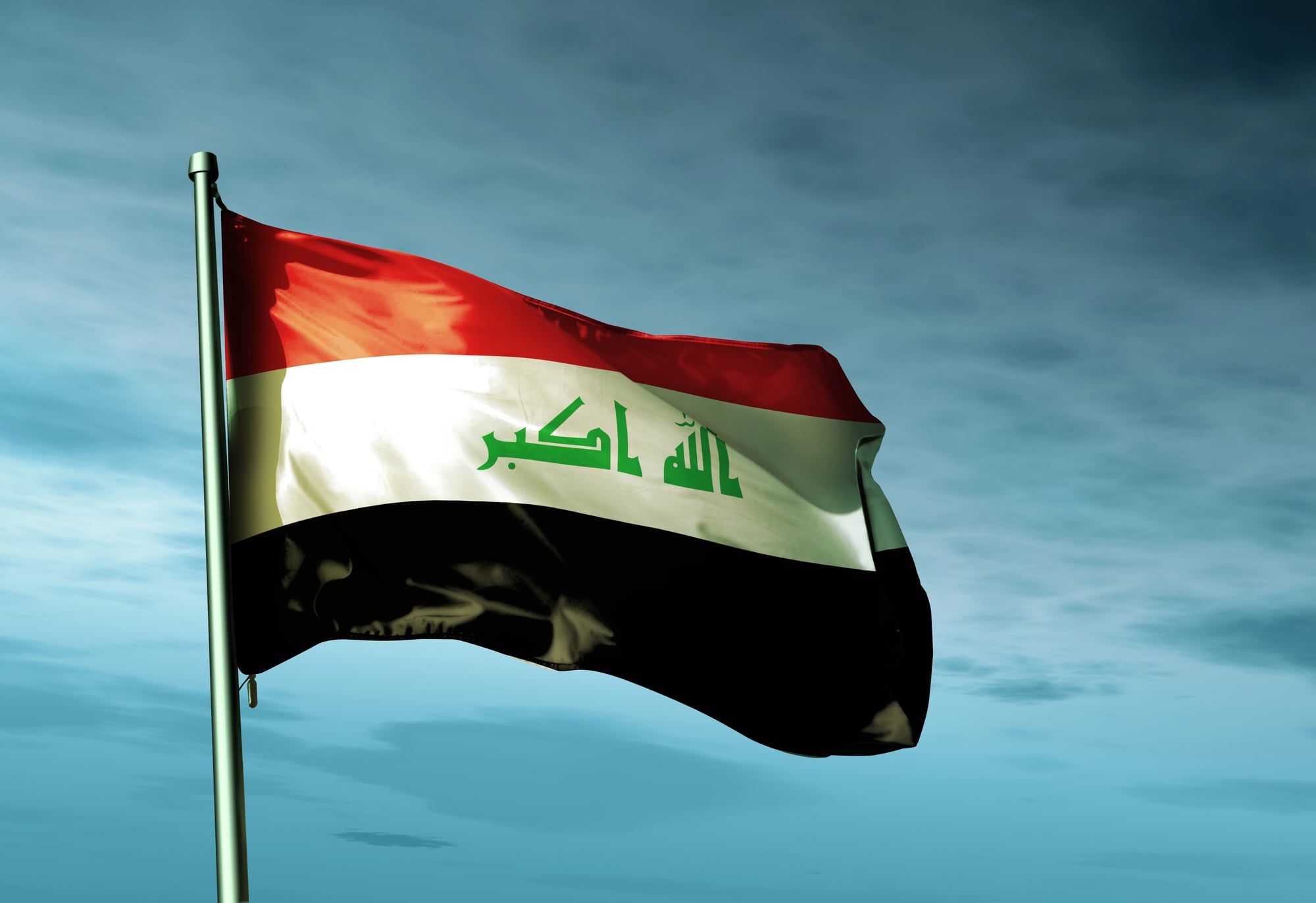
Iraq possesses vast oil reserves, particularly in regions like Basra. Its fields are known for their high productivity and relatively low extraction costs.
Despite challenges related to infrastructure and stability, Iraq has steadily increased production in recent years.
Still, its reserves position it as a major player in future energy markets, with significant room for growth.
Russia
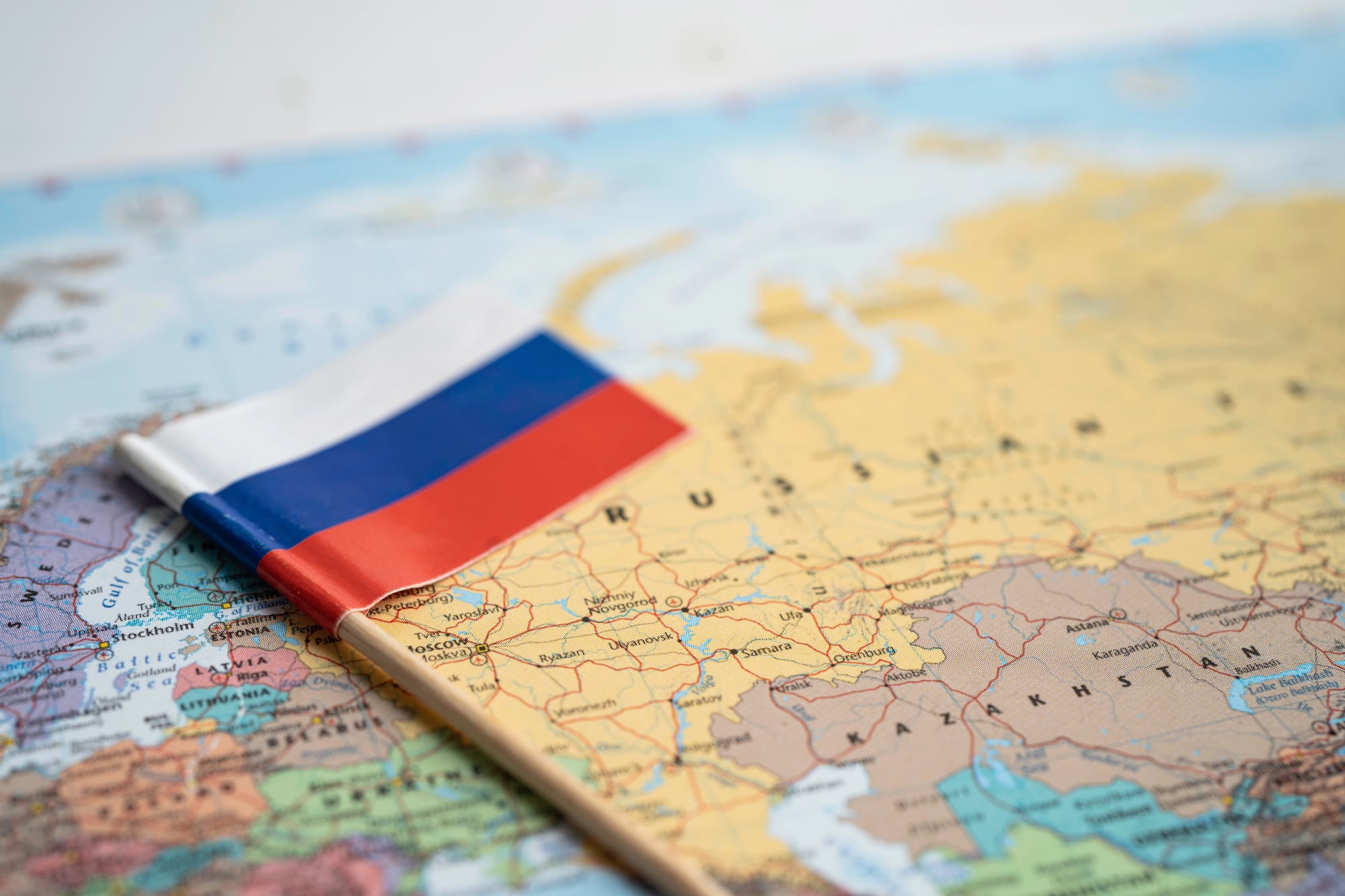
Russia holds some of the largest oil reserves globally, spread across vast and often remote regions. Its production capacity is supported by extensive infrastructure and export networks.
The country plays a major role in global energy supply, particularly in Europe and Asia. Its reserves contribute to its economic and political influence.
Even so, geographic and environmental factors can make extraction more complex in certain areas.
Kuwait
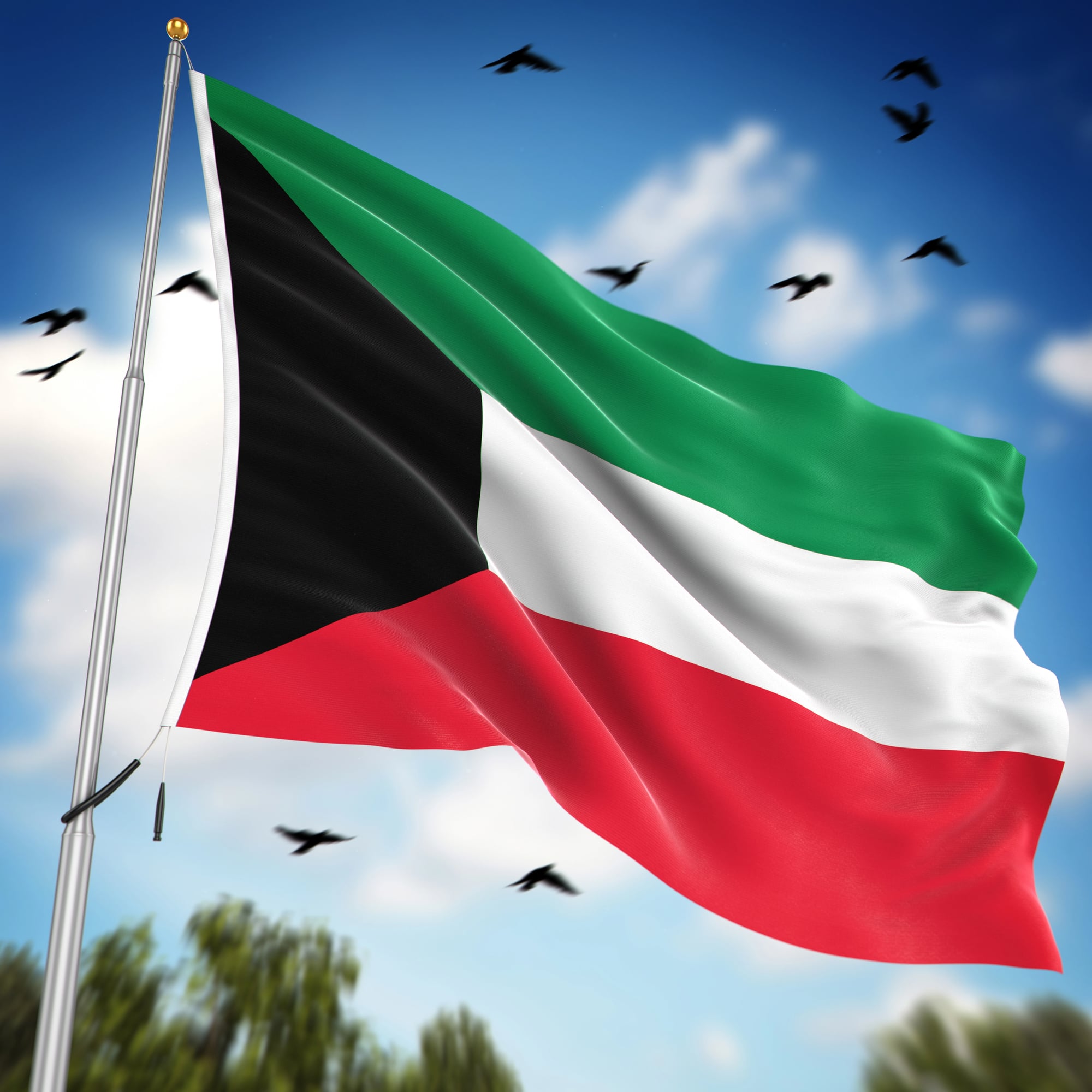
Kuwait has substantial oil reserves relative to its size, making it one of the wealthiest countries per capita. Its oil fields are highly productive and relatively easy to access.
The country relies heavily on oil exports as a primary source of revenue. Its reserves ensure long-term economic stability.
That said, Kuwait continues to explore ways to diversify its economy while maintaining its energy sector.
United Arab Emirates
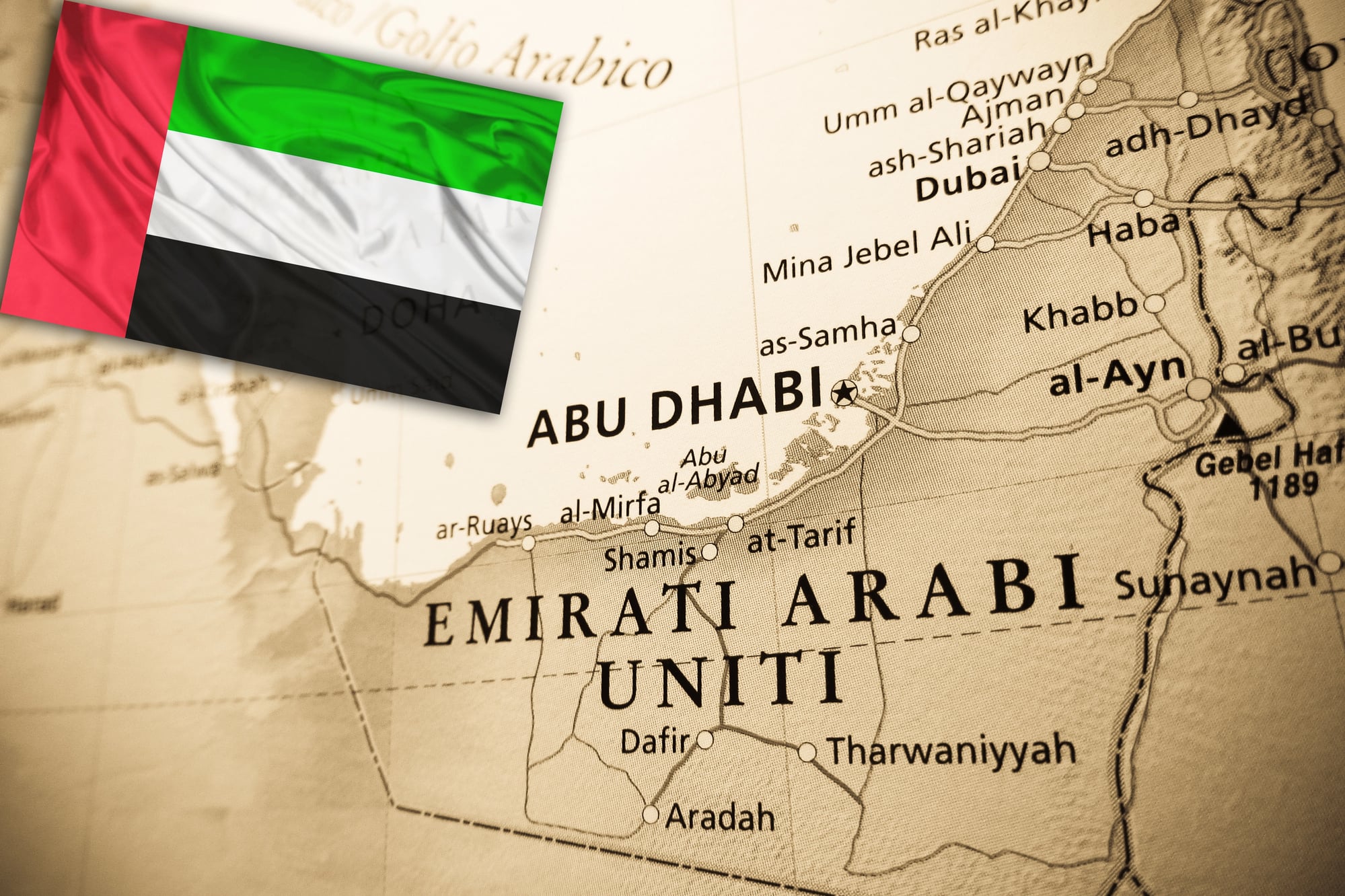
The United Arab Emirates holds significant oil reserves, primarily located in Abu Dhabi. These reserves have supported rapid economic growth and development.
Advanced technology and infrastructure allow for efficient extraction and export. The country has also invested heavily in downstream industries.
Still, the UAE is actively expanding into other sectors, balancing its reliance on oil with broader economic strategies.
United States
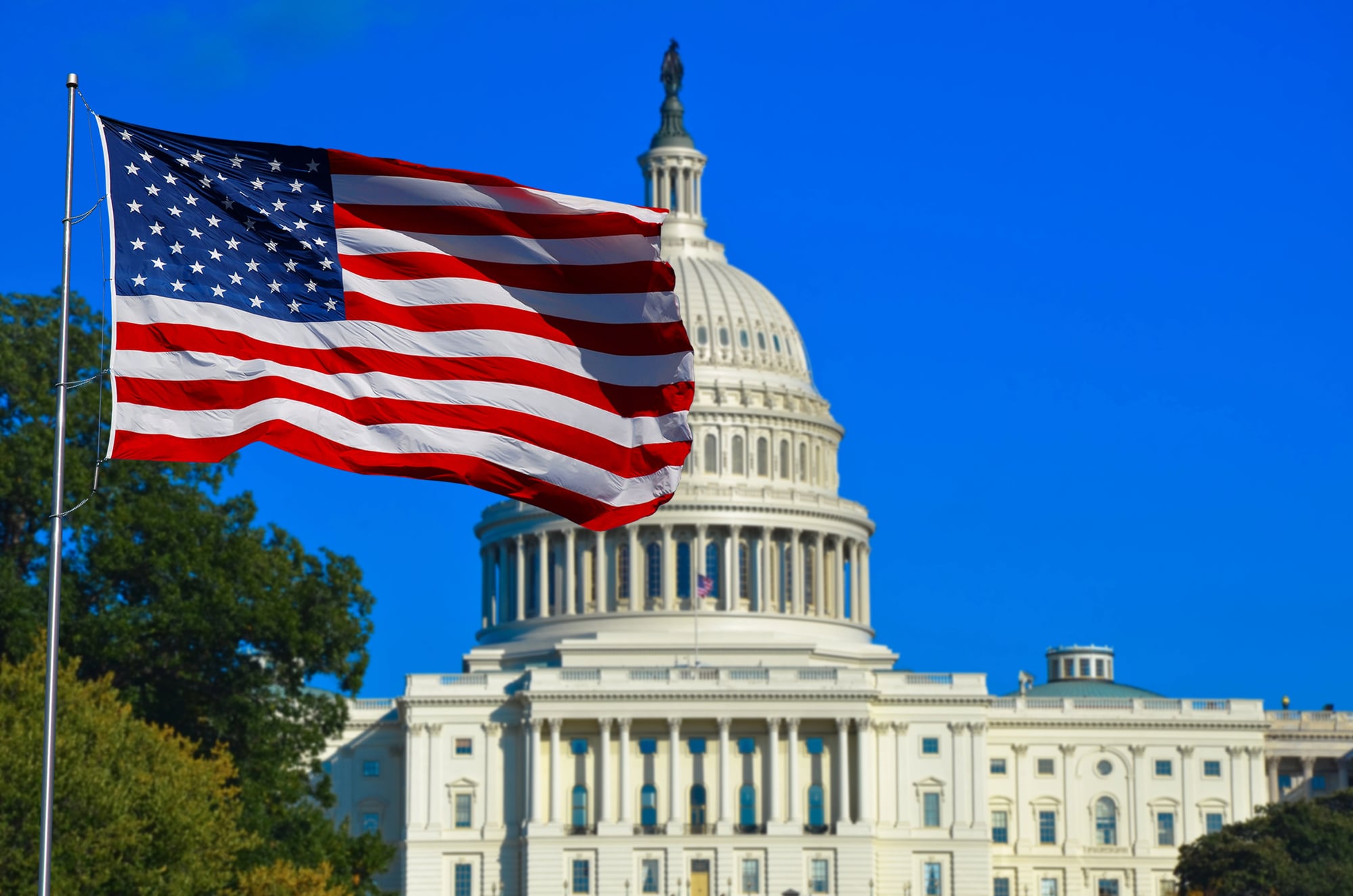
The United States has large oil reserves, including both conventional and shale resources. Advances in drilling technology have significantly increased accessible reserves.
Shale oil, in particular, has transformed the country’s energy landscape, making it one of the top producers globally.
Even so, the focus remains on balancing energy independence with environmental considerations.
Libya
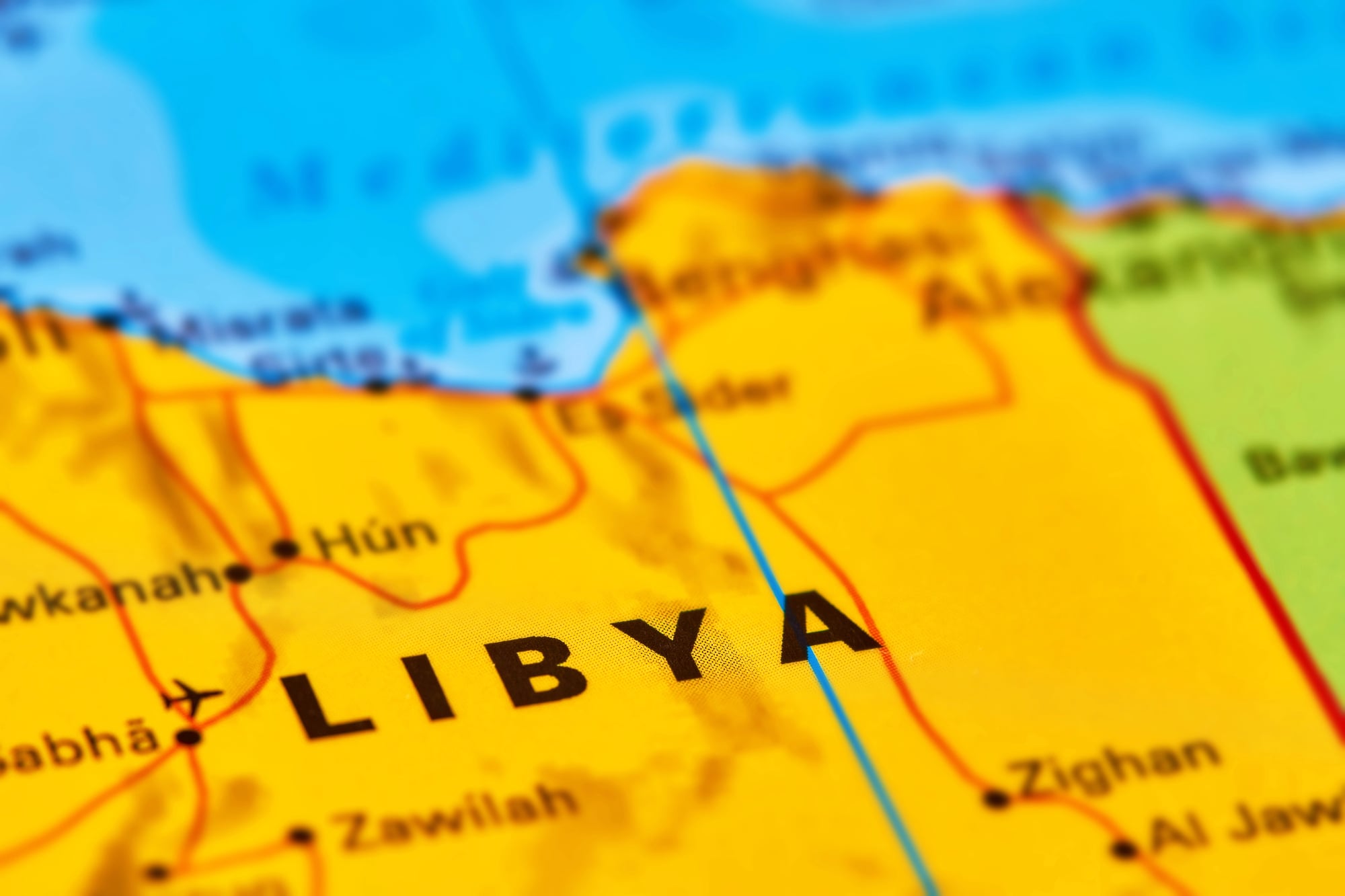
Libya holds some of the largest oil reserves in Africa, with high-quality crude that is relatively easy to refine. Its reserves are concentrated in a few major fields.
Production levels have varied due to political instability, but the potential remains significant.
Still, Libya’s reserves make it an important player in regional and global energy markets.
Nigeria
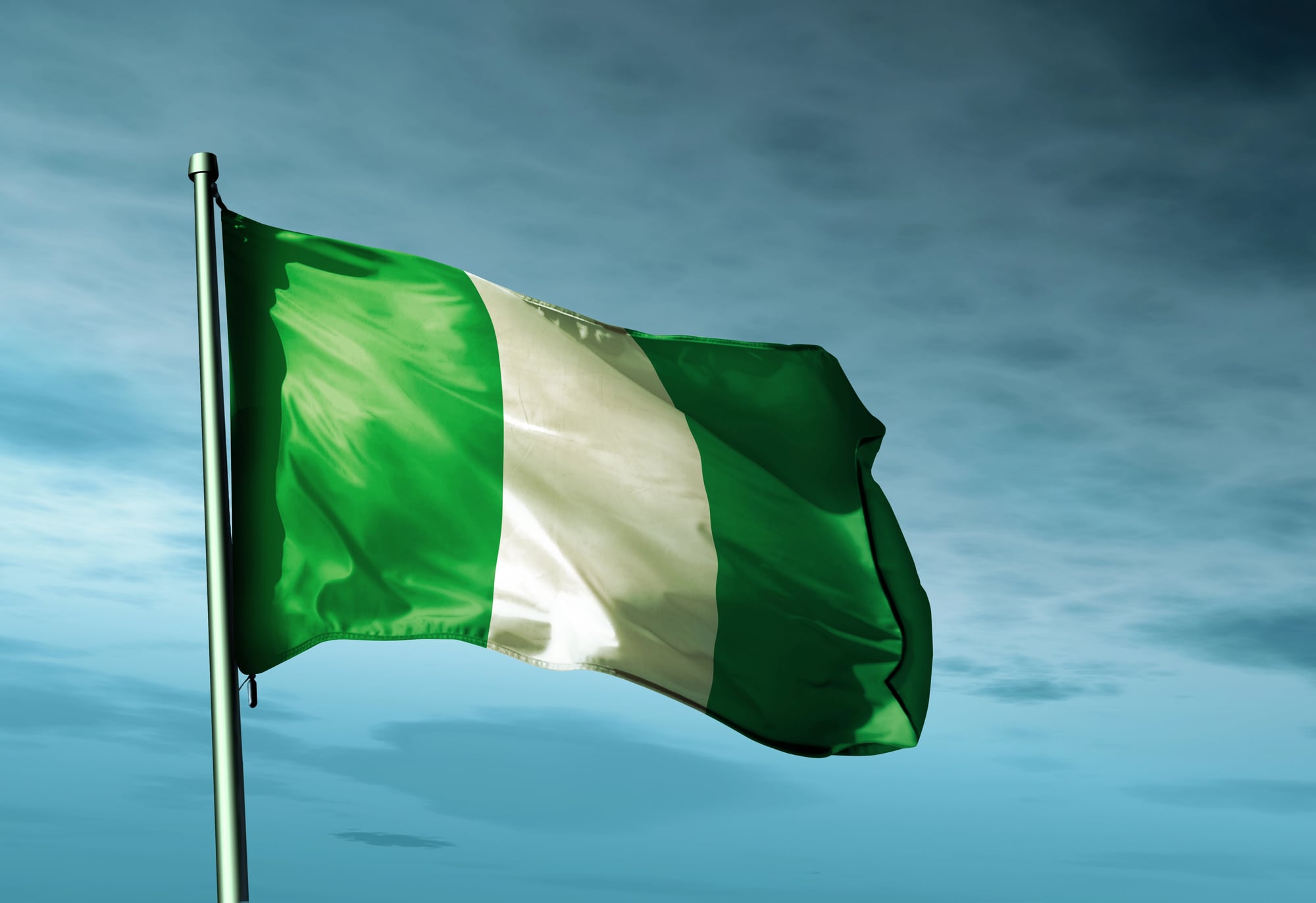
Nigeria is one of Africa’s leading oil producers, with substantial reserves located in the Niger Delta. Its oil industry plays a central role in the country’s economy.
Challenges such as infrastructure and environmental concerns have influenced production levels.
That said, Nigeria’s reserves continue to attract global interest and investment.
Kazakhstan
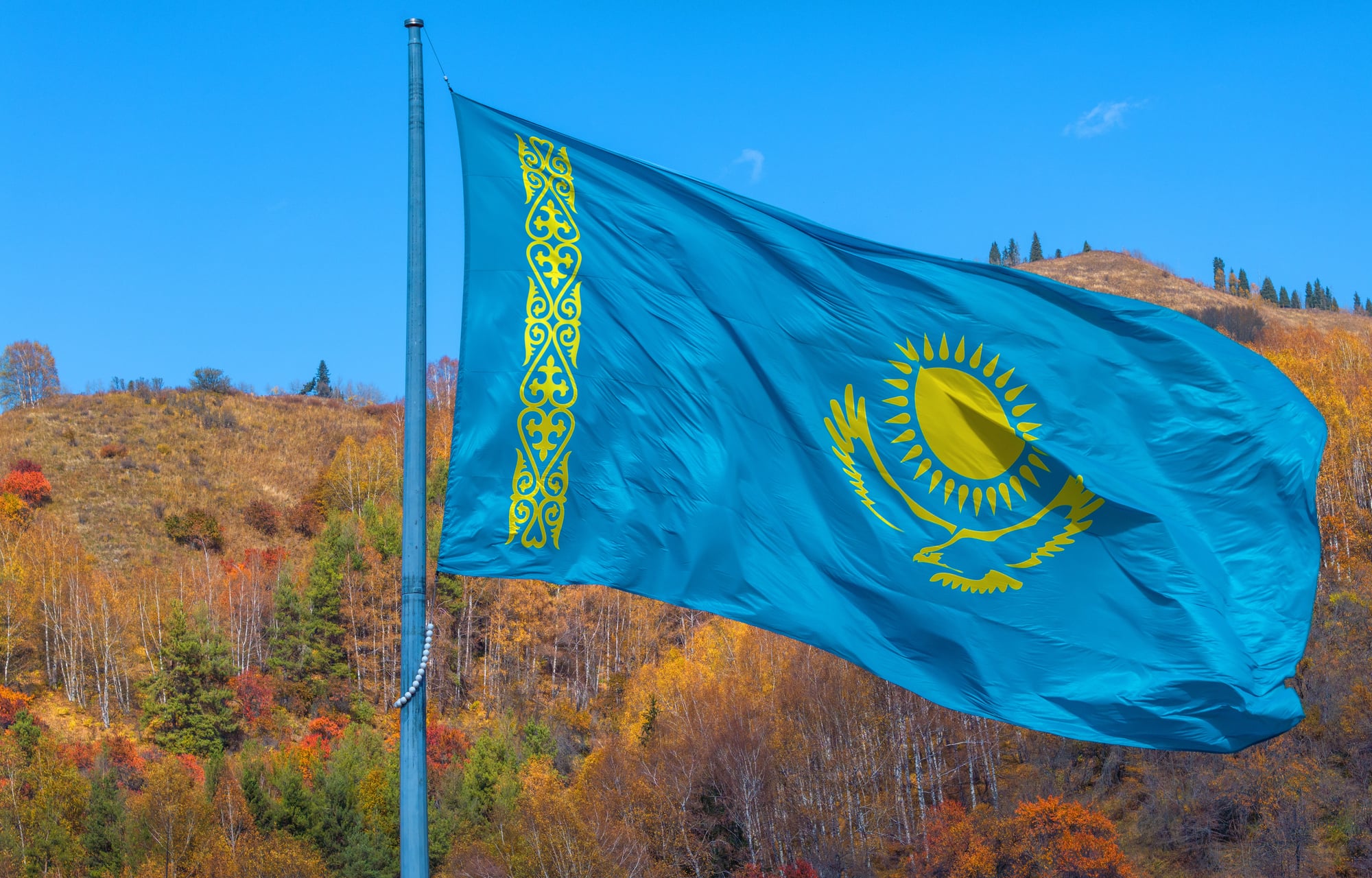
Kazakhstan has emerged as a key energy producer, with large reserves in fields such as Tengiz and Kashagan. These resources have driven economic growth in recent decades.
The country has invested in infrastructure to support extraction and export, connecting to global markets.
Still, its reserves position it as an important contributor to future energy supply.
China

China holds notable oil reserves, though it is also one of the world’s largest consumers of energy. Domestic production helps support its vast economy.
The country continues to explore new reserves and invest in energy development to meet growing demand.
Even so, its reserves play a supporting role alongside imports from other regions.
Brazil
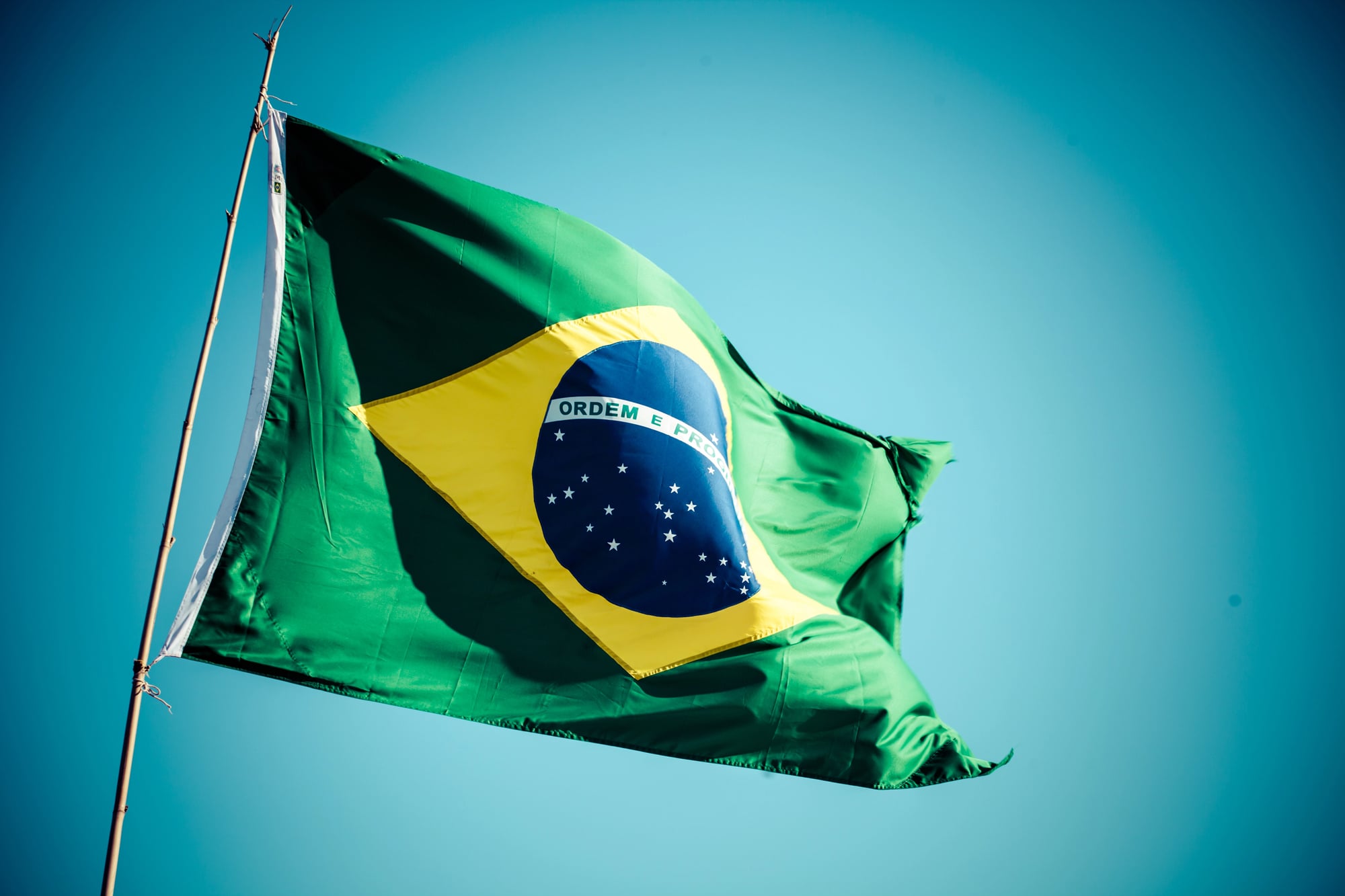
Brazil’s offshore oil reserves, particularly in deepwater fields, have significantly increased its global standing. These reserves are located beneath layers of rock and salt, making extraction technically challenging.
Advances in technology have made these resources more accessible, boosting production levels.
That said, Brazil’s reserves represent a major opportunity for long-term growth in the energy sector.
Algeria
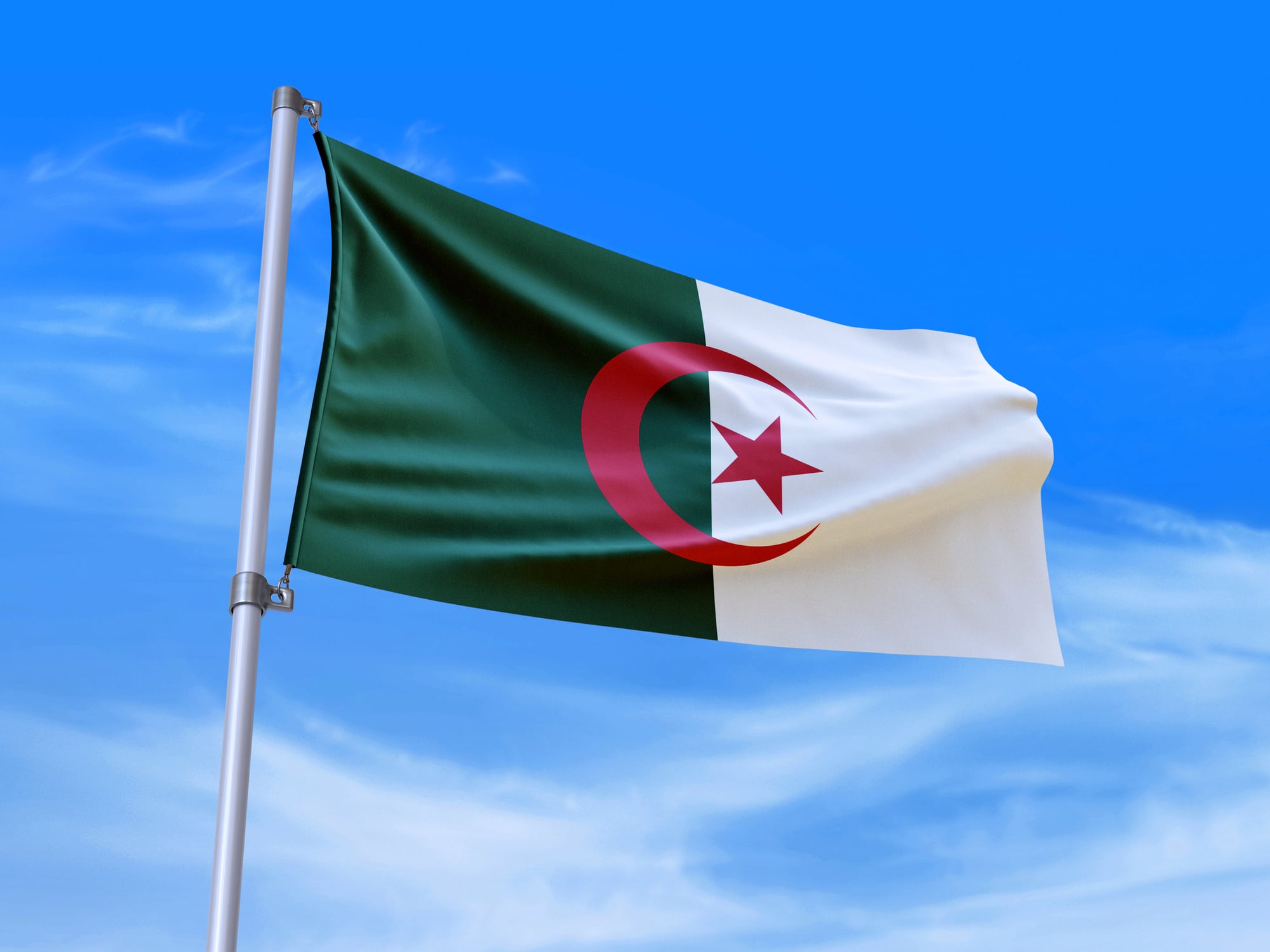
Algeria holds substantial oil reserves and is a key energy supplier, particularly to Europe. Its resources are located mainly in desert regions.
The country’s oil and gas sector forms a major part of its economy, supporting exports and development.
Still, Algeria continues to invest in maintaining and expanding its energy infrastructure.
Why Oil Reserves Still Matter
The oil reserves continue to remain an important factor for measuring the energy potential. Although the production may fluctuate from year to year, the reserves give a better idea of the energy potential in the coming years.
This is because any country with oil reserves is said to possess economic power.
However, the energy scene is also changing. Renewable energy, technology, and demand are slowly but steadily changing the energy scene.
This is where oil is headed, but for now, it is a reserve for the future.
More from Go2Tutors!

- The Romanov Crown Jewels and Their Tragic Fate
- 13 Historical Mysteries That Science Still Can’t Solve
- Famous Hoaxes That Fooled the World for Years
- 15 Child Stars with Tragic Adult Lives
- 16 Famous Jewelry Pieces in History
Like Go2Tutors’s content? Follow us on MSN.