Ordinary Objects That Revolutionized Business
Think about the last time you used a paper clip, signed your name with a pen, or grabbed something off a shelf with a barcode. These mundane objects sit so quietly in our daily routines that they’ve become invisible.
Yet each one represents a moment when someone saw possibility where others saw the ordinary — and in doing so, changed how business works forever.
The most transformative innovations often hide in plain sight. They don’t announce themselves with fanfare or demand attention through complexity.
Instead, they solve problems so elegantly that we forget there was ever a problem at all. What follows are the quiet revolutionaries that reshaped entire industries, one simple solution at a time.
Paper Clips
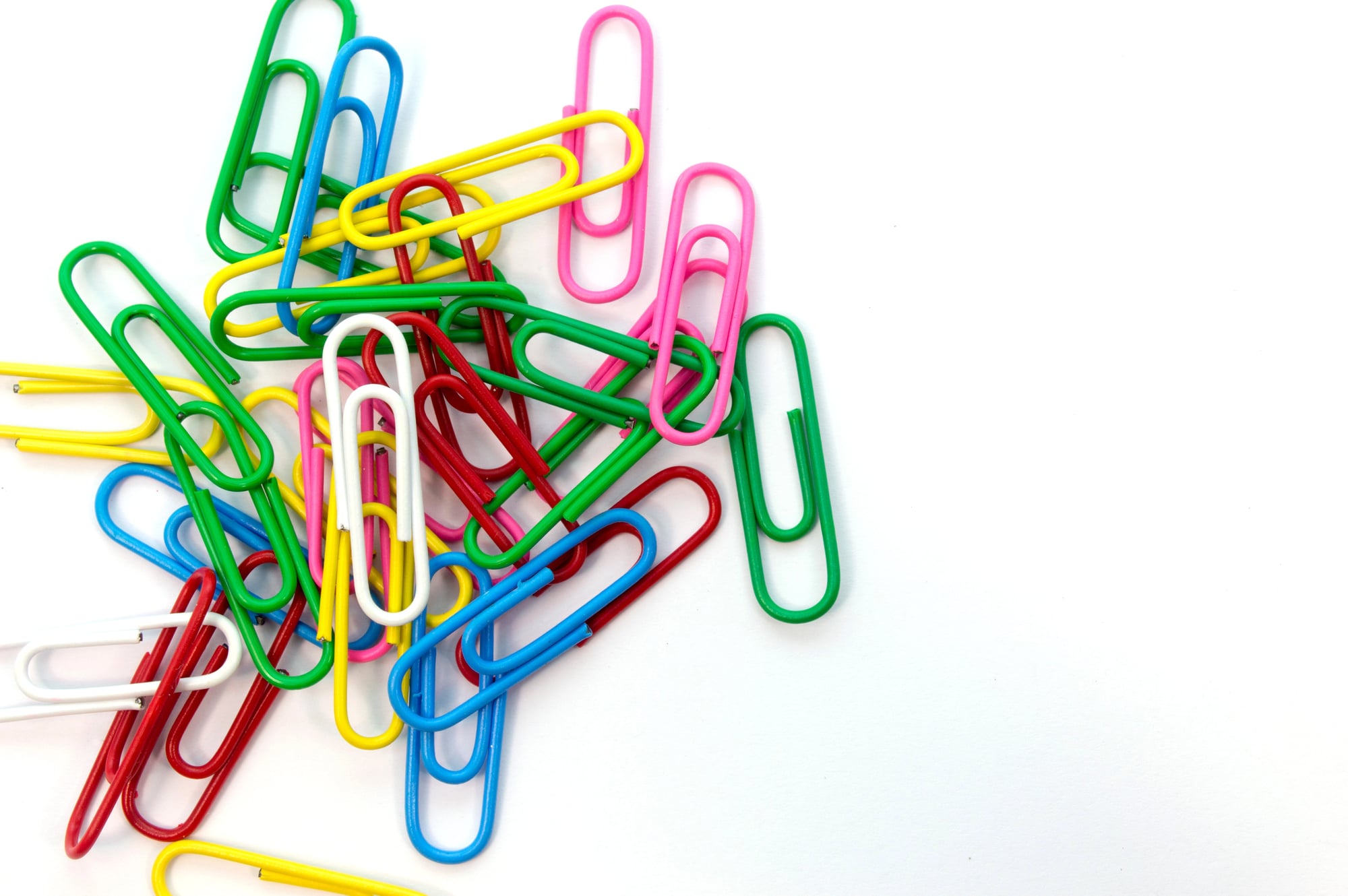
Norwegian inventor Johan Vaaler gets credit for the paper clip, but he shouldn’t. The Gem Manufacturing Company in Britain was already making the version everyone uses — that perfect loop of bent wire that holds pages together without permanent damage.
Before paper clips, people used pins (which left marks), wax (which was messy), or string (which took forever). The paper clip fixed all of this with elegant simplicity.
No instructions needed.
It democratized document organization. Small businesses could suddenly manage paperwork as efficiently as large corporations.
The entire filing system industry grew up around this one bent piece of metal.
Shipping Containers

Malcolm McLean was running a trucking company when he watched longshoremen spend days loading individual boxes onto ships (and this was back when shipping schedules actually mattered, not like the leisurely approach some companies take today where “express delivery” apparently means “whenever we feel like it”). So he did what any reasonable person frustrated with inefficiency would do: he bought a steamship company and standardized the entire process around uniform metal boxes that could move seamlessly from truck to ship to train without anyone touching the contents.
The numbers tell the story better than any corporate mission statement ever could. Before containers, moving cargo cost about 25% of its total value — which meant shipping was essentially a luxury tax on global trade.
After containers became standard, that percentage dropped to under 1%. Suddenly, manufacturing in one country and selling in another wasn’t just possible; it was economical.
But here’s what makes the shipping container genuinely revolutionary rather than just clever: it didn’t just make existing trade cheaper. It made entirely new kinds of business models possible.
The global supply chains that define modern commerce — where your phone components come from twelve different countries and somehow arrive assembled at your local store — exist because McLean got tired of watching people load boxes by hand.
Barcodes
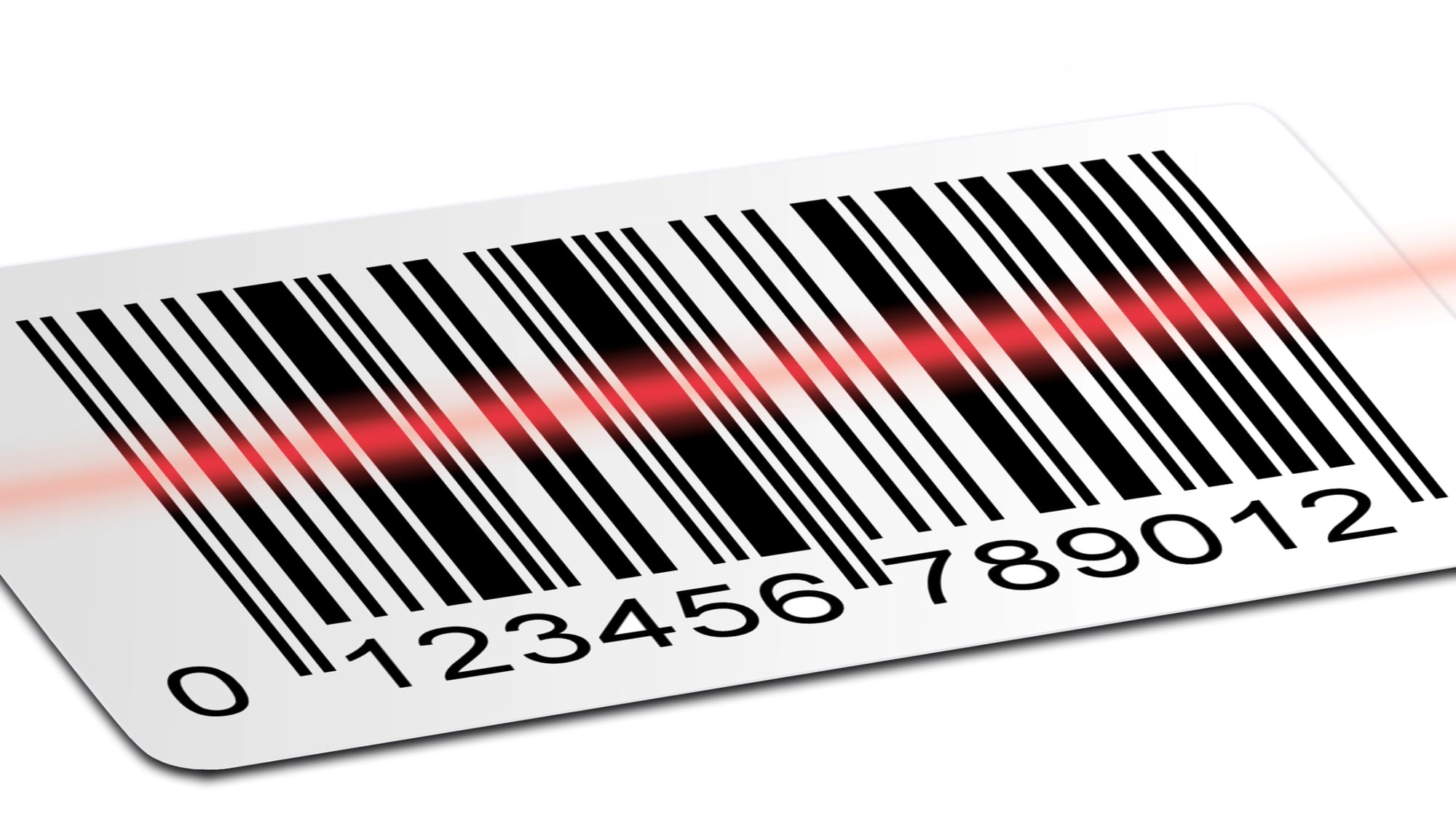
The grocery store checkout line used to be theater. Cashiers memorized hundreds of prices, pecked at mechanical registers, and customers waited while each item got individually priced.
Mistakes were constant. Lines were long.
Shopping was genuinely unpleasant.
Norman Woodland changed this by thinking about Morse code while sitting on a beach in 1949. He dragged his fingers through the sand and realized those lines could represent numbers.
It took twenty years for technology to catch up with his idea.
The first barcode scan happened on April 3, 1974, at a Marsh Supermarket in Troy, Ohio. The item was a pack of Wrigley’s Juicy Fruit gum.
That single scan launched inventory management as we know it. Suddenly businesses could track not just what sold, but when it sold, how fast it moved, and what needed restocking.
Entire supply chains reorganized around this information.
Post-It Notes

Spencer Silver was trying to create a super-strong adhesive for 3M when he accidentally invented the opposite — a glue that barely stuck to anything and peeled off cleanly. Most people would have called this a failure.
Silver called it interesting and spent years trying to find a use for it.
The breakthrough came from Art Fry, who sang in his church choir and got frustrated with bookmarks falling out of his hymnal (a problem that probably affected approximately twelve people worldwide, but sometimes that’s enough). He remembered Silver’s weak adhesive and realized it would make perfect removable bookmarks.
Post-It Notes didn’t just organize offices — they changed how people think. The ability to stick a temporary note anywhere, move it, remove it, and stick it somewhere else turned walls into collaborative spaces.
Meeting rooms became covered in colorful squares of ideas. Project management became visual and flexible.
The humble Post-It Note taught businesses that sometimes the most powerful tools are the ones that disappear into your workflow so completely that you forget they’re tools at all.
Velcro

George de Mestral came back from a hunting trip in 1941 covered in burrs — those annoying seed pods that stick to everything and refuse to let go. Instead of just picking them off and moving on with his life (which is what any sensible person would do), he decided to examine them under a microscope to figure out exactly how they managed to be so persistently annoying.
What he found was ingenious: thousands of tiny hooks that latched onto loops in fabric. Nature had solved the problem of temporary but secure attachment millions of years before humans even knew it was a problem.
So de Mestral spent the next decade figuring out how to manufacture this hook-and-loop system artificially, eventually creating what he called “velcro” — from the French words for velvet and hook.
The applications turned out to be limitless. NASA used it in space missions (where traditional fasteners become complicated in zero gravity).
The military adopted it for quick equipment attachment and uniform closures. Medical equipment manufacturers used it for securing devices that needed to be adjusted frequently.
And parents everywhere discovered that shoes with velcro closures meant never having to teach a four-year-old to tie laces.
But velcro did something more subtle than just replace buttons and zippers: it made temporary attachment permanent. Before velcro, things were either sewn together (permanent) or buttoned together (fiddly).
Velcro created a third category — things that could be attached securely but separated instantly when needed.
Ballpoint Pens

Fountain pens were elegant but impractical. They leaked, smeared, and required constant refilling.
László Bíró, a Hungarian journalist, got tired of ink blots ruining his copy and invented a pen that used thick ink and a rolling orb bearing to control flow.
The ballpoint pen didn’t just improve writing — it democratized it. Suddenly anyone could write anywhere without worrying about ink consistency, paper quality, or environmental conditions.
Forms could be filled out reliably. Notes could be taken quickly.
Writing became portable and predictable.
This reliability transformed business communication. Contracts could be signed anywhere.
Field workers could complete paperwork on-site. The entire concept of portable documentation became possible because someone figured out how to make ink flow consistently from a metal orb.
Styrofoam
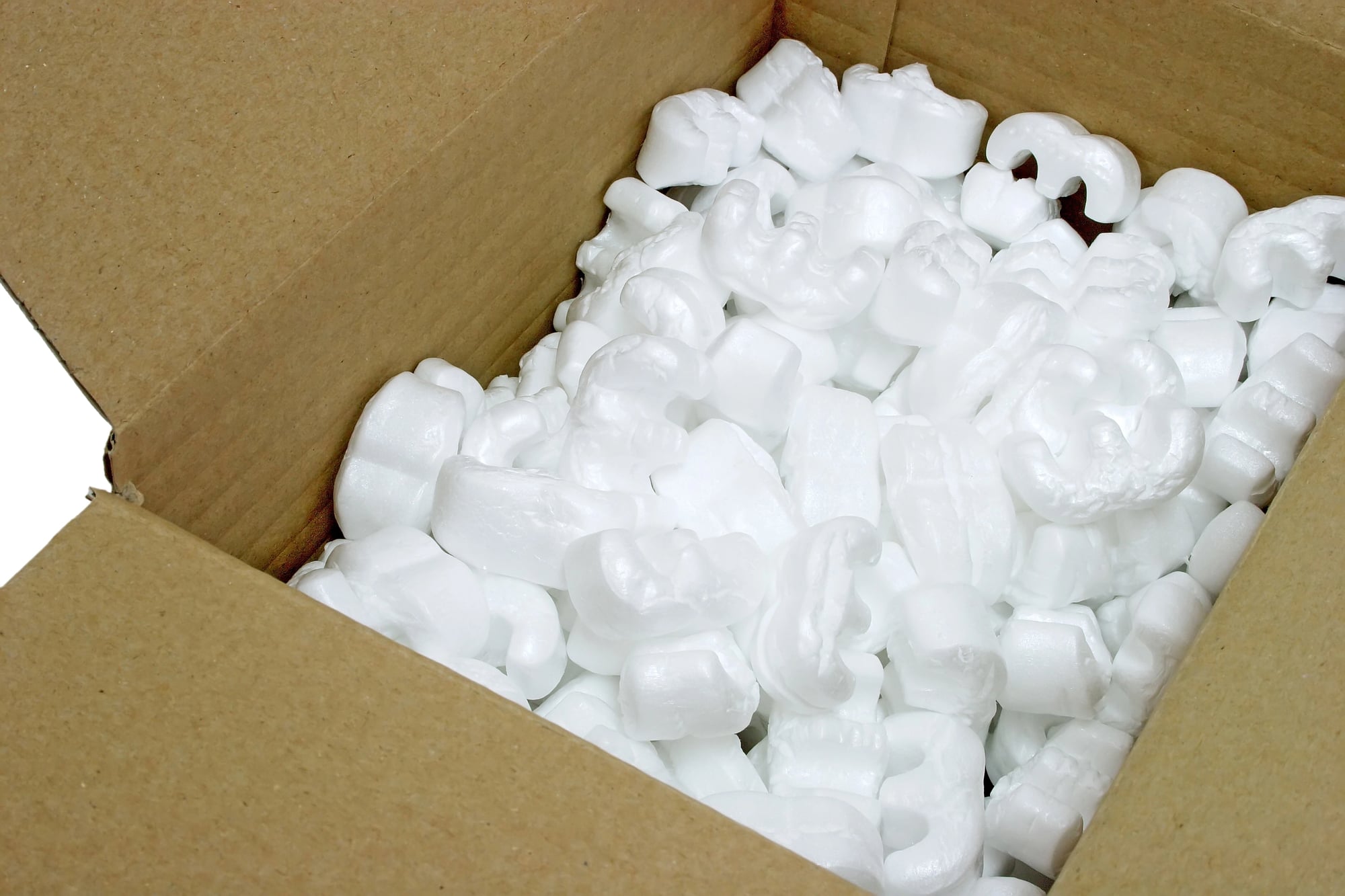
Dow Chemical was experimenting with polystyrene in 1941 when researcher Ray McIntire accidentally created foam instead of solid plastic. The result was lighter than water, virtually indestructible, and an excellent insulator.
Businesses discovered they could ship fragile items across the country without breakage. Restaurants could serve hot coffee that stayed hot and cold drinks that stayed cold.
Construction companies found insulation that didn’t degrade over time.
The economic impact was enormous. Shipping costs dropped because Styrofoam weighed almost nothing.
Food service became more flexible because temperature control became portable. Entire industries reorganized around the ability to protect fragile goods cheaply and effectively.
Rubber Bands

Stephen Perry patented the rubber band in 1845 by slicing up a rubber tube and discovering the loops were useful for holding things together. This might sound like the least revolutionary invention possible until you consider what came before: string, wire, or nothing.
Rubber bands made temporary bundling possible. Papers could be grouped, separated, and regrouped without damage.
Mail could be sorted efficiently. Office organization became flexible instead of permanent.
The postal service adopted rubber bands immediately. Suddenly mail carriers could organize deliveries by route without spending time untying knots.
Banks used them to bundle currency. Newspapers used them to group delivery routes.
Simple? Yes. Revolutionary? More than most people realize.
Safety Pins
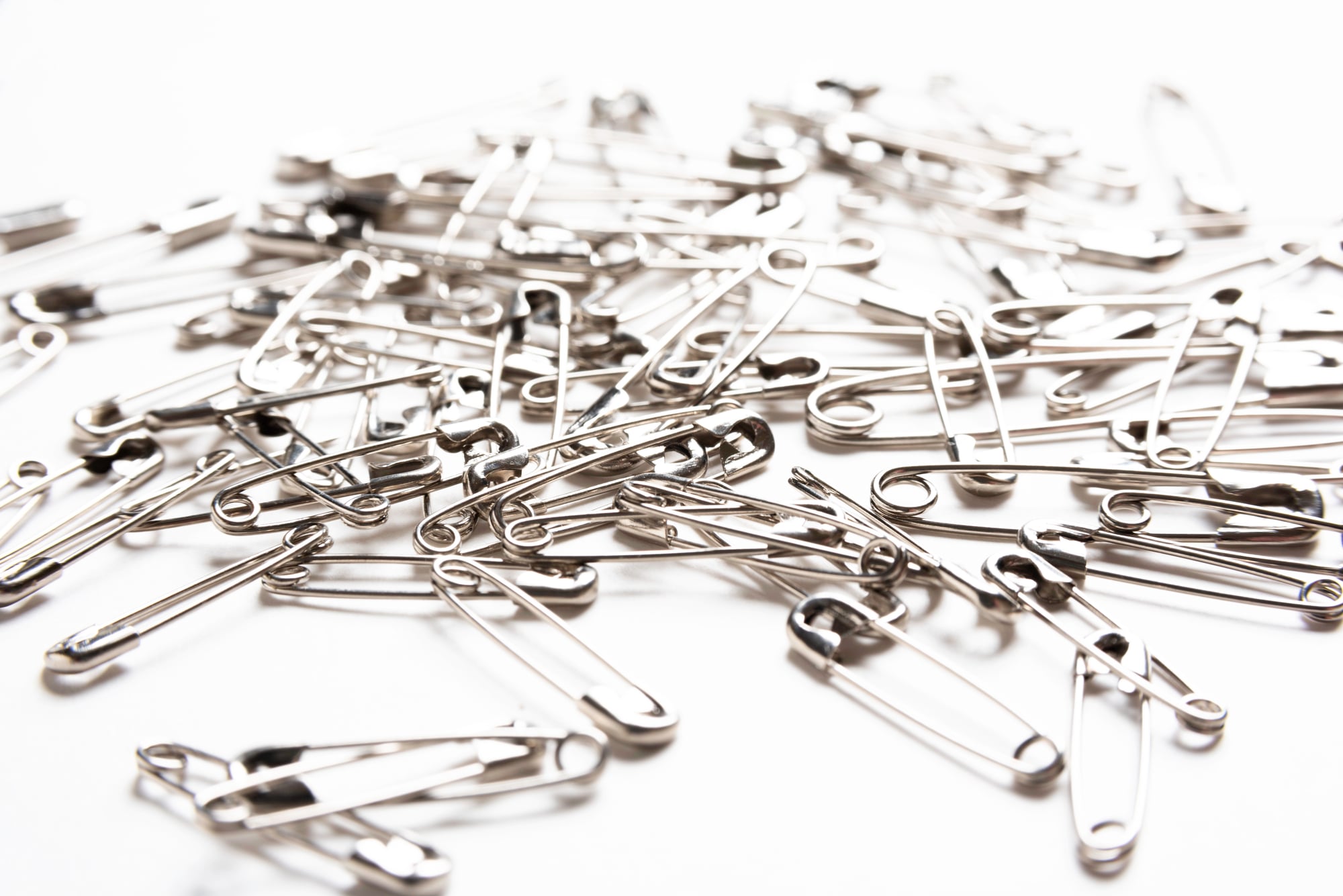
Walter Hunt needed to pay a fifteen-dollar debt and decided to invent something useful with a piece of wire he was fidgeting with. He created a pin that fastened securely, protected the point, and could be opened with one hand.
He sold the patent for four hundred dollars, paid his debt, and forgot about it.
The safety pin transformed manufacturing. Clothing could be temporarily assembled during construction, then permanently sewn.
Workers could make quick adjustments without tools. Quality control became easier because inspectors could mark problems without damaging products.
But the real revolution was in reliability. Regular pins worked loose, fell out, or poked people.
Safety pins stayed put and stayed safe. This simple improvement in basic fastening technology rippled through every industry that needed to hold things together temporarily.
Duct Tape

Johnson & Johnson created duct tape during World War II for waterproofing ammunition cases. The military needed something that stuck to anything, worked in any weather, and could be torn by hand.
The result was fabric-backed, waterproof, impossibly strong tape that soldiers started using to fix everything.
After the war, duct tape migrated into construction, manufacturing, and eventually every toolbox in America. It became the universal temporary fix — strong enough to hold until proper repairs could be made, versatile enough to work on any material.
The business impact was profound. Maintenance became cheaper and faster.
Equipment could be kept running with temporary repairs until replacement parts arrived. Entire industries discovered they could solve problems immediately instead of waiting for specialized solutions.
Zip Ties
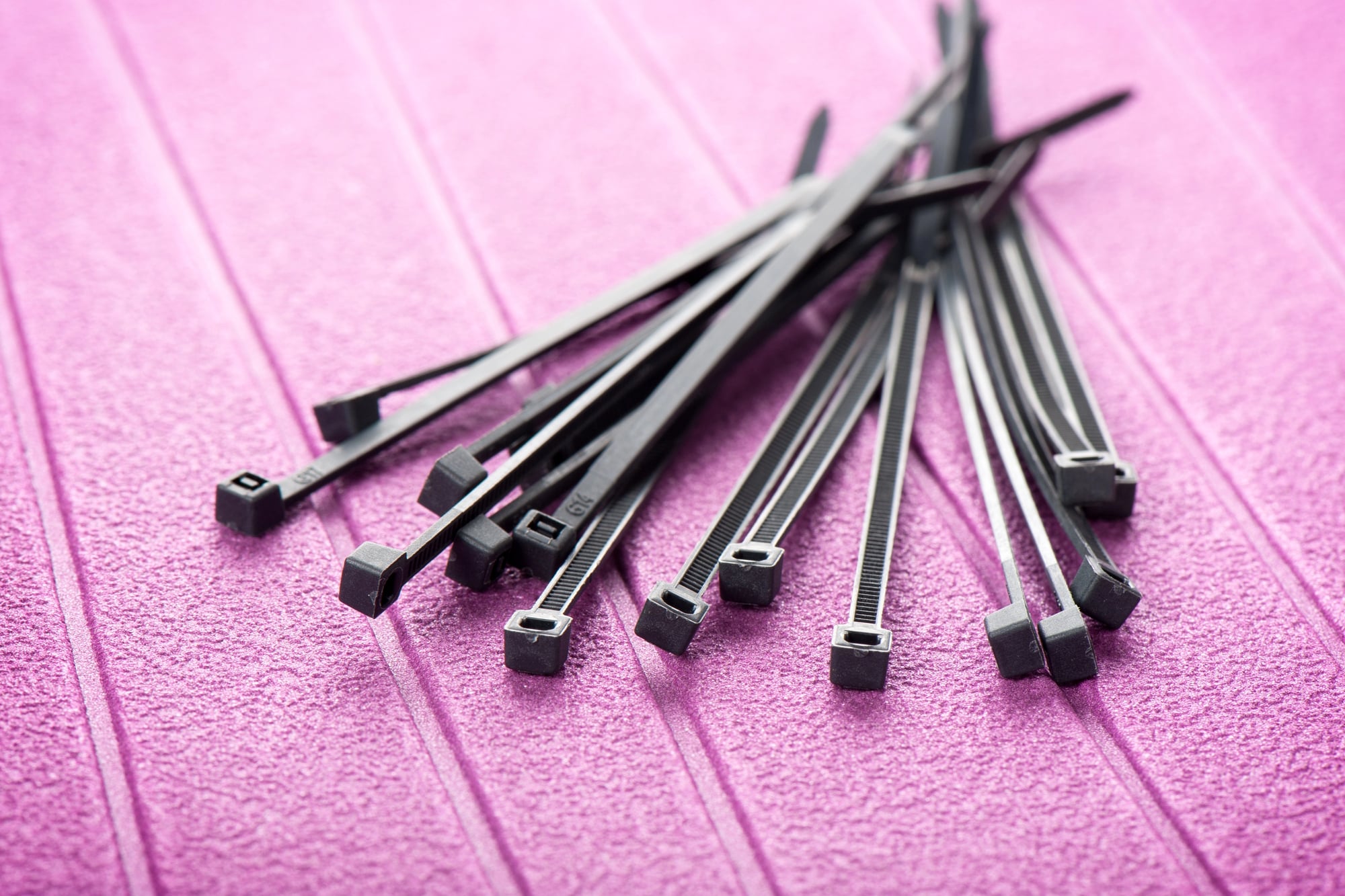
Thomas & Betts electrical company invented zip ties in 1958 to bundle airplane wiring. The idea was simple: a plastic strip with teeth that could be threaded through a head and locked in place permanently.
Manufacturing discovered zip ties could replace screws, clamps, and rope in applications where permanent attachment was needed. Assembly lines became faster because workers could secure components in seconds instead of minutes.
Shipping became more reliable because zip ties didn’t work loose like other fasteners.
The automotive industry adopted zip ties for wire management. Electronics manufacturers used them for cable organization.
Construction companies discovered they could secure temporary installations that needed to last months but not years.
Cardboard Boxes

Before cardboard boxes, shipping meant wooden crates. Heavy, expensive, and requiring tools to open.
Robert Gair invented the pre-cut cardboard box in 1890 when a metal ruler shifted in his printing press and cut through paper stock instead of just creasing it.
Cardboard boxes made packaging lightweight and disposable. Suddenly businesses could ship products without expecting containers back.
Storage became modular — boxes could be stacked, moved, and discarded when empty.
The retail revolution became possible because cardboard boxes made inventory management simple. Products could be shipped in display-ready packaging.
Warehouses could organize stock efficiently. The entire concept of disposable packaging transformed how goods moved through the economy.
The Simple Revolution Continues

These twelve objects share something important: they solved problems people had learned to live with. Before paper clips, scattered documents were just part of office life.
Before barcodes, long checkout lines were inevitable. Before shipping containers, expensive transportation was the price of global trade.
The lesson isn’t that innovation requires complexity — it’s that the best solutions often seem obvious in retrospect. Someone looked at a mundane problem and refused to accept that it couldn’t be fixed.
They found elegance in simplicity and efficiency in the ordinary.
The next revolutionary object is probably sitting on your desk right now, waiting for someone to see its potential. The question isn’t what it might be, but whether you’ll recognize it when you see it.
More from Go2Tutors!

- The Romanov Crown Jewels and Their Tragic Fate
- 13 Historical Mysteries That Science Still Can’t Solve
- Famous Hoaxes That Fooled the World for Years
- 15 Child Stars with Tragic Adult Lives
- 16 Famous Jewelry Pieces in History
Like Go2Tutors’s content? Follow us on MSN.