15 Ocean Facts That Sound Too Strange to Be True
The ocean covers more than 70% of our planet’s surface, though we’ve explored less than 5% of it. This vast underwater world holds mysteries that often seem more like science fiction than reality.
From creatures that create their own light to underwater rivers and lakes, the deep blue harbors secrets that challenge everything we think we know about life on Earth. Scientists studying our oceans continue discovering phenomena that sound absolutely impossible.
Here is a list of 15 ocean facts that will make you question what you thought you knew about the world beneath the waves.
The Ocean Contains Underwater Rivers
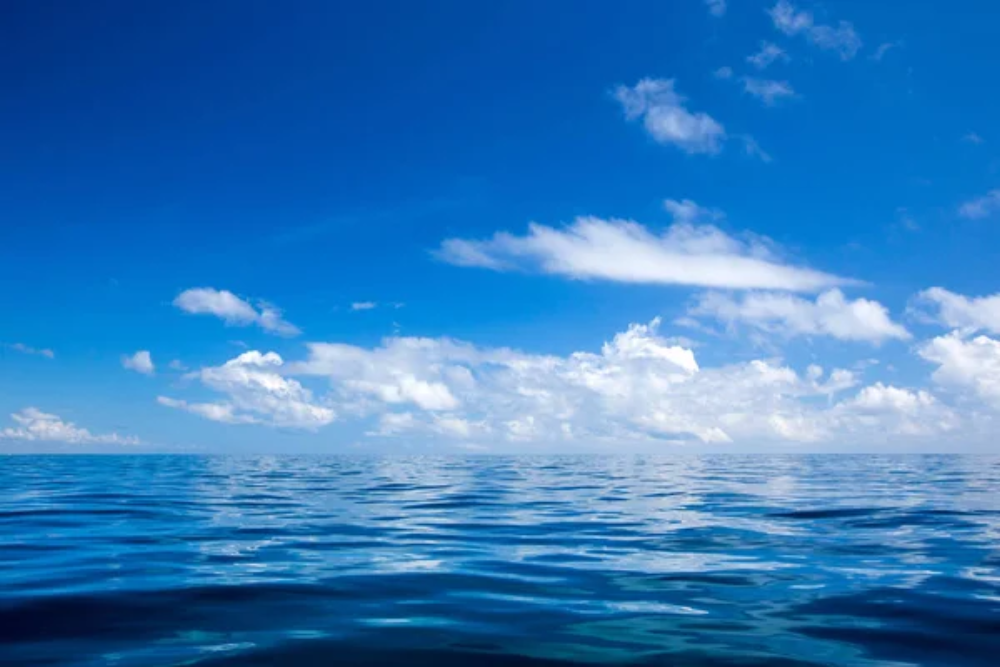
Beneath the ocean’s surface, actual rivers flow along the seafloor — complete with banks and currents. These underwater rivers form when dense, salty water meets less dense water, creating a distinct boundary that behaves just like a river on land.
The most famous example flows beneath the Black Sea, stretching over 37 miles long while reaching depths of 115 feet in some places.
More People Have Been to Space Than the Deepest Ocean
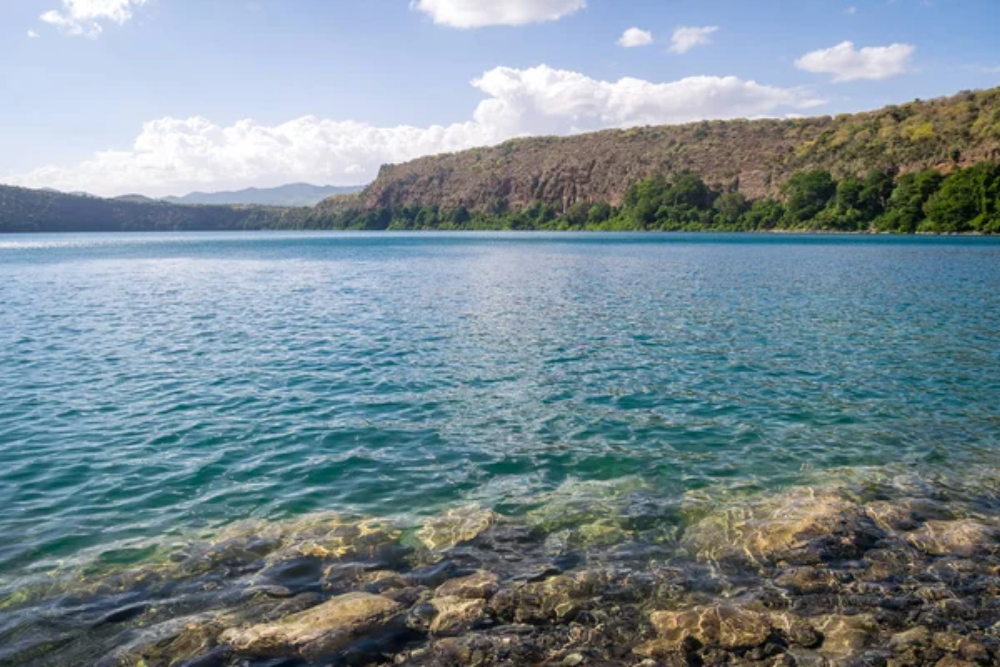
Only three people have ever descended to the deepest part of the ocean — the Challenger Deep in the Mariana Trench. Meanwhile, over 600 people have traveled to space.
The crushing pressure at the bottom of the ocean reaches more than 1,000 times the atmospheric pressure at sea level, which makes it far more challenging to explore than the vacuum of space.
Like Go2Tutors’s content? Follow us on MSN.
Ocean Water Can Be Trapped in Lakes Under the Sea
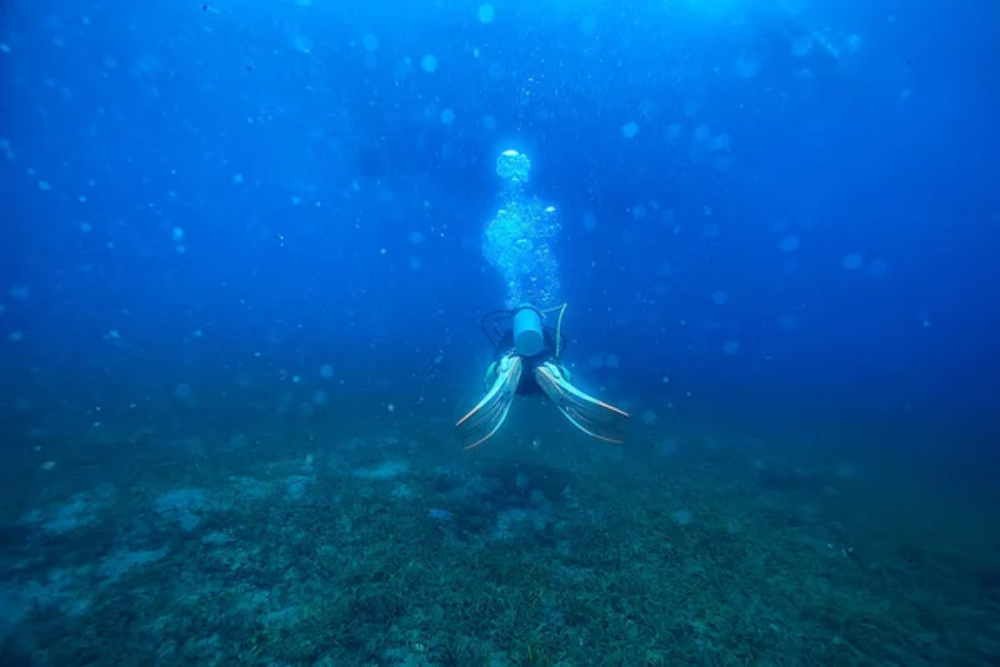
Scientists have discovered actual lakes sitting on the ocean floor — complete with distinct shorelines and different water compositions. These brine pools form when salt deposits dissolve, creating water that’s much denser than regular seawater.
Fish can literally swim above these underwater lakes, though anything that falls into them often gets preserved like specimens in formaldehyde.
The Ocean Produces Most of Earth’s Oxygen

Forget rainforests — the ocean generates between 50% and 80% of the oxygen we breathe. Tiny marine plants called phytoplankton perform this massive job, floating near the surface where sunlight can reach them.
These microscopic organisms are so small that millions can fit in a single drop of water, yet they’re responsible for keeping our planet livable.
Sound Travels Faster and Farther Underwater
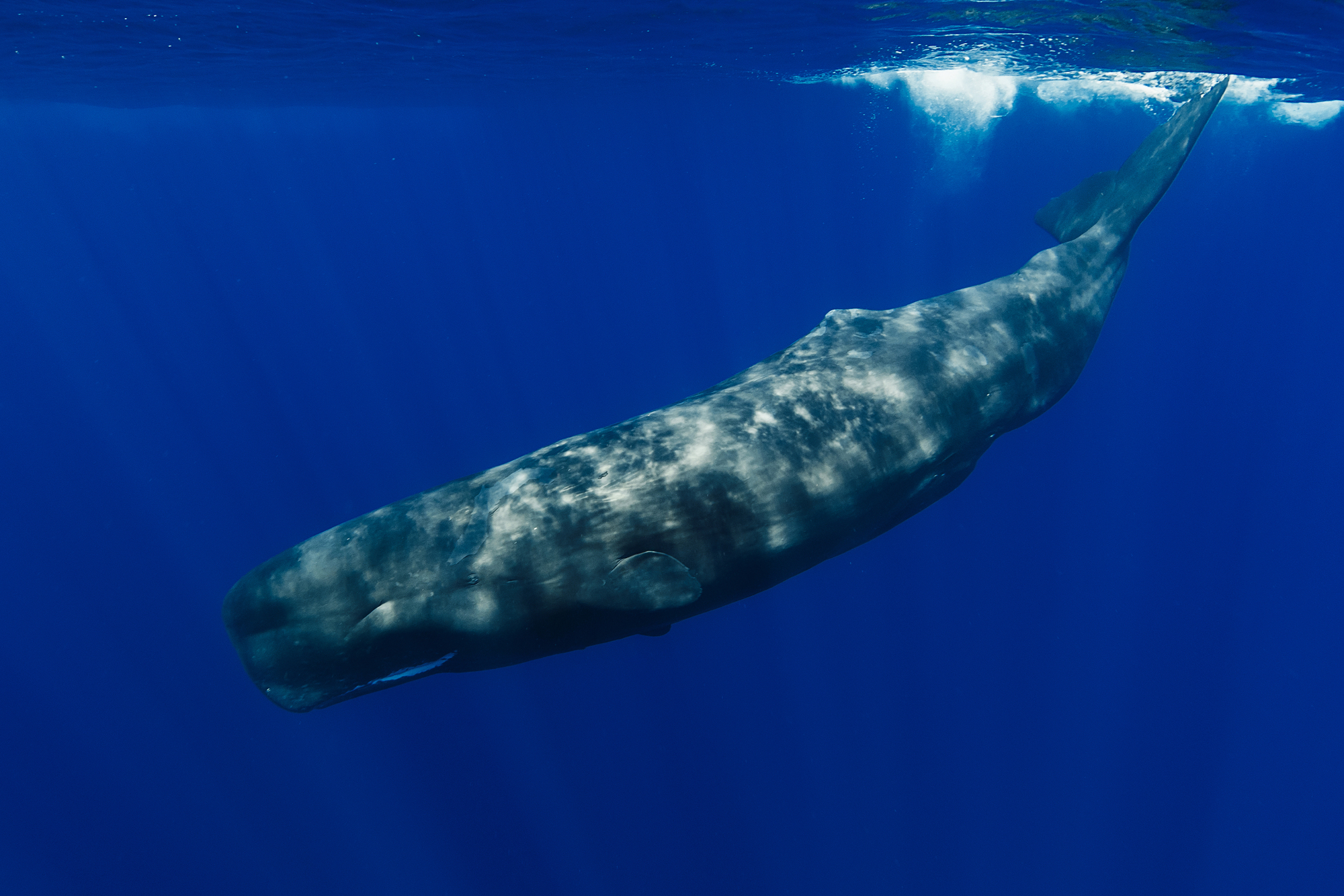
In the ocean, sound moves about four times faster than it does in air — reaching speeds of over 3,000 miles per hour. Whales take advantage of this phenomenon to communicate across entire ocean basins.
A blue whale’s call can travel thousands of miles underwater, allowing these giants to stay in touch across distances that would span multiple states.
Like Go2Tutors’s content? Follow us on MSN.
The Ocean Has Its Own Weather Systems

Just like the atmosphere has storms, the ocean experiences underwater weather including currents, eddies, and even underwater storms. These phenomena can be massive — some ocean eddies are larger than entire states while influencing weather patterns on land.
The Gulf Stream acts like a river within the ocean, carrying warm water northward and affecting the climate of entire continents.
Sea Cucumbers Can Literally Throw Up Their Guts

When threatened, sea cucumbers perform one of nature’s most extreme defense mechanisms — they eject their internal organs through their rear end. This process, called evisceration, confuses predators while giving the sea cucumber time to escape.
The remarkable part is that they can regenerate these organs over several weeks, making this dramatic response completely survivable.
The Ocean Contains Underwater Waterfalls

The Denmark Strait cataract between Greenland and Iceland is the world’s largest waterfall — and it’s completely underwater. Cold, dense water plunges over an underwater ridge, creating a waterfall that’s over 11,000 feet tall — more than three times the height of Angel Falls.
This underwater cascade carries more water than all the rivers on land combined.
Like Go2Tutors’s content? Follow us on MSN.
Lobsters Were Once Considered Punishment Food

In colonial America, lobsters were so abundant that they washed ashore in piles up to 2 feet high. People considered them the ‘cockroaches of the sea’ while feeding them to prisoners was deemed cruel and unusual punishment.
Laws were even passed limiting how often prisoners could be fed lobster — no more than three times per week.
The Ocean Glows in the Dark
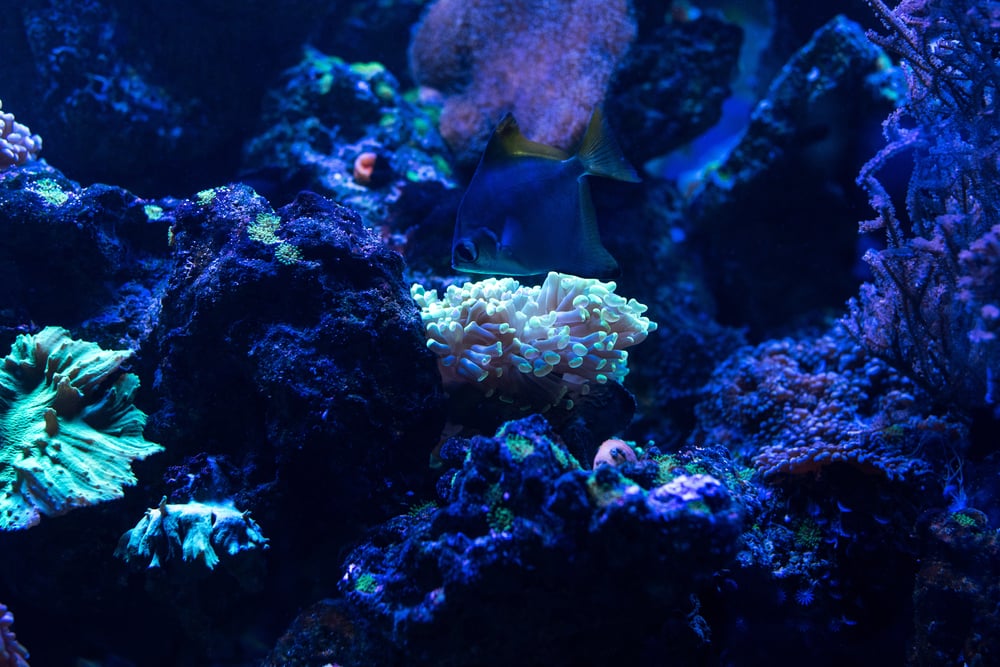
Bioluminescence creates natural light shows throughout the ocean — with creatures producing their own illumination through chemical reactions. Some beaches experience glowing waves when disturbed, caused by millions of tiny organisms called dinoflagellates.
In deeper waters, up to 90% of creatures produce their own light, creating an alien-like environment that rivals any light display on land.
Sharks Are Older Than Trees
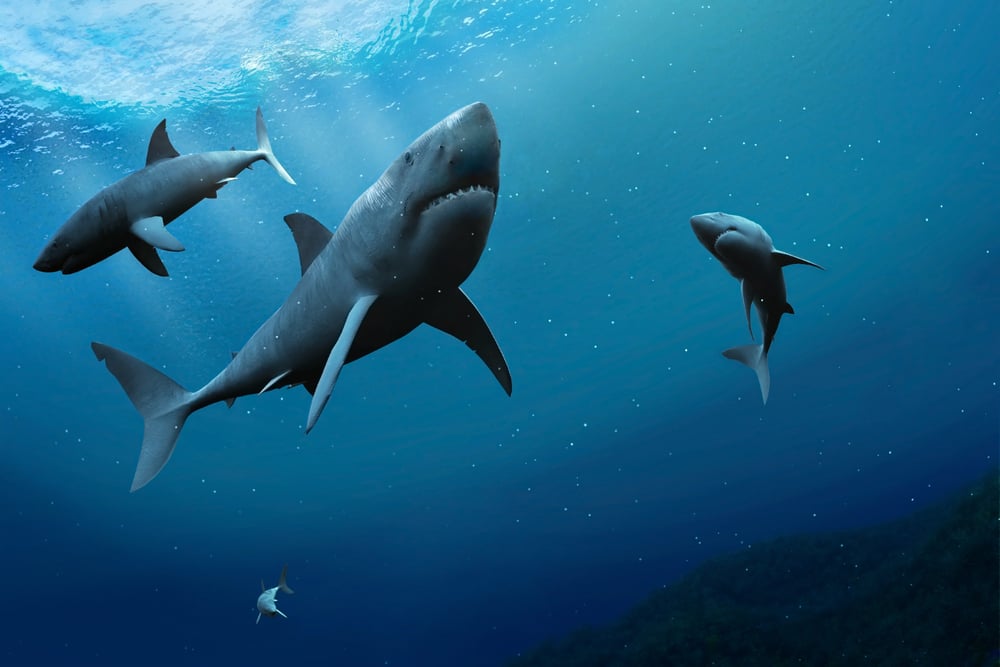
Sharks have been swimming in Earth’s oceans for over 400 million years, while the oldest trees appeared around 350 million years ago. These ancient predators survived multiple mass extinction events that wiped out dinosaurs and countless other species.
Some shark species alive today, like the frilled shark, look virtually identical to their prehistoric ancestors.
Like Go2Tutors’s content? Follow us on MSN.
The Ocean Has Deserts Too

Just like land has deserts, the ocean contains vast areas called ocean deserts where very little life exists. These regions, primarily in the centers of ocean basins, lack the nutrients needed to support much marine life.
The North Pacific Subtropical Gyre contains an area larger than the continental United States where life is remarkably sparse.
Coral Reefs Are Animals, Not Plants
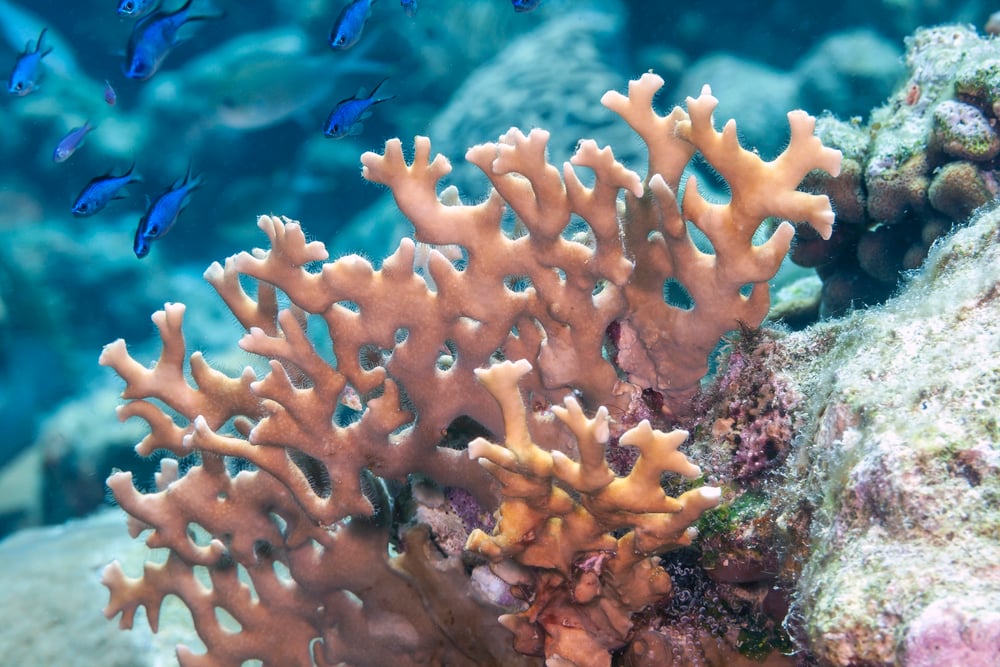
Despite looking like colorful underwater gardens, coral reefs are actually colonies of tiny animals called polyps. These animals have a symbiotic relationship with algae, which live inside them and provide food through photosynthesis.
A single coral colony can contain millions of these tiny animals working together to build the massive structures we see.
The Ocean Contains Floating Islands
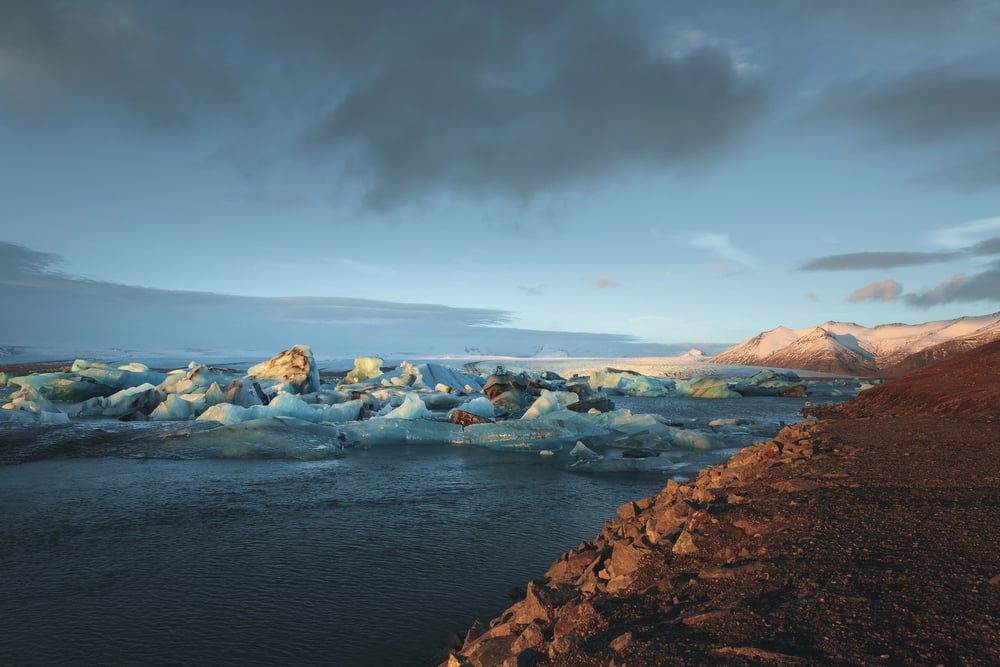
Massive patches of floating seaweed called sargassum create natural islands in the ocean that support entire ecosystems. The Sargasso Sea in the North Atlantic contains so much floating seaweed that early sailors feared their ships would get trapped.
These floating mats provide homes for hundreds of species, including fish, crabs, and sea turtles that depend on this floating habitat.
Like Go2Tutors’s content? Follow us on MSN.
Jellyfish Have No Hearts or Brains

Jellyfish have survived for over 500 million years without developing hearts, brains, or blood. Instead, they rely on a simple nerve net to detect changes in their environment and contract their muscles.
Their bodies are 95% water, though they absorb oxygen directly through their skin. Despite lacking complex organs, some jellyfish species are functionally immortal, capable of reversing their aging process.
The Ocean’s Ancient Mysteries Continue to Surface

These strange ocean facts remind us that our planet’s largest habitat remains largely unexplored and full of surprises. Every deep-sea expedition reveals creatures and phenomena that challenge our understanding of life itself.
The ocean continues to be our greatest frontier, holding secrets that could reshape how we view biology, physics, and the very nature of life on Earth. As technology advances and we venture deeper into the abyss, we’re bound to discover even more facts that sound too strange to be true.
More from Go2Tutors!

- 16 Historical Figures Who Were Nothing Like You Think
- 12 Things Sold in the 80s That Are Now Illegal
- 15 VHS Tapes That Could Be Worth Thousands
- 17 Historical “What Ifs” That Would Have Changed Everything
- 18 TV Shows That Vanished Without a Finale
Like Go2Tutors’s content? Follow us on MSN.



