Longest Rivers and Their Surprising Lengths
Rivers carve out the land, provide life-giving habitats, and bring nations together through international trade routes. Some rivers crisscross countries, meandering through mountains, forests, and plains before finally emptying into the ocean.
Rivers are so vast that it is hard to fathom how far they really extend until we consider the distance these rivers travel. What makes some of the longest rivers in the world so astonishing is not only how far they extend but also how many different kinds of landscapes they traverse while on their way.
A single river might begin in a chilly mountain range, pass through a desert or a farm, and finally end in a massive delta. These travels extend thousands of miles, making rivers some of the most astonishing features on our planet.
Here is a more detailed look at some of the longest rivers in the world and how far they extend.
Nile River
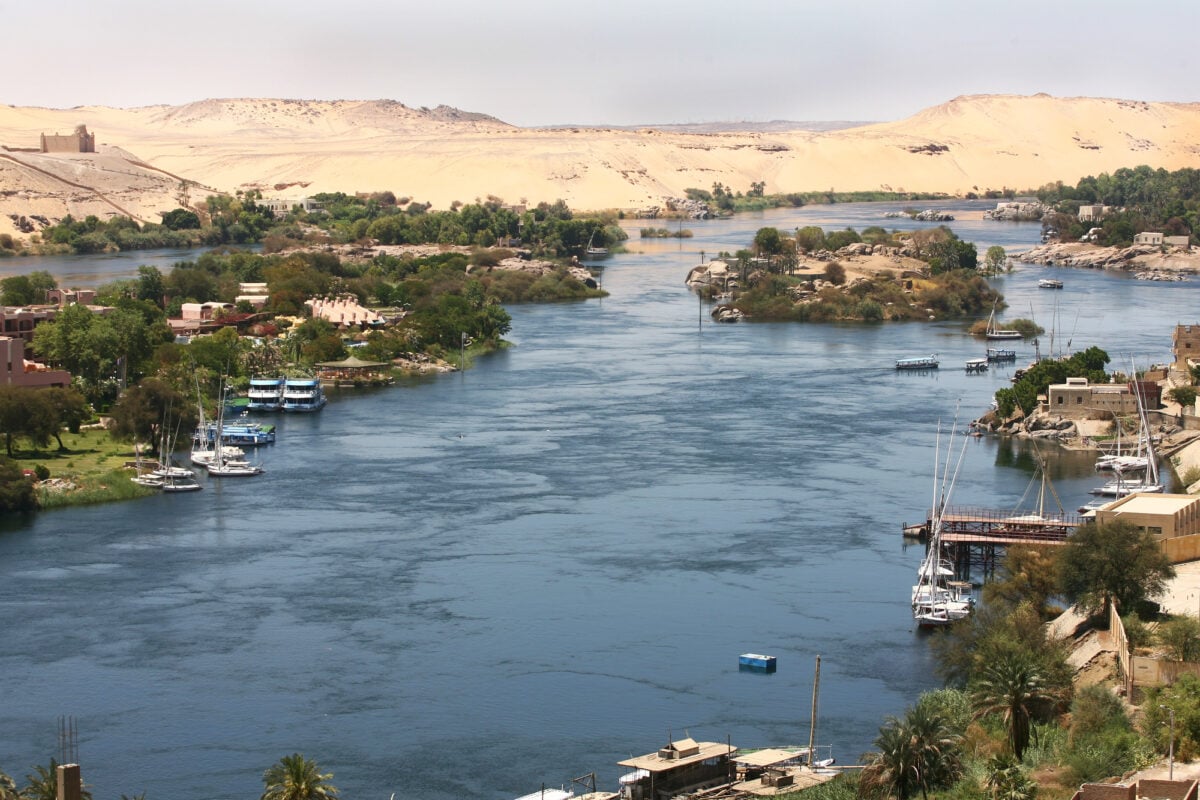
The Nile is traditionally considered the longest river in the world, stretching roughly 4,135 miles across northeastern Africa. Flowing northward through eleven countries, it begins in the highlands of East Africa before reaching the Mediterranean Sea in Egypt.
For thousands of years, the Nile has been the lifeblood of civilizations along its banks. Ancient Egyptian agriculture depended entirely on its seasonal floods, which deposited fertile soil along the valley.
Even today, the river remains essential for transportation, farming, and water supply across the region.
Amazon River
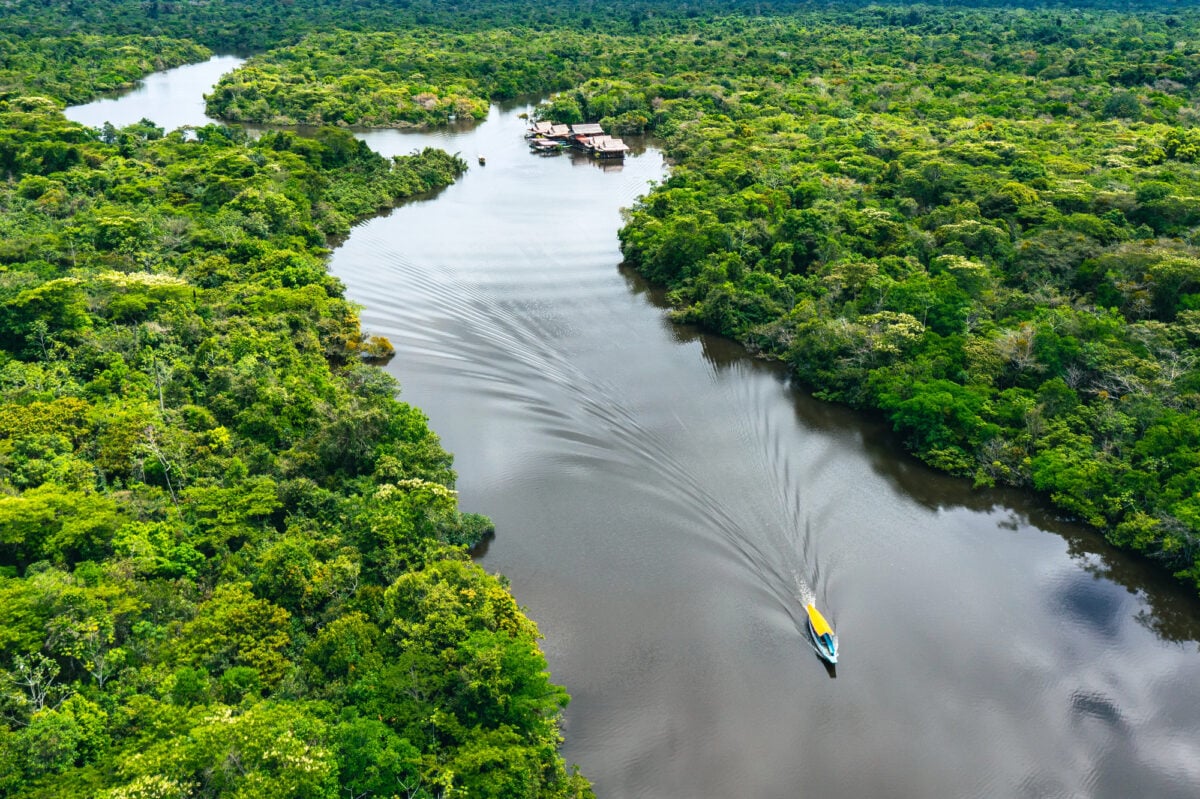
The Amazon River in South America rivals the Nile in length and surpasses it in water volume. Measuring about 4,000 miles, it carries more water than the next several largest rivers combined.
The river flows through the heart of the Amazon rainforest, one of the most biodiverse regions on the planet. Thousands of tributaries feed into the main channel, creating a vast network of waterways.
During the rainy season, parts of the surrounding forest become temporarily flooded, forming an enormous aquatic ecosystem.
Yangtze River
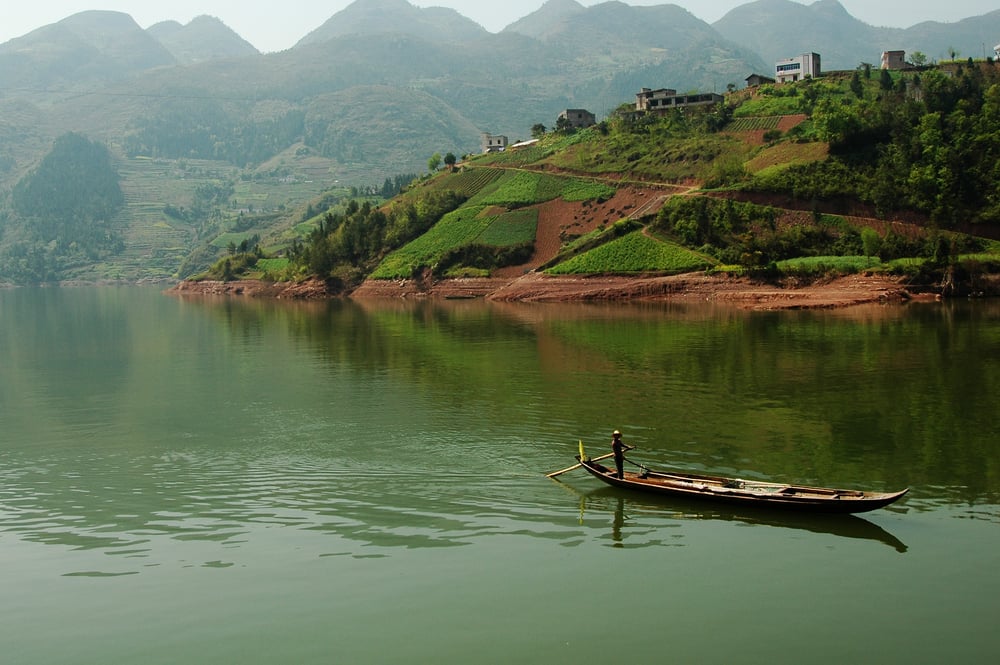
China’s Yangtze River extends approximately 3,915 miles, making it the longest river in Asia. The river begins in the Tibetan Plateau and travels eastward across the country before emptying into the East China Sea near Shanghai.
The Yangtze has played a central role in Chinese history, supporting agriculture, trade, and transportation for centuries. Today it remains one of the busiest waterways in the world, with cargo ships traveling thousands of miles inland.
Mississippi River
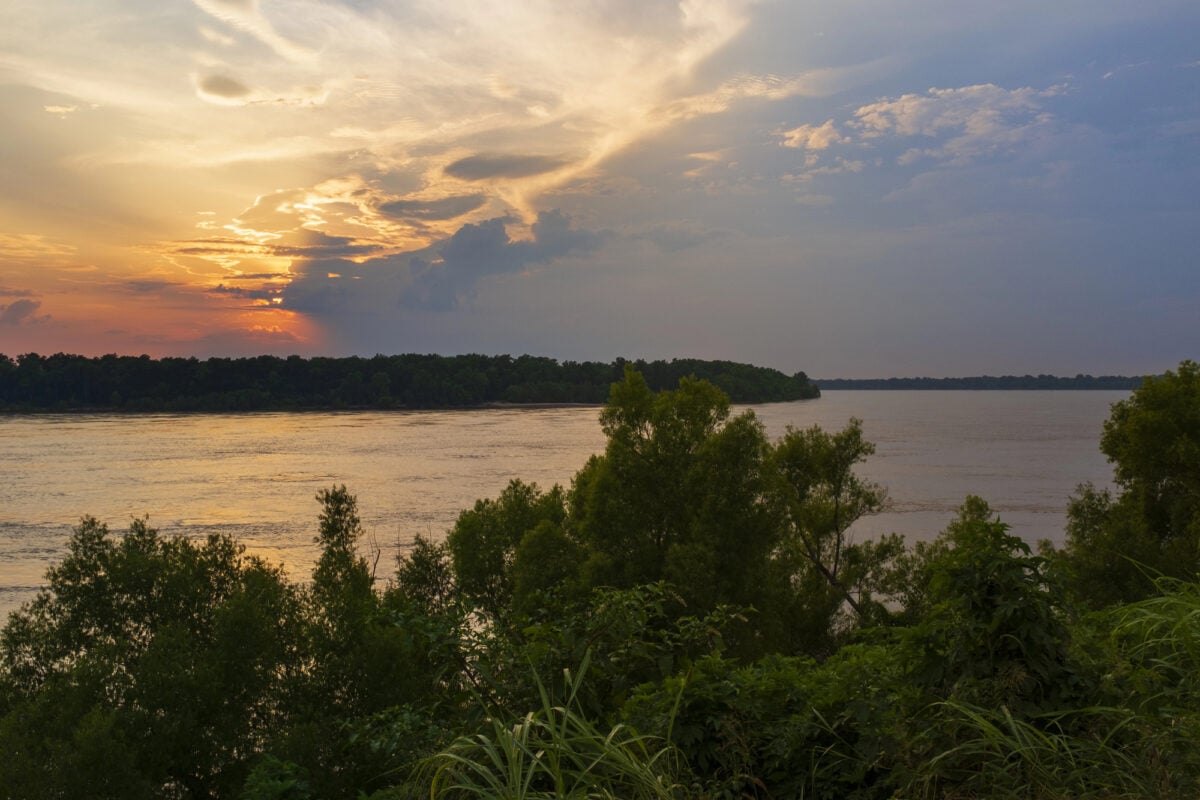
The Mississippi River system forms one of the most important waterways in North America. The river itself runs about 2,340 miles from Minnesota to the Gulf of Mexico, though the combined Mississippi–Missouri system stretches far longer.
Flowing through the heart of the United States, the river drains a massive portion of the country’s interior. Cities like St. Louis and New Orleans grew into major economic centers thanks to their position along this vital shipping route.
Yenisei River
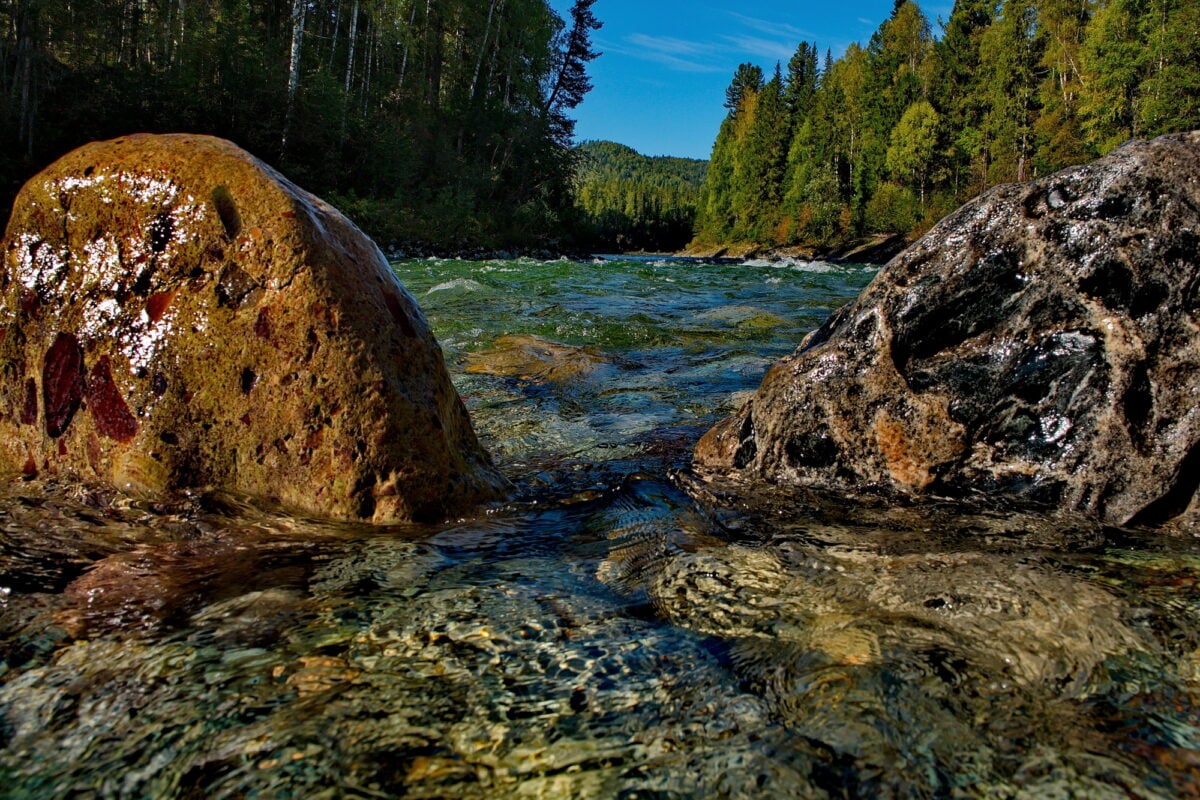
The Yenisei River flows roughly 3,445 miles through Siberia, making it one of the longest rivers in Asia. Beginning in Mongolia, it travels north across Russia before emptying into the Arctic Ocean.
The river cuts through remote landscapes that include mountains, forests, and tundra. Because of its northern location, parts of the river remain frozen for several months each year.
Despite these harsh conditions, it remains an important transportation route in Siberia.
Yellow River
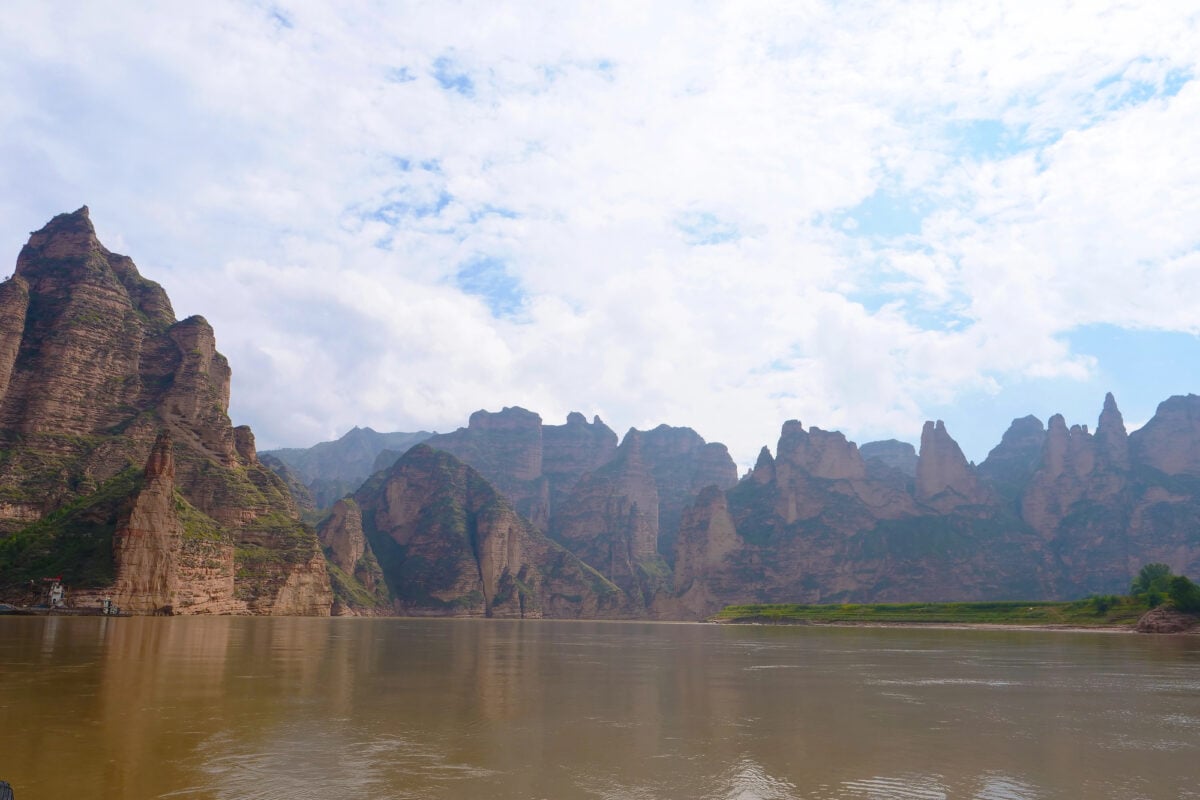
China’s Yellow River, often called the ‘cradle of Chinese civilization,’ stretches approximately 3,395 miles. The river gets its name from the yellowish sediment carried from the Loess Plateau.
Throughout history, the Yellow River has been both a source of life and a cause of destruction. Flooding along its banks has periodically reshaped the surrounding landscape and forced communities to adapt.
Its historical importance in agriculture and settlement makes it one of the most influential rivers in the world.
Ob–Irtysh River System
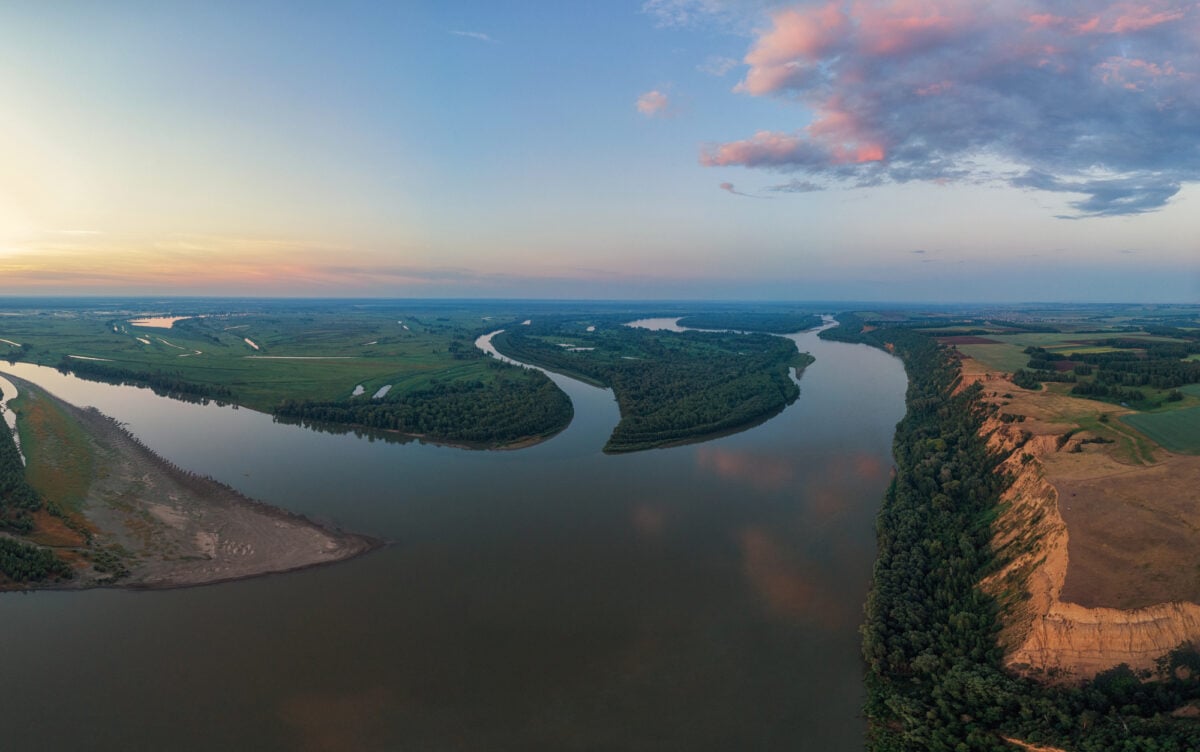
The Ob–Irtysh river system flows across western Siberia for about 3,365 miles. This massive river network drains a vast region of Russia and Kazakhstan before reaching the Arctic Ocean.
Large wetlands and forests line much of the river’s course, supporting wildlife and remote communities. The waterway also serves as a transportation route connecting inland settlements with coastal regions.
Congo River
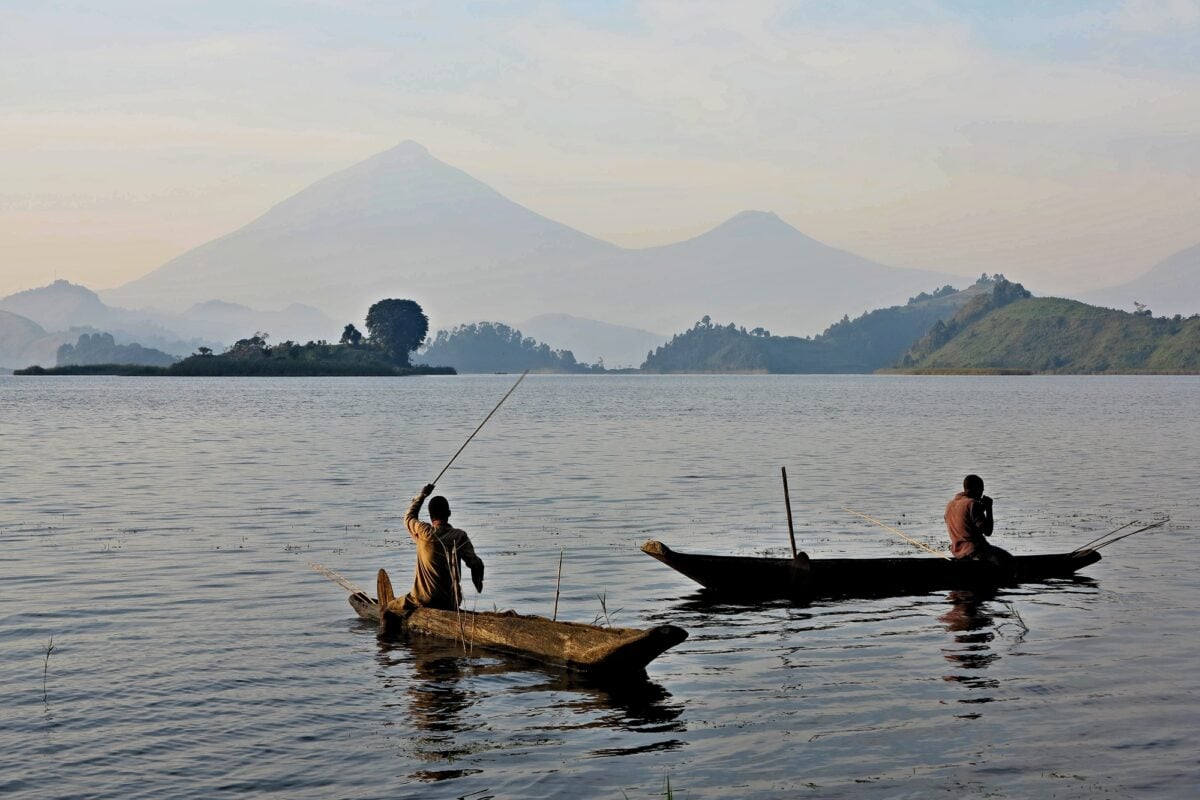
Africa’s Congo River measures about 2,920 miles, but its depth and water volume make it especially remarkable. It is the deepest river in the world, with certain sections plunging hundreds of feet below the surface.
Flowing through the dense rainforests of Central Africa, the Congo forms a vast basin filled with unique ecosystems. Its immense power has also made it an important source of hydroelectric energy for the surrounding region.
Amur River
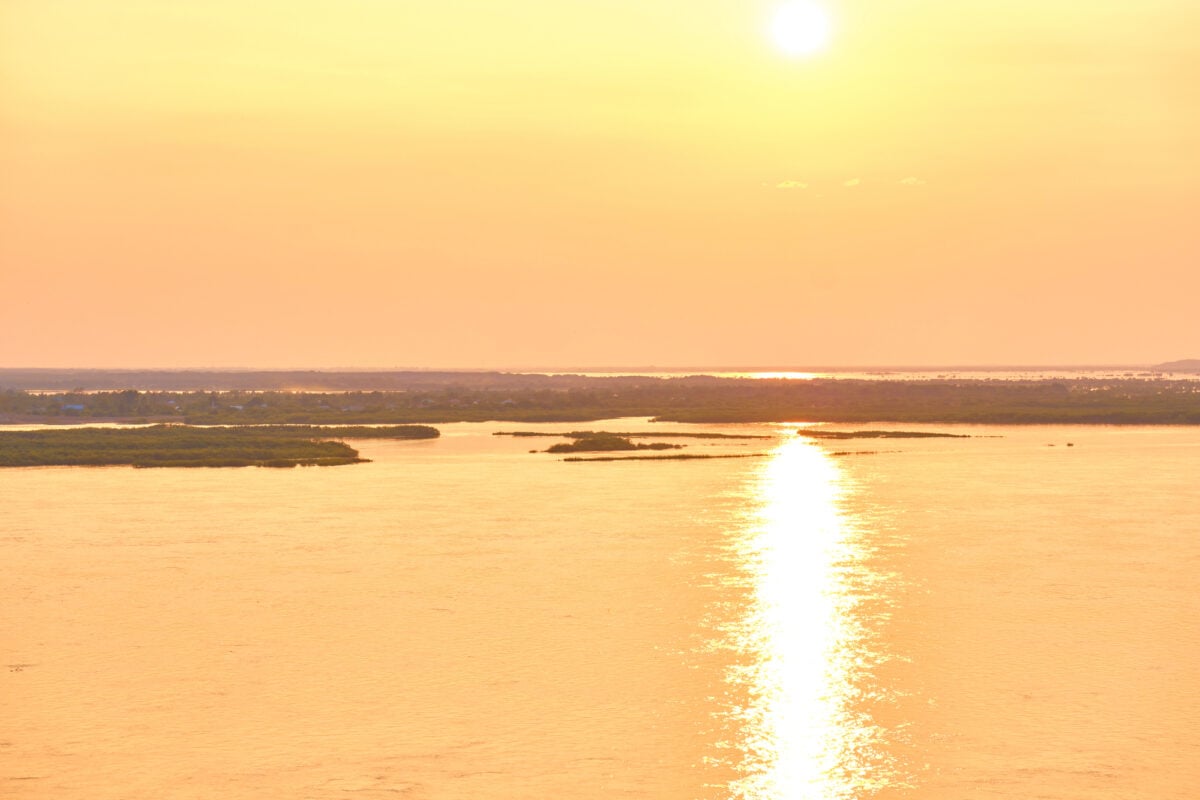
The Amur River forms a natural border between Russia and China for much of its length. Stretching about 2,763 miles, the river eventually flows into the Sea of Okhotsk in the Pacific Ocean.
The Amur basin supports a variety of wildlife, including rare fish species and migratory birds. The river also plays an important role in regional trade and transportation.
Lena River
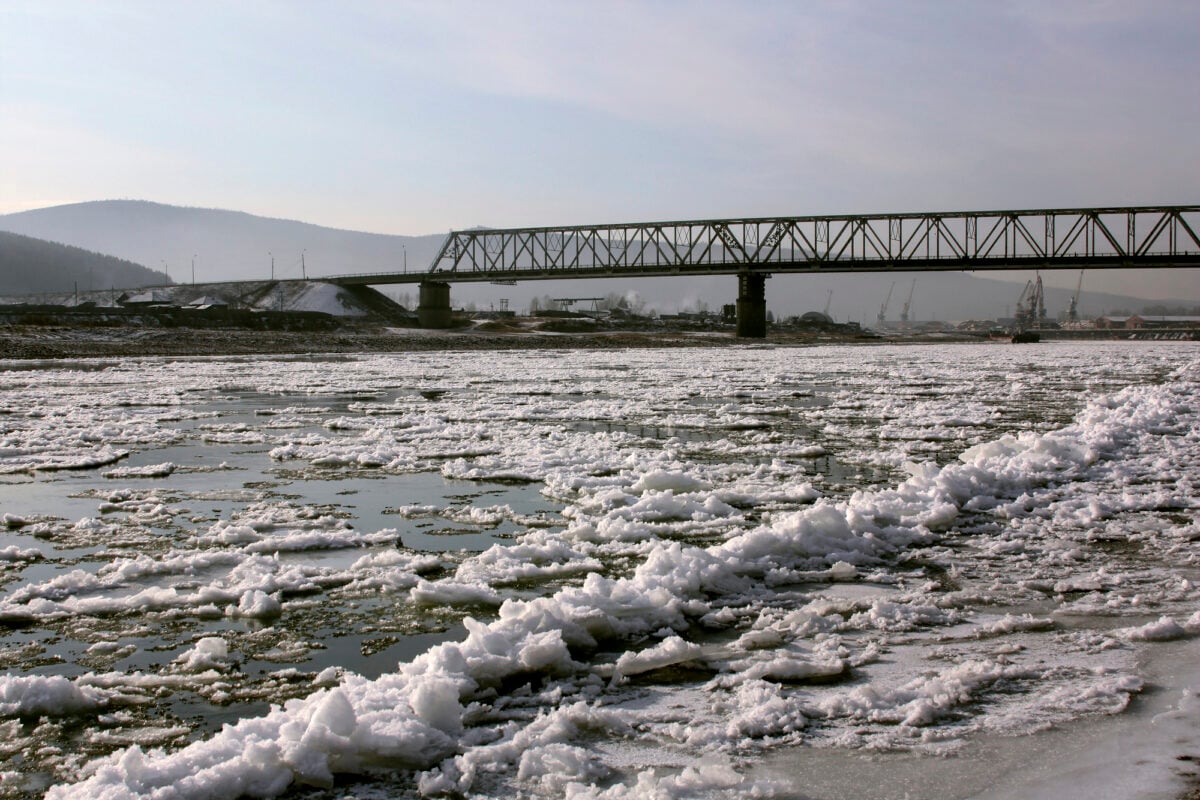
The Lena River in eastern Siberia extends roughly 2,734 miles from its source near Lake Baikal to the Arctic Ocean. Along its journey, it crosses vast stretches of remote wilderness.
The Lena Delta near the Arctic coast forms one of the largest river deltas in the world. During summer months, melting snow and ice dramatically increase the river’s flow, creating an intricate network of channels and wetlands.
Mekong River
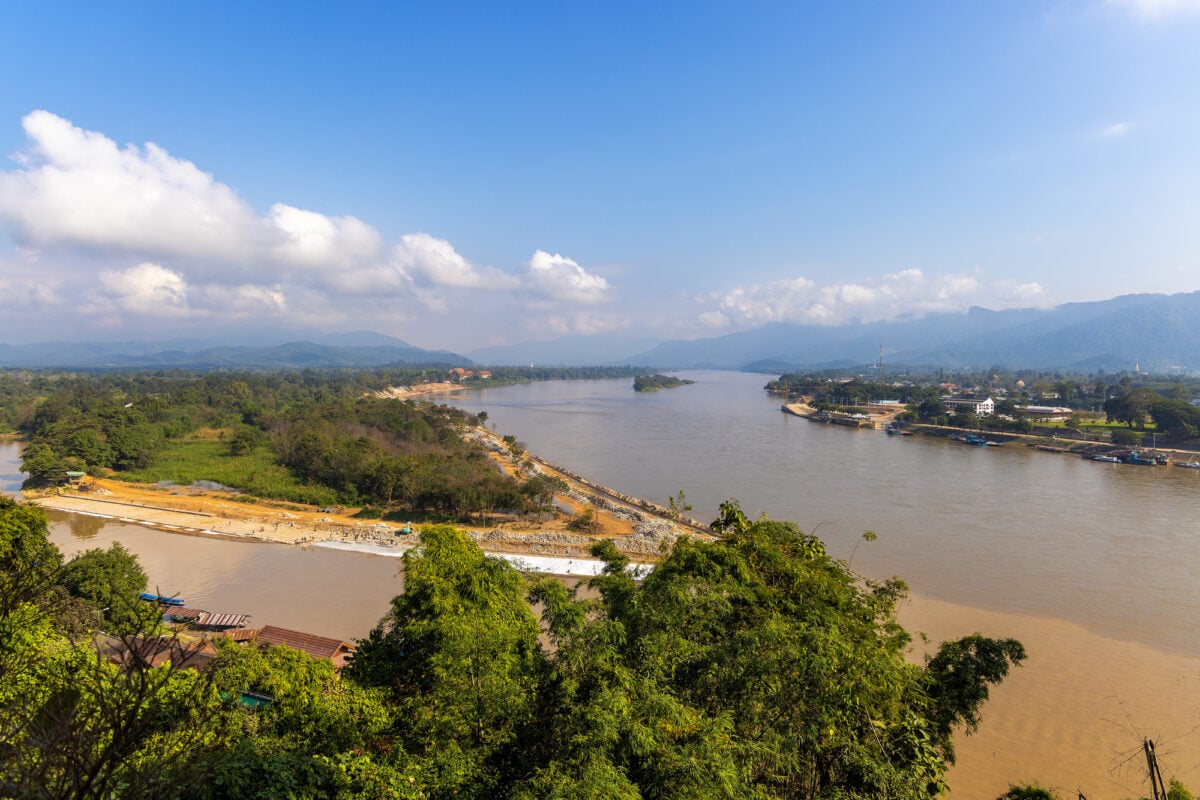
The Mekong River runs about 2,703 miles through Southeast Asia. Beginning in the Tibetan Plateau, it travels through several countries before reaching the South China Sea.
Millions of people depend on the Mekong for agriculture, fishing, and transportation. Floating markets, rice fields, and riverside villages illustrate how closely daily life in the region remains connected to the river.
Mackenzie River
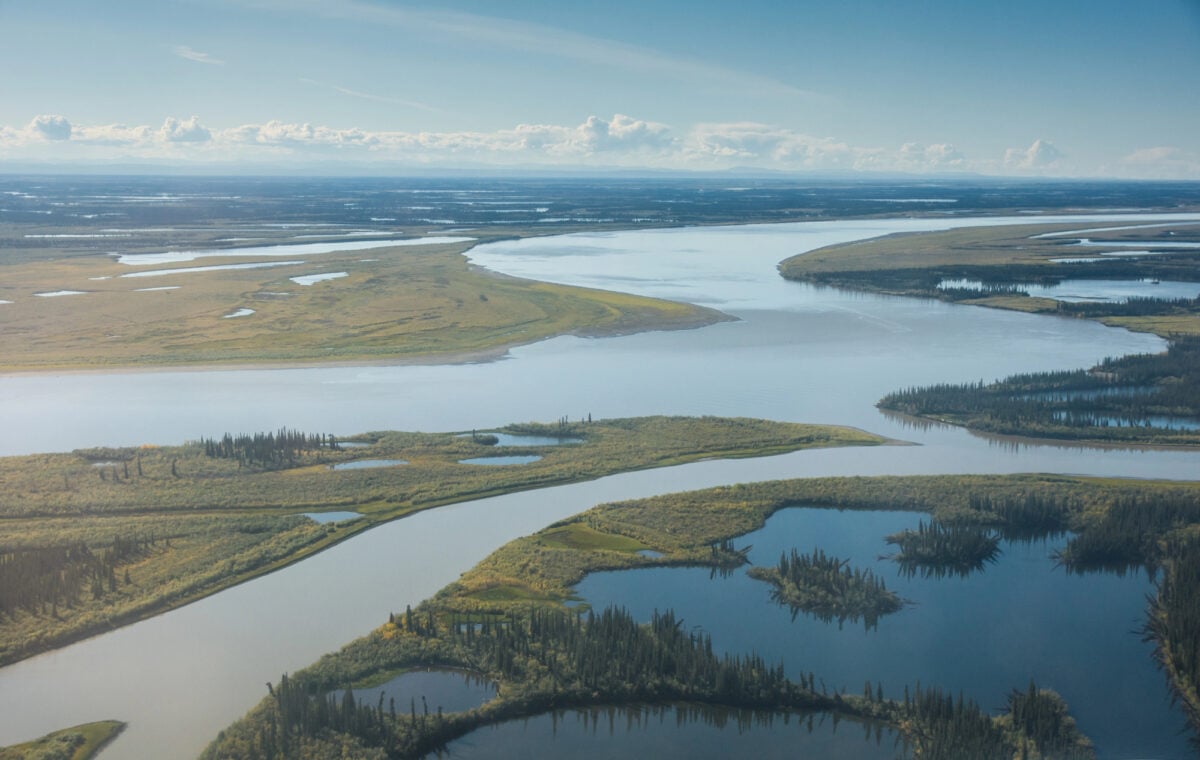
Canada’s Mackenzie River stretches about 2,635 miles when its tributaries are included. The river flows through remote northern landscapes before emptying into the Arctic Ocean.
For centuries, the river served as an important route for Indigenous communities and later for explorers and traders. Today it remains a defining feature of Canada’s northern geography.
Niger River
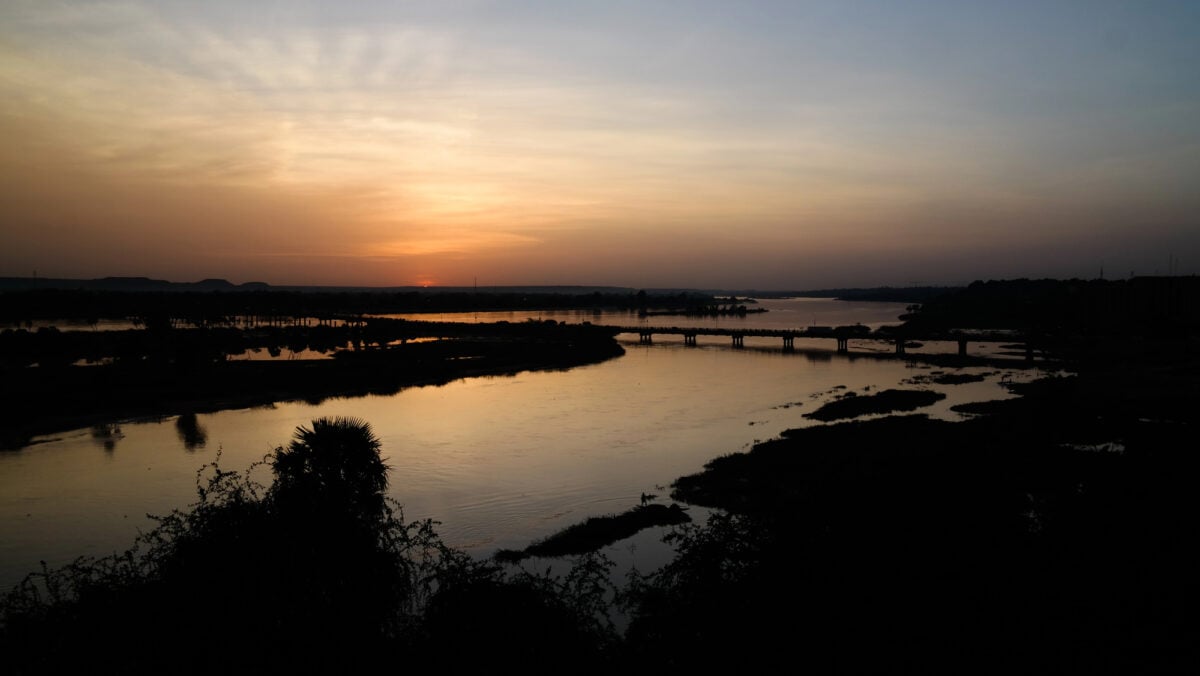
The Niger River flows roughly 2,600 miles across West Africa. Unlike many rivers, it follows an unusual boomerang-shaped path that curves across the region before reaching the Atlantic Ocean.
The river supports agriculture and fishing communities along its banks. Historic cities such as Timbuktu developed along the river’s route, making it a major trade corridor in earlier centuries.
Murray River
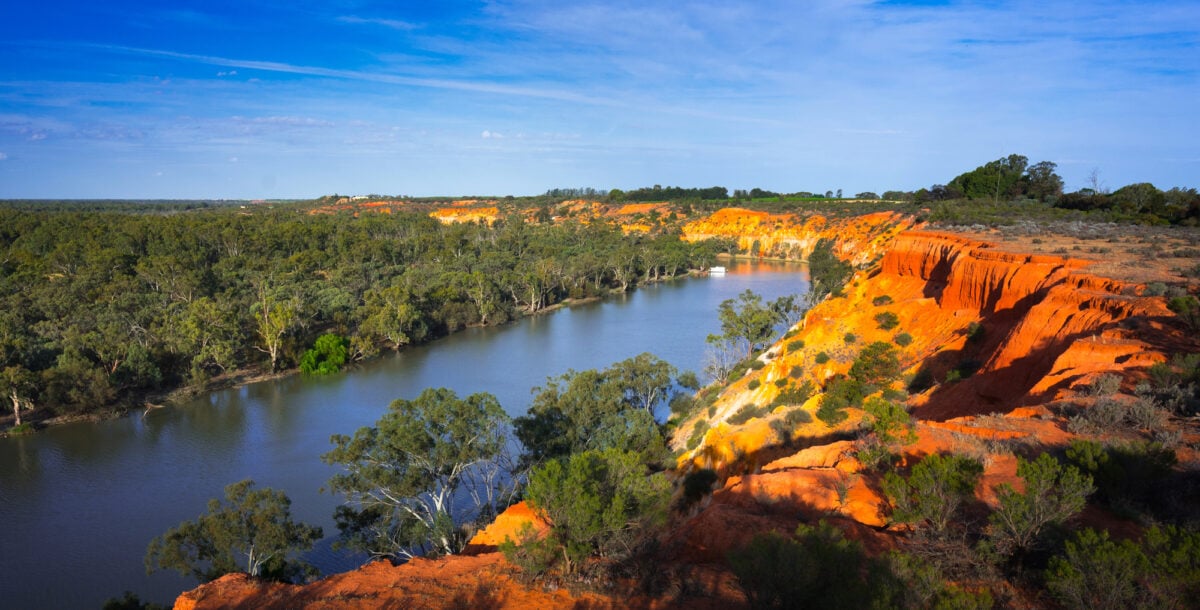
The Murray River is Australia’s longest river, stretching about 1,558 miles across the southeastern part of the continent. It forms a vital water source for agriculture in a region known for its dry climate.
The river supports vineyards, farms, and wildlife habitats along its banks. Its waters help sustain large portions of Australia’s food production.
Why River Lengths Continue To Surprise Scientists
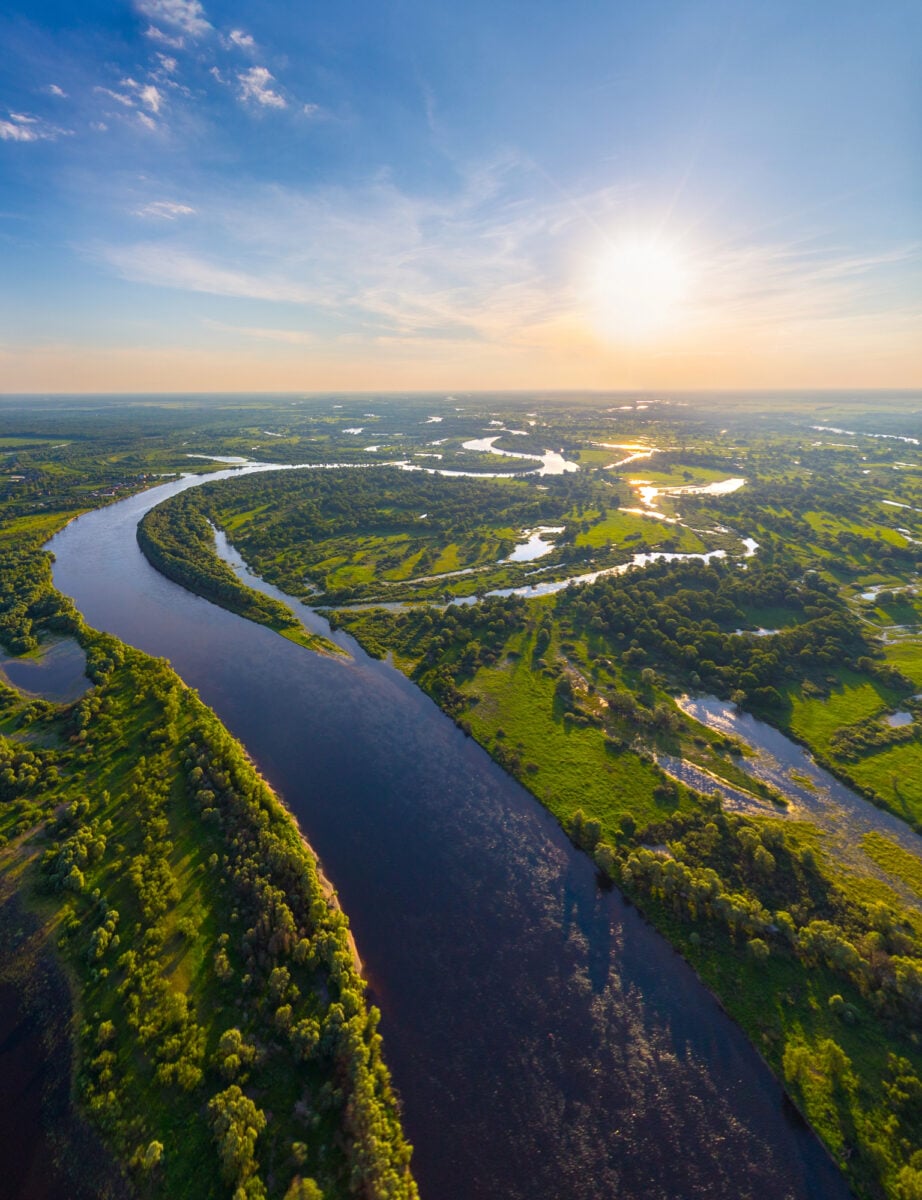
Measuring rivers is not always as simple as it seems. Rivers often split into multiple channels, change course over time, or connect with complex tributary systems.
Determining exactly where a river begins and ends can lead to ongoing debate among geographers. Advances in satellite imagery and mapping technology continue refining these measurements.
As researchers study river systems in greater detail, new discoveries occasionally challenge long-held assumptions about their true lengths.
The Hidden Importance Of The World’s Longest Rivers
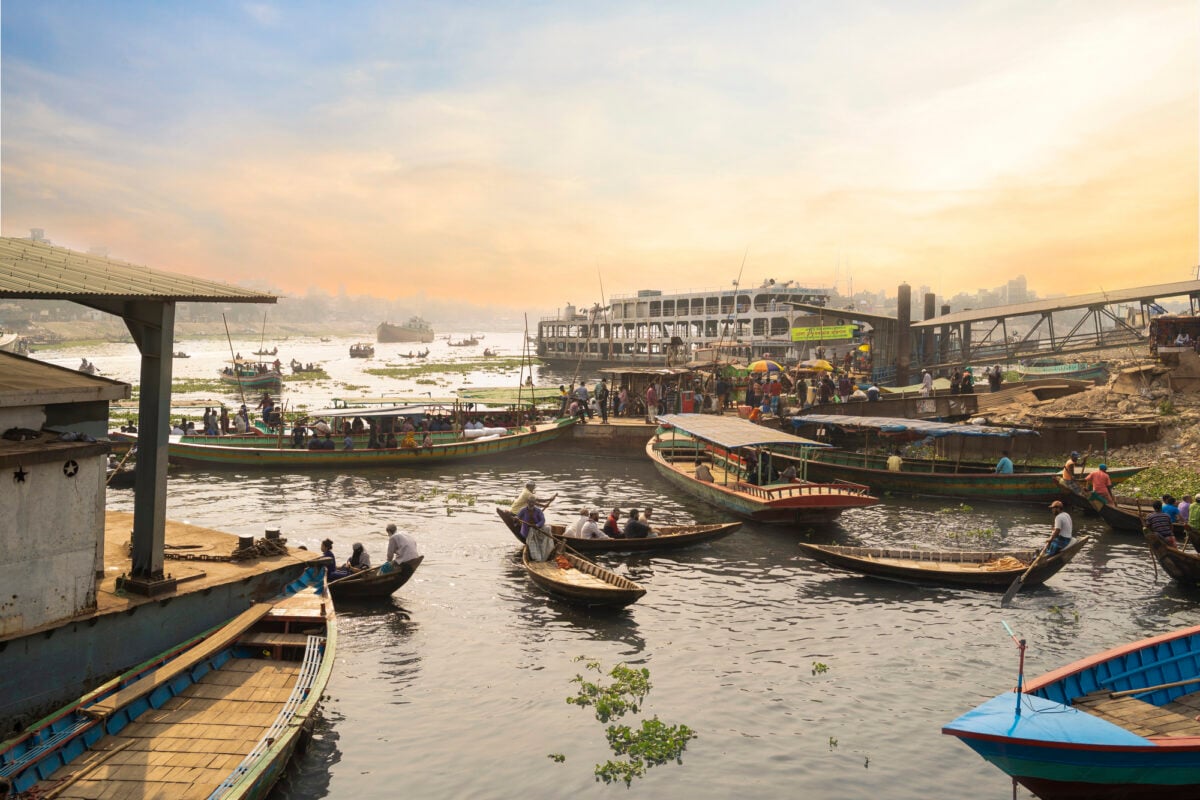
Other than the fact that they have long distances, long rivers also have an important role to play in the support of human life on the entire continent. Most importantly, rivers have played an important role in the history of human civilization.
Most of the first human settlements around the world were established along the banks of the rivers, relying on the constant flow of the rivers to support the growth of the settlements. Today, the longest rivers in the world remain an important reminder of the connection between human life and the natural world.
More from Go2Tutors!

- The Romanov Crown Jewels and Their Tragic Fate
- 13 Historical Mysteries That Science Still Can’t Solve
- Famous Hoaxes That Fooled the World for Years
- 15 Child Stars with Tragic Adult Lives
- 16 Famous Jewelry Pieces in History
Like Go2Tutors’s content? Follow us on MSN.



