Forgotten Perfumes Worn by Royalty
Royalty and perfume share a connection stretching back thousands of years, through palaces perfumed with frankincense and courts where scent signaled power as clearly as a crown.
Yet many fragrances once favored by kings, queens, and empresses have slipped quietly from shelves and memory.
Some were reformulated beyond recognition.
Others vanished entirely when perfume houses closed or regulatory changes forced ingredient alterations.
The scents that once clung to royal skin now exist mainly in collector circles, vintage bottles, and the occasional lucky find.
These weren’t just any perfumes.
They were commissioned by monarchs, worn at coronations, and carried through some of history’s most pivotal moments.
While modern royals still influence perfume trends, these earlier scents have largely faded from public consciousness despite their remarkable pedigrees.
Here’s a closer look at the royal fragrances that time forgot.
Guerlain L’Heure Bleue

Queen Elizabeth II reportedly wore Guerlain’s L’Heure Bleue, a spicy citrus with a powdery dry down that’s been a classic since its creation in 1912.
The name translates to ‘the blue hour,’ that brief moment between day and night when the sky takes on an ethereal quality.
Carnation, ylang-ylang, and anise open the fragrance, but the real magic happens in the plush iris, vanilla, and musk that form its base.
The perfume’s connection to the late Queen added mystique to an already legendary scent.
She also favored Chanel No. 5, but L’Heure Bleue seemed to be a more personal choice.
Today’s version bears little resemblance to what Queen Elizabeth would have worn.
The fragrance has been reformulated multiple times, losing what perfume historians describe as its plush, nuanced quality.
Vintage versions still surface occasionally, commanding premium prices from collectors who remember what made it outstanding.
Quelques Fleurs

Princess Diana chose Houbigant’s Quelques Fleurs for her wedding to Prince Charles in 1981.
The name means ‘a few flowers,’ but the fragrance was anything but modest.
It blended tuberose, jasmine, lily of the valley, and rose into something sumptuous and memorable.
Diana was reportedly so nervous about her upcoming nuptials that she spilled the perfume all over herself before walking down the aisle, filling St. Paul’s Cathedral with the scent.
The Houbigant house has connections to royalty stretching back centuries.
Marie Antoinette allegedly carried three vials of Houbigant fragrance to her execution, and possibly wore it at her wedding as well.
Prince Harry later revealed in his memoir that his mother’s actual favorite scent was First by Van Cleef & Arpels.
The fragrance, with notes of hyacinth, rose, jasmine, amber, and sandalwood, became so associated with Diana that years later, breathing it in during a therapy session brought memories flooding back.
The original Quelques Fleurs formula is now extremely difficult to find, though the house continues producing variations.
Fleurissimo by Creed
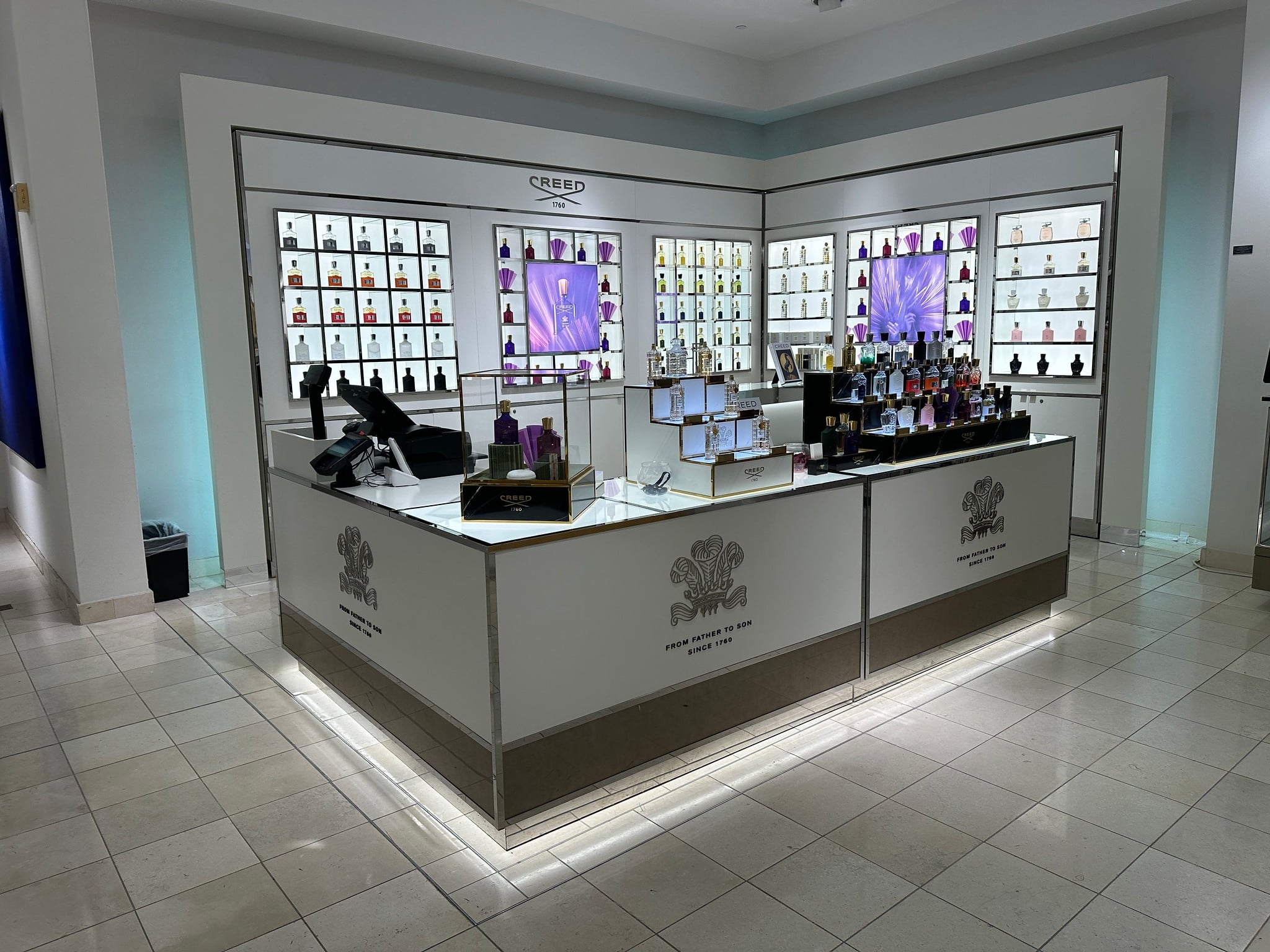
When Grace Kelly married Prince Rainier III of Monaco in 1956, her husband-to-be commissioned a signature perfume as a wedding gift.
Creed created Fleurissimo, an elegant floral design to complement the flowers in Kelly’s wedding bouquet.
Bergamot, ylang-ylang, and iris combined to make a fragrance that perfectly captured her transformation from Hollywood star to European royalty.
The scent later became a favorite of First Lady Jackie Kennedy, cementing its status as the choice of women who defined modern elegance.
Creed itself has royal credentials extending back to 1780, when leather supplier James Henry Creed turned to perfume and created Royal English Leather for King George III.
Fleurissimo still exists today, unlike many perfumes from that era, but finding the original formulation proves challenging.
Perfume regulations have changed dramatically since Grace Kelly’s wedding day, forcing reformulations of countless classic fragrances.
Catherine de Medici’s Perfumed Gloves

Long before modern perfumery existed, Catherine de Medici brought Italian fragrance expertise to the French court when she married King Henry II in the 16th century.
She arrived with a carefully selected entourage that included her perfumer, Rene de Florentin.
Working from his own laboratory, Rene created perfumed gloves for the Queen that swiftly became regarded by French nobility as the absolute pinnacle of fashion.
The resulting demand saw scented garments heavily worn by all of France’s high-born aristocrats.
When Florence’s Arno River flooded disastrously in 1966, archivists retrieved records from a flooded basement containing Renaissance formulas for perfumes worn by Catherine de Medici.
Those formulas remain locked away in historical archives, studied by scholars but never reproduced commercially.
The exact scents Catherine favored are lost to time, though perfume historians can make educated guesses based on ingredients popular during the Renaissance.
Marie Antoinette’s Lavender
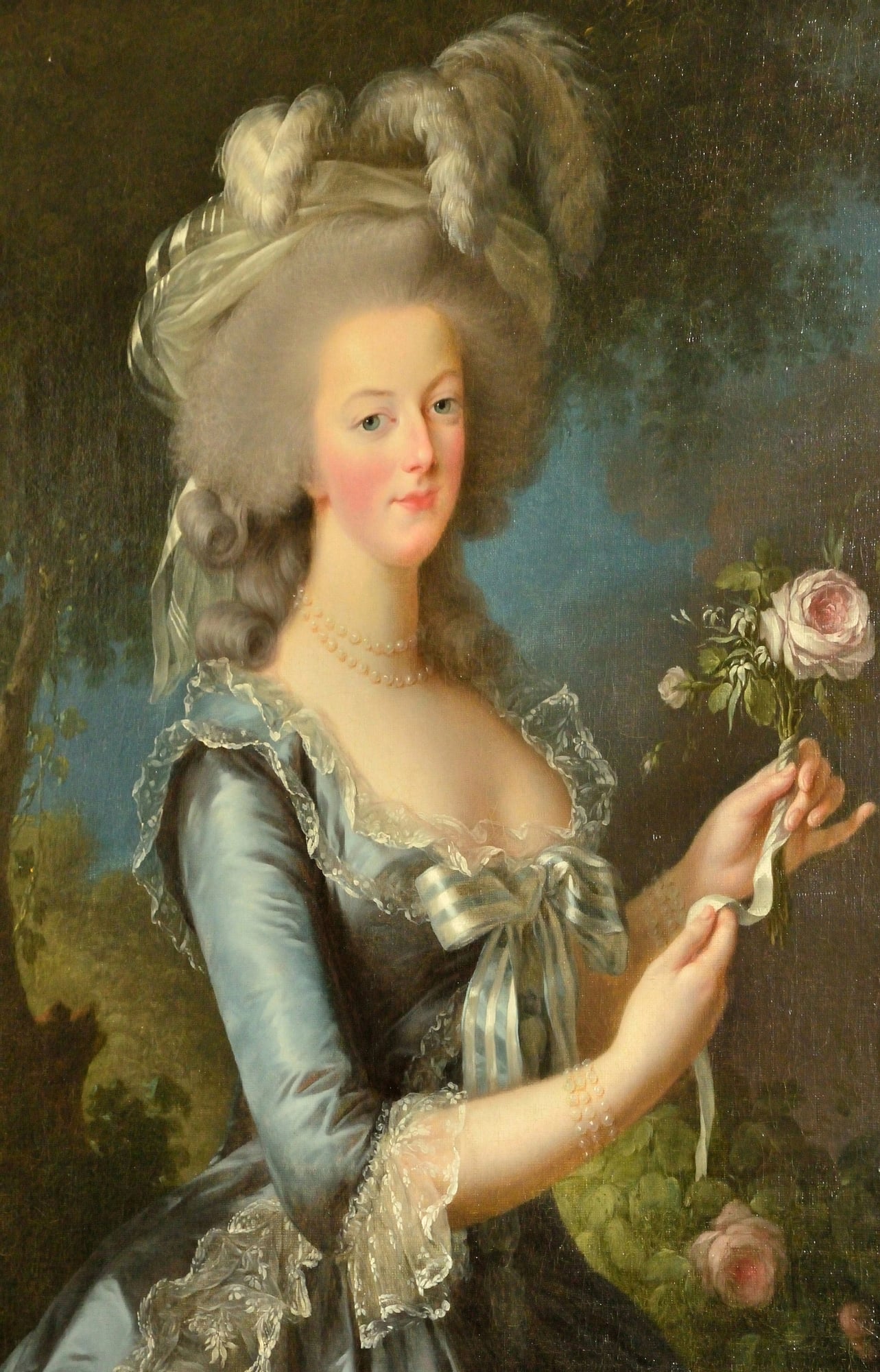
Marie Antoinette adored lavender, spraying it liberally through her hair.
That preference proved tragic when she attempted to flee Paris during the French Revolution.
Her beloved scent betrayed her location, and she was brought back to face the guillotine.
Before her execution, she reportedly carried three vials of Houbigant fragrance, demonstrating that even in her final moments, perfume mattered deeply to the doomed Queen.
The exact formulation Marie Antoinette wore remains uncertain, but French fragrance house Lubin later uncovered a formula they claimed to have made for the Queen prior to her death.
Marie Antoinette’s era marked a golden age for perfumes among European royals, when elaborate scent rituals reflected social status and political power.
Lavender itself persists in countless modern perfumes, but the specific blends favored in 18th-century Versailles used natural extraction methods and ingredient ratios impossible to replicate today.
Penhaligon’s Blenheim Bouquet

Prince Charles reportedly favors Penhaligon’s Blenheim Bouquet, though royal grooming routines remain deliberately private matters.
The eau de toilette was originally commissioned for the ninth Duke of Marlborough in 1902, making it one of the oldest continuously produced fragrances still available.
Sharp, zesty scents of lemon, black pepper, and pine create a fragrance meant to keep wearers fresh through summer and beyond.
Penhaligon’s holds a Royal Warrant dating back to 1903, when Queen Alexandra issued the first one.
Despite its availability, finding Blenheim Bouquet in its original formulation presents challenges.
Like virtually all perfumes created before the 1990s, regulatory changes have necessitated ingredient substitutions.
The Blenheim Bouquet sold today carries the same name and similar character, but perfume enthusiasts with access to vintage bottles note distinct differences in depth and longevity.
Eau Sauvage

King Charles III’s affinity for Dior’s Eau Sauvage is well documented.
Prince Harry mentioned in his memoir how his father constantly sniffed things and applied the cologne liberally to his cheeks, neck, and shirt.
Launched in 1966, Eau Sauvage revolutionized masculine fragrance by being the first to incorporate hedione, a jasmine-scented molecule that created an entirely new olfactory category.
The original formulation, discontinued in 2017 after decades of influence, differed substantially from current versions bearing the same name.
Its blend of citrus and herbal notes established templates that countless other fragrances would follow.
Modern iterations attempt to capture the original’s character, but regulatory restrictions on certain citrus components and stabilizers have altered the fragrance significantly.
The scent King Charles favors today technically shares only a name with what he likely first wore decades ago.
Floris White Rose

Queen Elizabeth II’s wedding day scent was reportedly Floris White Rose, a rich and vibrant floral fragrance that made the occasion particularly special.
Floris received its first Royal Warrant from King George IV in 1820 and currently holds appointments as Perfumer to the Queen and Manufacturer of Toilet Preparations to the Prince of Wales.
The company’s longevity and consistent royal patronage make it one of Britain’s most storied perfume houses.
White Rose exemplifies the kind of elegant, uncomplicated florals favored by mid-20th-century British aristocracy.
Unlike the complex, heavy orientals popular in France or the dramatic statements preferred in America, British royal perfumes tended toward restraint.
Finding vintage White Rose proves challenging.
Floris continues producing it, but like all fragrances with histories stretching back generations, the formula has shifted with changing regulations and ingredient availability.
The Forgotten Ingredient

Many royal fragrances incorporated ambergris, a rare waxy substance from sperm whales used as a natural fixative.
King Louis XIV of France wore perfumes enriched with ambergris that made scents last for hours.
The ingredient appeared in perfumes favored by Egyptian pharaohs, Middle Eastern sultans, and European royalty across centuries.
Its warm, musky, slightly sweet, and earthy character provided depth impossible to replicate synthetically until recent decades.
Environmental regulations now severely restrict ambergris use, despite it being naturally produced and collected from beaches rather than harvested directly from whales.
Historical royal perfumes that relied on ambergris for their signature depth and longevity simply cannot be reproduced authentically today.
This single ingredient restriction affects hundreds of classic formulations.
A perfume containing real ambergris develops on skin differently, lasts longer, and creates a base note that synthetics can’t quite match.
Why These Scents Vanished
Regulatory changes represent just one factor in royal perfume disappearance.
Perfume houses close, brands change hands, and commercial viability determines survival more than historical significance.
A fragrance might carry remarkable pedigree and beautiful formulation, yet fail to generate sufficient sales for modern business models.
Ingredient sourcing has changed dramatically too.
Natural materials once readily available now face supply limitations, environmental concerns, or prohibitive costs.
Fashion itself plays a role.
Perfume trends shift like clothing styles, with certain notes falling in and out of favor.
Heavy orientals gave way to fresh aquatics, which yielded to gourmands, and so on through endless cycles.
Royal perfumes from earlier eras reflected their time’s aesthetic preferences.
What smelled sophisticated and elegant in 1912 or 1956 or even 1980 often registers as dated to contemporary noses.
Reformulations attempt to modernize classics, but the process usually disappoints those seeking the original experience.
What Remains

The perfumes worn by royalty weren’t just fashion statements.
They represented wealth, taste, and connection to centuries of tradition.
When Queen Elizabeth chose Guerlain L’Heure Bleue or Princess Diana wore Quelques Fleurs, they participated in rituals that stretched back through generations of monarchs who understood perfume’s power to create presence and memory.
Those fragrances have largely vanished now, victims of time, regulation, and changing commercial landscapes.
What persists is the idea that scent matters deeply, that the right fragrance can define a moment or express something words cannot.
Modern royals continue that tradition, even as the specific perfumes they favor remain largely private matters.
The forgotten fragrances their predecessors wore exist now in collector bottles, archival records, and the memories of those lucky enough to have experienced them.
They remind us that even the most powerful symbols of permanence—crowns, thrones, and yes, signature scents—eventually fade into history, replaced by new expressions of the same timeless human desires for beauty, presence, and connection.
More from Go2Tutors!

- The Romanov Crown Jewels and Their Tragic Fate
- 13 Historical Mysteries That Science Still Can’t Solve
- Famous Hoaxes That Fooled the World for Years
- 15 Child Stars with Tragic Adult Lives
- 16 Famous Jewelry Pieces in History
Like Go2Tutors’s content? Follow us on MSN.