Flawed Designs That Somehow Survived
Design flaws should doom a product. Basic logic says that when something doesn’t work properly, people stop buying it, companies stop making it, and the market moves on to better alternatives.
Yet some products persist for decades despite obvious problems that everyone knows about but somehow tolerates. These designs became so embedded in daily life that their flaws transformed from dealbreakers into quirky characteristics people learned to work around.
QWERTY Keyboard Layout

The QWERTY keyboard was designed to slow typists down. Back when typewriters had mechanical keys that could jam if pressed too quickly in certain combinations, this layout deliberately separated common letter pairs.
The design worked exactly as intended — it prevented jams by making typing less efficient.
Fast typing became possible again decades ago. Computer keyboards don’t jam.
Yet here we sit, still hunting and pecking through a layout designed to handicap us.
The Penny

Making a penny costs more than a penny is worth. The U.S. Mint spends roughly 2.7 cents to produce each one-cent coin, which means every penny manufactured immediately creates a loss for taxpayers.
Retailers round prices to avoid dealing with them, most people throw them in jars rather than spend them, and entire transactions slow down when someone counts out exact change.
Canada eliminated their penny in 2013 without economic collapse. Australia did the same in 1990.
Yet Americans continue minting millions of coins that cost more to make than they’ll ever be worth, because changing feels harder than accepting the waste.
Fax Machines
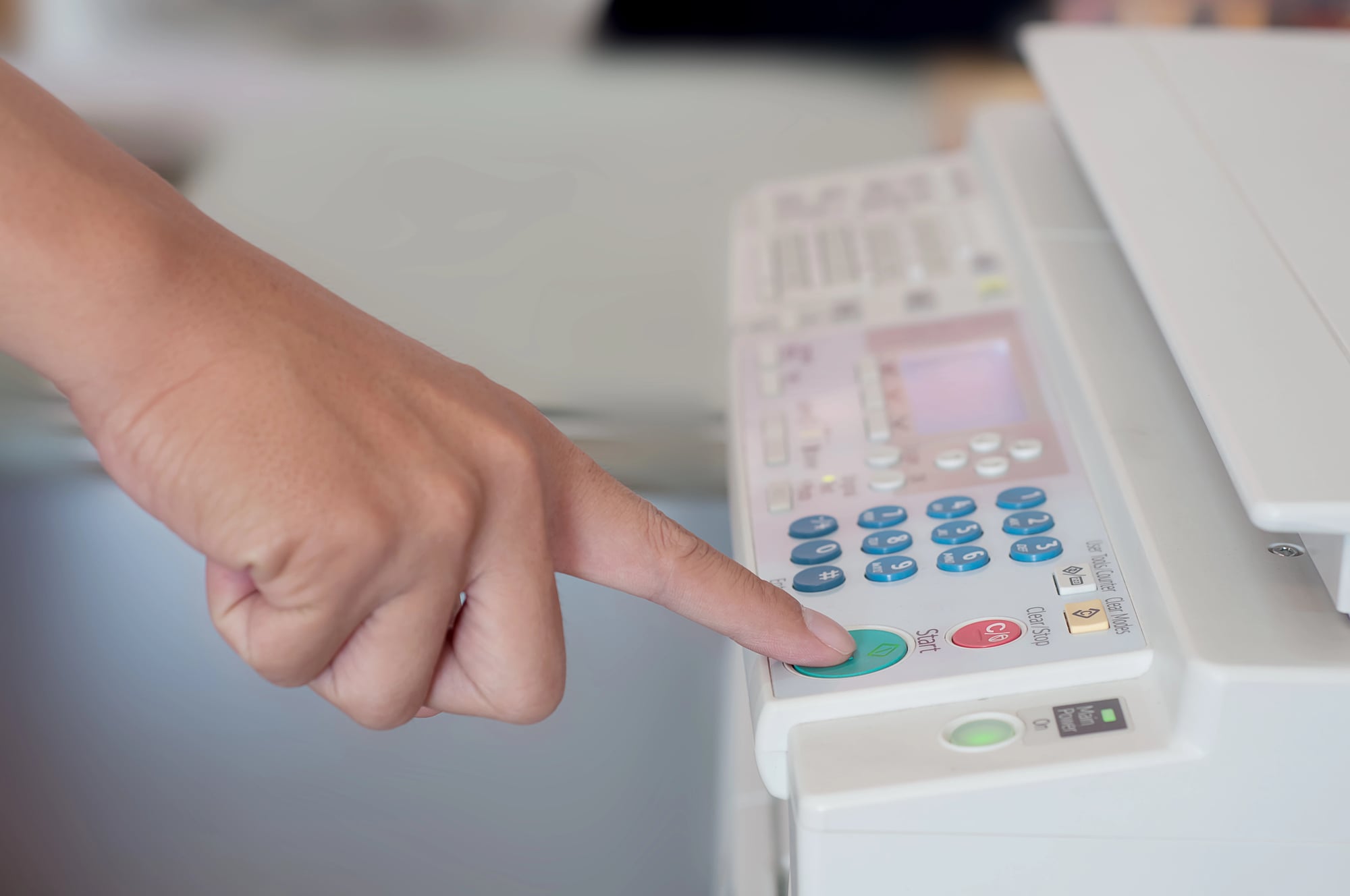
Fax machines are technological archaeology that refuses to stay buried. The concept — scanning a document, converting it to audio tones, transmitting those tones over phone lines, then converting them back to a blurry approximation of the original — made sense when email didn’t exist and overnight mail cost a fortune.
But fax machines persist in offices across America, humming and beeping like digital ghosts from 1983. Doctors, lawyers, and government agencies still request faxed documents as if email attachments were somehow less secure than phone-line transmissions that anyone with a scanner could intercept.
The machines jam constantly, produce illegible copies, and require dedicated phone lines that most offices barely remember how to maintain. And yet they endure, because certain industries decided that innovation stops when liability lawyers get nervous.
So medical offices continue maintaining these beige monuments to inefficiency, feeding them paper and toner while knowing that the smartphone in their pocket could transmit the same document with better quality in a fraction of the time. The fax machine’s survival has nothing to do with functionality — it’s pure institutional inertia, wrapped in the comforting illusion of security through obsolescence.
USB Connector Orientation
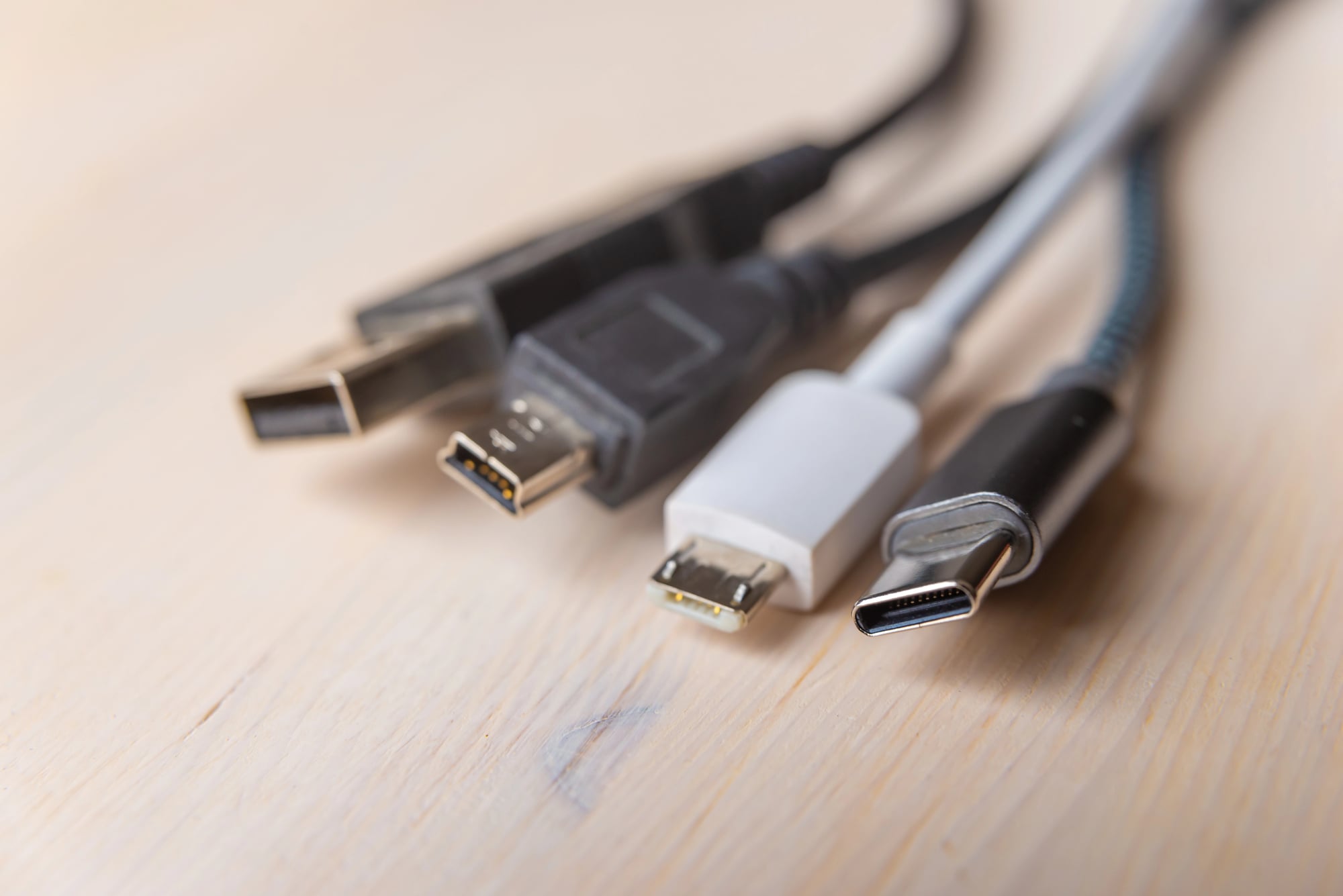
The USB connector embodies a perfect design paradox: it looks symmetrical but only works one way, and somehow humans guess wrong approximately 78% of the time on the first attempt. The rectangular shape suggests it should slide in either direction, but only one orientation actually connects properly.
This creates the universal USB dance — flip it, try again, flip it back to the original position, then finally achieve connection on the third attempt. Everyone performs this ritual daily.
USB-C finally solved the problem by making connectors truly reversible, but billions of USB-A ports remain embedded in devices worldwide, perpetuating the guessing game indefinitely.
Television Remote Controls

Remote controls are command centers designed by committee, featuring 47 buttons for devices that most people use for three functions: power, volume, and channel changing. The remaining 44 buttons serve mysterious purposes that require consulting manuals nobody keeps.
Every household owns multiple remotes that control overlapping functions in contradictory ways. The TV remote turns on the television but not the cable box.
The cable remote controls channels but not always volume. The universal remote was supposed to solve this but instead created a master controller so complex that programming it requires an engineering degree.
Modern smart TVs add apps and streaming services, demanding additional navigation through interfaces that turn finding Netflix into a treasure hunt.
Yet families continue accumulating remotes like collecting trading cards, storing them in coffee table drawers where batteries slowly leak and button labels fade away.
Electric Can Openers
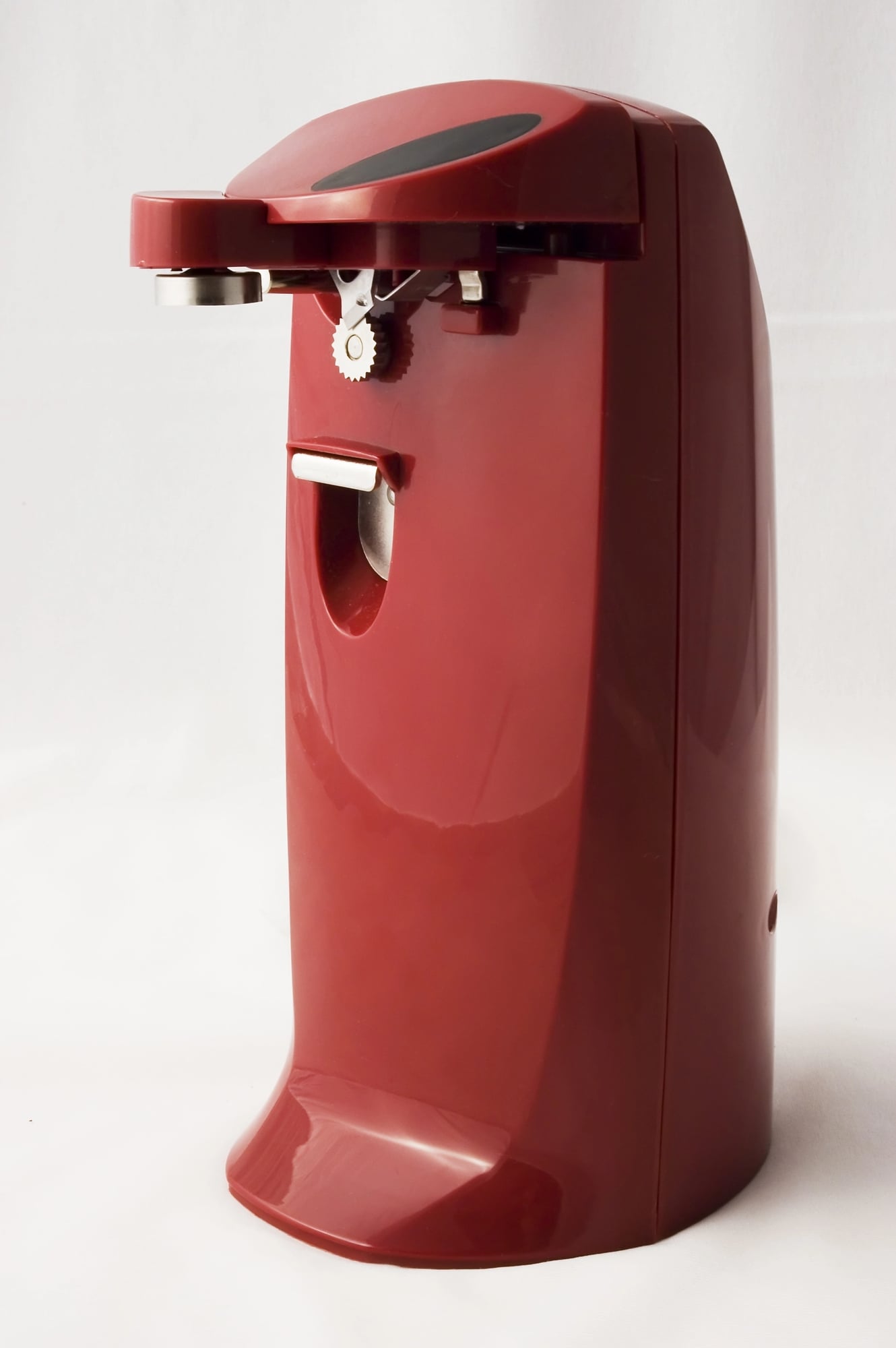
Electric can openers represent peak American convenience culture: taking a simple task that requires minimal effort and adding motors, power cords, and counter space. Manual can openers work fine, cost less, break less frequently, and don’t tie up electrical outlets needed for appliances that actually benefit from automation.
But electric can openers claimed kitchen counter real estate across America and refused to leave. They’re harder to clean, impossible to store in drawers, and fail dramatically when the power goes out — which is precisely when canned food becomes most valuable.
The electric versions also struggle with dented cans that manual openers handle easily.
The persistence of electric can openers says more about marketing success than functional improvement. Someone convinced consumers that automation improves everything, even when the manual version already worked perfectly.
Analog Clocks In Digital Age
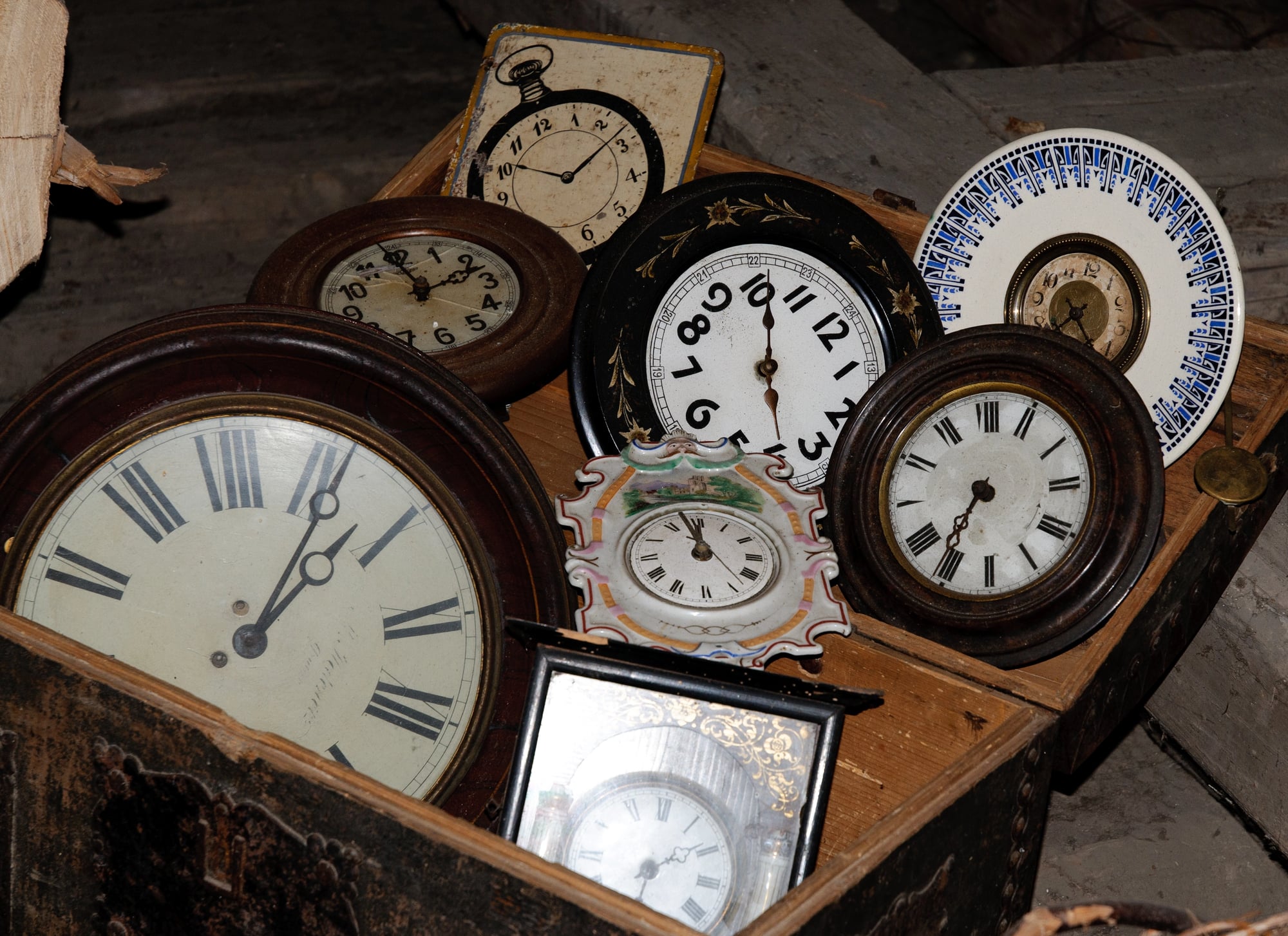
Analog clocks persist in a world where digital displays show time more precisely and clearly, like insisting on sundials after the invention of watches. Reading analog time requires mathematical translation — seeing hands positioned at angles and converting those positions to numbers — while digital clocks simply present the information directly.
Children now learn analog clock reading as a separate skill in school, the same way they might learn cursive writing or long division: techniques that feel historical rather than practical. Yet analog clocks remain embedded in public spaces, classrooms, and offices, creating a generation that pulls out smartphones to check time while surrounded by traditional timepieces they can’t interpret quickly.
The analog clock’s survival relies entirely on aesthetic preference and tradition. The design is less functional than digital alternatives, but somehow earned permanent status as “proper” timekeeping, despite being objectively slower to read and harder to manufacture with precision.
Shoelaces

Shoelaces represent humanity’s commitment to unnecessarily complicated footwear closure systems. The concept requires threading narrow fabric strips through metal eyelets, creating tension patterns that secure shoes to feet through elaborate knot-tying procedures that children spend years learning to master.
Velcro solved this problem in the 1960s. It’s faster, more adjustable, and doesn’t come undone unexpectedly during important meetings.
Slip-on shoes eliminate closure systems entirely. Yet laced shoes dominate footwear markets, and Velcro remains relegated to children’s sneakers and medical footwear, as if convenience were somehow less sophisticated than fumbling with knots.
Professional environments actively discriminate against Velcro shoes, treating shoelaces as markers of seriousness and maturity. This creates a culture where looking competent requires mastering 18th-century fastening technology that serves no functional advantage over modern alternatives.
Plastic Clamshell Packaging
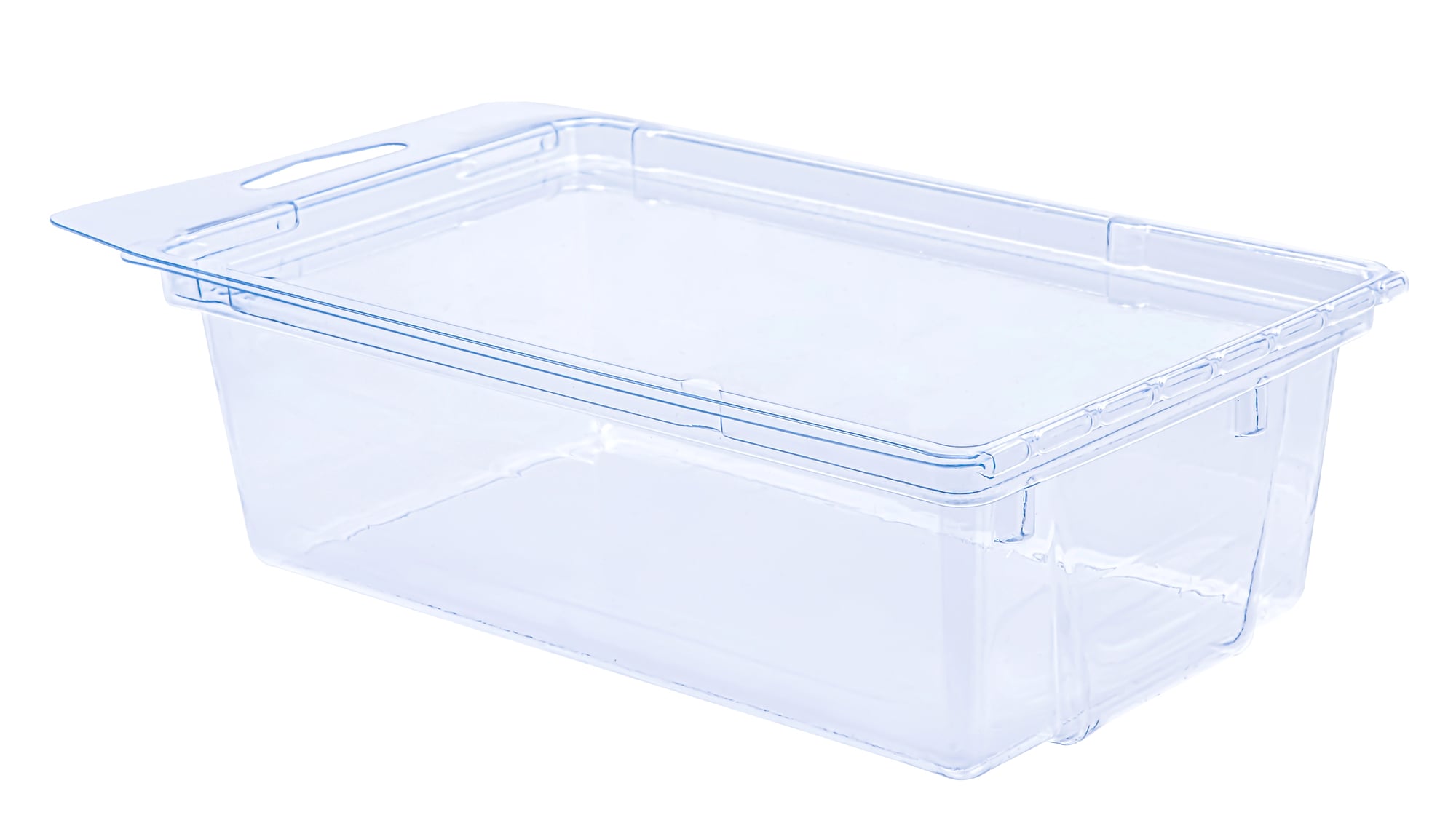
Plastic clamshell packaging defeats its own purpose by being harder to open than the theft it’s designed to prevent. These sealed plastic fortresses surround simple products like scissors (ironically) and USB cables, requiring industrial-strength tools to breach without injury.
The packaging often costs more to manufacture than the enclosed product and creates waste that exceeds the item’s size by 300%. Opening clamshells safely requires exact knives or heavy-duty scissors, creating a catch-22 when the package contains the cutting tool needed to open it.
Emergency room doctors have identified “wrap rage” injuries from people attempting to liberate their purchases from plastic prisons.
So products sit encased in shells that frustrate customers, harm the environment, and provide minimal theft deterrence — since professional shoplifters carry box cutters anyway. The packaging succeeds only in making legitimate purchases feel like hostile negotiations with industrial design.
Credit Card Signatures

Credit card signatures provide security theater at its most transparent. The wavy line someone scrawls on a receipt bears no resemblance to actual signature verification — cashiers don’t compare it to anything, banks don’t authenticate it, and fraud detection relies on entirely different systems that actually work.
Most people’s credit card signatures degenerate into abstract squiggles that wouldn’t match their legal signatures under forensic analysis. The process serves only to slow down transactions and wear out pen tips.
Chip technology and contactless payments already provide real security improvements, making signature requirements purely ceremonial.
Yet retailers continue requesting signatures for purchases over arbitrary dollar amounts, as if grocery store cashiers were trained handwriting analysts capable of detecting fraud through signature comparison. The ritual persists because it feels like security, even when everyone involved knows it provides none.
Daylight Saving Time

Daylight Saving Time represents collective agreement to participate in temporal confusion twice yearly, disrupting sleep schedules and schedules systems to achieve benefits that no longer exist. Originally designed to conserve energy during wartime, studies now show it actually increases power consumption as air conditioning usage outweighs lighting savings.
The biannual clock changes create measurable increases in heart attacks, car accidents, and workplace injuries as human circadian rhythms struggle to adjust. Modern life operates on schedules that make daylight optimization irrelevant — office workers aren’t farmers whose productivity depends on natural light patterns.
But entire populations continue participating in this coordinated time disruption, changing billions of clocks simultaneously and pretending the adjustment doesn’t affect anyone’s health or productivity. States regularly propose abandoning the practice, then defer to federal coordination that never materializes, ensuring the confusion continues indefinitely.
Prescription Bottle Design

Prescription bottles actively prevent the people who need them most from opening them. Child-resistant caps require dexterity, grip strength, and coordination that many patients — especially elderly individuals taking multiple medications — don’t possess.
The very people whose lives depend on accessing these medications daily struggle most with the packaging designed to protect them.
Arthritis patients can’t grip the caps properly. People with tremors can’t coordinate the push-and-turn motion.
Visual impairments make reading tiny directional arrows nearly impossible. Yet pharmacies default to child-resistant packaging for everyone, requiring patients to specifically request easy-open caps as if convenience were a special accommodation rather than basic usability.
The design prioritizes preventing rare accidental poisonings over enabling regular medication access for people whose health depends on taking pills consistently. Pharmacists will acknowledge the problem while continuing to dispense medications in containers that their patients demonstrably cannot open reliably.
When Persistence Trumps Logic

These flawed designs survived not because they work well, but because they became too embedded in systems, habits, and expectations to replace easily. Their persistence reveals how rarely pure functionality determines what endures.
Sometimes the familiar inconvenience wins over superior alternatives, simply because changing requires coordinated effort that nobody wants to organize. The flaws become features that people learn to navigate, creating a strange form of design Stockholm syndrome where users defend the very systems that frustrate them daily.
More from Go2Tutors!

- The Romanov Crown Jewels and Their Tragic Fate
- 13 Historical Mysteries That Science Still Can’t Solve
- Famous Hoaxes That Fooled the World for Years
- 15 Child Stars with Tragic Adult Lives
- 16 Famous Jewelry Pieces in History
Like Go2Tutors’s content? Follow us on MSN.