Historical Terms You Probably Don’t Want to Google
Curiosity killed the cat, but what about the search history? Some historical terms carry baggage that makes them risky to research casually.
These aren’t obscure academic words — they’re real pieces of history that happen to share names with things that might raise eyebrows if they show up in your browser activity at the wrong moment.
Cockspur

This Revolutionary War battlefield in Georgia saw some of the conflict’s bloodiest fighting. The name comes from a type of thorn tree that grew wild across the area, its sharp spikes earning it the cockspur designation among settlers.
British forces used the island as a strategic position during their Southern campaign.
But search engines don’t always parse historical context first. The algorithm sees the word and makes assumptions about what you’re actually looking for — assumptions that probably don’t involve 18th-century military strategy.
Rubber
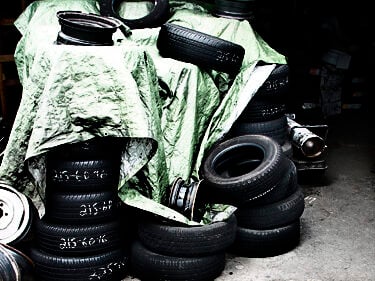
The search results for this one depend entirely on timing and context. Rubber as a historical topic covers everything from ancient Mesoamerican games to the industrial revolution that changed manufacturing forever.
Charles Goodyear’s vulcanization process transformed entire economies.
Yet the word has picked up enough alternate meanings over the decades that a simple search can veer into unexpected territory. (And explaining why you were researching “rubber” at 2 AM doesn’t get easier with context.)
Sometimes the most innocent historical research requires the most careful phrasing.
Hooker
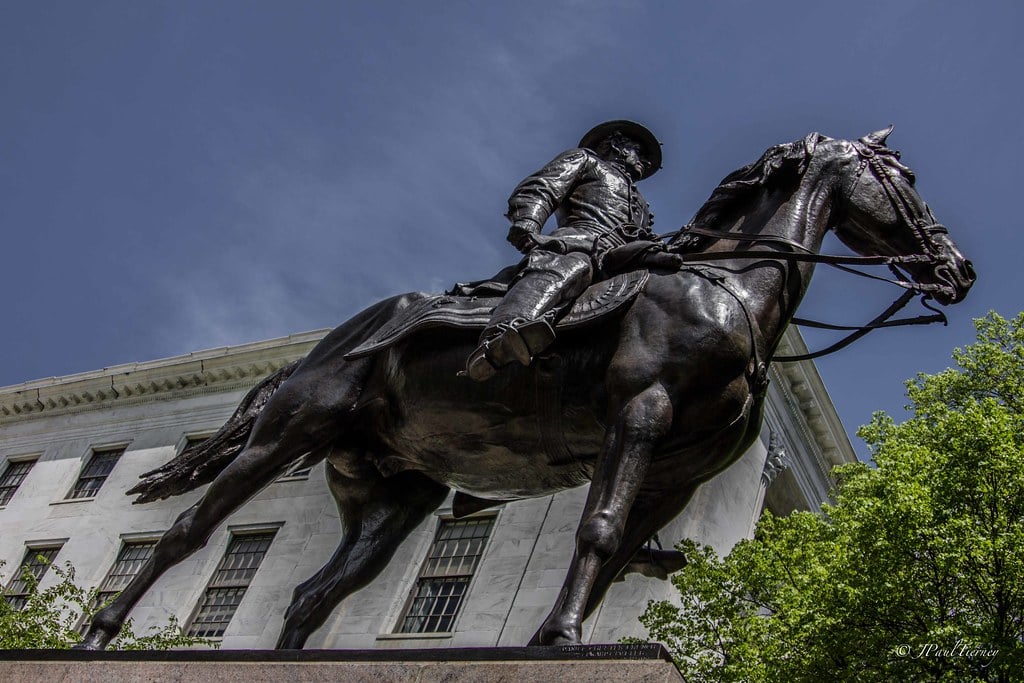
Joseph Hooker commanded Union forces during the Civil War, though his military reputation ended up overshadowed by an unfortunate linguistic coincidence. “Fighting Joe” earned his nickname through aggressive battlefield tactics, not the association that would later attach itself to his surname.
The general spent years trying to distance himself from the slang term that emerged around the same time as his military service. Whether the timing was pure coincidence or something more deliberate remains a matter of historical debate — but it certainly didn’t help his post-war legacy.
Fanny

This 19th-century term for a small bag or pouch shows up constantly in historical documents from the Victorian era. Fanny packs weren’t called that for nothing — the word originally described any small personal container that could be worn or carried easily.
The problem arrives when you’re researching historical fashion or military equipment and need to explain why “fanny” appears in your search history forty-seven times. Context matters, but search algorithms care more about frequency than historical accuracy.
Johnson

Samuel Johnson compiled the first major English dictionary, a project that took him nearly a decade to complete. His work essentially standardized spelling and definition for an entire language — no small achievement for one person working alone with just a few assistants.
But “Johnson” as a surname generates enough unrelated results that finding information about the lexicographer requires unusually specific search terms. Dr. Johnson deserves better than getting lost in a sea of irrelevant results, yet that’s exactly what happens without careful keyword management.
Shaft

Mining shafts defined entire regions during the industrial revolution. These vertical passages allowed access to coal, gold, and other minerals that powered economic growth across Europe and America.
The engineering required to dig, support, and ventilate these structures pushed technology forward in ways that affected far more than just mining.
So when you’re researching 19th-century industry and need to understand shaft construction, the search becomes a delicate balance of historical terminology and modern implications. One word can derail an entire research session if you’re not prepared for where the results might lead.
Head
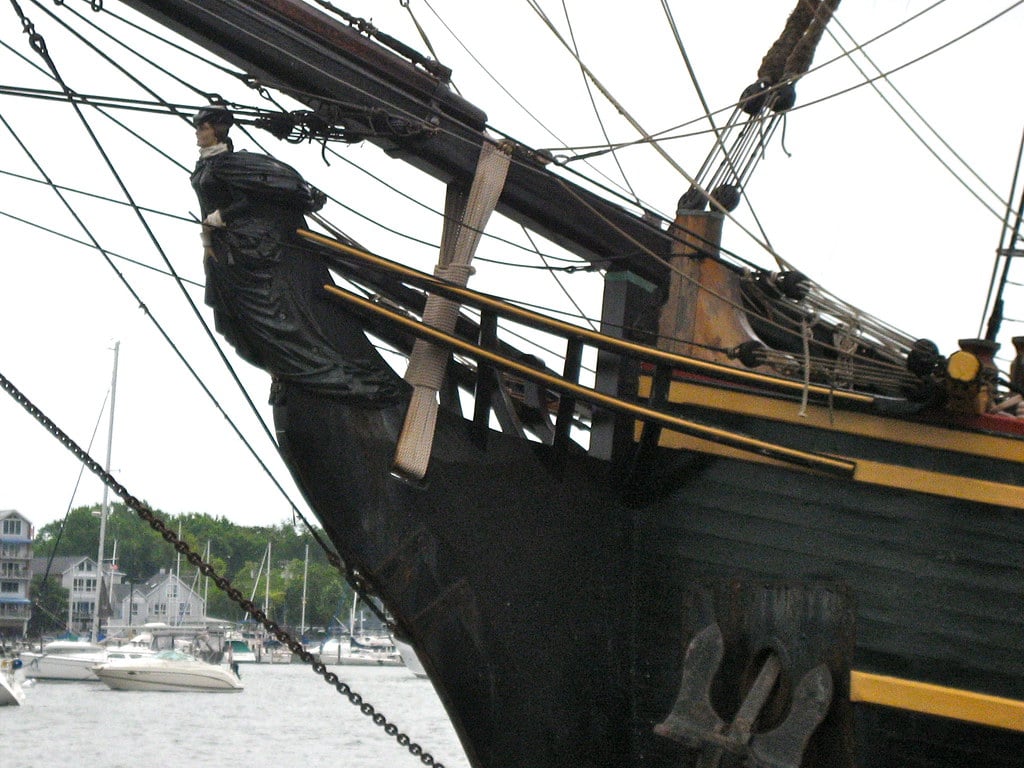
Military historians use this term constantly — describing everything from the “head” of a column to bathroom facilities aboard naval vessels. Ship records from the Age of Sail are filled with references to the head, usually in contexts that are perfectly mundane and historically significant.
The challenge comes when you’re trying to research maritime history and the algorithm keeps serving up results that have nothing to do with 18th-century naval operations. Even adding “naval” or “ship” to the search doesn’t always help as much as it should.
Member
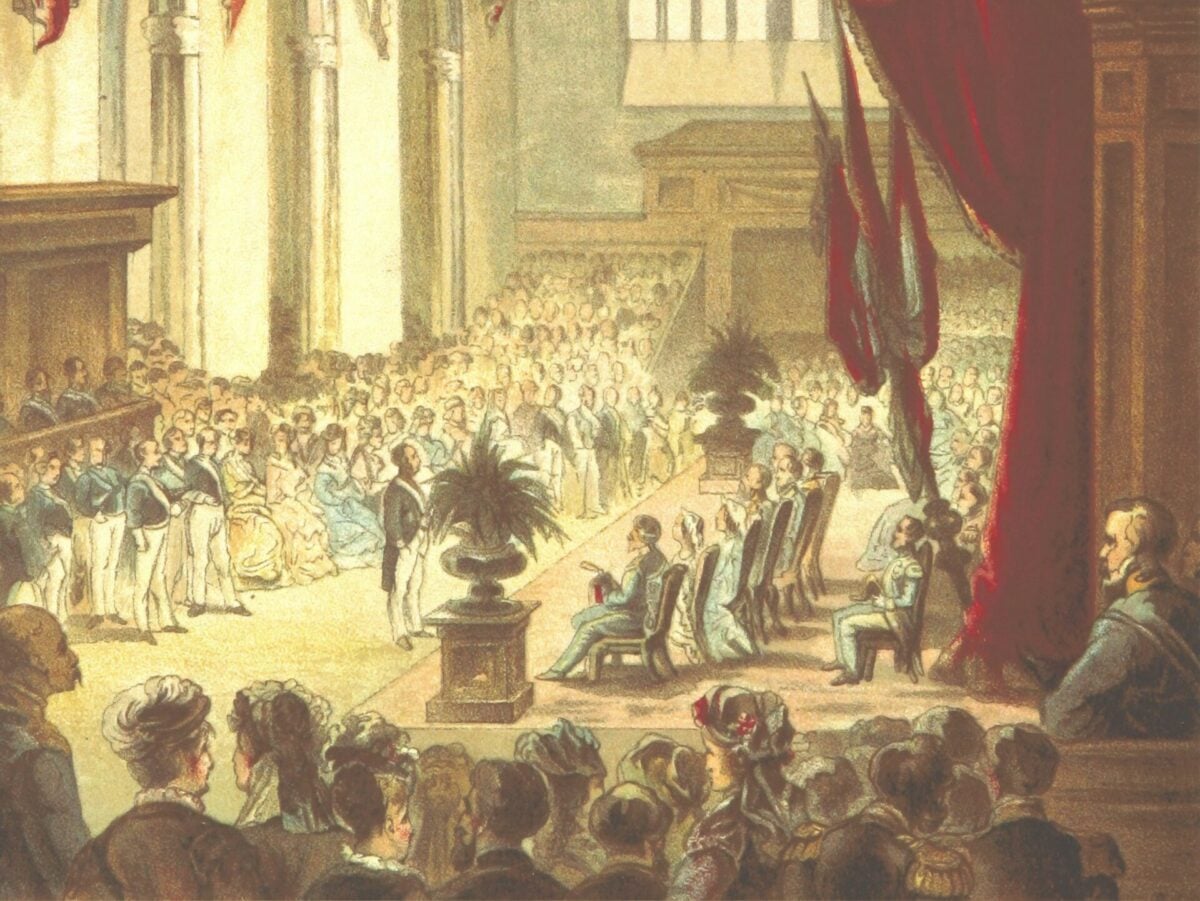
Parliamentary members, assembly members, guild members — historical documents overflow with references to people who belonged to various organizations. Colonial records especially rely on this terminology to describe political and social structures that defined entire communities.
Modern usage has complicated what should be straightforward historical research. Finding information about guild membership in medieval Europe requires more careful searching than it should, simply because the word has acquired meanings that search engines prioritize over historical context.
Period
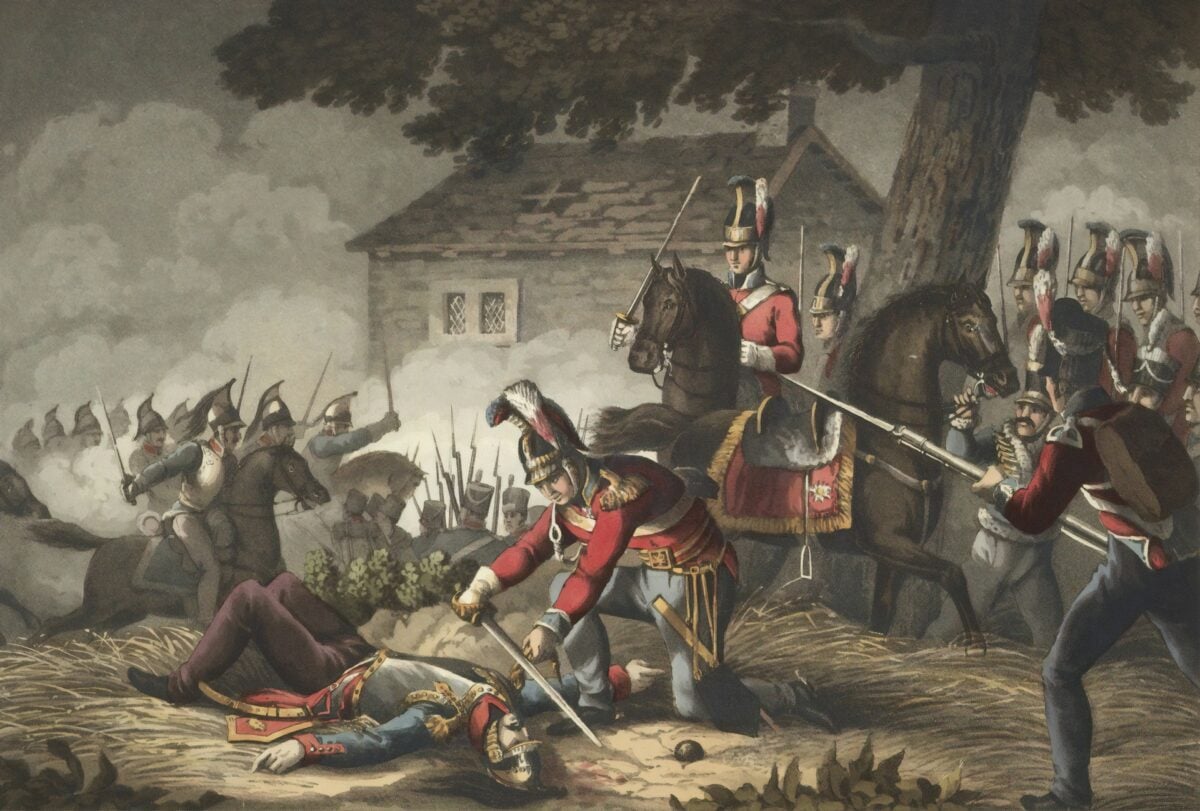
Historians divide time into periods — the Renaissance period, the Colonial period, the Reconstruction period. It’s basic historical vocabulary, essential for organizing and understanding chronological sequences.
Academic papers use the term constantly, and for good reason.
Yet searching for information about historical periods can lead to results that have nothing to do with chronology. The word carries enough alternate meaning that even academic search terms don’t always produce the scholarly results you’re actually looking for.
Tool
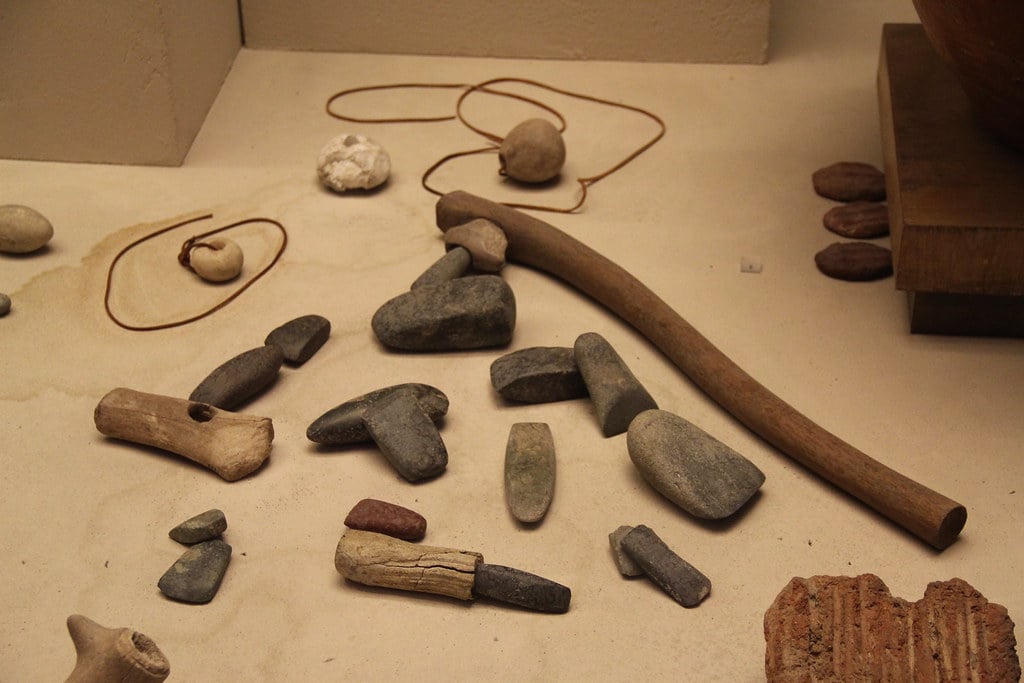
Archaeological sites are full of tools — stone tools, metal tools, agricultural tools that reveal how people lived centuries ago. Tool-making represents one of humanity’s most important technological developments, marking the difference between species in ways that paleontologists still study.
The problem comes when you’re researching ancient technology and the search results veer toward contemporary meanings that have nothing to do with archaeology. Finding scholarly articles about Neolithic tool development shouldn’t require this much careful keyword management.
Wood

Military history is full of references to wood — wooden ships, wooden fortifications, wooden siege engines that decided the outcome of entire campaigns. Naval warfare depended on wood technology for centuries before steel construction changed everything.
The surname Wood also appears constantly in historical records, attached to generals, politicians, and other significant figures whose contributions shaped major events. Yet searching for “Wood” in historical context requires more qualification than researching any other building material or common surname.
Nuts

Military terminology includes references to nuts — the metal fasteners that held equipment together, not the botanical kind. Field manuals from both world wars contain detailed instructions for maintaining nuts, replacing nuts, and ensuring that nuts meet specifications under combat conditions.
So when you’re researching military engineering and need to understand equipment maintenance procedures, the search becomes an exercise in precision. One word without proper context can send research in directions that have nothing to do with mechanical engineering or military history.
The Weight of Words
Language carries more than meaning — it carries the accumulated weight of every context where it’s been used. These historical terms aren’t problematic because of what they originally meant, but because of what they’ve come to mean in other contexts.
The algorithm doesn’t distinguish between scholarly research and casual browsing, which means historians and curious readers alike have to navigate carefully around words that should be perfectly innocent.
Maybe that says something about how we consume information now, or maybe it just proves that language evolves faster than search engines can keep up with context. Either way, historical research has gotten more complicated than it used to be, and not because the history itself has changed.
More from Go2Tutors!

- The Romanov Crown Jewels and Their Tragic Fate
- 13 Historical Mysteries That Science Still Can’t Solve
- Famous Hoaxes That Fooled the World for Years
- 15 Child Stars with Tragic Adult Lives
- 16 Famous Jewelry Pieces in History
Like Go2Tutors’s content? Follow us on MSN.



