12 Deserts Where Snow Regularly Falls
When most people think of deserts, they picture endless sand dunes, scorching heat, and maybe a lonely cactus or two. But the reality is far more surprising—some of the world’s most famous deserts regularly get blanketed in snow. These aren’t freak weather events or once-in-a-lifetime occurrences. These deserts experience winter snowfall as a normal part of their seasonal cycle, creating landscapes that look like something from another planet.
The combination of high elevation, continental climates, and geographic location creates perfect conditions for these snowy desert phenomena. Here is a list of 12 deserts where snow regularly falls.
Gobi Desert

Stretching across Mongolia and northern China, the Gobi Desert experiences some of the most dramatic temperature swings on Earth. Winter temperatures can plummet to -40°F, and snow covers much of this vast desert from November through March.
The Gobi’s high elevation and distance from moderating ocean influences create these extreme conditions that make camels and snow a surprisingly common sight.
Great Basin Desert

This massive desert covers most of Nevada and parts of Utah, California, Oregon, and Idaho. Despite being a desert, it sits at elevations between 4,000 and 6,500 feet, which means regular winter snowfall.
The snow often sticks around for months, creating a winter wonderland among the sagebrush and Joshua trees.
Colorado Plateau Desert

Home to some of America’s most famous national parks, this high desert region regularly sees snow from December through February. Places like Arches and Canyonlands National Parks transform into snowy landscapes that look nothing like the typical desert postcards.
The red rock formations dusted with white snow create some of the most photogenic desert scenes imaginable.
Atacama Desert

While the Atacama in Chile is famous for being one of the driest places on Earth, its higher elevations regularly receive snow during the Southern Hemisphere’s winter months. The contrast between bone-dry valleys and snow-capped peaks just miles away makes this one of the most surreal desert environments anywhere
Taklamakan Desert
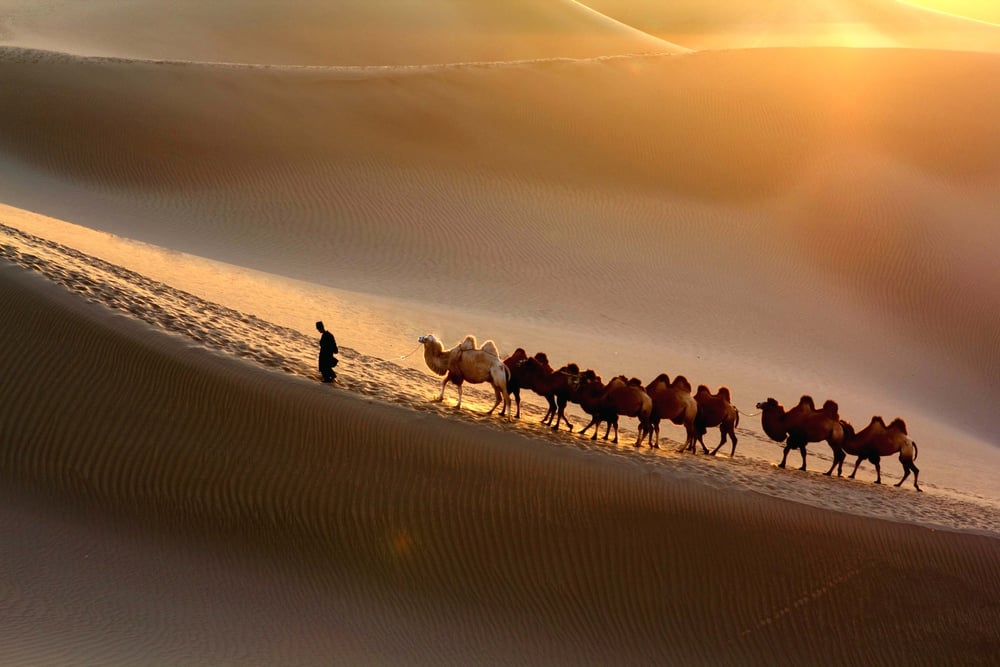
China’s largest desert sits in a basin surrounded by some of the world’s highest mountain ranges. This positioning creates a continental climate where winter temperatures drop well below freezing and snow is common from November through March.
The desert’s edges, particularly near the Tian Shan mountains, see the heaviest snowfall.
Kyzylkum Desert
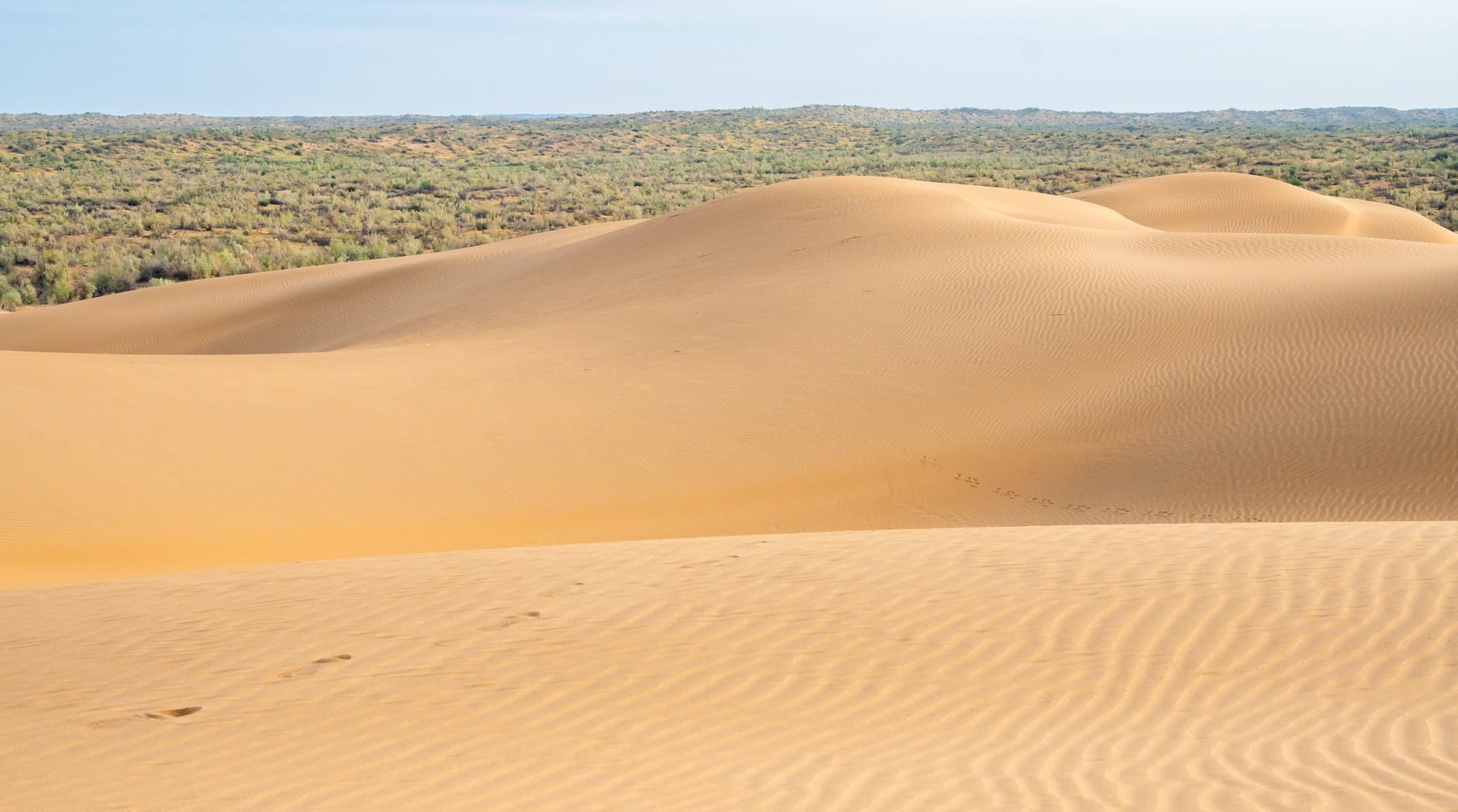
Shared between Kazakhstan, Uzbekistan, and Turkmenistan, this Central Asian desert experiences harsh continental winters with regular snowfall. The snow typically arrives in December and can last through February, creating temporary lakes and streams when it melts.
Local wildlife has adapted to these dramatic seasonal changes over thousands of years.
Patagonian Steppe
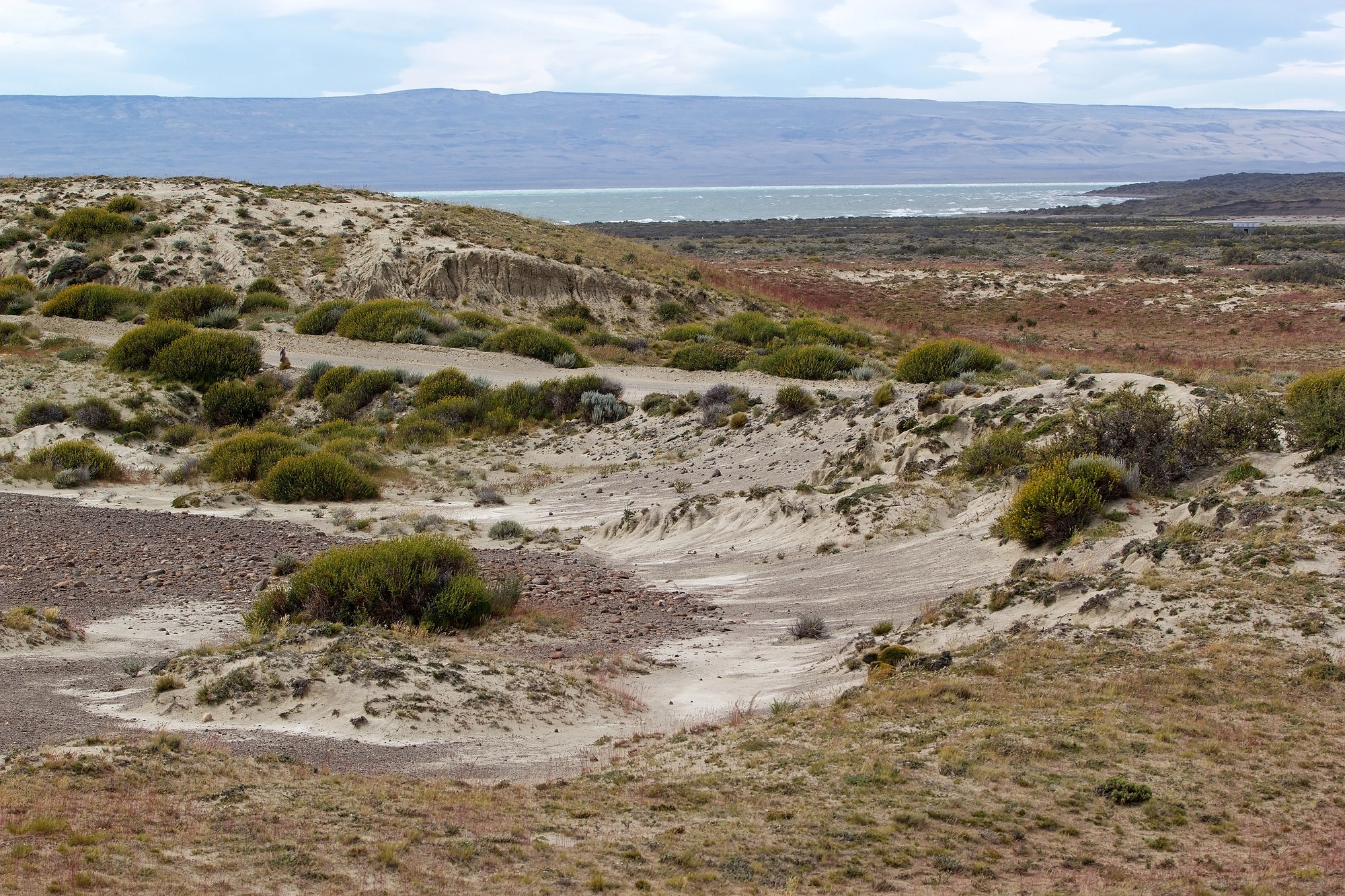
This cold desert in southern Argentina and Chile sees snow regularly during the Southern Hemisphere’s winter months. The combination of high latitude and elevation creates conditions where snow can fall even during the warmer months.
Guanacos and other native animals have thick winter coats to handle these snowy desert conditions.
Karakum Desert
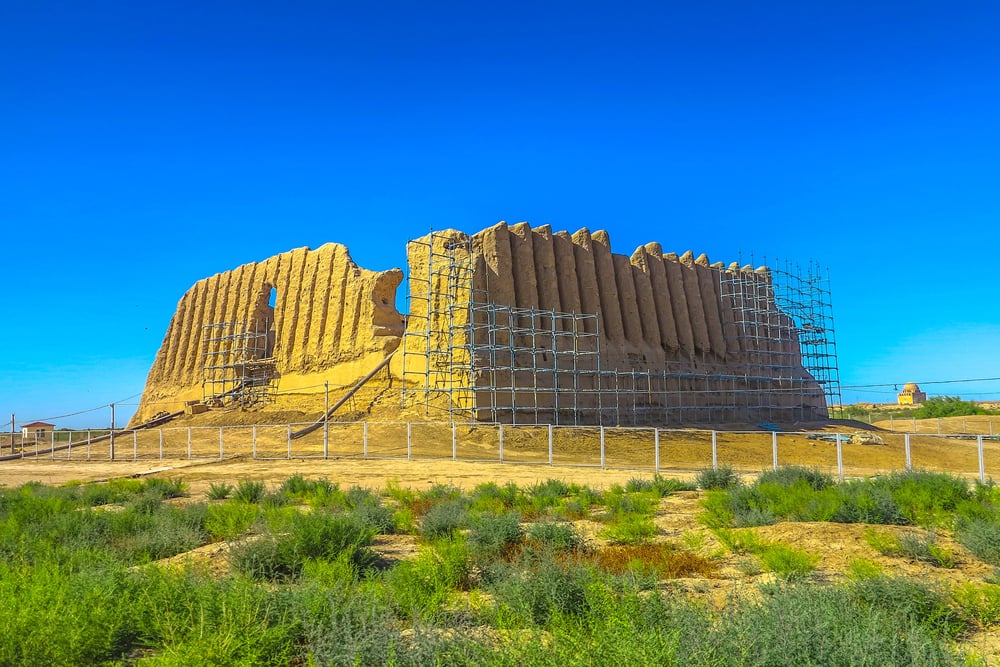
Turkmenistan’s massive Karakum Desert experiences surprisingly cold winters with regular snowfall, especially in its northern regions. The snow usually melts quickly due to the desert’s sandy soil, but while it lasts, it creates an otherworldly landscape of white dunes.
The famous ‘Door to Hell’ gas crater becomes even more dramatic when surrounded by snow.
Mongolian-Manchurian Grassland

This transitional zone between true desert and grassland experiences some of the harshest winters in Asia. Snow covers the landscape for four to five months each year, and temperatures can stay below freezing for weeks at a time.
The area’s elevation and distance from oceans create these extreme continental climate conditions.
Chihuahuan Desert

The highest and northernmost of North America’s four major deserts, the Chihuahuan regularly receives snow in its higher elevations. Cities like El Paso, Texas, and Las Cruces, New Mexico, see snow several times each winter.
The desert’s mountain ranges, some reaching over 8,000 feet, create microclimates where snow can accumulate significantly.
Syrian Desert

This Middle Eastern desert experiences occasional snowfall, particularly in its northern and higher elevation areas. While not as regular as other deserts on this list, snow does fall in parts of the Syrian Desert several times per decade.
When it happens, the contrast between camels and snow creates some truly memorable scenes.
Ladakh Desert

Often called a ‘cold desert,’ Ladakh in northern India sits at extremely high elevation in the Himalayas. This desert regularly sees heavy snowfall from November through March, with some areas remaining snow-covered for six months of the year.
The combination of desert conditions and alpine climate creates one of the world’s most unique ecosystems.
Where Desert Myths Meet Reality
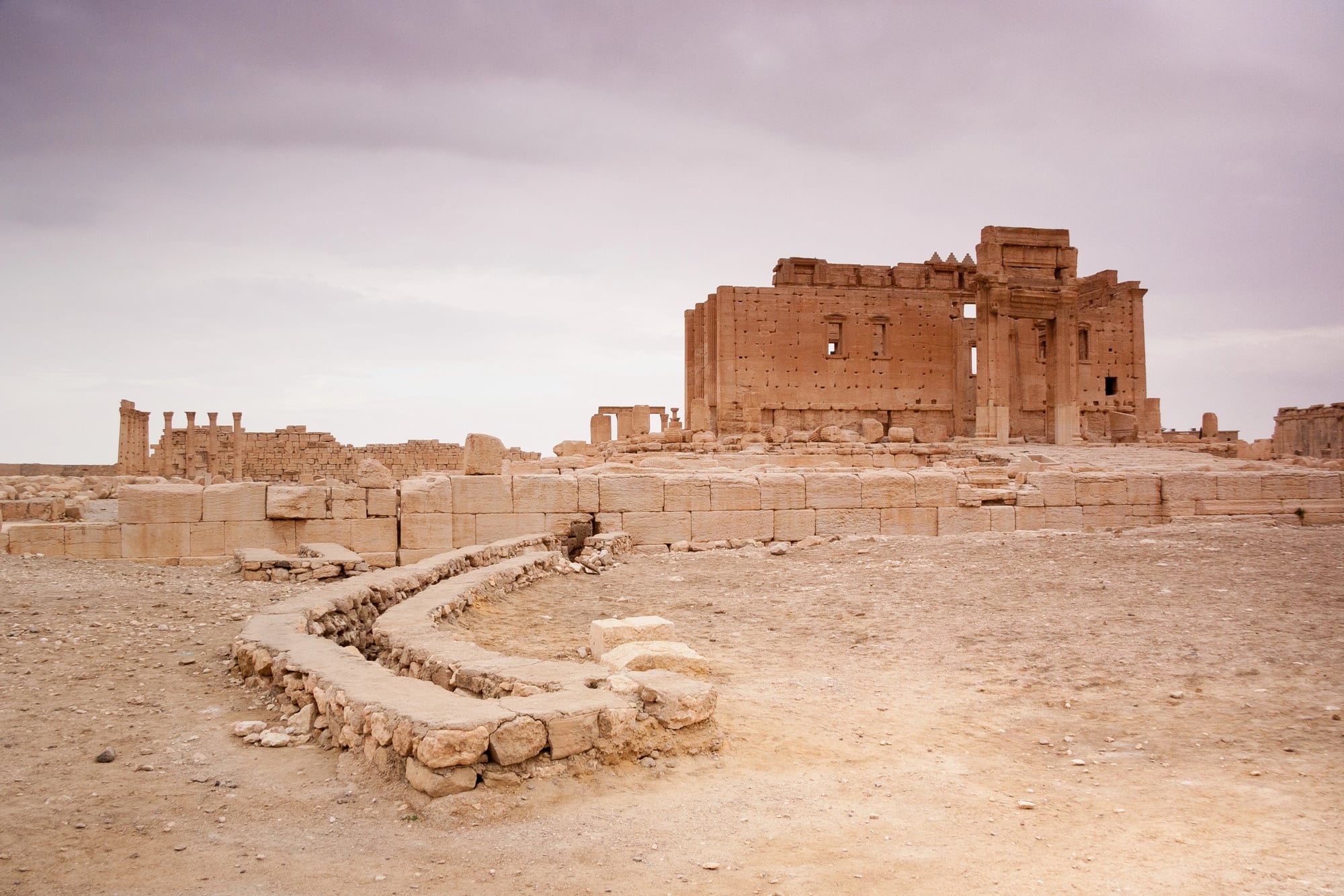
These snowy deserts challenge everything we think we know about what makes a desert a desert. The key factor isn’t temperature—it’s precipitation, or rather, the lack of it.
Many of these deserts receive less than 10 inches of moisture per year, whether that comes as rain or snow. Climate change is already affecting snowfall patterns in many of these regions, with some seeing less snow and others experiencing more extreme weather events.
Understanding these unique ecosystems becomes more important each year as our planet’s climate continues to shift.
More from Go2Tutors!

- The Romanov Crown Jewels and Their Tragic Fate
- 13 Historical Mysteries That Science Still Can’t Solve
- Famous Hoaxes That Fooled the World for Years
- 15 Child Stars with Tragic Adult Lives
- 16 Famous Jewelry Pieces in History
Like Go2Tutors’s content? Follow us on MSN.