17 Real Espionage Gadgets Used in Cold War Missions
The Cold War wasn’t just a clash of ideologies — it was a decades-long standoff where information had real power. While armies faced off across borders, intelligence agencies were busy writing a different kind of history, one built on secrets, shadows, and some truly inventive gear. Both East and West relied on gadgets that ranged from clever to downright bizarre — tools designed to deceive, record, hide, or vanish without a trace.
Here’s a list of 17 real gadgets that were actually used in Cold War espionage missions.
Lipstick Pistol
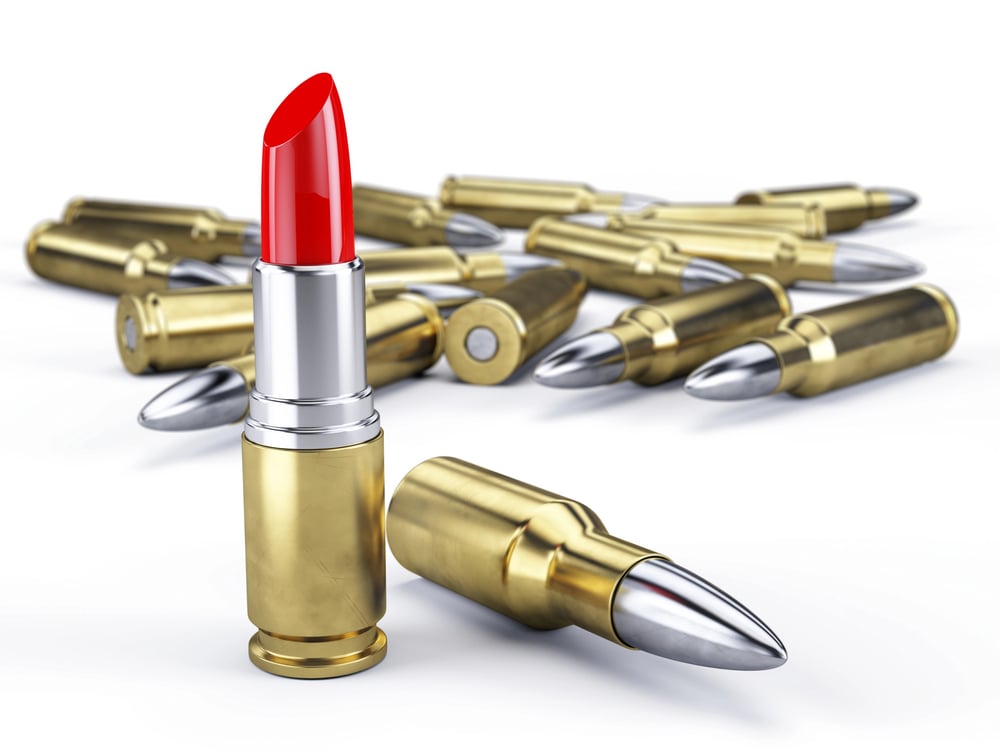
Compact, silent, and deadly — this disguised firearm could fire a single round at close range. It was small enough to slip through routine inspections, often issued for missions where surprise was everything.
Shoe Transmitter
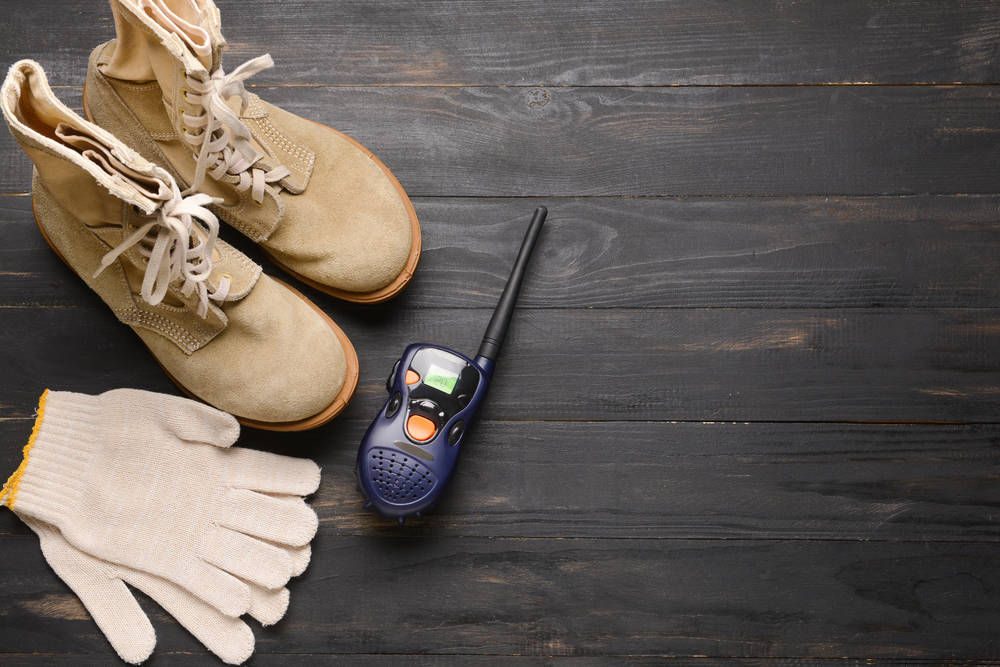
KGB operatives were known to embed transmitters in diplomatic shoes — turning the target into a live broadcast without their knowledge. The bug captured conversations and relayed them wirelessly, often for days at a time.
Hollow Coins

Ordinary to the eye, these coins split open to reveal hidden compartments. They held microfilm, contact details, or coded messages — easy to pass off in public, nearly impossible to detect without close inspection.
Button Camera

Built into a jacket button, this camera could capture still images with just a slight movement. Though crude by today’s standards, it gave agents a way to document without carrying anything suspicious.
Umbrella Dart Gun

Made famous after a mysterious assassination in London — this umbrella wasn’t for the weather. It could shoot a poison-tipped pellet discreetly, often leaving the victim unaware until symptoms set in later.
Dead Drop Spike
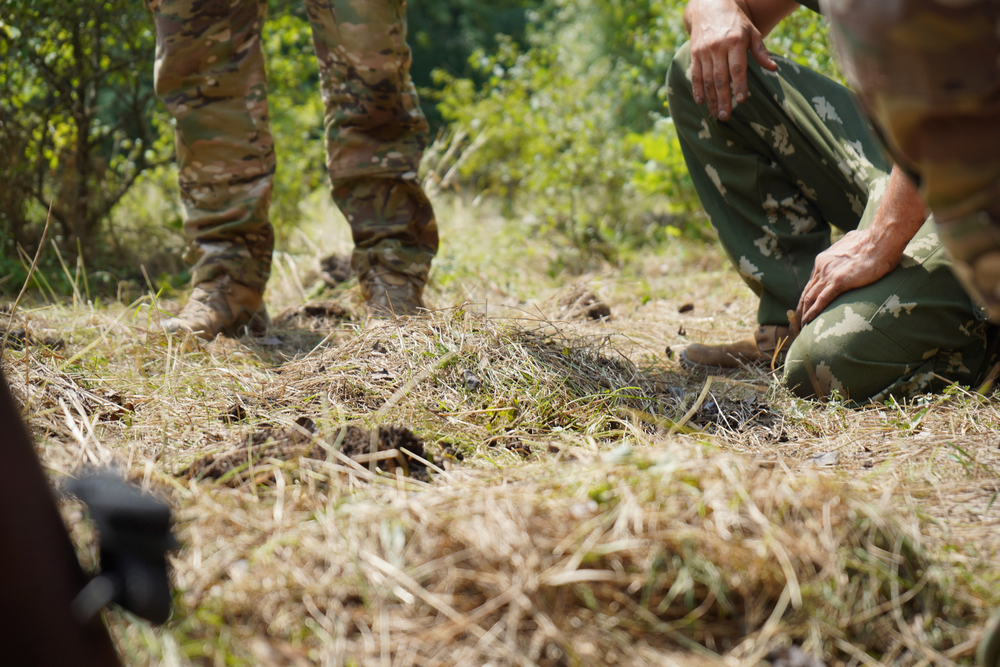
Used to stash information underground, this tool allowed agents to pass items without being seen together. A quick push into soft earth — and the message was safely buried, ready for pickup.
Wristwatch Recorder
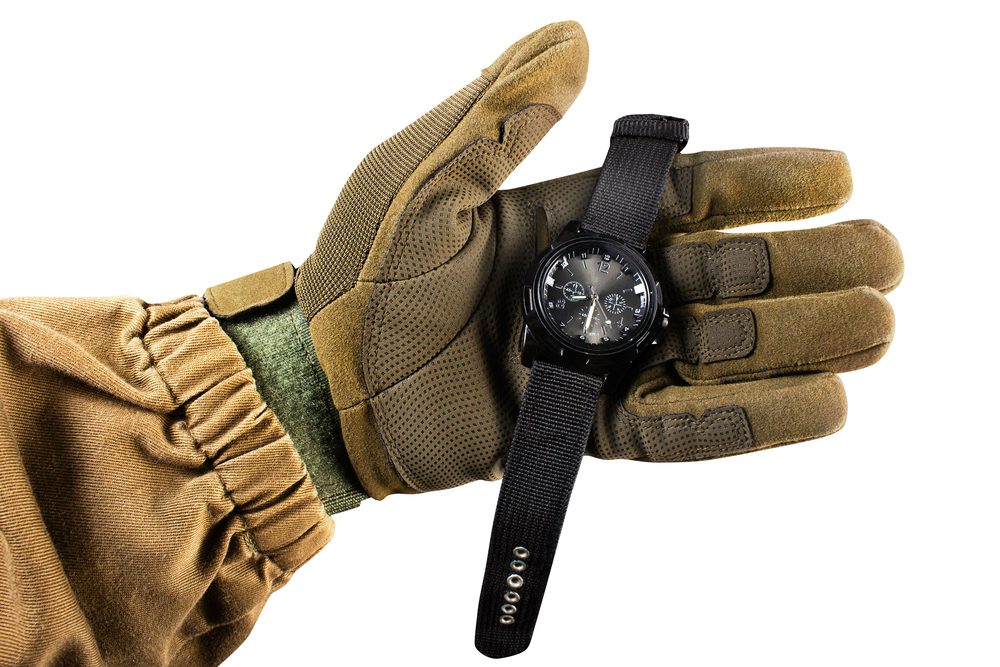
This gadget recorded audio while looking like an ordinary watch. It didn’t raise eyebrows yet could pick up key conversations in meetings, cafes, or even while walking through crowds.
Matchbook Map
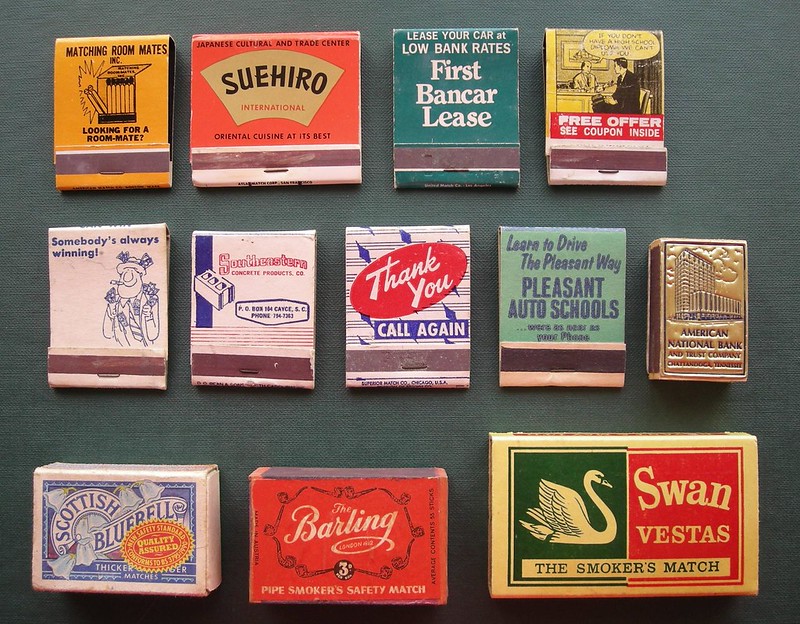
Printed on tear-resistant paper, these tiny maps were folded inside matchbooks. In hostile territory, they offered a backup navigation plan when memorization failed or physical maps were too risky to carry.
Exploding Pen
A sabotage tool in disguise — this pen contained a small charge that could destroy paper trails or compromise small equipment. Triggered by twisting or clicking, it was built for last-ditch scenarios.
Fake Tree Stump

Hidden in forests or open fields, this disguised container held surveillance equipment or documents. Designed to blend in completely, it could sit for weeks without arousing suspicion — often checked only during night operations.
Brick Cache
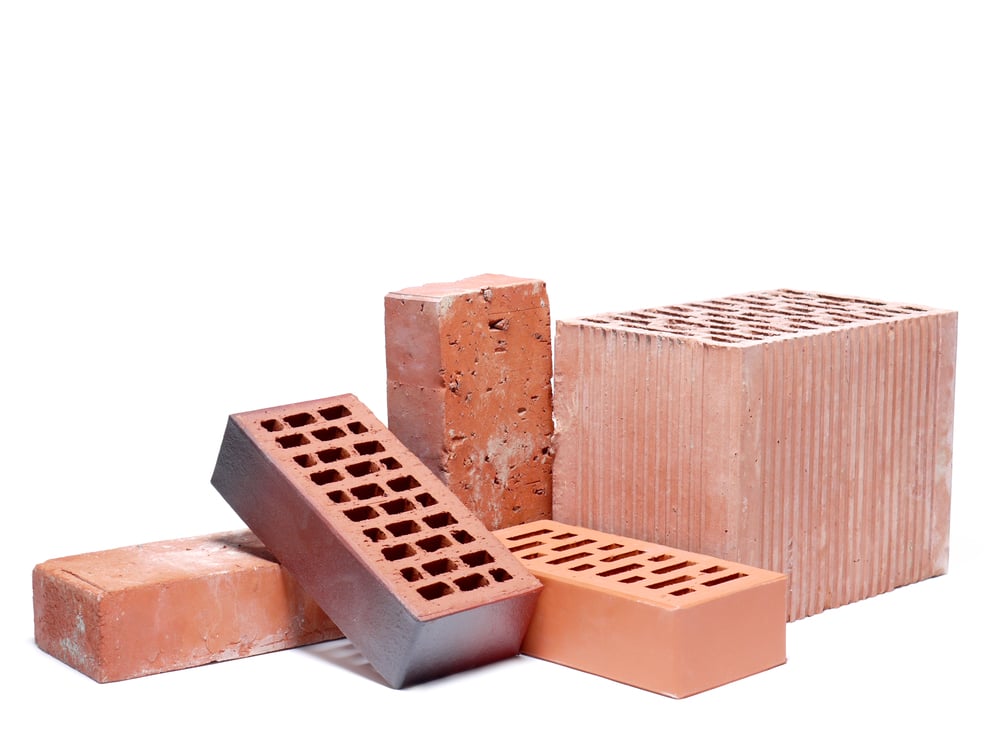
Urban operations called for urban solutions. These hollow bricks were indistinguishable from real ones, placed in walls or sidewalks to store tools, microfilm, or signal equipment.
Rear-View Glasses

To onlookers, just a pair of ordinary specs. To agents, a way to spot tails in reflective corners. They helped maintain awareness without the obvious habit of looking over one’s shoulder.
Compass Button
It looked like a coat button, yet when removed, it revealed a small compass. In unfamiliar territory, especially when crossing borders on foot, this simple tool helped keep direction without electronics.
Radio Briefcase

This bulky briefcase contained a full radio transmitter — perfect for diplomats or field operatives who needed to send encrypted messages quickly. Though not subtle in weight, it passed as a business accessory.
Tooth Capsule

Agents sometimes wore a fake molar or a cap with a hidden compartment. Whether used to hide messages or—when pushed to extremes—destroy information, it was a last-resort backup.
Invisible Ink Pen
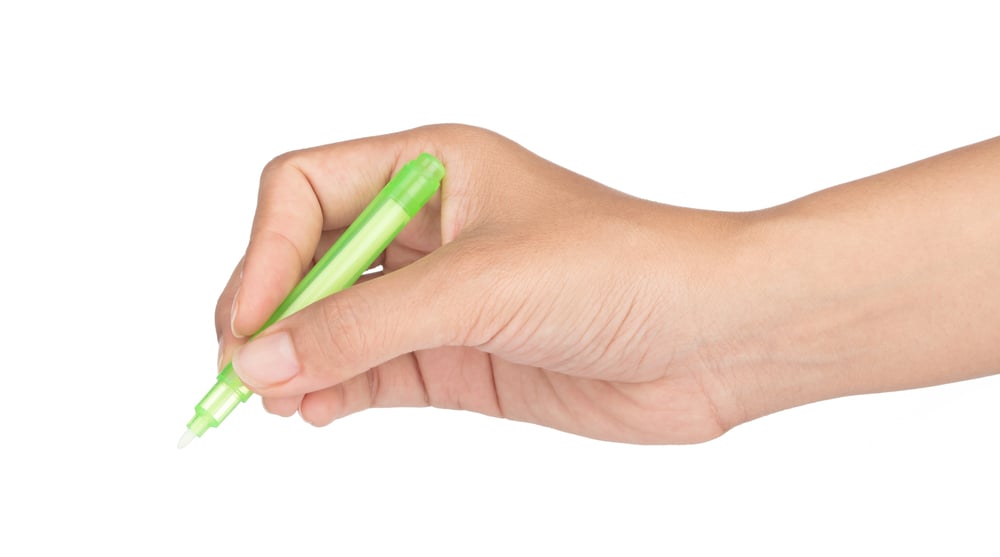
Used to write between printed lines or on blank pages, this pen left no trace until exposed to specific light or chemicals. Even under scrutiny, most people would never know the message was there.
Microdot Camera
Entire documents were shrunk into microscopic dots and embedded into regular-looking paper or objects. These cameras could reduce hundreds of words into something small enough to hide in a punctuation mark.
Tools of Quiet Warfare
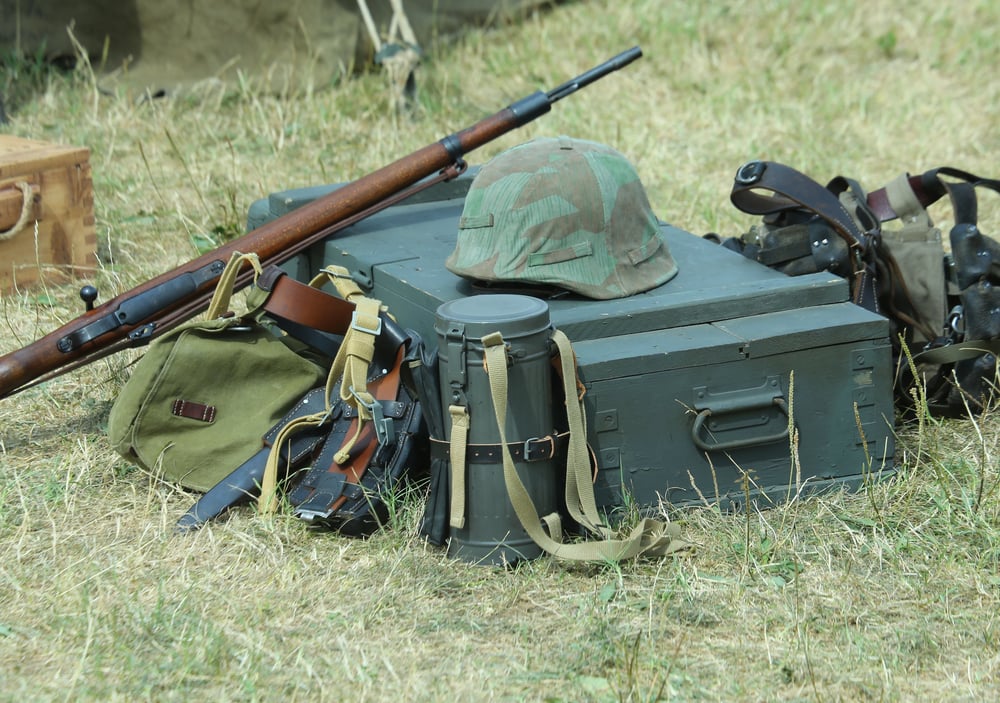
Each of these gadgets played a part in a silent war waged far from the public eye. They weren’t flashy — most were built for one job only. Yet behind every screw, lens, or hidden latch was an entire system of strategy and trust. Cold War agents relied on these tools not just for success, but for survival. Decades later, their ingenuity still leaves a mark — proof that the sharpest weapons don’t always fire bullets.
More from Go2Tutors!

- The Romanov Crown Jewels and Their Tragic Fate
- 13 Historical Mysteries That Science Still Can’t Solve
- Famous Hoaxes That Fooled the World for Years
- 15 Child Stars with Tragic Adult Lives
- 16 Famous Jewelry Pieces in History
Like Go2Tutors’s content? Follow us on MSN.