How Maryland Built the Largest Oyster Reef
Picture this: an underwater construction project spanning 350 acres, bigger than the National Mall in Washington D.C. Workers dropping millions of tons of shells, stones, and other materials onto the seafloor.
Then adding over 2 billion baby oysters to create something that had never been attempted before. This isn’t science fiction – it’s exactly what Maryland accomplished in Harris Creek, building what became the world’s largest oyster reef restoration project.
The story of how they pulled off this massive underwater engineering feat reveals incredible teamwork, creative problem-solving, and a few surprises along the way.
Harris Creek became the testing ground
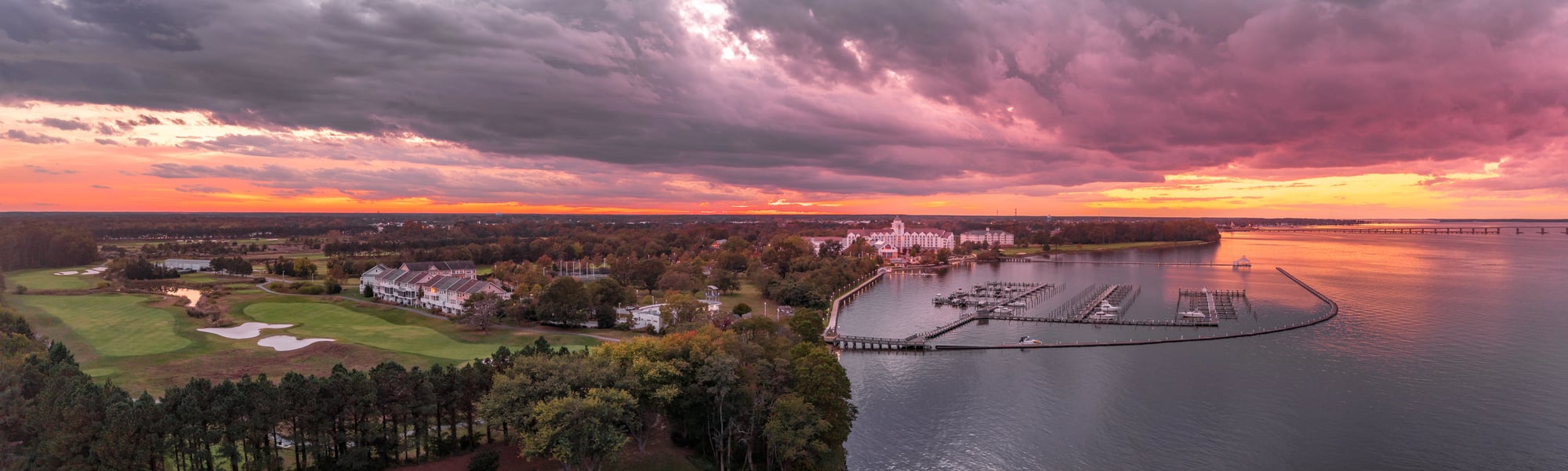
Harris Creek, a tributary of the Choptank River located on Maryland’s Eastern Shore, was thrust into the spotlight as the first target of the oyster restoration goals set by the Chesapeake Bay Executive Order. The creek wasn’t randomly chosen for this historic project.
The planning took years of careful study

Before any construction could begin, researchers spent years studying the creek bottom, water flow patterns, and environmental conditions. They mapped every inch of the planned restoration area using sonar and underwater surveys.
Scientists tested water salinity, temperature, and pollution levels to make sure oysters could thrive there. The planning process also included getting permits from multiple government agencies and coordinating with local fishing communities.
Like Go2Tutors’s content? Follow us on MSN
Building the foundation came first
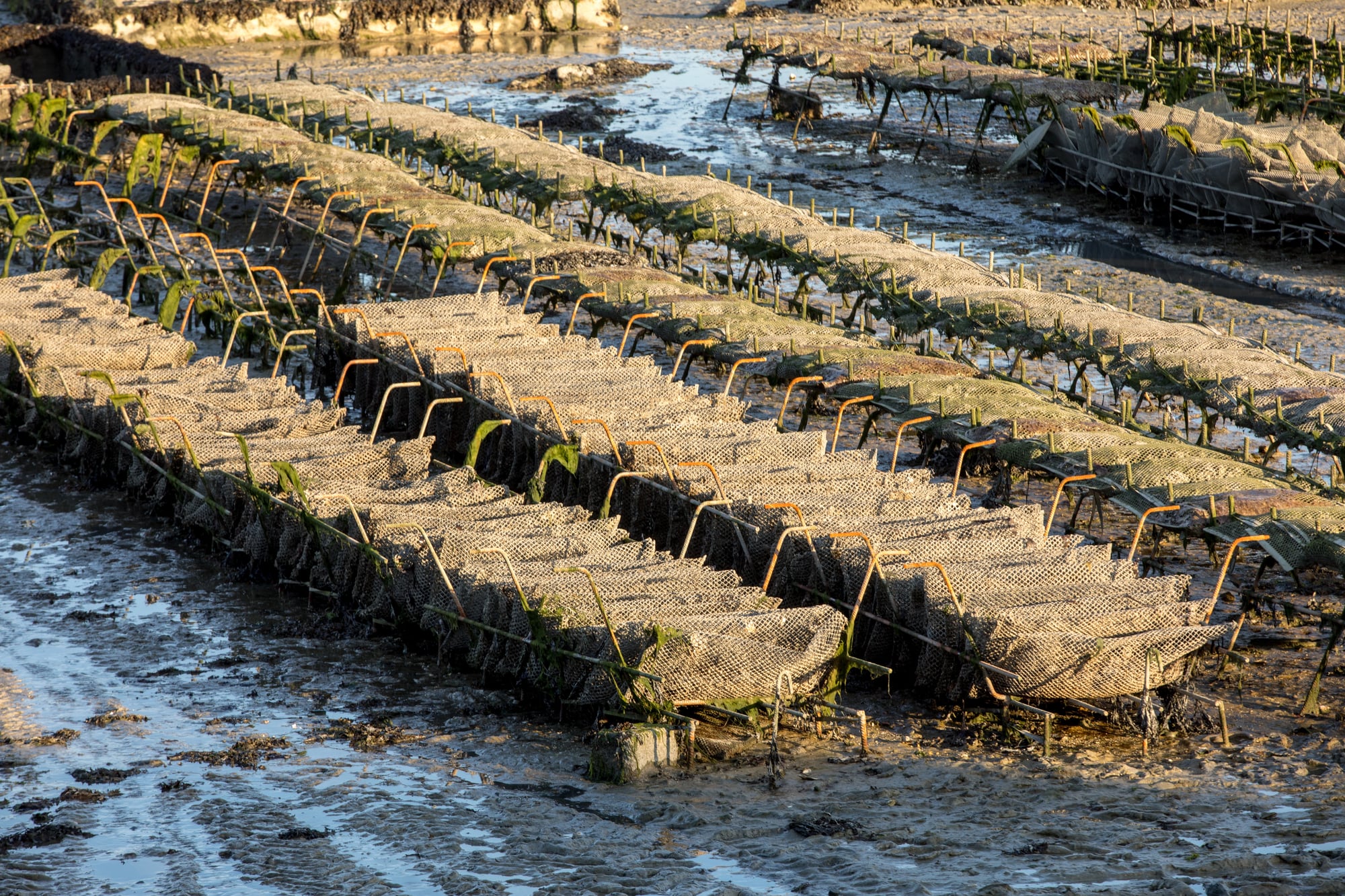
The U.S. Army Corps of Engineers helped build the foundation of reefs with stone, shell, and other hard substrates to better support oyster beds on Bay bottom. Workers used massive barges to transport tons of crushed oyster shells, limestone, and concrete to create underwater platforms.
These materials had to be carefully placed to create the right height and structure for oysters to attach and grow. The foundation work required precise navigation and coordination since everything happened underwater.
Two billion baby oysters got planted
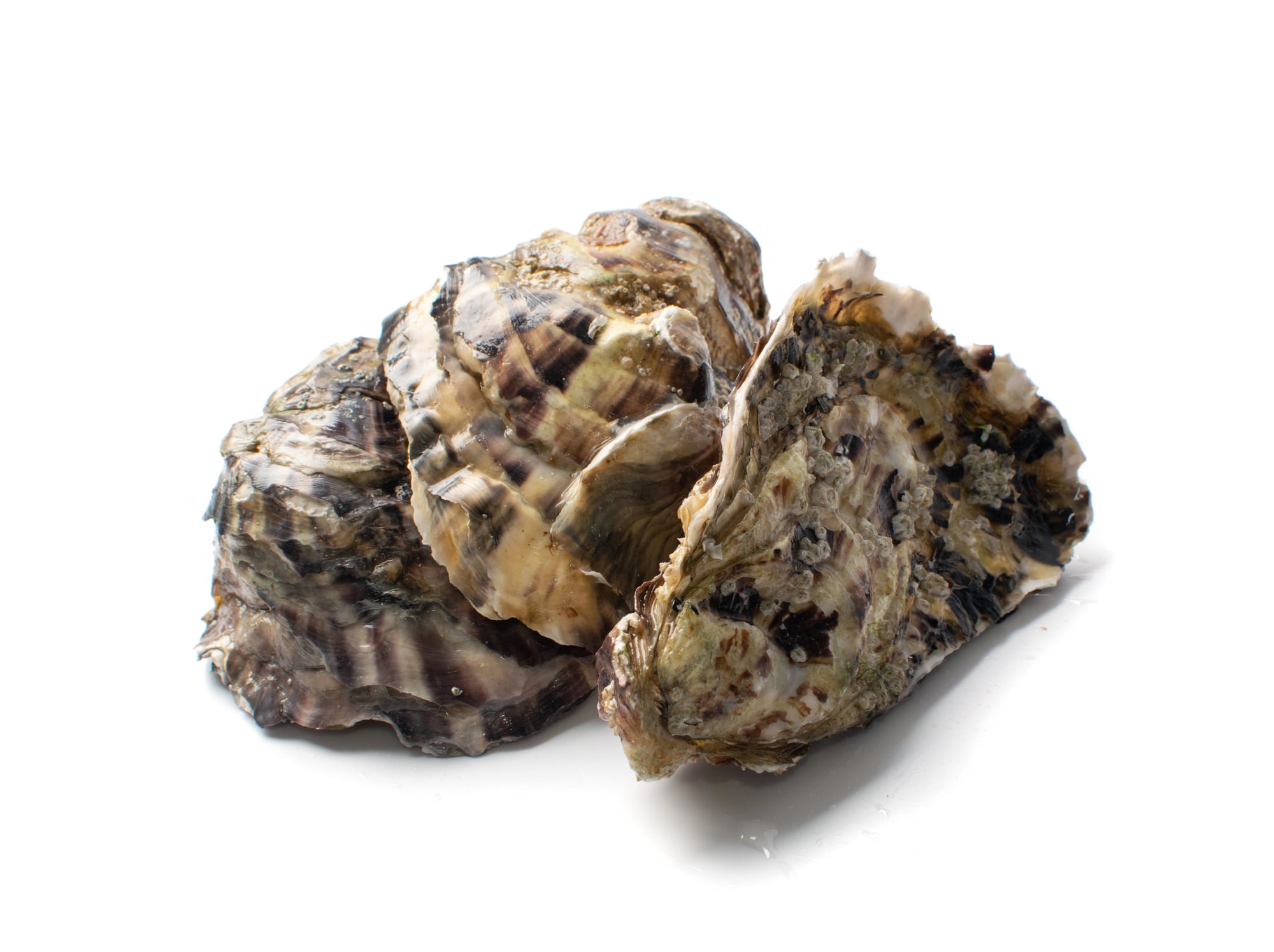
The Harris Creek reef was seeded with more than 2 billion oysters bred at the University of Maryland’s Horn Point Laboratory. The University of Maryland Center for Environmental Science’s Horn Point Laboratory in Cambridge grows most of the oysters that supply these restoration efforts.
Workers carefully transported these tiny oysters in special containers and spread them across the newly constructed reef foundations. The timing had to be perfect to ensure the baby oysters would survive the journey and successfully attach to their new home.
Special materials created instant habitat

Reef orbs provide a hard substrate for the settlement and growth of oysters. They emulate the structure of an undisturbed oyster reef that builds higher in the water column over time through generations of oyster spawning and growing.
These concrete dome-shaped structures created an immediate three-dimensional habitat that fish and crabs could use while waiting for oysters to grow and multiply. The reef structure helped protect the baby oysters from strong currents and predators during their vulnerable early stages.
Like Go2Tutors’s content? Follow us on MSN
Construction happened in phases over several years

Large-scale restoration efforts began in 2011 in Harris Creek sanctuary. The initial phase of the restoration project was completed in 2015, with a total of 348 acres of reef restored.
Breaking the project into phases allowed workers to learn from each section and improve their techniques. It also spread the massive costs over several years and gave scientists time to monitor how well each completed section was performing before moving on to the next area.
Weather and tides controlled the work schedule

Underwater construction faces unique challenges that land-based projects don’t encounter. Workers had to time their activities around tides, storms, and seasonal weather patterns.
High winds made it dangerous to operate barges loaded with heavy materials. Winter ice sometimes blocked access to work sites for months at a time.
Multiple agencies joined forces for success

The National Oceanic and Atmospheric Administration provided funds, scientific expertise, and monitoring. State agencies, federal departments, universities, and environmental groups all contributed different skills and resources to make the project possible.
This collaboration brought together marine biologists, engineers, construction crews, and policy experts who had never worked together before. Coordinating so many different organizations required constant communication and careful planning.
Like Go2Tutors’s content? Follow us on MSN
Monitoring systems tracked every detail
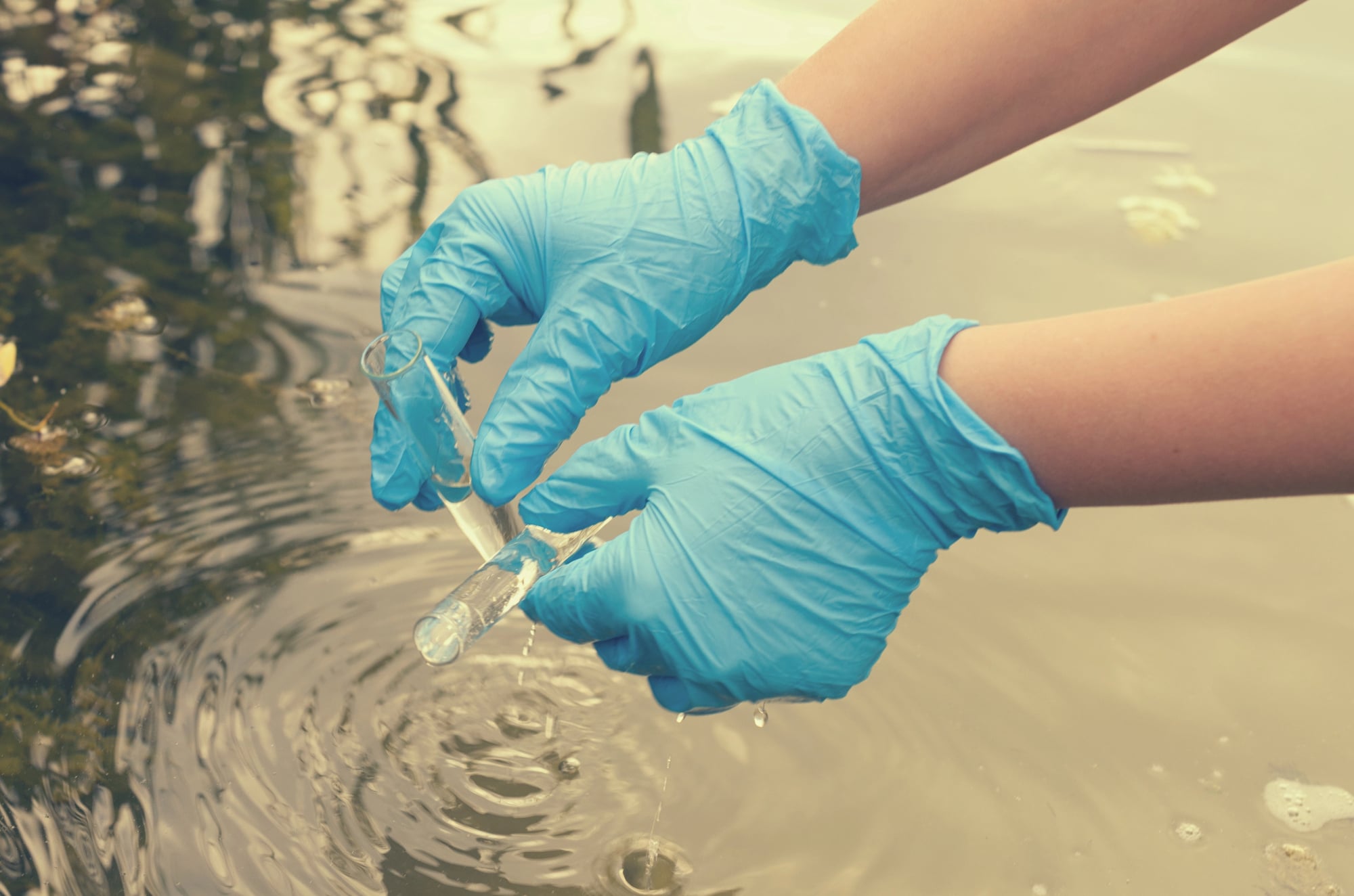
Scientists didn’t just build the reef and walk away. They installed underwater monitoring equipment to measure water quality, oyster growth rates, and how many fish and crabs were using the new habitat.
Divers regularly surveyed the reefs to count oysters and check their health. This monitoring data helped prove the project was working and provided valuable lessons for future restoration efforts in other locations.
The reef produced amazing environmental benefits
In Harris Creek alone, restored reefs remove nitrogen equivalent to roughly 20,000 bags of garden fertilizer. This water filtering happened naturally as billions of oysters pumped water through their bodies to feed on tiny particles.
The improved water quality benefited all the other plants and animals living in the creek. Fish populations increased dramatically as the reef provided shelter and food sources that hadn’t existed for decades.
Wildlife returned in surprising numbers

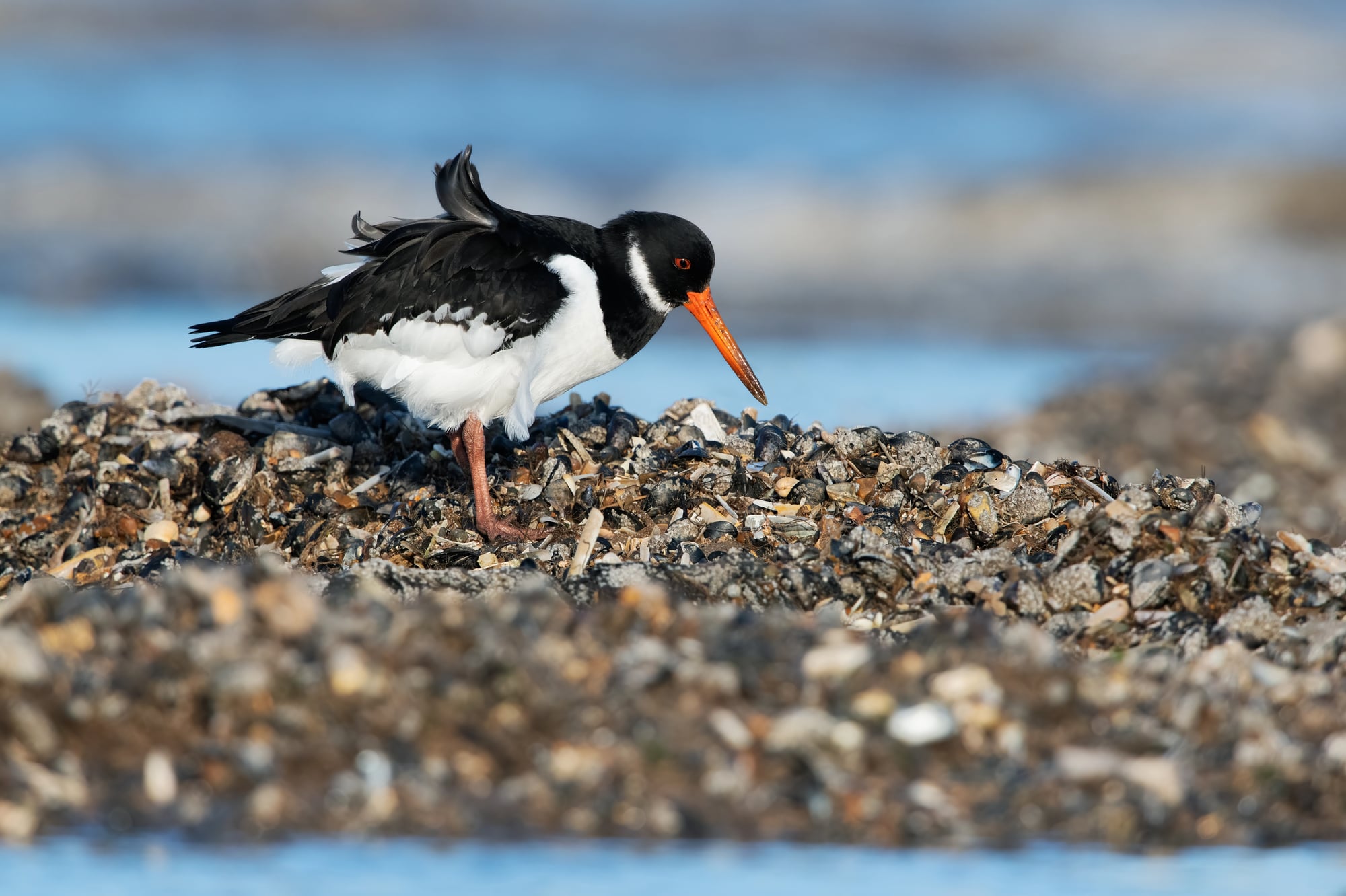
During a study, juvenile crabs had three to four times better chance of surviving predators if they were on a reef than if they were on sandy bottom. The complex reef structure created hiding places and hunting grounds for dozens of species.
Birds that feed on small fish began visiting the area more frequently. Even marine mammals like dolphins occasionally showed up to take advantage of the increased fish populations around the restored reefs.
Like Go2Tutors’s content? Follow us on MSN
Oyster reproduction exceeded all expectations

Oysters growing at such a high density as in Harris Creek can produce up to 250 times more oyster larvae than oysters on a typical modern bar. The healthy oyster population began reproducing so successfully that their babies spread to other areas of the Chesapeake Bay.
This natural reproduction meant the restoration project was creating benefits far beyond the original 350-acre site. Scientists realized they had achieved something even better than they had originally planned.
Success required constant problem-solving

Building underwater reefs presented problems that no one had encountered before at this scale. Equipment breakdowns in remote locations required creative repairs.
Storms sometimes damaged newly constructed reef sections before oysters could establish themselves. Construction crews developed new techniques for placing materials precisely on the seafloor.
The project became a global model
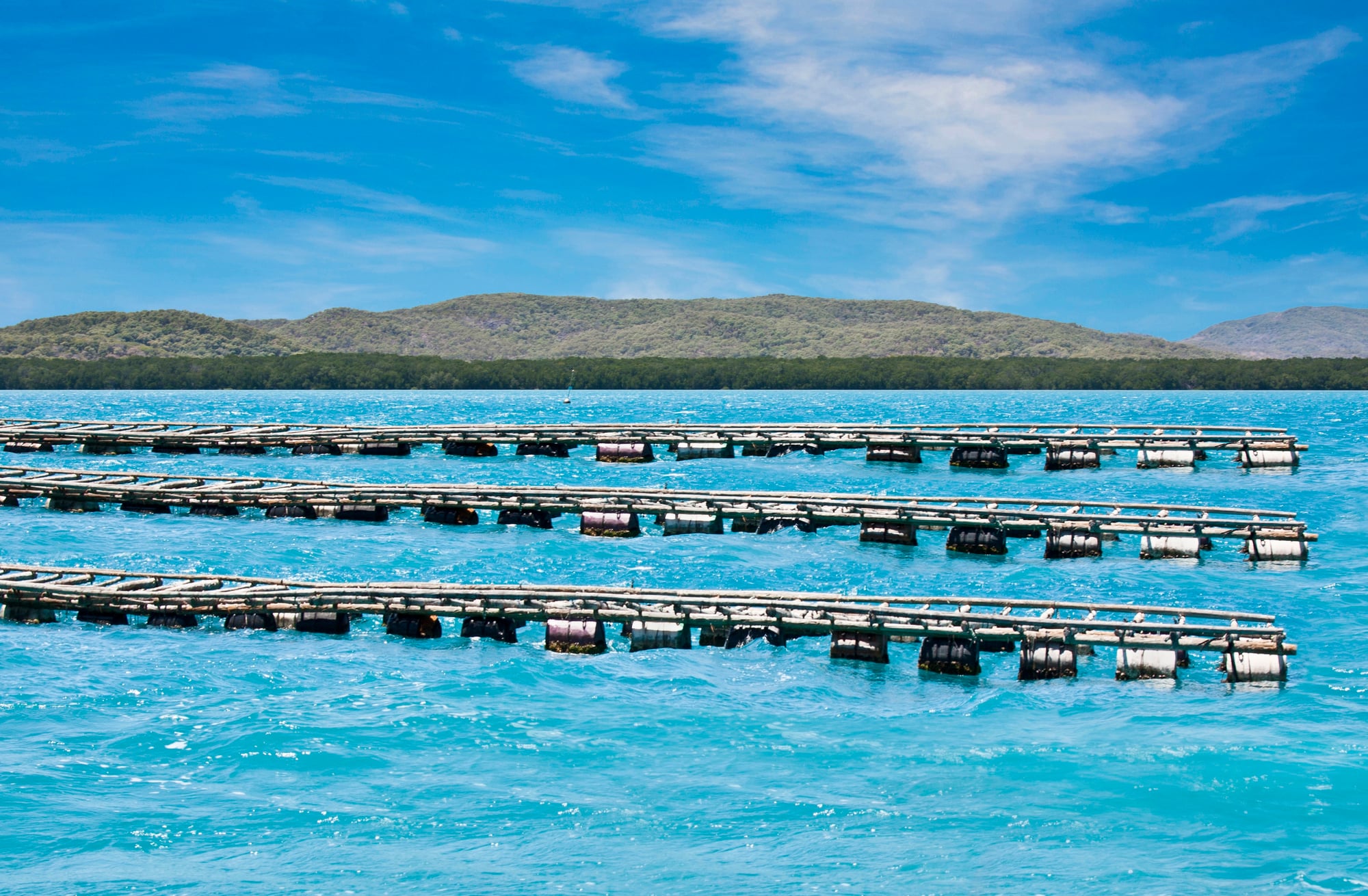
The more than 350 acres of oyster reefs constructed in Harris Creek makes it not only the largest oyster restoration project in the Bay, but in the world. Scientists from other countries visited to study Maryland’s techniques and adapt them for their own restoration efforts.
The success at Harris Creek proved that large-scale ecosystem restoration was possible with the right planning, resources, and commitment. International conferences now use Harris Creek as an example of environmental restoration done right.
Like Go2Tutors’s content? Follow us on MSN
Additional plantings boosted success rates
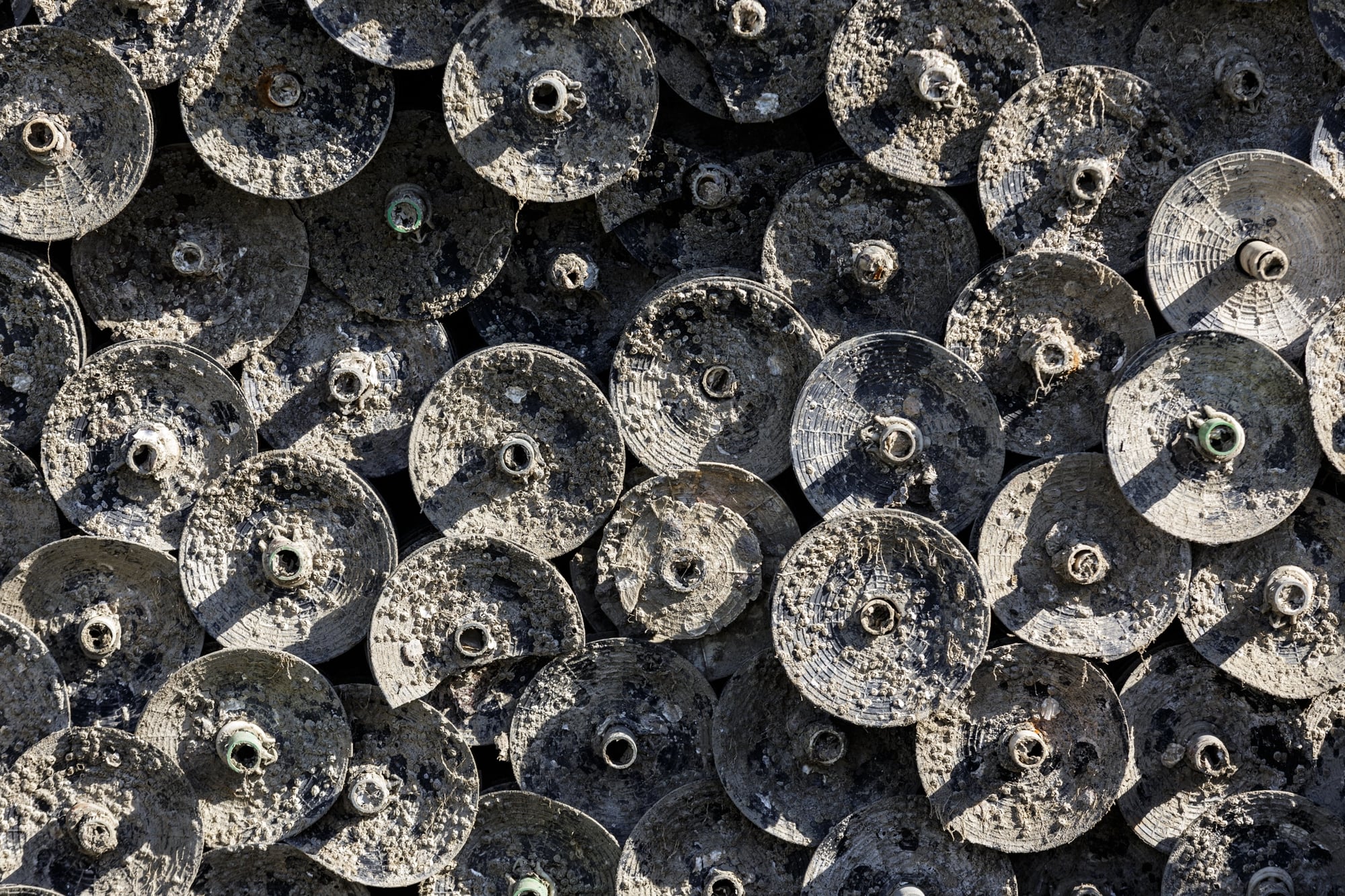
In 2017 and 2018, several reefs received a second planting of oyster larvae attached to shells, called spat-on-shell. Scientists discovered that adding more baby oysters to areas where the initial planting had gaps improved the overall success of the reef.
This technique of multiple plantings became standard practice for other restoration sites. The additional oysters helped fill in spaces and create the dense populations needed for maximum environmental benefits.
Quality control ensured long-term success

In 2022, Harris Creek had an average density of 462 oysters, including spat and small oysters, per square meter. Regular monitoring showed that oyster populations remained healthy and continued growing years after the initial construction ended.
Scientists tracked not just the number of oysters but also their size, health, and reproductive success. This data proved that the reef was truly self-sustaining and would continue providing benefits for decades to come.
Harris Creek earned historic recognition
In 2021, Harris Creek was declared the first “restored” tributary in the Chesapeake Bay. This official designation meant that scientists were confident the oyster population had recovered enough to be considered ecologically healthy and sustainable.
The achievement marked a turning point in Chesapeake Bay restoration efforts and proved that even severely damaged ecosystems could be brought back to life with enough effort and resources.
Like Go2Tutors’s content? Follow us on MSN
More restoration projects followed the model

Plans are for a total of 1,333 acres of oyster reef in Maryland thanks to these large-scale restoration efforts. So far, there are 1,237 acres across all five tributaries.
The success at Harris Creek encouraged Maryland to expand the program to other waterways throughout the Chesapeake Bay. Each new project used lessons learned from Harris Creek to work more efficiently and achieve better results.
From experimental idea to proven success

What started as an ambitious experiment in Harris Creek became the blueprint for oyster restoration around the world. The project proved that humans could reverse decades of environmental damage through careful planning, innovative engineering, and persistent effort.
More from Go2Tutors!

- 16 Historical Figures Who Were Nothing Like You Think
- 12 Things Sold in the 80s That Are Now Illegal
- 15 VHS Tapes That Could Be Worth Thousands
- 17 Historical “What Ifs” That Would Have Changed Everything
- 18 TV Shows That Vanished Without a Finale
Like Go2Tutors’s content? Follow us on MSN