Most Expensive Diamonds Mined in Modern History
Diamonds have captured human imagination for centuries, but the stones discovered in recent decades have redefined what we thought possible in terms of size, clarity, and sheer monetary value. These aren’t the modest gems found in grandmother’s jewelry box or even the impressive rocks adorning celebrity red carpets.
The diamonds mined in modern history represent a different category entirely — geological miracles that emerge from the earth with price tags that rival small nations’ GDP.
When auction houses announce the sale of one of these exceptional stones, the global diamond industry holds its breath. Collectors, investors, and curious onlookers watch as decades or centuries of patient formation beneath the earth’s surface translate into moments of frenzied bidding that can stretch well into the hundreds of millions.
The Cullinan Diamond
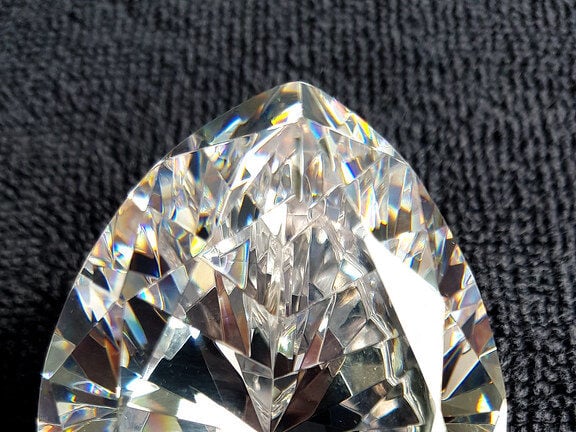
The earth doesn’t announce its treasures. The Cullinan Diamond was discovered in 1905 at the Premier Mine in South Africa, sitting near the surface like an afterthought — though at 3,106 carats in its rough form, it was hardly modest about making an impression.
What makes the Cullinan particularly fascinating isn’t just its size (though being the largest gem-quality diamond ever found certainly helps) but how it was handled afterward. The stone was so valuable that when it needed to be transported to England, authorities sent a heavily guarded decoy ship across the Atlantic while the actual diamond traveled by regular mail.
The audacity of mailing the world’s most valuable diamond feels almost contemporary in its calculated nonchalance.
The Cullinan was eventually cut into nine major stones, with the largest two becoming part of the British Crown Jewels. The Cullinan I, or Great Star of Africa, weighs 530.2 carats and sits in the Sovereign’s Sceptre.
When you consider that this single stone represents just a portion of the original find, the scale becomes almost incomprehensible.
The Lesedi La Rona
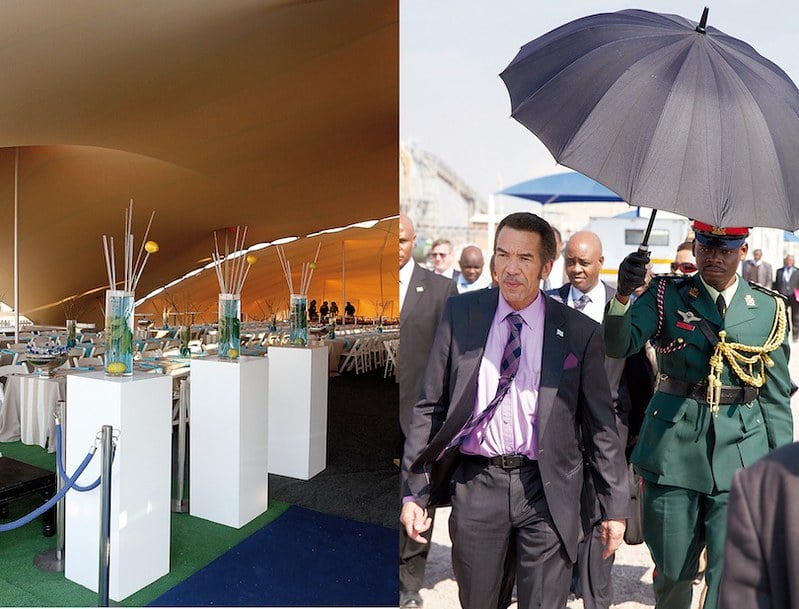
Most record-breaking discoveries happen by accident (which, when you think about it, is exactly how you’d expect the earth to reveal its secrets), and the Lesedi La Rona follows this tradition perfectly — a 1,109-carat rough diamond that emerged from Botswana’s Karowe mine in 2015, disrupting the diamond world’s understanding of what modern mining could still produce. The name means “our light” in Tswana, but the stone’s initial auction experience was anything but illuminating: Sotheby’s estimated it would sell for over $70 million, yet it failed to meet its reserve price, creating one of those awkward moments where exceptional rarity collides with market reality.
But here’s where the story gets interesting (and where the diamond world’s patience reveals itself): rather than accepting defeat, the mining company Lucara took the stone back, spent two years planning its cutting, and eventually sold it to British luxury jeweler Graff for $53 million in 2017. So the Lesedi La Rona became a study in timing — not just the millions of years it took to form, but the crucial months that determined whether it would be seen as a success or disappointment.
The stone was ultimately cut into smaller gems, the largest being a 302-carat D-color flawless diamond. And while that process destroyed the original stone’s record-breaking size, it created something arguably more valuable: multiple perfect diamonds that could actually be worn, sold, and appreciated rather than sitting in a vault as an untouchable curiosity.
The Pink Star

There’s something almost defiant about a pink diamond. While most diamonds submit to being colorless, pink stones seem to have decided that if they’re going to spend eternity being admired, they might as well be memorable about it.
The Pink Star announced itself with quiet confidence when it sold for $71.2 million at Sotheby’s in 2017, becoming the most expensive diamond ever sold at auction. At 59.6 carats, it’s substantial but not overwhelming — the kind of size that suggests power without needing to prove it.
The stone’s color comes from a quirk in its crystal structure, a slight distortion that catches light differently and transforms what could have been just another large diamond into something genuinely rare.
What makes the Pink Star particularly remarkable is its grading: Fancy Vivid Pink, the highest color grade for pink diamonds, combined with Internally Flawless clarity. Finding those two characteristics in the same stone is like discovering a person who’s both exceptionally talented and genuinely humble — technically possible, but rare enough that when it happens, people take notice.
The Oppenheimer Blue

Blue diamonds operate by their own rules. The Oppenheimer Blue, a 14.62-carat fancy vivid blue diamond, sold for $57.5 million in 2016, proving that size isn’t everything when rarity enters the conversation.
The stone gets its color from boron atoms that somehow found their way into the crystal structure during formation — a geological accident that occurs so infrequently that blue diamonds represent less than 0.1% of all colored diamonds. The Oppenheimer Blue isn’t just blue; it’s the kind of deep, saturated blue that makes you question whether you’ve ever really seen the color before.
Named after Sir Philip Oppenheimer, whose family controlled De Beers for decades, the diamond carries the weight of industry history. When it sold at Christie’s, it set a record for price per carat for any diamond sold at auction.
The mathematics of that achievement are worth considering: $3.9 million per carat for a stone that began as carbon atoms under unimaginable pressure.
The Winston Blue
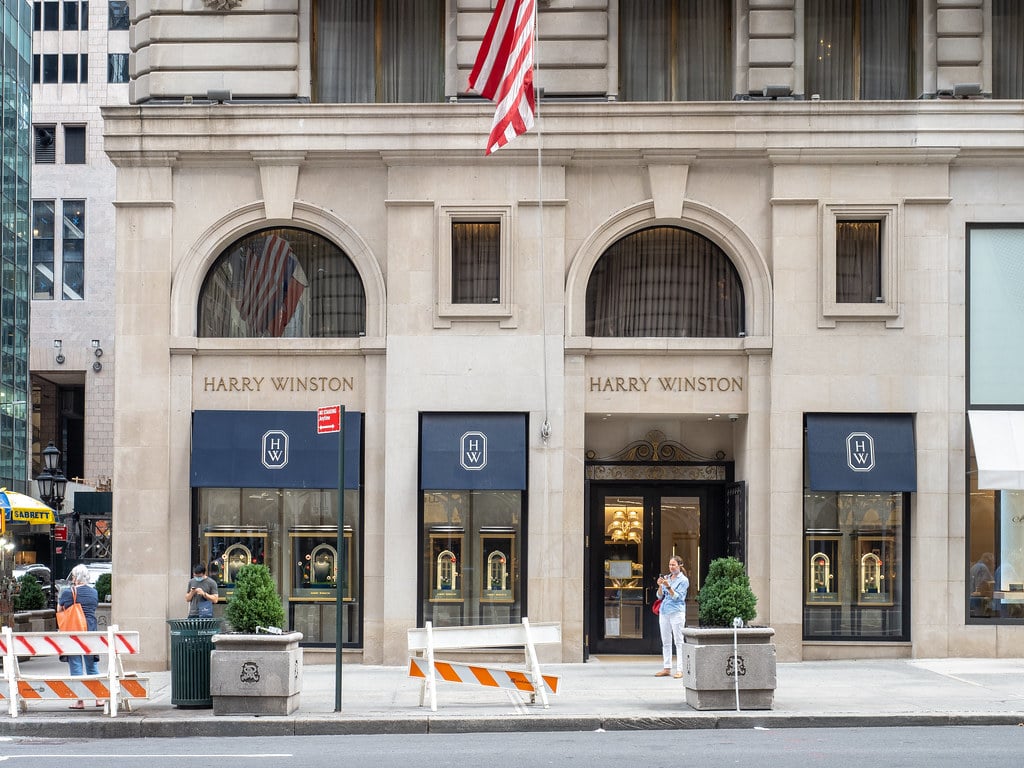
The Winston Blue takes the concept of blue diamonds and pushes it toward perfection — a 13.22-carat flawless fancy vivid blue diamond that sold for $23.8 million in 2014, though that price feels almost modest compared to what similar stones command today.
What sets the Winston Blue apart isn’t just its color or clarity, but its shape: a perfect emerald cut that requires exceptional clarity to execute successfully. Most colored diamonds hide their inclusions behind brilliant cuts with dozens of facets.
The Winston Blue’s emerald cut offers nowhere to hide, making its flawless grade that much more impressive.
The stone was purchased by Harry Winston, the legendary New York jeweler, and renamed in honor of the company. There’s something fitting about a diamond named Winston — it suggests both luxury and reliability, the kind of stone that doesn’t need to announce itself because its presence speaks clearly enough.
The CTF Pink Star

Pink diamonds seem determined to dominate the high-end auction market, and the CTF Pink Star (originally just called the Pink Star before being renamed) demonstrates why that dominance makes sense — at 59.60 carats with a fancy vivid pink color grade, it represents the kind of natural occurrence that happens so rarely that each discovery feels like geological lottery luck rather than systematic mining. The stone’s 2017 sale for $71.2 million didn’t just set records; it redefined what collectors were willing to pay for exceptional color in diamonds, creating a new ceiling that other pink stones now chase (though few even come close to reaching it).
But the CTF Pink Star’s story reveals something interesting about the modern diamond market: the gap between what something is technically worth and what someone will actually pay for it. The diamond had previously been sold in 2013 for $83 million, but the buyer defaulted, forcing Sotheby’s to take ownership.
So when it sold again in 2017 for less money, the auction house probably felt relief more than disappointment — sometimes the best outcome is simply finding a buyer who can actually complete the transaction.
And here’s the detail that makes the whole thing distinctly contemporary: the winning bidder was Hong Kong jewelry retailer Chow Tai, which immediately renamed the stone and began planning how to leverage its ownership for brand recognition. The CTF Pink Star became not just a diamond but a marketing asset, which is perhaps the most modern twist possible for a stone that took millions of years to form.
The Graff Pink
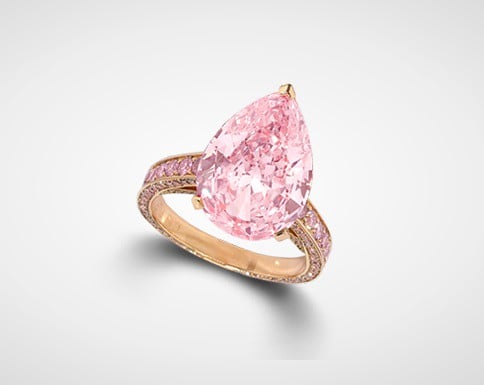
The Graff Pink operates in that rarified space where exceptional diamonds transcend their technical specifications and become almost mythical — a 24.78-carat emerald-cut pink diamond that sold for $46.2 million in 2010, setting records that held for years until other pink stones began pushing prices even higher.
What makes the Graff Pink particularly compelling is its cut. While most pink diamonds rely on brilliant cuts to maximize their color, the Graff Pink uses an emerald cut that requires absolute confidence in the stone’s clarity and color saturation.
It’s the diamond equivalent of performing without a net — any flaws or color inconsistencies would be immediately visible.
The stone was purchased by Laurence Graff, the British jeweler who has built a career around acquiring exceptional diamonds. Graff’s approach to collecting represents a particular philosophy: buy the best available stones regardless of price, then find customers who appreciate true rarity.
With the Graff Pink, that philosophy resulted in owning one of the finest pink diamonds ever discovered.
The Wittelsbach-Graff Diamond
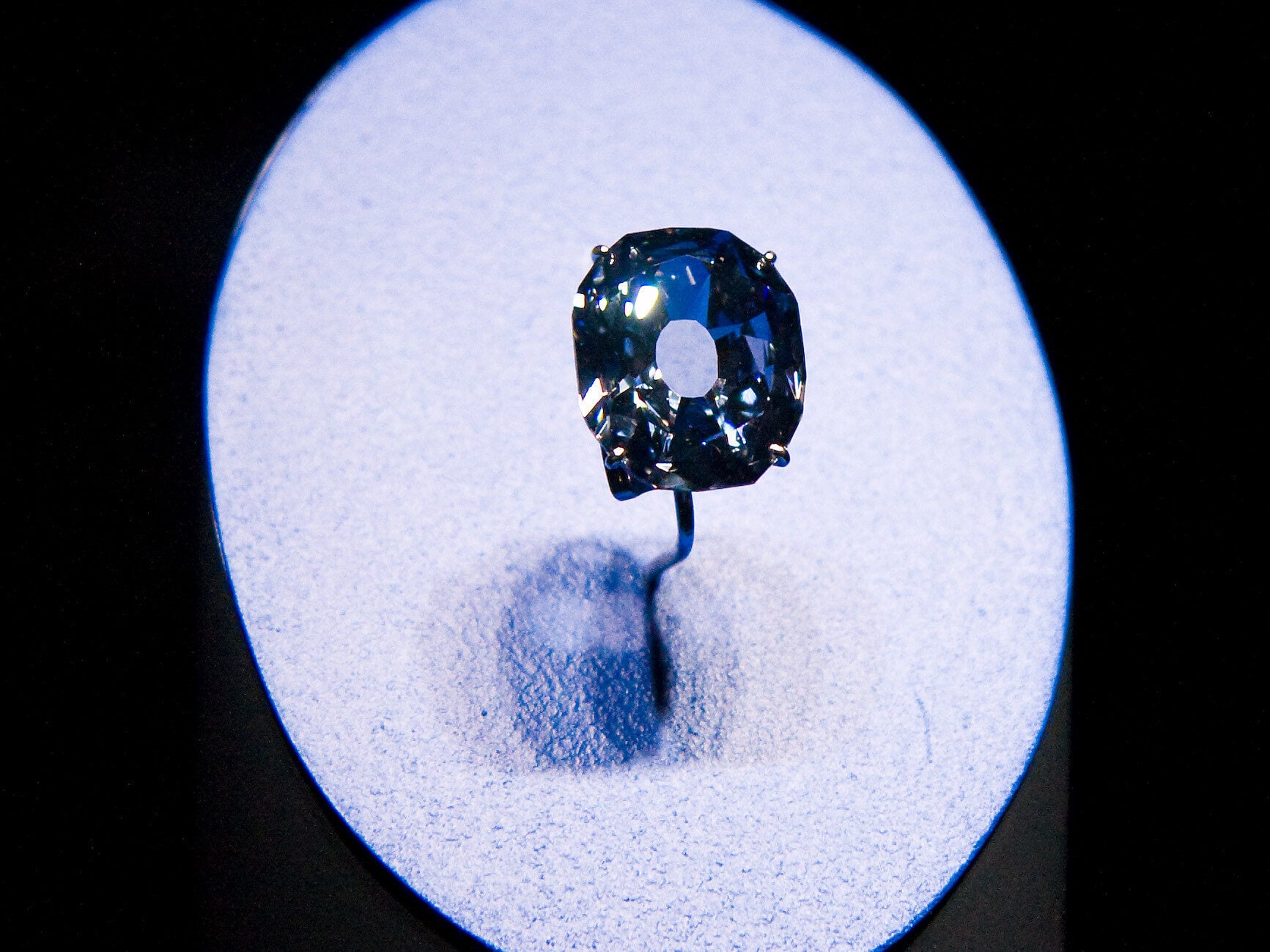
Some diamonds carry history in their color, and the Wittelsbach-Graff Diamond brings centuries of European royal ownership along with its distinctive blue hue — though its modern story becomes controversial precisely because of how that history was handled.
Originally known as the Wittelsbach Blue, this 35.56-carat fancy deep grayish-blue diamond passed through Austrian and Bavarian royal collections for over 300 years before appearing at auction in 2008, where Laurence Graff purchased it for $24.3 million. But Graff’s next decision sparked debate throughout the diamond world: he had the stone recut, removing inclusions and improving its clarity while reducing its weight to 31.06 carats.
The recut improved the diamond’s technical specifications but eliminated much of its historical character. Critics argued that Graff had destroyed an irreplaceable artifact for commercial gain.
Supporters countered that he had revealed the stone’s true beauty, which had been hidden beneath centuries of accumulated damage. The controversy reveals an essential tension in the diamond world: the conflict between preserving history and pursuing perfection.
The De Beers Centenary Diamond
Perfection in diamonds isn’t just about size or color; sometimes it’s about achieving technical specifications so precise they seem almost impossible. The De Beers Centenary Diamond represents that kind of perfection — a 273.85-carat colorless diamond with the highest possible grades for color (D) and clarity (Internally Flawless).
Discovered at the Premier Mine in South Africa in 1986, the rough stone weighed 599 carats. The cutting process took three years of planning and execution, using specialized tools and techniques developed specifically for this stone.
The result was a modified heart-shaped diamond that maximized both size retention and optical performance.
The Centenary Diamond has never been sold publicly, making its value difficult to determine. Estimates range from $100 million to over $300 million, but those numbers remain theoretical.
De Beers has kept the stone as a symbol of the company’s technical capabilities, which might be the smartest approach — sometimes the most valuable diamonds are the ones that never have their value tested by the market.
The Golden Jubilee Diamond
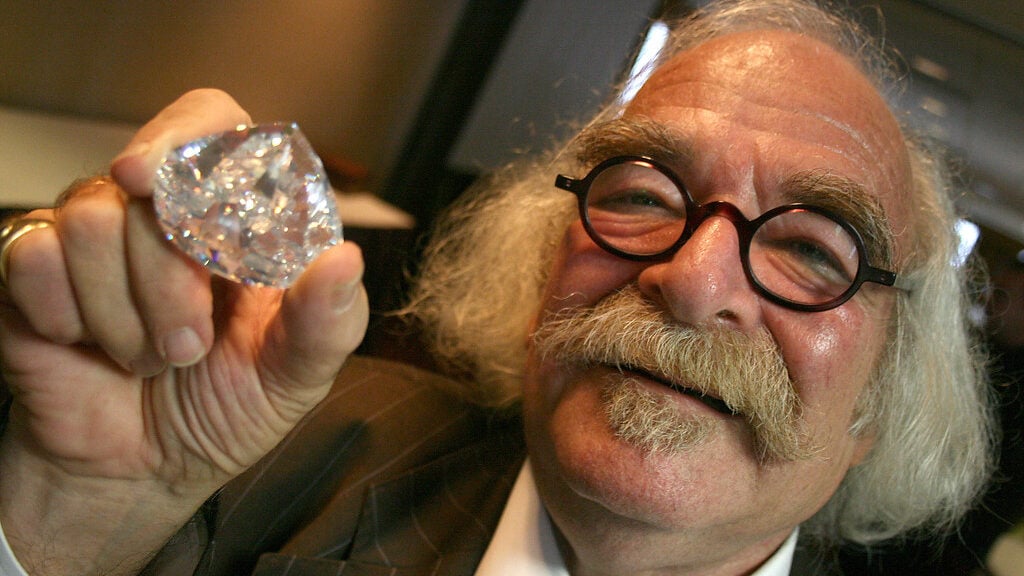
Yellow diamonds often get overlooked in discussions of the world’s most valuable stones, but the Golden Jubilee Diamond demands attention through sheer size — at 545.67 carats, it’s the largest cut diamond in the world, regardless of color.
Discovered at the Premier Mine in 1985, the rough stone weighed 755.5 carats. The cutting process was entrusted to Gabriel Tolkowsky, whose family has been cutting diamonds for generations.
Tolkowsky spent two years studying the stone before making the first cut, then another year completing the process.
The Golden Jubilee’s value is complicated to assess. Its size is unprecedented, but yellow diamonds command lower prices per carat than colorless or rare colored stones.
Estimates place its value between $4 million and $12 million — a wide range that reflects the difficulty of pricing something without direct comparisons.
The stone currently resides in Thailand as part of the Crown Jewels, where its size can be properly appreciated.
The Sunrise Ruby
Wait — this isn’t a diamond at all. The Sunrise Ruby, a 25.59-carat Burmese ruby that sold for $30.3 million in 2015, represents how other gemstones have begun challenging diamonds’ dominance in the ultra-high-end market.
The Sunrise Ruby’s price per carat exceeded $1.18 million, demonstrating that exceptional color and rarity can command prices that rival or exceed even the finest diamonds. The stone’s pigeon blood red color, combined with its Burmese origin and exceptional size, created a combination rare enough to justify its record-breaking price.
Including the Sunrise Ruby in a discussion of expensive diamonds might seem like category confusion, but it illustrates an important point: the market for exceptional gemstones extends beyond diamonds, and collectors increasingly appreciate rarity regardless of mineral composition. The Sunrise Ruby’s success suggests that the future of high-end gemstone collecting might be more diverse than the diamond industry would prefer.
The Hope Diamond
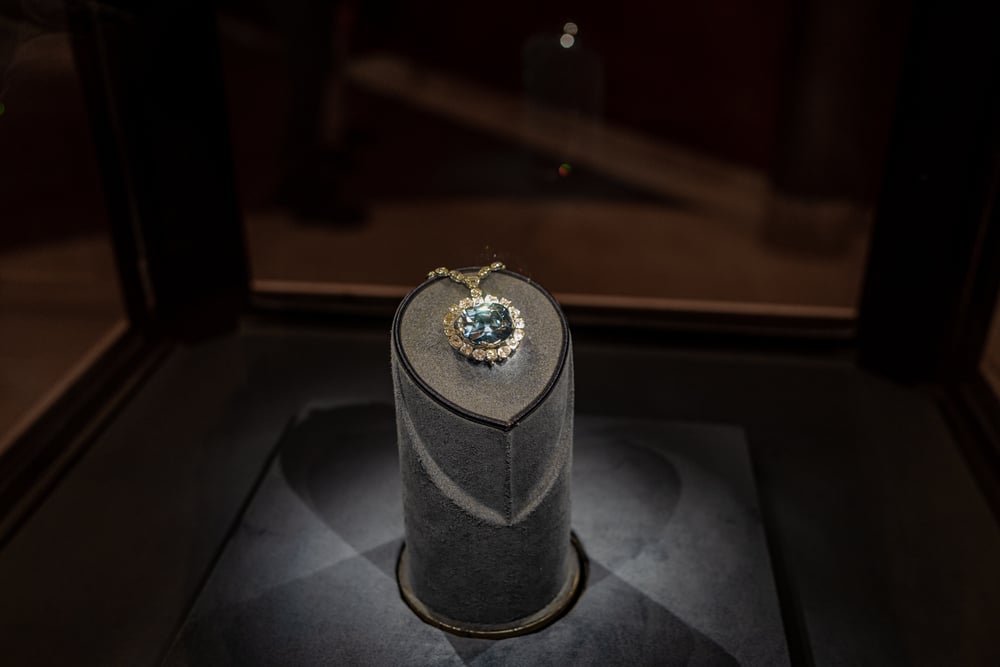
The Hope Diamond carries a burden that most gemstones never face: it has to live up to its own legend. At 45.52 carats with a distinctive blue color, the stone brings together exceptional rarity, documented history, and alleged supernatural properties in a combination that has made it perhaps the most famous diamond in the world.
The diamond’s blue color comes from boron impurities, the same geological accident that creates all blue diamonds. But the Hope Diamond’s particular shade — a deep grayish-blue that appears to glow under ultraviolet light — seems designed for maximum dramatic effect.
The stone’s current setting, surrounded by colorless diamonds, only emphasizes its unusual color.
The Hope Diamond’s value has never been tested at auction since it was donated to the Smithsonian Institution in 1958, but estimates range from $200 million to $350 million. Those numbers reflect not just the stone’s technical qualities but its cultural significance.
The Hope Diamond has transcended being merely a valuable object and become a symbol of mystery, luxury, and the persistent human belief that some objects carry power beyond their material properties.
The Spirit of de Grisogono Diamond
Black diamonds operate by different rules than their colorless or colored counterparts, and the Spirit of de Grisogono Diamond demonstrates how those rules can create something genuinely spectacular — the world’s largest cut black diamond at 312.24 carats, set with 702 white diamonds in a design that emphasizes contrast rather than traditional beauty.
Black diamonds get their color from graphite inclusions, which technically makes them less “pure” than colorless stones but creates an appearance that’s undeniably dramatic. The Spirit of de Grisogono takes that drama and amplifies it through size and setting, creating a piece of jewelry that demands attention rather than requesting it.
The stone’s value is difficult to assess since black diamonds command significantly lower prices than other colors, but its record-breaking size and unique setting have been estimated at around $1.5 million to $2 million. Those numbers seem modest compared to other stones on this list, but they reflect the market’s current attitude toward black diamonds — which could change as collectors become more interested in dramatic visual impact over traditional standards of diamond beauty.
Beyond the Numbers

The diamonds that command the highest prices in modern history represent more than just successful mining operations or skilled cutting. They embody humanity’s persistent fascination with objects that seem to concentrate impossible amounts of time, pressure, and chance into something that fits in the palm of a hand.
Each of these stones began as carbon atoms that found themselves in exactly the right conditions, at exactly the right depth, for exactly the right amount of time to transform into something that would eventually inspire people to bid hundreds of millions of dollars. The mathematics of that transformation — the precise temperature and pressure requirements, the geological timing, the odds of discovery and successful extraction — make each exceptional diamond feel less like a commodity and more like a minor miracle that happened to be valuable.
Perhaps that’s why these stones continue to break records even as markets fluctuate and investment priorities shift. They represent a form of rarity that can’t be manufactured, replicated, or predicted — only discovered, appreciated, and ultimately, treasured by whoever has both the means and the vision to recognize their significance.
More from Go2Tutors!

- The Romanov Crown Jewels and Their Tragic Fate
- 13 Historical Mysteries That Science Still Can’t Solve
- Famous Hoaxes That Fooled the World for Years
- 15 Child Stars with Tragic Adult Lives
- 16 Famous Jewelry Pieces in History
Like Go2Tutors’s content? Follow us on MSN.