Surprising Laws Abroad That Could Land You In Trouble
Travel opens your eyes to new cultures, breathtaking landscapes, and unforgettable experiences. But it can also open your eyes to some truly bizarre legal requirements that seem to defy all logic.
What’s perfectly normal behavior at home might land you with a hefty fine or worse in another country. These aren’t obscure regulations buried in dusty legal texts — they’re actively enforced laws that catch unsuspecting tourists off guard every single day.
Singapore’s Chewing Gum Ban

Singapore doesn’t mess around with gum. The city-state banned the import and sale of chewing gum back in 1992, and they mean it.
Get caught smuggling in a pack of Trident and you could face fines up to $100,000. Even spitting out gum on the sidewalk can cost you $1,000 for your first offense.
The only exception is therapeutic gum prescribed by a doctor or dentist. So unless you have a medical prescription for your Hubba Bubba habit, leave it at home.
Thailand’s Royal Insult Laws
Thailand takes respect for the monarchy to an entirely different level, and the consequences of getting this wrong aren’t just embarrassing — they’re genuinely serious. The country’s lese-majeste laws make it illegal to insult, defame, or threaten the king, queen, heir-apparent, or regent, and since these laws extend to any form of media (including social media posts you made years ago), tourists have found themselves in legal trouble for content they’d completely forgotten about.
What makes this particularly tricky is that the definition of “insult” can be interpreted quite broadly, and even accidentally stepping on Thai currency (which features the king’s image) has landed people in hot water.
And here’s where it gets really complicated: you don’t have to be in Thailand when you commit the offense — they can prosecute you for things you posted online while sitting in your living room halfway around the world. The penalties range from three to fifteen years in prison per charge.
So before you post that joke about any royal family, remember that not every country shares the same sense of humor about their leaders.
Japan’s Dancing Restrictions

There’s something beautifully absurd about a country that needs to legislate when and where you can move rhythmically to music. Japan maintained laws that restricted dancing in bars and clubs after midnight until 2015, a leftover from post-war regulations designed to crack down on prostitution.
The law was so specific that it defined dancing as “rhythmic movement of the entire body” — which meant you could tap your foot but not sway your hips.
Even after the 2015 reform, many venues still can’t allow dancing without special licenses. The irony sits thick here: the country that gave us karaoke culture somehow needed bureaucratic permission for spontaneous movement.
It’s like requiring a permit for laughter or a license for smiling — technically logical within its own framework, yet wonderfully ridiculous from the outside.
Germany’s Sunday Shopping Laws

Germany takes its rest day seriously, and the country isn’t interested in your opinion about weekend convenience. Most stores must remain closed on Sundays, and this isn’t a gentle suggestion — it’s federal law backed by fines that can reach into the thousands of euros.
The Ladenschlussgesetz (shop closing law) exists to protect workers’ rights and preserve Sunday as a day of rest. Even many gas stations can only sell fuel, not snacks or drinks.
Fair enough — but try explaining that to a tourist who just wants to buy aspirin for a Sunday morning headache.
Dubai’s Public Displays Of Affection
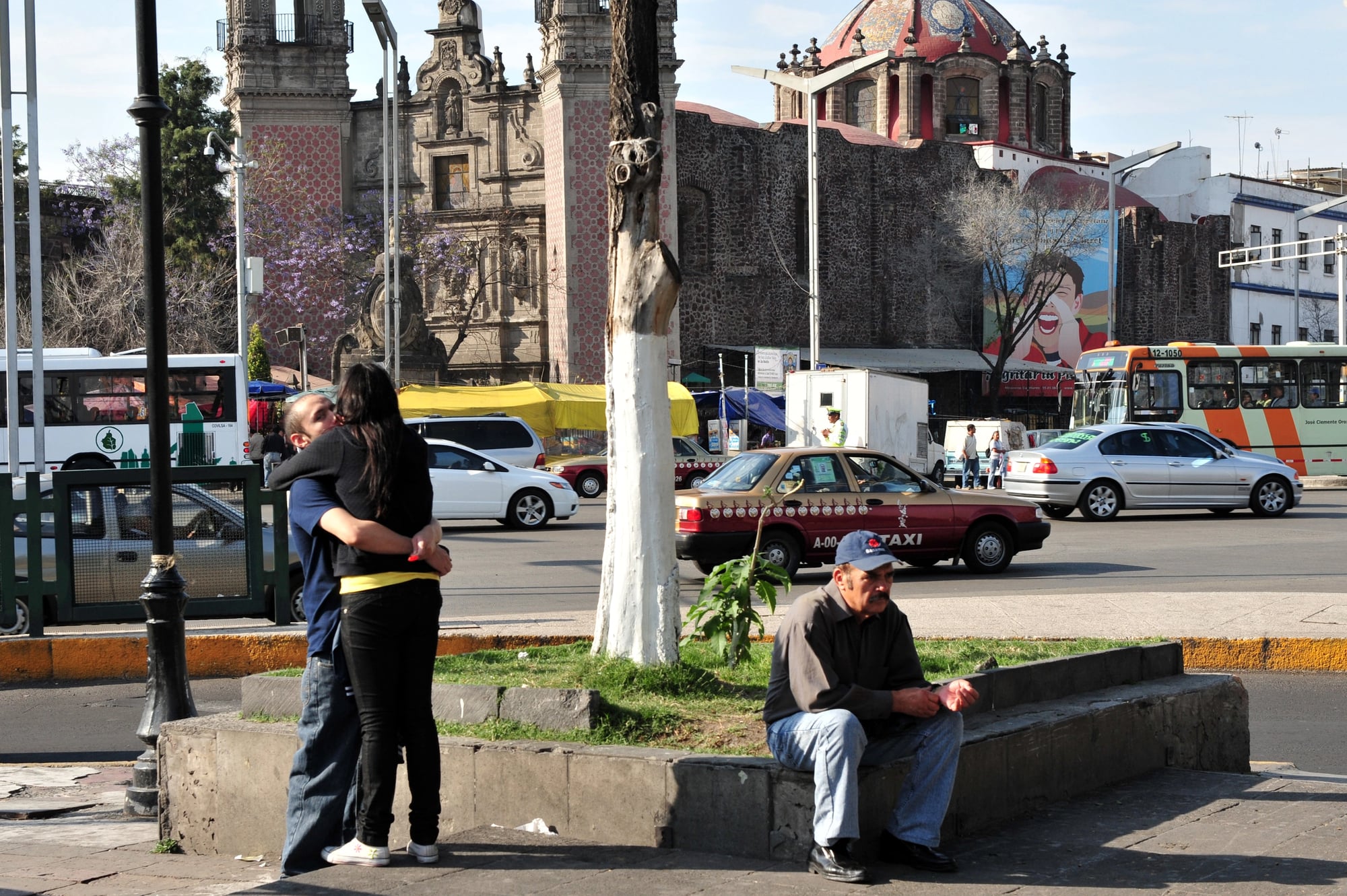
In Dubai and much of the UAE, what passes for normal romantic behavior elsewhere can land you in jail, and the authorities don’t particularly care whether you knew about these laws beforehand or not. Kissing in public, holding hands, or any other display of affection between unmarried couples is illegal, and enforcement can be surprisingly strict — tourists have been arrested, jailed, and deported for behavior that wouldn’t raise an eyebrow in Times Square.
The law extends beyond just physical contact, too (unmarried couples technically aren’t supposed to share hotel rooms, though this is rarely enforced with tourists), and what makes it particularly challenging is that the line between “acceptable” and “illegal” can shift depending on which official is making the call on any given day.
Even married couples are advised to keep public affection to a minimum, because demonstrating your marital status to a police officer isn’t always as straightforward as it sounds when you’re in a foreign country with different documentation standards.
And yet millions of tourists visit Dubai every year without incident, which just goes to show that sometimes the most important travel skill is reading the room.
France’s Ketchup Restrictions
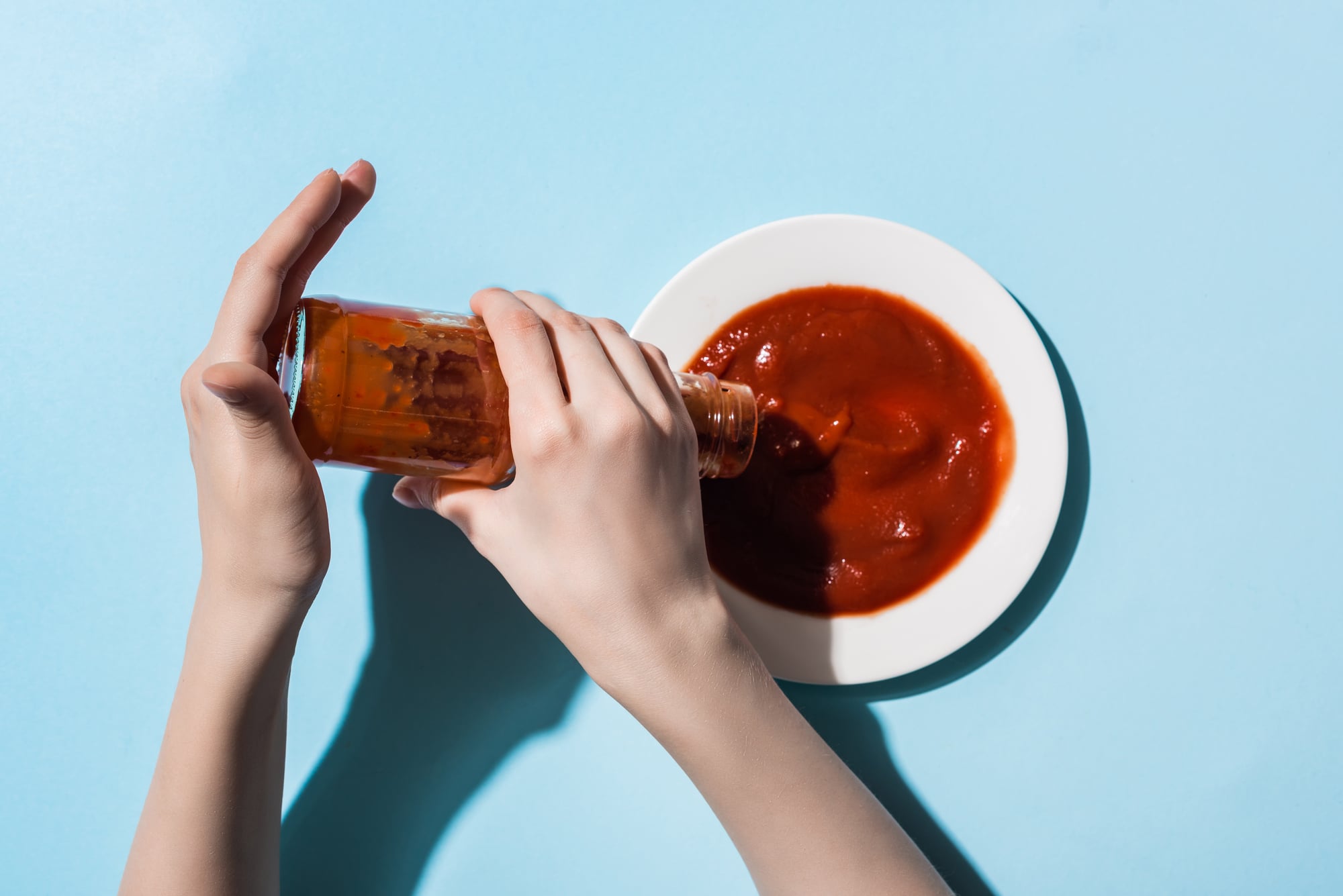
France guards its culinary reputation with the dedication of a museum curator protecting a priceless painting. The country restricts ketchup in school cafeterias, allowing it only with French fries — and only once per week.
This isn’t just cultural preference dressed up as policy; it’s actual regulation designed to preserve French food culture and prevent children from drowning everything in American condiments.
While tourists won’t get arrested for requesting ketchup with their coq au vin, the message is clear. French cuisine doesn’t need your help, thank you very much.
The law reflects a broader cultural philosophy that food should be experienced as the chef intended, not customized to match your condiment preferences from back home.
Russia’s Banned Memes
Russia has taken the bold step of regulating internet humor, because apparently nothing threatens national stability quite like a well-crafted meme, and the country’s approach to this digital menace is both comprehensive and surreal. Certain memes and images are officially banned, including some that feature prominent political figures in unflattering situations, and violating these restrictions can result in fines, legal action, or even jail time — which means that sharing the wrong funny picture could turn your vacation into a very unfunny legal ordeal (the definition of what constitutes a “banned meme” can be somewhat fluid, naturally, because humor is notoriously difficult to legislate).
But here’s where it gets particularly strange: some of the banned images aren’t even obviously offensive to outsiders — they might just reference inside jokes or cultural moments that the government has decided are somehow threatening to public order.
Even reposting or sharing these images on social media while visiting Russia could technically put you in violation of the law.
The internet was supposed to make the world smaller, but it turns out it also made the rulebook a lot thicker.
Italy’s Feeding Pigeons Ban

Cities across Italy have declared war on pigeons, and tourists who show up with breadcrumbs are considered enemy combatants. Venice, Rome, and Florence all prohibit feeding pigeons, with fines ranging from €50 to €500 for anyone caught tossing out snacks to the birds.
The reasoning is sound — pigeon overpopulation creates health hazards and damages historic buildings. But the enforcement can be swift and merciless.
Those charming scenes of tourists surrounded by fluttering birds in St. Mark’s Square? That’s actually expensive illegal activity in progress.
Norway’s Alcohol Purchase Laws
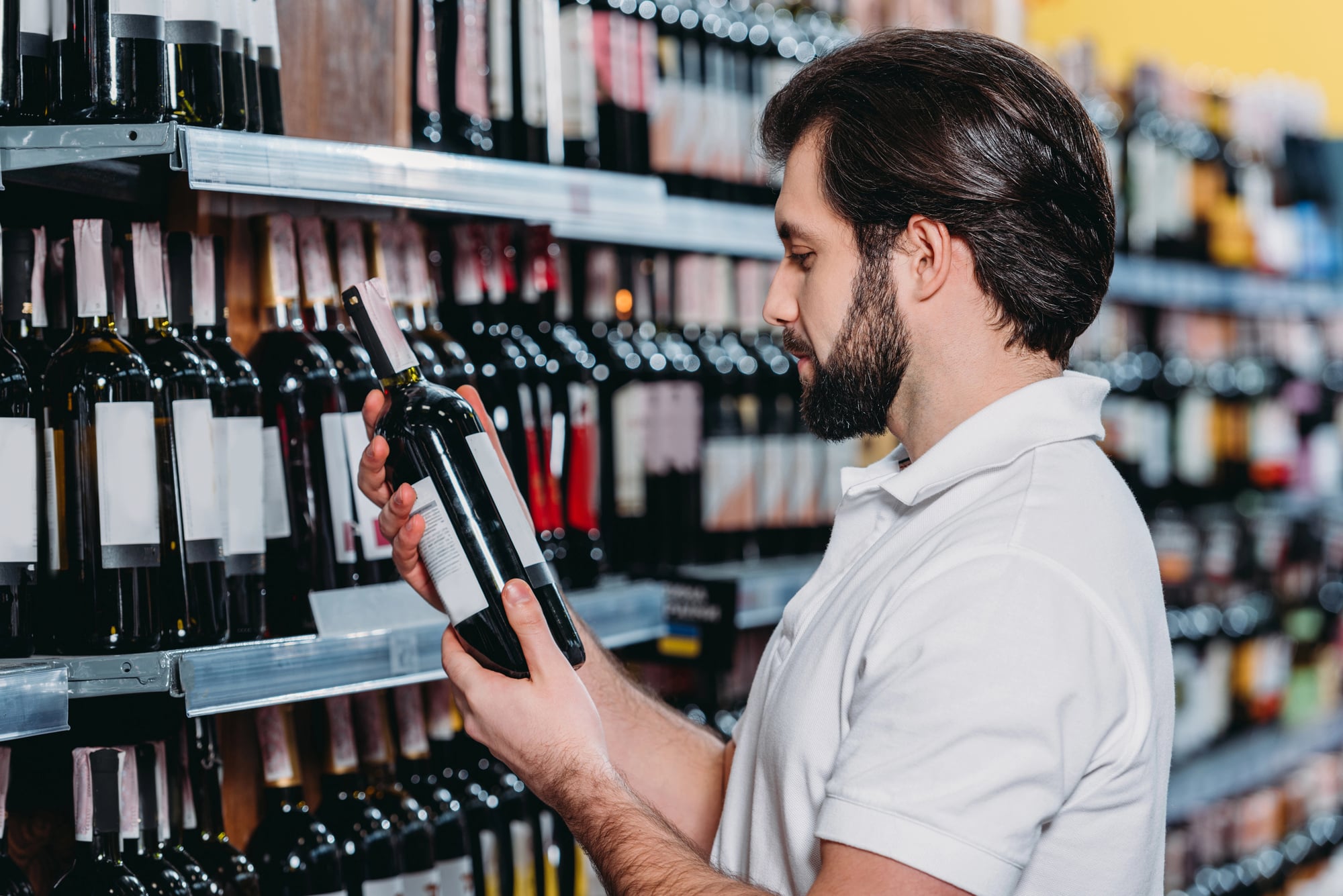
Norway approaches alcohol sales with the methodical precision of a military operation, complete with schedules that would make a train conductor proud. Beer and wine can only be purchased in regular stores until 8 PM on weekdays and 6 PM on Saturdays, while anything stronger requires a trip to the government-run Vinmonopolet stores, which close even earlier and don’t open at all on Sundays.
This creates a peculiar dance where locals and tourists alike find themselves sprinting to stores before closing time, clutching their shopping lists like battle plans, because missing the cutoff means your dinner party just became a very expensive sparkling water affair.
The system exists to control consumption and generate tax revenue, but it also creates a thriving cross-border trade with Sweden and Denmark, where Norwegians load up their cars like they’re preparing for a siege.
For tourists, it means that spontaneous celebration requires the kind of advance planning usually reserved for military campaigns.
Saudi Arabia’s Dress Code Laws

Saudi Arabia’s dress codes aren’t suggestions, and the kingdom doesn’t provide a grace period for cultural adjustment. Both men and women must dress conservatively in public, with women required to wear loose-fitting clothing that covers their arms and legs, and while the abaya requirement for foreign women was officially relaxed in recent years, the practical reality is that conservative dress remains the safest approach.
Men face restrictions too — shorts, sleeveless shirts, and tight clothing can all cause problems.
The enforcement varies by region and situation, but the consequences for getting it wrong range from public embarrassment to legal trouble.
China’s Internet Restrictions

China’s Great Firewall blocks access to websites and services that much of the world considers essential, and tourists often discover this the hard way when they try to check Gmail or post vacation photos to Instagram. Google, Facebook, Twitter, YouTube, and thousands of other sites simply don’t work without a VPN — and using unauthorized VPNs is technically illegal.
The restrictions extend beyond social media. News sites, messaging apps, and even some hotel booking platforms are blocked.
Smart travelers set up their VPN access before arriving, but even then, the cat-and-mouse game between VPN providers and government censors means nothing is guaranteed to work.
UAE’s Prescription Drug Laws

The UAE treats certain prescription medications as controlled substances, and tourists have been arrested for carrying pills that are perfectly legal in their home countries. Codeine, tramadol, and many other common pain medications can land you in serious trouble, even if you have a valid prescription from your doctor back home.
The country requires advance approval for many medications through their Ministry of Health.
Without proper documentation, you could find yourself facing drug trafficking charges for carrying your legally prescribed back pain medication. The penalties are severe and the appeals process is lengthy.
Turkey’s Currency Laws
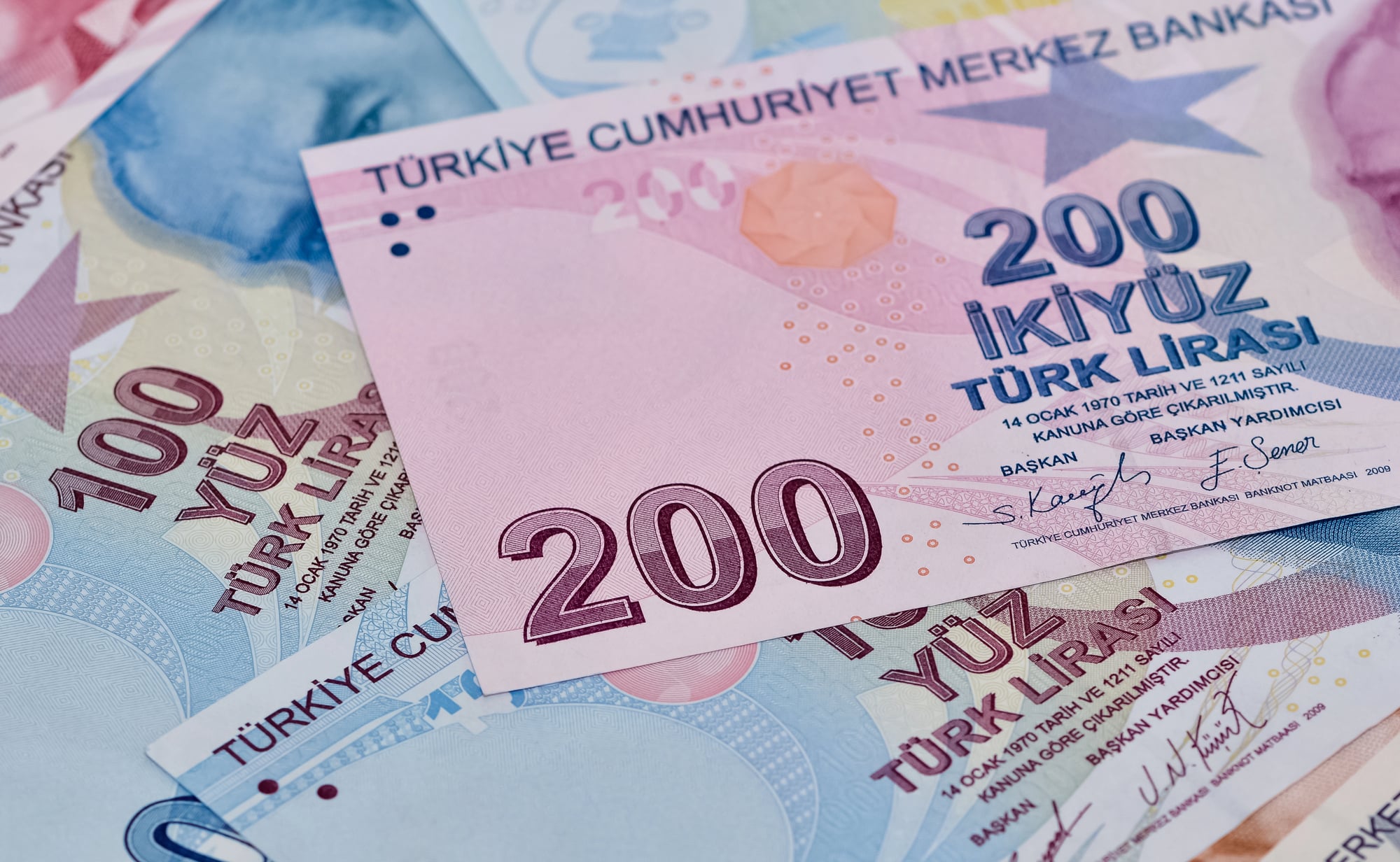
Turkey prohibits defacing or damaging its currency, but the law extends further than you might expect. Folding banknotes in certain ways, writing on them, or even excessive wear from normal use can technically violate the regulations.
More surprisingly, taking photos of Turkish currency and sharing them on social media can also cause legal problems.
The enforcement is inconsistent, but tourists have faced fines and legal complications for social media posts featuring Turkish lira.
The law exists to maintain respect for national symbols, but it creates unexpected pitfalls for visitors who don’t realize their vacation photos might be evidence of a crime.
When Rules Don’t Travel

These laws reveal something fundamental about travel that guidebooks rarely mention: context doesn’t cross borders with you. What feels natural, harmless, or obviously acceptable in one place can be genuinely offensive, legally problematic, or culturally tone-deaf in another.
The challenge isn’t just learning a different set of rules — it’s remembering that your assumptions about normal behavior are just that, assumptions, and they don’t automatically apply once you step off the plane in a foreign country.
More from Go2Tutors!

- The Romanov Crown Jewels and Their Tragic Fate
- 13 Historical Mysteries That Science Still Can’t Solve
- Famous Hoaxes That Fooled the World for Years
- 15 Child Stars with Tragic Adult Lives
- 16 Famous Jewelry Pieces in History
Like Go2Tutors’s content? Follow us on MSN.