15 Countries with the Most Surprisingly Diverse Languages
Think a country means one language? Think again! Behind official languages lurk hundreds of others nobody ever mentions in travel brochures. English, Mandarin, Spanish—sure, everybody knows those big shots. But dig deeper and you’ll find linguistic gold mines hiding in plain sight.
Maps lie. School textbooks lie. Those neat little country outlines with a language or two listed? Total oversimplification. Here’s the real deal: places where language diversity will blow your mind.
Papua New Guinea
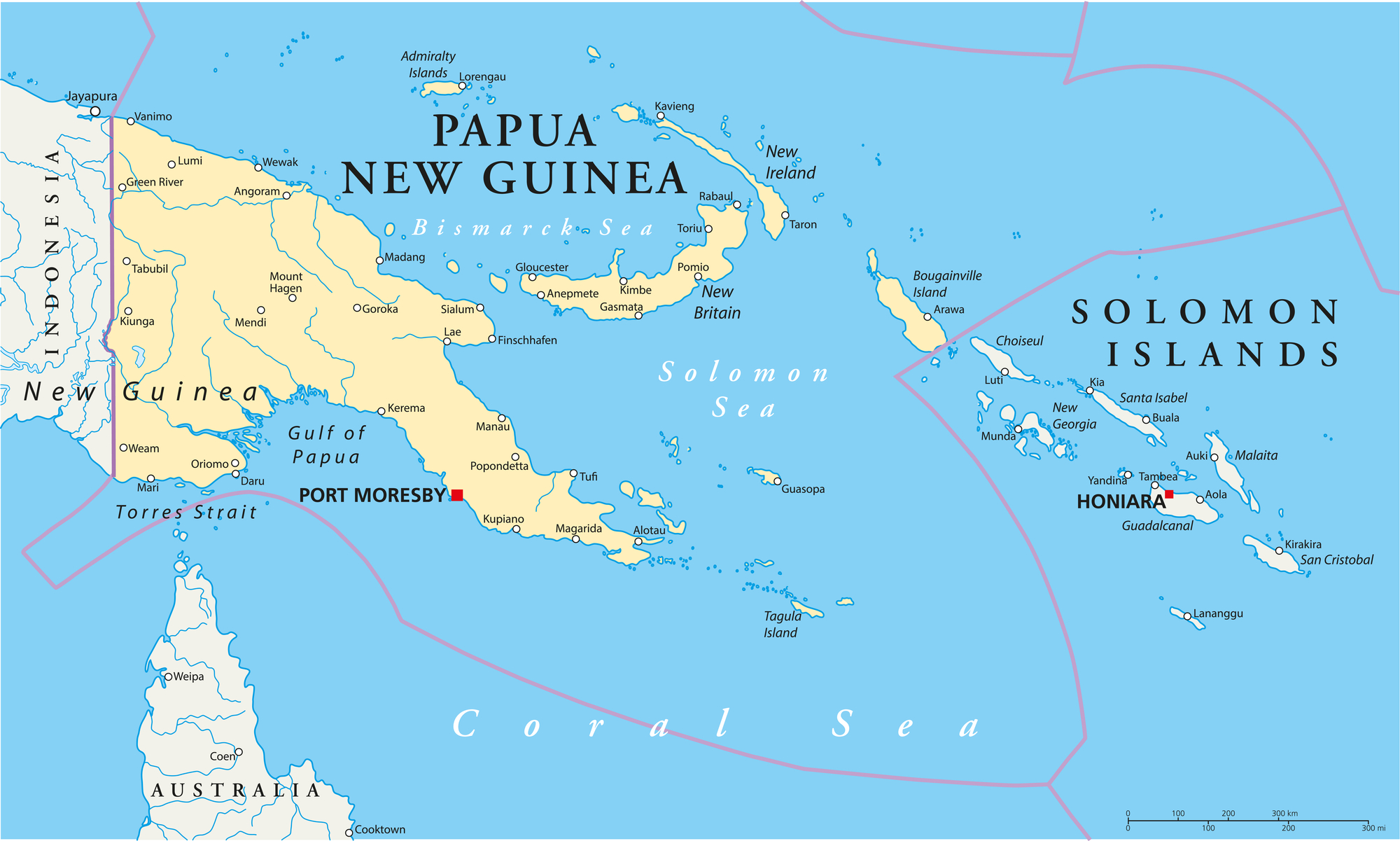
World champ for language density—no contest. Over 840 different languages somehow squeeze into this Pacific nation, most spoken by tiny communities under 1,000 people. Walk five miles down the road? New village, completely different language.
Mountains kept everybody isolated for millennia, so languages went crazy evolving in different directions. One language called Bukiyip even counts backward. Seriously.
Indonesia
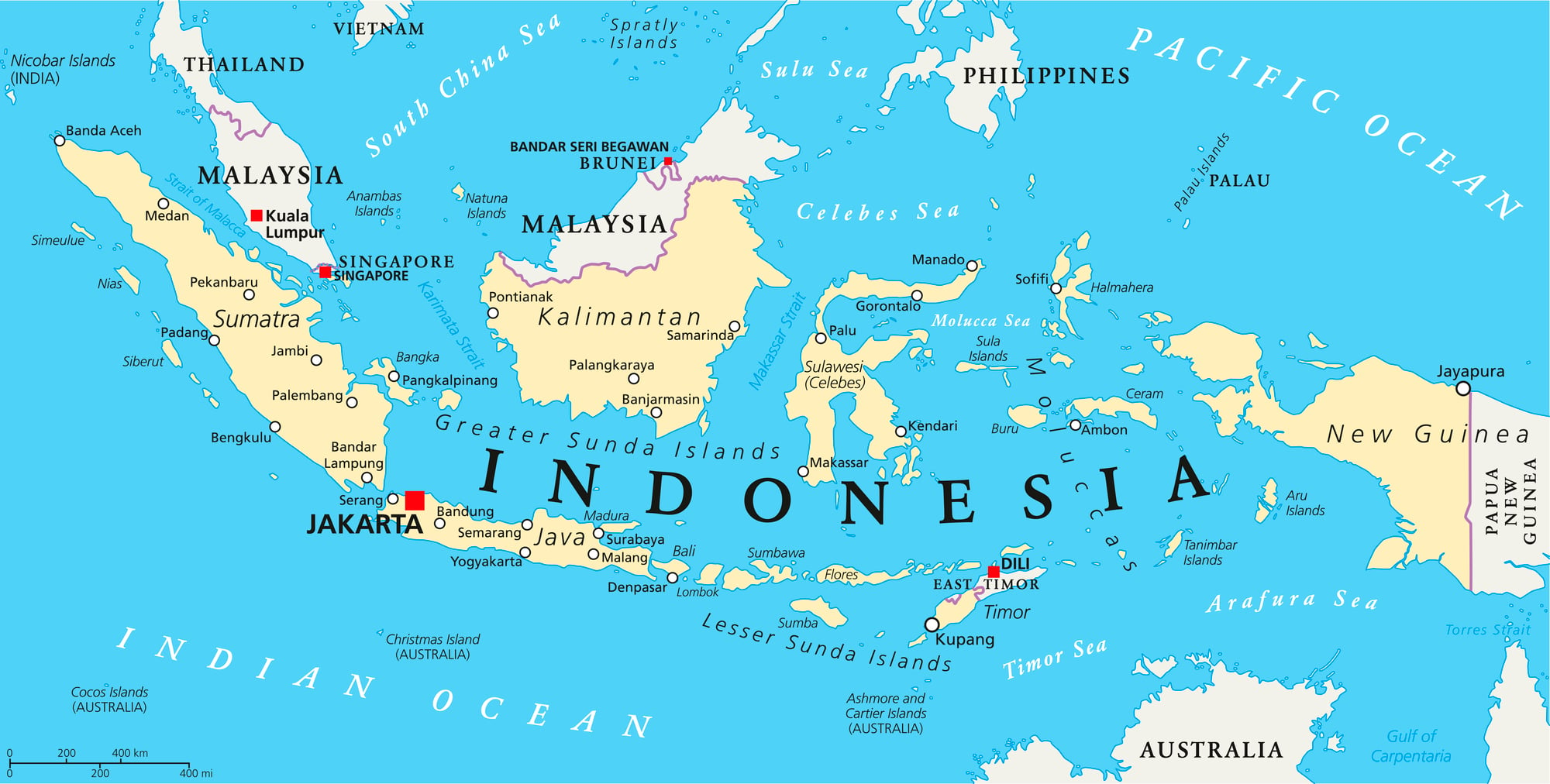
Islands—thousands of ’em—with over 700 languages scattered across. Most Indonesians grow up speaking their local language first, then learn the official Bahasa Indonesia later for school and government stuff.
The place sits right where two major language families collide—Austronesian and Papuan. Check out Toraja on Sulawesi island—they’ve got specialized words for every single tiny stage of growing rice. Their farming vocabulary makes English look primitive by comparison.
Nigeria
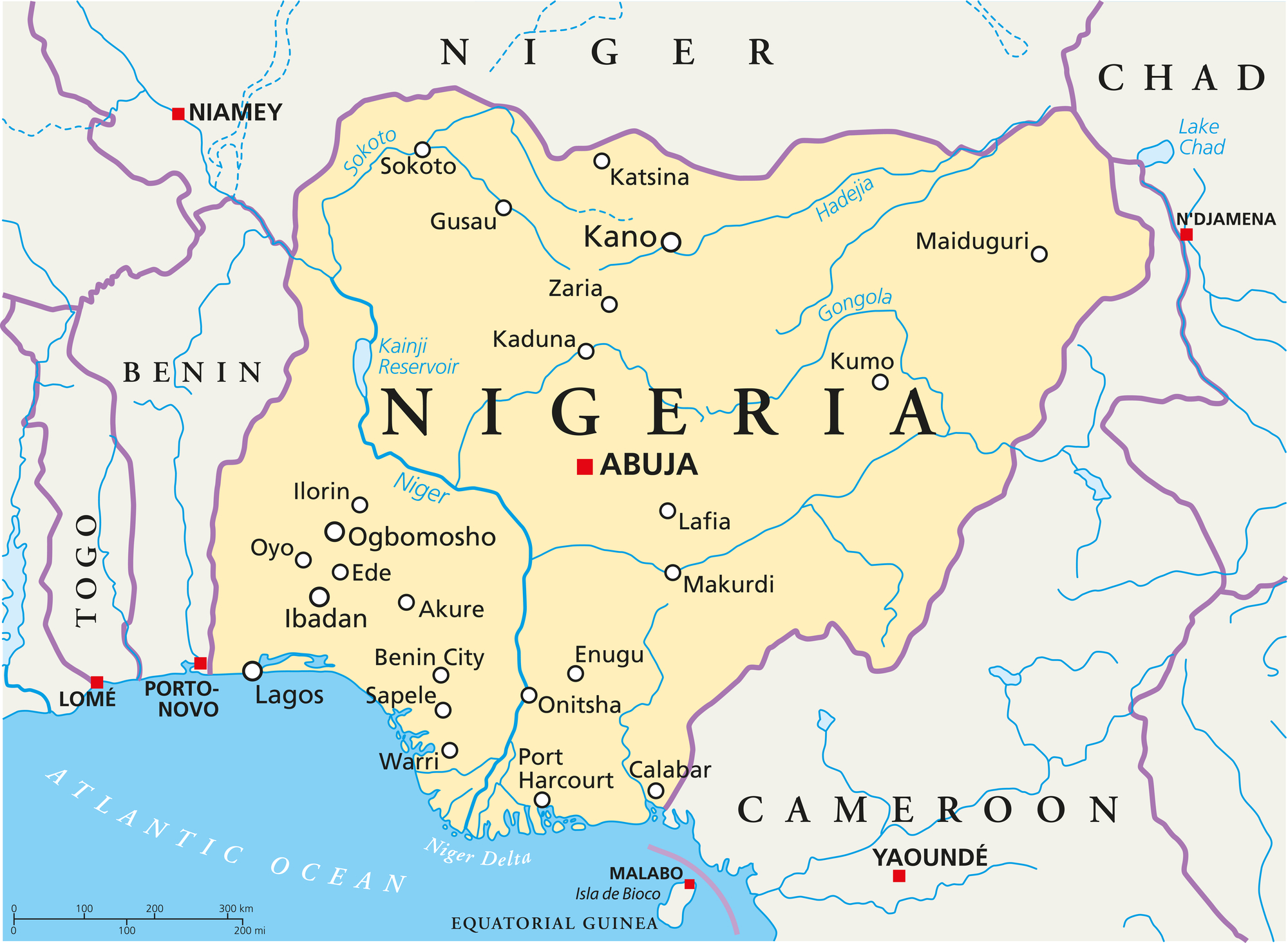
Africa’s language powerhouse packs in about 520 languages—more than anywhere else on the continent. Hausa, Yoruba, and Igbo dominate different regions, but hundreds of smaller languages refuse to die off.
Crazy thing about Igbo? Its tonal patterns get so mathematically complex that computer scientists study them. Some Nigerian languages use sounds most English speakers couldn’t pronounce after months of practice.
India
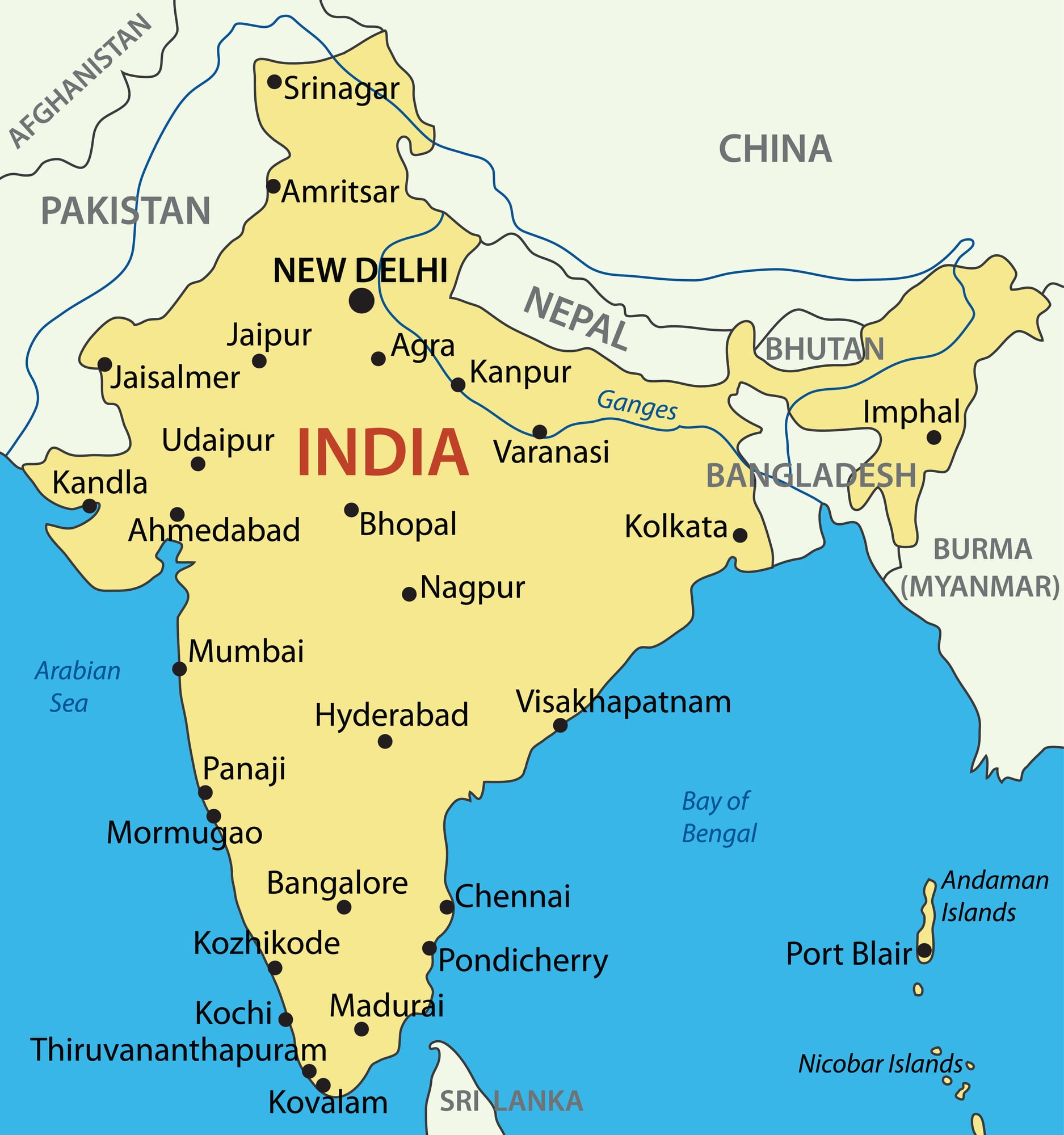
Hindi and English hog the spotlight, but India officially recognizes 22 languages in its constitution. The real number? Over 450 living languages across the country. Unlike Europe’s mostly related languages, India hosts six completely different language families.
Down south, Tamil and other Dravidian languages have been around since ancient times—with literature older than most European languages can claim. Up in the northeast, you’ll find languages more similar to Tibetan than anything in Delhi.
Mexico

Spanish everywhere, sure—but don’t overlook 68 indigenous language groups with 350+ variants still kicking. About 1.5 million people still speak Nahuatl—the Aztecs’ language. These native languages contain mind-bending concepts that Spanish and English can’t touch.
Zapotec has single words for emotional states that would take us full sentences to describe. The government finally started taking preservation seriously, pushing bilingual education to keep these languages alive.
Cameroon
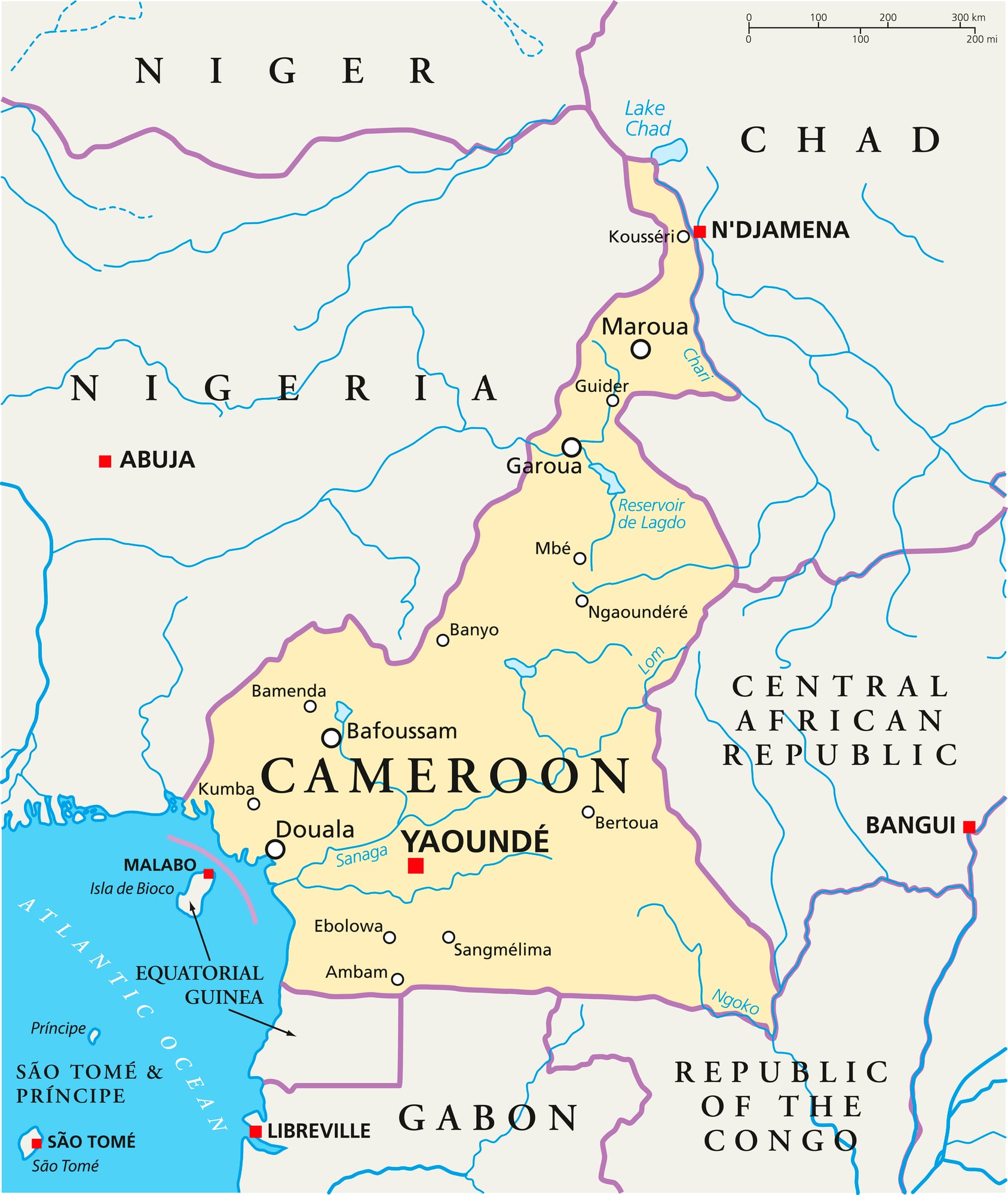
They call it ‘Africa in miniature’ because of all its ecosystems—but linguistically? Same deal. Around 280 distinct languages jam into borders where three major African language families smash together.
One language called Medumba throws whistling into regular speech to add emotional layers. Thanks to messy colonization, they ended up with both French and English as official languages, adding more chaos to an already jumbled linguistic map.
Australia
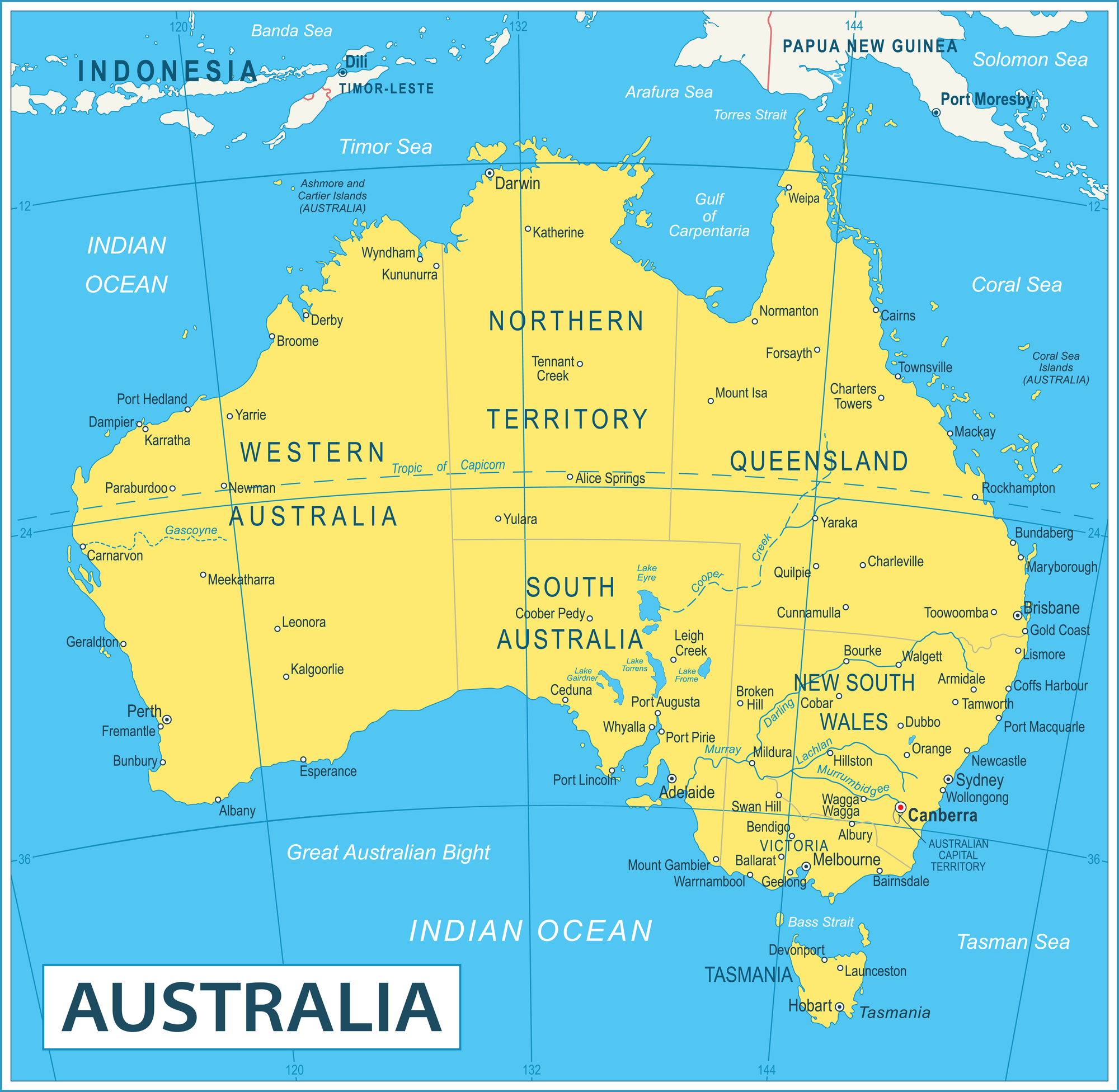
Aboriginal folks spoke 250 languages before Europeans showed up and wrecked everything. Only about 40 survived. These languages evolved in crazy isolation for 50,000+ years, developing features linguists never found anywhere else.
Damin was apparently the only known language on Earth using inward airflow as regular speech sounds. Many Aboriginal languages don’t even have words for left/right—they use absolute directions instead. “There’s a spider on your north arm” would be normal phrasing.
China
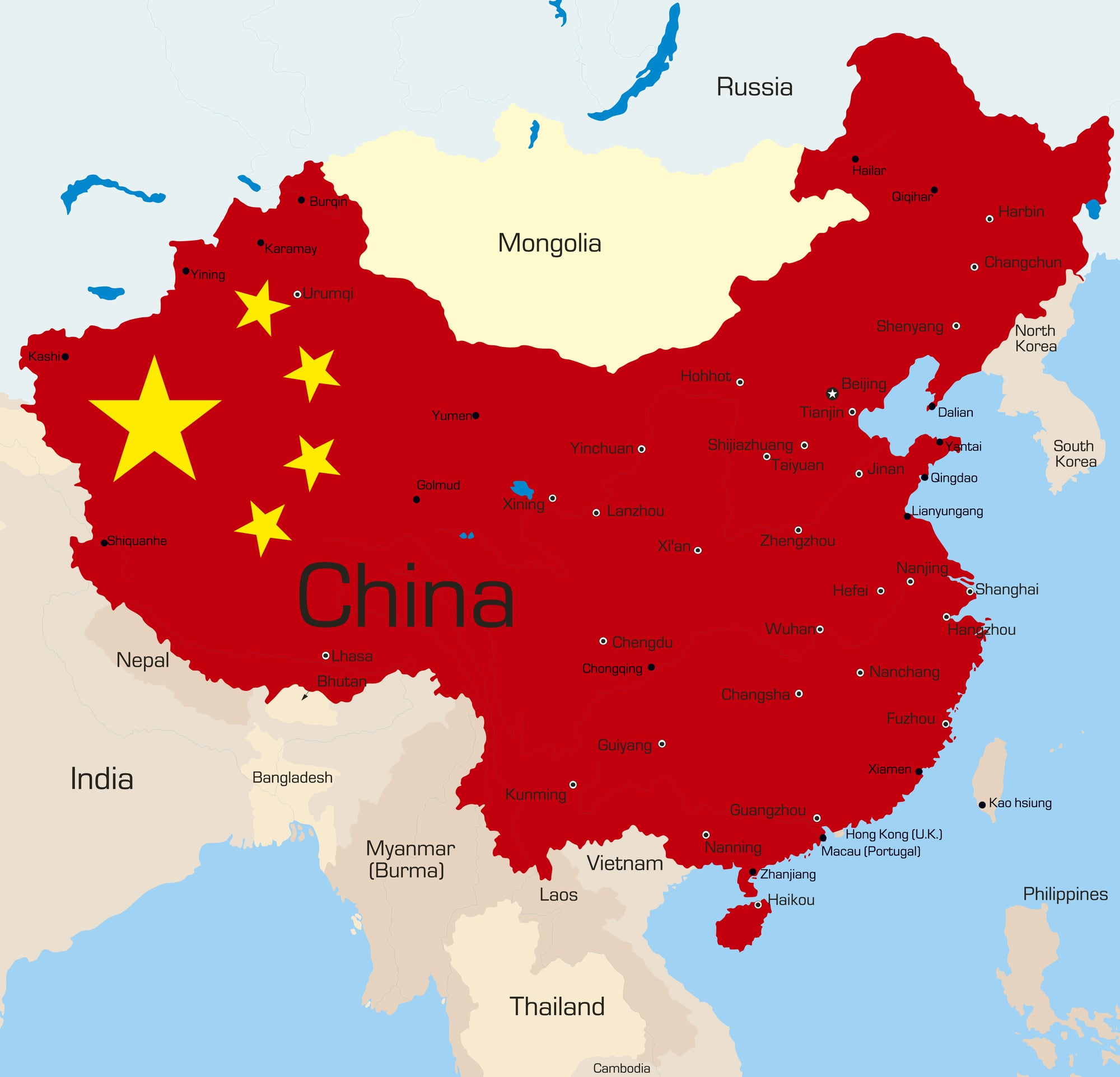
Everybody knows Mandarin, but China actually contains 302 living languages. Beyond famous ones like Cantonese and Shanghainese, China has languages from five entirely different language families.
The Mosuo people speak a language where grammar literally gives women higher status. Some minority groups use writing systems that look nothing like Chinese characters—completely unrelated scripts that developed separately.
Democratic Republic of Congo
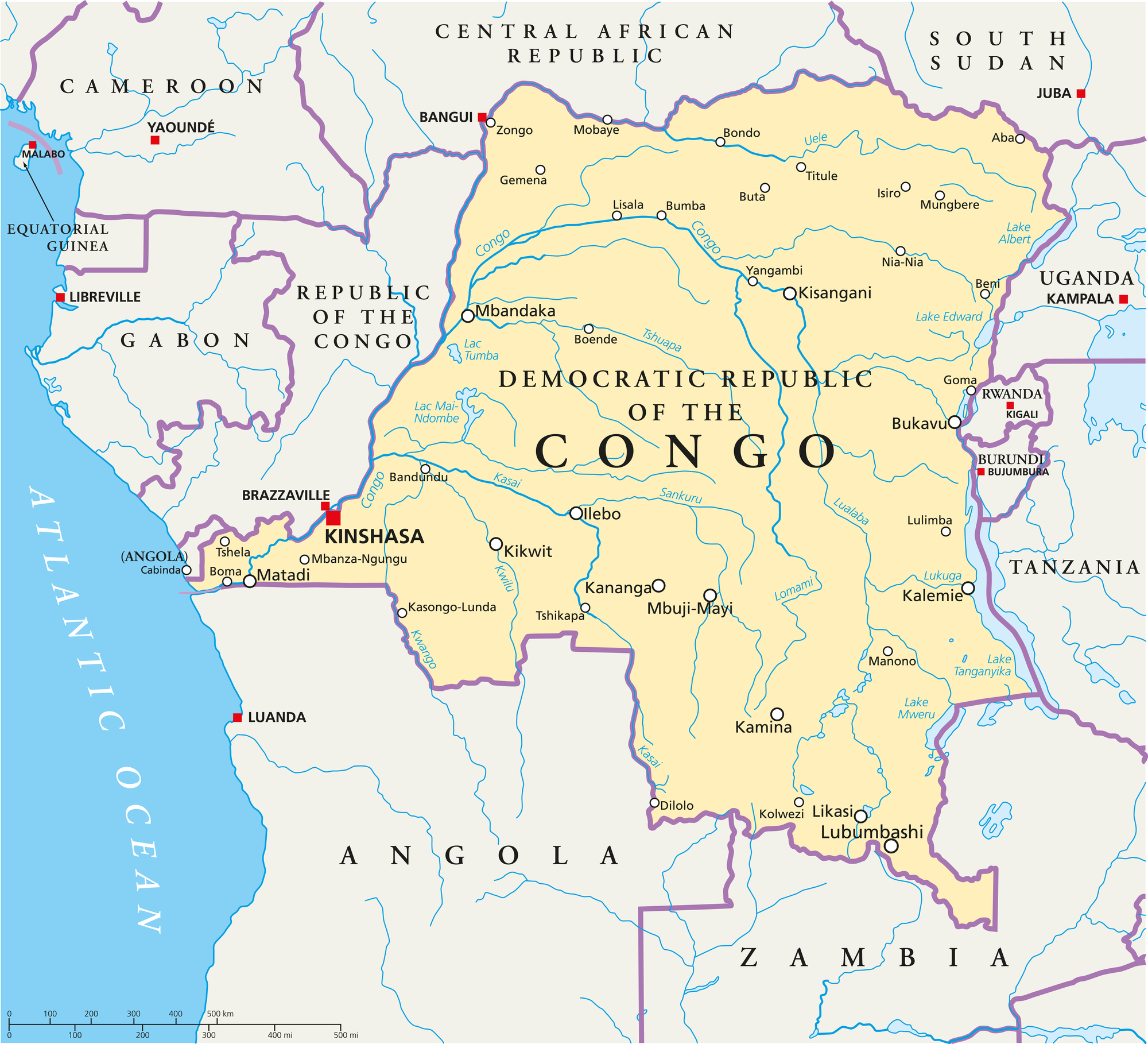
The massive DRC fits about 215 languages alongside four national languages plus French. The giant rainforest created natural barriers that kept communities apart for centuries.
Lingala started as a trade language along the Congo River and evolved into something complex enough to fuel entire music genres. Languages in remote forest areas have names for thousands of plants and their medicinal uses—knowledge Western science is still catching up with.
Philippines
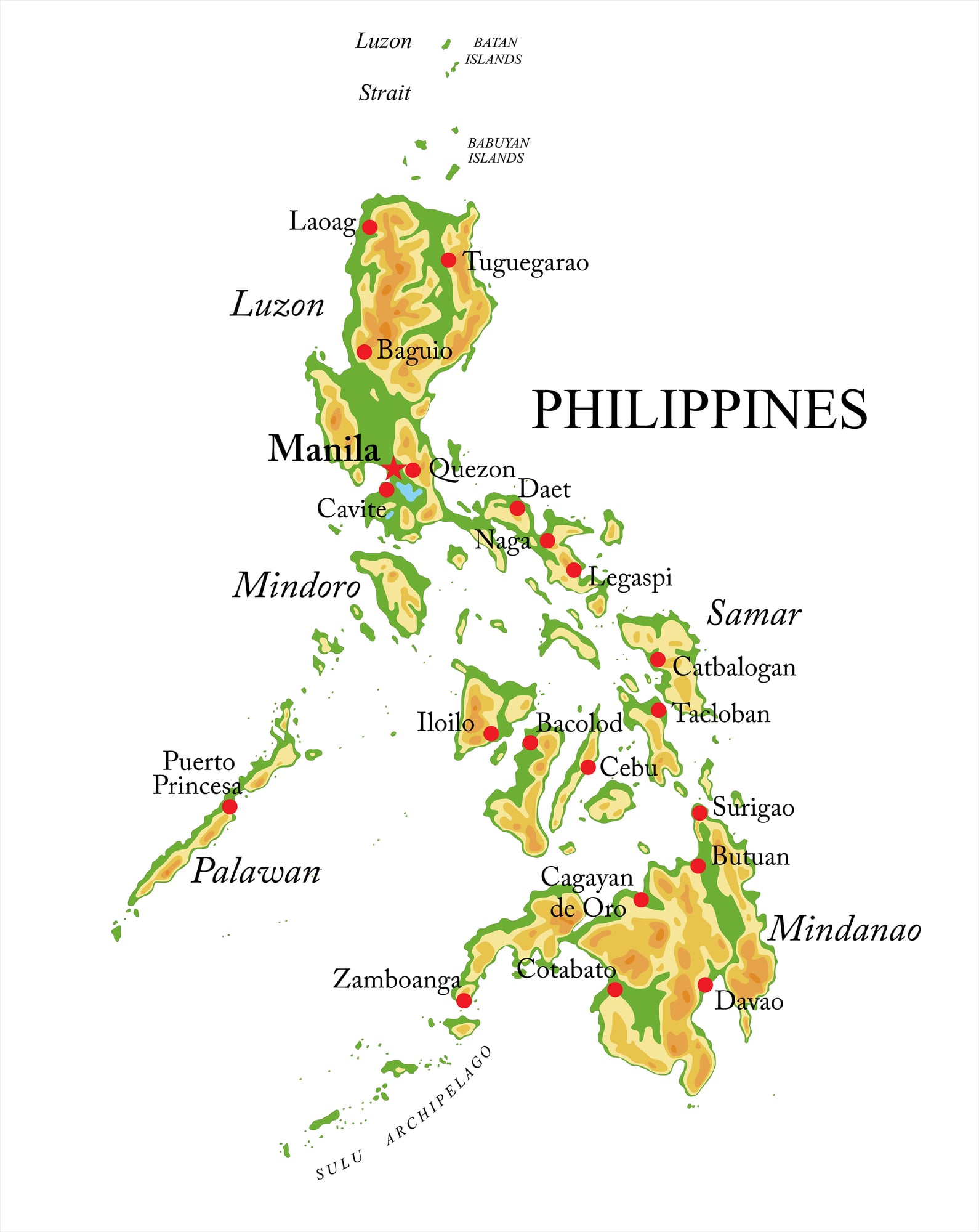
Island nation, 7,000+ islands, about 180 languages. Go figure. Filipino and English are official, but regional languages like Cebuano and Ilocano have millions of speakers.
The linguistic mess combines native tongues with leftovers from Spanish and American colonization. Tagalog has around 33,000 root words but can make countless combinations using an affix system so complex it gives language learners nightmares.
Malaysia
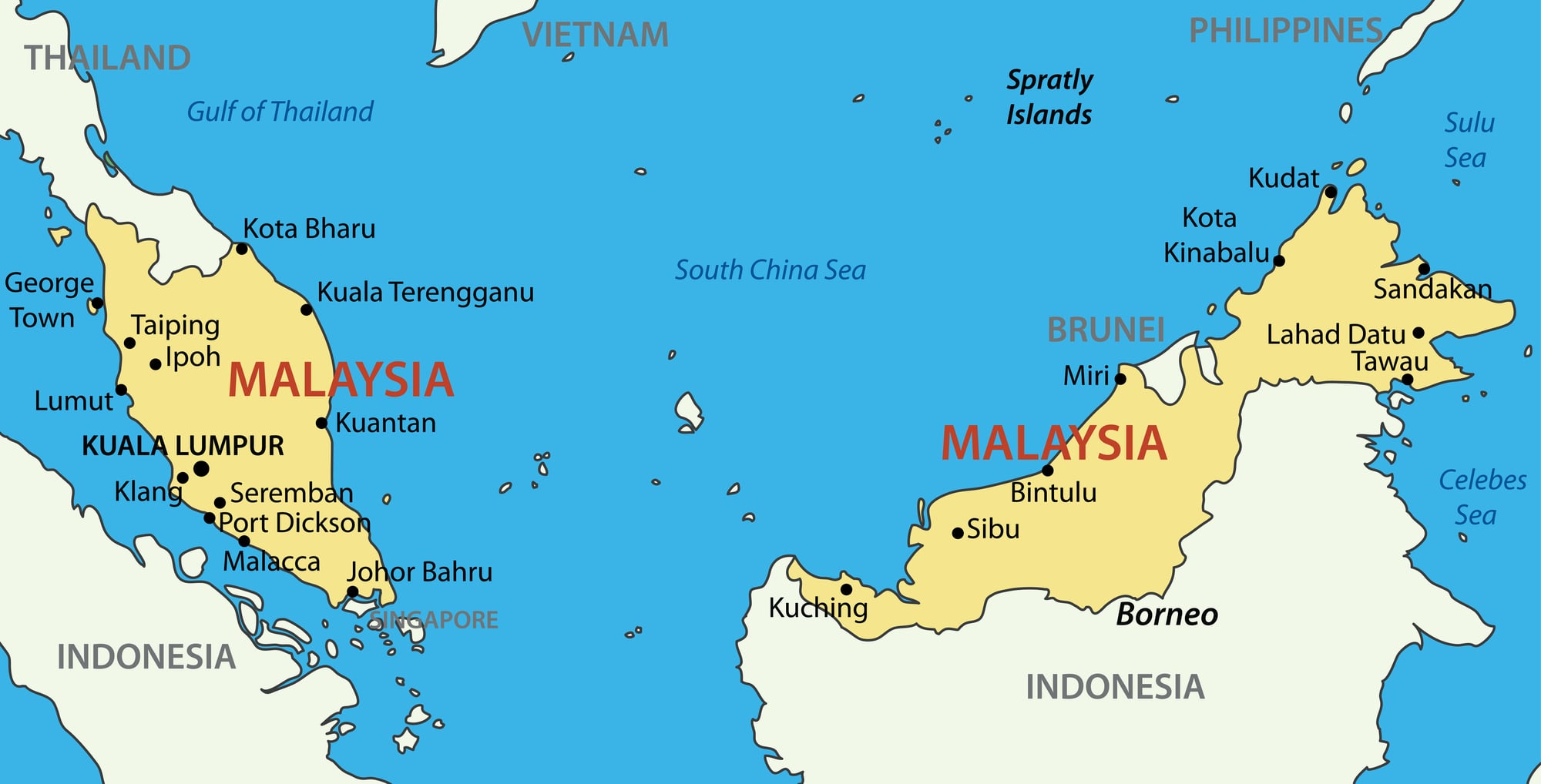
Tiny country, huge language count—134 living languages in a space smaller than New Mexico. Malay works as the glue holding things together, but tons of indigenous languages survive alongside Chinese and Indian language communities.
Rural Borneo’s Kelabit language changes vocabulary depending on who’s talking to who—social status determines word choice. City folks often switch between 3-4 languages mid-sentence without even noticing they’re doing it.
Nepal
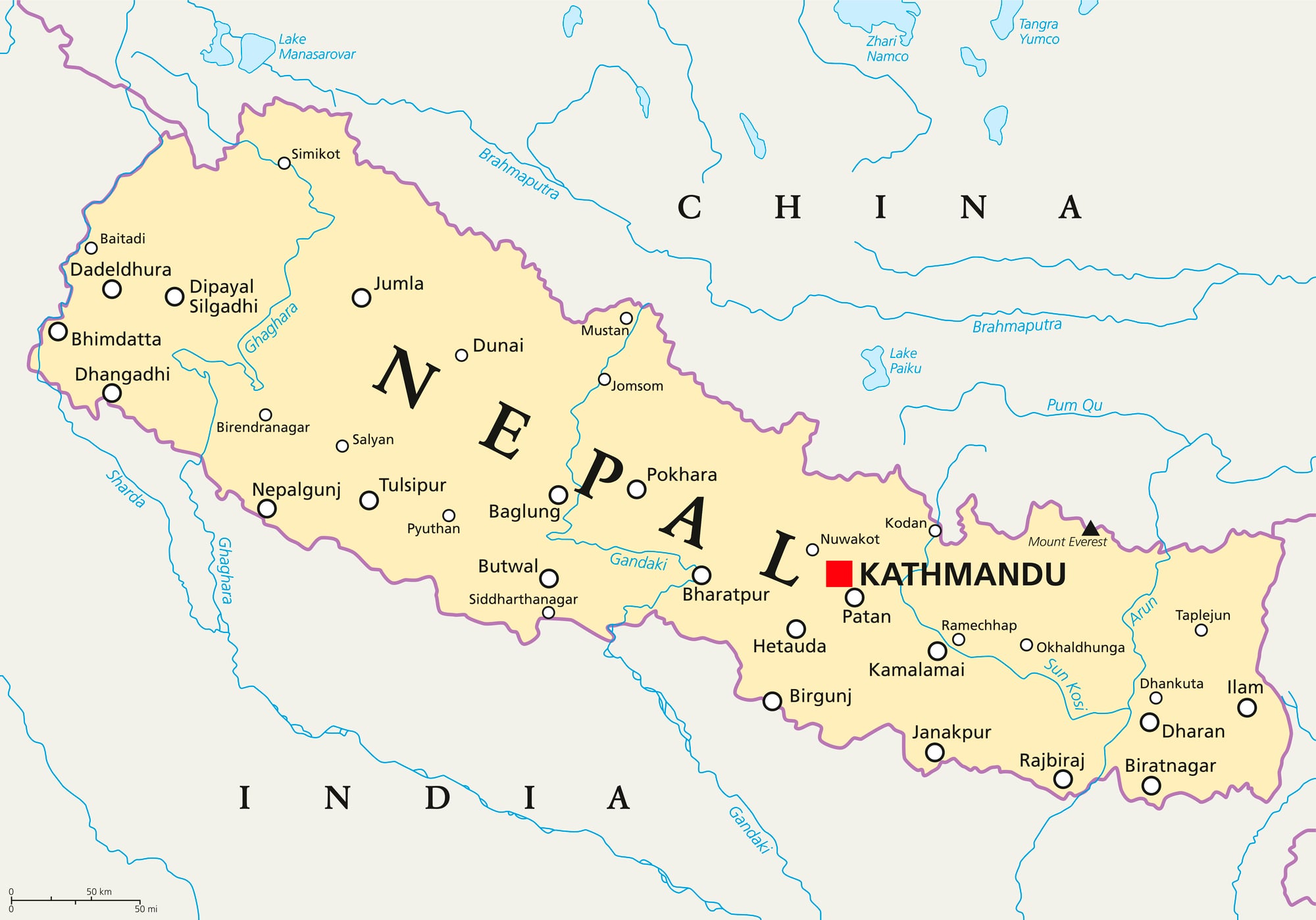
Tiny mountain nation, 124 languages, area smaller than Michigan. Vertical terrain created isolated valleys where languages evolved separately for centuries. Nepali dominates officially, but languages from four major families thrive at different altitudes.
Kusunda remains a total mystery—a language isolate with no known relatives anywhere, nearly went extinct before recent revival efforts. Many mountain languages have dozens of words for snow conditions—knowing the right term can literally mean life or death.
Russia
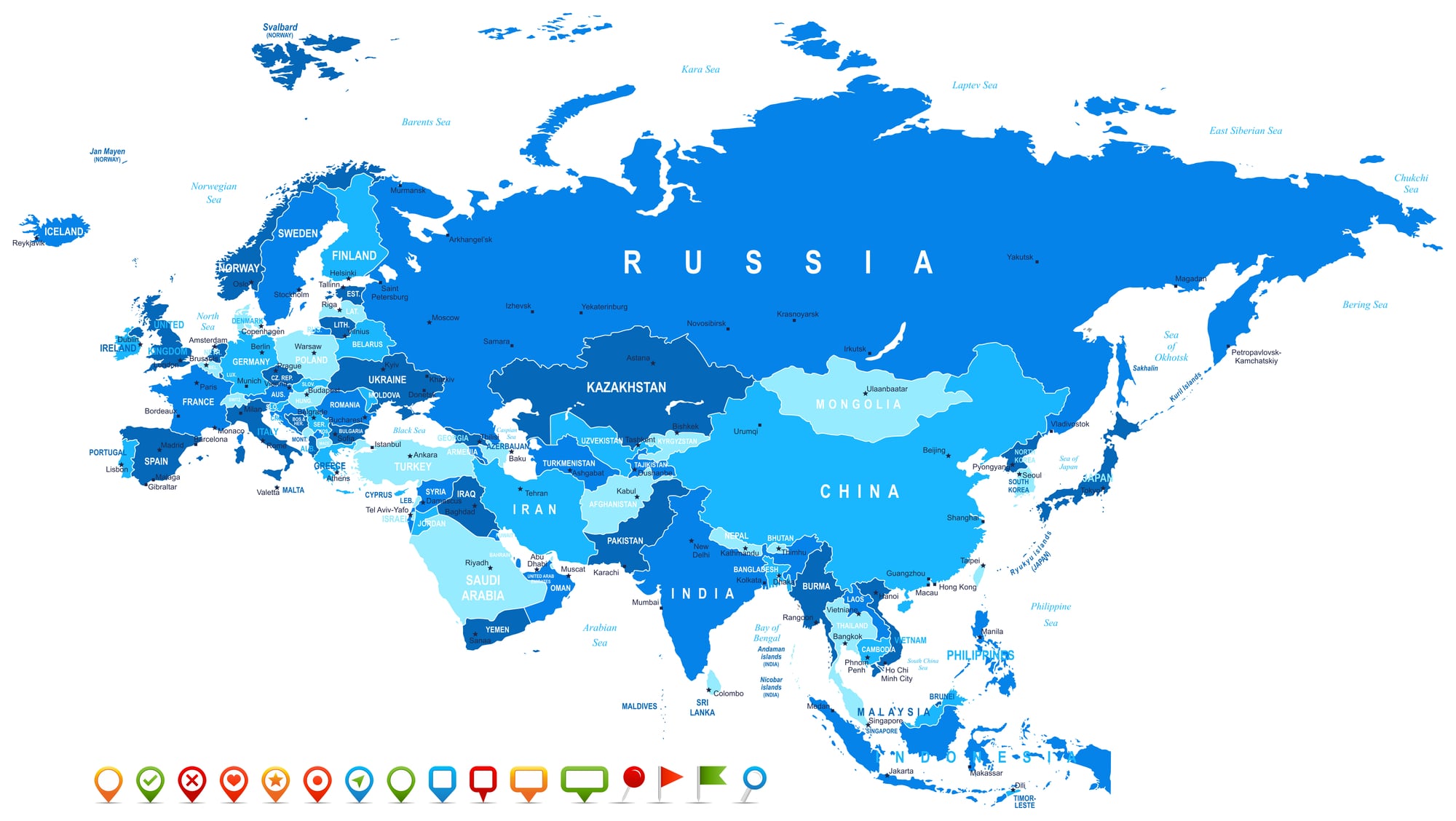
Russian dominates, obviously, but 105 minority languages span this massive country’s 11 time zones. West to east you’ll find Finno-Ugric languages, then Turkic ones in the middle, then indigenous Siberian languages stretching to the Pacific.
Chukchi speakers must grammatically specify how they know any information they share—grammar forces them to distinguish firsthand knowledge from hearsay. Some northern languages have crazy-specific terminology for ice conditions that sound redundant to outsiders but contain survival information for locals.
Myanmar
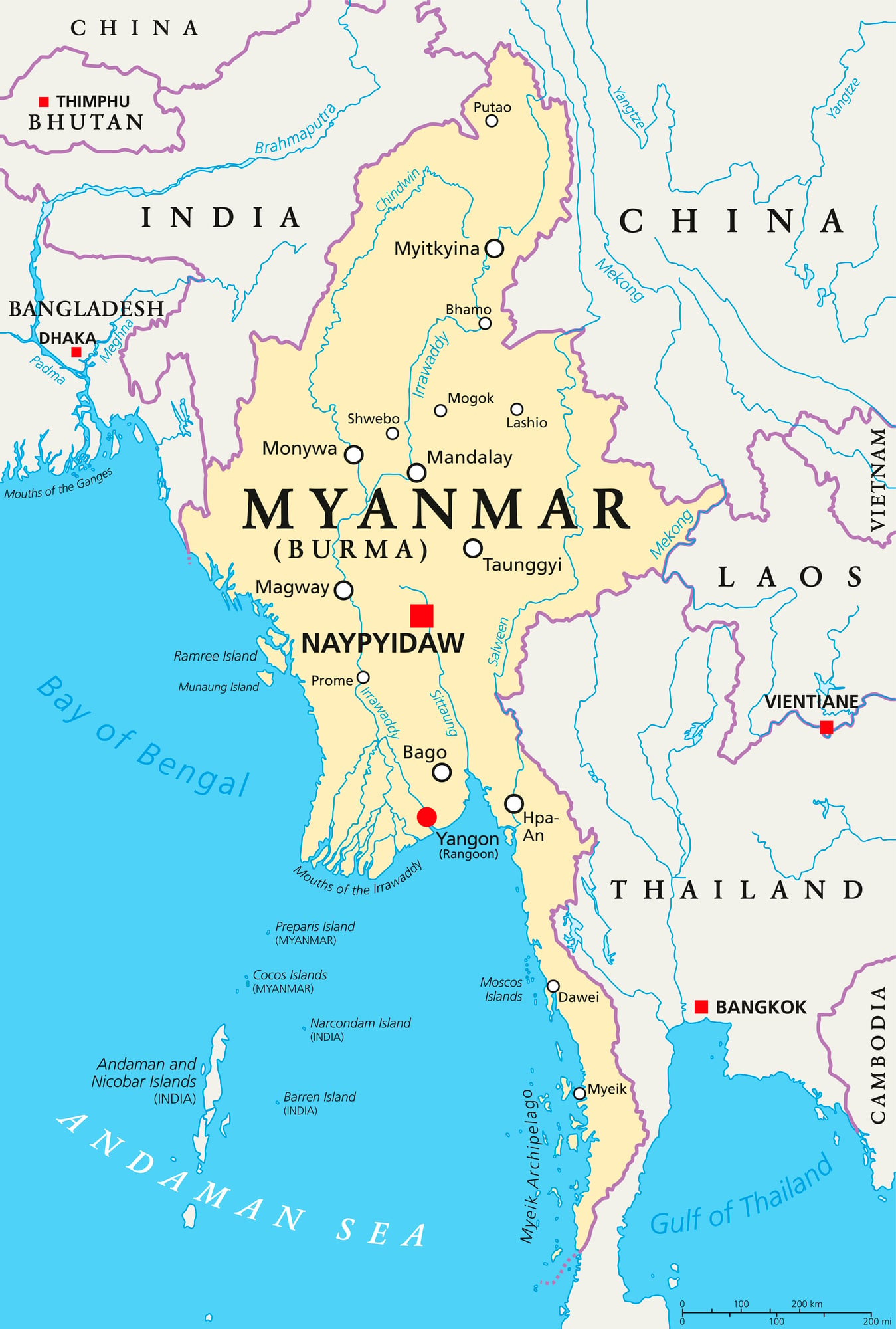
About 110 languages fill Myanmar, sitting at this weird crossroads where South, East, and Southeast Asia all meet. Burmese dominates, but languages from five distinct families somehow coexist.
The Padaung developed special vocabulary for weaving techniques nobody else documented. Sometimes linguists find old manuscripts in remote monasteries describing languages that vanished everywhere else centuries ago.
Brazil
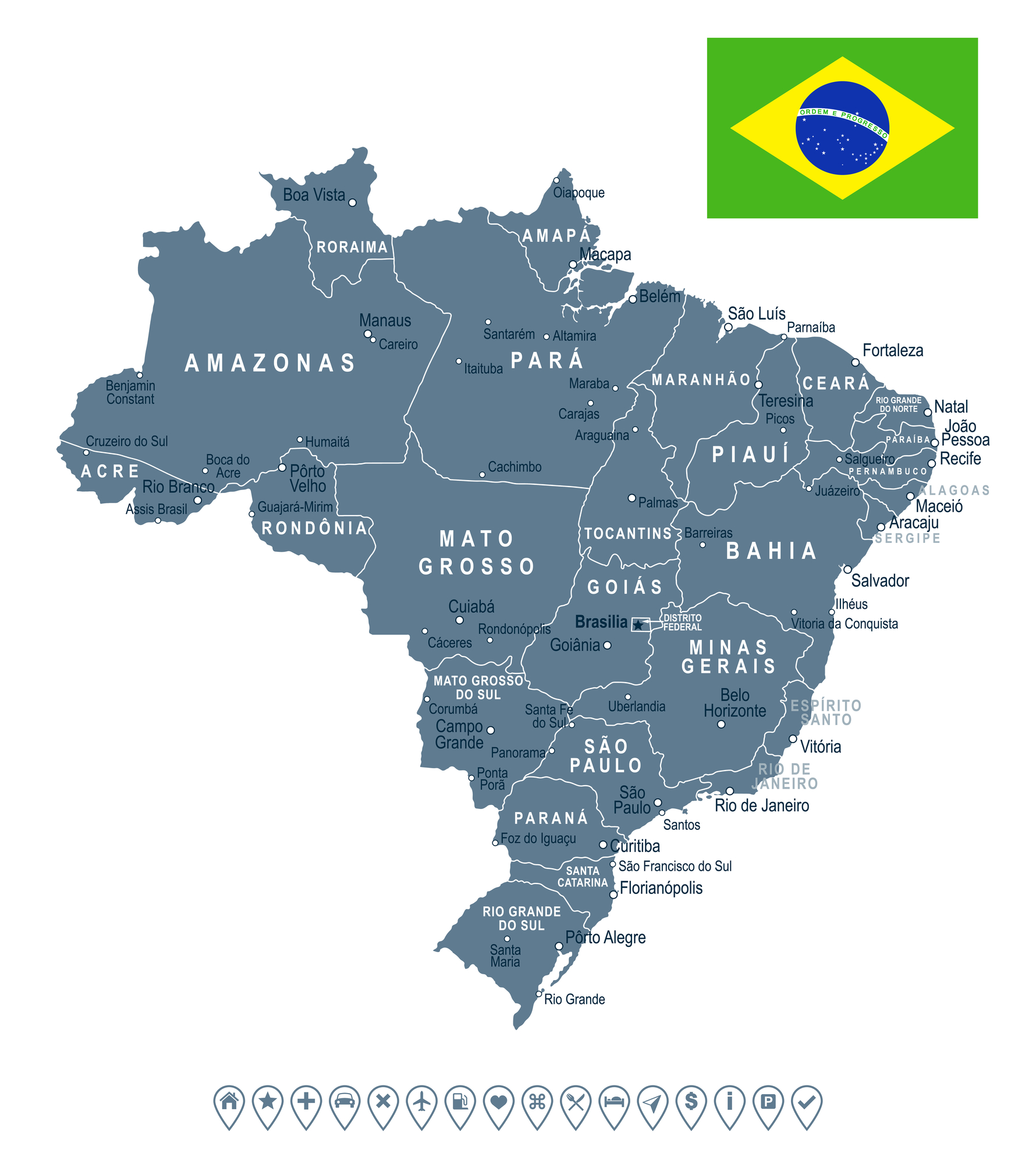
Portuguese steamrolled most indigenous languages, but roughly 180 native tongues still hang on in the Amazon region. Most count fewer than 1,000 speakers—endangered doesn’t begin to describe it.
Pirahã became famous when linguists claimed it had no numbers or recursive structures—claims other researchers hotly dispute. Several Amazonian languages categorize forest ecosystems with sophistication that makes modern scientific classification look simplistic and clumsy.
Why This Actually Matters
Language diversity isn’t just some academic curiosity—it’s human heritage disappearing before our eyes. Globalization keeps pushing smaller languages toward oblivion, with experts predicting half the world’s 7,000+ languages won’t survive this century.
When languages die, we lose entirely different ways of understanding reality, not just different words for the same things. Next time somebody acts like countries have neat, tidy linguistic boundaries, remember the messy truth: human communication evolved through thousands of different paths, each reflecting unique environments, histories, and values. Each language lost takes with it irreplaceable knowledge systems, cultural memories, and ways of seeing the world that once gone, can never be recovered.
More from Go2Tutors!

- The Romanov Crown Jewels and Their Tragic Fate
- 13 Historical Mysteries That Science Still Can’t Solve
- Famous Hoaxes That Fooled the World for Years
- 15 Child Stars with Tragic Adult Lives
- 16 Famous Jewelry Pieces in History
Like Go2Tutors’s content? Follow us on MSN.