Quirky Foods Tied to Ancient Civilizations
Walk through any modern grocery store and you’ll find foods from around the world. But some of the strangest things people eat today actually started thousands of years ago.
Ancient civilizations came up with food combinations and preparation methods that seem bizarre now, yet many survive in some form. These weren’t just survival tactics—they reflected culture, religion, and creativity in ways that shaped how entire societies lived.
Fermented Fish Sauce That Fueled Rome
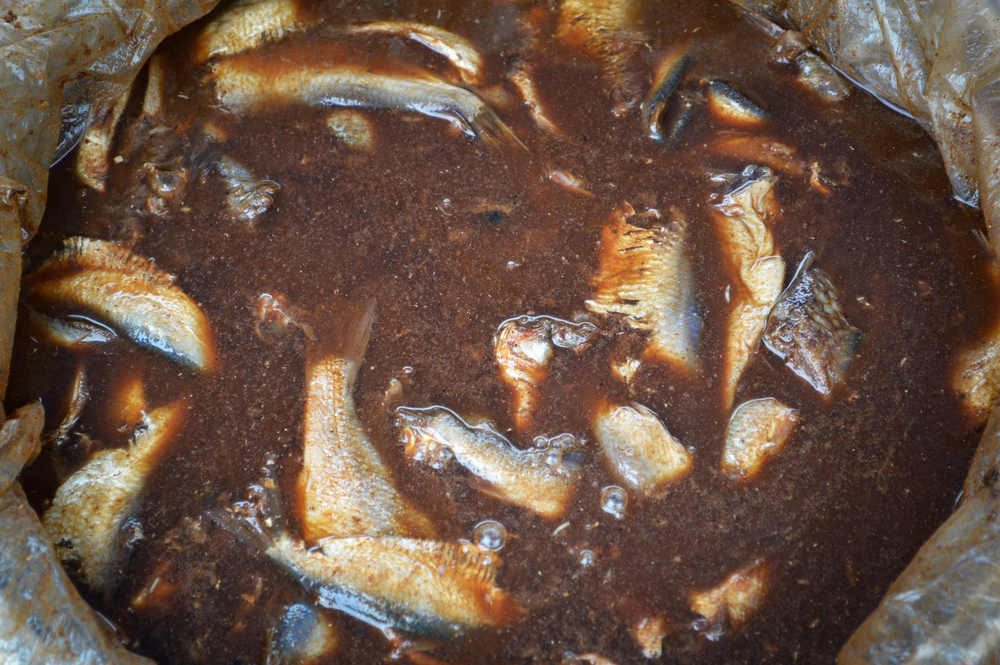
Romans loved garum more than almost any other condiment. This fermented fish sauce took months to make, involving whole fish left to decompose in salt under the sun.
The smell during production was so overwhelming that garum factories had to operate outside city limits. But Romans put it on everything.
Vegetables, meat, bread, even desserts. The wealthiest families paid enormous sums for premium versions made from specific fish like mackerel.
Recipes for garum appeared in nearly every Roman cookbook that survived, and archaeologists still find remnants of it in ancient shipwrecks across the Mediterranean.
Egyptian Bread Filled With Sand
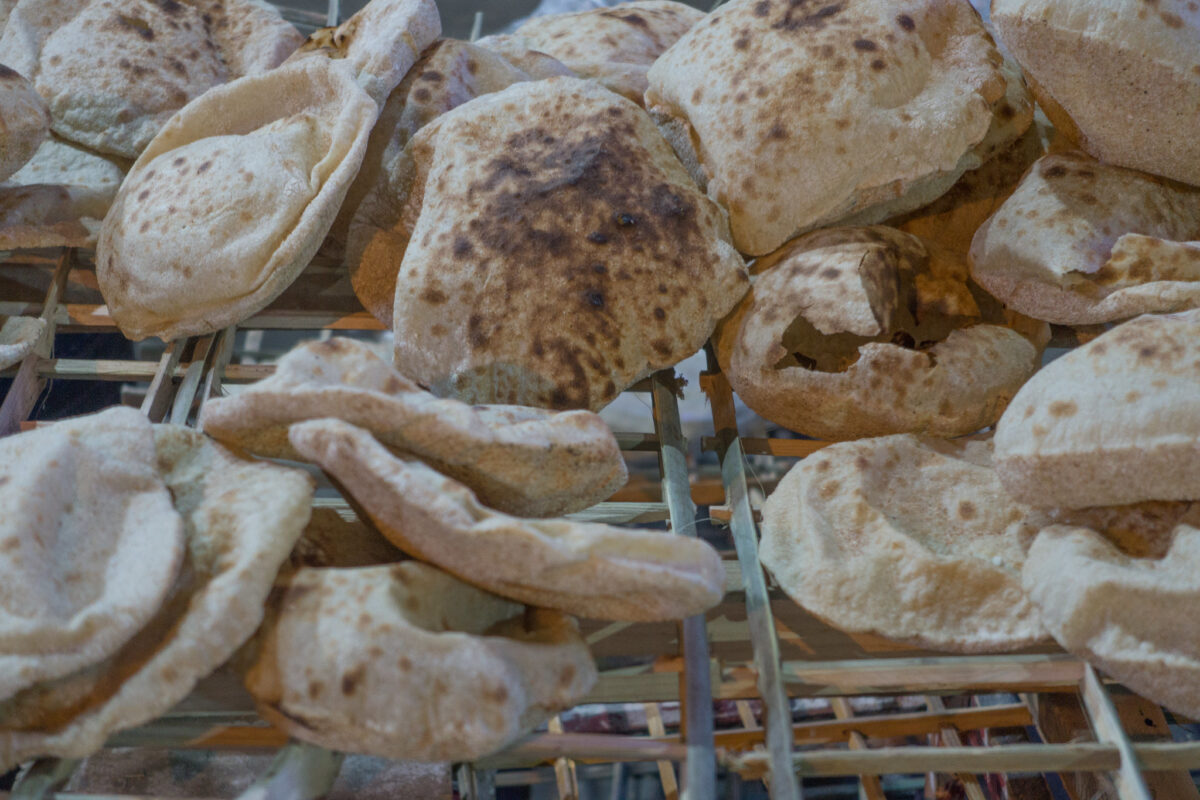
Ancient Egyptians ate bread at every meal. The problem? Their flour contained so much sand and grit from stone grinding wheels that it wore down their teeth.
By age 30, most Egyptians had severely damaged molars. They knew about the sand problem but kept making bread the same way.
Bread held such cultural importance that they couldn’t imagine changing the process. Pharaohs were buried with loaves for the afterlife, and workers received bread as payment.
That sandy texture became part of what bread meant to them.
Blood Sausage in Ancient Greece
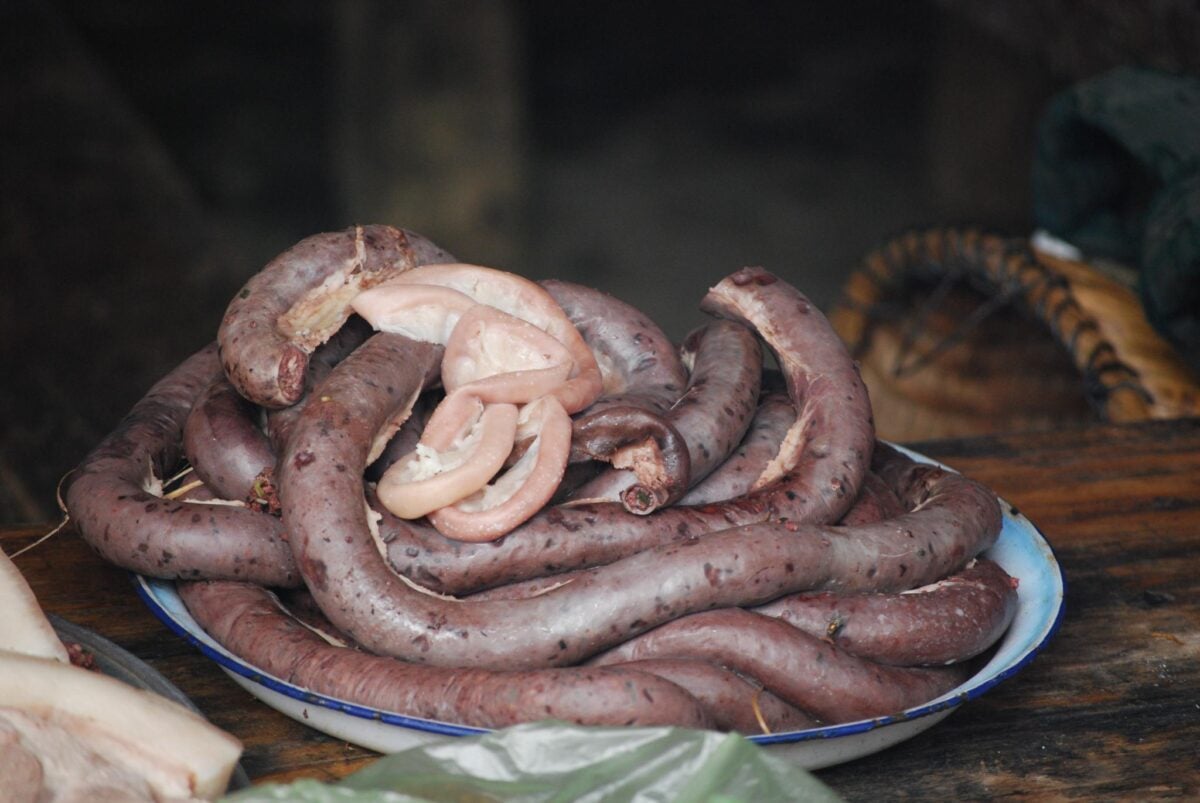
Greeks filled intestines with blood, fat, and grain to create blood sausage. The playwright Epicharmus mentioned it in 500 BCE, calling it a delicacy worth celebrating.
Different regions added local herbs and spices, but the base recipe stayed consistent—animal blood mixed with whatever fillers were available. This wasn’t just peasant food. Wealthy Greeks served blood sausage at symposiums alongside wine and philosophical discussion.
The preparation required skill to get the right consistency, and cooks who mastered it earned respect in their communities.
Dormice Fattened in Clay Pots

Romans raised dormice in special clay pots called gliraria. These containers had air pits and interior ramps where the small rodents could exercise.
Owners fed them nuts and acorns until the dormice reached the perfect weight for roasting. A proper dormice feast involved honey and poppy seeds.
Cooks stuffed the tiny animals with ground meat and herbs before cooking. One surviving recipe from Apicius, a Roman cookbook, describes seven different ways to prepare them.
The practice was so common that archaeologists regularly find gliraria fragments at villa sites across Italy.
Mayan Chocolate Drinks Mixed With Chili

Ancient Mayans drank chocolate cold and spicy. They ground cacao beans into paste, mixed it with water, then added chili peppers and cornmeal.
The drink was bitter, nothing like modern hot chocolate. Mayan nobles drank this mixture during ceremonies and important meetings.
The foam mattered more than the liquid—servers poured the drink from height repeatedly to create thick foam on top. Cacao beans were so valuable that people used them as currency.
You could buy a rabbit for 10 beans or a slave for 100. The chili addition wasn’t random.
Mayans believed the spice activated the cacao’s spiritual properties and made the drink more potent for religious rituals.
Chinese Century Eggs Preserved in Clay

Century eggs take weeks to make. Fresh duck, chicken, or quail eggs get packed in a mixture of clay, ash, salt, quicklime, and rice hulls.
The alkaline environment transforms the egg completely. The white turns dark brown and jelly-like.
The yolk becomes creamy and green-grey with a strong ammonia smell. Chinese people have eaten these eggs for over 600 years, though some sources trace the method back even further.
The preservation technique developed during the Ming Dynasty when someone discovered that eggs stored in alkaline clay didn’t spoil. The resulting flavor is intense—salty, creamy, and pungent.
Modern versions still follow the traditional method, though some producers speed up the process. The eggs need no refrigeration and can last months.
Viking Fermented Shark
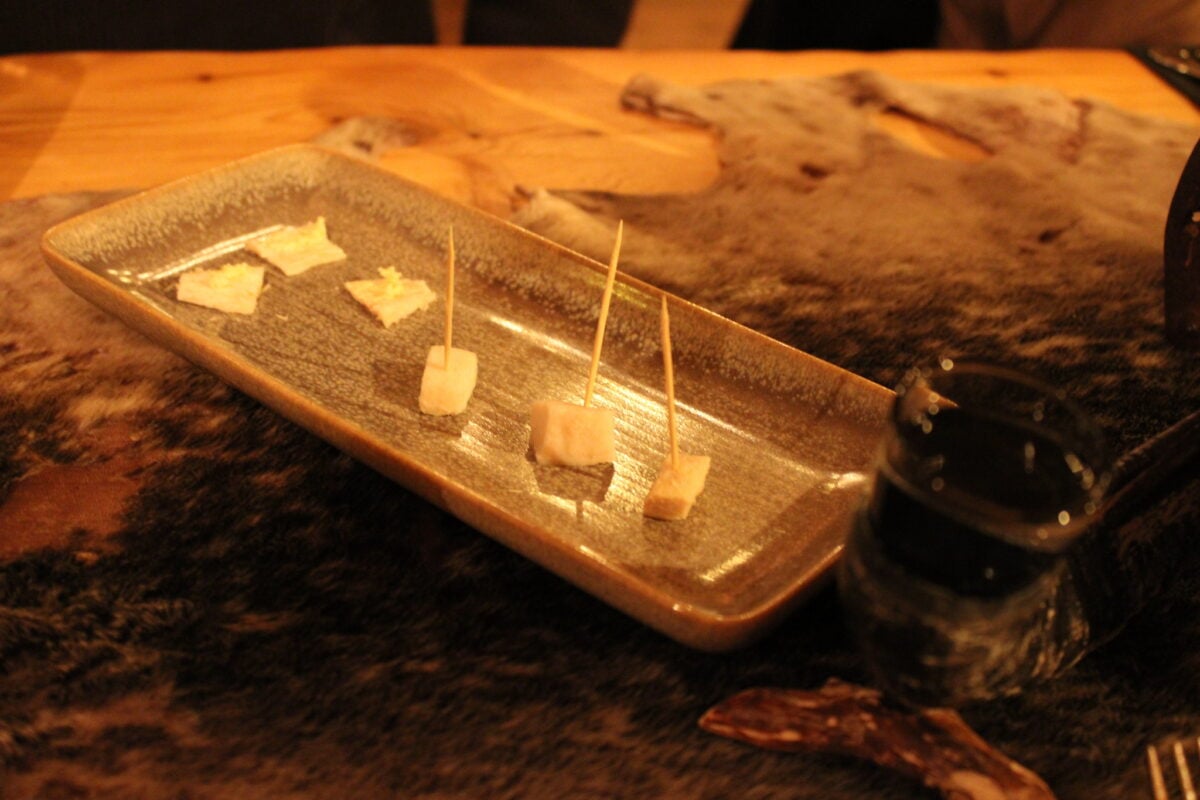
Icelanders inherited this dish from Viking settlers. Fresh Greenland shark is toxic because it contains high levels of urea and trimethylamine oxide.
Fermenting it underground for months breaks down these toxins and makes the meat safe to eat. The process involves burying shark meat in gravel, covering it with stones, and leaving it for 6-12 weeks.
Then the meat hangs to dry for several more months. The smell is overwhelming—ammonia so strong it makes eyes water.
Vikings developed this method because Iceland lacked salt for preservation. They had to find creative ways to store protein through harsh winters.
The fermented shark, called hákarl, became a test of strength and a connection to their heritage.
Aztec Algae Cakes From Lake Texcoco
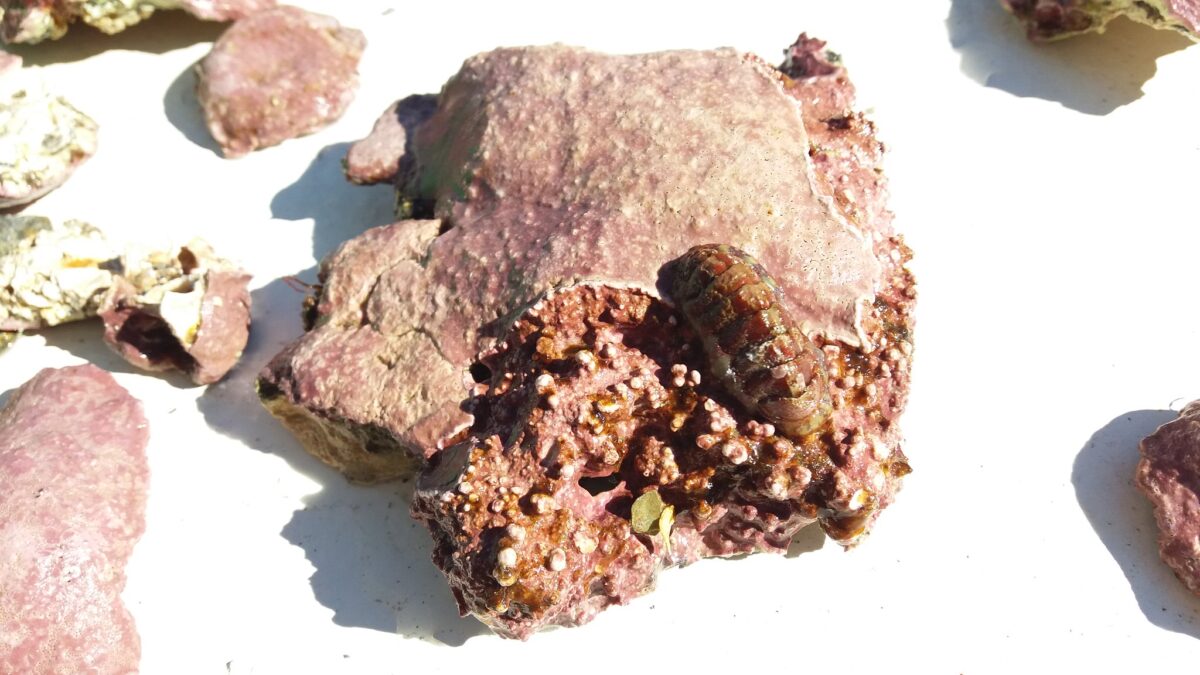
Aztecs harvested spirulina algae from Lake Texcoco and formed it into cakes. The algae provided protein in a region where large animals were scarce.
Spanish conquistadors described seeing Aztecs gather the blue-green substance with fine nets, then dry it into bars. These cakes, called tecuitlatl, were sold in markets throughout Tenochtitlan.
People ate them plain, mixed them into stews, or combined them with corn. The algae grew so abundantly that harvesting barely impacted the lake’s ecosystem.
After the Spanish conquest, this practice largely disappeared. The lake became polluted and the tradition faded.
But spirulina is nutritionally impressive—over 60% protein by weight with essential vitamins and minerals.
Mesopotamian Beer Drunk Through Straws

Sumerians brewed beer as early as 4000 BCE. Their beer was thick, chunky, and filled with grain sediment.
Drinking it directly meant getting a mouthful of solid bits, so they used long reed straws. Archaeological sites contain images of people sitting around beer jars, each with their own straw.
Beer was so important that Sumerians had a goddess dedicated to it—Ninkasi. The “Hymn to Ninkasi” is actually a recipe disguised as a prayer. Everyone drank beer because water sources were often contaminated.
Workers received beer rations as part of their wages. The brewing process killed bacteria, making beer safer than water while providing nutrition and calories.
Celtic Bog Butter Buried For Flavor
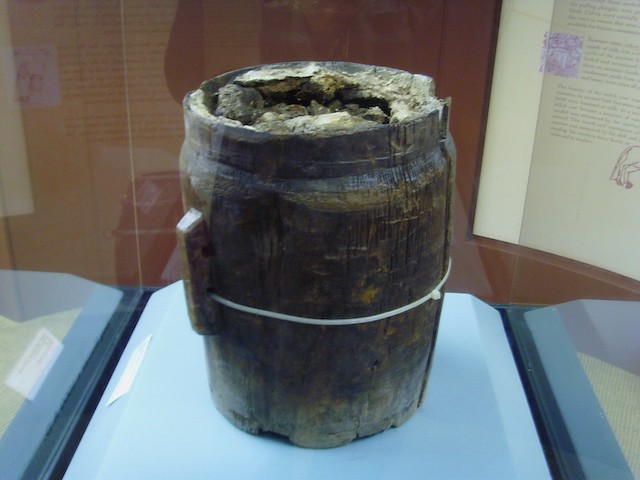
Ancient Celts wrapped butter in cloth or bark and buried it in peat bogs. The cold, anaerobic environment preserved it for years.
Some people did this for storage, but others believed burying butter improved its flavor. Archaeologists keep finding these butter deposits—some over 2,000 years old.
The peat preserves the fat so well that researchers can still identify it as butter. One sample weighed 77 pounds.
The practice might have been practical or ritual. Some historians think Celts buried butter as offerings to gods.
Others argue it was simply the best preservation method available in a damp, cool climate where butter would otherwise spoil quickly.
Japanese Fermented Soybeans With Sticky Strings
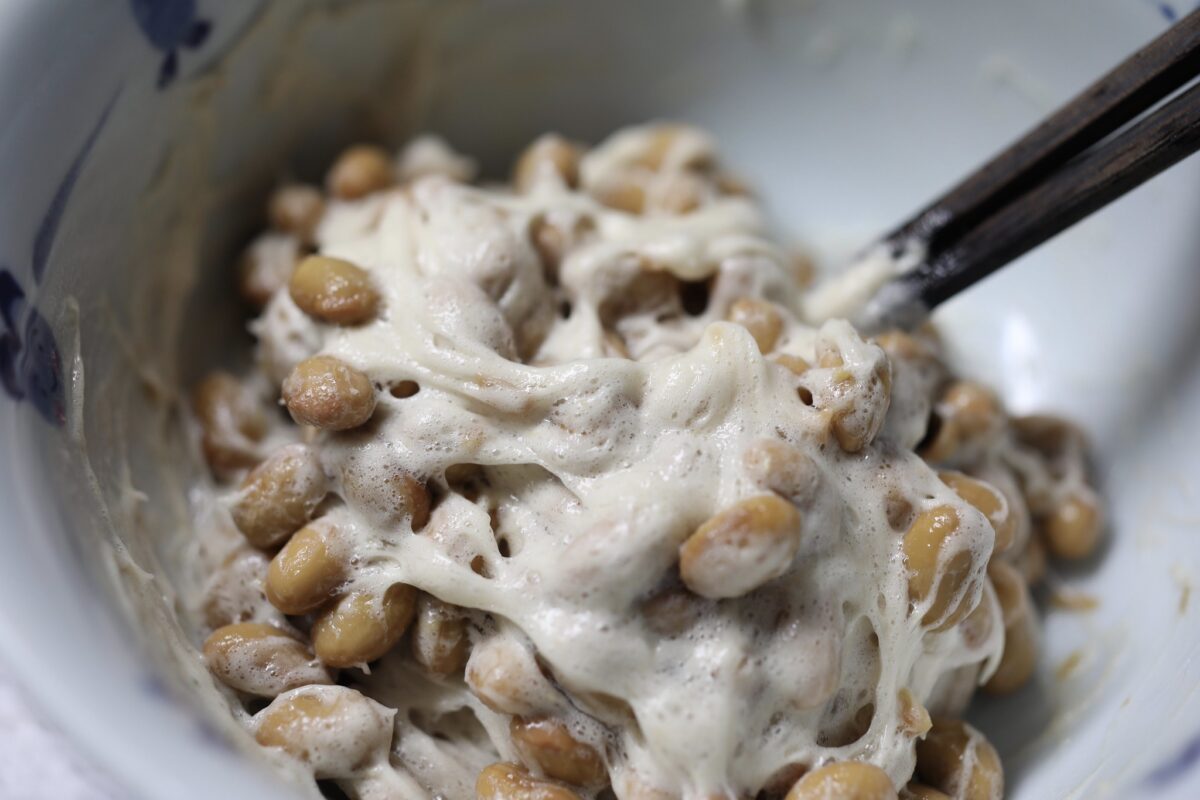
Natto has been eaten in Japan for over 1,000 years. Boiled soybeans fermented with a specific bacteria develop long, sticky strings and a powerful smell.
The texture is slimy and the taste is intensely savory. The creation story involves samurai traveling with boiled soybeans wrapped in rice straw.
The natural bacteria on the straw fermented the beans accidentally. Soldiers discovered the result was not only edible but nutritious and easy to preserve.
Natto contains high levels of vitamin K2 and protein. The fermentation process makes the soybeans easier to digest.
People in eastern Japan eat it for breakfast, mixed with rice and soy sauce. The sticky strings can stretch several inches when you lift the beans with chopsticks.
Persian Ice Cream Made Using Ancient Coolers
Back then, Persians built yakhchals – big domed places to store ice – about 400 BCE. Rising into the sky like stone hats, these cones held frozen water even when heat scorched the land.
Their secret? Walls so thick they blocked out warmth, rooms dug deep below ground, plus towers that caught cool breezes. With nothing electric involved, clever design alone kept things icy.
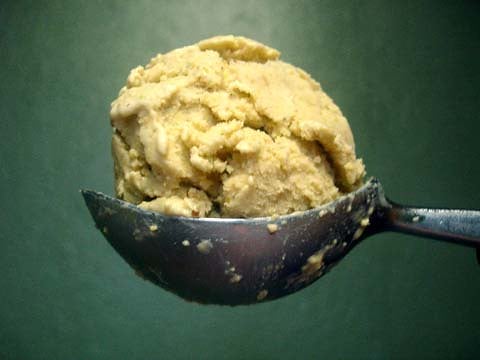
Frozen treats began in Persian coolers, where snow mixed with ice, saffron, and fruit formed sweet chilled dishes. Rose water flowed into some recipes, along with crushed pistachios.
Making them took great effort, limiting access to palaces and high-ranking families.
Even now, a few yakhchals remain standing across Iran.
What makes them last? A sharp grasp of heat flow and structure – ideas that catch the attention of today’s engineering minds looking for cooler ways without power.
Roman stuffed flamingo tongues

Flamingo tongues showed up on plates when rich Romans threw lavish dinners. One gathering under Emperor Elagabalus included six hundred of the bird’s heads – just for their tongues.
From North Africa they came, caught while still living, then transported directly to Rome.
Under golden flames, cooks glazed the tongues in honey mixed with deep red wine along with rare spices from distant lands.
This meal stood for luxury beyond measure – after all, only the extremely rich would burn through a full flamingo just to serve one tiny portion. Once common around Rome, flamingos grew rare.
Not because people ate them for hunger or flavor. Because the rich served them just to prove a point.
To say they had access where others did not. Their absence spoke louder than their presence ever did.
When strange turns into tradition
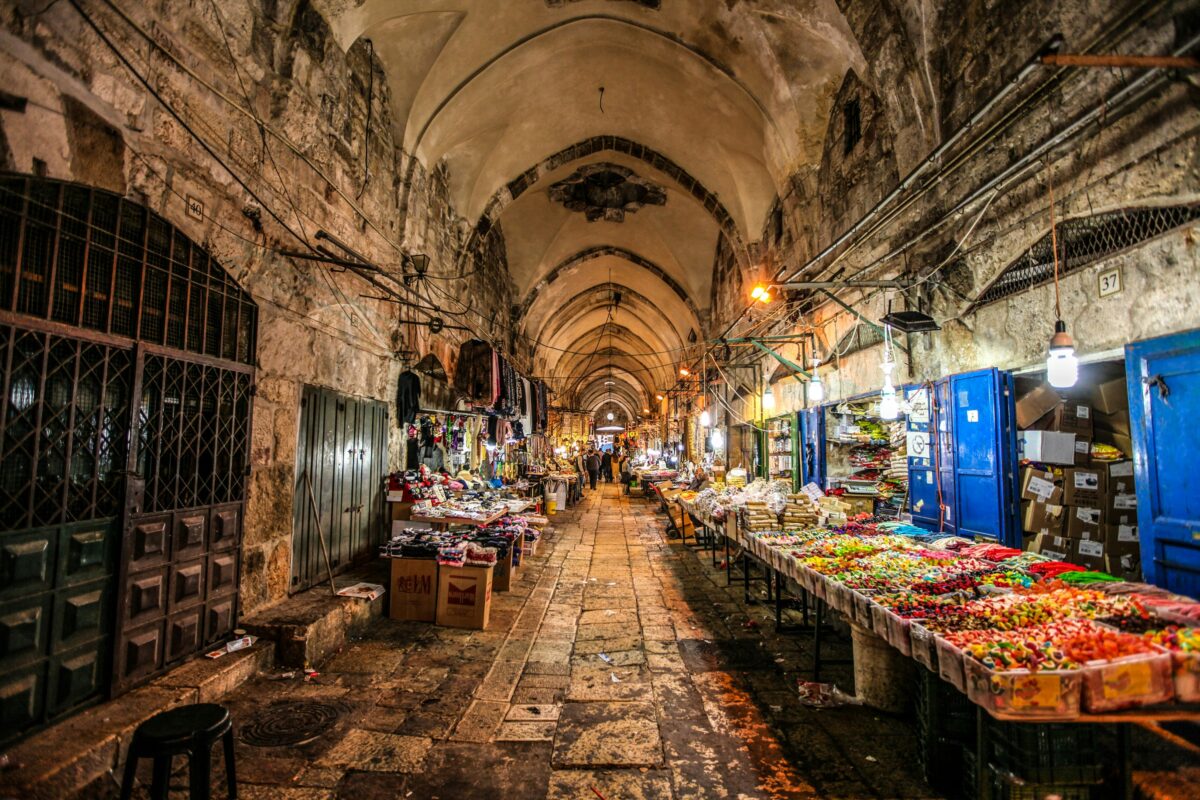
Someone made each of these dishes on purpose. Not just for taste, yet also to fix hunger, show values, or stand out among others nearby.
What feels strange today once made perfect sense back then. Our needs have shifted, so old tricks appear odd.
Still, the cleverness lives on – turning scarcity into flavor, storage into ceremony, meals into meaning. That urge to stretch, protect, honor what’s eaten – it still shapes forks, pots, cravings now.
A few meals stayed exactly as they were. Some shifted shape over time or vanished entirely.
Still, each tells a story – people have long tested new ways to feed themselves, shaping survival into custom, odd notions into heritage that sticks around far longer than anyone might expect.
More from Go2Tutors!

- The Romanov Crown Jewels and Their Tragic Fate
- 13 Historical Mysteries That Science Still Can’t Solve
- Famous Hoaxes That Fooled the World for Years
- 15 Child Stars with Tragic Adult Lives
- 16 Famous Jewelry Pieces in History
Like Go2Tutors’s content? Follow us on MSN.