Exotic Leathers That Define Luxury
The world of luxury has always been defined by rarity. While mass-produced materials flood the market, discerning collectors and fashion enthusiasts seek something different — something that whispers exclusivity rather than shouting it.
Exotic leathers occupy this rarified space, transforming accessories and garments into statement pieces that speak to craftsmanship, heritage, and an appreciation for the extraordinary. These materials carry stories of distant places, ancient techniques, and the kind of patience that modern manufacturing has forgotten.
Each piece becomes a conversation between tradition and contemporary style, where the material itself becomes the star.
Crocodile
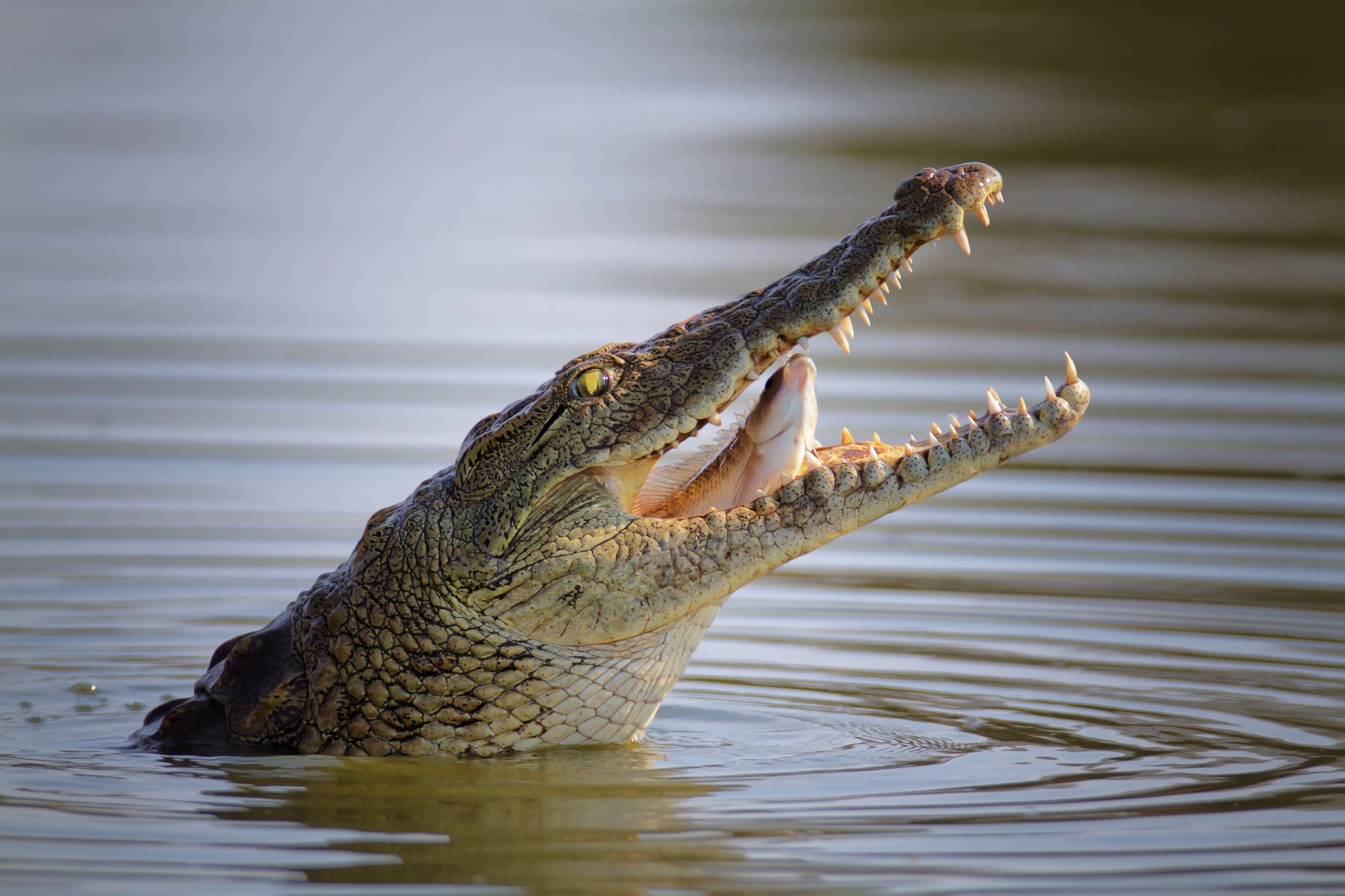
Crocodile leather doesn’t apologize for its price tag. The scales create a natural armor that looks as formidable as it feels.
Hermès knows this, which explains why their crocodile Birkin bags command six-figure sums at auction.
The leather comes from two main species: Nile crocodile and saltwater crocodile. Both require years of careful farming and meticulous processing to achieve that mirror-like finish collectors prize.
Python
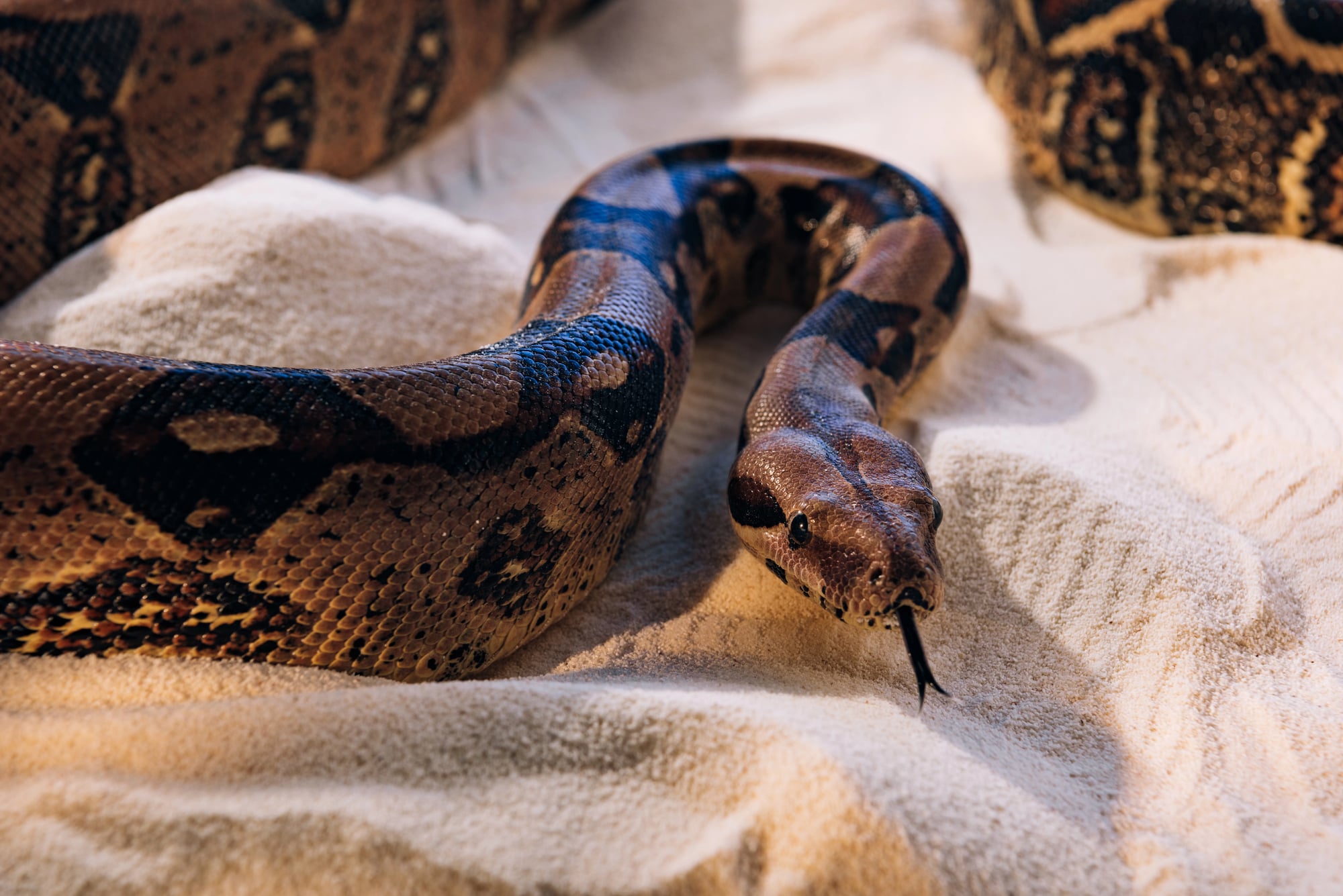
When fashion houses want to make a statement without saying a word, they reach for python. The reasons run deeper than you might expect, because this particular leather manages to be both ancient and utterly contemporary at the same time.
The natural diamond patterns create a hypnotic effect — each scale catches light differently, so the entire surface seems to shift and breathe as you move. But here’s what makes python particularly fascinating: no two skins are identical, which means your python handbag or shoes carry a pattern that exists nowhere else in the world.
And yet the leather remains surprisingly supple. The scales might look rigid, but properly treated python moves like silk.
Ostrich
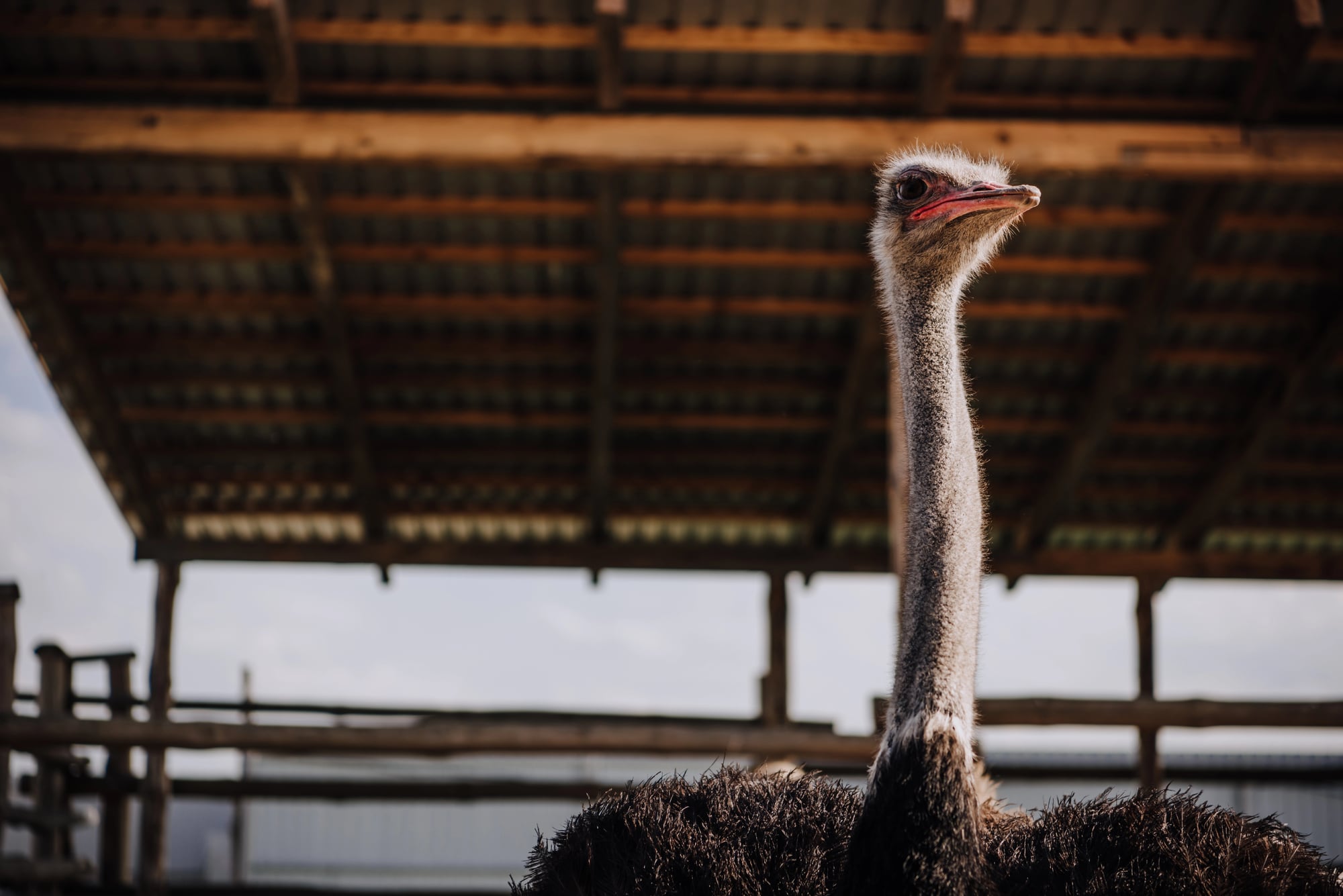
Ostrich leather is the rebel of the exotic leather family. Those distinctive quill bumps scattered across the surface create a texture that’s immediately recognizable and oddly satisfying to touch.
Fashion insiders have long considered it the most durable of all exotic leathers.
The leather comes primarily from South African farms, where ostriches are raised specifically for their hides. The processing requires specialized techniques to preserve those signature bumps while creating a material supple enough for handbags and boots.
Brands like Louis Vuitton and Prada have built entire collections around ostrich leather, knowing that its unique texture photographs beautifully and ages even better.
Alligator
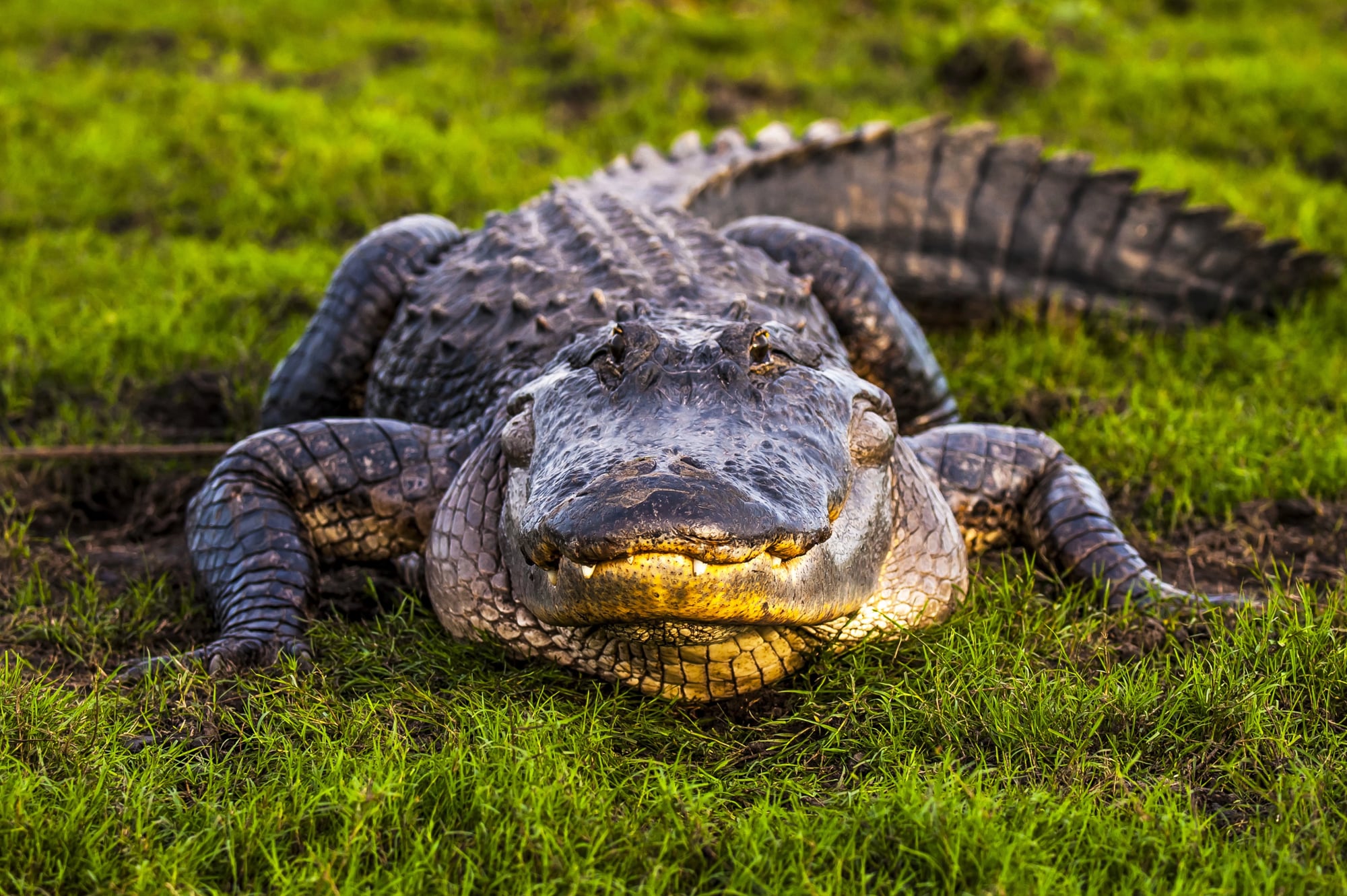
Alligator leather sits in luxury’s quiet corner, the place reserved for those who understand the difference between showing off and showing quality. American alligator farms in Louisiana and Florida produce some of the world’s finest hides, each one a testament to controlled farming and generational expertise.
The belly scales create those perfect rectangular patterns that luxury houses prize — neat, symmetrical, almost architectural in their precision.
Unlike crocodile, alligator leather has a softer hand feel. It breaks in beautifully, developing a patina that improves with age rather than showing wear.
Stingray
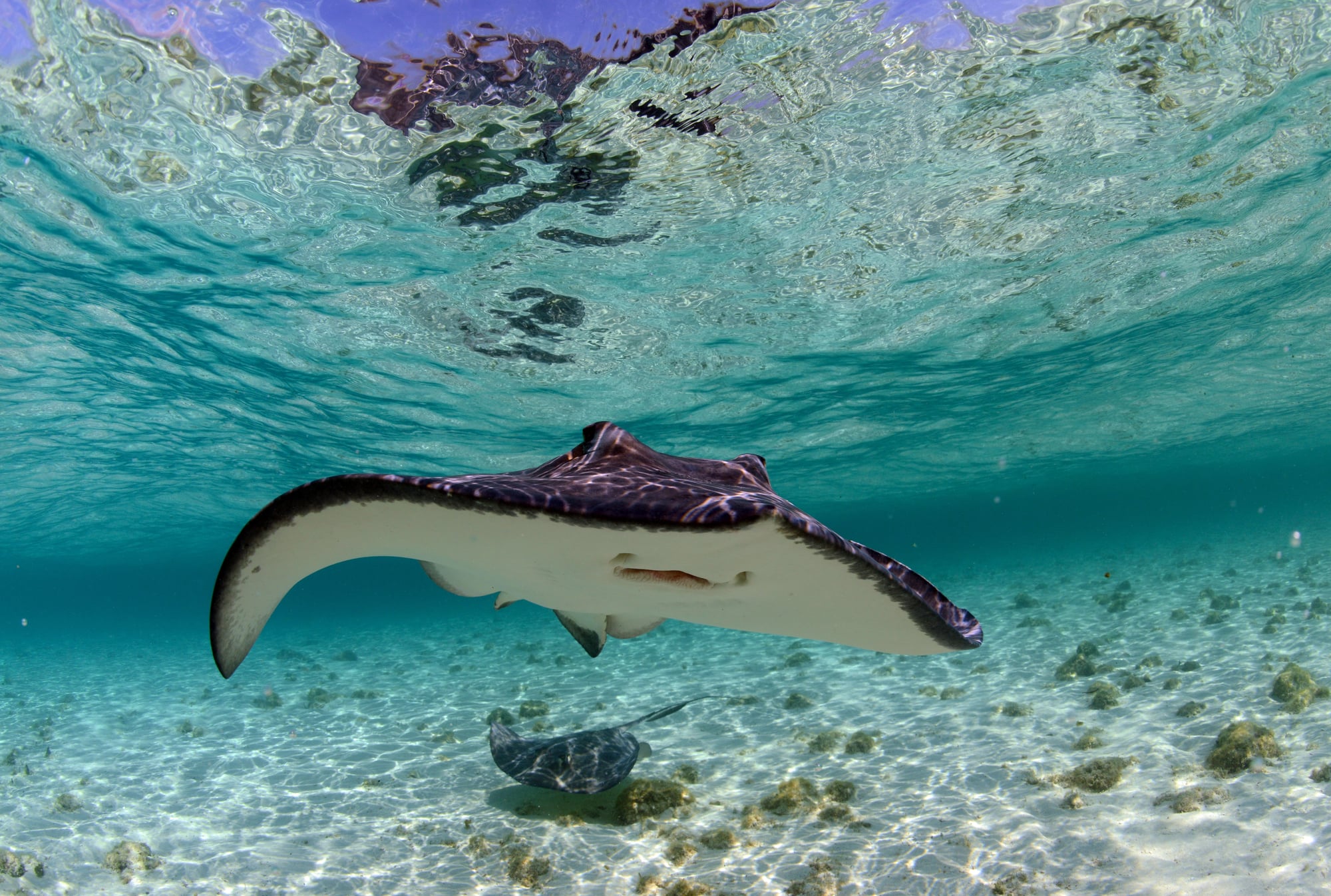
There’s something almost otherworldly about stingray leather, as if it arrived from some deep-sea civilization that understood texture in ways we’re still discovering. The surface feels like thousands of tiny pearls fused together, creating a grip that’s both tactile and visual.
Japanese artisans have worked with stingray (called “shagreen” in luxury circles) for centuries, using it to wrap sword handles and create armor that was both functional and beautiful.
The material refuses to show scratches the way traditional leathers do — instead, it seems to absorb wear and transform it into character.
Lizard
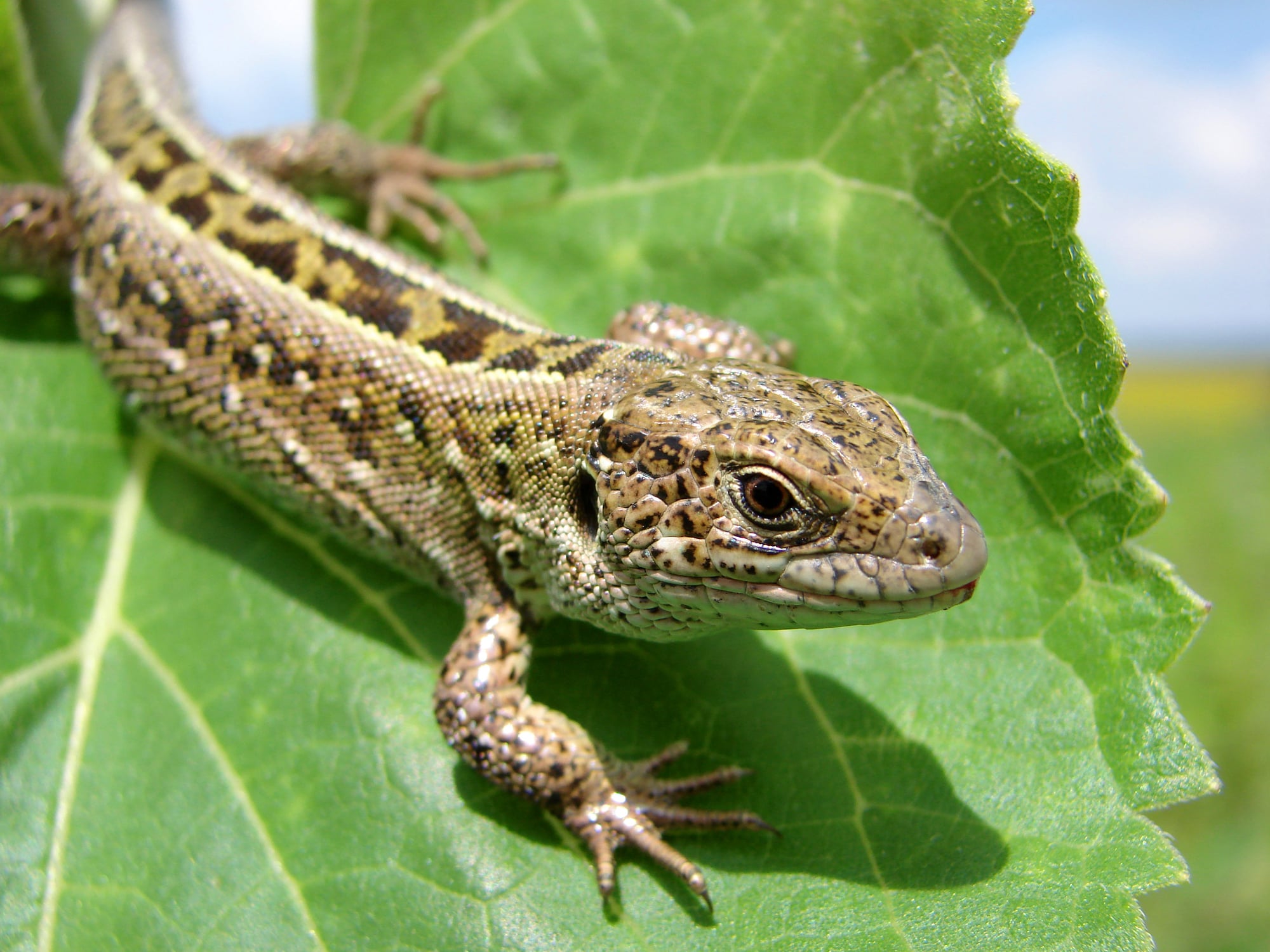
Monitor lizard leather demands attention through understatement. The scales are smaller than python, more refined than crocodile, creating a texture that reads as sophisticated rather than dramatic.
Luxury watchmakers have long favored lizard straps for their finest timepieces.
The leather comes primarily from Southeast Asian monitor lizards, with strict regulations governing harvest and processing. Each hide requires careful grading — only the finest sections make it into luxury goods.
The resulting material has a suppleness that surprises first-time buyers and a durability that justifies the investment.
Shark
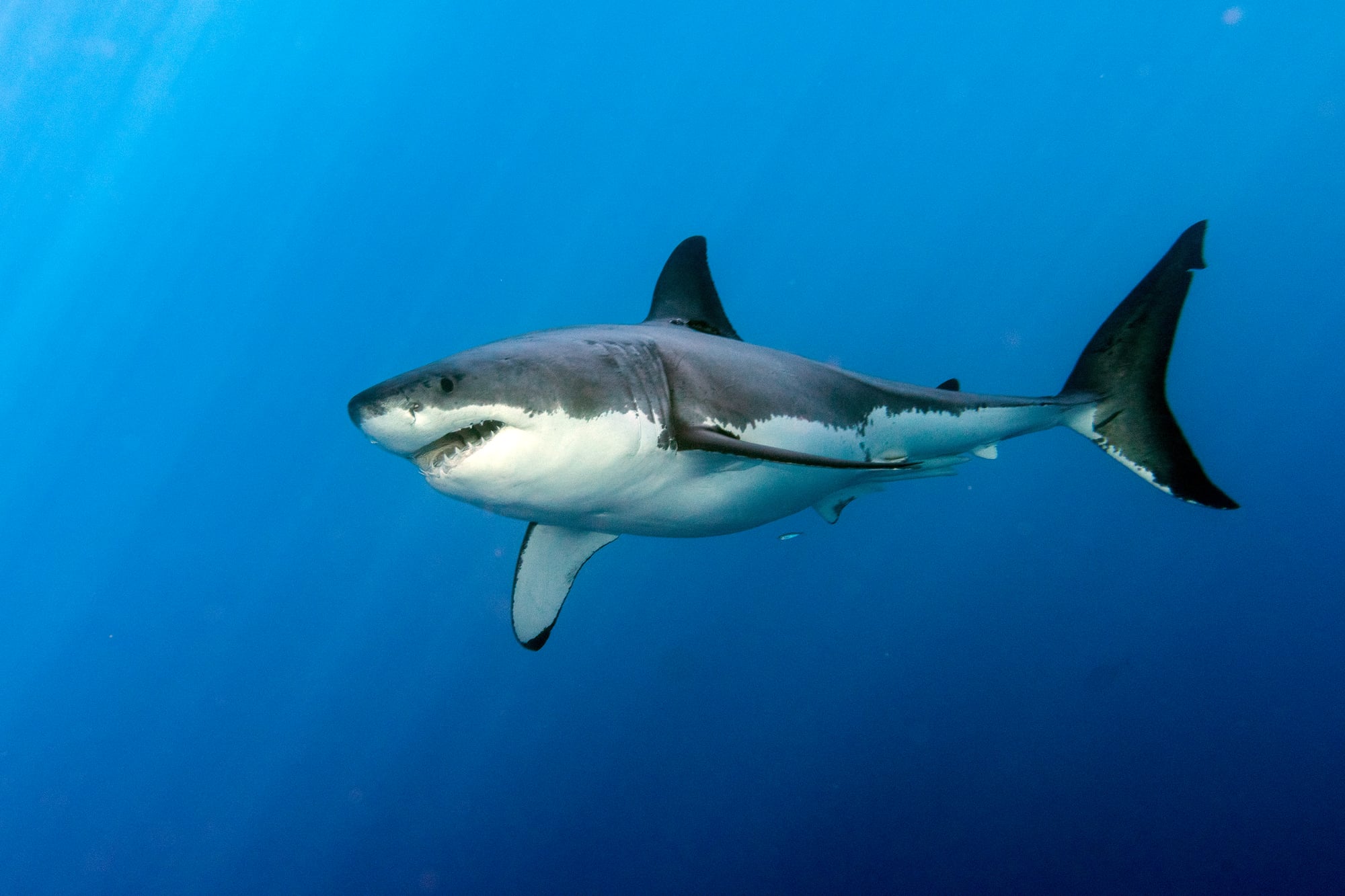
Shark leather tells a different story entirely, one written in the language of maritime adventure and practical luxury. This material emerged from necessity before it became a status symbol, though that transition says something fascinating about how we assign value to things.
Fishermen originally used shark skin for its grip — the tiny denticles create a surface that won’t slip even when wet, which explains why sword makers wrapped handles in shark skin centuries before anyone thought to make handbags from it.
The texture is unlike any other leather: firm but not stiff, with a subtle grain that catches light without being flashy. And here’s the thing about shark leather that most people don’t realize: it’s nearly impossible to tear by hand.
The fibers run in multiple directions, creating a strength that synthetic materials struggle to match.
Elephant
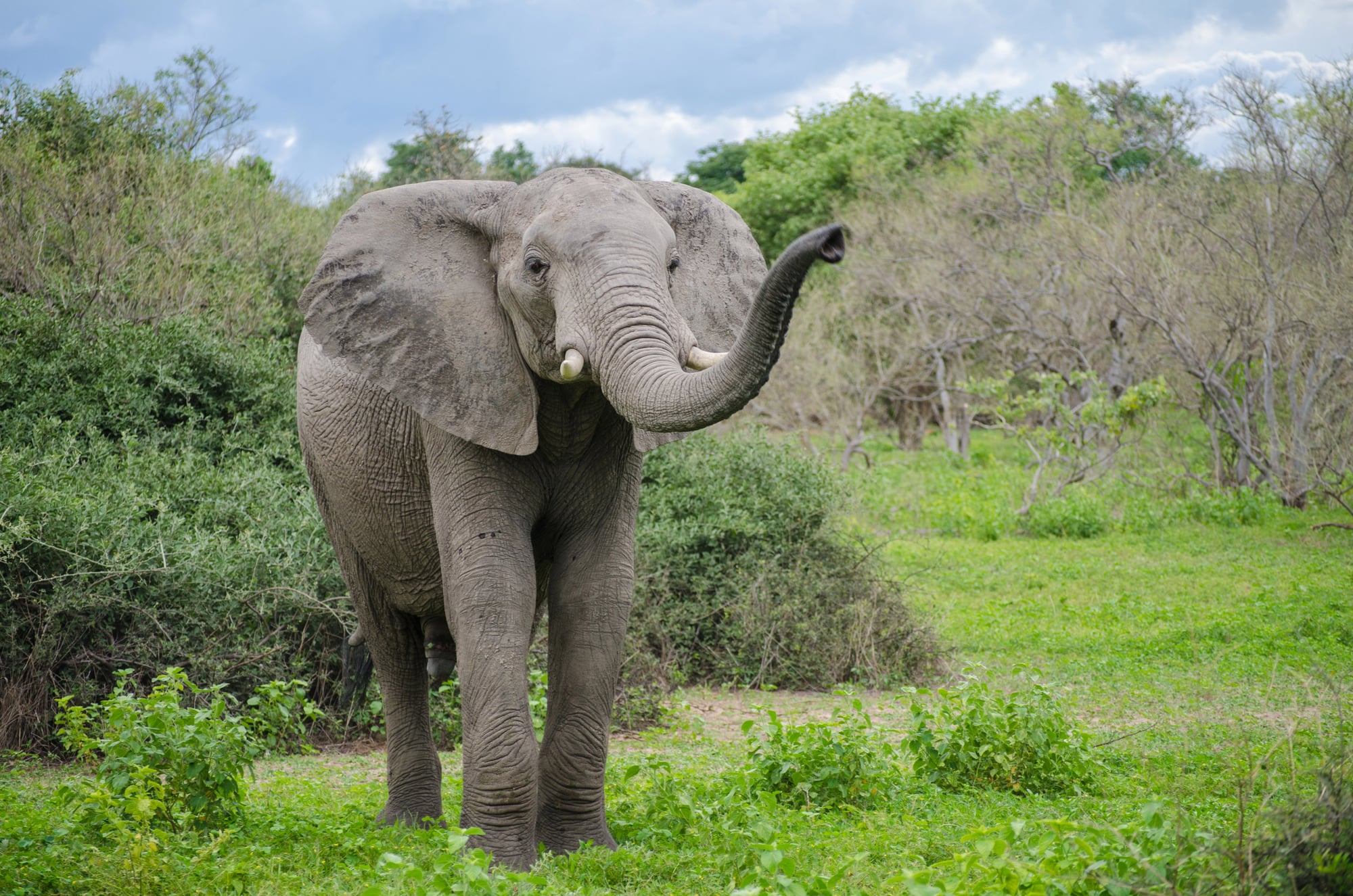
Elephant leather occupies a complicated space in luxury goods. Most elephant leather available today comes from controlled culls in African countries managing wildlife populations, with strict international oversight governing trade and certification.
The leather itself has characteristics unlike any other hide. The grain is deep and pronounced, with wrinkles and fold marks that tell the story of each animal’s life.
The material is extraordinarily thick and durable, requiring specialized techniques to work into finished goods. When properly processed, elephant leather develops a beautiful patina that deepens over decades of use.
Eel
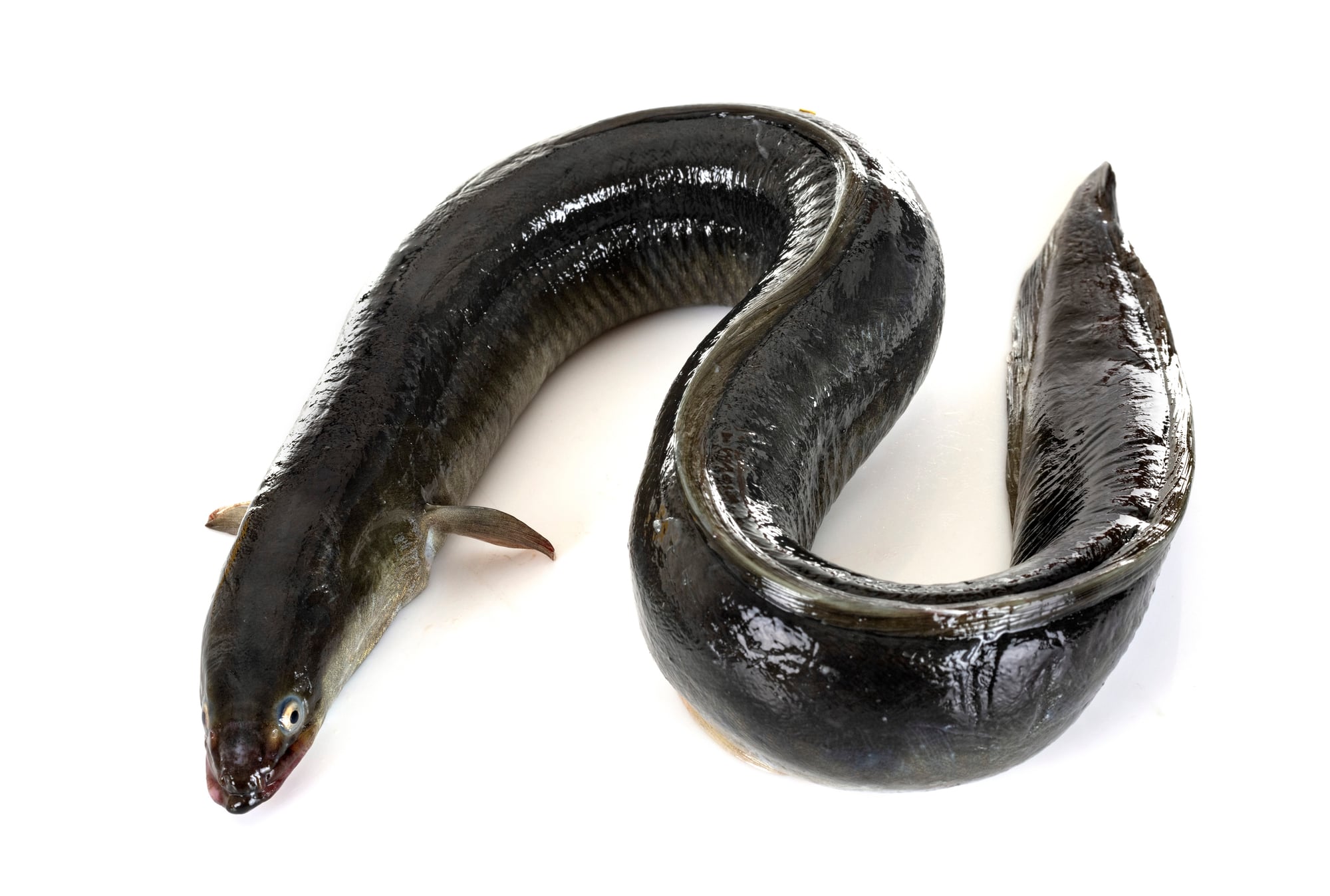
Eel leather might be the most underestimated material in luxury goods, which is unfortunate because it possesses qualities that synthetic materials spend millions trying to replicate. The natural oils in eel skin create a water resistance that’s built into the material rather than applied on top.
The surface has a subtle sheen that changes depending on the angle of view, creating depth without ostentation.
Asian artisans have worked with eel leather for generations, particularly in Japan where it’s valued for both practical and aesthetic qualities. The material is surprisingly strong despite its delicate appearance.
Kangaroo
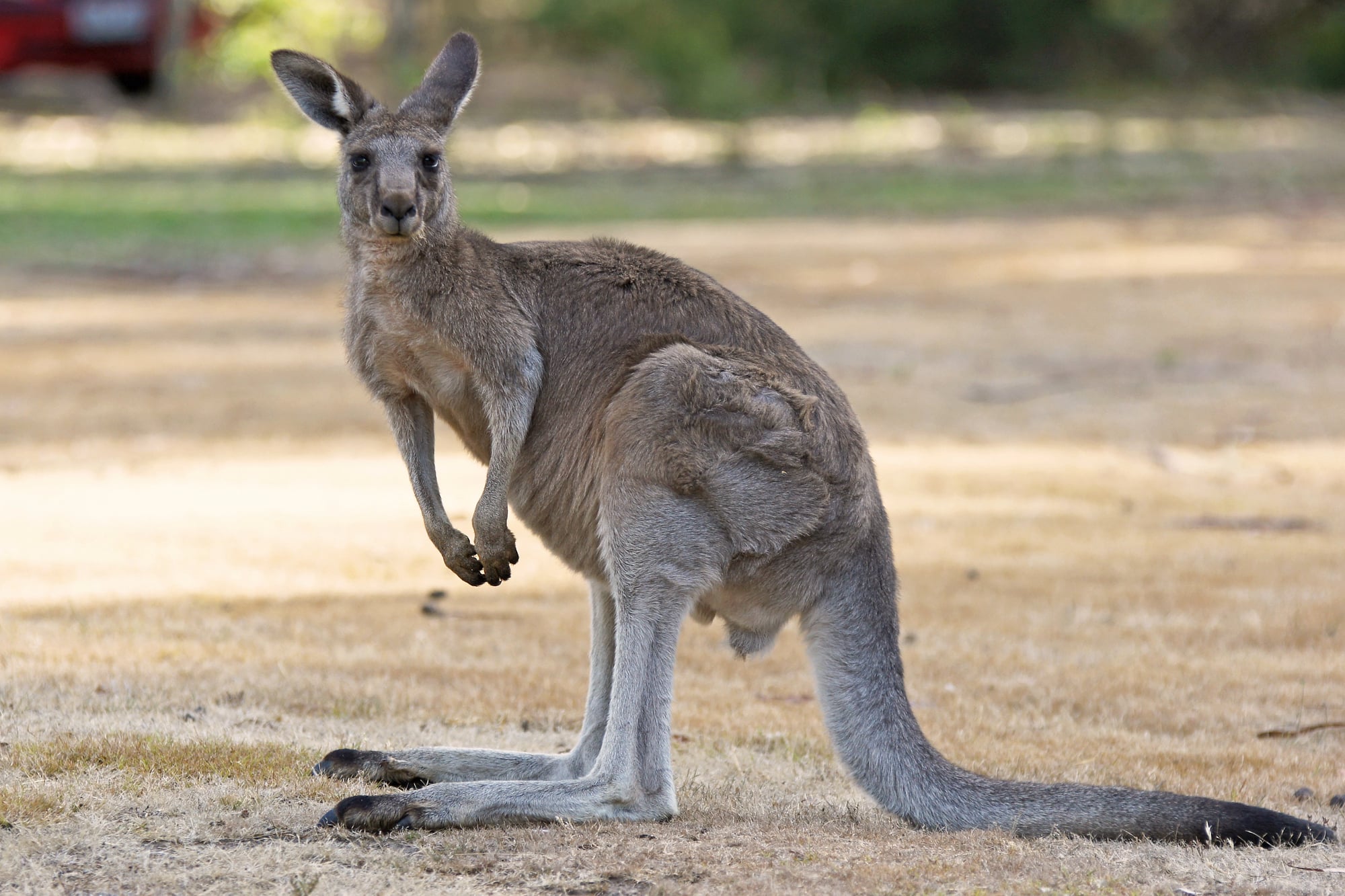
Australian kangaroo leather has earned respect in circles where performance matters more than prestige — and that’s exactly what makes it interesting for luxury applications. The material emerged from sports equipment manufacturing, where soccer players discovered that kangaroo leather cleats offered advantages that cowhide simply couldn’t match.
The fiber structure is unique among leathers: incredibly fine and dense, creating a material that’s both strong and supple. Racing car manufacturers use kangaroo leather for steering wheels because it provides superior grip while remaining comfortable during extended use.
But it’s the way the leather ages that sets it apart — instead of cracking or showing wear patterns, kangaroo leather seems to become more supple with use. So luxury goods makers have begun incorporating it into products where both durability and refinement matter.
Fish
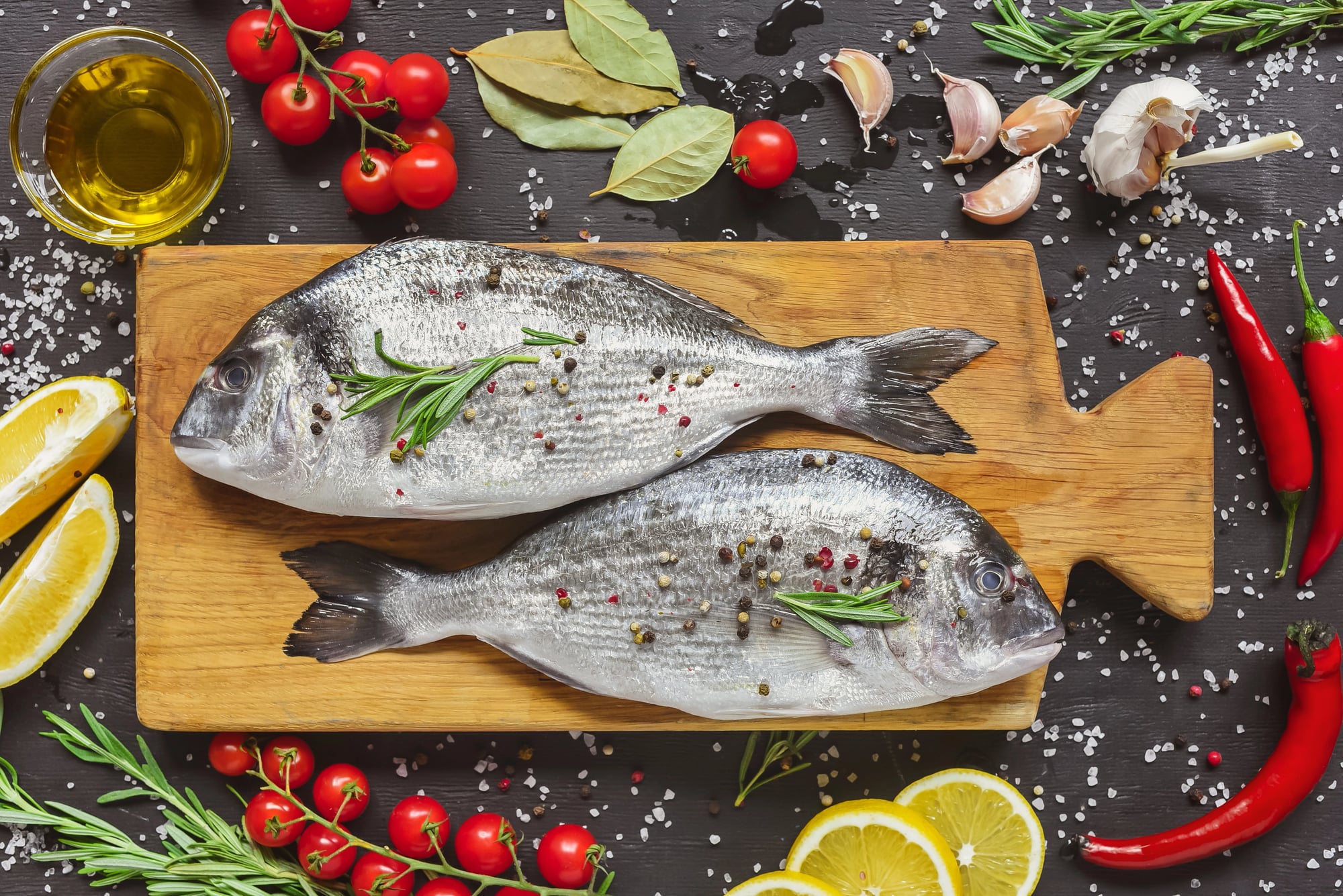
Fish leather represents sustainability meeting luxury in ways that feel genuinely innovative rather than performatively green. Salmon, cod, and perch skins that would otherwise become waste products are transformed into materials with unique properties and stunning visual appeal.
The scales create natural patterns that vary by species — salmon offers subtle horizontal lines, while perch provides more dramatic scaling.
Fish leather is naturally antibacterial and surprisingly strong, with some varieties being thinner than traditional leather while maintaining comparable durability. Nordic designers have pioneered techniques for working with fish leather, creating accessories that feel both contemporary and connected to maritime traditions.
Ray
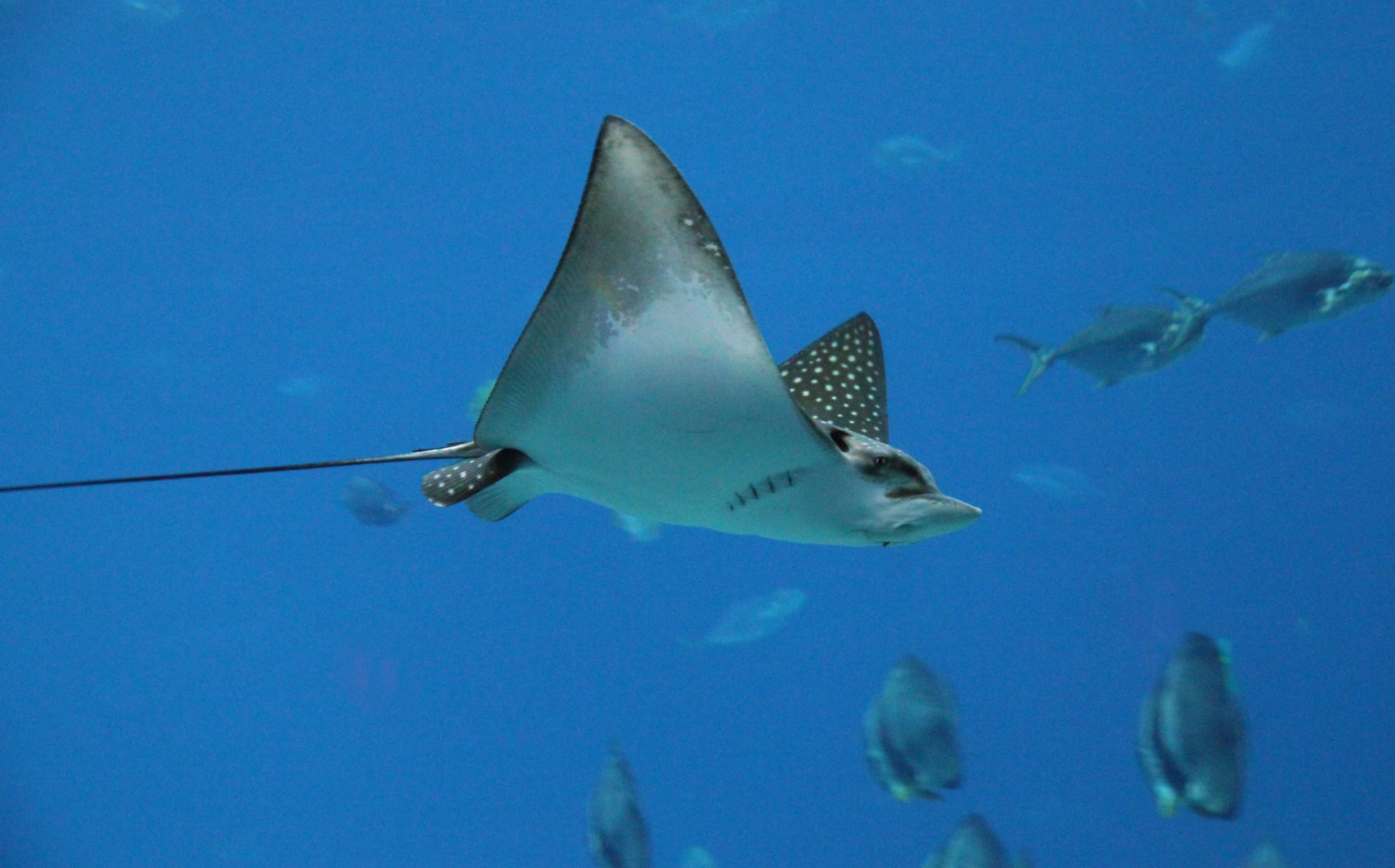
Ray leather (distinct from stingray) comes from various ray species and offers its own unique characteristics. The skin has a naturally glossy finish and distinctive pattern that varies by species.
Blue-spotted rays create small, intricate patterns, while larger rays offer broader design possibilities.
The material is naturally water-resistant and develops an attractive patina over time. Processing requires specialized techniques to maintain the distinctive patterns while creating a workable material.
European luxury houses have begun incorporating ray leather into limited collections, valuing both its unique appearance and sustainable sourcing.
Buffalo
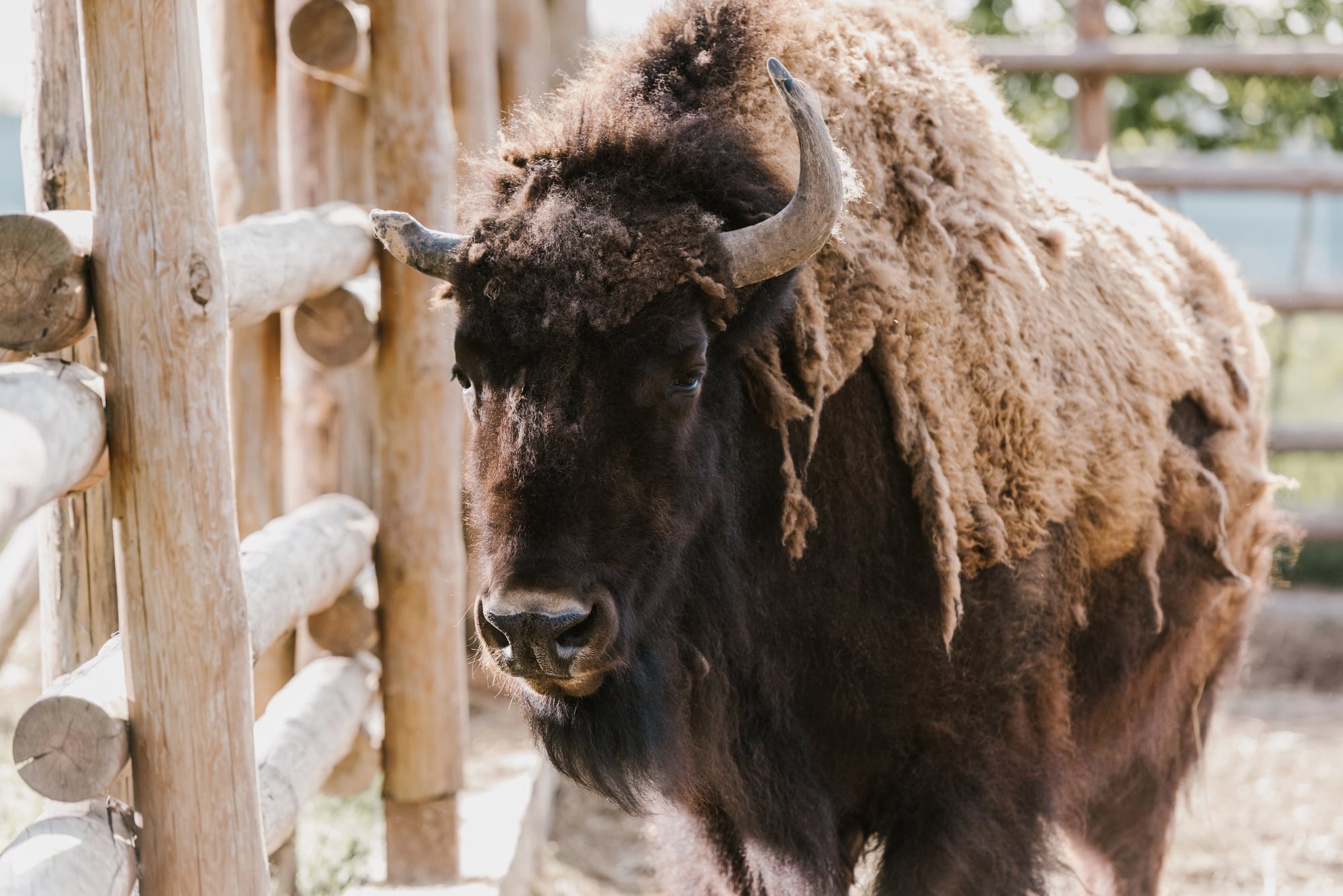
Water buffalo leather occupies a different category than its exotic cousins — less rare perhaps, but no less distinctive in the right applications. The hide is significantly thicker than cowhide, with a grain pattern that’s more pronounced and character-filled.
Italian leather artisans have long prized buffalo for its ability to hold deep, rich colors and develop complex patinas.
The material requires different processing techniques than standard leather, with longer tanning times needed to achieve proper suppleness. When done correctly, buffalo leather creates goods that improve dramatically with age and use.
Snake
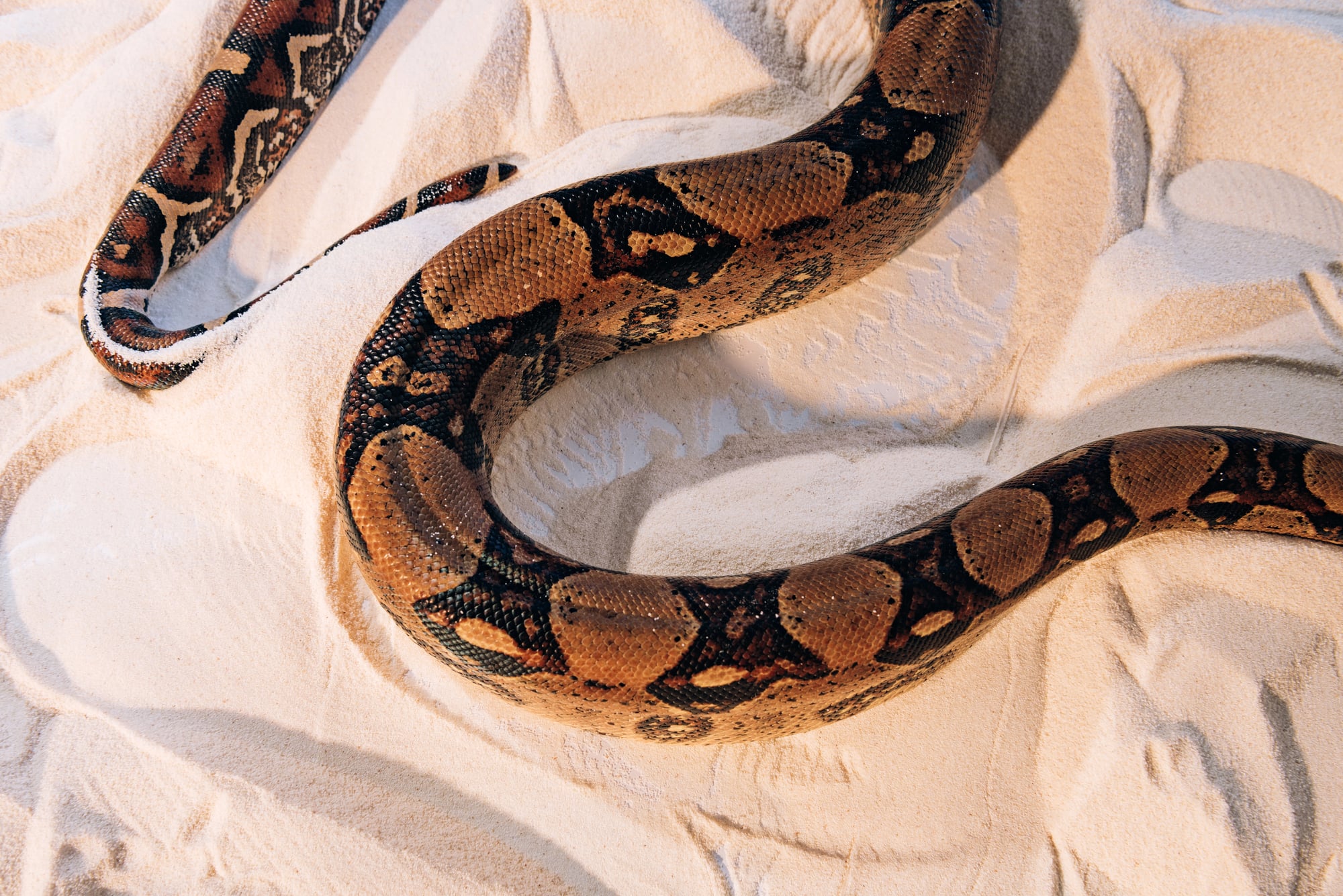
Beyond python lies a world of snake leathers, each species offering distinct characteristics and visual appeal. Water snake provides smaller, more delicate scaling, while rat snake offers unique color variations and patterns.
Asian species tend to have different scale arrangements than their American counterparts.
The variety available allows designers to select specific visual effects and textures for different applications. Some snake leathers work better for small accessories, while others have the scale size and durability needed for larger pieces.
Processing techniques vary by species, with some requiring more delicate handling than others.
Beyond the Material Itself
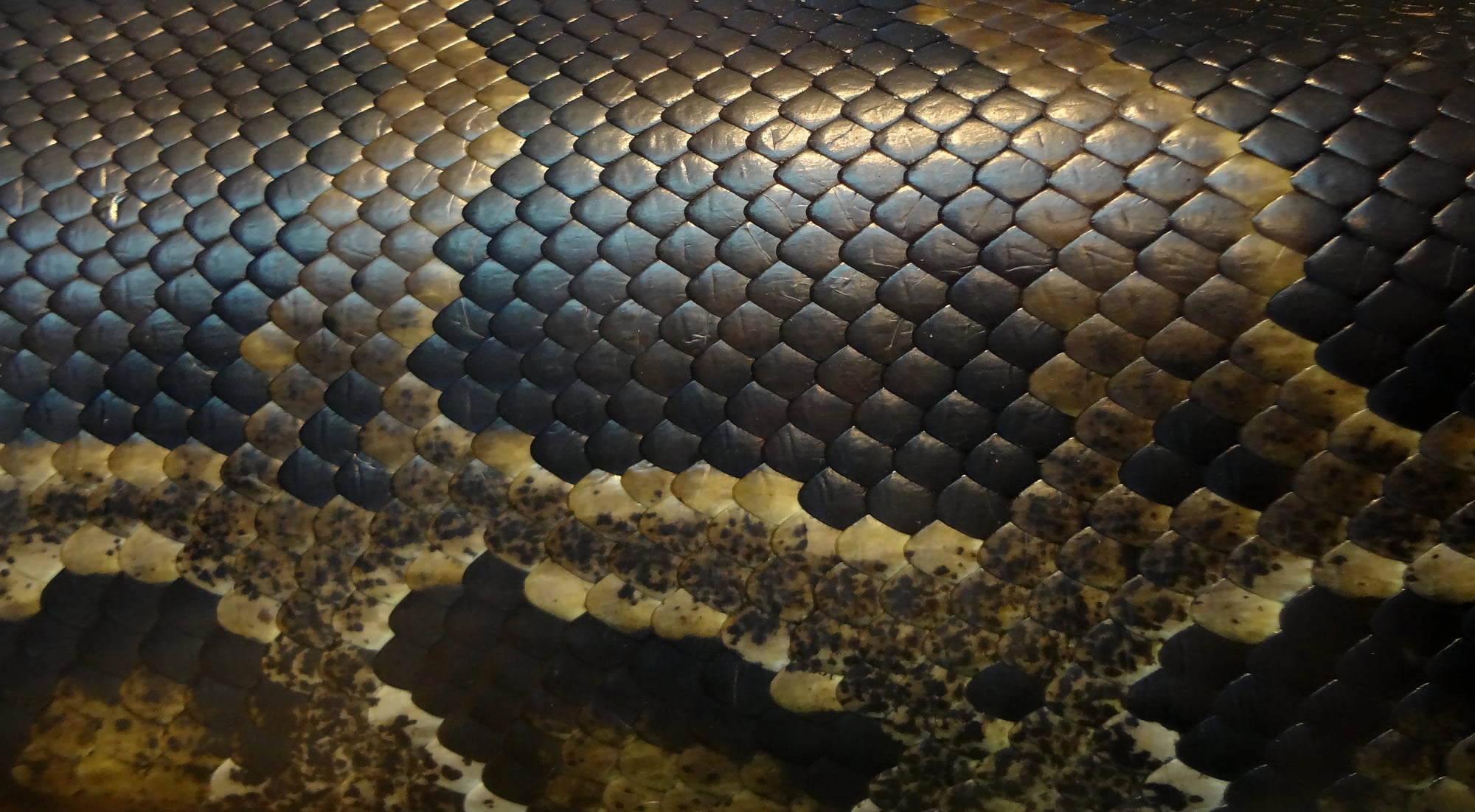
The true luxury in exotic leathers isn’t just the rarity or the price point — it’s the intersection of natural artistry and human craftsmanship that happens when skilled artisans work with materials that demand respect rather than dominance. Each hide arrives with its own character, its own story written in grain patterns and natural markings that no machine could replicate.
The best luxury houses understand this, treating each piece not as a uniform input but as a collaboration between nature’s design and human technique.
More from Go2Tutors!

- The Romanov Crown Jewels and Their Tragic Fate
- 13 Historical Mysteries That Science Still Can’t Solve
- Famous Hoaxes That Fooled the World for Years
- 15 Child Stars with Tragic Adult Lives
- 16 Famous Jewelry Pieces in History
Like Go2Tutors’s content? Follow us on MSN.