Unbeatable Records That Still Stand
Some achievements transcend time. They stand as monuments to human capability, athletic perfection, or sheer circumstance that aligned so perfectly it may never happen again.
These records don’t just survive because they’re impressive — they endure because the conditions that created them were so extraordinary, so specific to their moment, that replicating them borders on impossible.
Wilt Chamberlain’s 100-Point Game
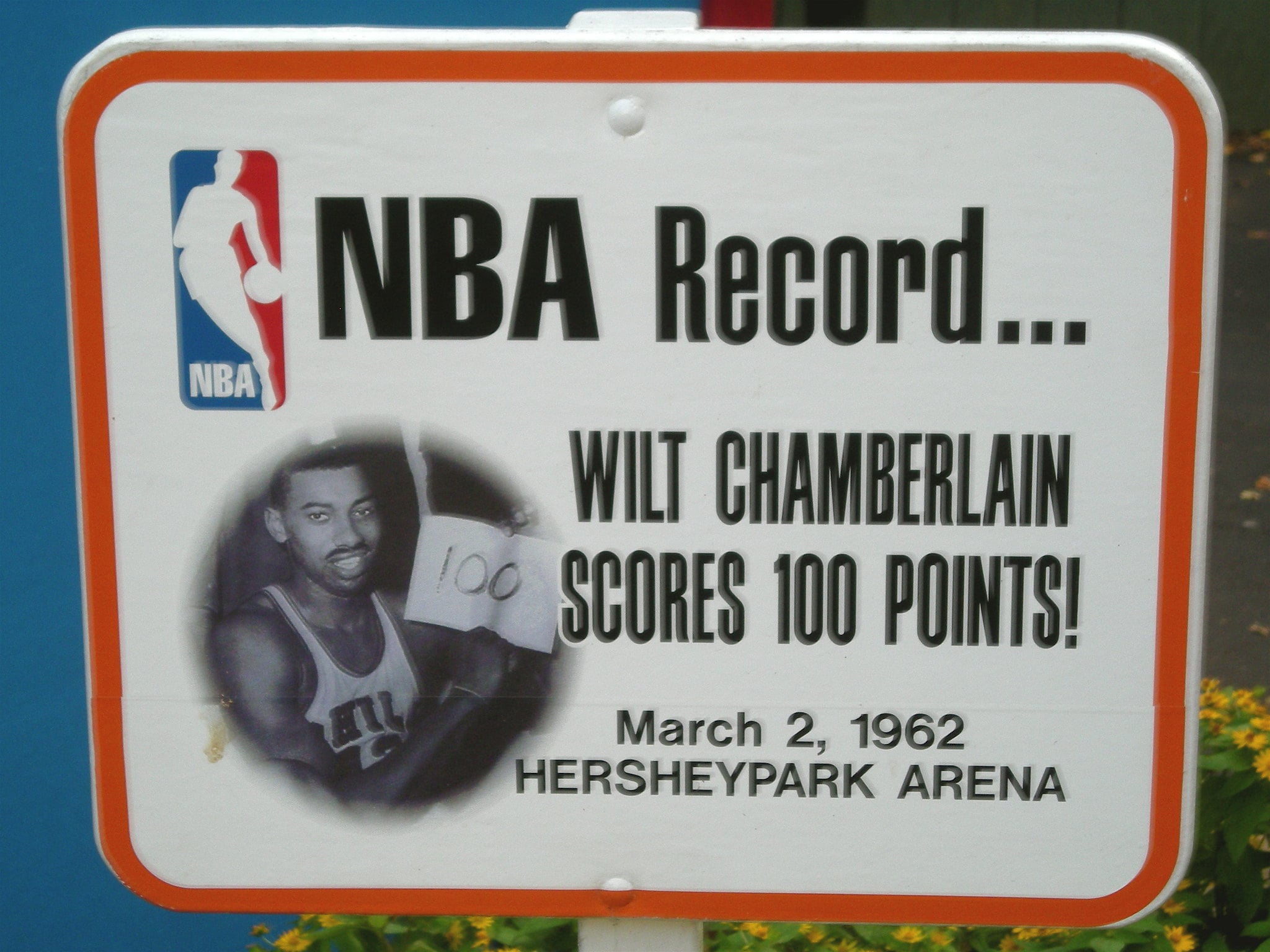
March 2, 1962. Wilt Chamberlain scored 100 points in a single NBA game.
No video exists of this achievement — just a photograph of Chamberlain holding up a piece of paper with “100” written on it. The closest anyone has come since was Kobe Bryant’s 81 points in 2006.
That’s still 19 points short. Modern basketball strategy makes this record even more untouchable — teams rest star players, manage minutes, and prioritize team play over individual statistics.
The conditions that allowed Chamberlain’s teammates to keep feeding him the orb for an entire game simply don’t exist anymore.
Johnny Vander Meer’s Consecutive No-Hitters
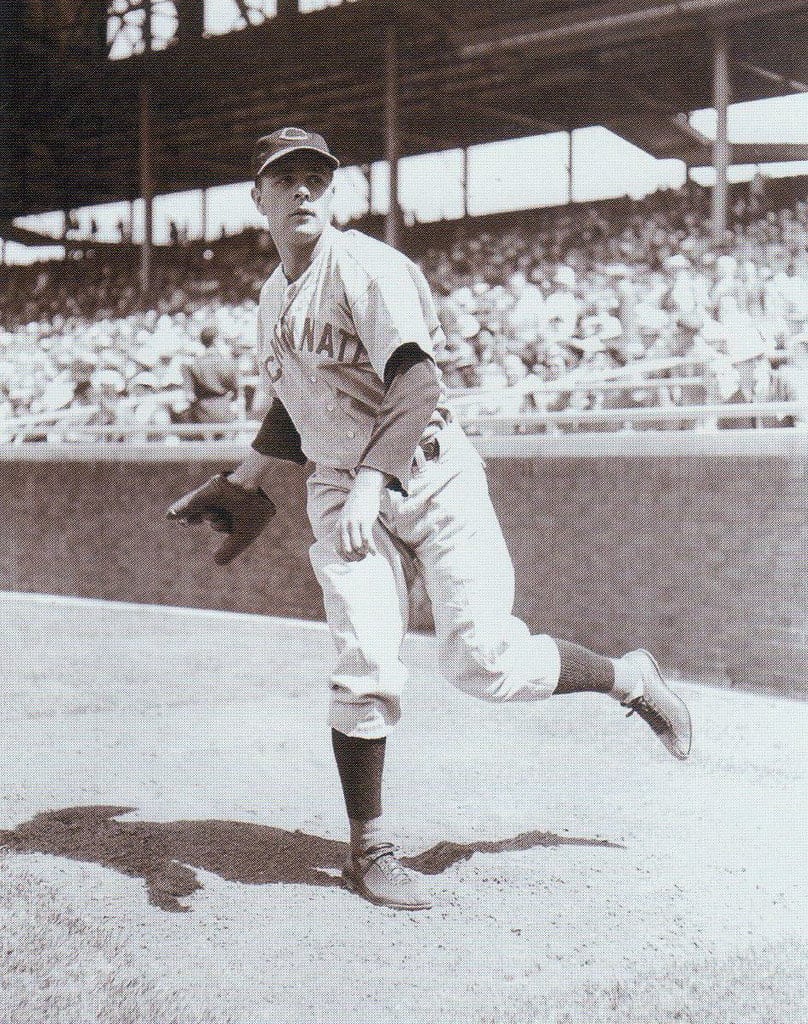
Throwing one no-hitter requires exceptional skill and considerable luck (because that’s what happens when you face roughly 27 batters and none of them — not one — manages to safely reach base on a hit, which sounds straightforward until you consider that even the best pitchers in baseball history typically allow hits to about 20% of the batters they face, meaning the probability of preventing all hits across an entire game hovers somewhere near miraculous). But Johnny Vander Meer threw two consecutive no-hitters in June 1938.
Back-to-back games. So here’s the thing about probability: if throwing one no-hitter is roughly a 1-in-10,000 event, throwing two in a row approaches astronomical impossibility.
And yet it happened. The record has stood for over 80 years, through an era where thousands of pitchers have thrown millions of innings.
Joe DiMaggio’s 56-Game Hitting Streak
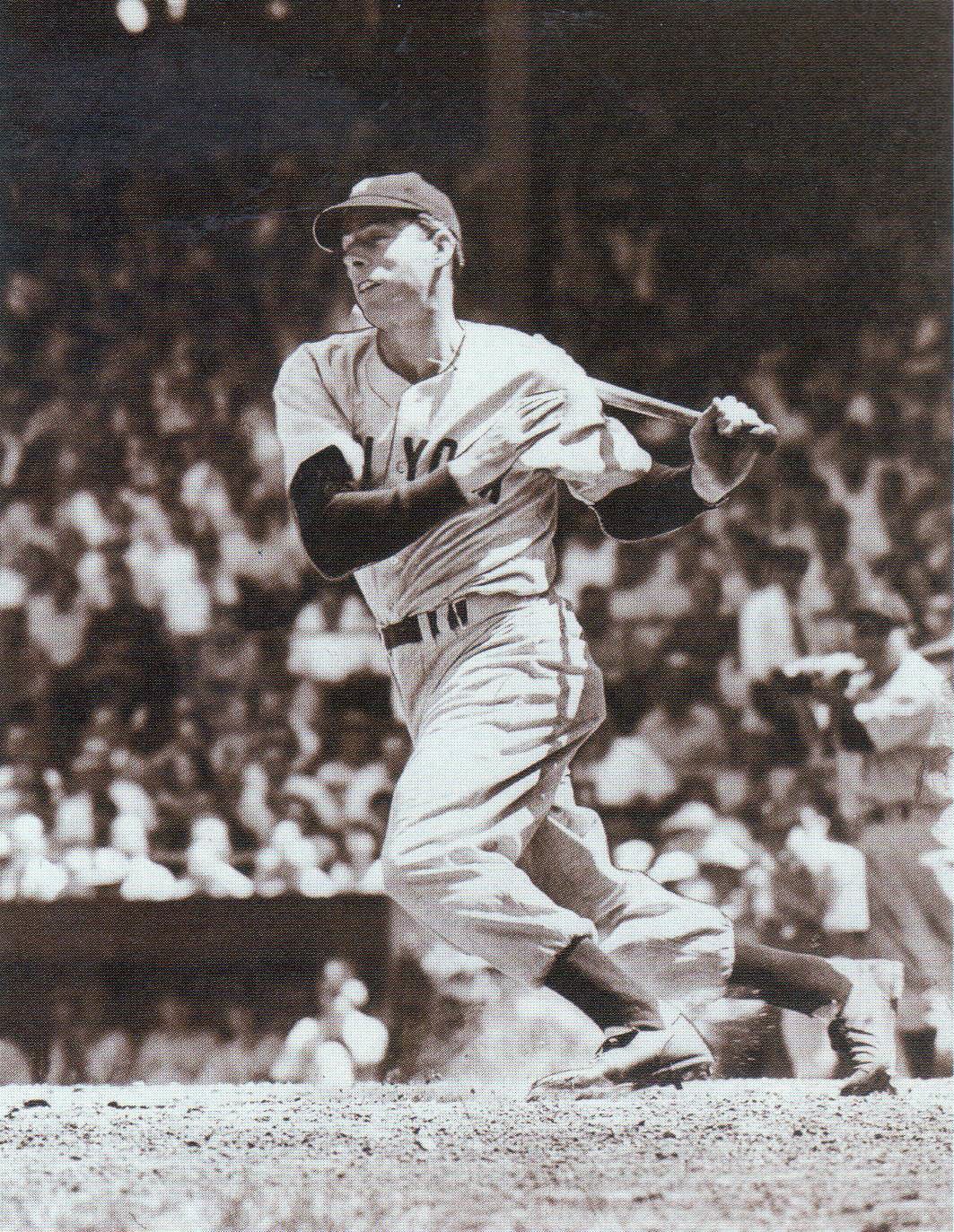
Baseball statisticians have calculated the odds. Even for an elite hitter, getting at least one hit in 56 consecutive games has roughly a 1-in-4,000 chance of occurring.
DiMaggio did it in 1941, and the streak became the most famous number in American sports. Pete Rose came closest with 44 games in 1978 — still 12 games short.
The modern game makes this record even more daunting. Relief specialists, defensive shifts, and advanced scouting create obstacles DiMaggio never faced.
Every current hitting streak generates national attention by the time it reaches 20 games, adding pressure that didn’t exist in DiMaggio’s era.
Secretariat’s Belmont Stakes Victory
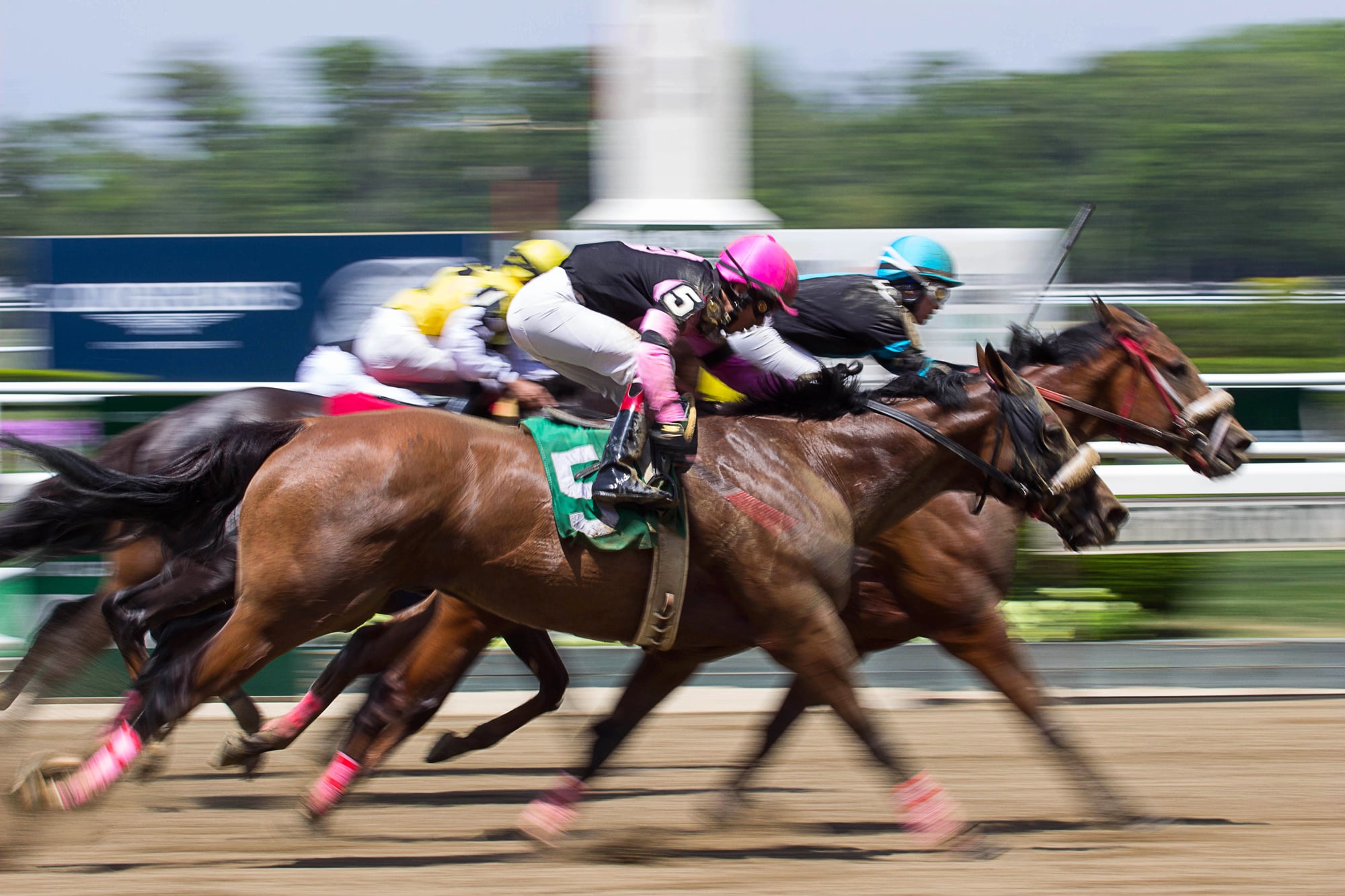
Horse racing measures victories in lengths — the distance between horses at the finish line. Most races are decided by a few lengths at most.
Secretariat won the 1973 Belmont Stakes by 31 lengths, a margin so absurd it defied belief. The performance becomes more remarkable when examined closely: Secretariat didn’t just win by an enormous margin, he set track records doing it.
The horse ran faster while alone than most thoroughbreds run in close competition. That combination of speed and endurance in a single animal represents a genetic lottery ticket that may never be drawn again.
Horses have gotten faster since 1973, but none have approached Secretariat’s combination of sustained speed over the Belmont’s punishing mile-and-a-half distance.
Cy Young’s 511 Career Wins
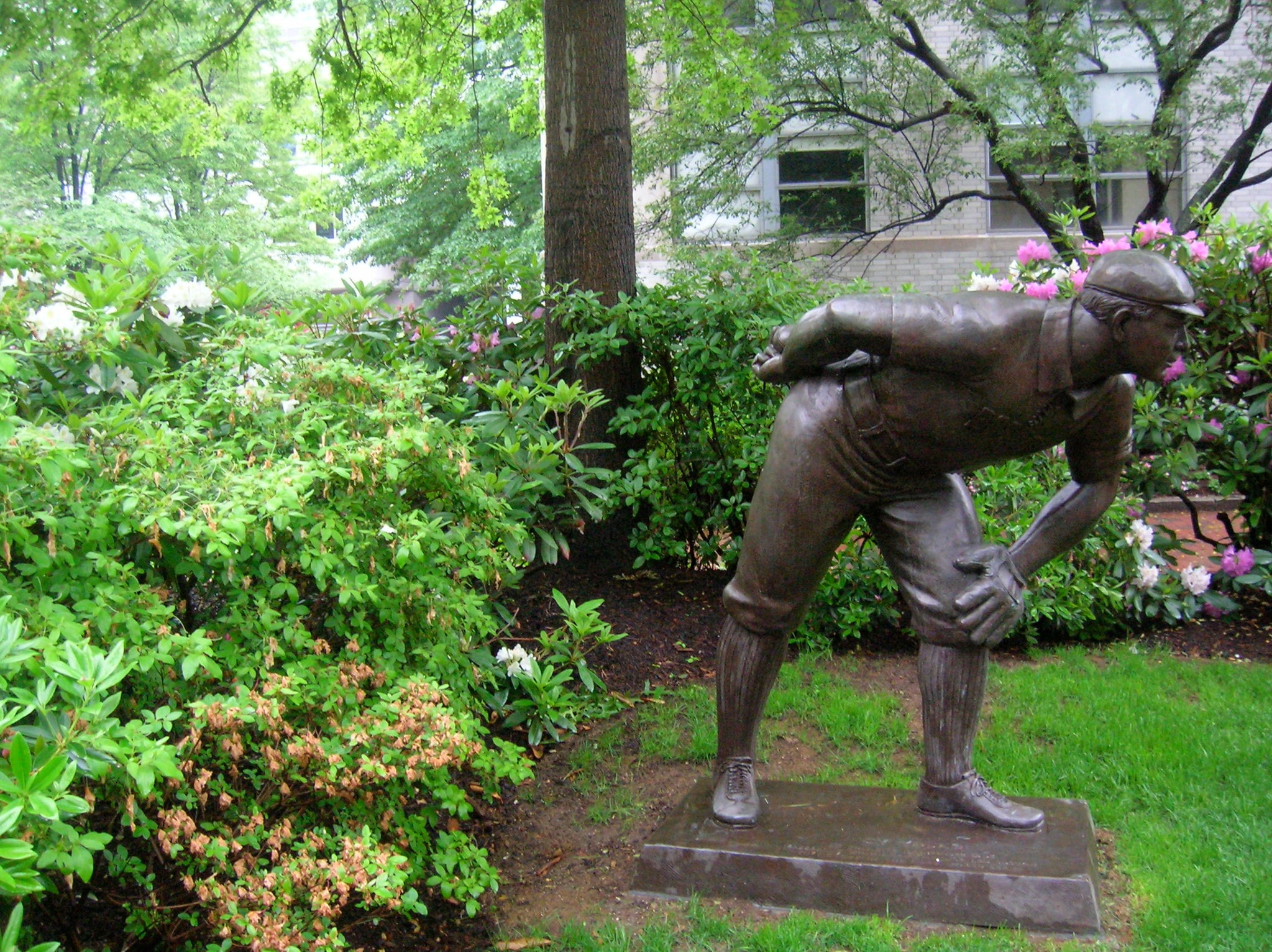
Cy Young won 511 games as a pitcher between 1890 and 1911. The second-place pitcher in history, Walter Johnson, won 417 games — nearly 100 fewer wins than Young.
Modern baseball makes this record completely impossible to break. Today’s pitchers start every fifth day and rarely throw complete games.
Young often pitched with only two days’ rest and completed most of his starts. Current ace pitchers win 15-20 games in exceptional seasons; Young averaged over 23 wins per season across a 22-year career.
The closest active pitcher to Young’s record would need to win 20 games per season for roughly 15 more years.
Byron Nelson’s 11 Consecutive PGA Tour Wins
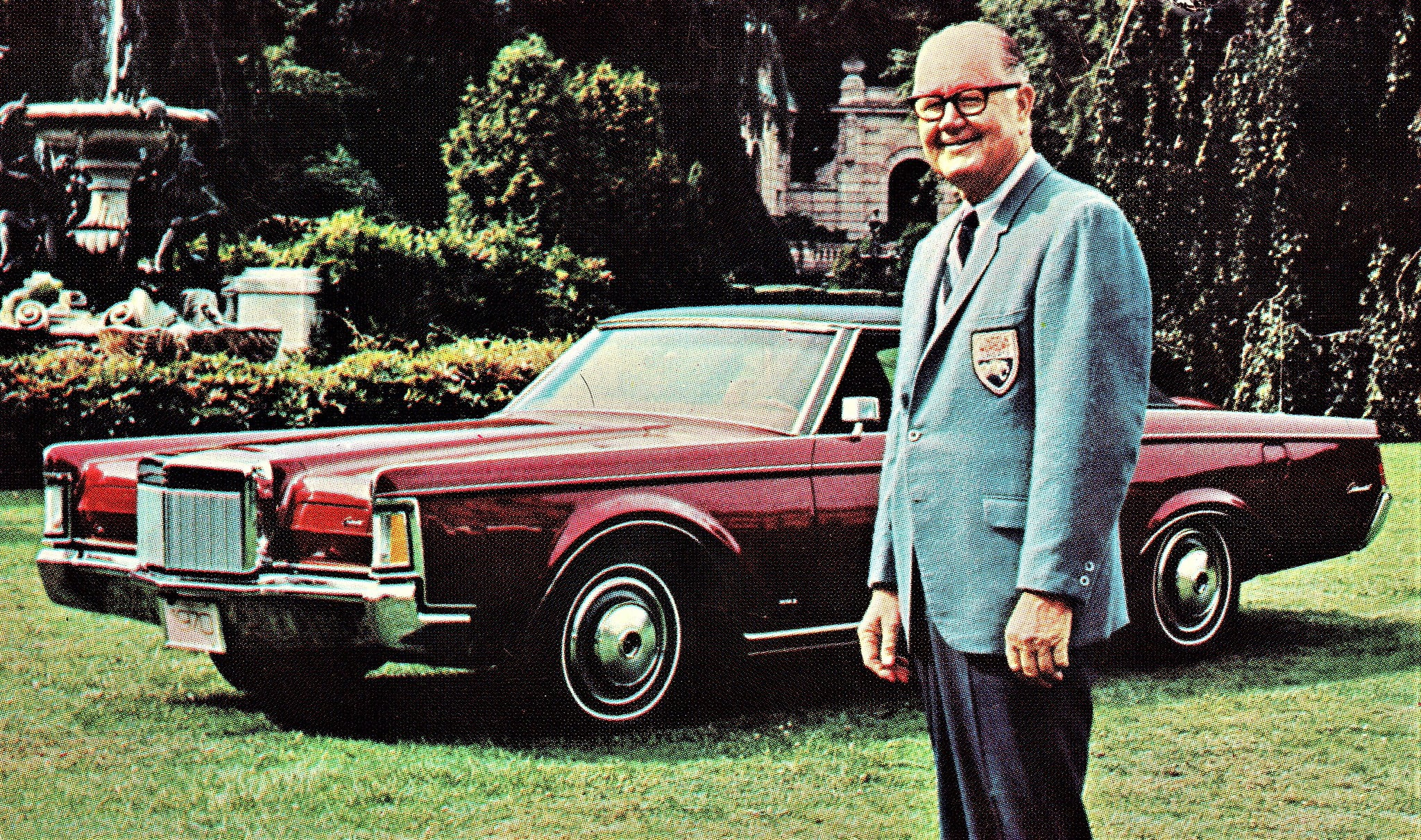
In 1945, Byron Nelson won 11 consecutive PGA Tour events. Not 11 wins scattered throughout a season — 11 straight tournaments.
He also won 18 total tournaments that year, a record that itself may never be broken. Golf’s competitive depth makes Nelson’s streak impossible to replicate today, and there’s a stubborn beauty to that impossibility (like watching someone solve a puzzle that no longer exists, where the pieces themselves have changed shape over time).
The modern PGA Tour features roughly 150 of the world’s best golfers competing each week; Nelson competed against a smaller, less international field during World War II when many top players were serving overseas. But even accounting for the era, winning 11 straight professional tournaments requires a combination of skill, health, and mental fortitude that borders on superhuman.
Tiger Woods, at his absolute peak, never won more than seven consecutive starts.
Wilt Chamberlain’s Season Averages

Chamberlain appears twice on this list for good reason. His 1961-62 season remains statistically incomprehensible: he averaged 50.4 points and 25.7 rebounds per game while playing an average of 48.5 minutes per game.
NBA games are 48 minutes long. Those numbers mean Chamberlain played essentially every minute of every game, including overtime, while maintaining production levels that modern players achieve for short bursts.
The physical demands of today’s NBA make such durability impossible. Players rest for “load management,” rotate through substitutions, and carefully monitor minutes to prevent injury.
Chamberlain’s season represents a different approach to professional basketball — one that no longer exists and cannot be recreated.
Cal Ripken Jr.’s Consecutive Games Streak
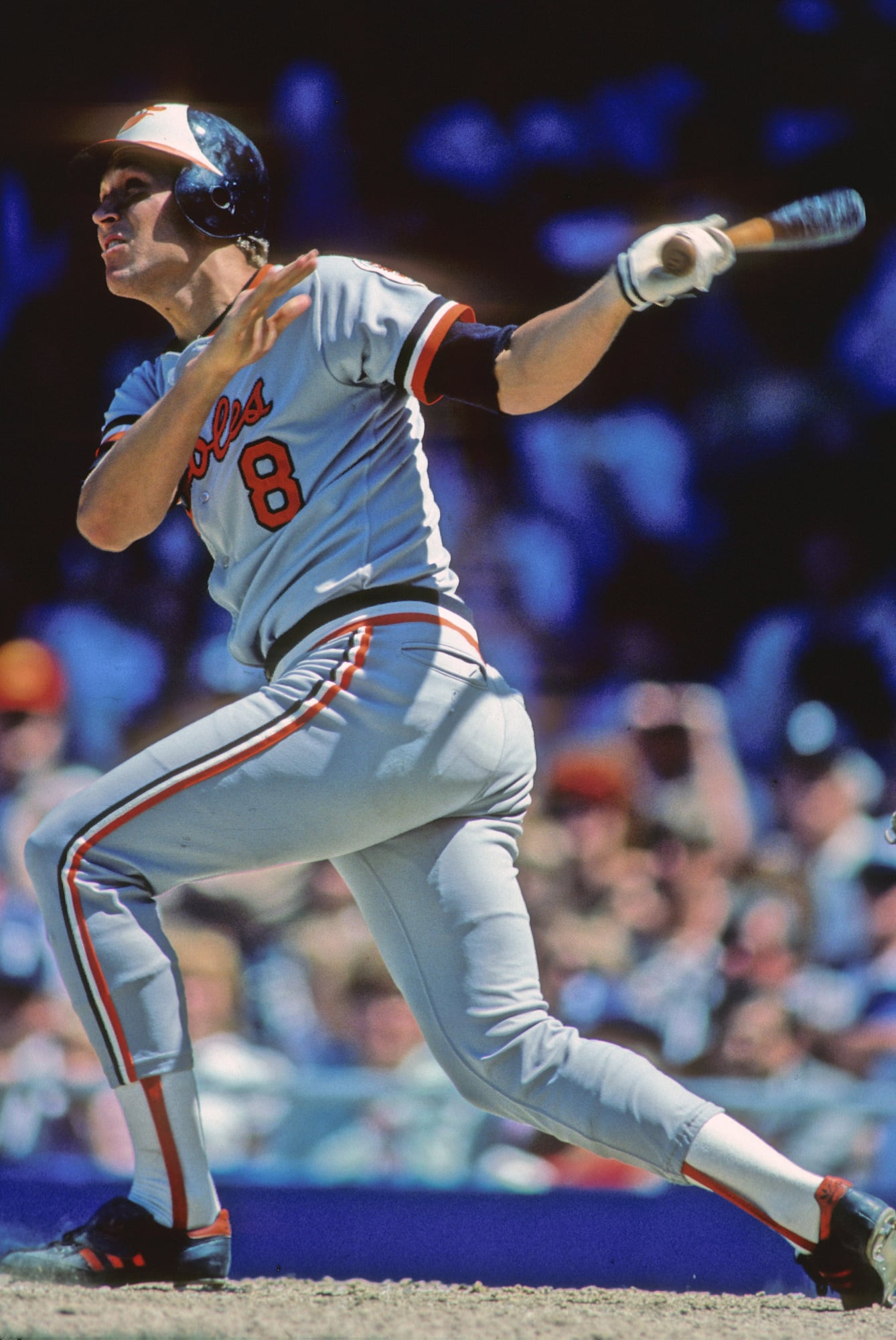
Cal Ripken Jr. played in 2,632 consecutive games between 1982 and 1998. That’s 16 years without missing a single game due to injury, illness, or rest.
The previous record, held by Lou Gehrig, was 2,130 consecutive games — itself considered unbreakable before Ripken surpassed it. Modern baseball culture makes Ripken’s record untouchable.
Teams now prioritize player health over consecutive game streaks, regularly resting players for minor injuries that Ripken would have played through. The financial investment in individual players creates organizational pressure to err on the side of caution.
Ripken’s streak represents an old-school mentality that valued durability above all else.
Oscar Robertson’s Triple-Double Season
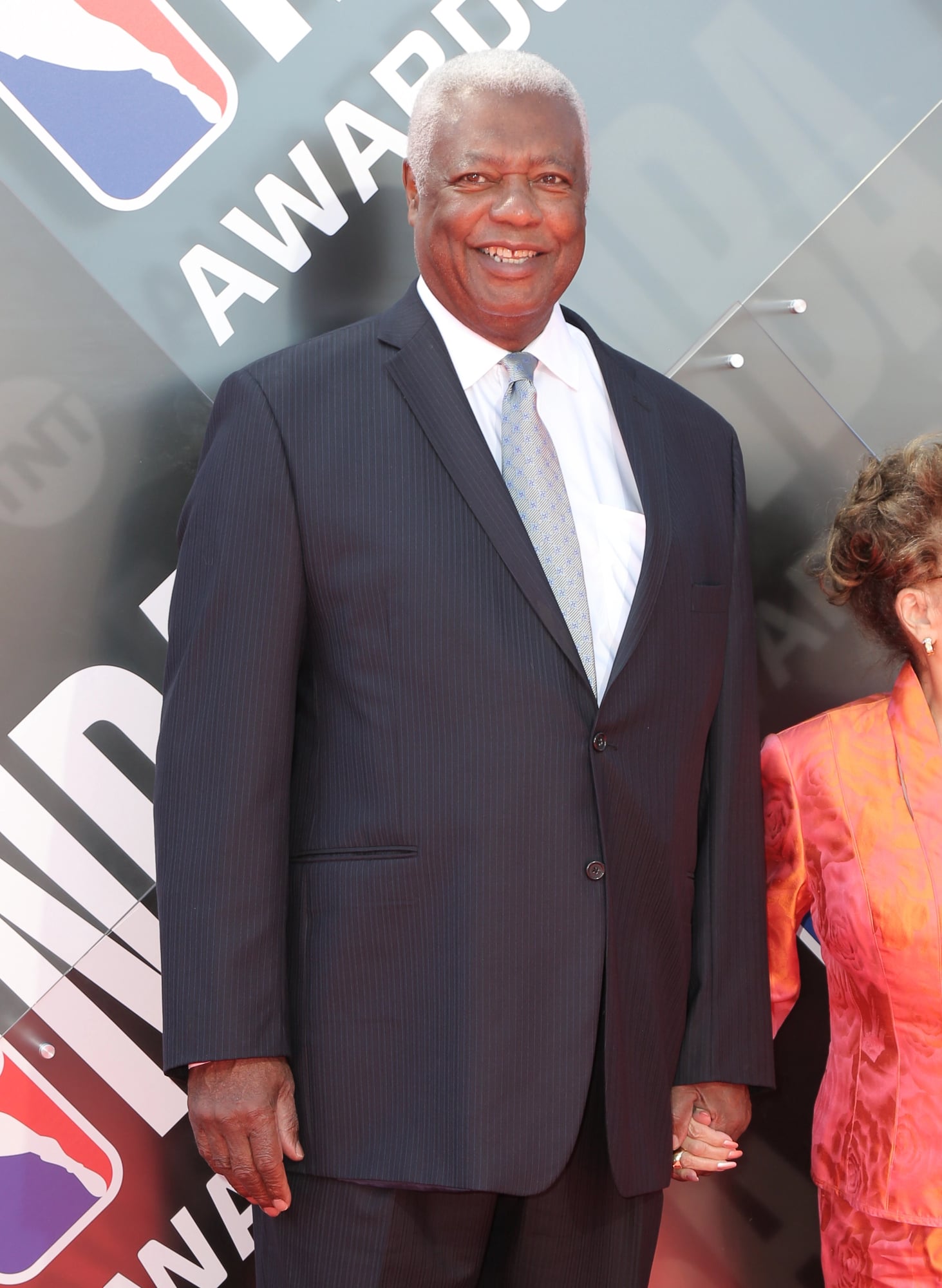
Oscar Robertson averaged a triple-double for the entire 1961-62 NBA season: 30.8 points, 12.5 rebounds, and 11.4 assists per game. For 30 years, this seemed like another untouchable record from basketball’s statistical prehistory.
Then Russell Westbrook averaged a triple-double in 2016-17, duplicating Robertson’s feat. Westbrook did it again the next season, and the next, proving Robertson’s record wasn’t quite as impossible as it seemed.
But Robertson did it first, when the concept of a season-long triple-double average was purely theoretical. His achievement opened minds to what was possible in basketball.
Glenn Hall’s Consecutive Games Streak for Goalies
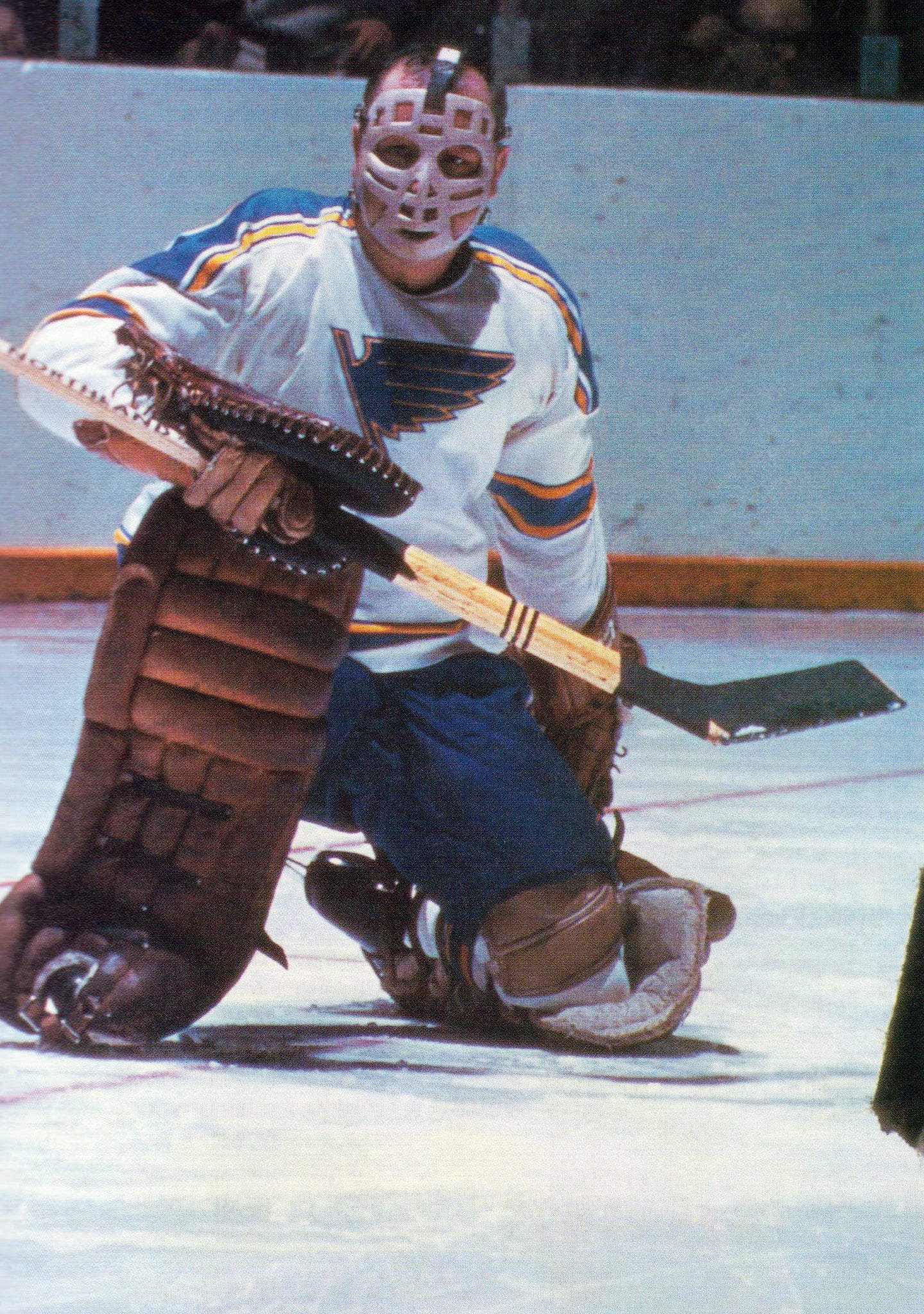
Glenn Hall played 502 consecutive complete games as an NHL goaltender between 1955 and 1962. That’s seven seasons without missing a single game or being pulled for poor performance.
He played every minute of every game for his team across those 502 games. Hockey goalies today share duties with backup goalies as standard practice.
Teams rotate goalies to manage fatigue and maintain peak performance. Hall’s era featured smaller rosters and different expectations for goaltender durability.
The record becomes more impressive when considering that goalies face rubber pucks traveling over 100 mph without the protective equipment available to modern players.
Hack Wilson’s 191 RBIs in 1930

Hack Wilson drove in 191 runs during the 1930 baseball season. The closest anyone has come since was Manny Ramirez’s 165 RBIs in 1999 — still 26 RBIs short of Wilson’s mark.
Baseball’s statistical revolution makes Wilson’s record increasingly untouchable. Modern teams understand that getting on base is more valuable than swinging for extra-base hits, leading to more walks and fewer opportunities for RBIs.
The 1930 season was also played with a livelier baseball that produced inflated offensive numbers across the league. That combination of circumstances — a hitter-friendly baseball, aggressive hitting approach, and pre-statistical analysis strategy — created perfect conditions for Wilson’s record.
John Stockton’s Career Assists and Steals
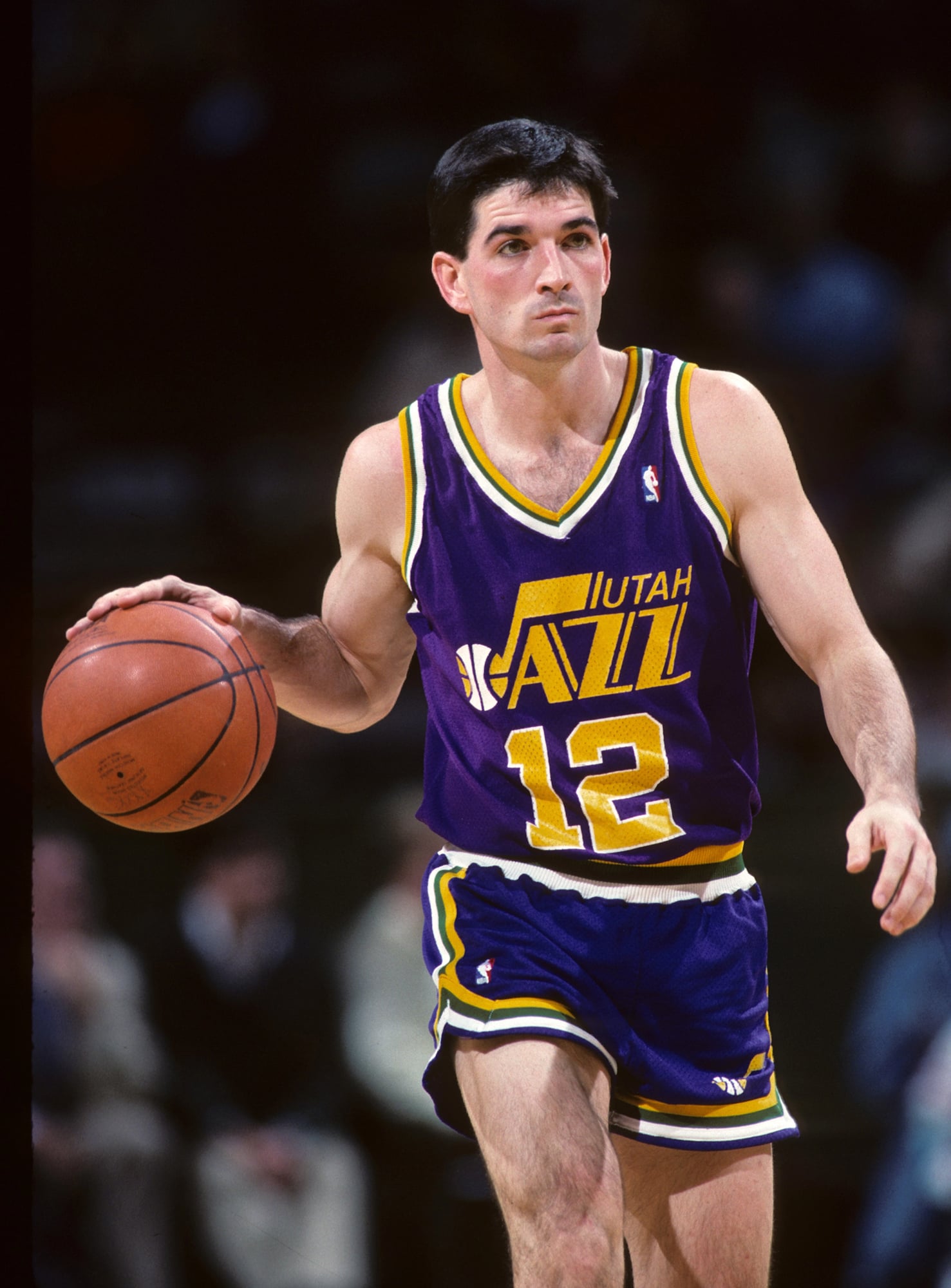
John Stockton retired with 15,806 career assists and 3,265 career steals. Both records seem unbreachable given how the NBA has evolved since Stockton’s retirement in 2003.
The assists record looks particularly safe. Chris Paul, the active leader in career assists, would need several more productive seasons to approach Stockton’s mark.
Modern NBA offenses distribute playmaking responsibilities among multiple players rather than centering everything through one point guard. Stockton played in an era where point guards dominated the orb and initiated nearly every offensive possession for their teams.
Ted Williams’ .406 Batting Average
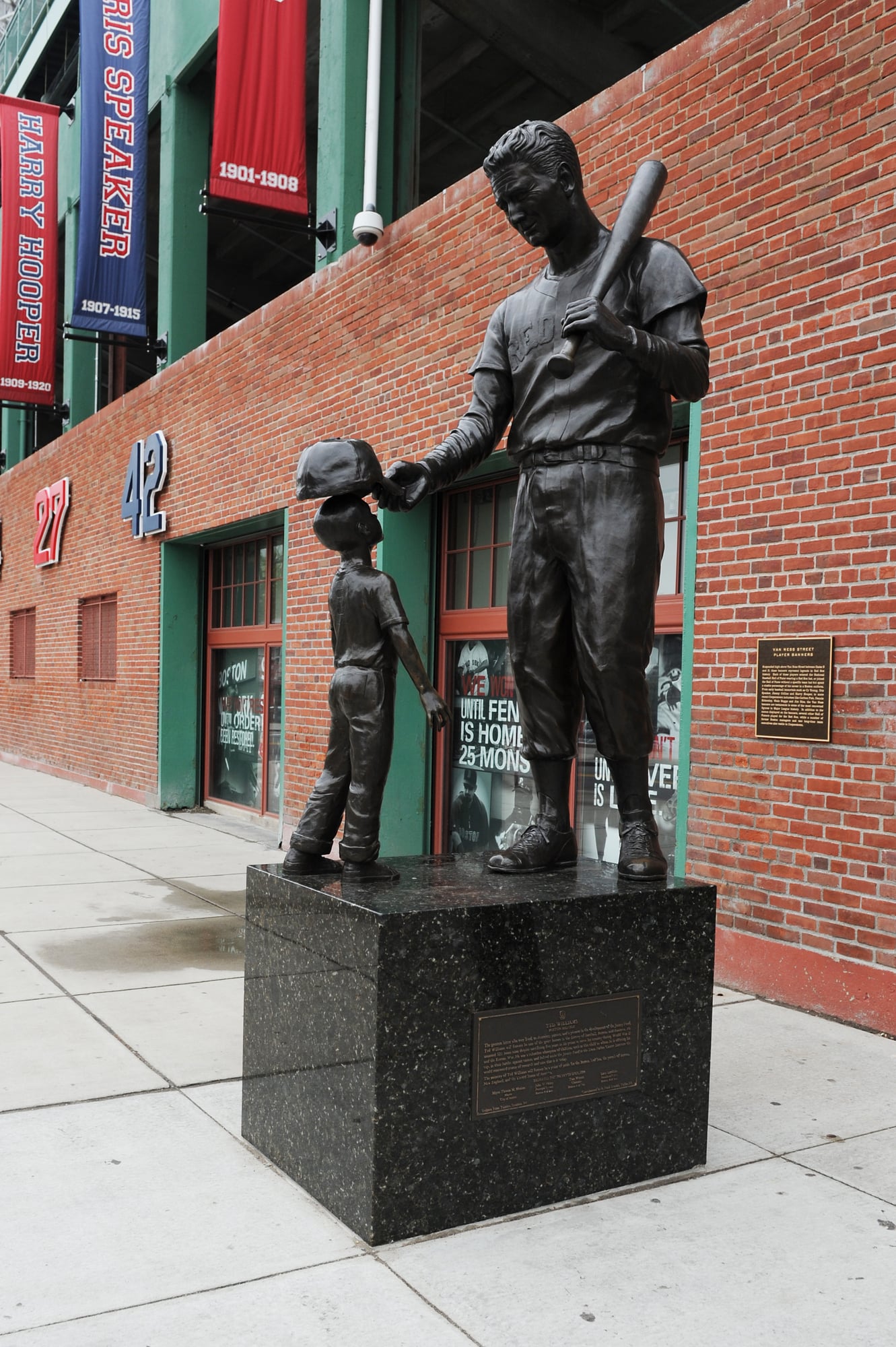
Ted Williams hit .406 in 1941, the last player to bat .400 for a full season. Williams actually had the choice to sit out the season’s final doubleheader to preserve his .400 average but chose to play both games, going 6-for-8 to finish at .406.
No player has seriously threatened .400 since Tony Gwynn hit .394 in the strike-shortened 1994 season. Modern pitching specialization, defensive positioning, and video analysis make sustained offensive excellence increasingly difficult.
Relief pitchers now enter games specifically to face individual hitters, creating matchup disadvantages that Williams rarely encountered.
J. Rice’s Career Receiving Records

J. Rice caught 1,549 passes for 22,895 yards and 197 touchdowns during his NFL career. His touchdown record is particularly untouchable — the second-place receiver, Randy Moss, caught 156 touchdown passes, 41 fewer than Rice.
Rice played 20 NFL seasons with remarkable durability and consistency. Modern receivers face more violent hits, play in offenses that spread targets among multiple receivers, and rarely maintain peak performance into their late 30s as Rice did.
His longevity records require not just exceptional skill but also genetic gifts for recovery and injury avoidance that can’t be replicated through training alone.
Looking Back At The Impossible
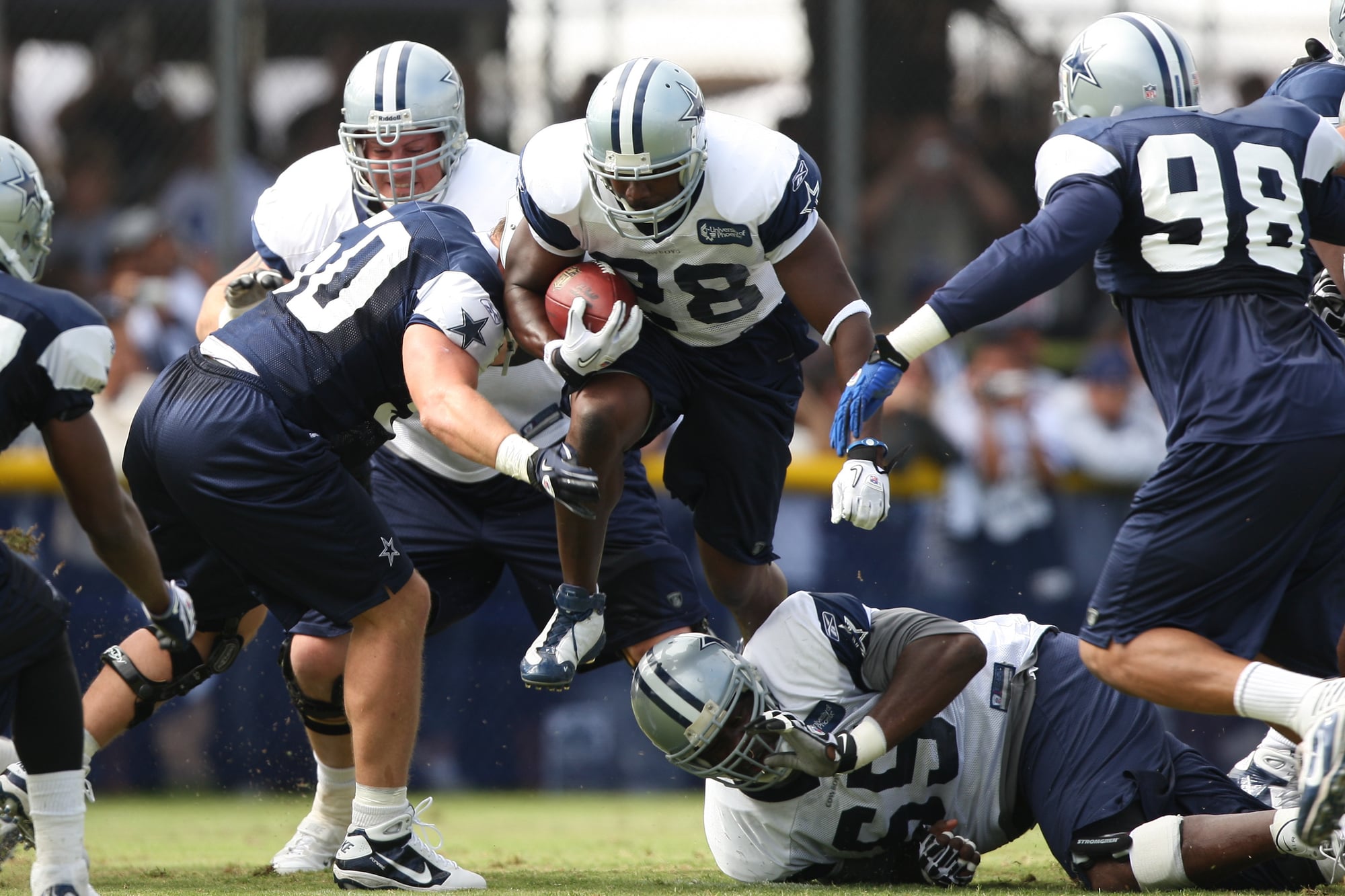
These records exist in a strange space between achievement and artifact. They remind us that sports history isn’t just about getting better — sometimes it’s about capturing lightning in circumstances that no longer exist.
The game changes, the athletes evolve, but these numbers remain frozen in time, as permanent as anything gets in a world that keeps moving forward.
More from Go2Tutors!

- The Romanov Crown Jewels and Their Tragic Fate
- 13 Historical Mysteries That Science Still Can’t Solve
- Famous Hoaxes That Fooled the World for Years
- 15 Child Stars with Tragic Adult Lives
- 16 Famous Jewelry Pieces in History
Like Go2Tutors’s content? Follow us on MSN.


