15 Most Memorable Video Game Demises
Some game moments stick with you for days. Others stick with you for decades.
The deaths in this list fall into the second category — scenes that stopped players cold, rewired their expectations, or just plain broke their hearts. Whether tragic, shocking, or earned after a long fight, these are the endings that proved video games can hit as hard as any film or novel.
Aerith – Final Fantasy VII
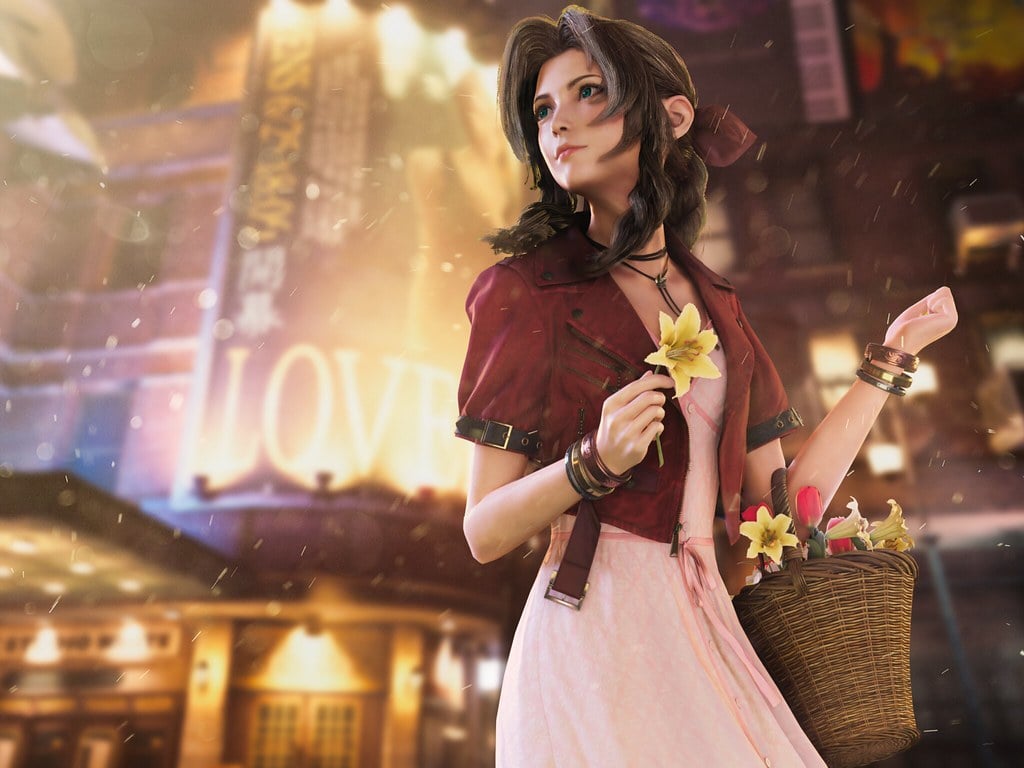
Nothing else on this list hits the same way. Aerith’s death in Final Fantasy VII wasn’t just a shock — it was a rupture.
Players had spent hours building her up, equipping her, leveling her materia. Then she was gone.
No warning. No dramatic build-up.
Sephiroth dropped from above and that was it. What made it devastating wasn’t just the moment itself.
It was the silence that followed. The music.
Cloud held her as she slipped into the lake. The game never let you look away.
A generation of players learned for the first time that the characters they loved in games could actually be taken from them.
Lee Everett – The Walking Dead (Telltale)
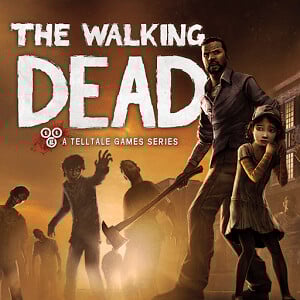
Telltale’s The Walking Dead built its entire first season around one relationship: Lee and Clementine. By the finale, you’d made hundreds of small decisions that shaped who Lee was and how he’d protected her.
Then you had to say goodbye to him. The final scene gave players the choice of how it ended.
Either way, Clementine was left alone, and the weight of that — of everything you’d built across five episodes — came crashing down. It remains one of the most emotionally effective endings in the medium.
John Marston – Red Dead Redemption

Red Dead Redemption spends its entire second half building toward one thing: John Marston earning back his family. He does it.
He retires to a quiet ranch. You spend an hour or so living that life — feeding chickens, doing chores, riding out at sunrise.
Then the government men come and they gun him down in his own yard. It’s inevitable. The game had been telling you this would happen.
But when it did, it still felt like a punch to the chest. The tragedy wasn’t just that John died.
It was that he almost got out.
The Boss – Metal Gear Solid 3

Metal Gear Solid 3 is one long argument that war destroys the people it uses. The Boss is the clearest example.
She spent the whole game as the villain — or what looked like one. The final reveal reframes everything.
She wasn’t a traitor. She was following orders she never got to explain, sacrificing her reputation, her country’s trust, and her life for a mission nobody would ever acknowledge.
Snake has to pull the trigger himself. The white flowers.
The codec call afterward. It’s one of the most sobering endings in gaming.
Dom Santiago – Gears of War 3
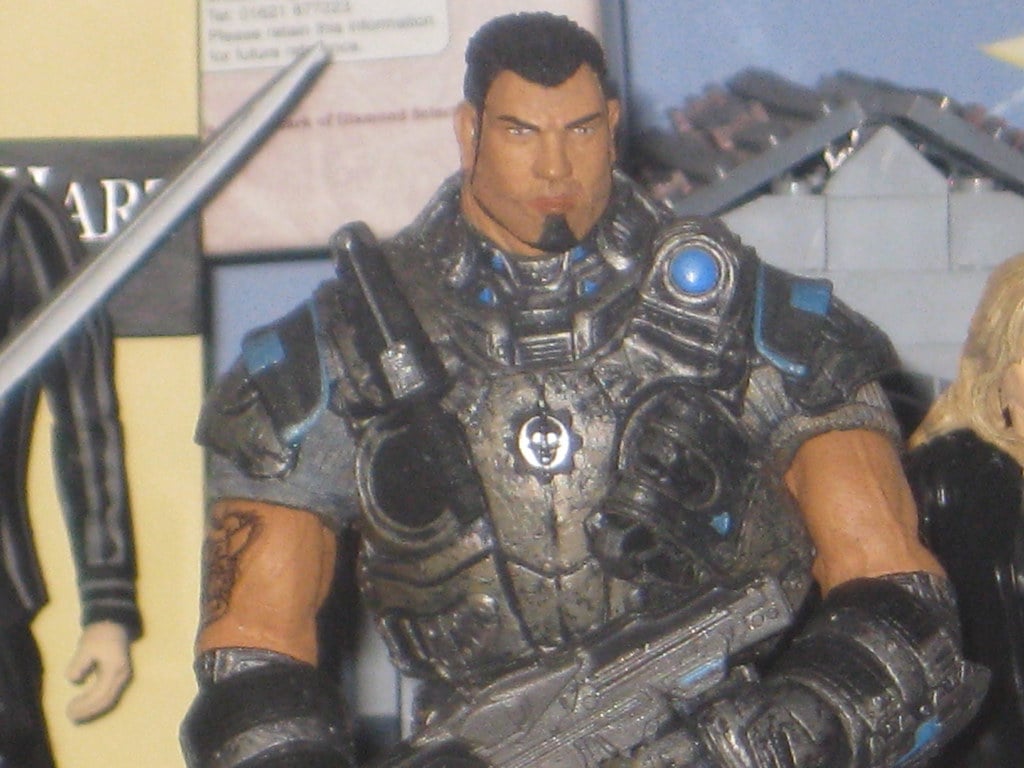
Dom spent two and a half games searching for his wife Maria. When he found her in Gears 2, she was beyond saving — a moment that gutted players and established Dom as someone carrying a weight the other Gears characters simply couldn’t understand.
In Gears 3, he drives a tanker truck into a fuel depot to save his squad. It’s a sacrifice, and it’s final.
After everything Dom had been through, losing him felt personal. His relationship with Marcus gave the scene a gravity that most action games never come close to.
Mordin Solus – Mass Effect 3

Mordin had one of the best character arcs in the Mass Effect trilogy. He was funny, brilliant, and deeply complicated — a scientist who helped develop the genophage that kept the Krogan from repopulating, and who had spent years justifying it to himself.
In Mass Effect 3, he gets the chance to cure it. He has to cure it.
And doing so costs him his life. His final words — “had to be me. Someone else might have gotten it wrong” — were delivered with such quiet certainty that players felt them long after the credits rolled.
It was the right ending for him. That made it harder, not easier.
Ethan Mars – Heavy Rain
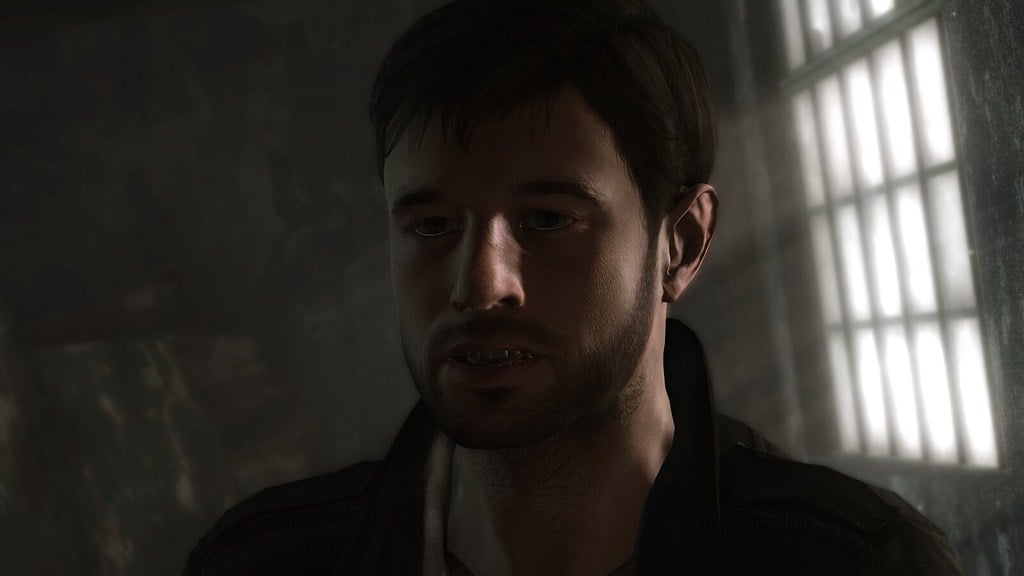
Heavy Rain’s Ethan Mars is defined entirely by grief. He loses one son at the start of the game and spends the whole story trying to save the other.
Depending on the choices you make, he doesn’t always succeed. There are endings where Ethan loses everything.
What made his possible demise so affecting was the sense of complicity. Every decision in Heavy Rain was yours.
If Ethan failed, you felt responsible. The game understood something important about interactive storytelling: when the player is the one making the choices, loss hits differently.
Arthur Morgan – Red Dead Redemption 2

Red Dead Redemption 2 asks a simpler question than most games: Can a person change? Arthur Morgan spends 60-plus hours wrestling with that.
He’s not a hero. He knows it.
But in the final act, he tries to be something better anyway. His end on the mountaintop — watching the sunrise if you’d played with high honor — was quiet and earned.
Rockstar gave him time. They let him rest.
After everything Arthur had seen and done and lost, that sunrise felt like mercy.
Zack Fair – Crisis Core: Final Fantasy VII

Crisis Core is essentially a countdown. From the opening scenes, you understand that Zack Fair’s story ends one specific way.
The game spends dozens of hours making you care about him anyway, which is either cruel or masterful depending on how you look at it. His last stand — fighting through an army of soldiers to protect Cloud — is presented without shortcuts.
No miraculous escape. No reframe. He goes down swinging and the screen fades and you’re left with the knowledge that everything about Final Fantasy VII that you loved began with someone giving everything so Cloud could survive.
Titus Flavius – Warhammer 40,000: Space Marine

Not every memorable end is tragic in a traditional sense. Captain Titus’s fate at the conclusion of Space Marine — imprisoned by his own Inquisition, stripped of rank, marched away after saving a planet — hit players differently.
He survived. He won. And he was punished for it anyway. It captured something specific about the grimdark universe he inhabited: doing the right thing doesn’t mean anything in a world that size.
It also set up a sequel that players spent over a decade waiting for.
GLaDOS – Portal

GLaDOS’s original defeat was unlike anything players had experienced. You’d spent the whole game listening to her — her passive aggression, her lies, her mocking concern — and then you figured out how to fight back.
Dragging her into the fire piece by piece while she bargained, then threatened, then pleaded, was darkly funny and genuinely tense. “You monster.” Two words.
The game ended in a field of rubble and that little robot still managed to get the last word. It’s one of the greatest villain exits in gaming.
Handsome Jack – Borderlands 2

Gearbox spent an entire game making sure you hated Handsome Jack as much as you possibly could. He killed Roland.
He mocked you constantly. He genuinely believed he was the hero of his own story, which made him more infuriating and oddly compelling than a straightforward villain would have been.
His final moments gave players a choice. You could let Lilith handle it, or you could do it yourself.
Either way, the game had earned it. The build-up across 40-plus hours meant that when the moment came, it landed with real weight.
The Player Character – Planescape: Torment

Planescape: Torment’s ending hinges on a question the game has been asking since the opening screen: what can change the nature of a man? The Nameless One — who has died and been resurrected countless times, losing his memories each time — eventually faces what all those deaths have cost the world.
His final sacrifice isn’t a typical heroic ending. It’s an act of accountability.
He accepts that his quest for immortality created suffering, and he chooses to face the consequences. Few RPGs have ever built toward an ending with that kind of philosophical weight.
The Originals – This War of Mine

This War of Mine doesn’t have a story in the traditional sense. You manage a group of survivors in a city under siege, making decisions about food, shelter, and how far you’re willing to go to keep people alive.
Characters can and will die — from illness, injury, moral collapse, or direct violence. The first time one of your people didn’t make it, because of a choice you made or a risk you took, the game stopped feeling like a game.
There was no dramatic scene. Just a crossed-out name and a note.
That restraint made it worse.
Soap MacTavish – Call of Duty: Modern Warfare 3

Back in the first Modern Warfare, you played as Soap. In the next one, you saw him again, fighting beside you.
Come the third game, he wasn’t just familiar – he was part of the routine. A face that never seemed to change.
Always showing up when expected. He died in MW3 without warning, as most things in war happen.
Price was there, gripping him tight. The job is still left undone.
That moment showed Call of Duty could still hit hard beneath the noise. When Soap fell, it actually meant something.
When the Credits Mean Something

Something ties these scenes together. Not once did they aim to stun for the sake of it. Hurt came only after long play, often stretching well beyond twenty hours deep.
A slow build made each blow land harder. Here’s what happens when someone dies in a game.
Crafting that moment demands more time than in films or books. You’ve walked every step they took.
Following paths shaped by decisions. Completing tasks one after another.
Ties formed slowly, over hours. Once it stops, their moment stops with it.
Yet if pulled off right, nothing else out there matches the experience.
More from Go2Tutors!

- The Romanov Crown Jewels and Their Tragic Fate
- 13 Historical Mysteries That Science Still Can’t Solve
- Famous Hoaxes That Fooled the World for Years
- 15 Child Stars with Tragic Adult Lives
- 16 Famous Jewelry Pieces in History
Like Go2Tutors’s content? Follow us on MSN.