16 Grossest Toys Ever Made
Childhood memories are filled with beloved toys that sparked imagination and joy. But for every cherished teddy bear or building block set, the toy industry has produced some truly disturbing creations that make parents cringe and wonder what the designers were thinking.
These toys pushed boundaries of good taste, embraced disgusting themes, or simply made kids fascinated with things that would horrify most adults. From oozing substances to bathroom humor taken too far, these sixteen toys represent the absolute worst in design judgment and child entertainment.
Gooey Louie
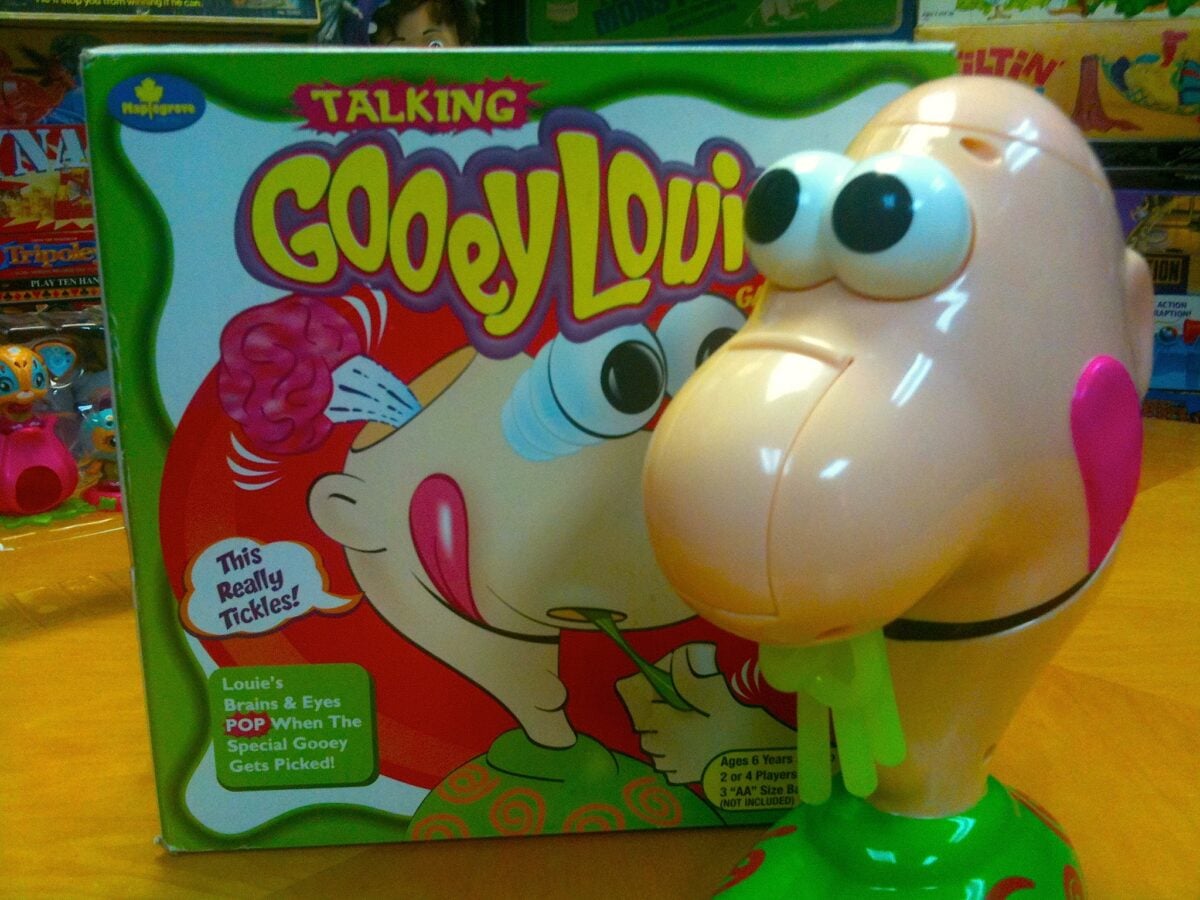
Pull plastic boogers from this unfortunate character’s oversized nose until his brain pops out. That’s the entire game.
The toy normalized nose-picking as entertainment. Kids would gather around, taking turns yanking green rubber pieces from Louie’s nostrils with genuine excitement.
Dr. Pimple Popper Pimple Pete
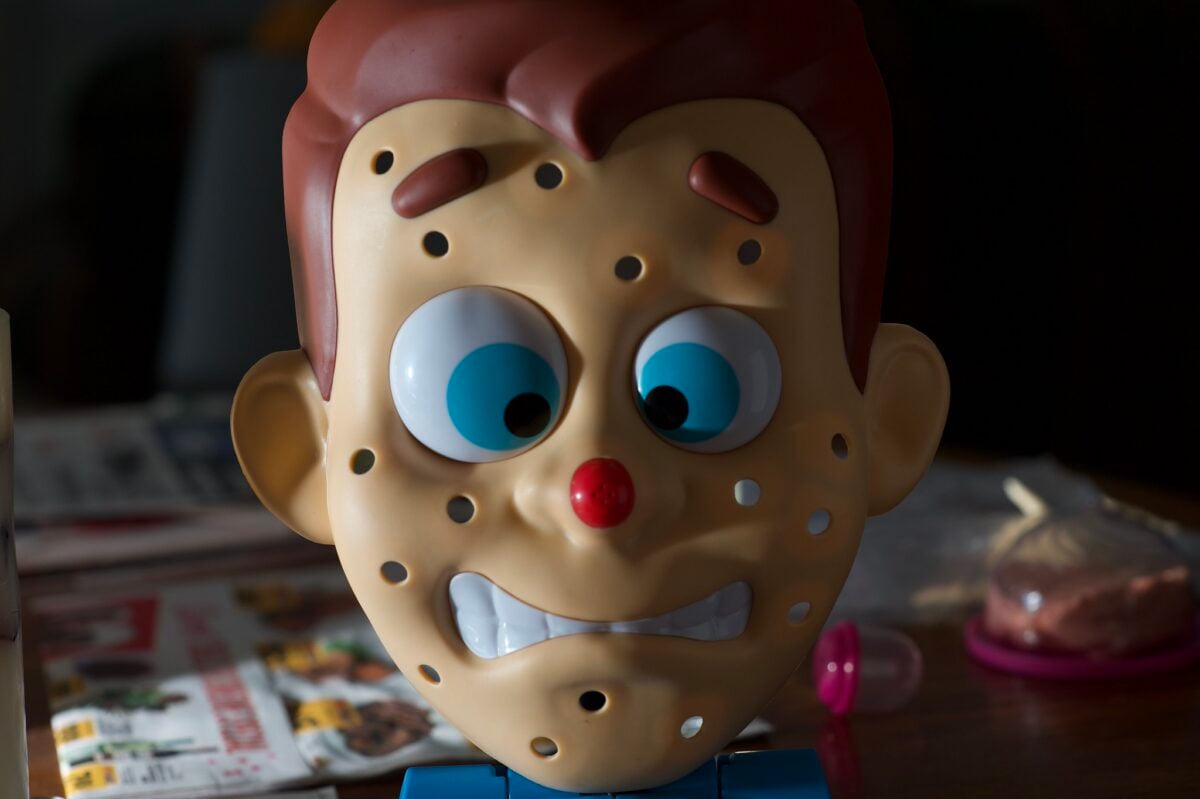
This board game centers around squeezing pimples on a teenage character’s face. Water shoots out when kids press the wrong spot.
The game capitalizes on the gross-out factor of adolescent skin problems. Parents watching their children gleefully pop fake zits on a plastic face experience a special kind of horror.
Baby Alive Dolls
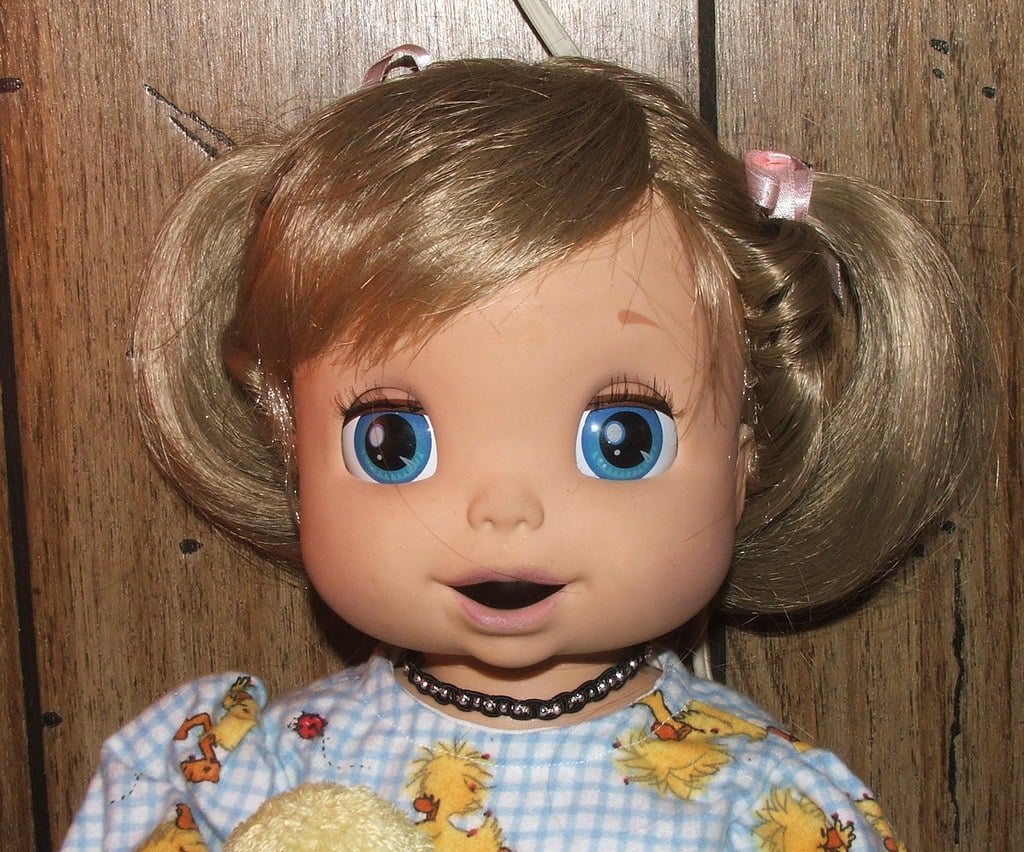
These dolls eat, drink, and produce wet diapers that children must change. The “food” goes in one end and comes out the other, creating a realistic (and revolting) parenting simulation that somehow became wildly popular.
The manufacturers designed Baby Alive to teach nurturing behaviors, but what they actually created was a tiny excrement factory that required constant maintenance. And yet parents kept buying them, perhaps because watching their children deal with fake bodily functions prepared them for the real thing (though whether this preparation was worth the lingering smell of artificial baby food mixed with whatever chemical compound the doll produced is another question entirely).
The dolls would malfunction in spectacular ways. Sometimes the internal mechanisms would jam, causing the doll to continuously leak mysterious brown liquid that bore an unfortunate resemblance to what it was supposed to represent.
So children would carry around these perpetually soiled dolls like it was perfectly normal. Which, to them, it absolutely was.
Creepy Crawlers
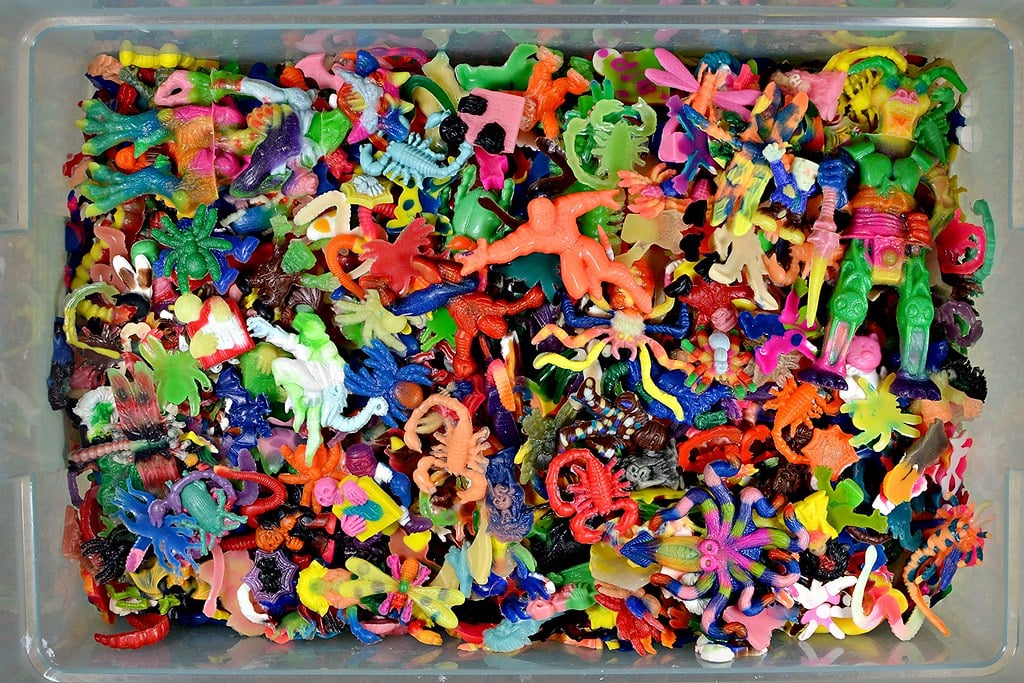
Like watching something emerge from a petri dish after weeks of neglect, these rubber insects and creatures embodied every parent’s nightmare about what their child might find fascinating. The manufacturing process itself became part of the appeal — kids would heat metal molds and pour in colored liquid that would cure into disturbingly realistic bugs.
The toys succeeded because they tapped into that universal childhood fascination with things that make adults recoil. Children would collect them, trade them, and hide them in places where unsuspecting family members would discover them later.
Garbage Pail Kids
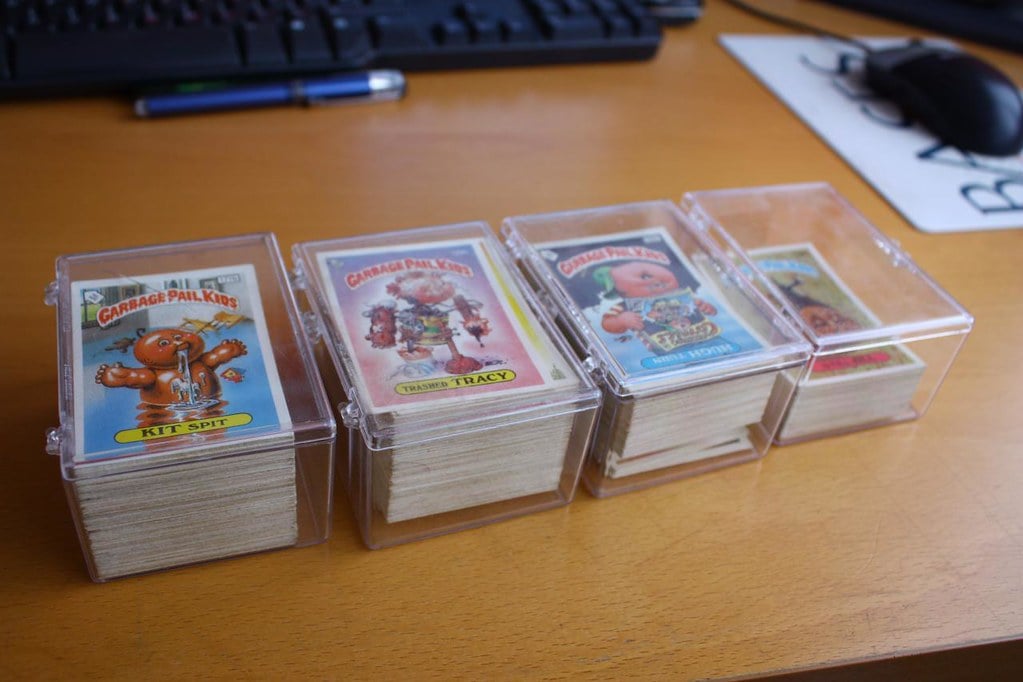
These trading cards featured children in various states of decay, dismemberment, and bodily malfunction. Each card told a story of childhood gone horribly wrong.
The artwork was deliberately repulsive. Kids named Acne Amy and Bony Tony became playground celebrities among children who delighted in grossing out their friends and horrifying their parents.
Orbeez
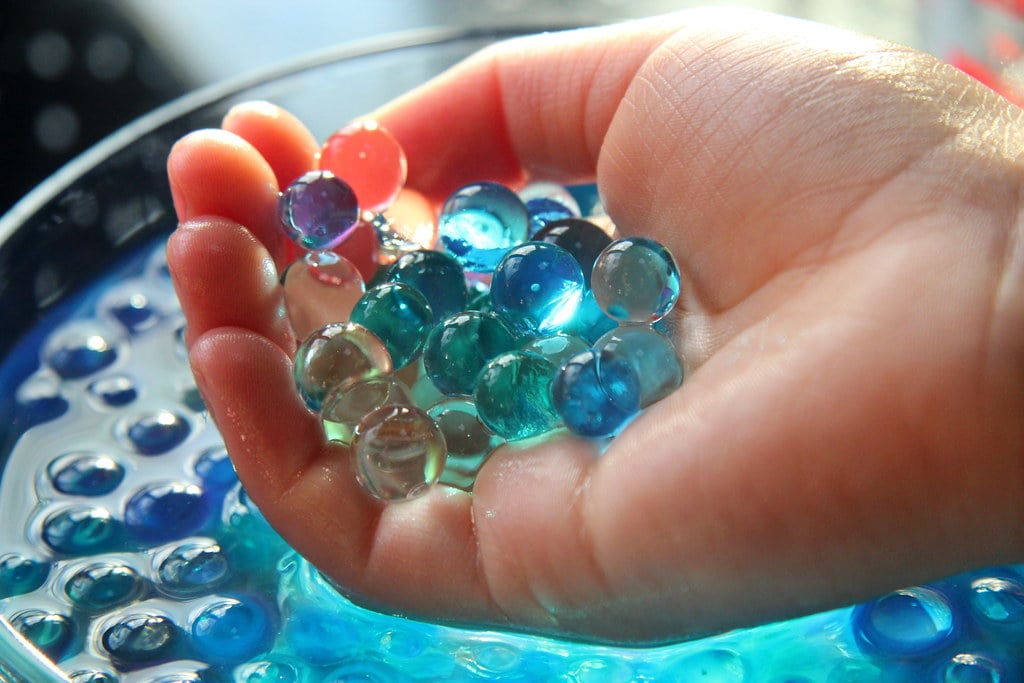
Tiny beads that absorb water and swell into slimy spheres with no real purpose beyond creating a mess. They stick to everything, roll into impossible corners, and create a sensation that many find deeply unpleasant.
The marketing promised sensory play and relaxation. The reality involved finding these things embedded in carpet fibers months later, long after the novelty had worn off.
Water Babies
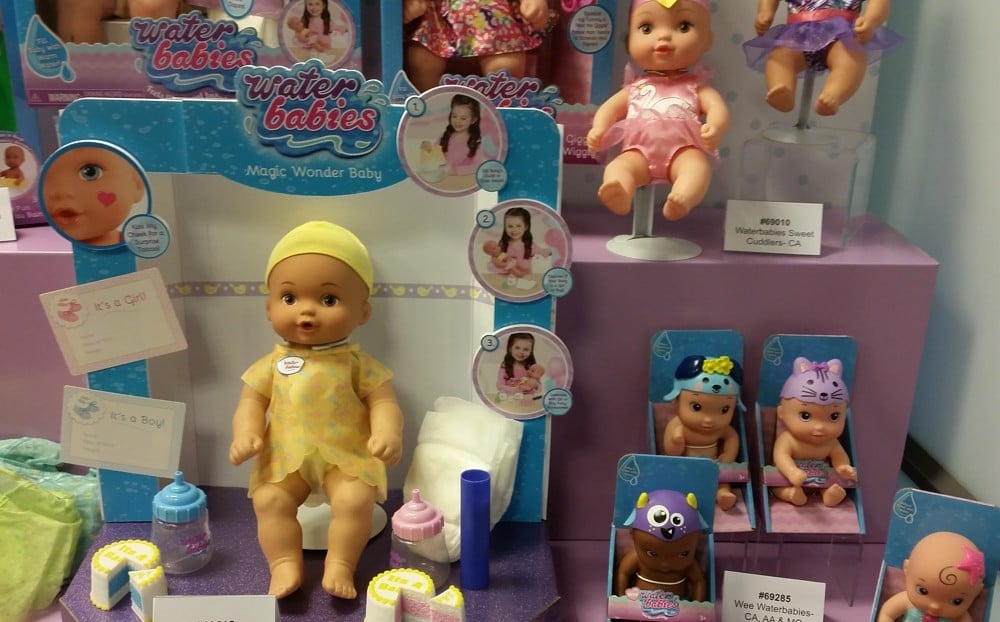
Dolls filled with liquid that sloshed around inside their vinyl bodies, creating an unsettling tactile experience that mimicked holding something that wasn’t quite alive but wasn’t entirely inanimate either. The water would occasionally develop a murky quality over time, and the vinyl would take on a clammy texture that felt disturbingly organic.
Children would squeeze these dolls compulsively, fascinated by the way the liquid moved beneath the surface like something trapped inside. The sloshing sound became hypnotic — and deeply annoying to anyone else in the room who had to listen to it repeatedly.
Parents quickly learned to hide these toys during quiet time, as the constant liquid sounds made concentration impossible for everyone within earshot.
Fart Blaster
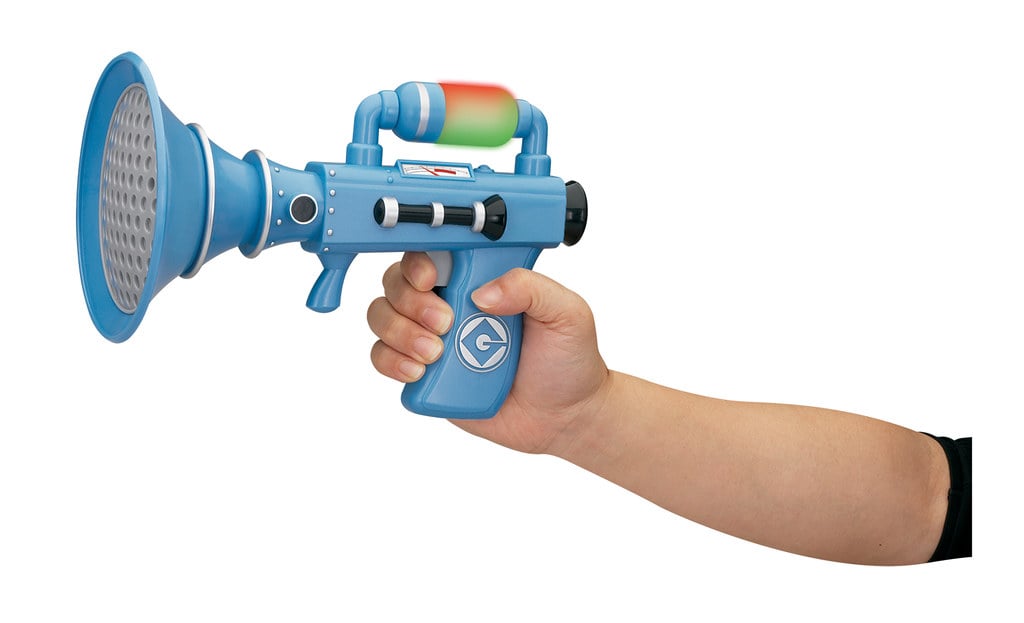
This device produced realistic flatulence sounds at volumes that could clear rooms. It came with multiple settings for different types of intestinal distress.
The toy turned bathroom humor into an art form. Kids would position themselves strategically and deploy their weapons with military precision, timing the sounds for maximum comedic effect and parental mortification.
Slime
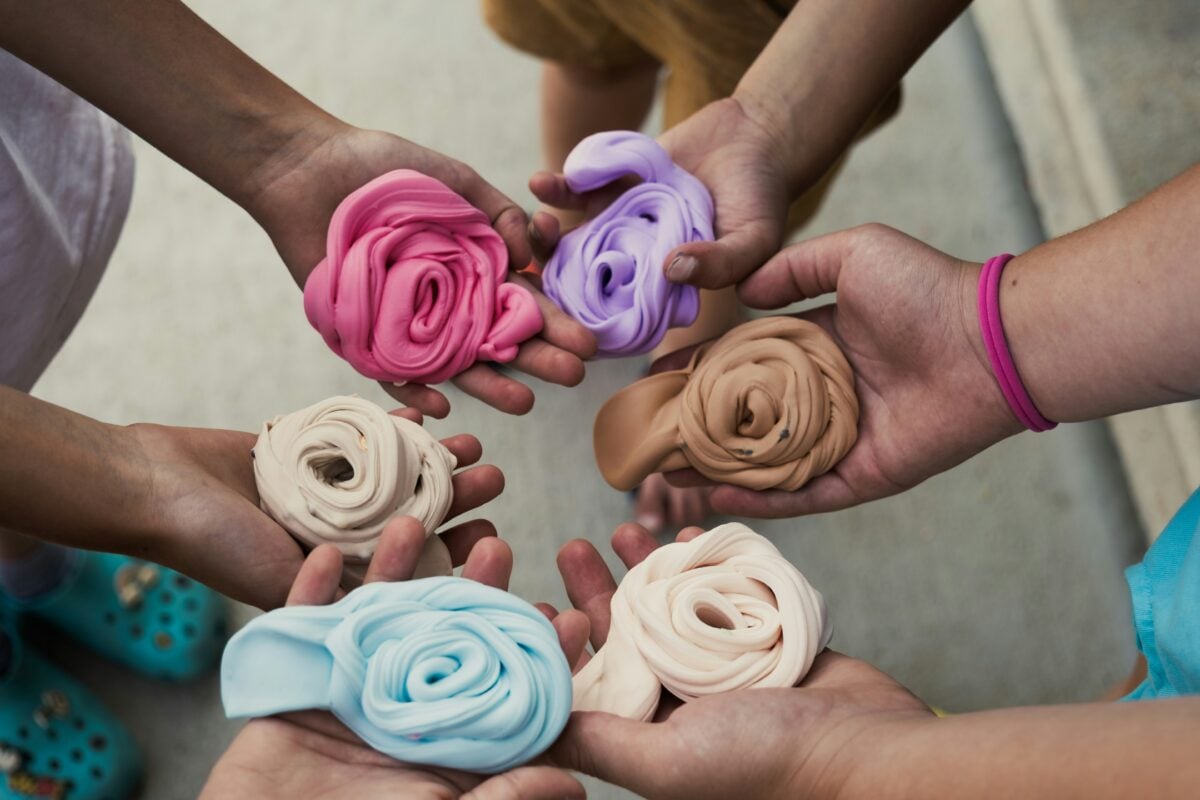
The original oozing compound that started an entire industry of disgusting tactile experiences (and probably launched a thousand carpet cleaning emergencies in the process). Mattel’s green slime was designed to be cold, wet, and thoroughly unpleasant to touch — which naturally made it irresistible to children who found joy in everything their parents found revolting.
The slime would pick up dirt, hair, and debris as children played with it, gradually transforming from its original bright green into something that resembled pond scum or worse. But this deterioration only seemed to increase its appeal among young users who treated each new bit of contamination as an improvement rather than a reason to throw the thing away.
And parents, faced with the choice between constantly replacing the slime or accepting its increasingly questionable appearance, usually chose acceptance. So the slime would persist, growing more disgusting by the day until it achieved a consistency and color that defied description.
Nickelodeon Gak
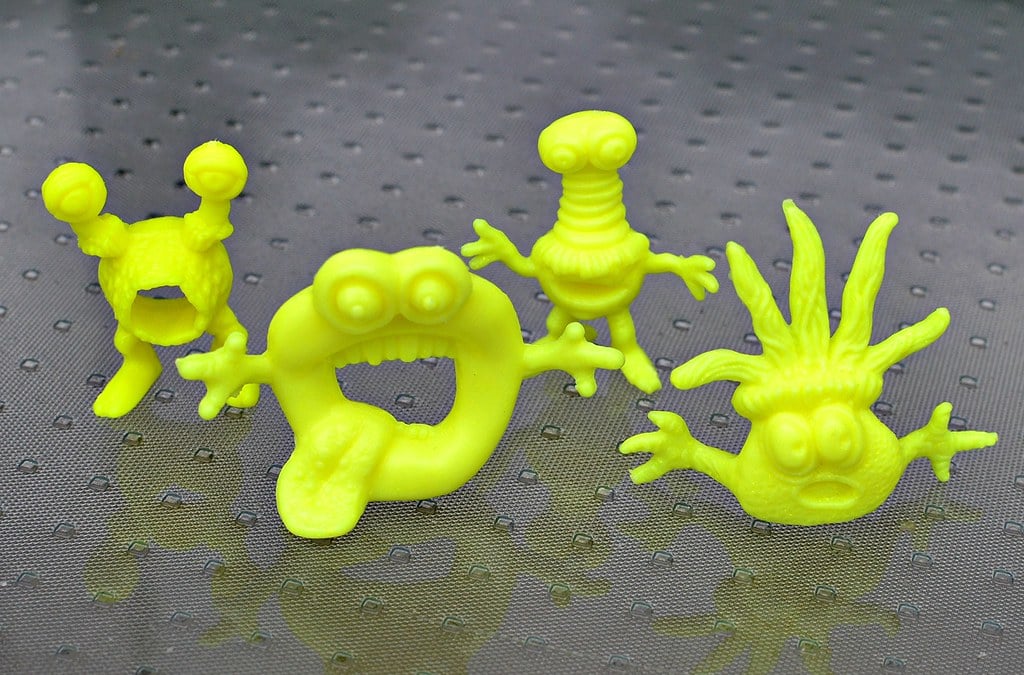
Stretchy, bouncy compound that made disgusting sounds when manipulated and had an unfortunate tendency to get permanently embedded in anything with fibers. The noise factor alone made this toy particularly offensive.
The wet, squelching sounds it produced suggested bodily functions that most people prefer not to think about during playtime.
Flush Force Collectibles
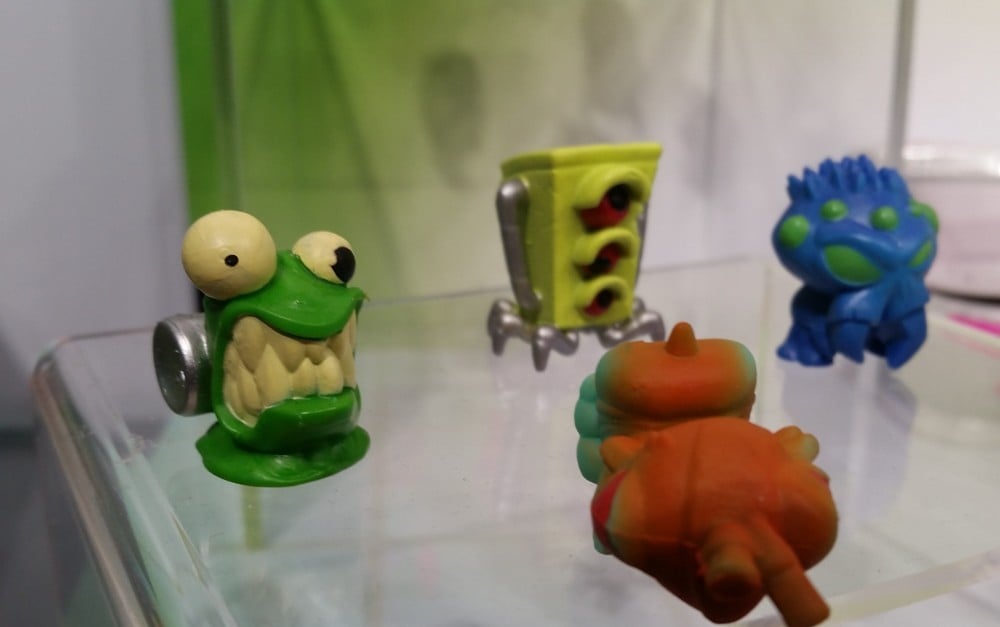
These toys reimagined childhood collectibles as tiny creatures that lived in toilets and dealt with bathroom-related adventures. Each figure came with accessories that referenced various aspects of waste management that had never needed to be translated into children’s entertainment.
The concept reduced the mystery and wonder of collectible toys to the most basic bodily functions. Instead of magical creatures or heroic characters, children were collecting tiny beings whose entire existence revolved around plumbing fixtures.
Pee-wee’s Playhouse Billy Baloney
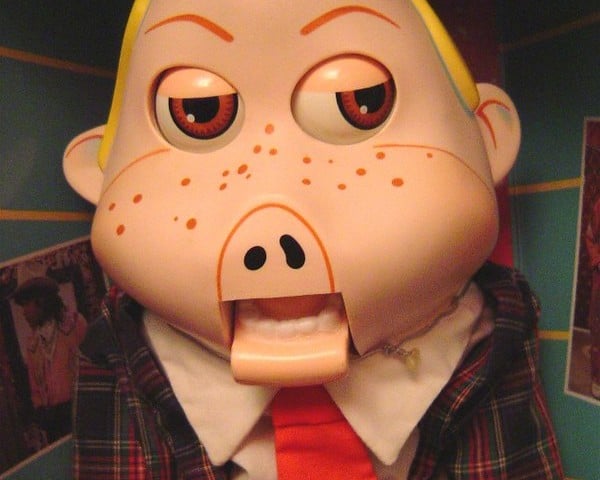
A character toy that would “throw up” colorful substances when kids pressed his stomach. The vomiting was the main feature, not an unfortunate malfunction.
This toy celebrated one of the most unpleasant human experiences and turned it into entertainment. Children would trigger the vomiting mechanism repeatedly, fascinated by the spectacle of simulated illness.
Stretch Armstrong (When It Leaked)
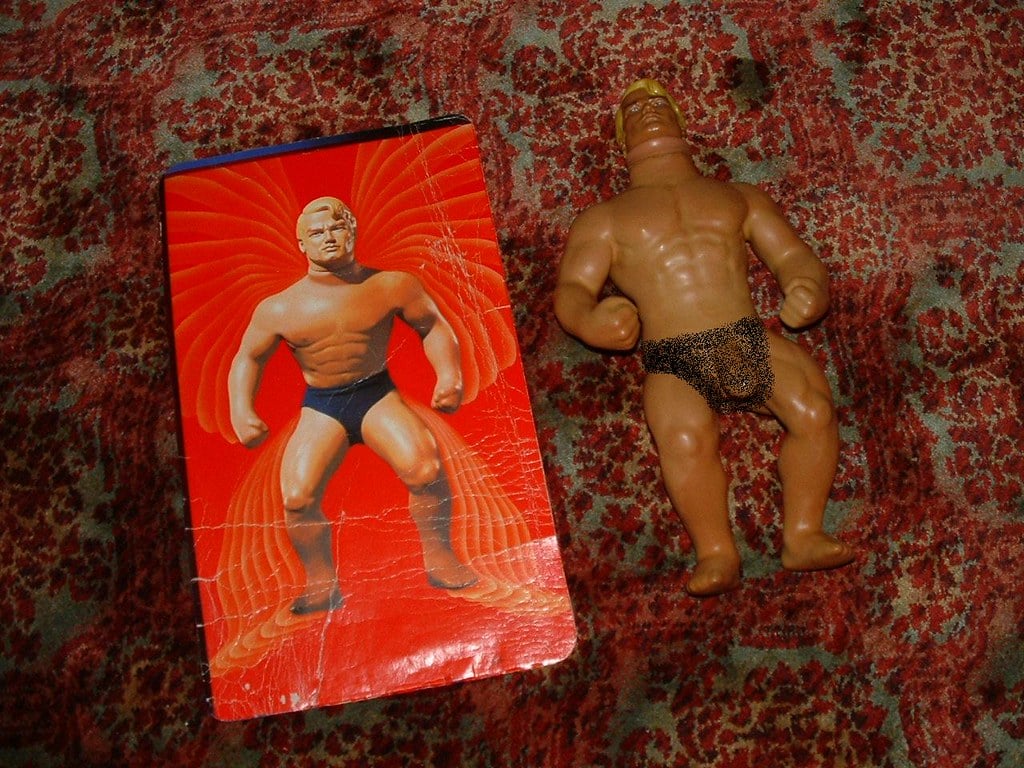
Originally designed as a stretchy action figure, Stretch Armstrong became truly revolting when the corn syrup filling inevitably leaked out through small tears in the latex skin, creating sticky messes that attracted every piece of dirt and debris in a five-foot radius.
The leaking process was gradual and insidious. A small puncture would slowly weep syrup, and children would continue playing with the increasingly gooey figure until it became more adhesive than toy.
Parents would find furniture, carpets, and other toys contaminated with the mysterious sticky substance that seemed to spread on its own.
GAK Splat
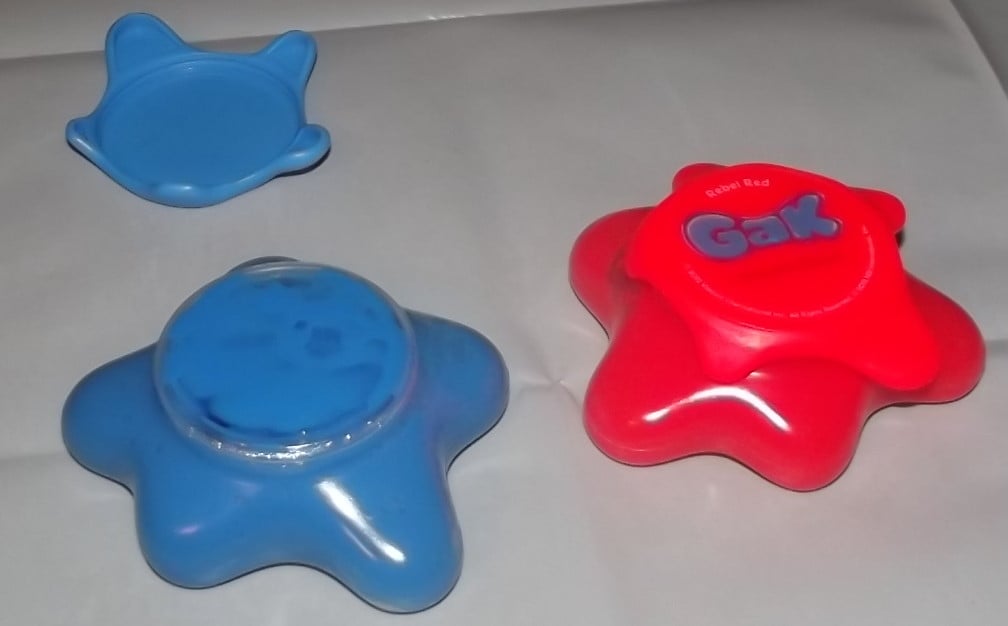
Building on the success of regular GAK, this version was specifically designed to make the most offensive splashing sounds possible when thrown against hard surfaces (and it would stick there long enough to collect dust, pet hair, and anything else floating through the air before eventually dropping to the floor with another disgusting splat).
The toy encouraged children to throw things at walls, which violated every household rule about indoor behavior, but the sounds it made were so authentically revolting that kids couldn’t resist the urge to hear them repeatedly. The splashing, squelching noise suggested something far worse than a simple toy hitting a surface.
And it would leave marks. Temporary ones, usually, but sometimes the GAK would leave behind a slight discoloration or sticky residue that served as a permanent reminder of its presence.
Nasty Habits

Board game where players acted out various disgusting behaviors and habits, earning points for successfully grossing out other participants. The game normalized behaviors that society generally discourages.
Children would learn new disgusting habits specifically to gain advantages during play, then practice these behaviors outside of game time.
Strange Change Machine
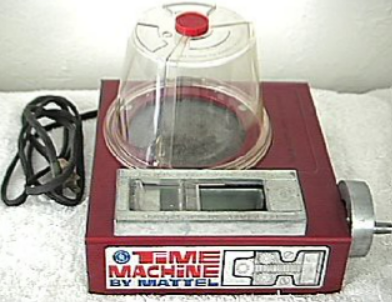
Kids would insert plastic capsules into a heated chamber and watch as they transformed into prehistoric creatures through a process that produced acrid smoke and plastic fumes that probably should have required better ventilation. The transformation process looked disturbingly organic.
The melting and reshaping of the plastic resembled some kind of biological metamorphosis, complete with chemical odors that suggested things were happening that shouldn’t happen in a child’s bedroom.
The Lasting Impact of Gross

These toys succeeded because they tapped into something fundamental about childhood — the fascination with forbidden, disgusting, or socially unacceptable things. They gave kids permission to explore the boundaries of what adults found tolerable, creating shared experiences around revulsion and inappropriate humor.
While parents endured these toys with varying degrees of patience, the children who played with them formed memories that would last decades, proving that sometimes the most objectionable playthings leave the deepest impressions.
More from Go2Tutors!

- The Romanov Crown Jewels and Their Tragic Fate
- 13 Historical Mysteries That Science Still Can’t Solve
- Famous Hoaxes That Fooled the World for Years
- 15 Child Stars with Tragic Adult Lives
- 16 Famous Jewelry Pieces in History
Like Go2Tutors’s content? Follow us on MSN.