16 Sports Where Losing Actually Means You Win
Most sports follow a simple rule: score more points than your opponent, and you’re the winner. But some activities flip this logic completely on its head, creating fascinating competitions where coming in last place is actually the goal.
Here’s a list of 16 sports where traditional winning becomes losing, and the real champions are those who master the art of strategic failure.
Golf

Golf stands as the most famous example of reverse scoring in sports. Players aim to complete each course in as few strokes as possible, making the lowest total score the winning one.
A round of 68 beats a round of 72 every time. The sport rewards precision, strategy, and consistency rather than power or speed.
Cross Country Running

While this might seem straightforward at first glance, cross country running ranks competitors by their finishing position rather than their time. The first person across the finish line gets one point, the second gets two points, and so on.
Teams with the lowest combined scores win the meet, meaning you want your runners to finish as early as possible in the pack.
Like Go2Tutors’s content? Follow us on MSN.
Limbo

This party favorite turned competitive sport challenges participants to pass under a horizontal bar without touching it or falling. The bar gets progressively lower with each round, and the last person standing wins.
Everyone else has technically ‘lost’ by hitting the bar or losing their balance, making the winner the person who avoided failure the longest.
Bowling

Bowling operates on a points-based system, but the concept remains the same as golf. Players aim for the lowest possible score relative to perfection, though in bowling’s case, perfection means knocking down all pins consistently.
A perfect game scores 300 points, but beginners often celebrate breaking 100, showing how the sport rewards improvement over absolute standards.
Darts (Certain Games)

Traditional darts games like 501 require players to reduce their score from 501 to exactly zero. Players subtract their throws from their starting total, and the first to reach zero wins.
This creates interesting strategic decisions about when to aim for high-scoring areas versus playing it safe to avoid going below zero.
Like Go2Tutors’s content? Follow us on MSN.
Musical Chairs

This childhood game eliminates players one by one until only the winner remains. Everyone except the final person has ‘lost’ by failing to find a chair when the music stops.
The winner succeeds by being the last to avoid elimination, rather than by accumulating points or achieving a specific goal.
Jenga

Jenga players take turns removing wooden blocks from a tower and placing them on top. The person who causes the tower to fall loses the game, making everyone else a winner by default.
Success comes from avoiding the catastrophic move rather than building something impressive.
Poker (Certain Variants)

Lowball poker games like Razz flip traditional poker rankings upside down. The worst possible hand in regular poker becomes the best hand in these variants.
Players aim for the lowest-ranking five-card hand, turning traditional poker strategy completely around.
Like Go2Tutors’s content? Follow us on MSN.
Reverse Racing

Some motorsport events feature reverse grids or intentionally slower racing formats. The fastest qualifying drivers start at the back of the pack, while the slowest qualifiers get pole position.
This creates exciting racing where traditional speed advantages become disadvantages, and strategy becomes more important than raw pace.
The Price is Right Pricing Games
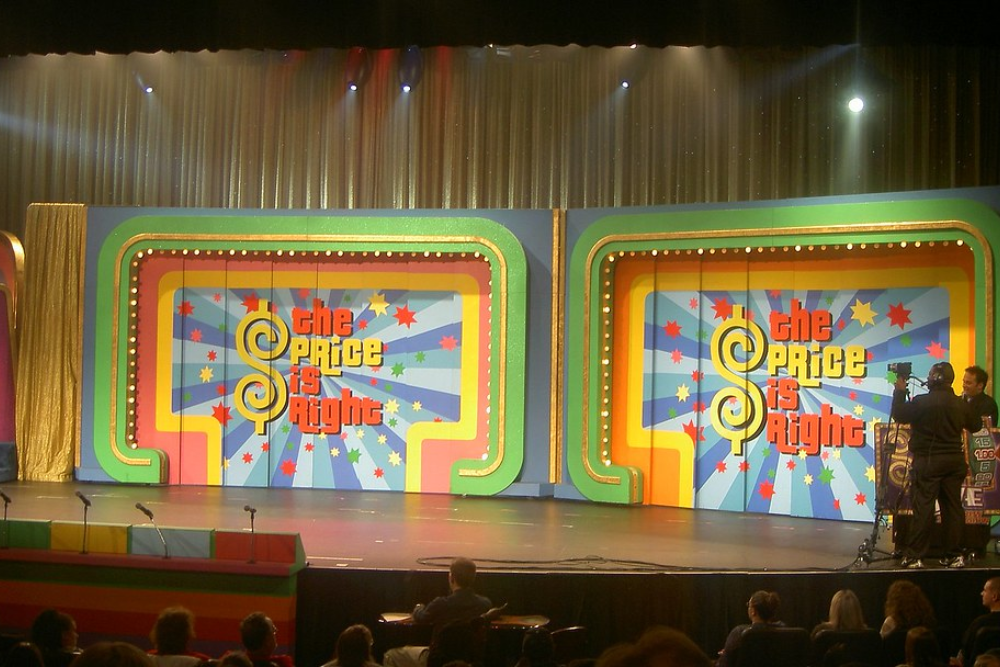
Several games on this long-running show reward contestants for getting closest to the actual price without going over. Contestants who bid too high are immediately eliminated, while those who bid too low might still win if everyone else overbids.
The strategy involves calculated restraint rather than aggressive bidding.
Blackjack
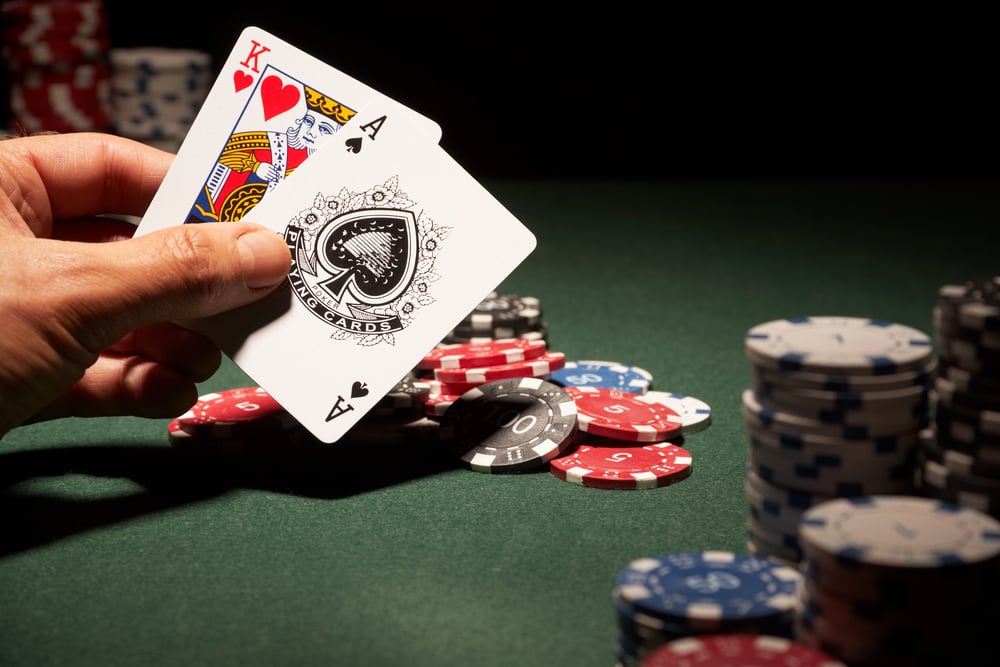
While not technically a sport, competitive blackjack tournaments follow similar principles. Players aim to get as close to 21 as possible without exceeding it.
Going over 21 results in an automatic loss, regardless of what other players have. The winning strategy often involves knowing when to stop rather than when to keep pushing.
Like Go2Tutors’s content? Follow us on MSN.
Horseshoes

This backyard staple awards points for getting horseshoes close to the stake, with the closest shoe winning each round. Players can cancel out their opponent’s points by throwing their horseshoe closer, making precision more valuable than power.
The first to reach a predetermined point total wins the game.
Cornhole
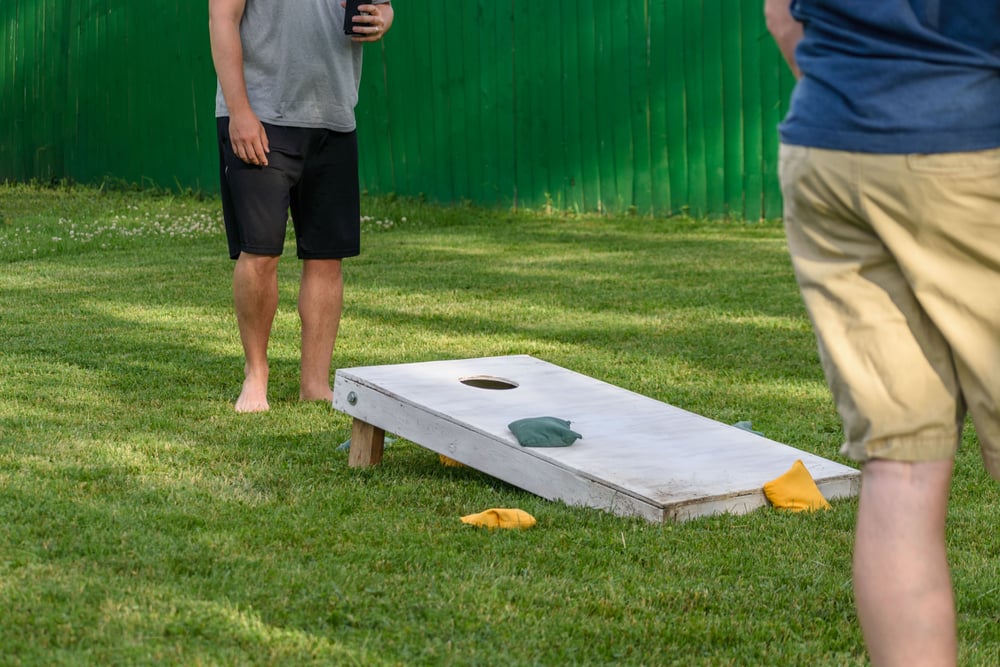
Similar to horseshoes, cornhole players score points by landing bean bags on a raised platform or through a central opening. The twist comes in the cancellation scoring system, where opponents can cancel out each other’s points within each round.
Only the difference between scores carries forward, rewarding consistent accuracy.
Spades (Bidding Element)
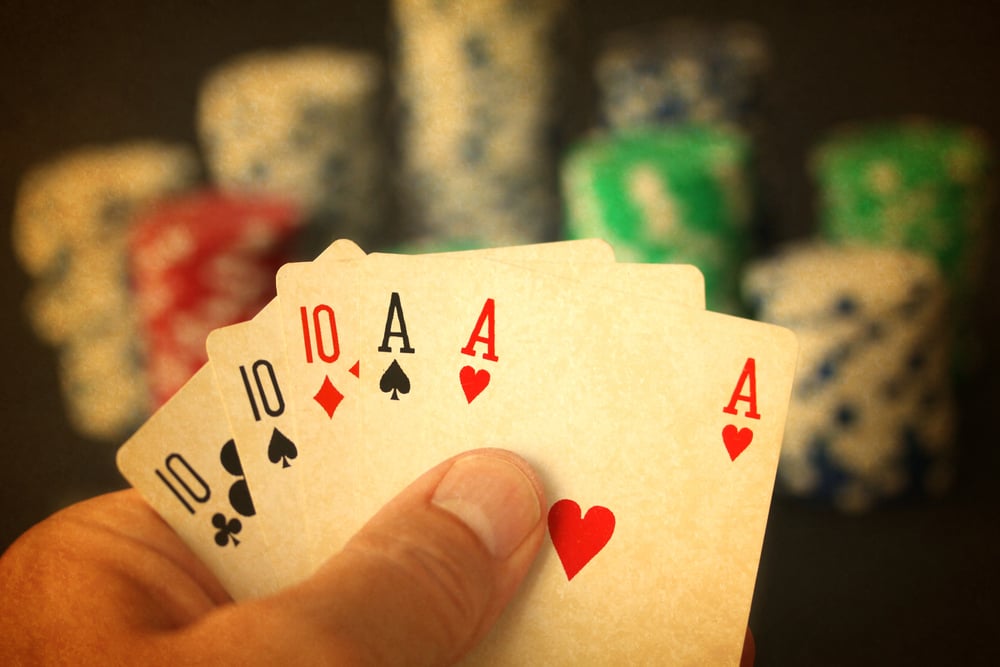
In the card game Spades, players must bid on how many tricks they think they’ll win. Successfully taking exactly that number of tricks earns points, while taking more or fewer results in penalties.
This creates a strategic balance where players must avoid both under-performing and over-achieving their stated goals.
Like Go2Tutors’s content? Follow us on MSN.
Lowest Unique Bid Auctions

These online auction formats award items to the person who submits the lowest bid that no one else has made. Bidding too high means losing to lower bids, while bidding the same as someone else disqualifies both bids.
Winners succeed by finding the sweet spot that others have overlooked.
Reverse Scavenger Hunts
Some scavenger hunt variations challenge participants to avoid finding certain items or completing specific tasks. Teams lose points for discovering forbidden objects or locations, while earning points for successfully avoiding them.
This format rewards careful planning and strategic route selection over speed or luck.
Where Strategy Meets Contradiction

These sports prove that competition doesn’t always follow intuitive rules. They reward patience, precision, and strategic thinking over pure athleticism or aggression.
Whether you’re trying to keep a tower standing in Jenga or avoid going over 21 in blackjack, success often comes from knowing when to stop rather than when to push forward. The next time someone tells you that winning is everything, remind them that sometimes the best way to win is by perfecting the art of strategic losing.
Like Go2Tutors’s content? Follow us on MSN.
More from Go2Tutors!

- 16 Historical Figures Who Were Nothing Like You Think
- 12 Things Sold in the 80s That Are Now Illegal
- 15 VHS Tapes That Could Be Worth Thousands
- 17 Historical “What Ifs” That Would Have Changed Everything
- 18 TV Shows That Vanished Without a Finale
Like Go2Tutors’s content? Follow us on MSN.